Top 4 Castles around Luz
Best castles around Luz offer a glimpse into the region's rich history and strategic coastal defense. Located along the Algarve coast, these historical sites provide insights into past eras. The area is characterized by its coastal landscape, where many fortifications were built to protect against maritime threats. Visitors can explore these structures, which often feature views of the Atlantic Ocean.
Best castles around Luz
- The most popular castles is Fort Meia Praia, a historical_site that defended the Bay of…
Last updated: July 3, 2026
Ponta da Bandeira Fort
Highlight • Historical Site
Tuesday to Sunday
10:00 am - 12:30 pm
14:00 - 17:30
Closed on Mondays
Translated by Google •
Tip by

Almádena Fort
Highlight • Historical Site
Translated by Google •
Tip by

Sign up now to discover places like this
Get recommendations on the best single tracks, peaks, & plenty of other exciting outdoor places.
Sign up for free
Fort Meia Praia
Highlight • Historical Site
Translated by Google •
Tip by

Governors' Castle of Lagos
Highlight • Castle
Translated by Google •
Tip by

Start today with a free account
Your next adventure awaits.
Login or Signup

Tips from the Community

The Forte da Ponta da Bandeira is a 17th-century coastal fort in Lagos, Portugal, originally built between 1680 and 1690 to defend the city from maritime threats. The fort is designed with a square plan, thick walls facing the sea, and a surrounding moat, accessible via a drawbridge. It contains a small chapel dedicated to Santa Bárbara, the patron saint of artillery, completely clad in 17th-century azulejos.
2
0

The Governors' Castle (Castelo dos Governadores) dates from the 17th century and houses the last collection of the Seven Oratories of the Holy Place (Sete Passos da Vila Sacra) that were scattered throughout the city in the 18th century. On the façade, above both doors, is the coat of arms of the Kingdom of the Algarve and between them the family coat of arms of the Count of Avintes. The large baroque pediment crowns the oratory, enclosed by two large wooden gates.
0
0

The fortress withstood the earthquake of 1755, but was abandoned when piracy ceased to threaten the coast.
0
0

The fort has a chapel dedicated to St. Barbara and an azulejo group from the end of the 18th century. The building, which was restored in the 1960s, is the bookplate among the sea fortresses of the Lagos fortifications. See: https://www.visitportugal.com/de/NR/exeres/C411AAEA-06C3-48DE-AF94-F497E49D39D5
5
0
Outside the old walled city stands the Fortaleza de Nossa Senhora da Penha de França, commonly known as Forte da Ponta da Bandeira. The fortress was built at the end of the 17th century to defend Lagos. Access is via a drawbridge that spans a moat. As it was one of the last defensive points built in Lagos, it is now one of the most beautiful and best preserved. See: https://www.visitportugal.com/de/NR/exeres/C411AAEA-06C3-48DE-AF94-F497E49D39D5
3
0

Small medieval fortification not far from the harbor entrance.
2
0

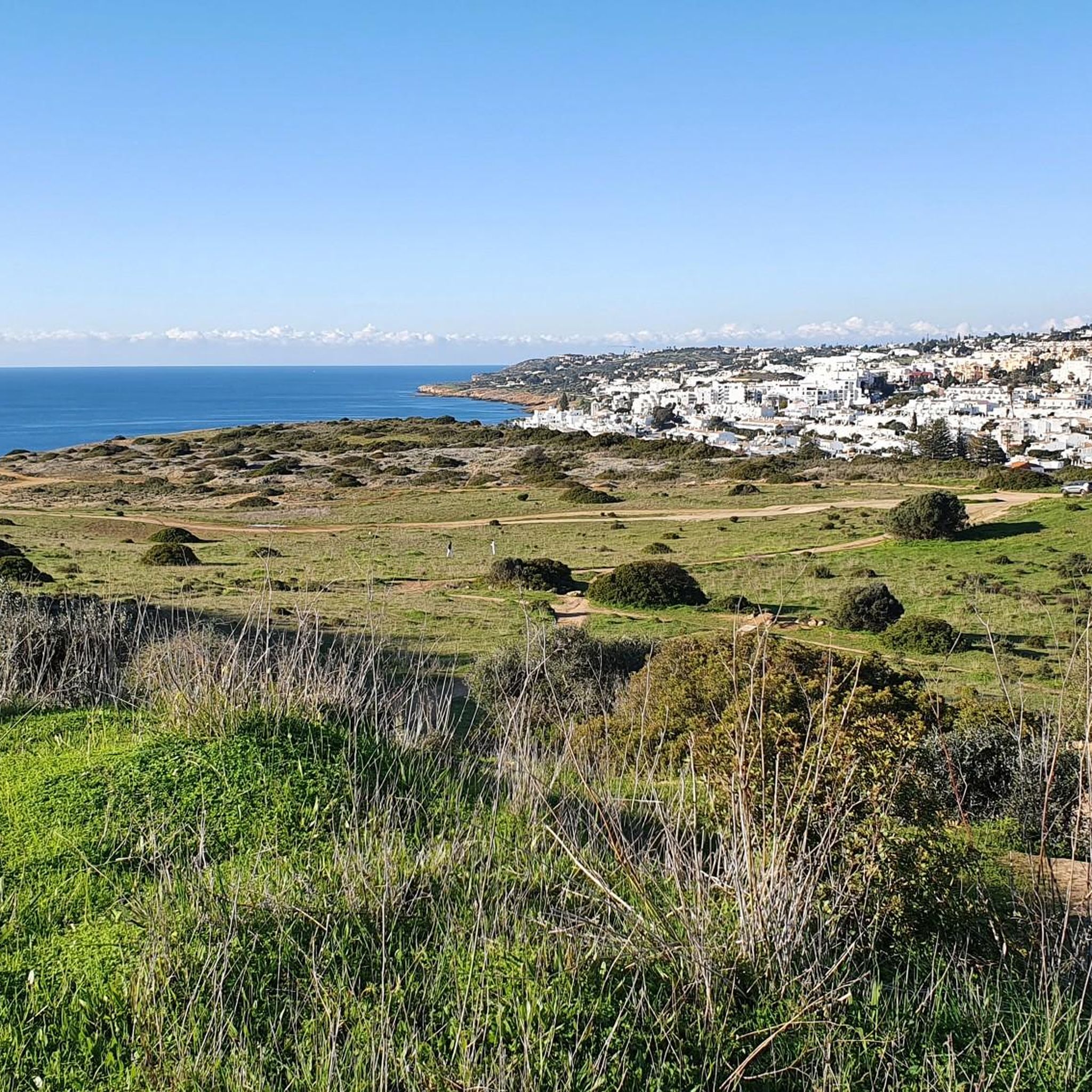
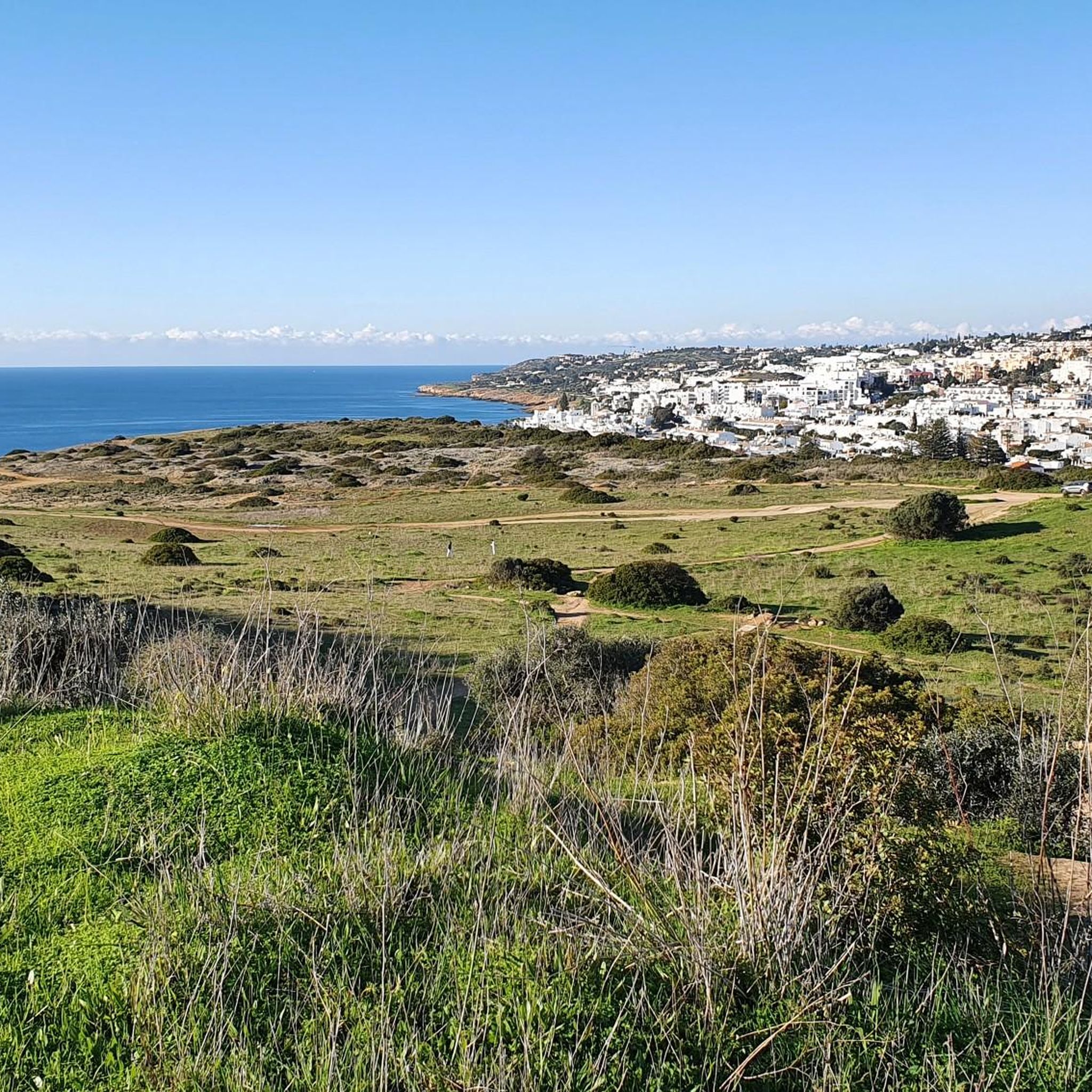
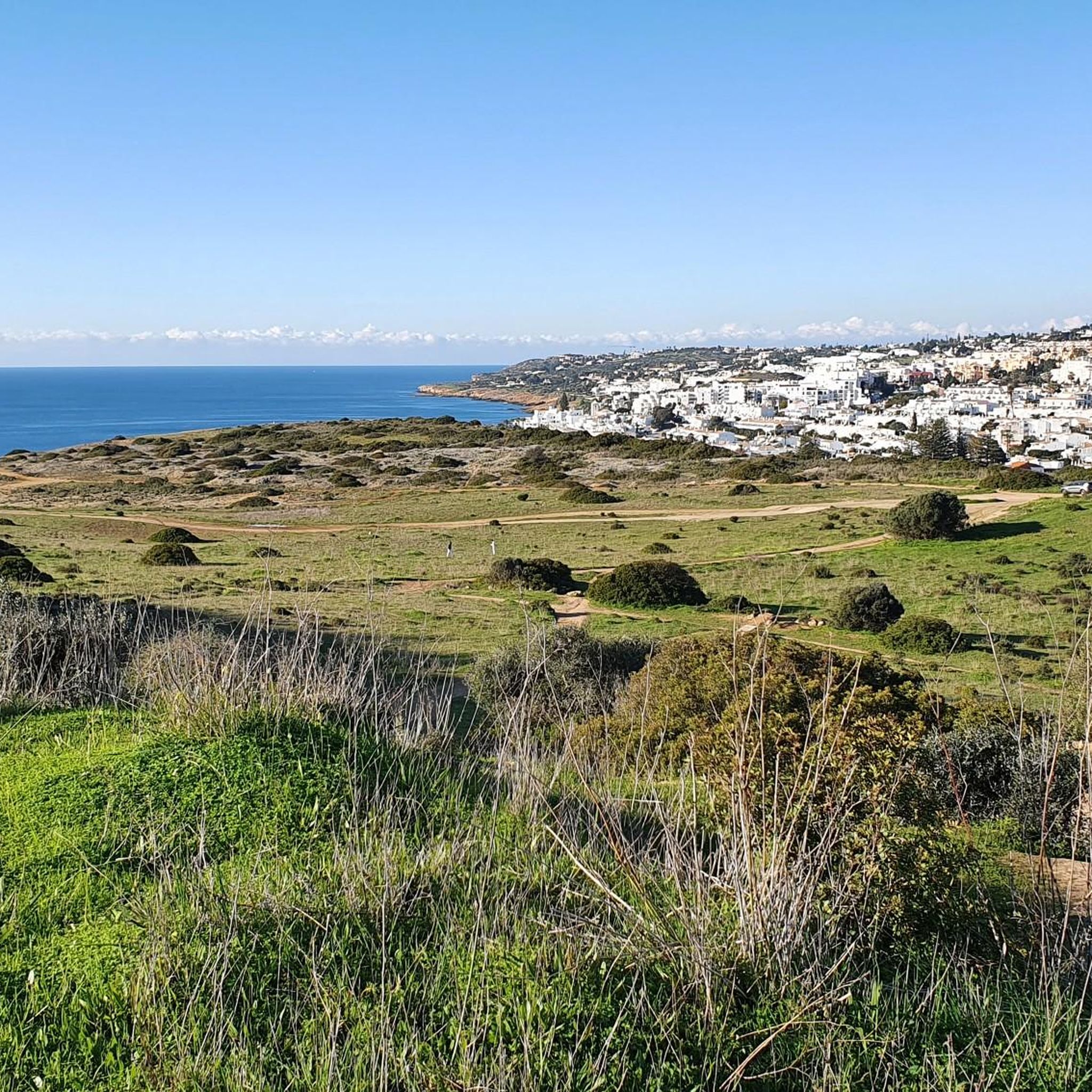
Almádena fort is a ruin dating from the 16th century. It was built to protect the fishermen from the pirates that plagued the area. Today, the fort is open to the public and offers a lovely view of the coast.
1
1

The remains of the "Forte de Almadena" castle complex lie directly on the edge of the rocky coast with good views along the coast.
1
0
Frequently Asked Questions
What is the historical significance of the castles around Luz?
The castles around Luz, particularly along the Algarve coast, are historically significant for their role in coastal defense. They were primarily built to protect against maritime threats, including pirates, and to guard strategic points like the Bay of Lagos. These fortifications offer a direct glimpse into the region's past eras and its strategic importance.
Which castles around Luz offer the best views of the coast?
Many of the castles around Luz provide excellent coastal views. Almádena Fort, though a ruin, offers a lovely view of the coast. The fortifications in general, including Ponta da Bandeira Fort and Fort Meia Praia, were strategically placed to offer commanding views of the Atlantic Ocean and surrounding areas.
Are there any family-friendly castles to visit near Luz?
Yes, Ponta da Bandeira Fort is categorized as family-friendly. Its manageable size and historical context make it suitable for visitors of all ages. Exploring the grounds and learning about its past can be an engaging activity for families.
What unique architectural or historical features can I find in these castles?
The castles around Luz boast distinct features. Ponta da Bandeira Fort, for instance, houses a chapel dedicated to St. Barbara and an 18th-century azulejo group. The Governors' Castle of Lagos from the 17th century contains the last collection of the Seven Oratories of the Holy Place.
What outdoor activities can I do near the castles around Luz?
The area around Luz offers various outdoor activities. You can find numerous hiking opportunities, including easy hikes and more challenging trails. For example, explore the easy hikes around Luz or more extensive hiking routes around Luz. There are also options for gravel biking around Luz for those interested in cycling.
Are there any castles near a beach in Luz?
Yes, Fort Meia Praia is located at the eastern end of an approximately 5.5 km long sandy beach. This makes it an ideal spot to combine a historical visit with a relaxing walk along the extensive coastline.
What is the best time to visit the castles around Luz?
The Algarve region generally enjoys mild weather year-round. Spring (April-May) and Autumn (September-October) are often considered ideal, offering pleasant temperatures for exploring without the peak summer crowds. However, the coastal location means that even in summer, sea breezes can make visits comfortable.
What do visitors enjoy most about the castles in the Luz region?
Visitors frequently appreciate the rich history and strategic coastal defense aspects of the castles. The stunning views of the Atlantic Ocean from these fortifications are also a major draw. The komoot community has shown significant engagement, with over 170 upvotes and more than 160 photos shared, highlighting the visual appeal and historical interest of these sites.
Are there any castles that are currently closed or have specific opening hours?
Yes, it's important to check specific details before your visit. For example, Ponta da Bandeira Fort has specific opening hours (Tuesday to Sunday, 10:00 am - 12:30 pm and 2:00 pm - 5:30 pm, closed Mondays) but has also been noted as being currently closed indefinitely. Always verify the latest information directly before planning your trip.
Can I find any ruins among the castles near Luz?
Yes, Almádena Fort is a notable ruin dating from the 16th century. It was damaged by the 1755 earthquake and abandoned in 1849. While in poor condition, it still offers a historical experience and a lovely view of the coast.
Are there any castles that were built to protect against pirates?
Yes, Almádena Fort was specifically built in the 16th century to protect local fishermen from the pirates that plagued the area. This highlights the historical context of coastal defense in the region.
Most popular routes around Luz
Most popular attractions around Luz

Get inspired with the komoot mobile app


Explore more
Looking for the best castles somewhere else? Discover other guides around Luz:
