Top 4 Caves around Agualva
Caves around Agualva are primarily found within the wider Sintra region of Portugal, offering a mix of natural and man-made underground structures. The area is known for its unique geological features and historical sites, particularly the elaborate grottoes and tunnels of Quinta da Regaleira. These underground passages provide insights into both natural rock formations and intricate architectural designs. The landscape around Agualva features varied terrain, from hills to valleys, where several cave systems have been identified.
Best caves around Agualva
…Last updated: May 6, 2026
Waterfall Lake
Highlight • Lake
Translated by Google •
Tip by

Virgin Grotto
Highlight • Cave
Translated by Google •
Tip by
Sign up now to discover places like this
Get recommendations on the best single tracks, peaks, & plenty of other exciting outdoor places.
Sign up for free
Caves of Vale da Calada
Highlight • Cave
"The small village of Olelas, twenty or so kilometers from Lisbon, to the Northwest, and about 800m east of the Sabugo station, on the …
Translated by Google •
Tip by

Olelas Caves Trail
Highlight • Trail
Translated by Google •
Tip by

Start today with a free account
Your next adventure awaits.
Login or Signup


Tips from the Community

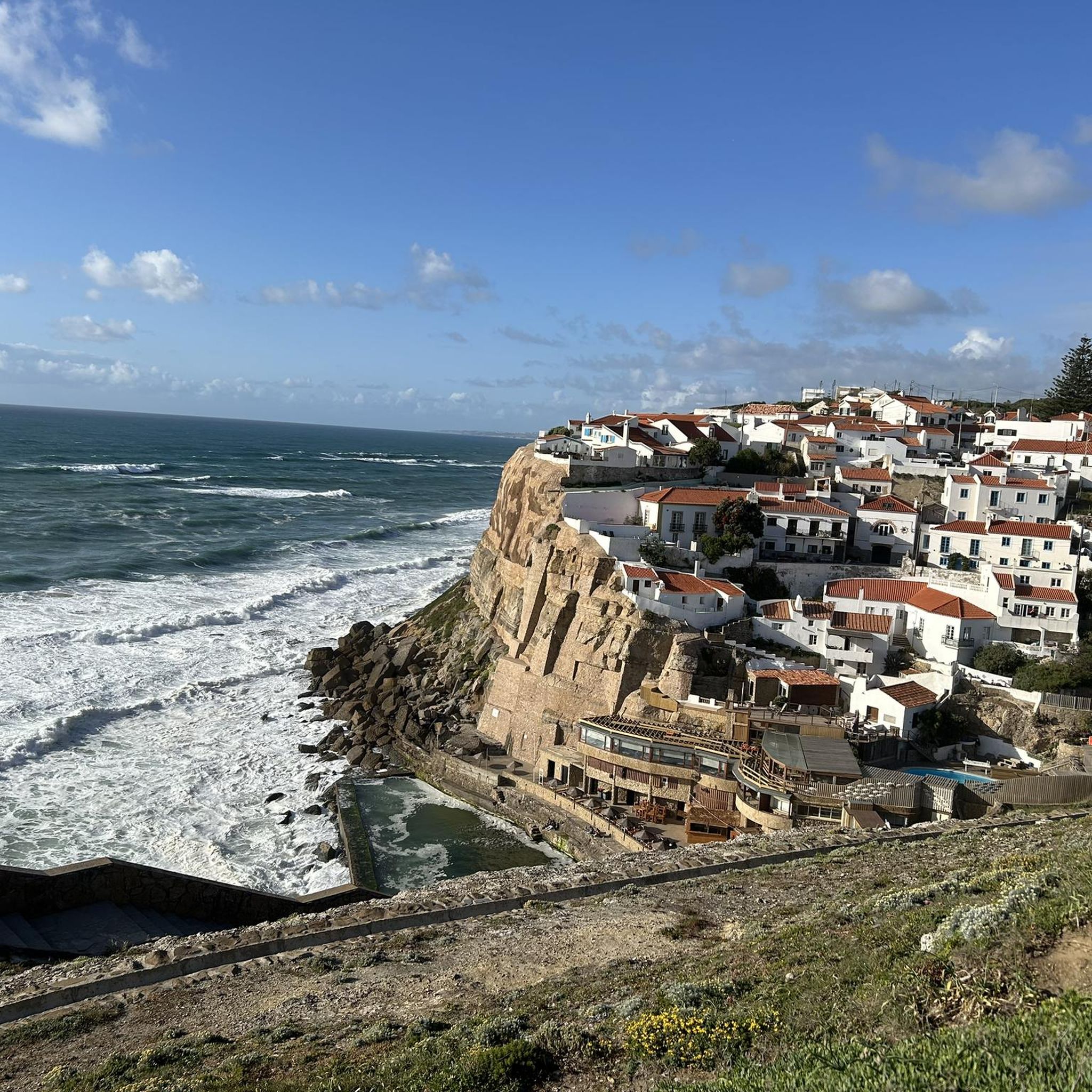
The Lake of the Waterfall (sometimes called the Lake with the Waterfall or the Lake of the Stone Steps) is one of the most photogenic and magical spots in Quinta da Regaleira. It forms part of the network of grottoes, tunnels, and symbolic gardens designed by Luigi Manini for Antonio Monteiro. This lake is usually reached through the underground tunnels that connect the Initiation Well with other parts of the estate; one of these tunnels leads directly to a hidden waterfall that flows into this lake.
1
0

The waterfall pool resembles a small natural basin, into which the water flows in gentle cascades – perfect for a short break while enjoying the interplay of water and rock. The water flow varies depending on the season, which also changes the atmosphere of the spot. Please stay on the paths and respect the sensitive shoreline so that this idyllic place remains intact.
4
1
The initiation well at Quinta da Regaleira leads you down a spiral staircase deep into the earth, feeling like the entrance to another world. Among damp walls, symbolic details, and glimpses of light rising above, you sense a special, almost mystical atmosphere. At the bottom, tunnels and paths await, further igniting your sense of discovery.
4
0

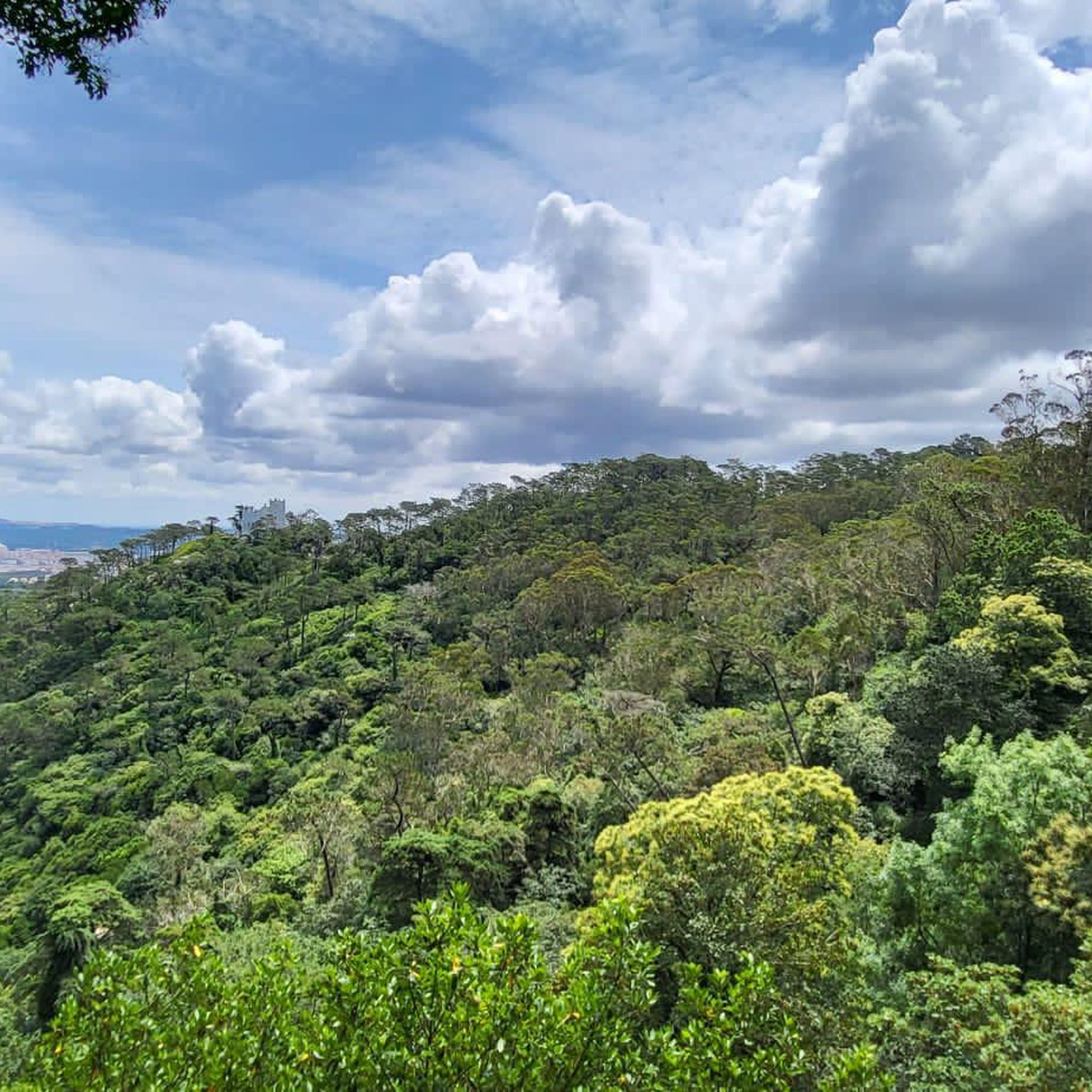
Lago da Cascada is a mystical green lake. It can be admired and explored from every angle. Whether from the bridge, from above, or from the grotto... every view reveals a new side of the lake and its waterfall.
2
1

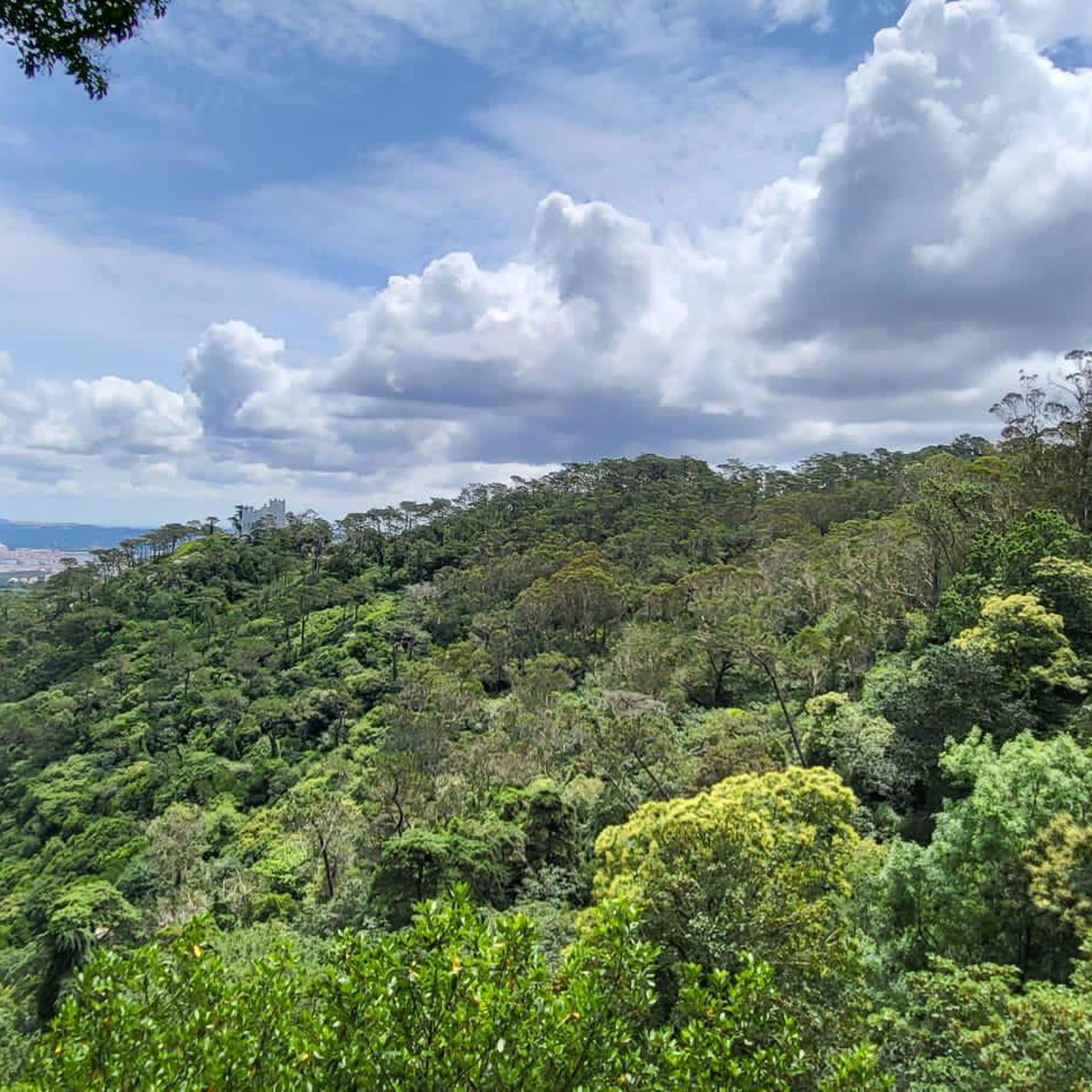
Access trail to the famous caves of Olelas, it is a first "path" almost impossible to do with a bike due to the density of the flora, mainly thornbushes and brambles and a few other species. Therefore, it is strongly recommended to wear a long-sleeved shirt and any kind of leg protection (pants or knee-high socks and shin guards). I didn't get much information about the caves, just that some archaeological finds were found there, namely pieces of flint, a stone that in prehistoric times was often used to make rudimentary tools, such as knives and spearheads. Flint is also used, was and continues to be used for starting fires. Some bones of humans as well as animals were also found.
1
0

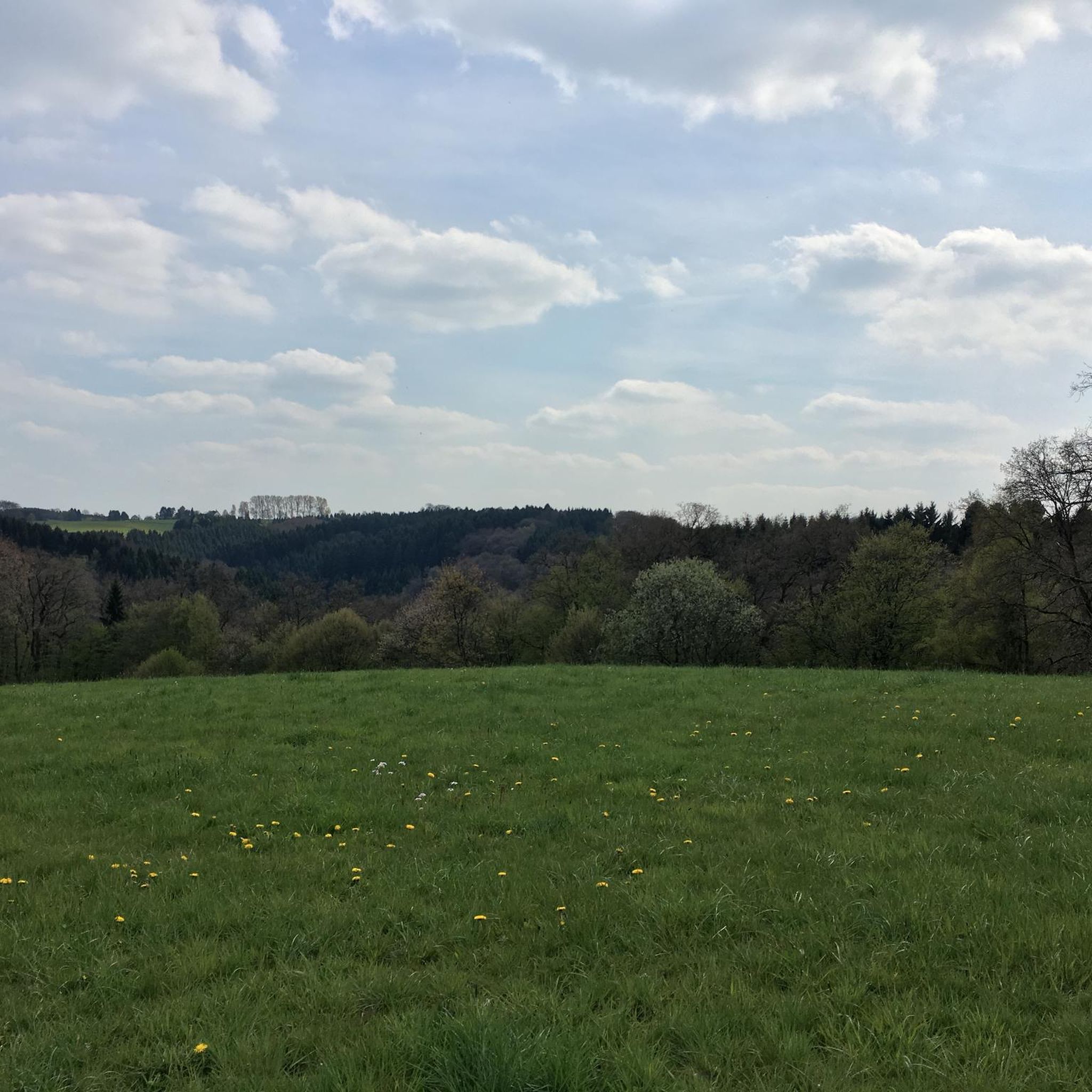
Necropolis caves of Vale da Calada: "The small village of Olelas, twenty or so kilometers from Lisbon, to the Northwest, and about 800m east of the Sabugo station, on the West railway line, to which it is connected by a path, is located at an altitude of 200m on a terrace on the slope of the Serra de Olelas, a series of small, extremely rocky hills, the northernmost of which can be seen the geodesic pyramid of the same name. Northeast of Olelas, between Cabeço do Norte and do Sul, Picôto, is excavated, as we said, a narrow valley called Vale da Calada, with steep slopes where the rock is bare in the upper parts and covered with kermes in the upper parts. lower altitudes. It is even this aspect that distinguishes the two hillocks from neighboring lands, which on the contrary are well used in different cultures and with some trees, making them stand out remarkably in the landscape for those visiting Sabugo station. These two rocky massifs, neatly cut out by the erosion that sculpted countless anfractuosities in them, have on their flanks that form the valley the three aforementioned caves of unequal importance. On the southern slope of the valley, Cova da Raposa, the largest of the three caves, has its double opening facing North and giving on a small terrace cut in half by a curious natural arch, carved in the rock, resembling a butante arch of a Gothic cathedral , quite wide at the top and tapering towards the base that deviates from the plumb to the west side." The two caves are separated, from the mouth to about 4m inland, by rock perforated on both sides and at various points by small openings, which cross it. Cova do Biguino, is a more regular cave, located on the north slope with the mouth facing southwest and opening onto a small terrace at a height greater than 10m above the Cova da Raposa border." - Removed from the website of the Union of Parishes of Almargem do Bispo, Pêro Pinheiro and Montelavar.
1
0
Frequently Asked Questions
What types of caves can I explore around Agualva?
The Agualva region, primarily within the wider Sintra area, offers a mix of natural caves and elaborate man-made grottoes and tunnels. You can explore the mystical underground passages of Quinta da Regaleira, which include the Waterfall Lake and the Virgin Grotto, or discover the natural formations and archaeological significance of the Caves of Vale da Calada.
Are there any family-friendly cave experiences near Agualva?
Yes, the underground systems at Quinta da Regaleira, including the Initiation Well and connecting tunnels, are generally considered family-friendly. While some passages can be dimly lit and narrow, the well-maintained paths and the estate's rich history make it an engaging adventure for various ages. It's an opportunity to explore a unique blend of architecture and esoteric narrative.
What unique geological features can I expect to see in the caves around Agualva?
In the natural Caves of Vale da Calada, you'll find unique rock formations, including a curious natural arch resembling a Gothic cathedral. At Quinta da Regaleira, while man-made, the grottoes and tunnels are carved into the earth, showcasing intricate stonework and the interplay of water and rock, such as at the Waterfall Lake.
What historical or cultural significance do the caves around Agualva hold?
The Caves of Vale da Calada are known for their archaeological significance, with findings suggesting ancient human activity. The underground system at Quinta da Regaleira is steeped in symbolism, drawing from alchemy, Masonry, and the Templar Knights, offering a unique historical and esoteric narrative through its tunnels and initiation wells.
How long does it typically take to explore the underground areas of Quinta da Regaleira?
Exploring the grottoes, tunnels, and the Initiation Well at Quinta da Regaleira can take anywhere from 1 to 2 hours, depending on your pace and how much time you spend appreciating the intricate details and symbolism. The entire estate, including the gardens, can easily fill half a day or more.
What should I wear when visiting the caves and grottoes?
When visiting the caves and grottoes, especially those at Quinta da Regaleira, it's advisable to wear comfortable shoes with good grip, as paths can be uneven and damp. A light jacket might also be comfortable, as underground areas can be cooler than the outside temperature. For the Olelas Caves Trail, long sleeves and leg protection are strongly recommended due to dense flora.
Are there hiking trails near the caves around Agualva?
Yes, the Olelas Caves Trail provides access to the caves of Olelas, known for archaeological finds. Additionally, the wider Agualva region offers various outdoor activities. You can find more hiking and running opportunities on the Running Trails around Agualva guide.
What other outdoor activities can I do near the caves?
Beyond exploring caves, the Agualva region provides opportunities for various outdoor sports. You can find numerous routes for road cycling in the area, detailed in the Road Cycling Routes around Agualva guide, or explore mountain biking trails with the MTB Trails around Agualva guide.
What do visitors enjoy most about the caves and grottoes in this region?
Visitors particularly enjoy the mystical atmosphere and intricate designs of the grottoes and tunnels at Quinta da Regaleira, especially the Waterfall Lake, which is considered one of the most photogenic spots. The sense of discovery when navigating the underground passages and the symbolic details are highly appreciated.
Are the caves around Agualva suitable for beginners in caving?
The man-made grottoes and tunnels at Quinta da Regaleira are well-maintained and generally suitable for beginners, offering a controlled environment to experience underground exploration. Natural caves like those in Vale da Calada may require more caution due to their natural, rugged terrain, but are still accessible for those with a basic level of fitness.
Is there an 'inverted tower' or similar unique structure to see?
Yes, at Quinta da Regaleira, you can explore the famous 'inverted tower' known as the Initiation Well. This unique structure descends 27 meters into the earth via a spiral staircase, connecting to a network of underground tunnels and grottoes, including the Virgin Grotto.
Can I find any archaeological sites related to the caves?
Yes, the Caves of Vale da Calada are noted for their archaeological significance. Additionally, the access trail to the Olelas Caves, known as the Olelas Caves Trail, leads to sites where archaeological finds, such as flint pieces and bones, have been discovered.
Most popular attractions around Agualva

Get inspired with the komoot mobile app


Explore more
Extend your search for the best caves by checking out these guides of the top ones around Agualva:
