Top 8 Gorges in Antofagasta
Canyons in Antofagasta, located within Chile's arid Atacama Desert, feature striking geological formations and unique landscapes. The region offers various canyon-like valleys and ravines, shaped by wind and water erosion over millennia. These areas present distinct rock formations, diverse colors, and opportunities for exploration.
Best canyons in Antofagasta
- The most popular canyons is Garganta del Diablo Canyon, a canyon with dramatic cliffs and distinctive geological formations. This area is known for its impressive views, particularly of the Valle de…
Last updated: July 19, 2026
Catarpe Valley Route
Highlight • Trail
Wonderful passage including stream crossings. Possibility to climb the ridge or master the Quebrada del Diablo Trail
Translated by Google •
Tip by

Tunnel Climb San Pedro de Atacama
Highlight (Segment) • Climb
NB: Just insert my memories of a trip in October 2016 here to …
Translated by Google •
Tip by
Sign up now to discover places like this
Get recommendations on the best single tracks, peaks, & plenty of other exciting outdoor places.
Sign up for free
Valle de la Luna Tunnel
Highlight • Structure
the passage is spooky and unlit. Take a lamp with you. The tunnel is not always passable.
Translated by Google •
Tip by
Quebrada de Chulacao
Highlight • Canyon
Translated by Google •
Tip by
Garganta del Diablo Canyon
Highlight • Canyon
Translated by Google •
Tip by

Valley of Death Viewpoint
Highlight • Viewpoint
Translated by Google •
Tip by

Valle del Arcoíris
Highlight • Natural Monument
Translated by Google •
Tip by

View of the Río San Pedro de Atacama Valley and Licancabur Volcano
Highlight • Viewpoint
NB: Please insert my memories of a trip in October 2016 here to …
Translated by Google •
Tip by
Start today with a free account
Your next adventure awaits.
Login or Signup
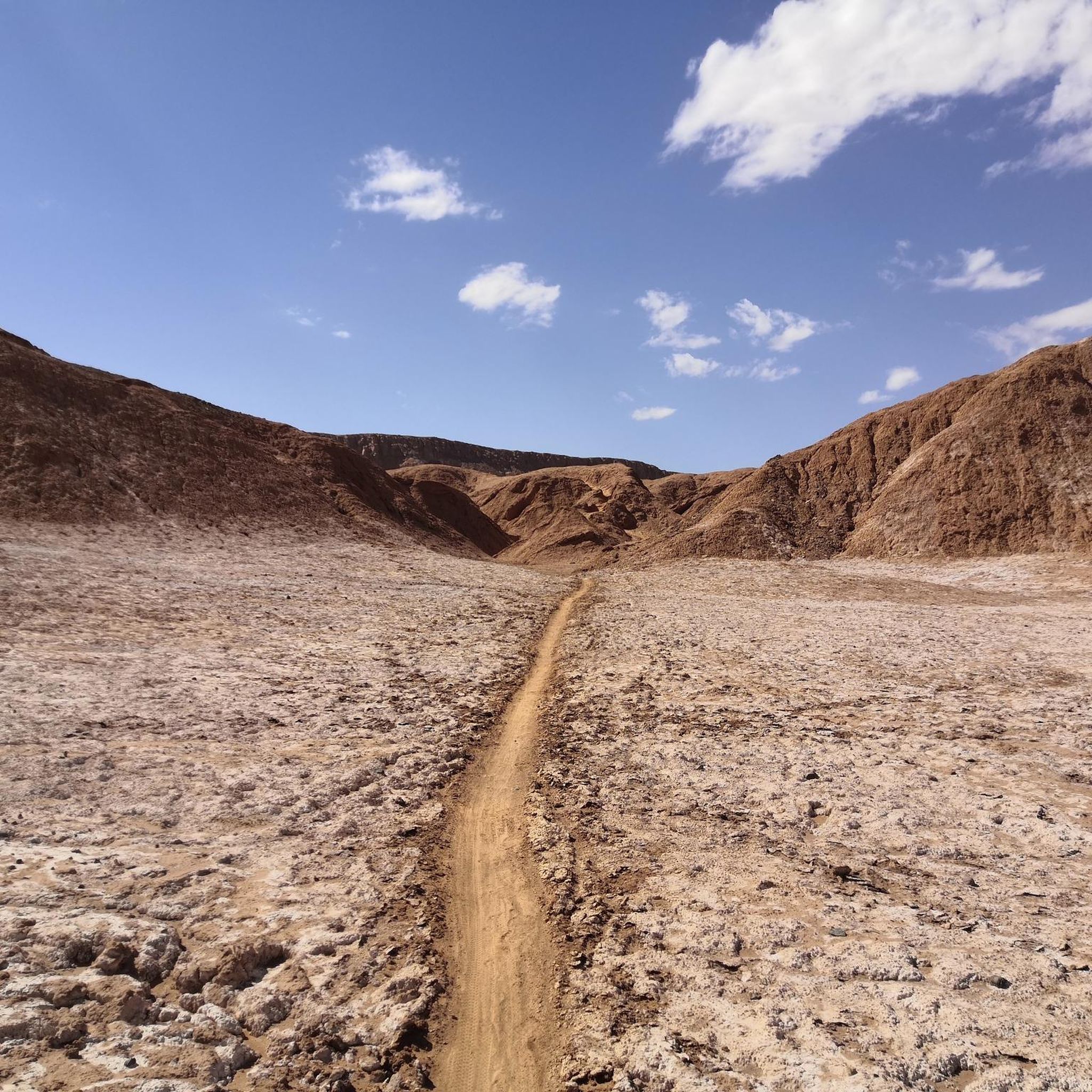
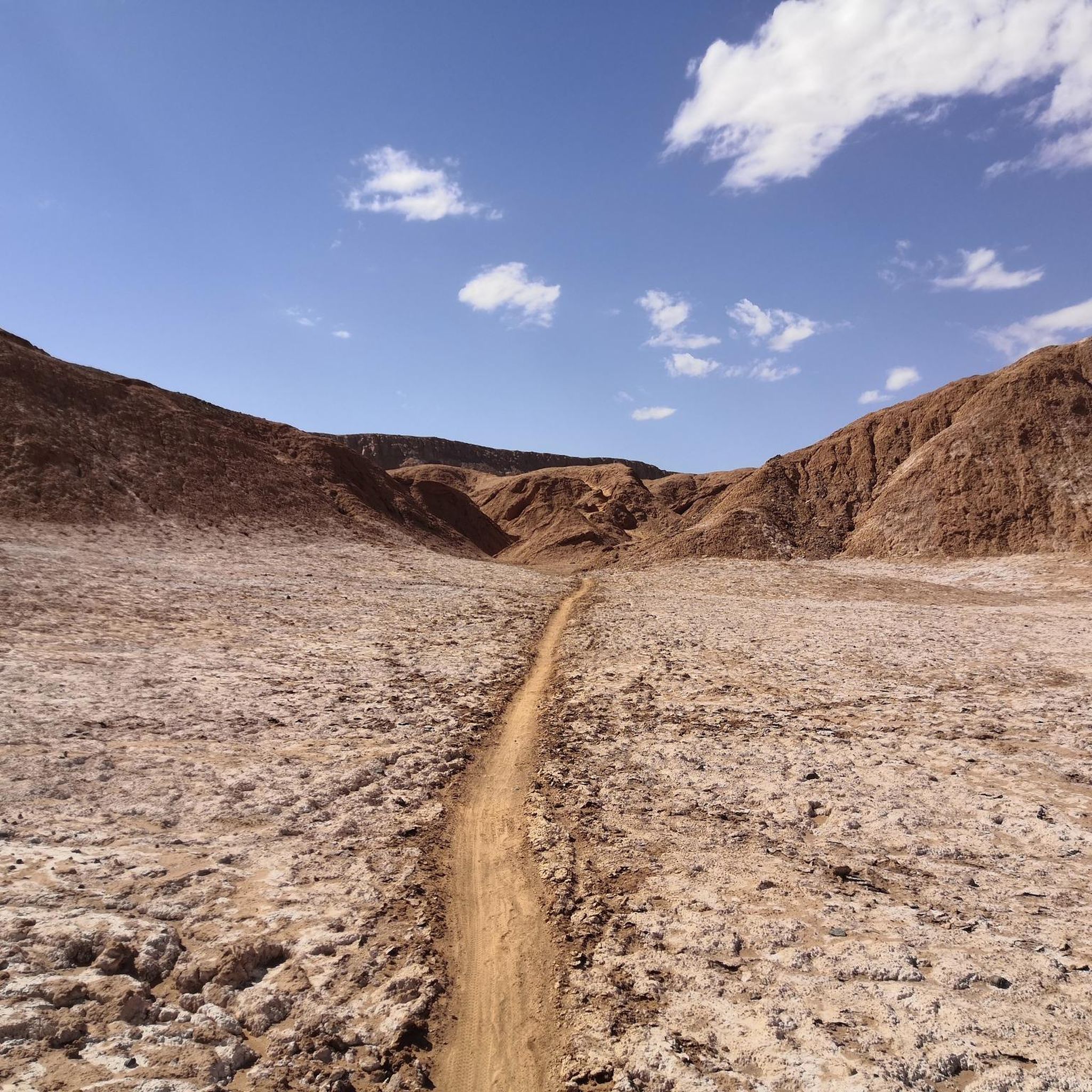
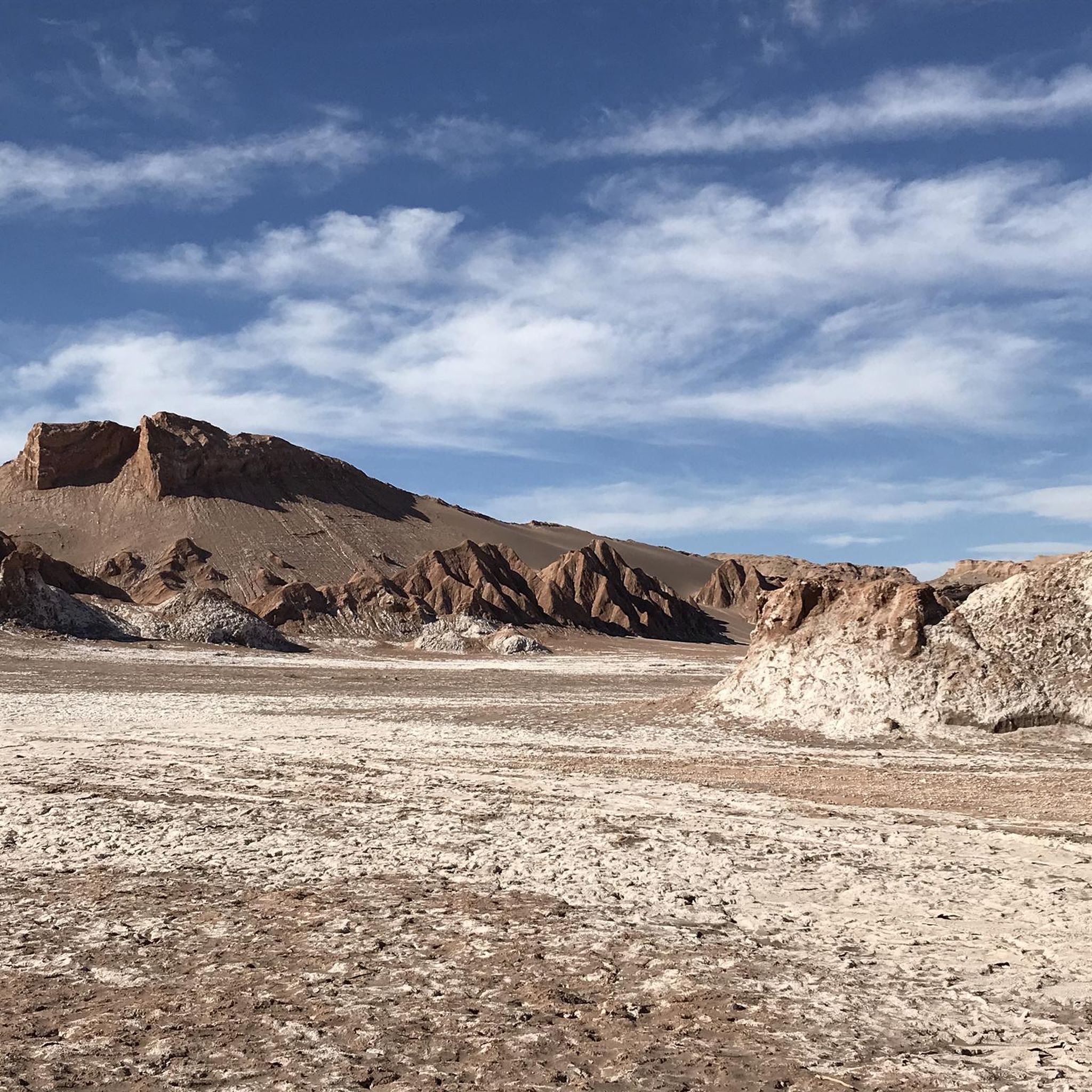
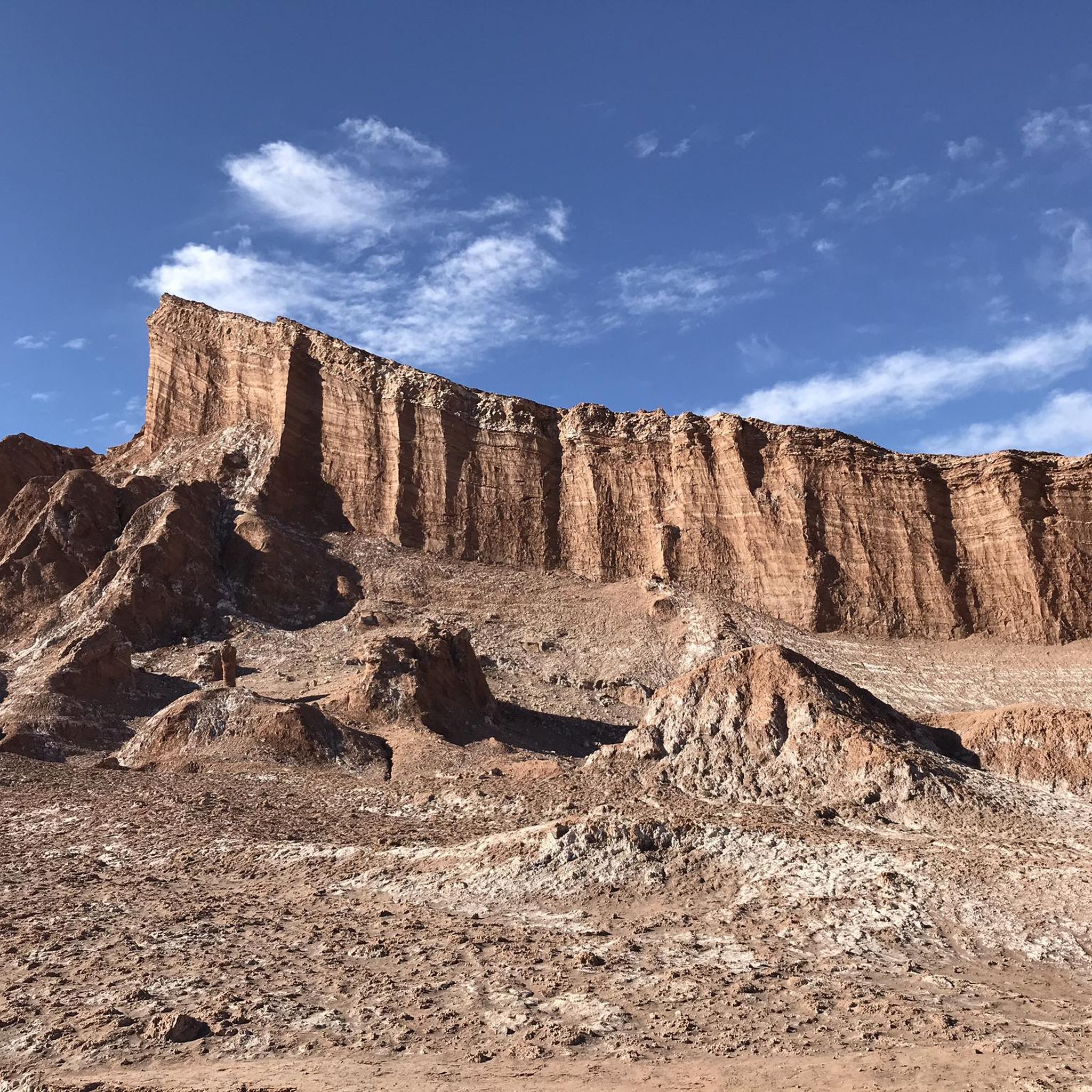
Tips from the Community

Beautiful view of the Valle de La Muerte. There are several shelters on the way up that provide shade.
1
0

A nice hike leads up to the lookout. Worthwhile and highly recommended. It takes about 1 hour to get to the top and you have a very nice all-round view.
2
0


It is about 2.5 kilometers from the entrance to the park to reach the canyon. You can walk or bike through the impressive rocky landscape. The area is hot, barren, dusty and dry. Take enough water with you!! From the canyon you come through a lunar-like landscape in which any life seems to have no chance. Be sure to take the Mirador with you on the summit!
2
0

Magnificient view
0
0

An iconic path from the valley of the Rio San Pedro de Atacama up to the tunnel. Watch out for bikers and cars. I think there is also a direct hiking route on the ridge ... NB: Just insert my memories of a trip in October 2016 here to share the information with the komoot community. Therefore check whether it is up to date. That's a must in the desert anyway. Please never go into the desert without first consulting locals. That can be very dangerous. The GPS coordinates are to be used with caution.
3
0
the lunar landscape begins on the other side (never go there without a local guide) the passage is spooky and unlit. Take a lamp with you. The tunnel is not always passable.NB: Please insert my memories of a trip in October 2016 here to share the information with the komoot community. Therefore check whether it is up to date. That's a must in the desert anyway. Please never go into the desert without first consulting locals. That can be very dangerous. The GPS coordinates are to be used with caution.
2
0
... the river Rio de San Pedro de Atacama. Wonderful passage including stream crossings. Possibility to climb the ridge or master the Quebrada del Diablo Trail NB: Please insert my memories of a trip in October 2016 here to share the information with the komoot community. Therefore check whether it is up to date. That's a must in the desert anyway. Please never go into the desert without first consulting locals. That can be very dangerous. The GPS coordinates are to be used with caution.
3
0
Frequently Asked Questions
What are the most popular canyon-like areas to visit in Antofagasta?
The Antofagasta region offers several striking canyon-like formations. Among the most popular are Garganta del Diablo Canyon, known for its dramatic cliffs and views of Valle de la Muerte, and Valle del Arcoíris (Rainbow Valley), celebrated for its extraordinarily colorful rock formations. Visitors also frequently explore the areas around Valle de la Luna Tunnel, which leads to the iconic lunar-like landscapes of Valle de la Luna.
What makes the canyons and valleys in Antofagasta unique?
The canyon-like formations in Antofagasta are unique due to their location within the arid Atacama Desert. This environment results in distinct geological features, such as lunar-like landscapes, vibrant mineral-rich rock formations, and fascinating salt deposits. The interplay of colors and textures, sculpted by wind and water erosion over millennia, creates a truly otherworldly experience.
What natural features can I expect to see in Valle de la Luna?
Valle de la Luna (Moon Valley) is famous for its surreal, lunar-like landscapes. You can expect to see impressive rock formations, giant sand dunes, and ancient dry lakebeds rich in salt and gypsum. The valley also features mysterious caves and panoramic viewpoints, such as those offering views of the 'Tres Marías' and 'El Anfiteatro'. A fascinating feature is the salt crystals within the rocks, which can produce subtle cracking sounds as they react to temperature changes.
Why is Valle del Arcoíris called 'Rainbow Valley'?
Valle del Arcoíris (Rainbow Valley) earns its name from the spectacular variety of colors displayed in its hills and rock formations. These vibrant hues, including earthy, reddish, brown, green, white, and yellow tones, are a result of various mineral deposits. For example, iron contributes to reds and oranges, copper to greens, and gypsum and calcite to whites, creating a stunning 'geological canvas'.
Are there any historical or cultural sites near the canyons?
Yes, near Valle del Arcoíris, you can find the Yerbas Buenas sector. This area holds significant historical and cultural value, featuring one of the most important groups of petroglyphs in the region, left by the indigenous Atacameño people.
What kind of outdoor activities can I do in the Antofagasta canyons?
The canyons and valleys in Antofagasta offer various outdoor activities. Popular options include hiking, photography, cycling, and horse riding through the impressive rocky landscapes. You can explore trails that wind through dramatic cliffs and unique geological formations, providing opportunities to experience the raw beauty of the Atacama Desert. For specific hiking routes, you can check out the Hiking in Antofagasta guide.
What is the best time to visit the canyons in Antofagasta?
The best time to visit can depend on the specific canyon. For Valle de la Luna, sunset is particularly recommended, as the changing light paints the landscape in vibrant hues. Valle del Arcoíris is especially striking in the morning light, which enhances its colorful rock formations. Generally, the cooler months (May to September) offer more comfortable temperatures for exploration.
Are there hiking trails suitable for different skill levels near the canyons?
Yes, the region offers trails for various skill levels. For example, the Easy hikes in Antofagasta guide lists routes like the 'Devil’s Throat Viewpoint – Garganta del Diablo Canyon loop'. More challenging options, such as the Tunnel Climb San Pedro de Atacama, are also available. Always check the difficulty rating and prepare accordingly for desert conditions.
What should I wear or bring when visiting the Antofagasta canyons?
Given the desert environment, it's crucial to wear appropriate clothing and bring essential items. We recommend light, breathable layers, a wide-brimmed hat, sunglasses, and sturdy closed-toe shoes for hiking. Always carry plenty of water, sunscreen, and a first-aid kit. For exploring areas like the Valle de la Luna Tunnel, a lamp is essential as it can be unlit.
Are the canyons in Antofagasta family-friendly?
Many areas within the Antofagasta canyons can be enjoyed by families, especially those with accessible viewpoints and shorter, easier trails. However, some areas involve challenging terrain or require local guides, such as certain passages in Valle de la Luna. It's best to research specific locations and trails to ensure they are suitable for your family's activity level and to always prioritize safety in the desert environment.
Can I explore the Valle de la Luna Tunnel?
The Valle de la Luna Tunnel is a passage leading to the lunar-like landscapes. It is described as spooky and unlit, requiring a lamp. It's important to note that the tunnel is not always passable and has been closed due to instability. It is strongly advised to never go there without a local guide, as the lunar landscape begins on the other side.
Are dogs allowed in the canyons of Antofagasta?
Regulations regarding dogs can vary by specific location within the Antofagasta region's natural areas. While some open desert areas might permit dogs, protected areas or specific attractions like Valle de la Luna may have restrictions to protect wildlife and the delicate ecosystem. It's always best to check with local authorities or tour operators for the most current rules before bringing your dog.
Most popular attractions in Antofagasta

Get inspired with the komoot mobile app


Didn’t find what you were looking for?
Want to see even more gorges? See the best ones in Antofagasta region by region:
Explore more
Already discovered everything in this region? See additional gorges in Antofagasta for your next adventure:
