Parc Naturel Régional Du Doubs Horloger
Parc Naturel Régional Du Doubs Horloger
Top 5 Caves in Parc Naturel Régional Du Doubs Horloger
Best caves in Parc Naturel Régional Du Doubs Horloger are found within a region characterized by its natural beauty, karst landscapes, and rich historical and industrial heritage. This area, spanning parts of France and Switzerland, offers a diverse range of underground formations, from vast natural caverns to unique historical sites. Visitors can explore significant geological formations, ancient refuges, and even industrial marvels adapted within caves. The region provides various caves to visit, showcasing both natural wonders and human ingenuity.
Best…
Last updated: September 29, 2026
Lançot Waterfall
Highlight • Waterfall
Translated by Google •
Tip by

Bisontin Cave
Highlight • Cave
Translated by Google •
Tip by

Sign up now to discover places like this
Get recommendations on the best single tracks, peaks, & plenty of other exciting outdoor places.
Grotte de la Grande Cave
Highlight • Cave
Translated by Google •
Tip by

Grotte de la Roche
Highlight • Cave
Translated by Google •
Tip by

Bief de Vautenaivre Picnic Area
Highlight • Rest Area
You can also go to the Doubs here. Due to its proximity to Goumois, however, it is also …
Translated by Google •
Tip by

Sign up for free to discover even more caves in Parc Naturel Régional Du Doubs Horloger.
Already have an account?
Start today with a free account
Your next adventure awaits.
Popular around Parc Naturel Régional Du Doubs Horloger
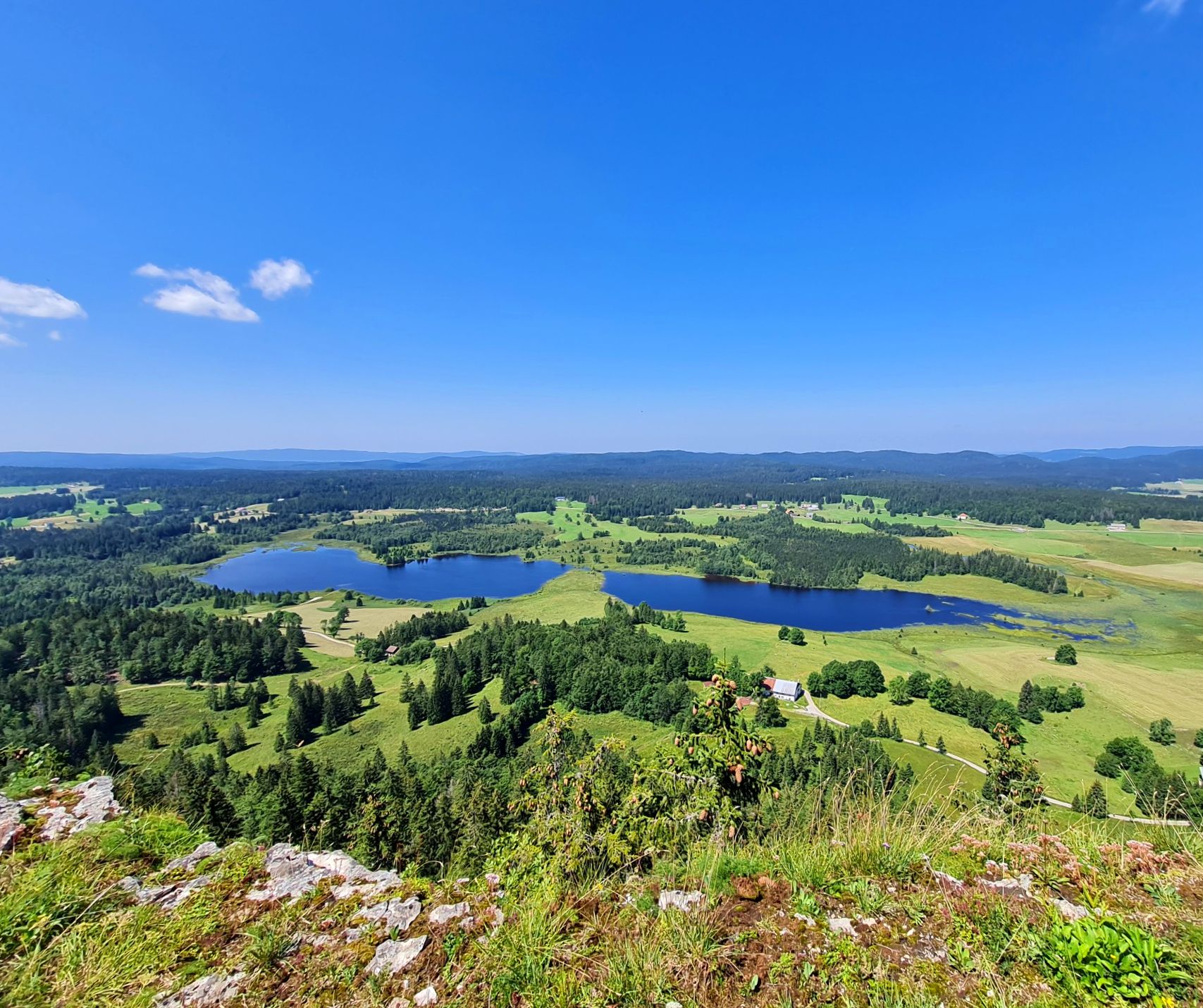
The Europe Trail – GR 5 from Nyon to Montbéliard
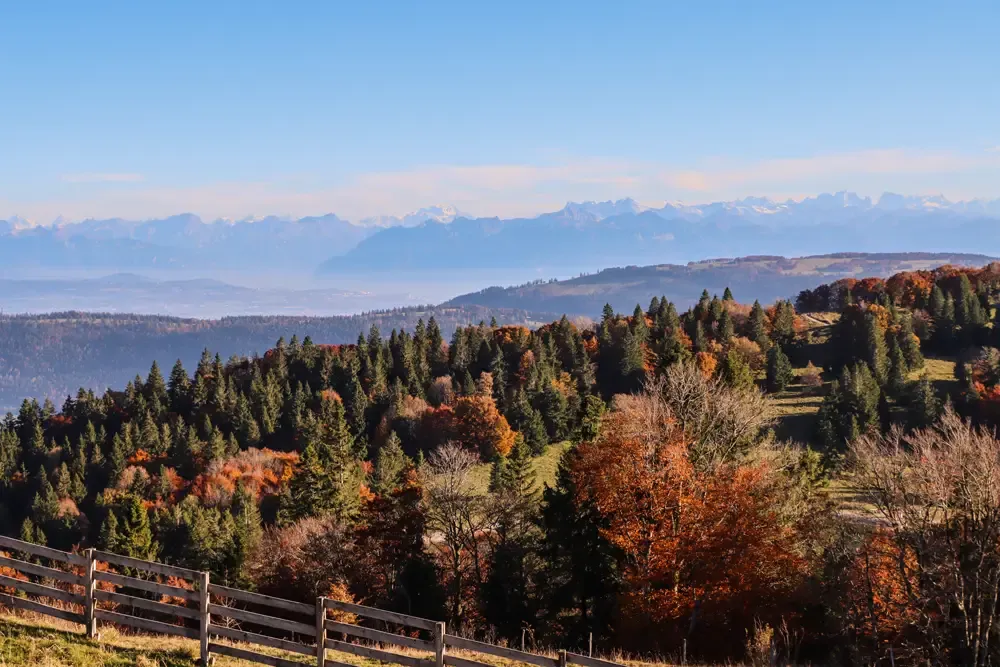
Grande Traversée du Jura en VTT — The Great Crossing of the Jura by MTB
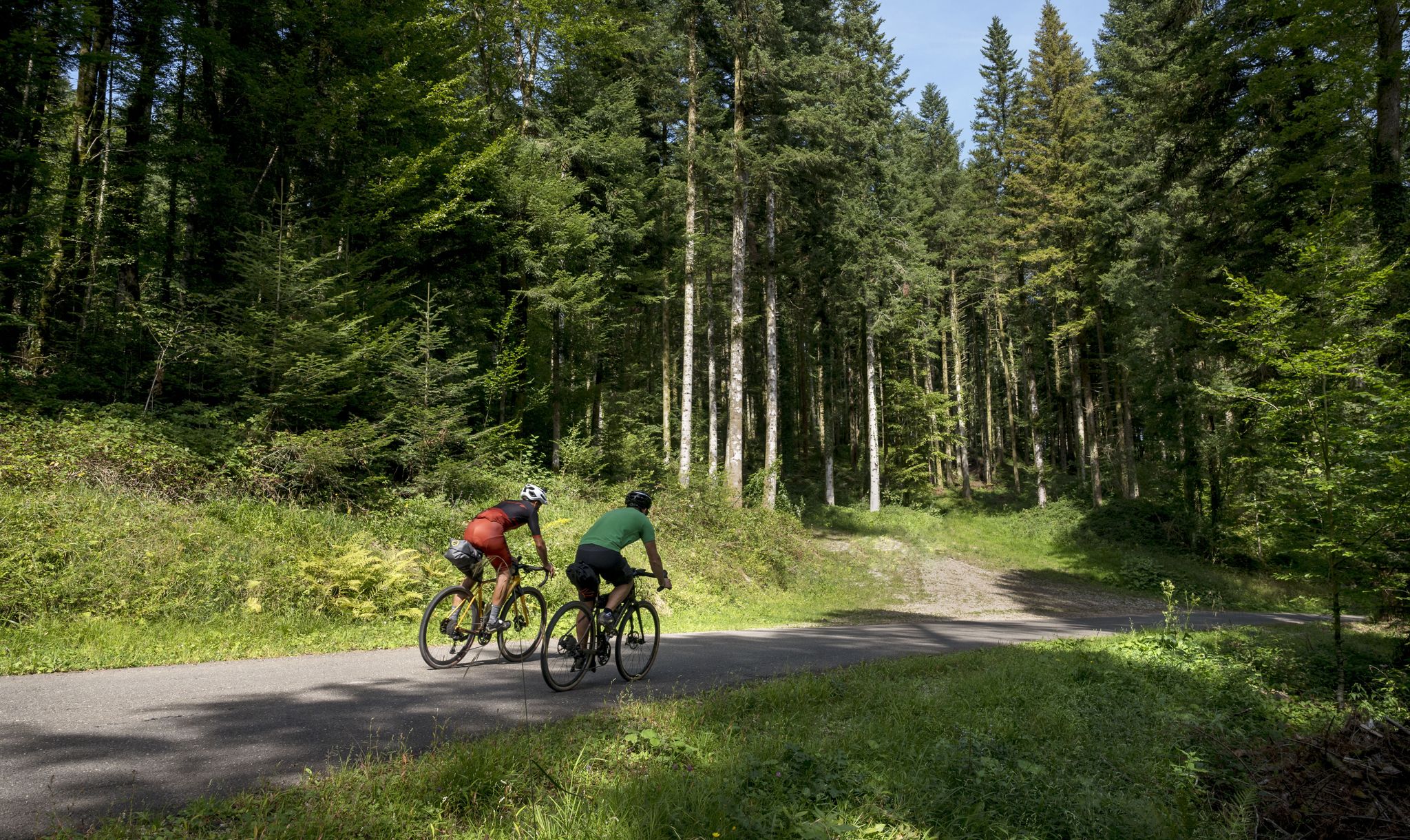
Grande Traversée du Jura - the gravel adventure
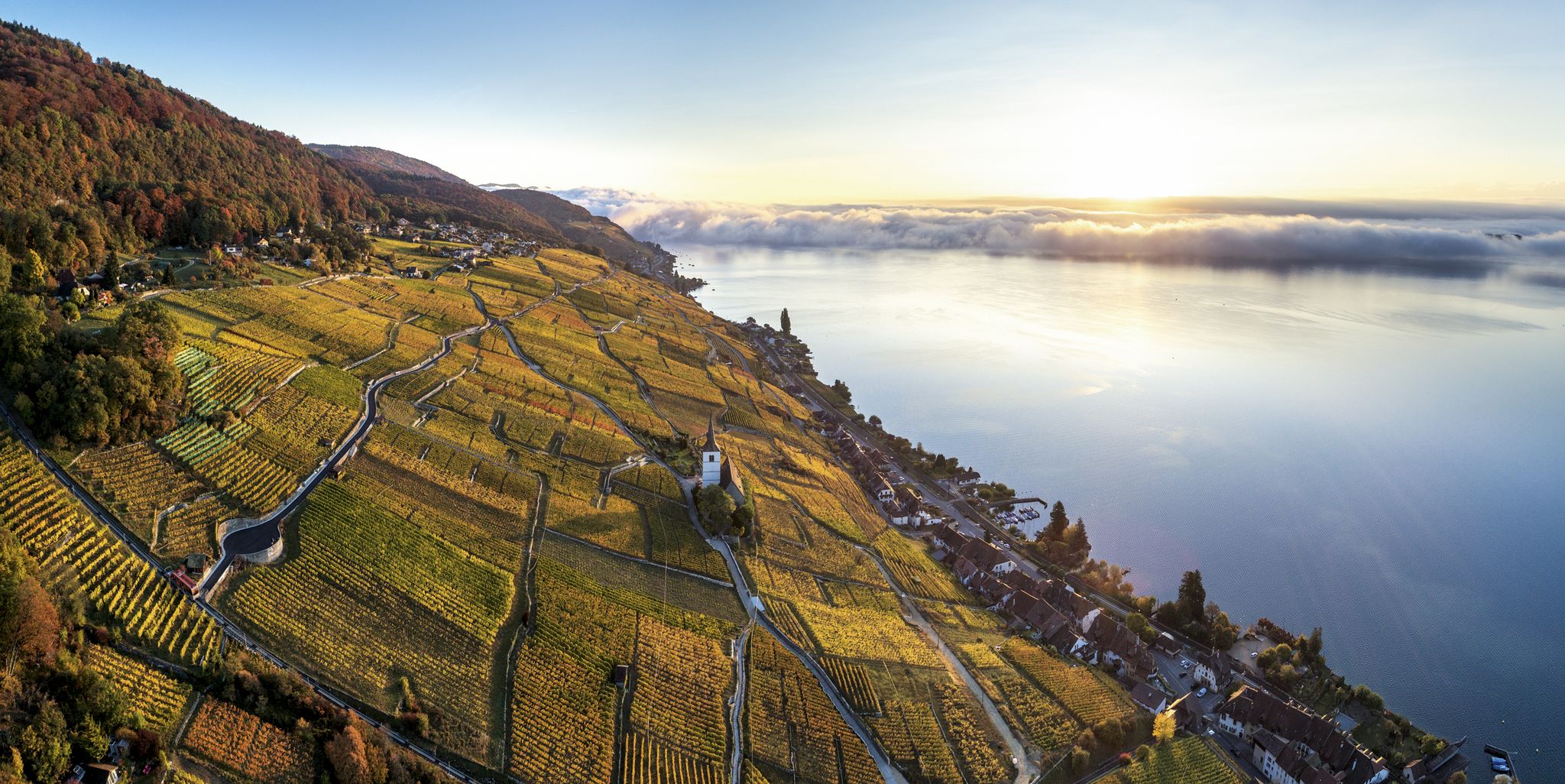
Waterside hiking in the Jura & Three-Lakes region
Pedal all Doubs - 15 gravel circuits in Doubs
Follow France’s Doubs River through spectacular landscapes

Gravel Tours in the Jura Mountains
The Jura Mountains and Black Forest – La Poco Loco Dijon-Stuttgart 2023
The thousand faces of the Jura Mountains – Grande Traversée du Jura on foot
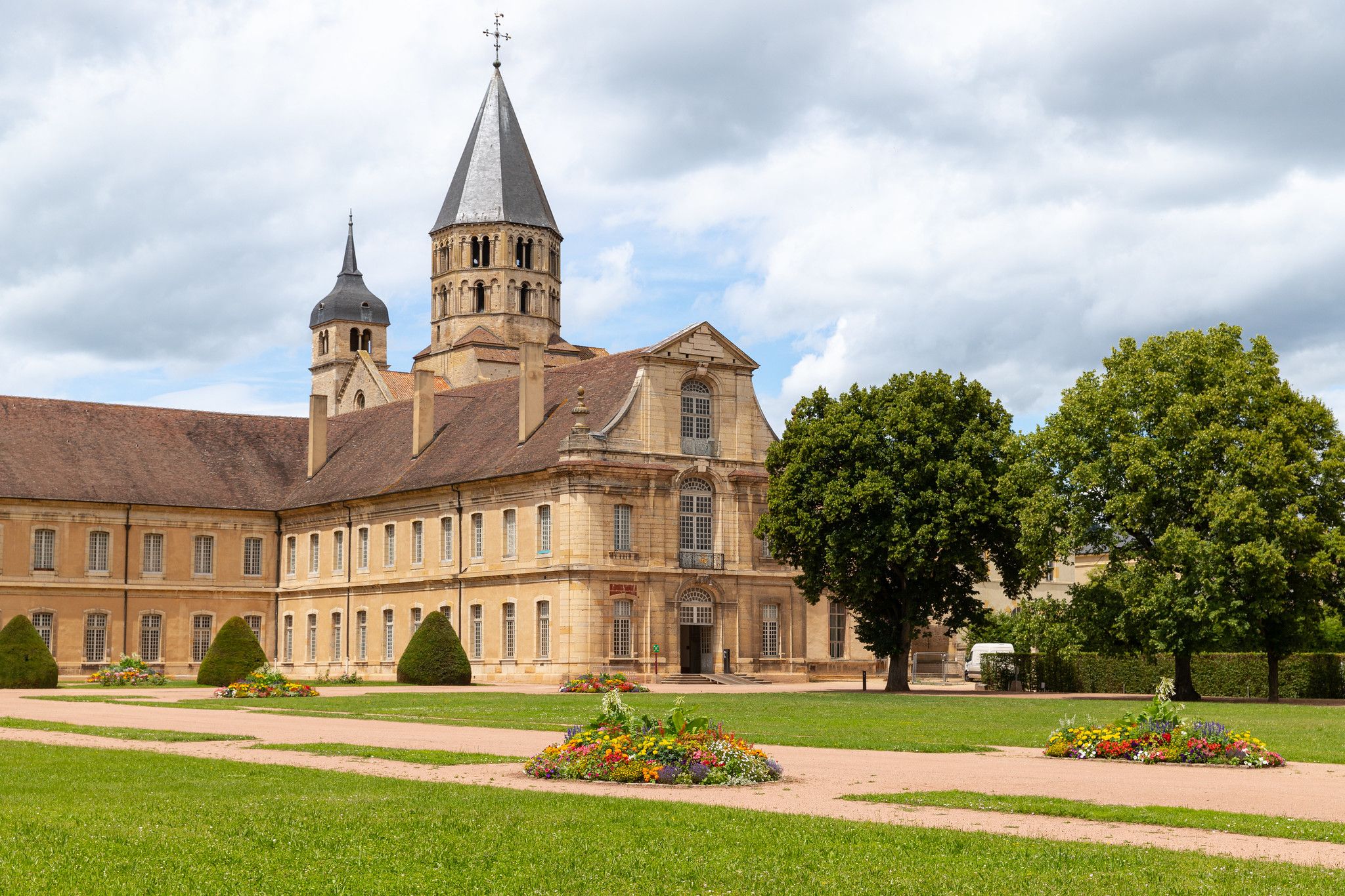
Via Cluny – From the Jura Mountains to Burgundy
Other adventures in Parc Naturel Régional Du Doubs Horloger


Tips from the Community

Really impressive, you should definitely spend some time there.
1
0

Water flows from the cave portal here. The large, dry cave entrance is a little higher up. To get there, go back a bit and head uphill at the fork. You can enter this cave via a rock staircase. After a few meters, you can't go any further without getting wet. So turn around and, entering through the large cave portal above, you'll eventually descend back down to water level within the cave.
0
0

Once you have passed through the arch you find yourself in a magnificent rock courtyard; you are surrounded by rocks; a natural cathedral!
3
0

A kind of rock grotto or transitional cave
2
0

The cave of the Grande Cave is a special cavity for the piece of history to which it bears witness. On several occasions, during the warlike episode of the Ten Years' War (1634-1644), the inhabitants in exile took refuge in the woods and the caves lost in the mountains, including the Grande Cave. Today, the cellar is accessible to the public. Note, however, that a cable attached to the wall allows you to travel the last 100 meters.
1
0

Superb cave, perfect for setting up a bivouac! The light that enters the cave at the end of the day is just sublime! There is also a small wooden table ⛺️
4
0

Whether you visit the waterfall in full flow or not, this circus has something to offer. The deafening roar of flowing water contrasts with the majesty and serene tranquility of the circus in times of drought.
2
0
Two rocks clash to form an arch of geological curiosity. A must see.
4
0
Frequently Asked Questions
What unique geological formations can I see in the caves of the Doubs Horloger region?
The region's caves showcase diverse geological formations. At the Gouffre de Poudrey, you can marvel at impressive stalagmites and stalactites, and an underground lake. The Bisontin Cave is known for its geological arch formed by two clashing rocks, creating a natural rock courtyard. The Réclère Caves, just across the border, feature stunning concretions, including the 'Great Hall' and the 'Dome', Switzerland's largest known stalagmite.
Are there any caves with historical significance in the Parc Naturel Régional du Doubs Horloger?
Yes, several caves hold historical importance. The Grotte de la Grande Cave served as a refuge for inhabitants during the Ten Years' War (1634-1644). The Underground Mills of Col des Roches are a unique 17th-century industrial heritage site, carved into natural karst caves. The Remonot Cave Chapel has been a place of worship and hermitage since the 8th century.
Which caves in the region are suitable for families with children?
The Réclère Caves are highly recommended for families, especially when combined with the adjacent Préhisto-Parc, which features over 40 life-sized dinosaur replicas. The Moidons Cave also offers a family-friendly experience with a 'bat corner' and a nature discovery audio trail. Additionally, the Bief de Vautenaivre Picnic Area is near a cave that can be explored, providing a spacious rest area with fireplaces.
What is the typical temperature inside the caves, and what should I wear?
Most caves in the region, such as the Gouffre de Poudrey, the Underground Mills of Col des Roches, and the Réclère Caves, maintain a consistent cool temperature of around 7°C (45°F) year-round. The Osselle Cave is slightly warmer at 13°C (55°F). It is advisable to wear warm clothing, even during summer, and comfortable, sturdy shoes suitable for walking on uneven or damp surfaces.
Can I find any industrial heritage sites within the caves of this region?
Yes, the Underground Mills of Col des Roches in Le Locle are an exceptional example of 17th-century industrial heritage. These water-powered mills are carved into natural karst caves and feature intricate machinery, including a giant waterwheel. They offer a fascinating glimpse into how natural resources were harnessed centuries ago.
Are there caves that offer a unique cultural or religious experience?
The Remonot Cave Chapel near Les Combes is a unique Catholic place of worship housed within a cave, with a history dating back to the 8th century. It features an Art Deco high altar and a 15th-century statue of the Virgin Mary, offering a serene spiritual experience. It remains a pilgrimage site, particularly on August 15th.
What kind of immersive experiences do the caves in the Doubs Horloger region offer?
The Gouffre de Poudrey provides an immersive music and light show that narrates the history of the Earth, creating a 'Journey to the Center of the Earth' experience. The Moidons Cave also features a sound-and-light show. The Underground Mills of Col des Roches offer guided tours that delve into the site's history and ingenious engineering.
Are there opportunities for outdoor activities like hiking or mountain biking near the caves?
Yes, the Parc Naturel Régional du Doubs Horloger offers numerous outdoor activities. You can find various hiking trails, including routes like the 'Franco-Swiss Smugglers' Trail' or 'The Bisontin Cave loop'. For mountain biking enthusiasts, there are also many MTB trails, such as the 'Singletrail on Mont Vouillot' or 'Suspension bridge – Riverside Trail along the Doubs loop'.
What do visitors particularly enjoy about the caves in the Parc Naturel Régional du Doubs Horloger?
Visitors appreciate the diverse experiences, from the geological wonders of the Bisontin Cave, described as a 'natural cathedral', to the wild romantic basin and spring waterfall at Lançot Waterfall. The historical significance of sites like the Grotte de la Grande Cave and the unique industrial heritage of the Underground Mills of Col des Roches are also highly valued.
Are there any caves where I can learn about local gastronomy?
Yes, the Caves d'affinage du Fort St-Antoine offer a unique fusion of history and gastronomy. This old military fort has been converted into Comté cheese maturing cellars, housing approximately 100,000 wheels of cheese. Visitors can take guided tours to learn about the traditional slow maturing process and enjoy a tasting of this renowned local cheese.
How long does a typical visit to a cave in the region take?
The duration of a visit varies by cave. For example, the Réclère Caves offer a 1.5-kilometer circular tour. The Gouffre de Poudrey involves descending 250 steps and includes a guided tour with a light show. It's best to check the specific cave's website or information desk for estimated tour lengths, but generally, allow 1-2 hours for a comprehensive visit.
Are there any eco-friendly caves to visit in the area?
The Moidons Cave in the Jura Mountains is notable for being lit by solar power, promoting an eco-friendly visit. This initiative allows visitors to appreciate the geological wonders while supporting sustainable tourism practices.
Are there any caves that served as refuges during historical conflicts?
Yes, the Grotte de la Grande Cave is a significant historical site. It served as a refuge for local inhabitants during the Ten Years' War (1634-1644), providing shelter in times of conflict. Today, it is accessible to the public, though the final 100 meters require the aid of a cable.
Most popular routes in Parc Naturel Régional Du Doubs Horloger
Most popular attractions in Parc Naturel Régional Du Doubs Horloger

Get inspired with the komoot mobile app


Explore more
Extend your search for the best caves by checking out these guides of the top ones in Parc Naturel Régional Du Doubs Horloger:
