Top 4 Caves in the Aosta Valley
Caves in the Aosta Valley offer a unique perspective on the region's geological history. This autonomous region in northwest Italy is characterized by its dramatic mountain landscapes, including the highest peaks of the Alps. The terrain features deep valleys carved by glaciers and rivers, leading to distinct geological formations. While not known for extensive karst cave systems, the Aosta Valley presents intriguing natural ravines and erosional features.
Best caves in the Aosta Valley
- The most popular caves is Busserailles Caves…
Last updated: July 11, 2026
Tunnel 6
Highlight • Structure
Translated by Google •
Tip by

Bridge to the Marmitte dei Giganti
Highlight • Bridge
Translated by Google •
Tip by

Sign up now to discover places like this
Get recommendations on the best single tracks, peaks, & plenty of other exciting outdoor places.
Sign up for free
Busserailles Caves and Waterfall
Highlight • Cave
Translated by Google •
Tip by
The Quarry and the Bats (Old Jovencan Mine)
Highlight • Cave
Translated by Google •
Tip by

Fresh water
Highlight • Waterfall
Tip by

Doues Tunnel
Highlight (Segment) • Cave
Translated by Google •
Tip by

Cave and Natural Arch
Highlight • Cave
Translated by Google •
Tip by

Start today with a free account
Your next adventure awaits.
Login or Signup
Popular around Aosta Valley
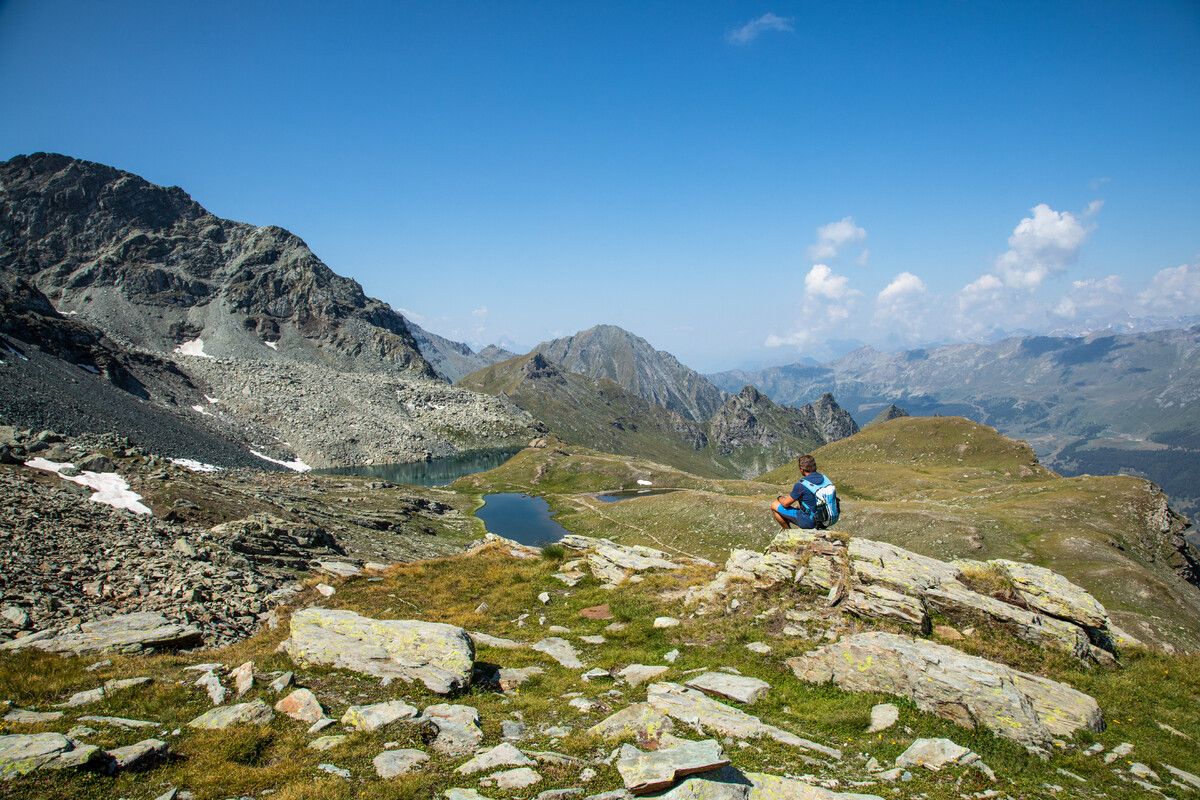
Alta Via n. 1 of the Aosta Valley — a walk among Italian giants
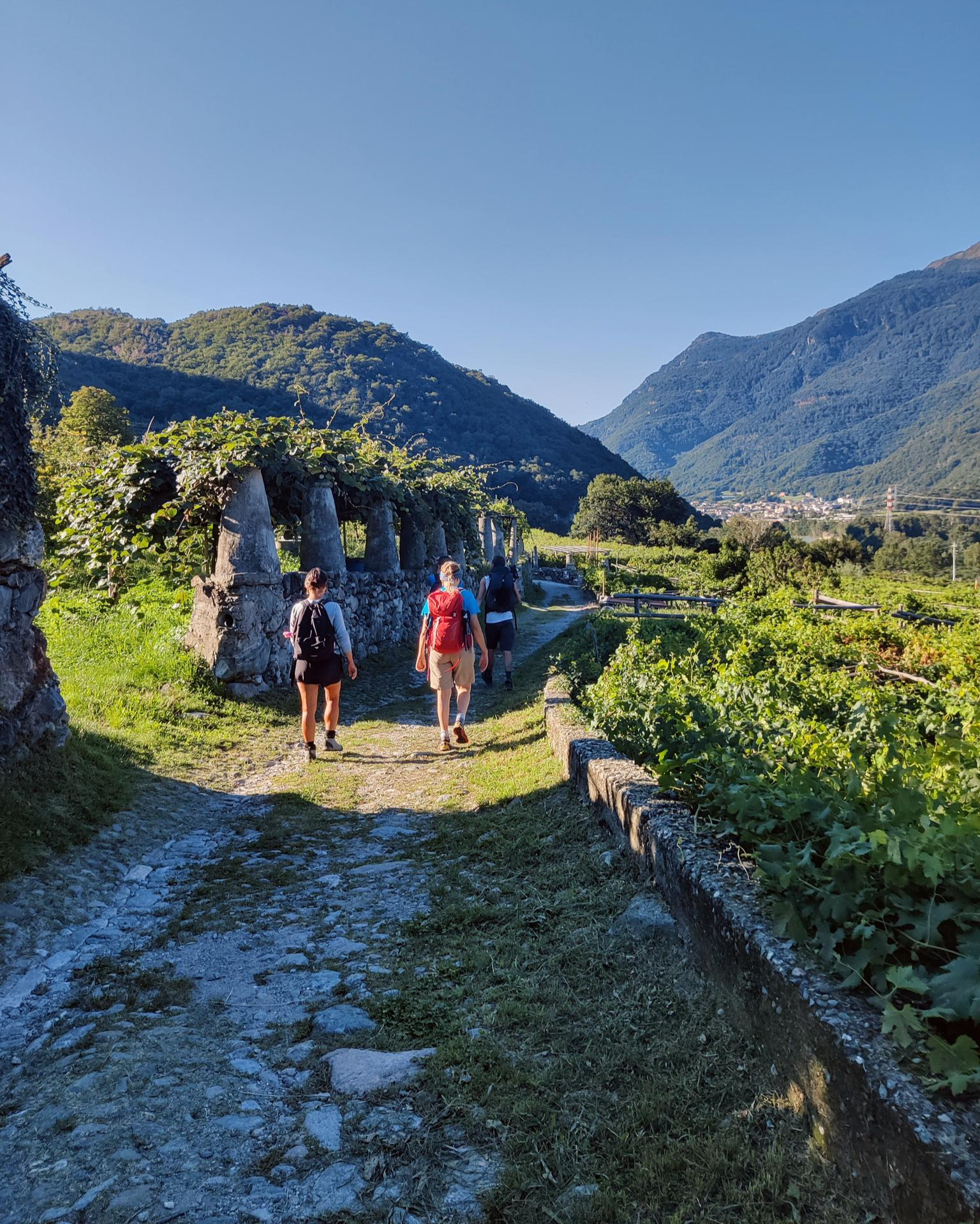
Piemont's Via Francigena
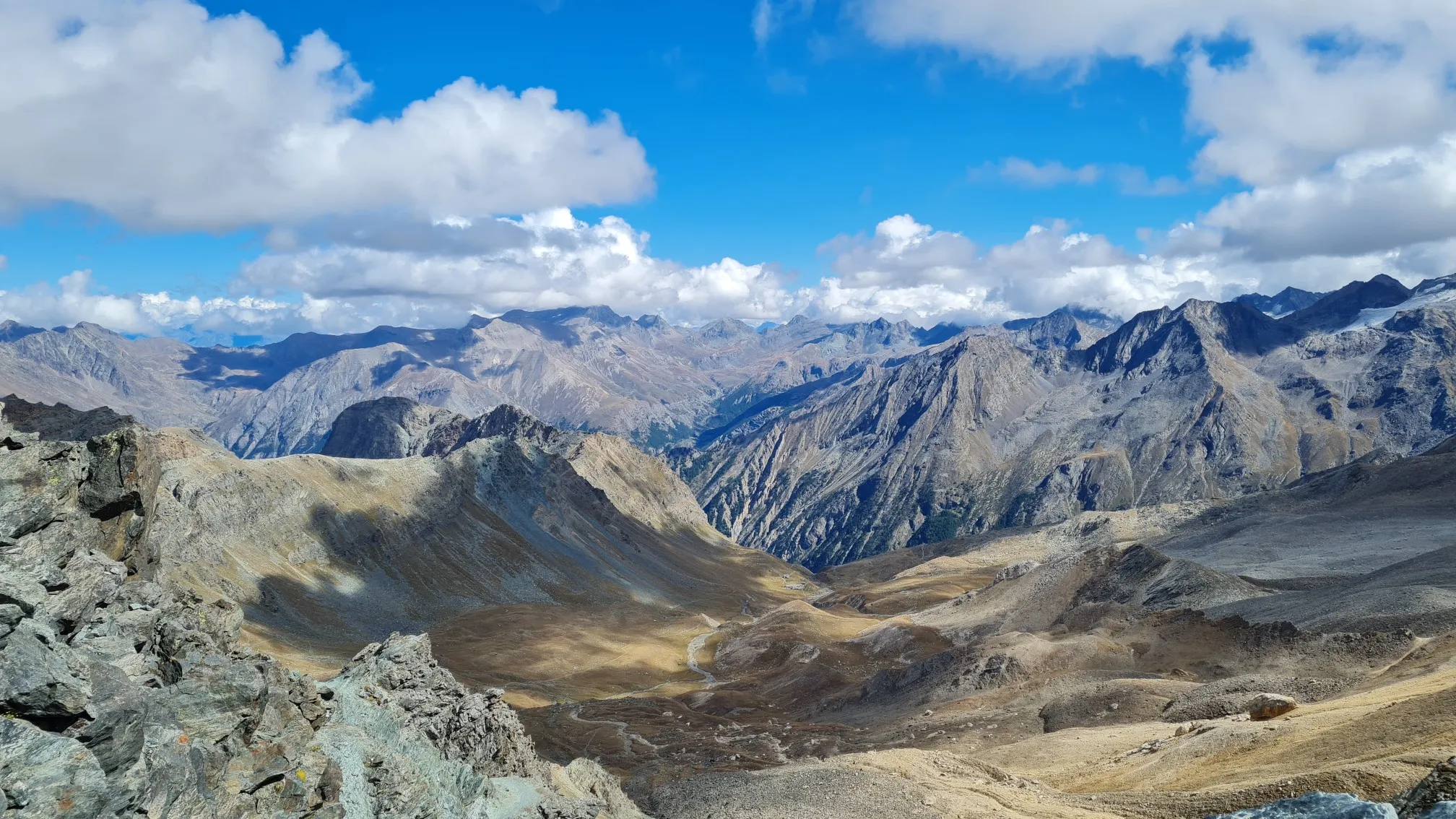
Giro del Gran Paradiso – A trail running adventure in the Italian Alps
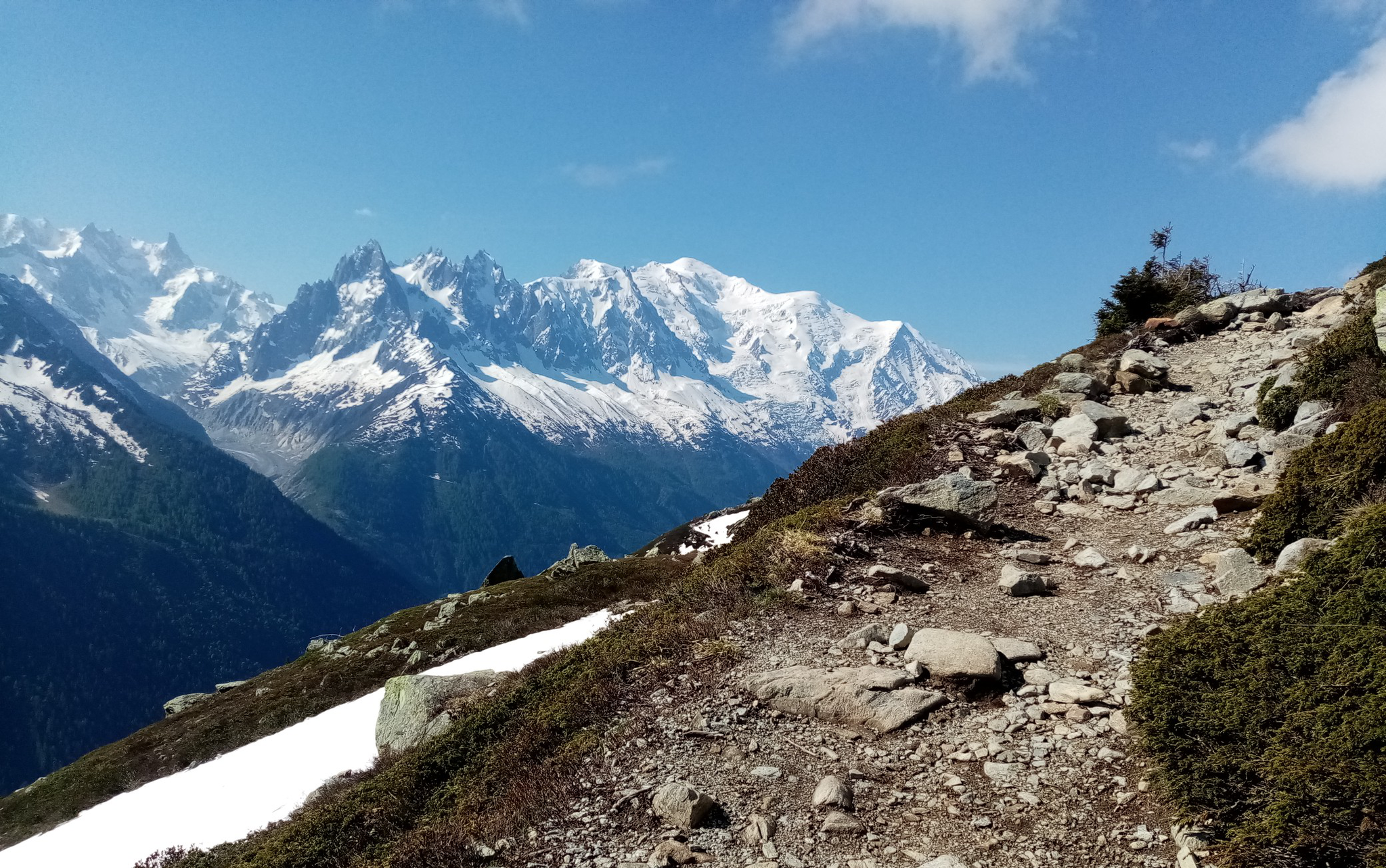
Ultra-Trail du Mont-Blanc – following the footsteps of legends
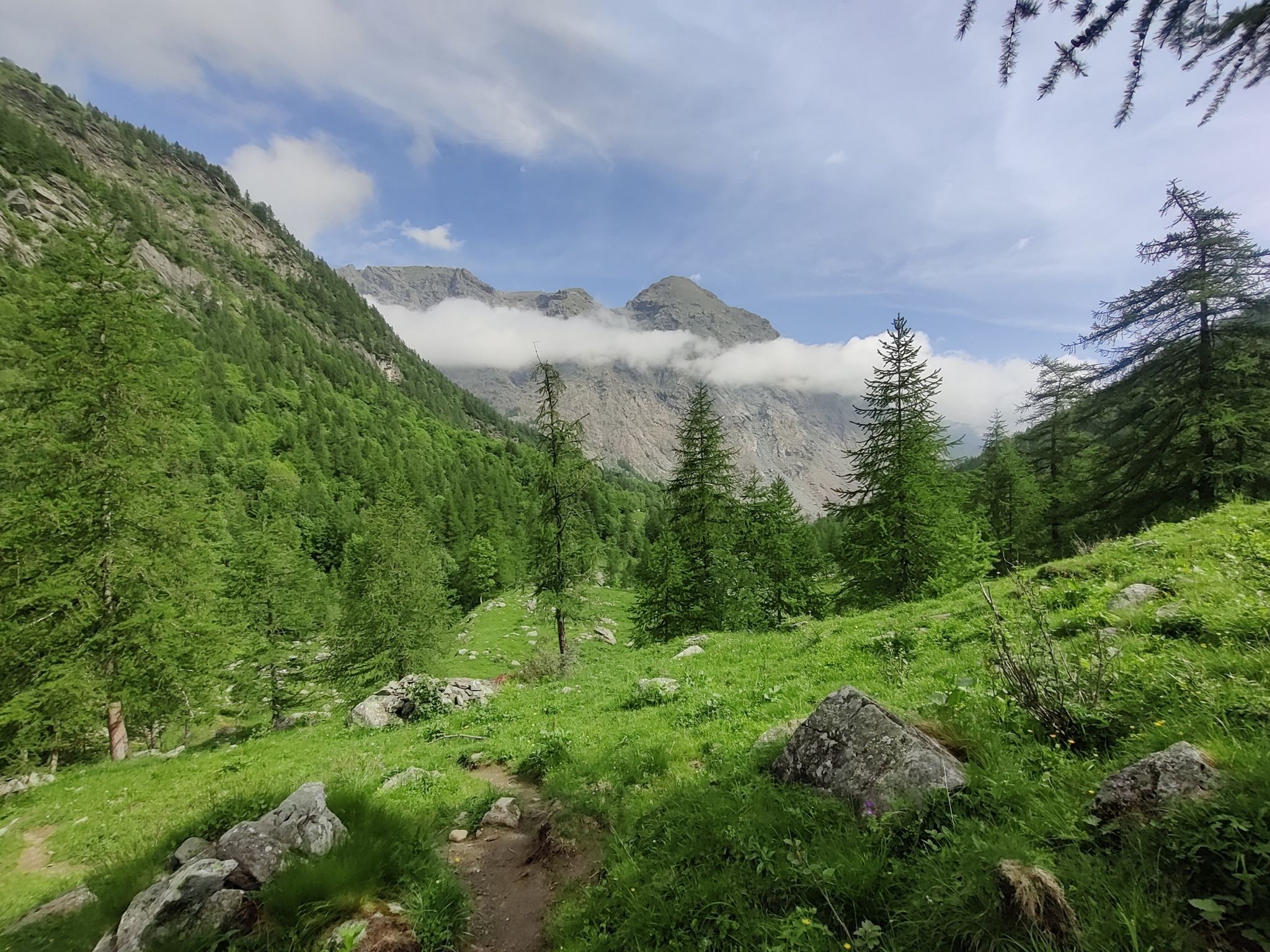
GTA Central Piedmont – Dense forests, lakes and impressive waterfalls
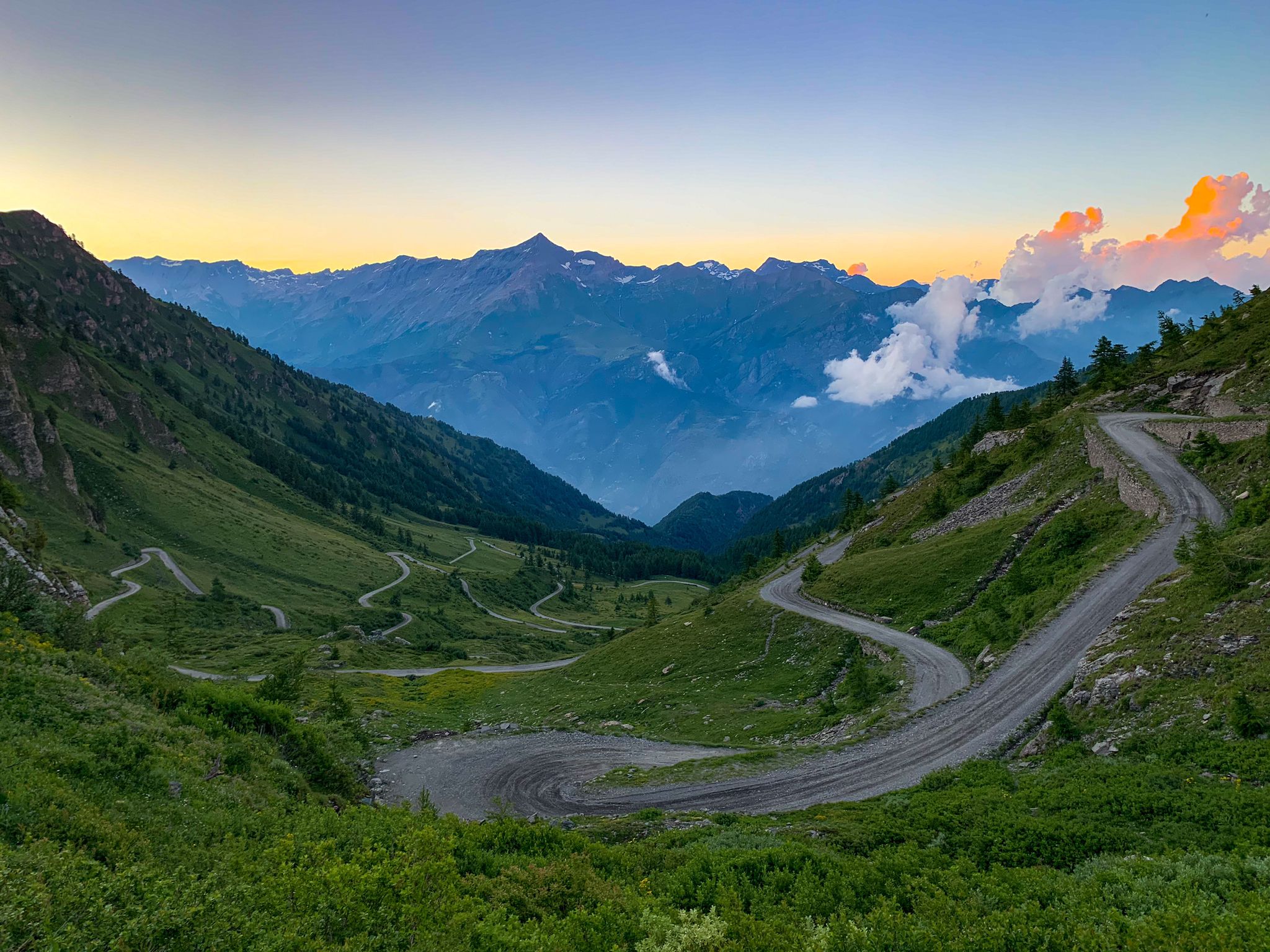
Chasing the sun across the Alps — unsupported solo
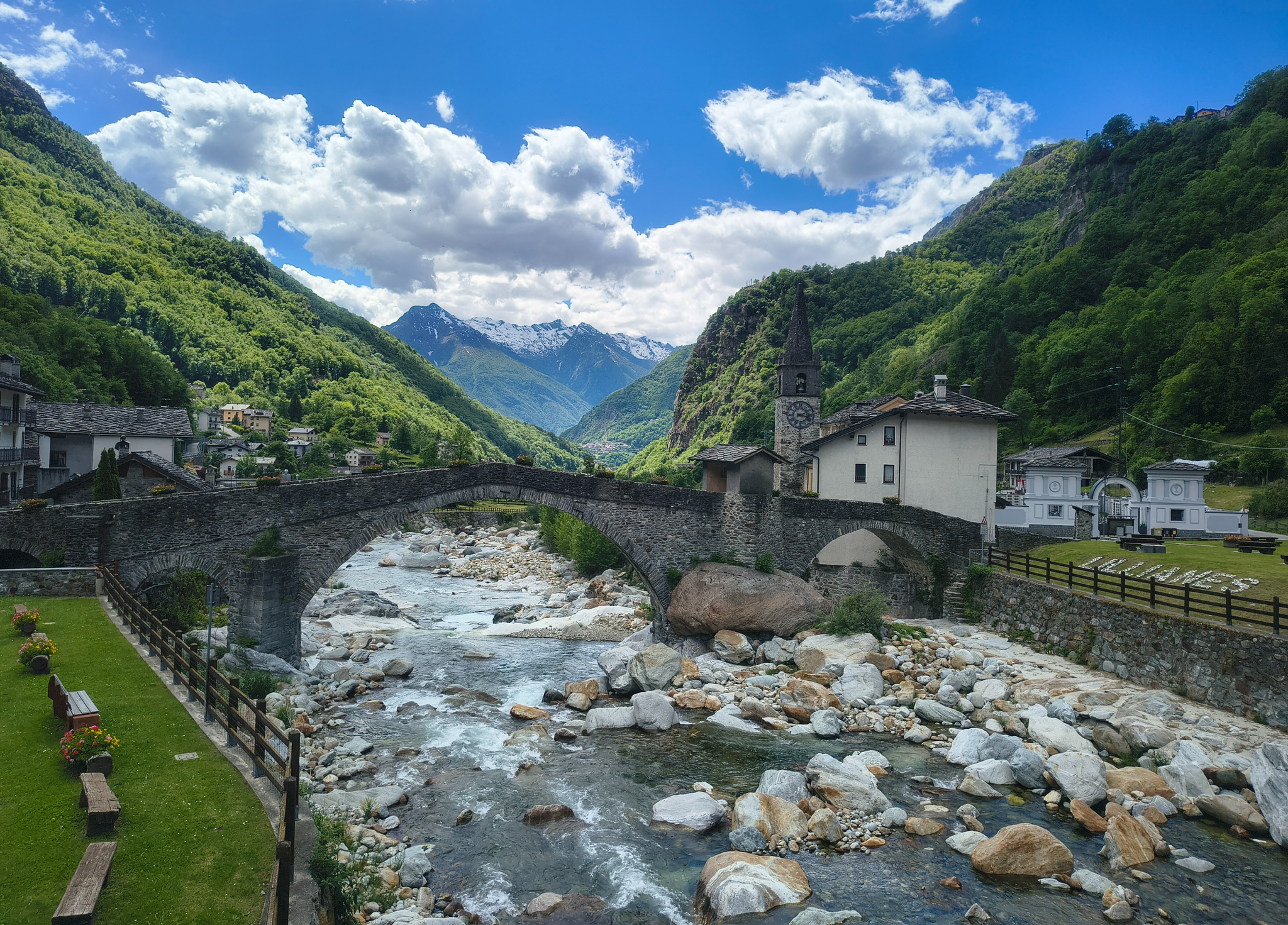
Three days on the Cammino Balteo – The historic Aosta Valley
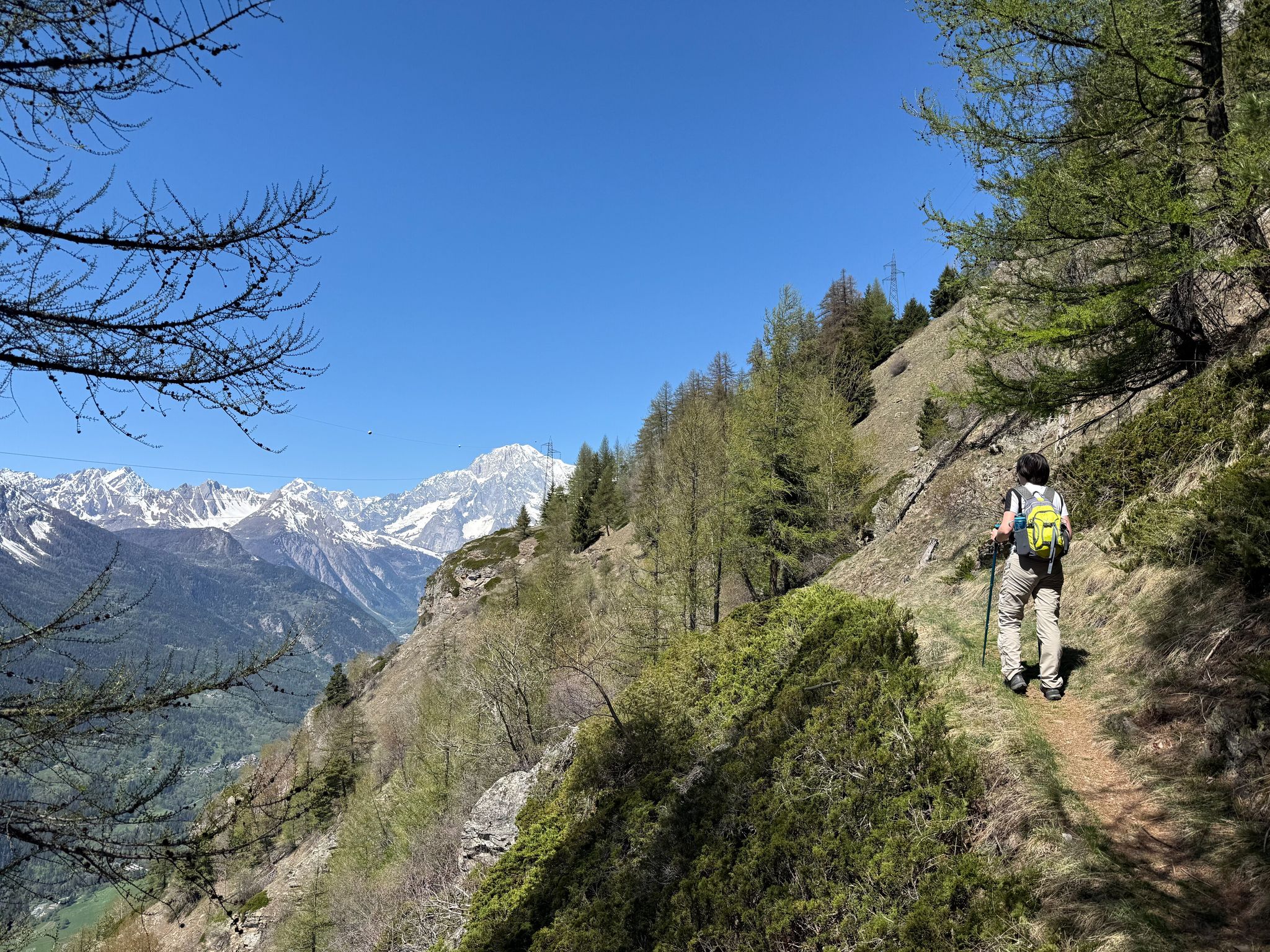
Cammino Balteo – castles, vineyards and trails of the Aosta Valley
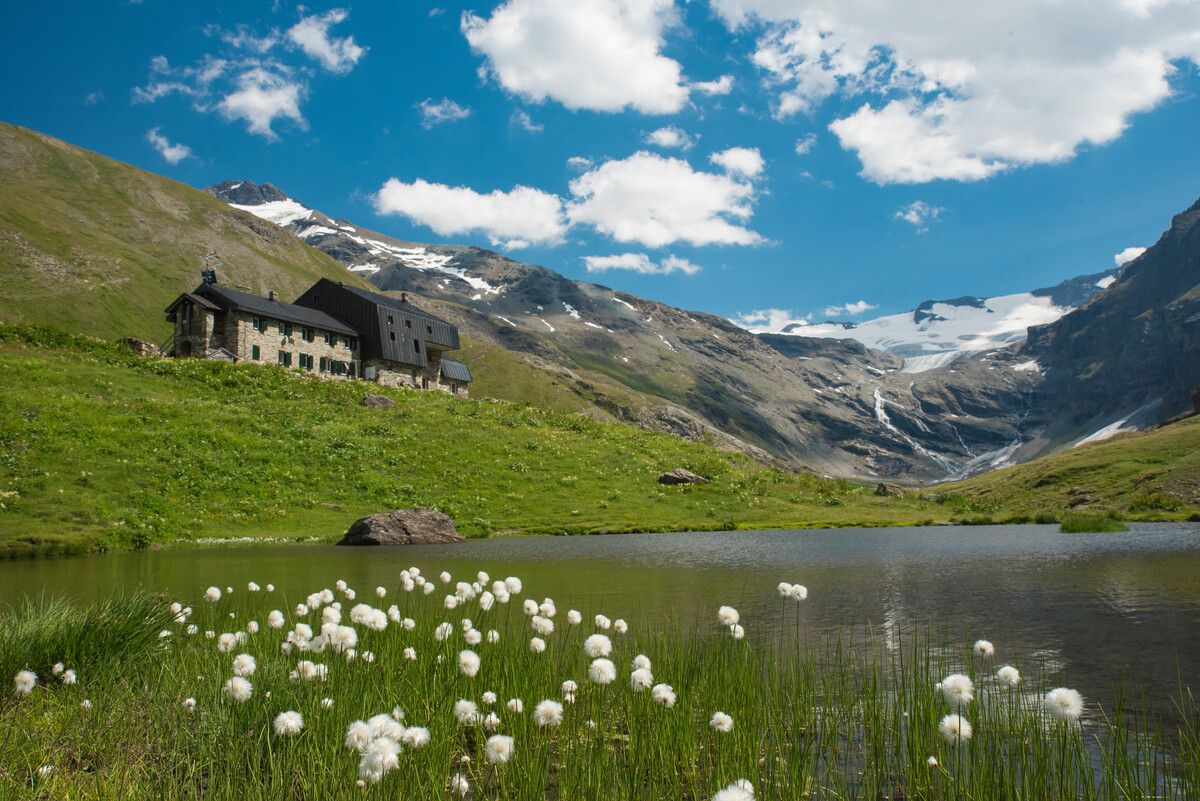
Hiking to the Aosta Valley’s mountain huts: 10 beautiful trails
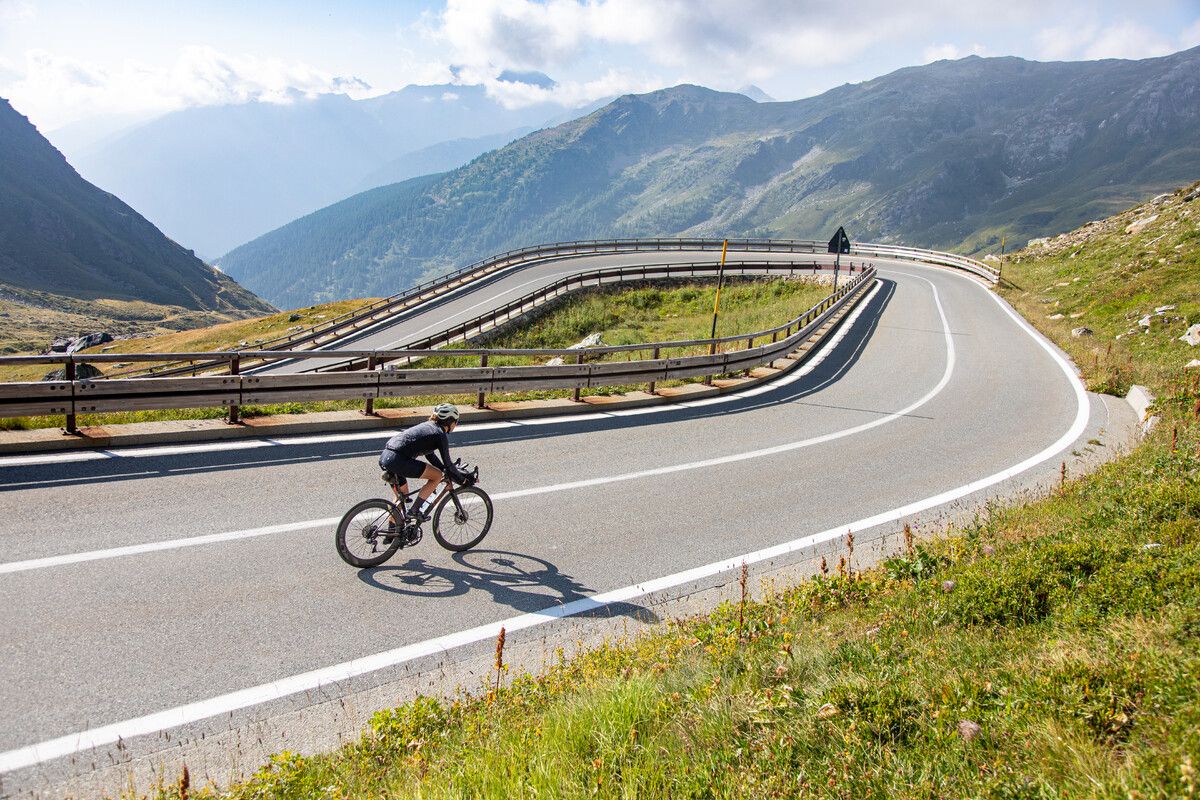
Road cycling in the Aosta Valley – major climbs and alpine routes
Other adventures in the Aosta Valley


Tips from the Community

Interestingly, on this stretch of trail 3, within a few meters you'll encounter two small natural curiosities. The first is a rather deep cave, which opens right at the edge of the trail. Just beyond, the rocks have shaped a striking natural arch, also visible a few steps from the trail.
0
0

I wouldn't go there on purpose, but it's curious.
0
0


historic stream carved into the rock 900 meters long. Sometimes lit but often the lighting is out of order. Better to have a light, even that of the mobile phone is fine. narrow and low it is not suitable for those who suffer in narrow places. presents no dangers. the path that reaches it, coming from Ollomont (Allée des soupirs, path of sighs), is narrow and a bit exposed at times.
0
0

Trail between Jovencan and Aymavilles
0
0

Cute little bridge that crosses the river ... continuing to go up you have to buy the ticket to get to the marmot cave where we find the river waterfall
2
0
Frequently Asked Questions
What kind of geological formations can I expect to see in the Aosta Valley's caves?
The Aosta Valley features unique geological formations shaped by water and glaciers. The most prominent are the dramatic gorges and potholes known as "Marmitte dei Giganti" (Giant's Kettles). You can experience these at the Busserailles Caves and Waterfall, which includes a 104-meter-long opening carved into rock and a 10-meter high waterfall. Similar formations can also be found near Bard, accessible via the Bridge to the Marmitte dei Giganti.
Are there any natural caves accessible to the public in the Aosta Valley?
Yes, the primary natural cave system accessible to the public is the Busserailles Caves and Waterfall near Valtournenche. It offers an elevated steel and concrete trail, making it well-developed for visitors to explore its impressive gorge and water-carved features.
Is there an entrance fee for visiting the caves in the Aosta Valley?
Yes, there is an entrance fee for the Busserailles Caves and Waterfall. The cost is typically around €2.50, and tickets can be purchased at the restaurant located nearby.
What is the best time of year to visit the caves in the Aosta Valley?
The Busserailles Caves and Waterfall are open year-round. While summer offers pleasant temperatures for exploration, visiting in winter provides a spectacular sight of frozen waterfalls within the gorge.
Are there any historical sites related to caves or mining in the Aosta Valley?
Yes, the Aosta Valley has historical sites like The Quarry and the Bats (Old Jovencan Mine). This location offers a mini-tour of an old mine, situated along a trail between Jovencan and Aymavilles, providing insight into the region's industrial past.
Are the caves in the Aosta Valley suitable for families with children?
The Busserailles Caves and Waterfall are generally suitable for families. The elevated steel and concrete trail makes it accessible for most visitors, including children, to safely experience the dramatic gorge and geological formations.
What should I wear when exploring the caves in the Aosta Valley?
For exploring the natural features like the Busserailles Caves and Waterfall, comfortable walking shoes with good grip are recommended. The gorge can be damp and cool, so a light jacket might be useful even in warmer months. If visiting in winter, dress warmly to enjoy the frozen waterfalls.
Are there any guided tours available for the caves in the Aosta Valley?
While the Busserailles Caves and Waterfall are self-guided with a developed trail, specific guided tours for caving or advanced expeditions are not widely advertised for natural caves in the Aosta Valley due to the limited number of extensive cave systems.
What other outdoor activities can I do near the caves in the Aosta Valley?
The Aosta Valley offers numerous outdoor activities. Near the caves, you can find excellent opportunities for hiking and running. Explore various trails, including those featured in the Hiking in the Aosta Valley guide or the Running Trails in the Aosta Valley guide. Many routes also lead to stunning waterfalls, as highlighted in the Waterfall hikes in the Aosta Valley guide.
Are there any other interesting natural features or 'caves' in the Aosta Valley besides Busserailles?
Beyond the Busserailles Caves and Waterfall, the Aosta Valley features other geological curiosities. The Marmitte dei Giganti near Bard are impressive fossil potholes. There's also a minor natural curiosity known as Cave and Natural Arch along a trail, and various waterfalls like Fresh water, which often have small grotto-like formations.
What do visitors enjoy most about exploring the Aosta Valley's cave-like attractions?
Visitors particularly enjoy the dramatic natural beauty and the unique geological formations. The experience of walking through the gorge at Busserailles Caves and Waterfall, seeing the towering rock walls and the powerful waterfall, is often highlighted. The historical aspect of sites like The Quarry and the Bats (Old Jovencan Mine) also offers a curious and engaging experience.
Are there any man-made tunnels or underground structures that are sometimes mistaken for natural caves in the Aosta Valley?
Yes, the Aosta Valley has several man-made tunnels primarily for transportation, such as Tunnel 6, the Mont Blanc Tunnel, and the Ru du Mont Tunnel. These are distinct from natural caves and are not typically tourist attractions in the same way. Additionally, the Forensic Cryptoporticus in Aosta is an underground Roman architectural structure, not a natural cave.
Most popular routes in the Aosta Valley
Most popular attractions in the Aosta Valley

Get inspired with the komoot mobile app


Explore more
Extend your search for the best caves by checking out these guides of the top ones in the Aosta Valley:
