Top 5 Castles around Filzmoos
Best castles around Filzmoos are found within the broader Salzburg region, offering historical insights into the Austrian Alps. Filzmoos, a village known for its alpine scenery, serves as a base for exploring these historical sites. The area provides opportunities to discover medieval fortresses and historical residences.
Best castles around Filzmoos
- The most popular castles is Höch Castle, a castle built as a residence in the 11th century. It presents itself in Renaissance style.
- Another must-see spot is Hexenturm Radstadt…
Last updated: June 28, 2026
Schladming Town Hall and City Park
Highlight • Monument
Translated by Google •
Tip by

Höch Castle
Highlight • Castle
Translated by Google •
Tip by

Sign up now to discover places like this
Get recommendations on the best single tracks, peaks, & plenty of other exciting outdoor places.
Sign up for free
Hexenturm Radstadt
Highlight • Historical Site
Translated by Google •
Tip by

Radstadt Town Square
Highlight • Settlement
Translated by Google •
Tip by
Schloss Tandalier
Highlight • Castle
Translated by Google •
Tip by
Sign up for free to discover even more castles around Filzmoos.
Sign up for free
Already have an account?
Start today with a free account
Your next adventure awaits.
Login or Signup
Popular around Filzmoos
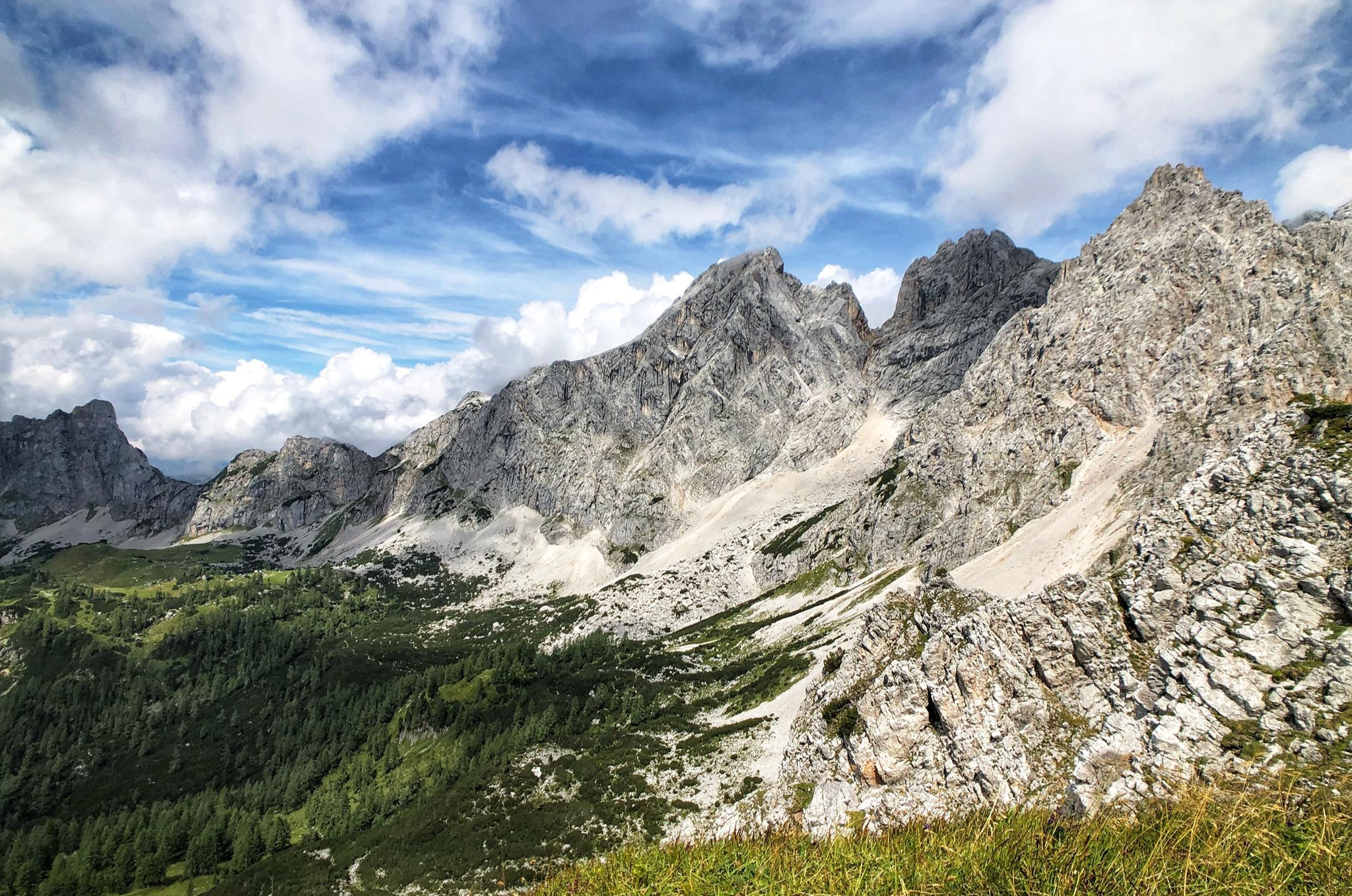
The Dachstein Rundwanderweg – Eight days in the Dachsteingebirge
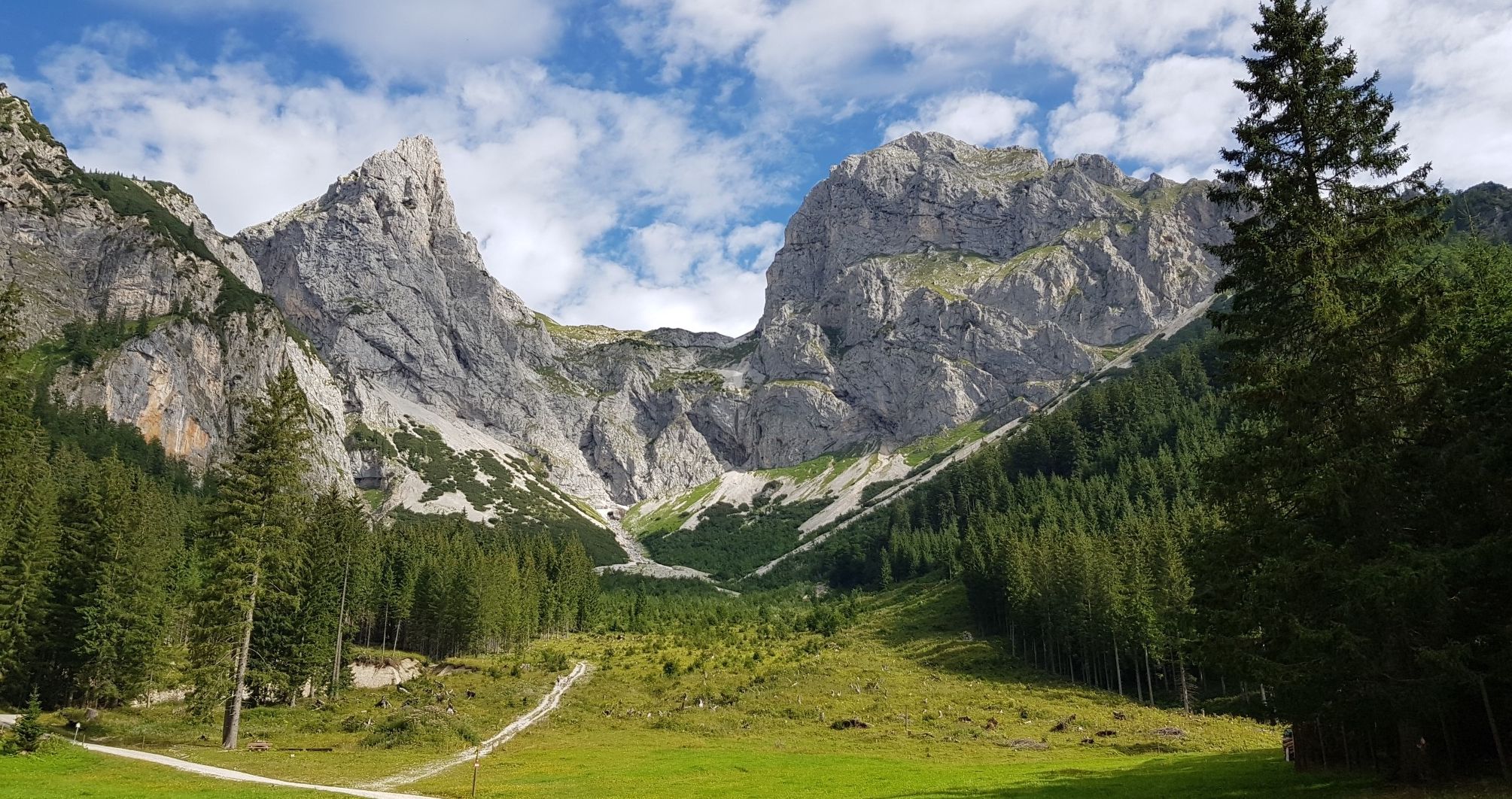
North Alpine Trail 01 – Hike across Austria in 49 days
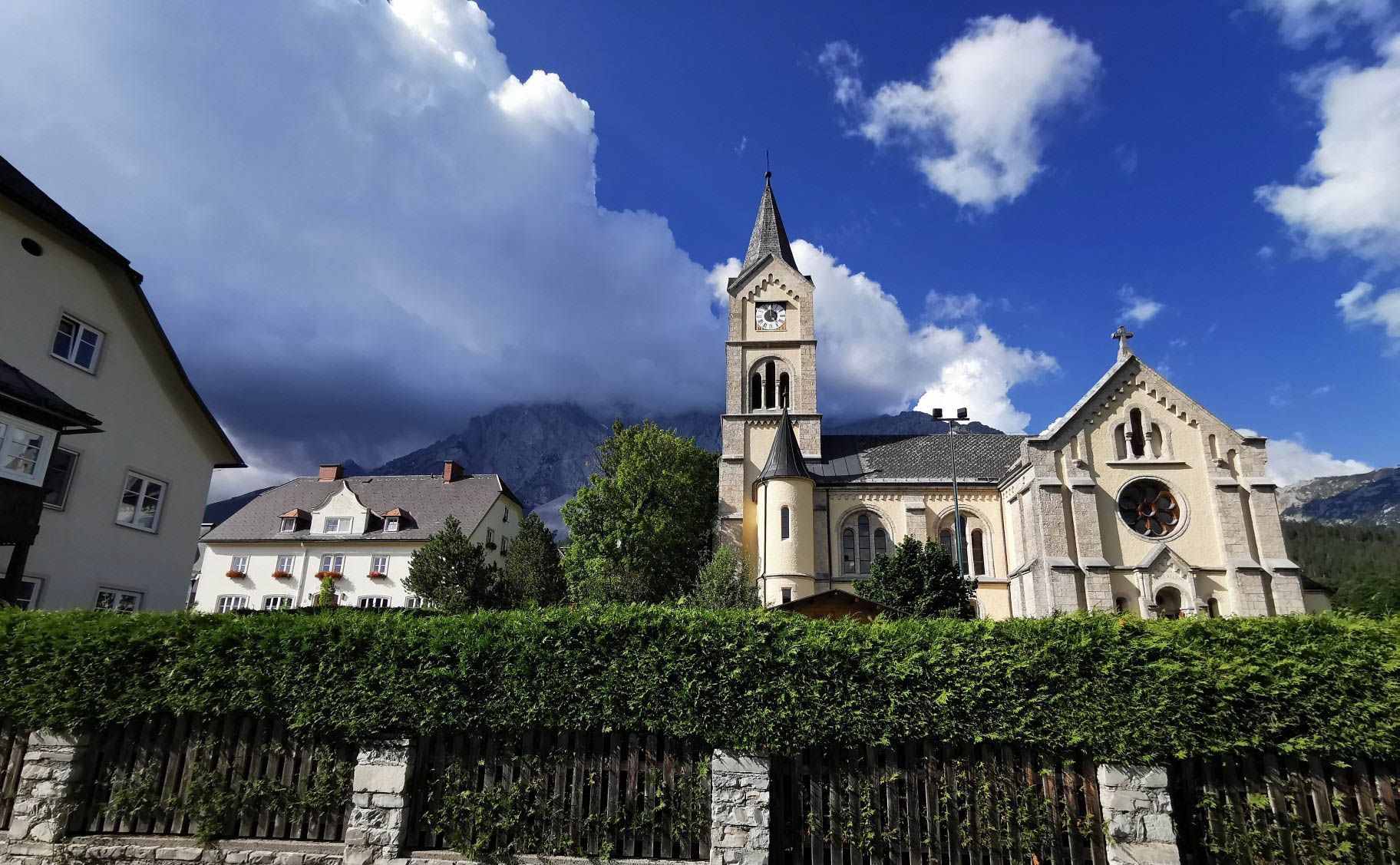
Way of the Book – Hike in the footsteps of the Bible smugglers in Austria
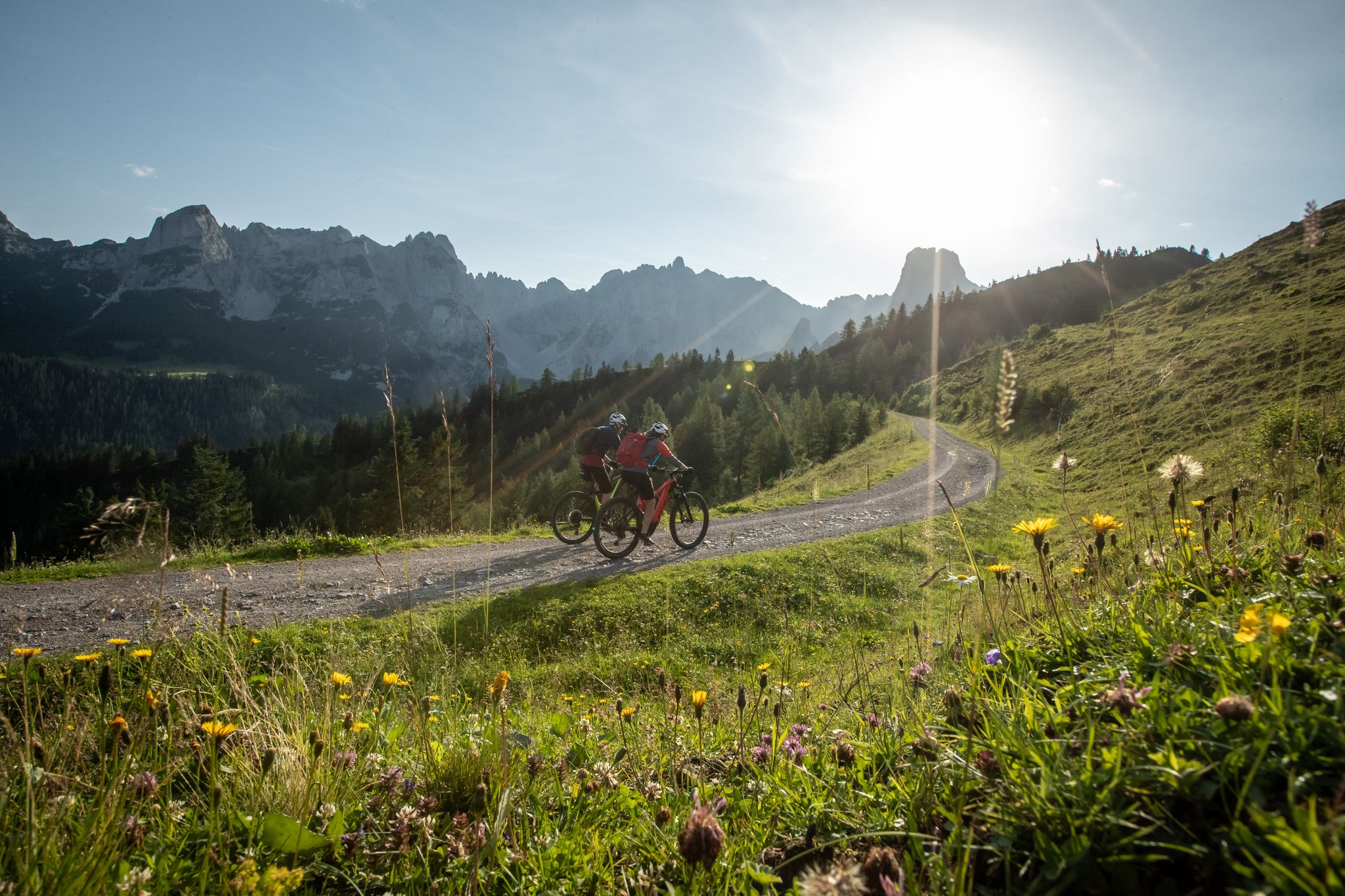
Dachsteinrunde Classic – the MTB classic in the heart of Austria
Our next hiking holiday in Radstadt - Easy tours for big and small
The most beautiful tours in Salzburger Land
Salzburg’s most beautiful sides – 25 stages on the Salzburger Almenweg
Hike and experience Austrian hospitality
2022 – the hiking summer of your life
MTB in Austria’s Salzburger Sportwelt – legendary rides
Other adventures around Filzmoos


Tips from the Community

Tandalier Castle is located in the village of Schwemmberg, part of the municipality of Radstadt in the Austrian state of Salzburg. The castle's history dates back to 1519, when it was first mentioned as the Tandalier estate. In 1569, an existing farmhouse was converted into an unfortified Renaissance castle. The building changed hands several times in the following centuries, including the Counts of Schernberg.
1
0
A very beautiful, historic building with a lovely park including a children's playground. The town hall is housed in the former hunting lodge of Prince August of Saxe-Coburg and Gotha, a listed building.
1
0

One of the castles in Radstadt…
0
0

The castle is located not far from Altenmarkt im Pongau at the entrance to the Flachau Valley, at about 975 m
1
0

The town hall of Schladming is a former hunting and residential palace of the Brazilian branch of the Saxe-Coburg and Gotha family and is a listed building. In 1884, Prince Ludwig August of Saxe-Coburg, widowed son-in-law of the Brazilian Emperor Pedro II, commissioned the Coburg court architect Georg Konrad Rothbart to build a hunting lodge in Schladming. After the fall of the Brazilian monarchy in 1889, the palace became the preferred residence of Ludwig August's son, August Leopold of Saxe-Coburg and his wife Karoline of Austria-Tuscany. In 1917, Schladming became the family's main residence. In 1940, the town of Schladming bought the house and turned it into the town hall.
1
0

The castle has been owned by the municipality of Flachau since the end of 1999 and is used for cultural events. A guided tour of the Renaissance castle would certainly be interesting (Fridays).
2
0

Beautifully landscaped with flowers
2
0

Very nice little park
2
0
Frequently Asked Questions
What are the most notable castles and historical sites near Filzmoos?
While Filzmoos itself is known for alpine scenery, the broader Salzburg region offers several impressive historical sites. Highlights include the monumental 11th-century Hohenwerfen Castle, known for its falconry displays and panoramic views, and Burg Mauterndorf, a 13th-century fortress offering a deep dive into medieval life. Closer to Filzmoos, you can explore Höch Castle, a Renaissance-style residence, and the historic Hexenturm Radstadt, part of Radstadt's city fortifications.
Are there family-friendly castles to visit near Filzmoos?
Yes, several castles and historical sites in the area are great for families. Hohenwerfen Castle offers interactive exhibits, treasure hunts, dungeon tours, and a playground. Burg Mauterndorf provides interactive programs for children and medieval reenactments. Closer by, Schladming Town Hall and City Park features a well-maintained park with a playground, and Schloss Tandalier is also considered family-friendly.
What kind of historical experiences can I expect at these castles?
You can immerse yourself in centuries of history. Hohenwerfen Castle, for instance, served as a strategic defense, a noble residence, and even a state prison, offering guided tours and falconry demonstrations. Burg Mauterndorf provides a journey back to the Middle Ages with its 15th-century inhabitants and historical exhibitions. Burg Finstergrün, a reconstruction of a medieval castle, offers engaging tours, puzzle quizzes, and 'legend walks' detailing its past as a border fortress.
Are there any castles near Filzmoos that offer impressive views?
Absolutely. Hohenwerfen Castle, perched high above the Salzach Valley, offers breathtaking panoramic views of the surrounding Berchtesgaden Alps and the Tennengebirge Mountain Range. Burg Finstergrün also boasts an elevated position with impressive views of the surrounding area. Höch Castle is also noted as a viewpoint.
What outdoor activities can I do near these castles?
The Filzmoos region is excellent for outdoor activities. While the castles themselves offer historical exploration, you can combine your visit with various routes. For example, you can find mountain hikes around Filzmoos, including routes like the 'Hofpürgl Hut – View of the Almen loop from Marchegg'. There are also running trails and gravel biking routes, such as the 'Enns Valley near Altenmarkt – Enns Cycle Path loop from Radstadt'. Explore more options on the Mountain Hikes around Filzmoos, Running Trails around Filzmoos, and Gravel biking around Filzmoos guide pages.
What is the best time of year to visit castles in the Filzmoos area?
The best time to visit castles near Filzmoos generally depends on your preference for weather and activities. Spring and autumn offer pleasant temperatures for exploring and fewer crowds. Summer provides the warmest weather and often more cultural events at the castles, such as the Medieval Fair at Burg Mauterndorf in early June. Winter visits can be magical, especially if you enjoy snowy landscapes, but some attractions or specific castle areas might have reduced hours or be closed.
Are there any accessible castles near Filzmoos for wheelchairs?
While many historic castles may have limited accessibility due to their ancient architecture, Schladming Town Hall and City Park is listed as wheelchair accessible. For other castles like Hohenwerfen or Mauterndorf, it's advisable to check their official websites directly for specific accessibility information regarding tours and facilities, as parts of these large fortresses may involve stairs or uneven terrain.
Can I find cafes or restaurants near the castles?
Many of the larger, more popular castles like Hohenwerfen and Burg Mauterndorf typically have on-site cafes or restaurants, or at least facilities for refreshments. The villages surrounding these castles, such as Werfen or Mauterndorf, will also offer dining options. For smaller historical sites or towers like Hexenturm Radstadt, you'll find cafes and eateries within the nearby town centers.
What do visitors enjoy most about the castles and historical sites in the Filzmoos region?
Visitors frequently appreciate the rich historical insights and the stunning architectural heritage. The interactive experiences, such as the falconry shows at Hohenwerfen Castle and the medieval reenactments at Burg Mauterndorf, are highly popular. Many also value the breathtaking panoramic views offered by castles situated on elevated positions, and the family-friendly activities that make history engaging for all ages.
Is there parking available at these castles?
For major attractions like Hohenwerfen Castle and Burg Mauterndorf, dedicated parking facilities are generally available, often for a fee. For smaller sites or those integrated into town centers, such as Hexenturm Radstadt or the Southwest Tower of the Radstadt City Wall, you would typically use public parking available in the respective towns.
Are there any entrance fees for castles around Filzmoos?
Yes, most of the larger, well-preserved, and actively managed castles like Hohenwerfen Castle, Burg Mauterndorf, and Burg Finstergrün have entrance fees, as they offer guided tours, exhibitions, and maintain their facilities. Prices can vary for adults, children, and families. Smaller historical sites or parts of city walls might be freely accessible or have minimal fees. It's always best to check the specific castle's official website for current pricing.
What is Burg Finstergrün known for?
Burg Finstergrün, the landmark of Ramingstein, is known for its unique architecture, being a reconstruction in the style of a 13th-century castle with remnants of the original. It served as a border fortress and administrator's seat for silver mines. Today, it functions as a recreational and adventure center, including a youth hostel, and is a popular venue for events and even film sets. It also features impressive defensive structures like thick outer walls and a revolutionary water supply system.
Most popular routes around Filzmoos
Most popular attractions around Filzmoos

Get inspired with the komoot mobile app


Explore more
Looking for the best castles somewhere else? Discover other guides around Filzmoos:
