Top 10 Caves in Indonesia
Caves in Indonesia offer a diverse range of underground experiences across an archipelago known for its natural wonders. These geological formations feature stalactites, stalagmites, and underground rivers. The caves cater to various interests, including adventure, natural beauty, and cultural exploration. Many sites hold historical or religious significance, providing insights into the region's heritage.
Best caves in Indonesia
- The most popular caves is Gunung Kawi Temple Complex, a religious building and natural monument that features shrine reliefs carved into solid rock cliffs. This site is an important sacred place for the Balinese.
- Another must-see spot is Goa Gajah (Elephant Cave), an important Hindu archaeological site. Visitors can explore a mysterious cave, relics, and ancient bathing pools.
- Visitors also love Goa Lawah Temple, a religious building built around a cave opening inhabited by bats. This temple is counted among the six holiest sites in Bali.
- Indonesia is known for its historical, religious, and natural caves. These include sites with ancient carvings, sacred temples, and unique geological formations.
- The caves in Indonesia are appreciated by the komoot community, with 11 upvotes and 36 photos shared by users.
Last updated: August 21, 2026
Gunung Kawi Temple Complex
Highlight • Religious Site
alltrails.com/de/route/indonesia/bali--3/candi-tebing-gunung-kawi
indonesiakaya.com/pustaka-indonesia/candi-tebing-gunung-kawi-persemayaman-abadi-raja-raja-dinasti-udayana
Tip by

Goa Gajah (Elephant Cave)
Highlight • Cave
Admission: IDR 50,000/€3.11 per adult
Translated by Google •
Tip by

Sign up now to discover places like this
Get recommendations on the best single tracks, peaks, & plenty of other exciting outdoor places.
Sign up for free
Goa Lawah Temple
Highlight • Religious Site
The temple was built in the 11th century. founded by Mpu Kuturan, a Hindu priest.
orientalarchitecture.com/sid/1374/indonesia/klungkung-regency-bali/pura-goa-lawah
en.wikipedia.org/wiki/Pura_Goa_Lawah
Translated by Google •
Tip by
Goa Belanda TAHURA
Highlight • Cave
This cave served as a shelter for civilians and Dutch military personnel. Its strategic location in the Dago mountains made it a safe place from the threat of attack.
The construction of the Dutch Cave Bandung involved heavy work and engineering skills. Construction methods with blasting and stone carving were applied to form the cave chambers.
The walls of the cave were then coated with concrete to maintain its strength and security.
After Indonesia's independence in 1945, the Dutch Cave Bandung remained and still stands. However, its role as a place to store weapons and shelter has ended.
This cave was then given to the Bandung City Government and turned into a tourist attraction that can be visited by the public.
Source: IG tahuradjuanda.official
Translated by Google •
Tip by

Gua Sumur (Mystical Cave)
Highlight • Cave
There're some adventure packages on offer, including a guide but quite expensive (see picture).
If you go by yourself bring a headlamp and grab one of the umbrellas lying underneath the entrance stairs. The entrance fee seems a bit expensive but can be negotiable (50.000 IDR/person in my case; foreigners pay more than locals).
Tip by

Tampang Allo Burial Cave
Highlight • Cave
Translated by Google •
Tip by

Underground Meditation Cave
Highlight • Cave
Translated by Google •
Tip by

Leang-Leang Prehistoric Caves
Highlight • Cave
whc.unesco.org/en/tentativelists/5467
en.wikipedia.org/wiki/Caves_in_the_Maros-Pangkep_karst
Translated by Google •
Tip by
Gala-Gala Underground House
Highlight • Cave
Translated by Google •
Tip by
Cave Peak
Highlight • Viewpoint
Translated by Google •
Tip by
Sign up for free to discover even more caves in Indonesia.
Sign up for free
Already have an account?
Start today with a free account
Your next adventure awaits.
Login or Signup

Other adventures in Indonesia

Tips from the Community

One of the tourist spots that's really popular now. The cliffs directly face the south coast, offering a breathtaking view of the crashing waves. There's a unique cave (sink hole) filled with bats. Don't get too close, as the smell of guano is very strong. There are plenty of food stalls here. There are restrooms. There's parking for motorbikes and cars. The facilities are quite complete. If you want to camp, you can bring your own tent, use your car as a campervan, or rent a tent from the stalls.
0
0
The Dutch Cave was built in 1923 as a storage and shelter during air raids or military attacks. This cave served as a shelter for civilians and Dutch military personnel. Its strategic location in the Dago mountains made it a safe place from the threat of attack. The construction of the Dutch Cave Bandung involved heavy work and engineering skills. Construction methods with blasting and stone carving were applied to form the cave chambers. The walls of the cave were then coated with concrete to maintain its strength and security. After Indonesia's independence in 1945, the Dutch Cave Bandung remained and still stands. However, its role as a place to store weapons and shelter has ended. This cave was then given to the Bandung City Government and turned into a tourist attraction that can be visited by the public. Source: IG tahuradjuanda.official
0
0

The Bat Temple. We were very lucky to be able to attend a ceremony 🙏🏼
1
0

Very worth seeing, you have to see it
0
1
Very worth seeing, you have to see it
0
0

‘Pura Goa Lawah’ is counted among the ‘Sad Kahyangan’, the six holiest sites in Bali. Pura Goa Lawah was built around a cave opening inhabited by bats, hence the name “Bat Cave”. The temple was built in the 11th century. founded by Mpu Kuturan, a Hindu priest. https://www.orientalarchitecture.com/sid/1374/indonesia/klungkung-regency-bali/pura-goa-lawah https://en.wikipedia.org/wiki/Pura_Goa_Lawah
2
0
The caves in the Maros-Pangkep Karst are located in South Sulawesi and contain paintings from the Paleolithic period, 35,000 to 40,000 years ago. Along with cave paintings in Europe and Australia, the paintings are considered the earliest figurative art in the world. The entire limestone complex is also called “Leang-Leang Prehistoric Site”. The name comes from the Makassarese language with various cave names. The place is about 30 km northeast of Makassar, the capital of Sulawesi Selatan Province. https://whc.unesco.org/en/tentativelists/5467/ https://en.wikipedia.org/wiki/Caves_in_the_Maros-Pangkep_karst
1
0

A beautiful path leads you to a cave where the dead have been given their final resting place. Unfortunately, props are regularly stolen.
0
0
Frequently Asked Questions
What are some of the most unique cave experiences Indonesia offers?
Indonesia provides diverse cave experiences. For adventure, consider Gua Sumur (Mystical Cave), known for its light effects, bats, and even pythons. Goa Jomblang in Yogyakarta offers a thrilling vertical descent to witness the 'Heaven's Light' phenomenon, while Goa Pindul provides a unique cave tubing adventure on an underground river. For geological wonders, Goa Gong in East Java is famous for its colorful, resonating stalactites and stalagmites.
Are there any family-friendly caves to visit in Indonesia?
Yes, several caves in Indonesia are suitable for families. Goa Gajah (Elephant Cave) in Bali is an important Hindu archaeological site with a distinctive entrance, relics, and ancient bathing pools, making it one of the easiest caves to visit. Goa Pindul in Yogyakarta offers a safe and enjoyable cave tubing experience for all ages. Goa Maharani in East Java features stunning, illuminated formations in large chambers, creating a magical experience.
Which caves in Indonesia have significant historical or cultural importance?
Indonesia is rich in caves with historical and cultural significance. Goa Gajah (Elephant Cave) in Bali is an important Hindu archaeological site. Goa Lawah Temple, also in Bali, is a sacred bat cave temple founded in the 11th century. The Leang-Leang Prehistoric Caves in South Sulawesi contain Paleolithic cave paintings dating back tens of thousands of years. Additionally, the Gunung Kawi Temple Complex features shrine reliefs carved into solid rock cliffs, holding significant spiritual value for the Balinese.
What kind of geological formations can be seen in Indonesian caves?
Indonesian caves showcase a variety of impressive geological formations. Many, like Goa Gong and Goa Petruk, are renowned for their vibrant stalactites and stalagmites, often colored by various minerals. Goa Batu Cermin (Mirror Stone Cave) is famous for its stone walls that reflect light, creating a mirror-like illusion, and also contains ancient fossils. Goa Cerme features an underground river, while Goa Maharani boasts large chambers with formations resembling various shapes.
Are there any challenging caving experiences available in Indonesia?
For those seeking a challenge, Gua Sumur (Mystical Cave) is known for its deeper sections that can include encounters with bats, cockroaches, and pythons, often requiring guided adventure packages. Goa Jomblang involves a vertical descent using single-rope techniques, making it a thrilling experience for adventurers. Goa Cerme offers an exciting trekking experience with flowing water inside, requiring navigation through its intricate passages.
What is the best time of year to visit caves in Indonesia?
The best time to visit caves in Indonesia generally aligns with the dry season, which typically runs from April to October. During this period, rainfall is minimal, making access roads to caves more manageable and reducing the risk of flooding in underground river systems. This ensures a safer and more comfortable exploration experience.
Can I find any nearby outdoor activities or routes near these caves?
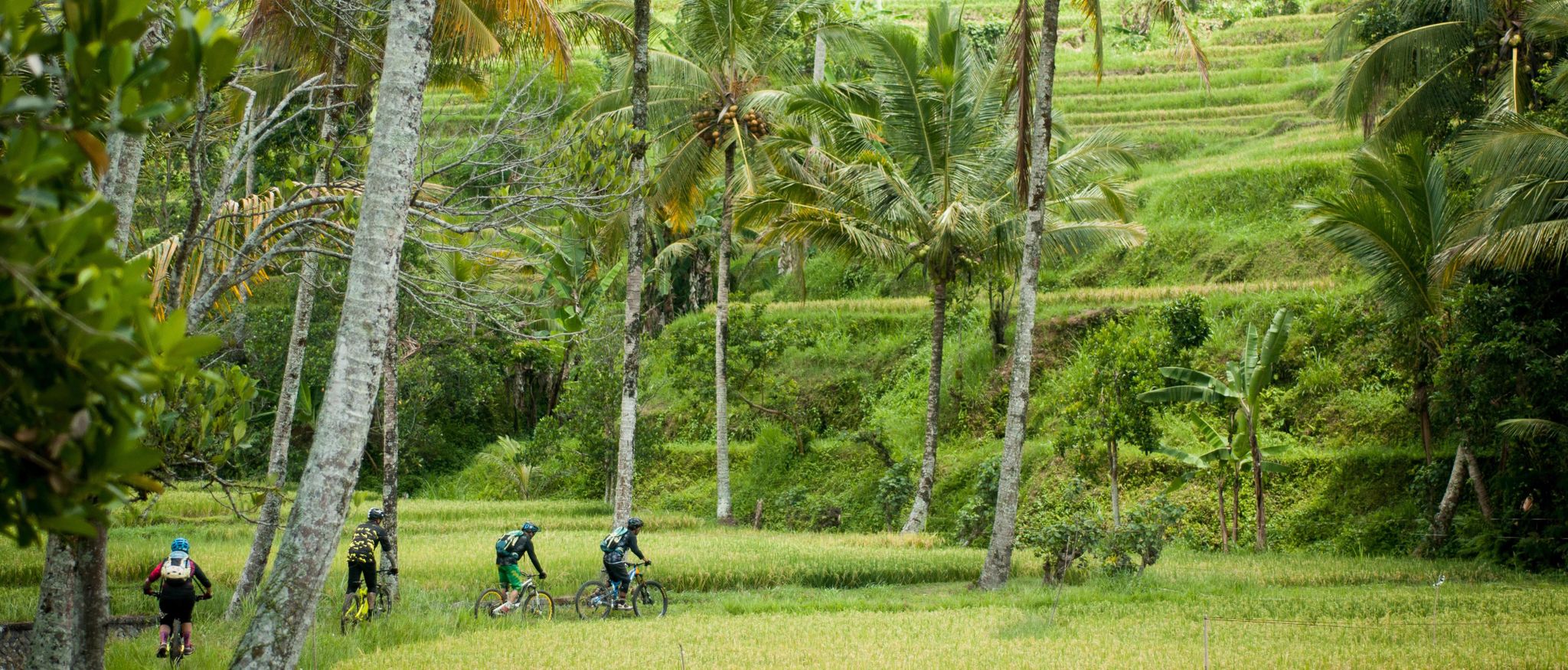
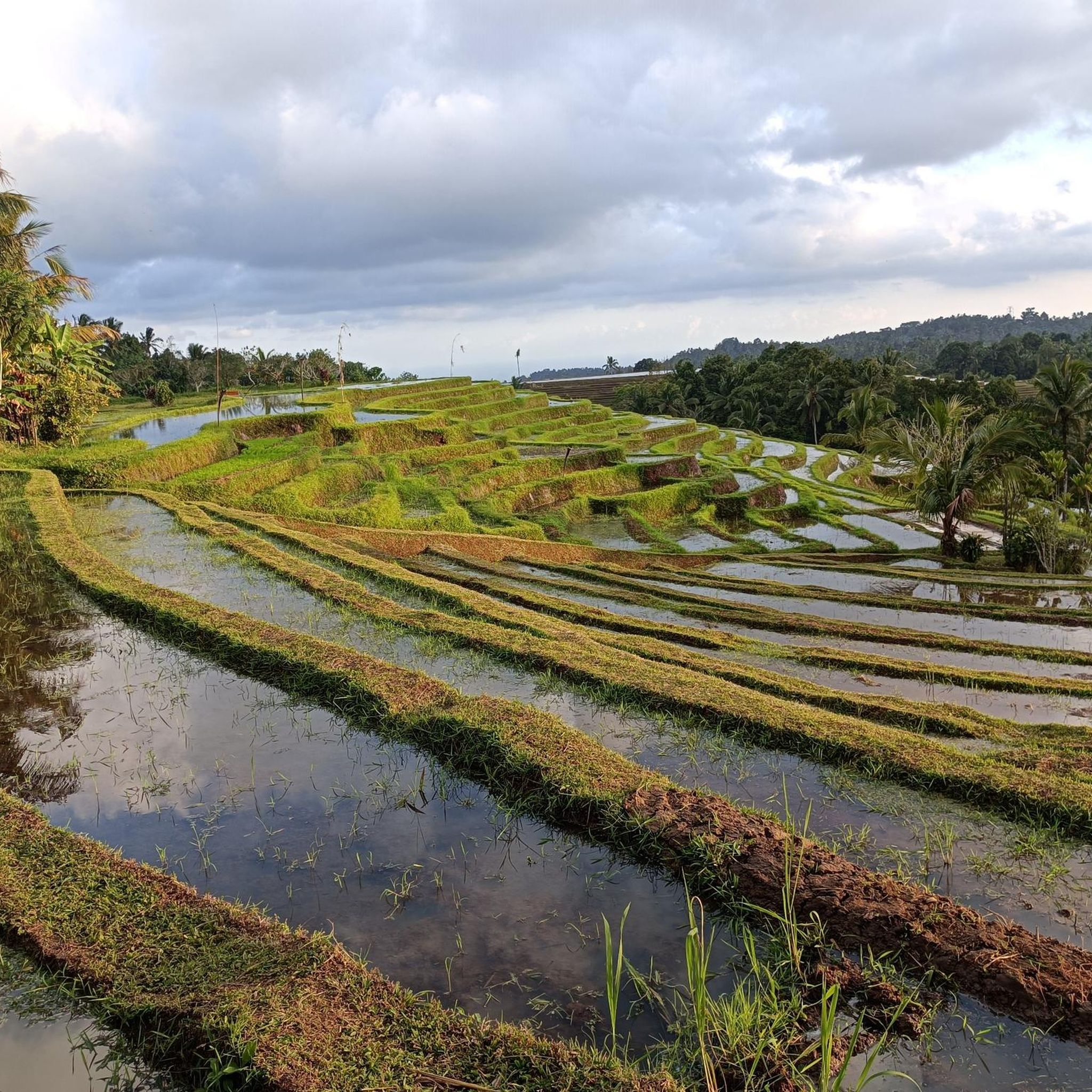
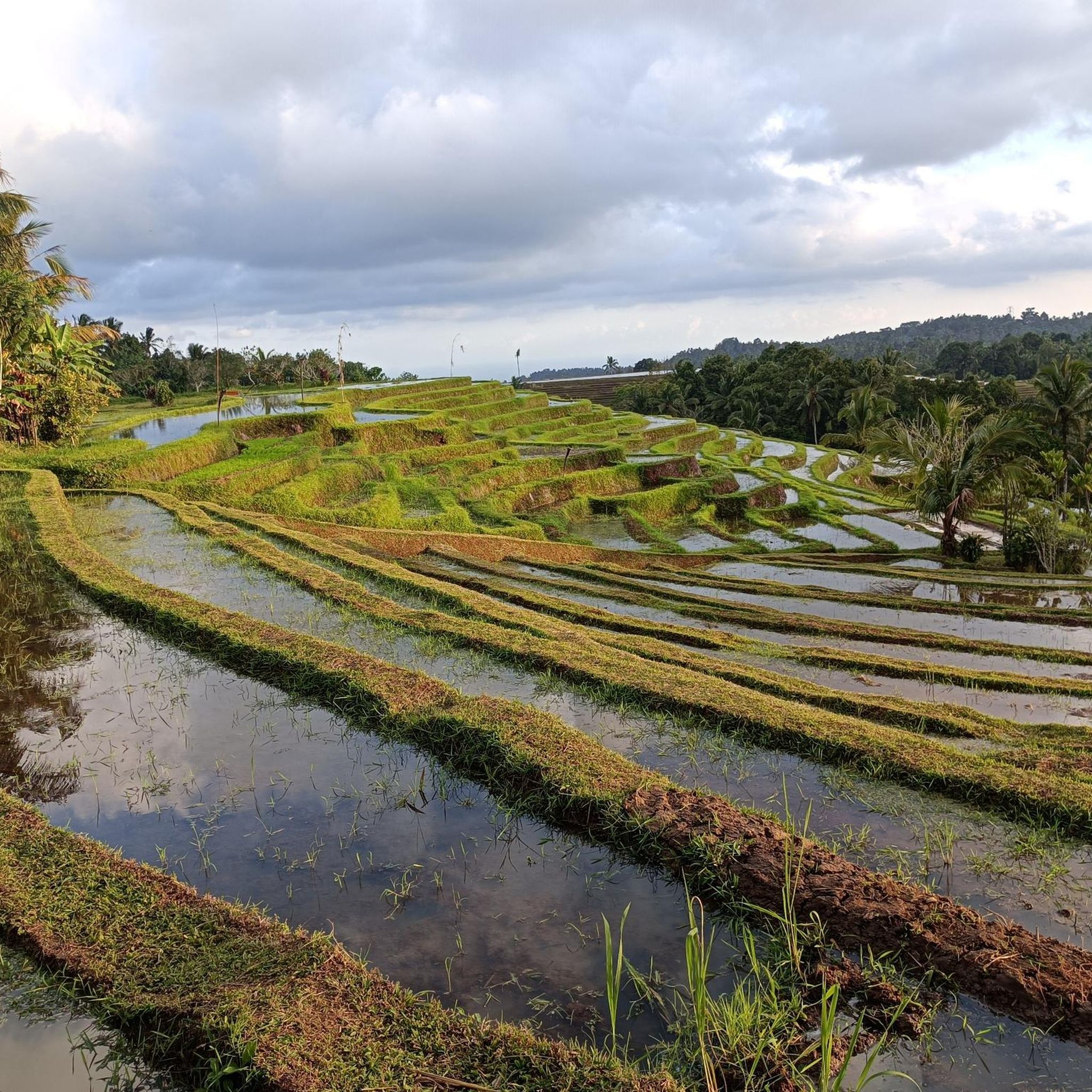
Yes, Indonesia offers various outdoor activities. You can find mountain hikes, cycling routes, and easy hikes. For instance, you can explore mountain hikes like the Ijen Crater viewpoint loop or the Summit of Mount Batur. Cycling enthusiasts can enjoy routes around Gili Trawangan or Jakarta. For more relaxed options, there are easy hikes through the Rice Fields of Bali. You can find more details on these activities in the Mountain Hikes in Indonesia, Cycling in Indonesia, and Easy hikes in Indonesia guides.
Are permits required for caving in Indonesia?
For many popular and well-managed caves, especially those offering guided tours or unique experiences like Goa Jomblang, permits or entrance fees are typically required. These fees often cover guide services, safety equipment, and maintenance of the cave site. It's advisable to check with local tour operators or official websites for specific permit requirements for the cave you plan to visit.
What are some lesser-known or 'hidden gem' caves in Indonesia?
While many caves are popular, some offer a more secluded experience. The Gala-Gala Underground House is a unique historical site on Nusa Lembongan. The Underground Meditation Cave, built over nearly eleven years, offers a spiritual and tranquil experience. Tampang Allo Burial Cave provides a unique cultural insight into Torajan burial practices, often found to be deserted and atmospheric.
What should I wear when exploring caves in Indonesia?
When exploring caves in Indonesia, it's generally recommended to wear comfortable, quick-drying clothing that you don't mind getting dirty or wet. Sturdy, closed-toe shoes with good grip are essential, as cave floors can be uneven and slippery. For some caves, especially those involving water or vertical descents, specialized gear like helmets and headlamps will be provided by tour operators, but bringing your own small flashlight is always a good idea.
Are there caves in Indonesia that are easy to access or explore for beginners?
Yes, several caves are relatively easy to access and explore, making them suitable for beginners. Goa Gajah (Elephant Cave) in Bali is known for its accessibility. Goa Maharani in East Java is well-lit and features clear pathways. Goa Pindul offers a gentle cave tubing experience, requiring minimal physical exertion. These caves often have established infrastructure and guides to assist visitors.
Most popular routes in Indonesia
Most popular attractions in Indonesia

Get inspired with the komoot mobile app


Explore more
Extend your search for the best caves by checking out these guides of the top ones in Indonesia:
