Top 13 Caves in Bosnia and Herzegovina
Caves in Bosnia and Herzegovina are notable landmarks and natural features within a rich karst landscape. The country's geological makeup provides numerous impressive underground systems. These caves offer diverse experiences, from extensive tunnel networks to biodiverse subterranean environments. The region's natural beauty and geological formations make it a compelling destination for exploration.
Best caves in Bosnia and Herzegovina
- The most popular caves is Vrelo Bune Spring and Dervish House, a religious building and cave where visitors can explore up to 4 km into the cave by boat. This site combines historical significance with natural cave exploration.
- Another must-see spot is Ravne Underground Labyrinth, a cave system with tunnels created over 30,000 years ago. Visitors can walk through this extensive tunnel system, which is noted for its oxygen content and high number of negative ions.
- Visitors also love Hotel 125 and Vjetrenica Cave, a cave known for its significant biodiversity and geological formations. It is advisable to dress warmly when visiting, even in summer, due to consistent internal temperatures.
- Bosnia and Herzegovina is known for biodiverse caves, extensive tunnel systems, and historical sites within caves. The variety of caves includes those with archaeological findings, unique geological formations, and opportunities for guided exploration.
- The caves in Bosnia and Herzegovina are appreciated by the komoot community, with 17 upvotes and 36 photos shared by visitors.
Last updated: October 14, 2026
Ravne Underground Labyrinth
Highlight • Cave
Also noteworthy are the Bovis units from 20,000 to 40,000
The tunnels were created over 30,000 years ago.
The pyramids of Visoko are with this very extensive tunnel system. connected.
When Dr. Sam Osmanagich discovered the pyramid of the sun in 2006, he went on a search for underground tunnel systems at the same time. This is an indication of the authenticity of pyramids - there are always underground tunnels in or around them all over the world. Locals told of an entrance to cave passages. These have been used as winter storage for fruit and potatoes since childhood. And yes! Explorations and first excavations have shown that there is an extensive tunnel system here! Scientists, archaeologists and geologists have been making pilgrimages in large numbers to Visoko to the Ravne tunnel.
Translated by Google •
Tip by

Vrelo Bune Spring and Cave
Highlight • Cave
Showing Translation
Tip by

Sign up now to discover places like this
Get recommendations on the best single tracks, peaks, & plenty of other exciting outdoor places.
Buna Spring
Highlight • Religious Site
The crystal-clear, turquoise-colored water remains ice-cold all year round and rarely reaches temperatures above 10 degrees Celsius.
Showing Translation
Tip by
Rest stop in the travertine cave
Highlight • Cave
Showing Translation
Tip by

Hotel 125 and Vjetrenica Cave
Highlight • Cave
I was greeted here with the sentence: "welcome in nowhere"
Translated by Google •
Tip by

Source of the Buna River
Highlight • River
The crystal-clear, turquoise water remains ice-cold all year round and rarely reaches temperatures above 10 degrees Celsius.
Showing Translation
Tip by
Hilltop Bunker Entrance
Highlight • Monument
Translated by Google •
Tip by

Jajce Catacombs (Underground Church)
Highlight • Cave
Translated by Google •
Tip by

Bobijaško Oko Karst Spring
Highlight • Natural Monument
At the bottom of a large and extensive karst bay there is a small lake, the size of which depends on the season and rainfall.
Locals say that when viewed from the nearby hills, the entire area looks like a big eye, which is how it got its name.
Geological studies have shown that it is a large cavity in the karst soil connected to a network of underground watercourses that extend for kilometers below the earth's surface.
Due to the mutual movement of water, it is an estevela, which has the characteristics of a hot spring when the water level is high and there is heavy rainfall, while when the water level is low it becomes a sinkhole.
Less than three decades ago, research showed that Bobijaško oko is probably connected to a huge underground freshwater reservoir in the area below Palanački polje and to the sources of the Dabar and Zdena rivers.
According to local resident Borislav Tešić, the special dye released on this occasion in Estevela appeared after a few days at the sources of the two rivers mentioned.
“When it rains heavily, everything is filled with water that seeps from the depths of the earth and then pours onto Palanačko polje. The same thing happened in May when heavy rains left most of the field under water. When the rain stopped, the water simply returned to where it came from,” Tešić tells us.
Translated by Google •
Tip by

Bijambare Caves
Highlight • Cave
Tip by

Sign up for free to discover even more caves in Bosnia and Herzegovina.
Already have an account?
Start today with a free account
Your next adventure awaits.
Popular around Bosnia and Herzegovina
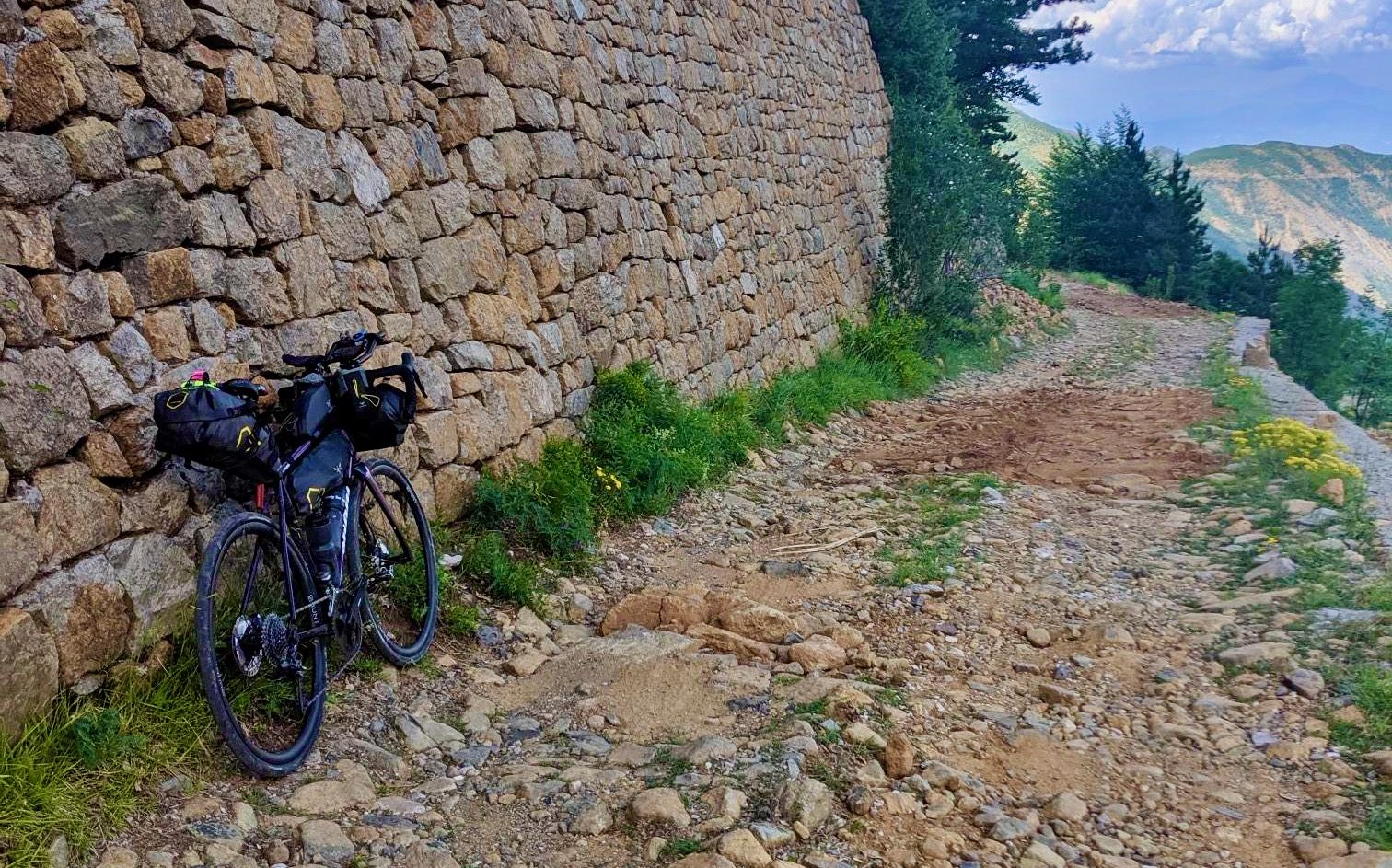
Traversing the Dinaric Alps — bikepacking from the mountains to the sea
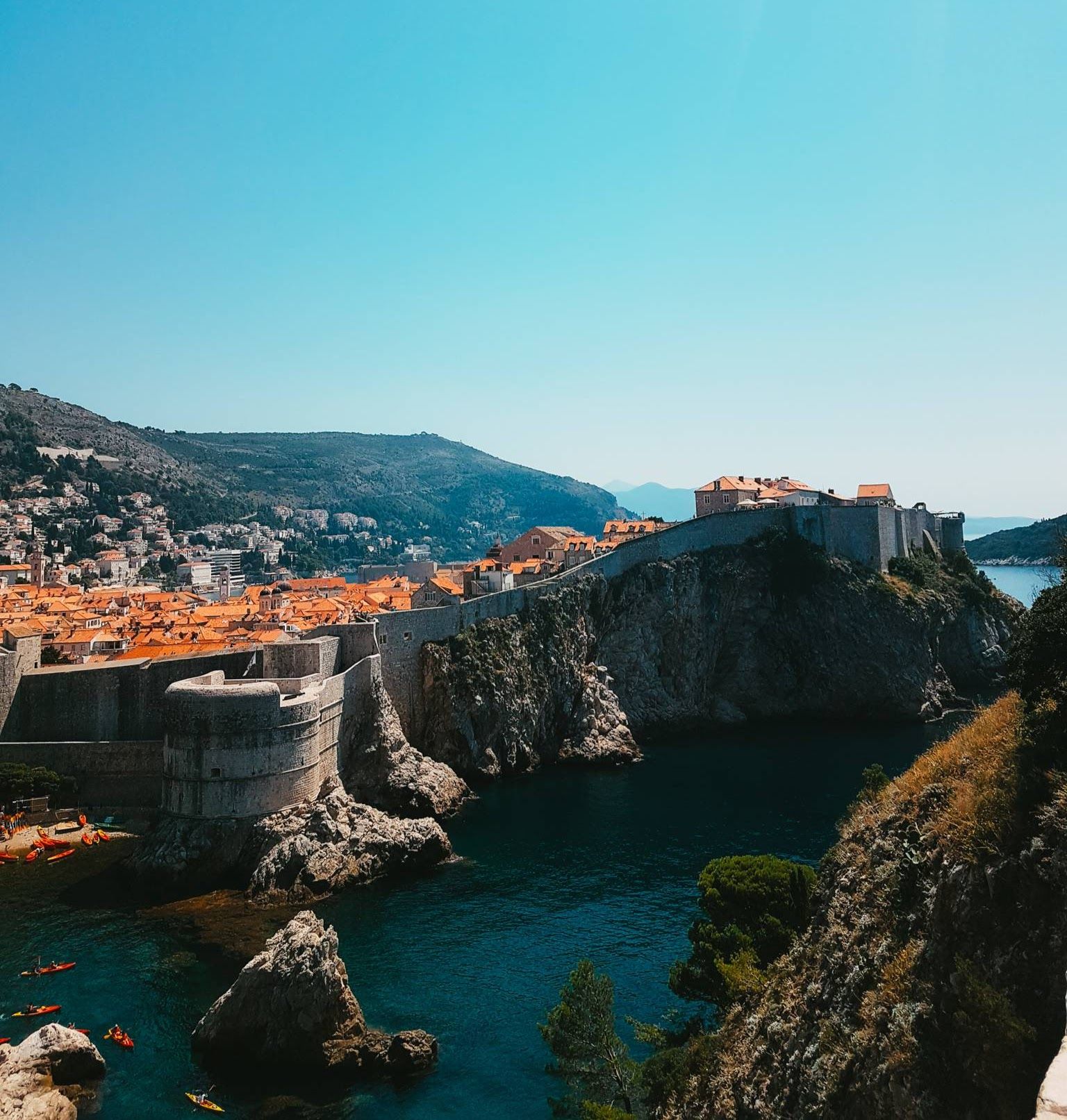
The Ciro Trail — Along the railtrail from Mostar to Dubrovnik
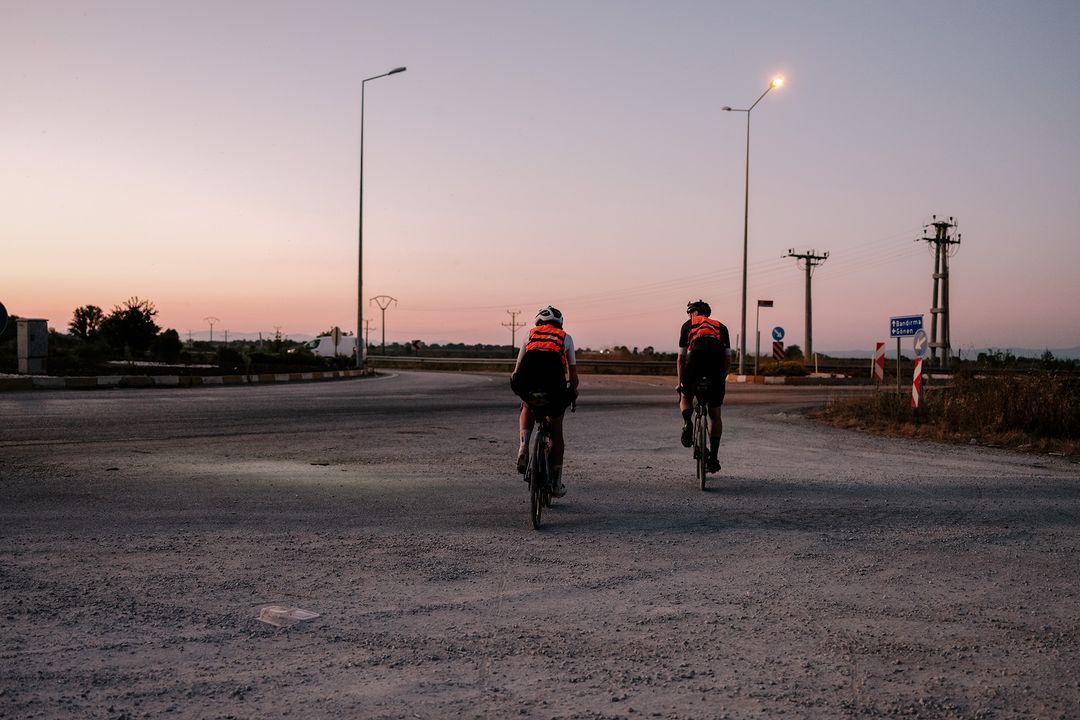
Transcontinental Race No10: crossing Europe from France to Turkey
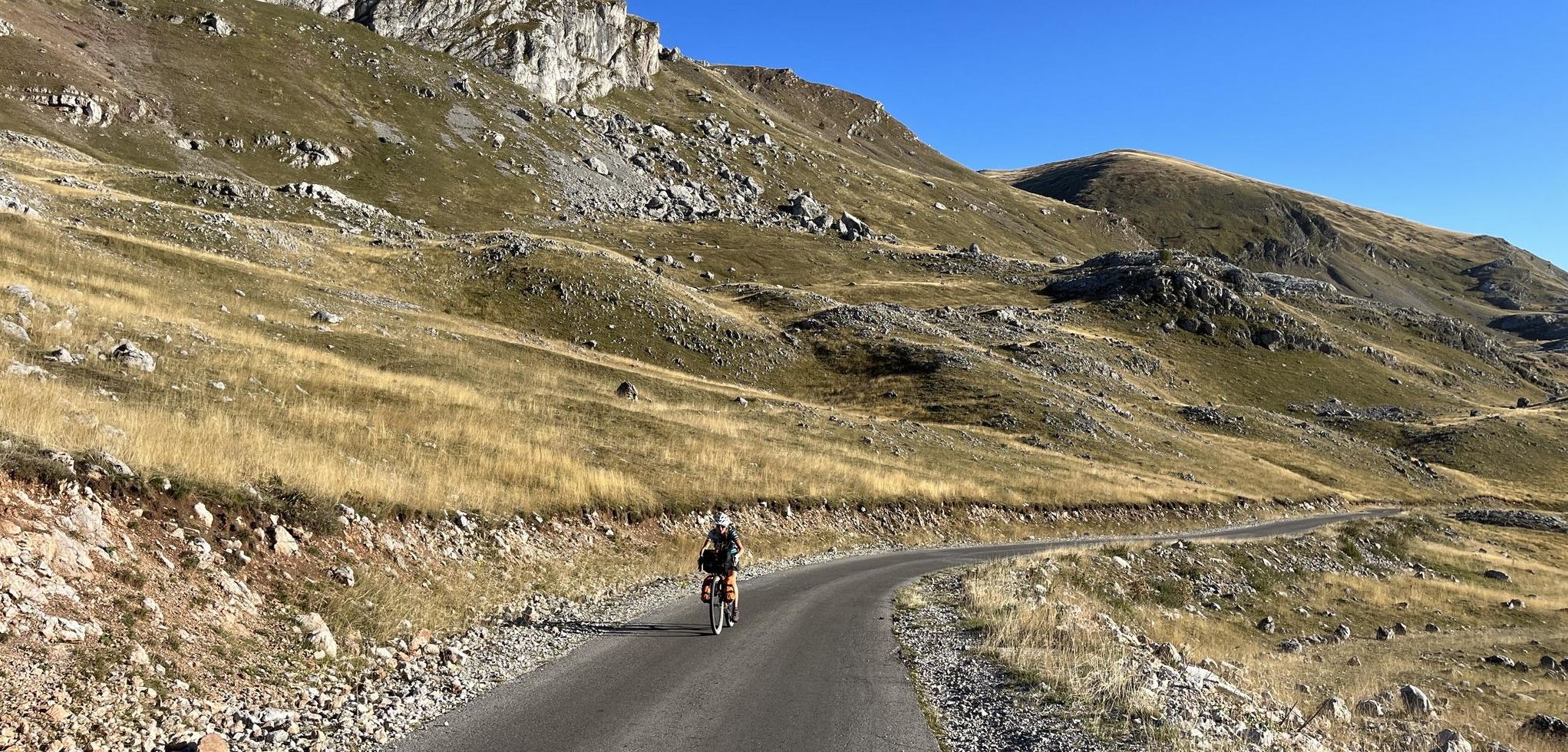
Balkan Escape – Croatia and Bosnia and Herzegovina
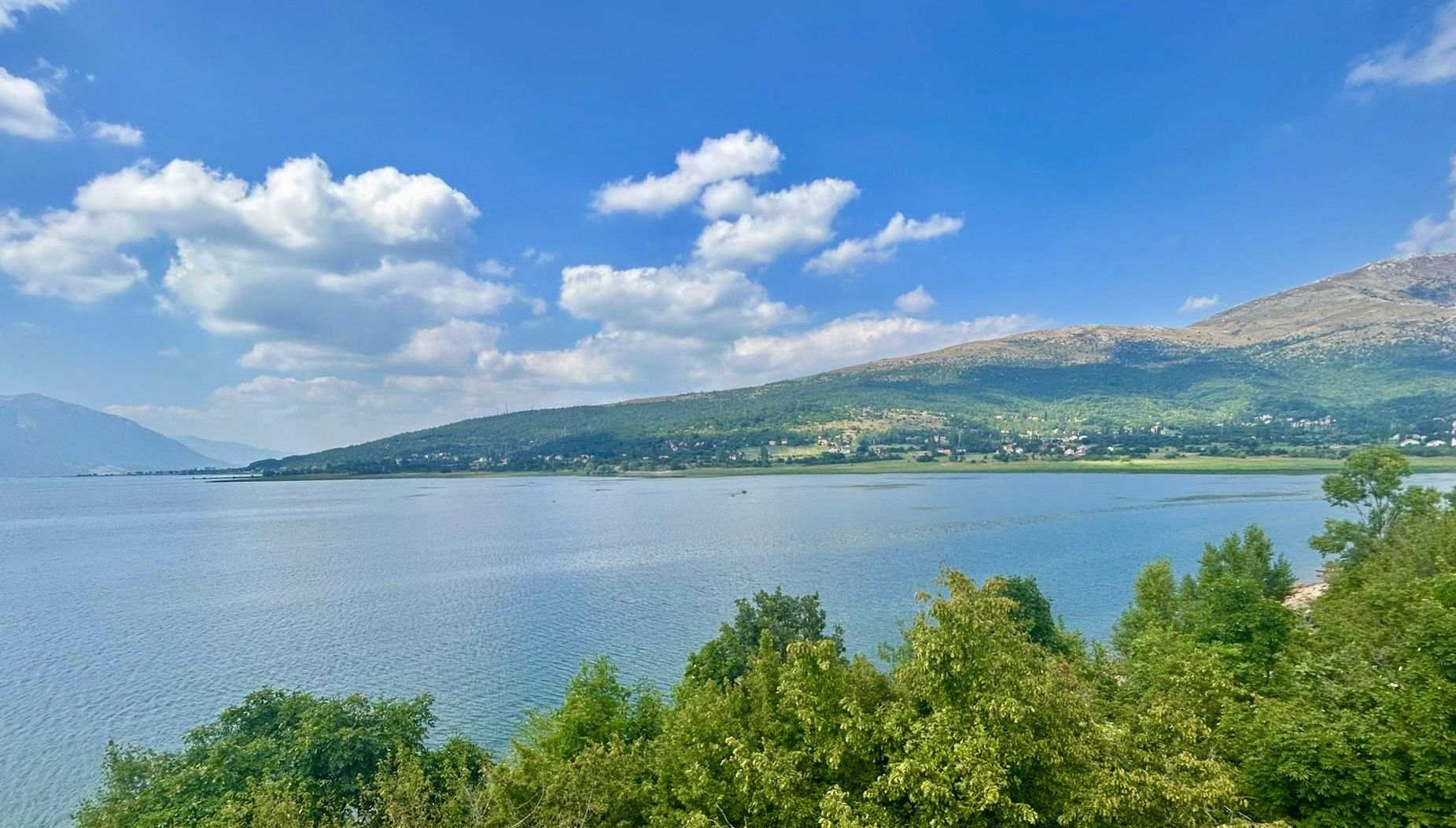
A weekend by Lake Buško – cycling the border between Croatia and Bosnia-Herzegovina
Transcontinental Race No9 2023
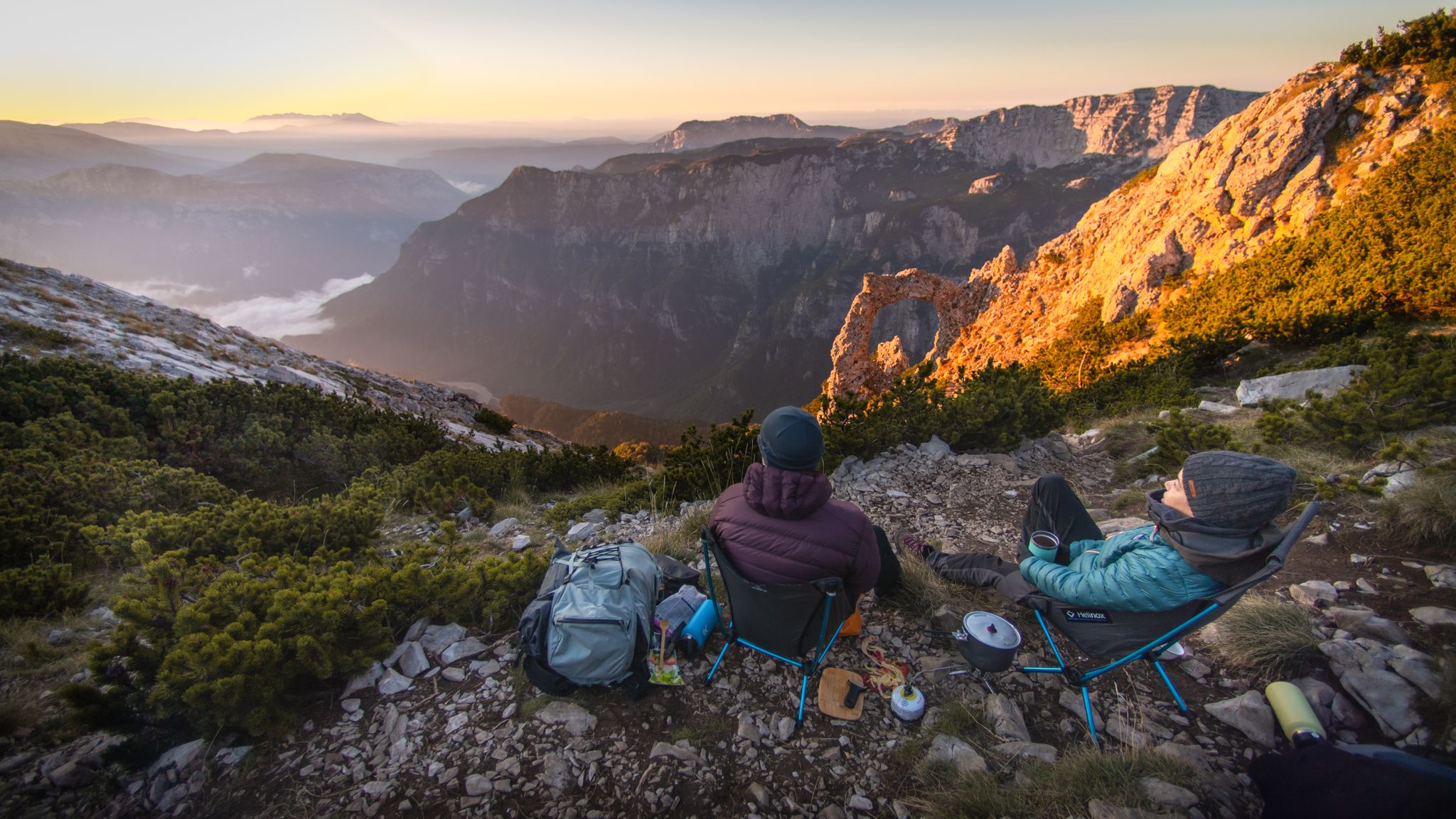
Warm earth and wild mountains — hiking in the Bosnian Alps
TCR No. 8 — racing across Europe
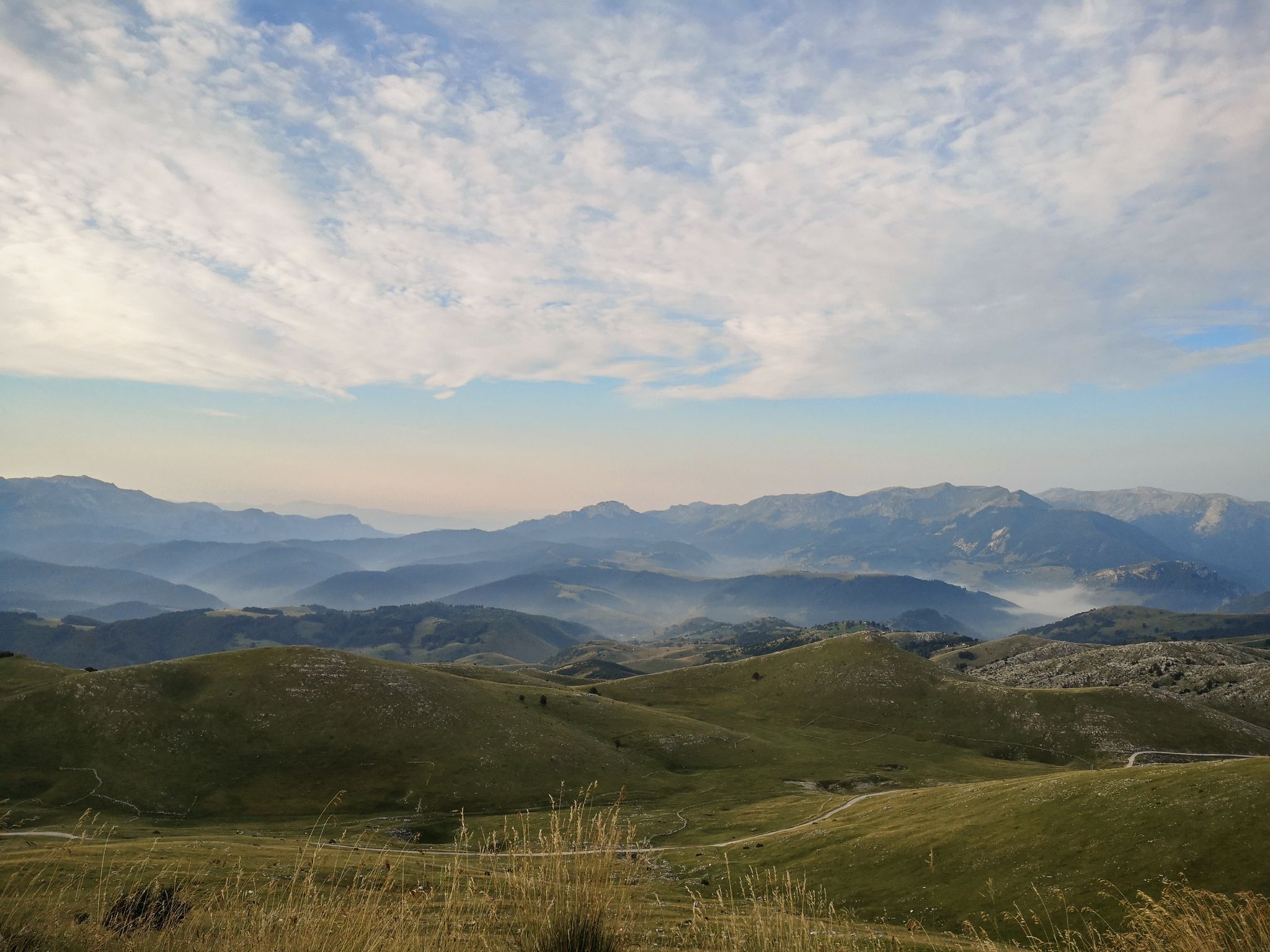
As we wrote history – the Transcontinental Race #TCRN06
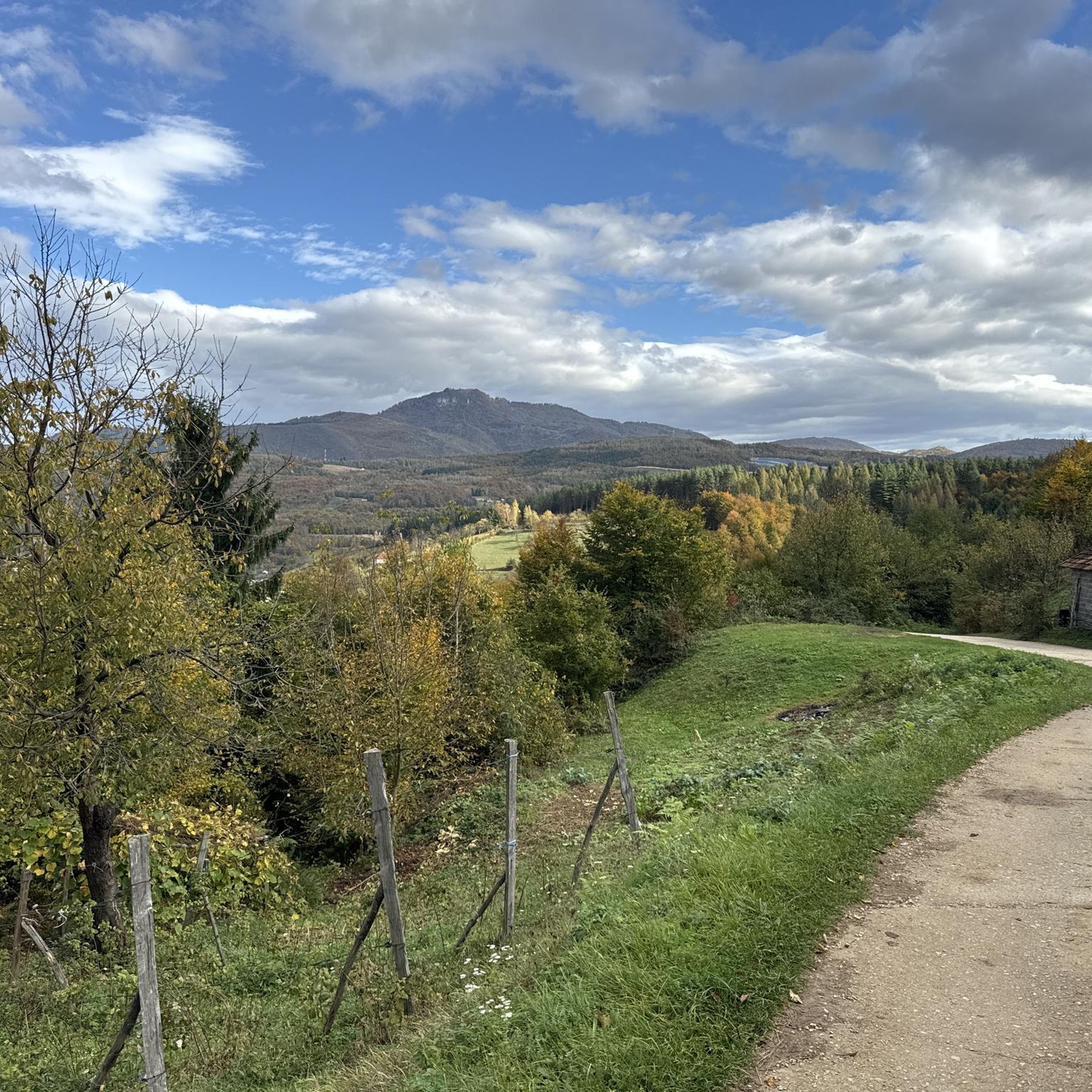
Hiking in Bosnia and Herzegovina
Other adventures in Bosnia and Herzegovina


Tips from the Community

Right next to the cave entrance, the historic Blagaj Tekija nestles against the rocks. This beautiful Dervish monastery, built in the 16th century, is considered a national monument and perfectly combines Ottoman architecture with untouched nature.
1
0
Natural wonder from the rock - The crystal-clear, turquoise-blue water springs directly from an imposing cave at the foot of an approximately 200-meter-high, vertical rock face.
1
0
Natural wonder from the rock: The crystal-clear, turquoise-blue water springs directly from an impressive cave at the foot of an approximately 200-meter-high, vertical rock face.
3
0

Right next to the white monastery building (Dervish tekke) the Buna river springs with enormous force from a huge cave in the rock.
3
0
Right next to the white monastery building (Dervis tekija) the river Buna springs with enormous force from a huge cave in the rock The crystal-clear, turquoise-colored water remains ice-cold all year round and rarely reaches temperatures above 10 degrees Celsius.
4
0
Right next to the white monastery building (Dervis tekija), the Buna River springs forth with enormous power from a huge cave in the rock. The crystal-clear, turquoise water remains ice-cold all year round and rarely reaches temperatures above 10 degrees Celsius.
4
0

Tuff or travertine is a sedimentary rock and belongs to the group of carbonate rocks. It forms around cold springs. It is characterized by its porosity. Tuff is a monomineral rock, meaning it is built from only one mineral - calcite. The structure is cryptocrystalline, while the texture is porous. It forms around cold springs, by the precipitation of calcium carbonate from a saturated aqueous solution of calcium bicarbonate. This happens in places where the water flow loses kinetic energy either due to an obstacle (aquatic plants) or due to a decrease in slope. The porous texture occurs because calcite is deposited around plants, and after their decay, cavities remain. Source: https://hr.wikipedia.org/wiki/Sedra
1
2

Well done, and nicely shady on hot days
1
0
Frequently Asked Questions
What makes Vjetrenica Cave a significant destination in Bosnia and Herzegovina?
Vjetrenica Cave, meaning 'wind cave,' is the largest and most famous cave in Bosnia and Herzegovina, recognized as the most biodiverse cave in the world. It's a UNESCO World Heritage Site candidate known for its extensive corridors, lakes, waterfalls, and a rich hydrographic system. The cave maintains a consistent internal temperature of around 11.4°C and is home to over 200 distinct species, including the famous human fish (Olm). Guided tours are available, making it accessible for visitors to explore its natural beauty and unique ecosystem. You can find more information about this site at Hotel 125 and Vjetrenica Cave.
What can I expect when visiting Bijambare Caves?
The Bijambare Caves, located near Sarajevo, are part of a protected landscape ideal for relaxation and outdoor activities. The main attraction, the Middle Bijambare Cave, is about 500 meters long and features exquisite formations like stalactites, stalagmites, and draperies, including a large chamber known as the 'music hall.' The area is considered family-friendly with well-maintained paths, educational eco-paths, and park facilities. Guided tours offer insights into its geological features. You can learn more about this location at Bijambare Caves.
What historical discoveries have been made in Bosnia and Herzegovina's caves?
Bosnia and Herzegovina's caves are rich in historical and paleontological findings. Orlovača Cave, for instance, has yielded remains of a cave bear (Ursus speleus) over 16,000 years old, along with Mesolithic ceramics and axes dating back 2,500 to 3,500 years, and Paleolithic drawings over 10,000 years old. Vjetrenica Cave also contains bones and remains of bears and leopards, and ancient drawings. The Ravne Underground Labyrinth is a cave system with tunnels created over 30,000 years ago, believed to have been built by ancestors of the Illyrians.
Are there family-friendly cave options in Bosnia and Herzegovina?
Yes, several caves are suitable for families. The Bijambare Caves are particularly noted for being family-friendly, with well-maintained paths and park facilities, making them an easy half-day trip. Vjetrenica Cave also offers guided tours that are accessible to visitors of various ages. Additionally, the area around Vrelo Bune Spring and Dervish House combines historical significance with natural cave exploration, and you can even explore up to 4 km into the cave by boat.
What kind of geological formations can be seen in these caves?
The caves in Bosnia and Herzegovina showcase a wide array of impressive geological formations. You can expect to see intricate stalactites, stalagmites, columns, draperies, and various crystalline structures and calcite deposits. Caves like Vjetrenica are also known for their extensive hydrographic systems, featuring numerous underground lakes, several waterfalls, and permanent streams. The karst landscape of the region contributes to these unique subterranean wonders.
What should I wear when exploring caves in Bosnia and Herzegovina?
When exploring caves in Bosnia and Herzegovina, it's advisable to dress warmly, even during summer months. Caves like Vjetrenica maintain a consistent internal temperature of around 11.4°C, which can feel cool after being outdoors. Comfortable, sturdy footwear with good grip is also recommended for walking on potentially uneven or damp surfaces. Layers are always a good idea so you can adjust to the temperature.
Are there other notable caves to explore beyond the most popular ones?
Beyond the most popular sites, Bosnia and Herzegovina offers several other fascinating caves. Govještica Cave (Dugovještica) near Rogatica is an extraordinary speleological facility with a length of 9,682 meters, featuring lakes and a stream. Rastuša Cave near Teslić is known for its remarkable formations and archaeological significance. Vagan Cave near Šipovo is highly decorated with abundant formations, and Beaver Cave (Dabarska pećina) near Sanski Most is notable for a river emerging from within and remnants of the Vučedol culture.
What outdoor activities can I do near the caves in Bosnia and Herzegovina?
The region around Bosnia and Herzegovina's caves offers diverse outdoor activities. You can find numerous trails for mountain biking, road cycling, and running. For mountain biking, explore routes like the 'Lukomir Village loop from Babin do' or the 'Fort V Opina – Brankovac Memorial Park loop from Mostar.' Road cyclists can enjoy routes such as the 'Pino Nature Hotel & Restaurant – Pino Hotel Trebević loop from Ilidža.' Running enthusiasts have options like the 'Vrelo Bosne loop from Sokolović-kolonija.' For more details on these activities, you can explore the MTB Trails, Road Cycling Routes, and Running Trails guides for Bosnia and Herzegovina.
What is the best time of year to visit caves in Bosnia and Herzegovina?
Caves in Bosnia and Herzegovina can generally be visited year-round due to their consistent internal temperatures. However, the surrounding natural areas are often best enjoyed during spring, summer, and early autumn when the weather is milder for outdoor activities and accessing cave entrances. Some caves, like Vjetrenica, have a strong wind at their entrance, creating a natural cooling effect in summer, making them a pleasant escape from the heat.
Are there any caves with unique atmospheric properties?
Yes, the Ravne Underground Labyrinth is particularly noted for its unique atmospheric properties. Visitors can walk through this extensive tunnel system, which is known for its high oxygen content (20%) and a significant number of negative ions (18,400 per cm3). These qualities are believed by some to contribute to a beneficial environment for visitors.
Do I need a permit for caving in Bosnia and Herzegovina?
For organized tours of established show caves like Vjetrenica, Bijambare, or Orlovača, you typically do not need a separate personal permit beyond the entrance ticket, as these are managed sites. However, for exploring undeveloped or lesser-known caves, especially for serious caving or speleological expeditions, it is highly recommended to inquire with local authorities, caving associations, or park management for specific permit requirements and safety guidelines. Always prioritize safety and respect natural environments.
Most popular routes in Bosnia and Herzegovina
Most popular attractions in Bosnia and Herzegovina

Get inspired with the komoot mobile app


Didn’t find what you were looking for?
Discover more caves in Bosnia and Herzegovina region by region:
Explore more
Extend your search for the best caves by checking out these guides of the top ones in Bosnia and Herzegovina:
