The 6 Most Amazing Peaks in Kazakhstan
Best mountain peaks in Kazakhstan are found within the country's prominent Tien Shan and Altai mountain ranges. These regions feature high-altitude summits, glaciated areas, and diverse landscapes. Kazakhstan's mountains offer a range of experiences, from challenging climbs to accessible viewpoints, attracting mountaineers and nature enthusiasts. The terrain elevation difficulty varies across these peaks, providing options for different skill levels.
Best mountain peaks in Kazakhstan
- The most popular mountain peaks is Chimbulachka Peak, a summit that offers a challenging excursion over ski trails. It is considered a safe climb, especially when the resort is open.
- Another must-see spot is Jalban Mountain (2770 m), a summit with beautiful views. The route from Alma-Arasan is easy to navigate, though quite steep.
- Visitors also love Furmanov Peak, a summit offering a challenging climb. On clear days, the city is visible from the peak, and the views are notable.
- Kazakhstan is known for its high-altitude summits, challenging climbs, and scenic viewpoints. The country offers a variety of mountain peaks to see and explore, from accessible trails to technical climbing routes.
- The mountain peaks in Kazakhstan are appreciated by the komoot community, with 5 upvotes and 10 photos shared by visitors.
Last updated: September 4, 2026
Chimbulachka Peak
Highlight • Summit
Tip by

View of the Tian Shan Mountains
Highlight • Viewpoint
Showing Translation
Tip by

Sign up now to discover places like this
Get recommendations on the best single tracks, peaks, & plenty of other exciting outdoor places.
Sign up for free
Jalban Mountain (2770 m)
Highlight • Summit
Tip by

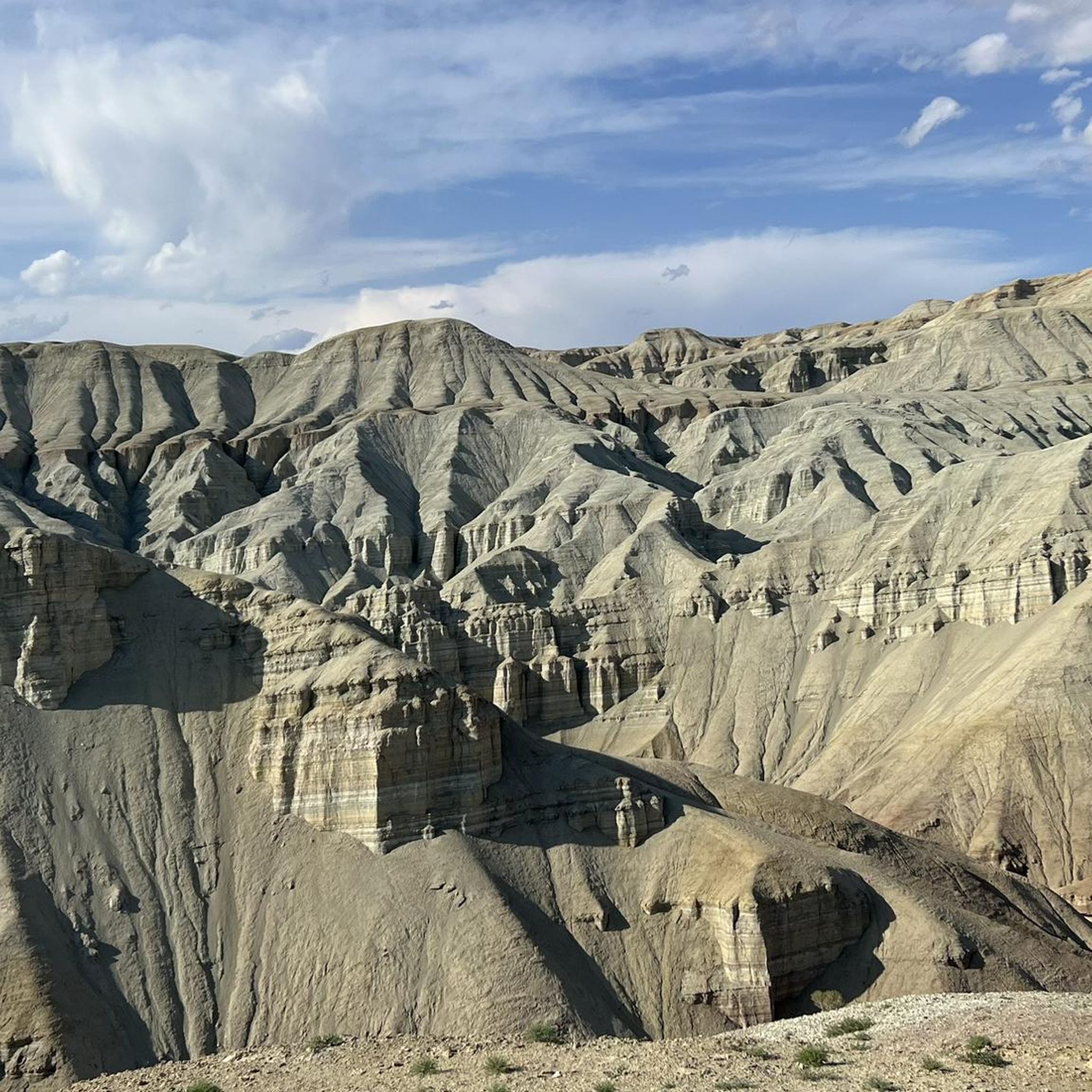
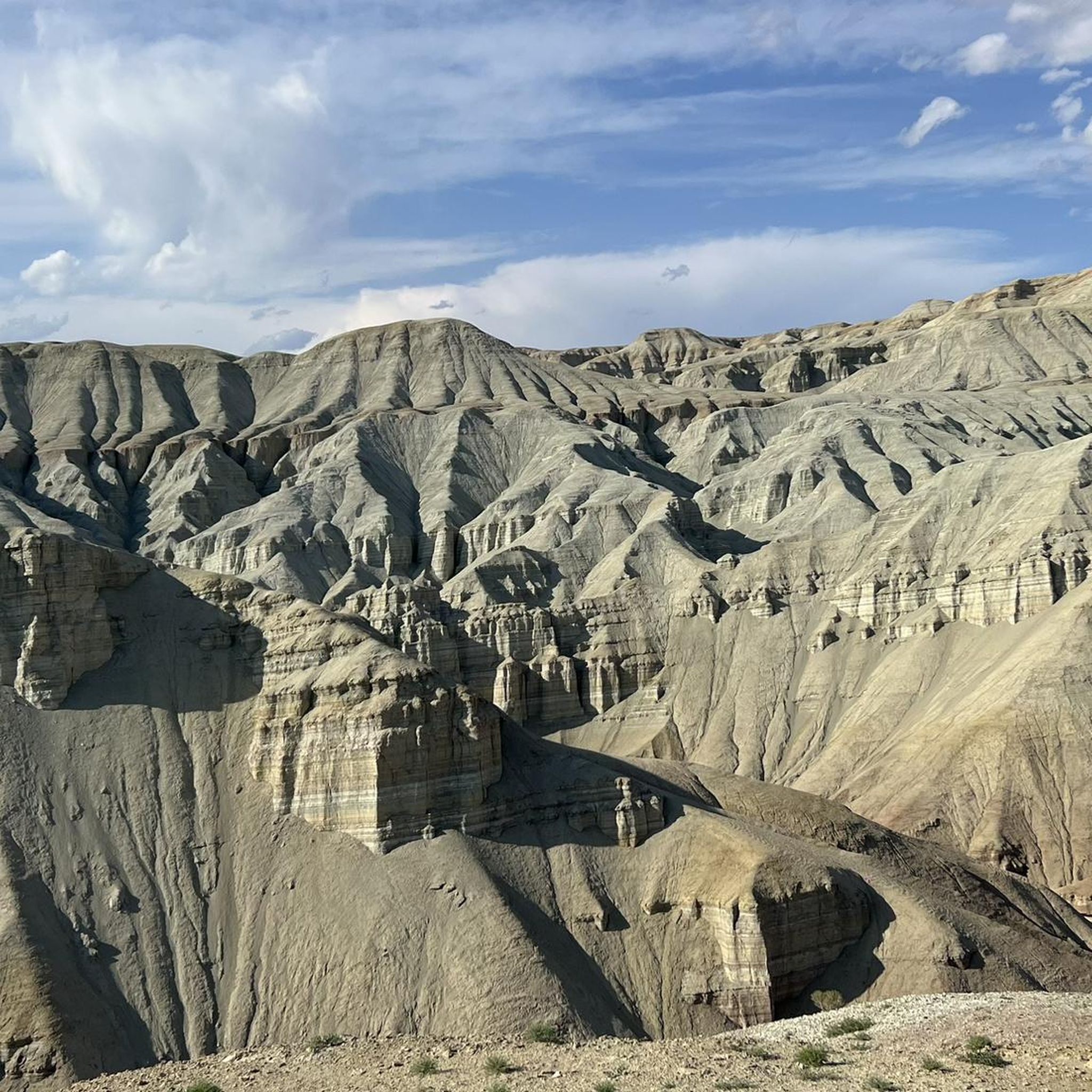
Bokty Massif
Highlight • Natural Monument
It consists of limestone and chalk cliffs and is known for its unique rock formations.
The name means "gray-blue land" in Kazakh.
Mount Bokty is depicted on the old 1,000-tenge banknote of the National Bank of Kazakhstan.
It rises amidst a white salt pan, where fossils may also be found, a remnant created by weathering and erosion.
The area is remote, and infrastructure is poorly developed. It is advisable to be well prepared, with shops and gas stations nearby.
Translated by Google •
Tip by

Furmanov Peak
Highlight • Summit
Tip by

Oktyabrenok Peak
Highlight • Summit
Translated by Google •
Tip by

View of the Snow-Capped Mountains
Highlight • Viewpoint
Showing Translation
Tip by

View of Big Almaty Lake from Skalisty Peak
Highlight • Viewpoint
Translated by Google •
Tip by
Start of 1B Technical Climbing Route
Highlight • Climb
Tip by

Start today with a free account
Your next adventure awaits.
Login or Signup
Tips from the Community

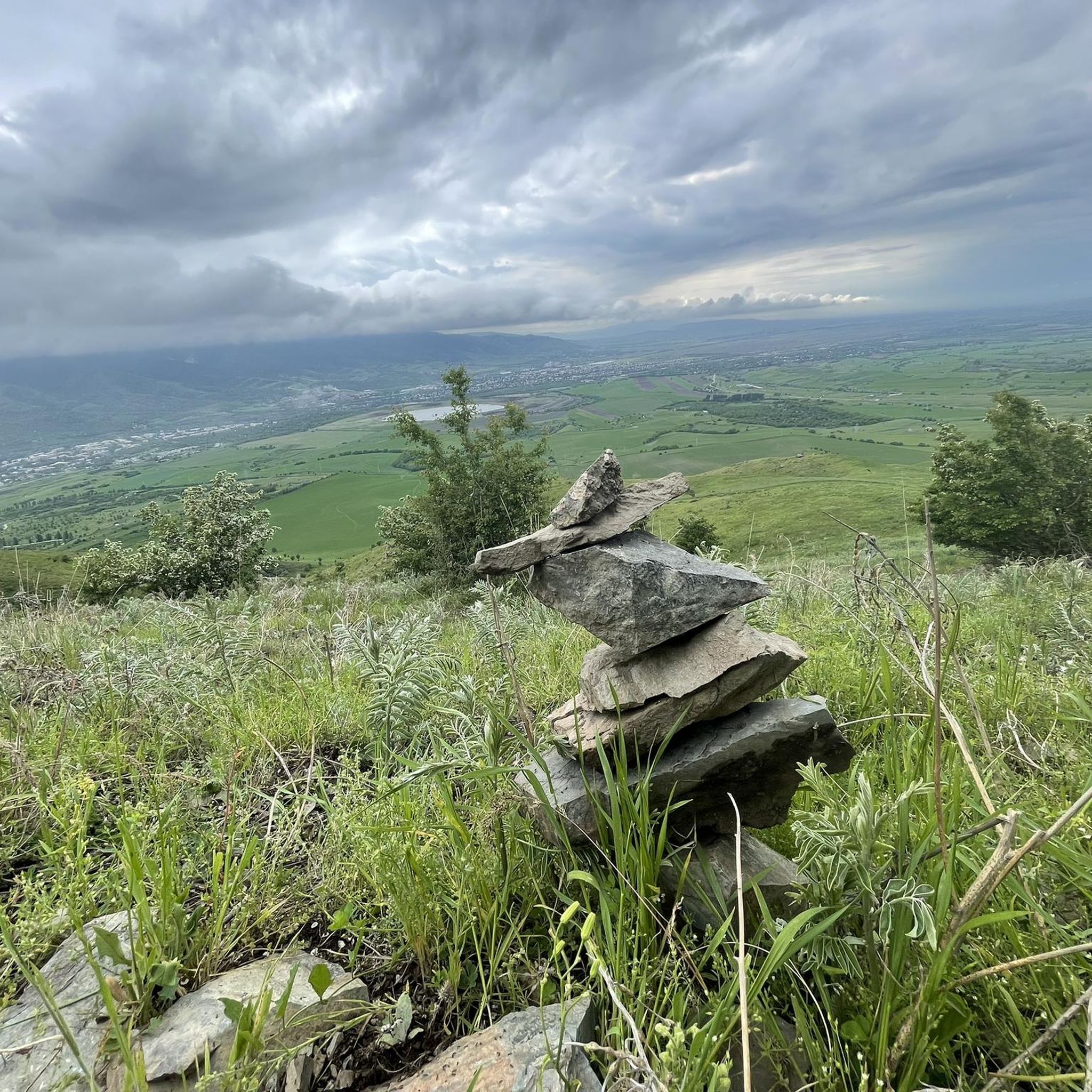
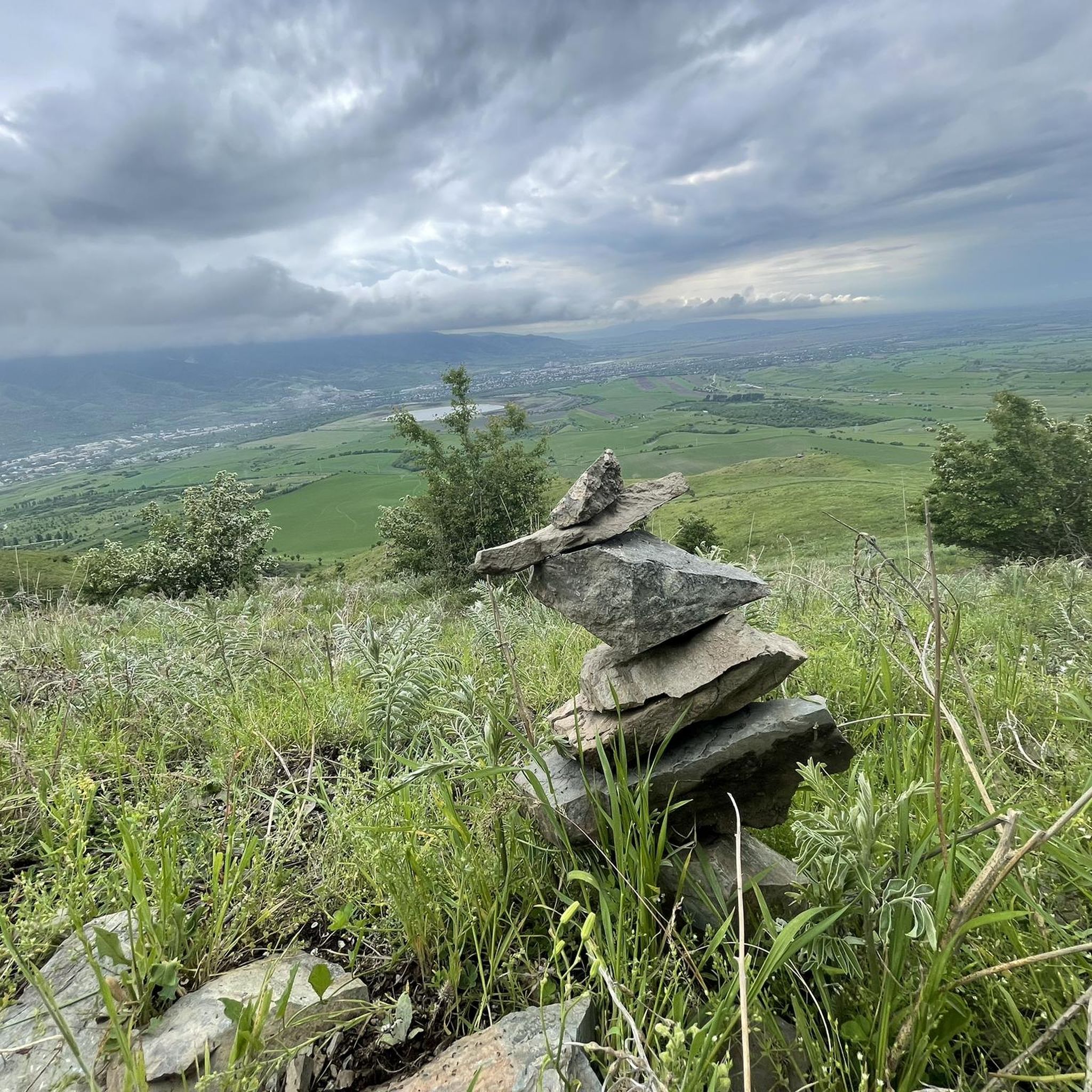
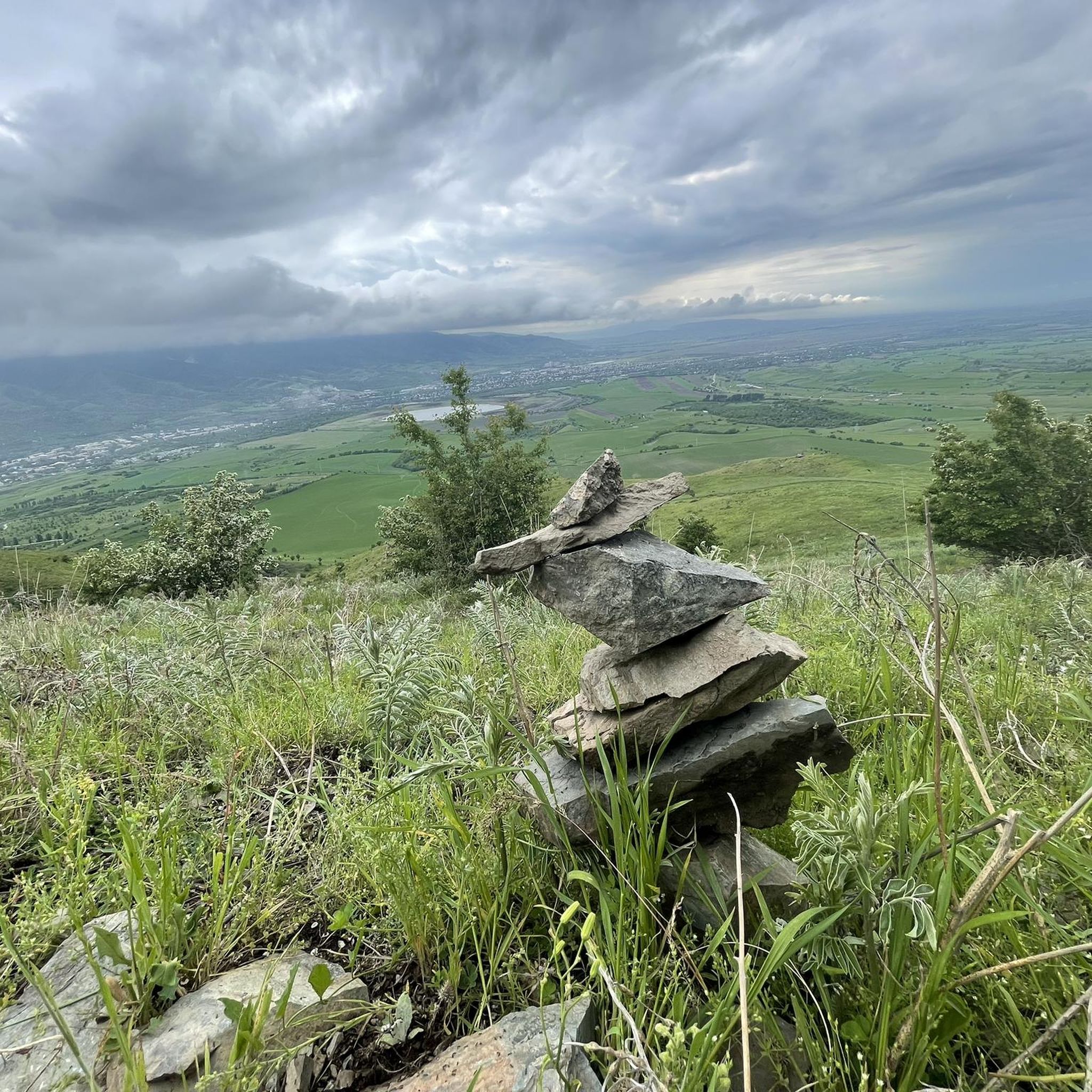
Of course, you can see the peaks of the Tien Shan from there. But it is still one of the lowest points (on the road); you are welcome to go a bit higher ;-)
0
0

The Kungei Alatau mountains, which can be seen here, are part of the Tian Shan mountain range, are located in the northeast of Kyrgyzstan and partly form the border with southeastern Kazakhstan.
0
0

Bozzhyra is a magnificent landscape in Kazakhstan. The remote mountain range in the western part of the Ustyurts Plateau shines from white to yellow, red, and brown. It consists of limestone and chalk cliffs and is known for its unique rock formations. The name means "gray-blue land" in Kazakh. Mount Bokty is depicted on the old 1,000-tenge banknote of the National Bank of Kazakhstan. It rises amidst a white salt pan, where fossils may also be found, a remnant created by weathering and erosion. The area is remote, and infrastructure is poorly developed. It is advisable to be well prepared, with shops and gas stations nearby.
1
0

A very beautiful and unpopular peak. From here you can see the Big Almaty Lake, the city of Almaty, the peaks of the Soviets, Molodezhny, Ozerny, etc. When approaching the peak, be prepared for steep climbs and a barely visible path. The peak is accessible for climbing from May to October.
0
0
Beautiful mountain. I recommend taking the route from Alma-Arasan as it is easy to navigate. It's quite steep but perfectly manageable. I won't recommend taking the path down the ridge to GES-2 in the summer months (probably fine in other seasons). It is quite overgrown at times, so you will most probably take a wrong turn at some point and then scramble back to path through dense forest. Also, as of this year, it is absolutely infested with deer keds. I took around 50 of them off from my arms and neck during the descent 😬
0
0

Mountaineering routes only. Don't try to "hike" this peak - you'll die.
0
0

Nice but hard excursion, climbed up over the ski trails. Safe especially when the resort is opened with a lot of people around.
0
1
Frequently Asked Questions
What are some of the most prominent mountain peaks in Kazakhstan?
Kazakhstan is home to several impressive peaks, primarily in the Tien Shan and Altai ranges. Notable summits include Khan Tengri, one of the world's most beautiful peaks and Kazakhstan's highest point, Pik Talgar in the Trans-Ili Alatau range, and Mount Belukha in the Altai Mountains. Near Almaty, Chimbulachka Peak and Jalban Mountain (2770 m) are popular.
Which mountain peaks offer challenging climbs for experienced mountaineers?
For experienced mountaineers, Khan Tengri is a coveted challenge, and Pik Talgar requires special training and equipment. In the Zailiysky Alatau range, Furmanov Peak offers a challenging climb, especially with fresh snow, and Oktyabrenok Peak is strictly for mountaineering routes, not hiking.
Are there any accessible mountain peaks or viewpoints near Almaty?
Yes, Nursultan Peak (formerly Peak Komsomol) is a prominent landmark visible from Almaty and a popular mountaineering destination. Chimbulachka Peak is considered a safe climb, especially when the resort is open. You can also find beautiful views from Jalban Mountain (2770 m) and a stunning View of Big Almaty Lake from Skalisty Peak.
What is the best time of year to visit Kazakhstan's mountains for climbing and hiking?
The favorable climatic period for climbing peaks like Pik Talgar is typically from July to mid-September. Generally, summer months offer the best conditions for hiking and mountaineering across the ranges, though specific conditions can vary by altitude and region.
What kind of natural features can I expect to see in Kazakhstan's mountain regions?
Kazakhstan's mountains are rich in natural beauty. You'll find high-altitude summits, extensive glaciers (like the Korzhenevsky glacier on Pik Talgar and Berel glacier on Mount Belukha), alpine meadows with diverse flora like poppies and edelweiss, and unique rock formations such as those at Bokty Massif. The Dzhungarian Alatau range also features peaks blanketed with eternal snow and glaciers.
Are there any family-friendly hiking options in the mountains of Kazakhstan?
While many peaks offer challenging ascents, some areas provide more accessible trails. For specific family-friendly routes, it's recommended to look for guides focused on easier hikes. For example, the 'Waterfall hikes in Kazakhstan' guide offers an easy 2.1 km route from Turgensai Visitor Center, which could be suitable for families. You can explore more options in the Waterfall hikes in Kazakhstan guide.
What wildlife can be spotted in the mountain regions of Kazakhstan?
The Dzhungarian Alatau range, in particular, is known for its rare species. Its western slopes and valleys are home to animals like argali, mountain goats, and Persian gazelles. The broader mountain ecosystems support diverse flora and fauna, making them sought-after destinations for nature enthusiasts.
What outdoor activities can I do near the mountain peaks in Kazakhstan?
Beyond mountaineering, the regions around Kazakhstan's peaks offer various outdoor activities. You can find extensive mountain biking trails, with options ranging from moderate to difficult, as detailed in the MTB Trails in Kazakhstan guide. There are also numerous running trails, including easy and moderate loops, which you can explore in the Running Trails in Kazakhstan guide. Additionally, waterfall hikes provide scenic walking opportunities.
Are there any historical or cultural sites associated with Kazakhstan's mountains?
Yes, some mountain regions hold historical significance. Khan Tengri, for instance, was a sacred ground for indigenous people practicing shamanism, earning it the name 'Lord of the Skies.' The Dzhungarian Alatau region also boasts a rich history, with ancient graves and petroglyphic drawings left by Central Asian nomads.
What are the typical weather conditions in Kazakhstan's mountain ranges?
Weather conditions in Kazakhstan's mountains can vary significantly with altitude and season. High-altitude peaks like Khan Tengri, Pik Talgar, and Mount Belukha are perpetually covered in snow and ice. Even in summer, conditions can change rapidly, so it's essential to be prepared for cold temperatures, wind, and potential snowfall, especially at higher elevations.
What do visitors enjoy most about the mountain peaks in Kazakhstan?
Visitors frequently praise the breathtaking landscapes and challenging climbs. Many appreciate the stunning views from summits like Furmanov Peak, where the city of Almaty is visible on clear days. The sense of accomplishment after a challenging excursion, such as climbing Chimbulachka Peak, is also a common highlight.
Are permits required for hiking or climbing in Kazakhstan's national parks or protected mountain areas?
Many mountain areas in Kazakhstan, such as those partially encompassing the Ile-Alatau State National Park and the Almaty Reserve near Pik Talgar, may require permits for entry or specific activities. It is advisable to research and obtain any necessary permits in advance, especially for remote or protected regions, to ensure compliance with local regulations.
Most popular routes in Kazakhstan
Most popular attractions in Kazakhstan

Get inspired with the komoot mobile app


Didn’t find what you were looking for?
Discover Kazakhstan’s best peaks and summits by region:
Explore more
See even more amazing summits in Kazakhstan with these guides:
