Top 2 Caves around Stipsdorf
Best caves around Stipsdorf are primarily found near Bad Segeberg, a locality known for its unique geological features. The region's main natural attraction is the Segeberger Kalkberghöhle, a gypsum cave that serves as a significant bat habitat. This area offers opportunities to learn about geology and wildlife, particularly bats. Stipsdorf itself is a small community located close to these natural attractions.
Best caves around Stipsdorf
- The most popular caves is Kalkberg, Bad Segeberg, a natural monument that offers views…
Last updated: June 28, 2026
Kalkberg, Bad Segeberg
Highlight • Natural Monument
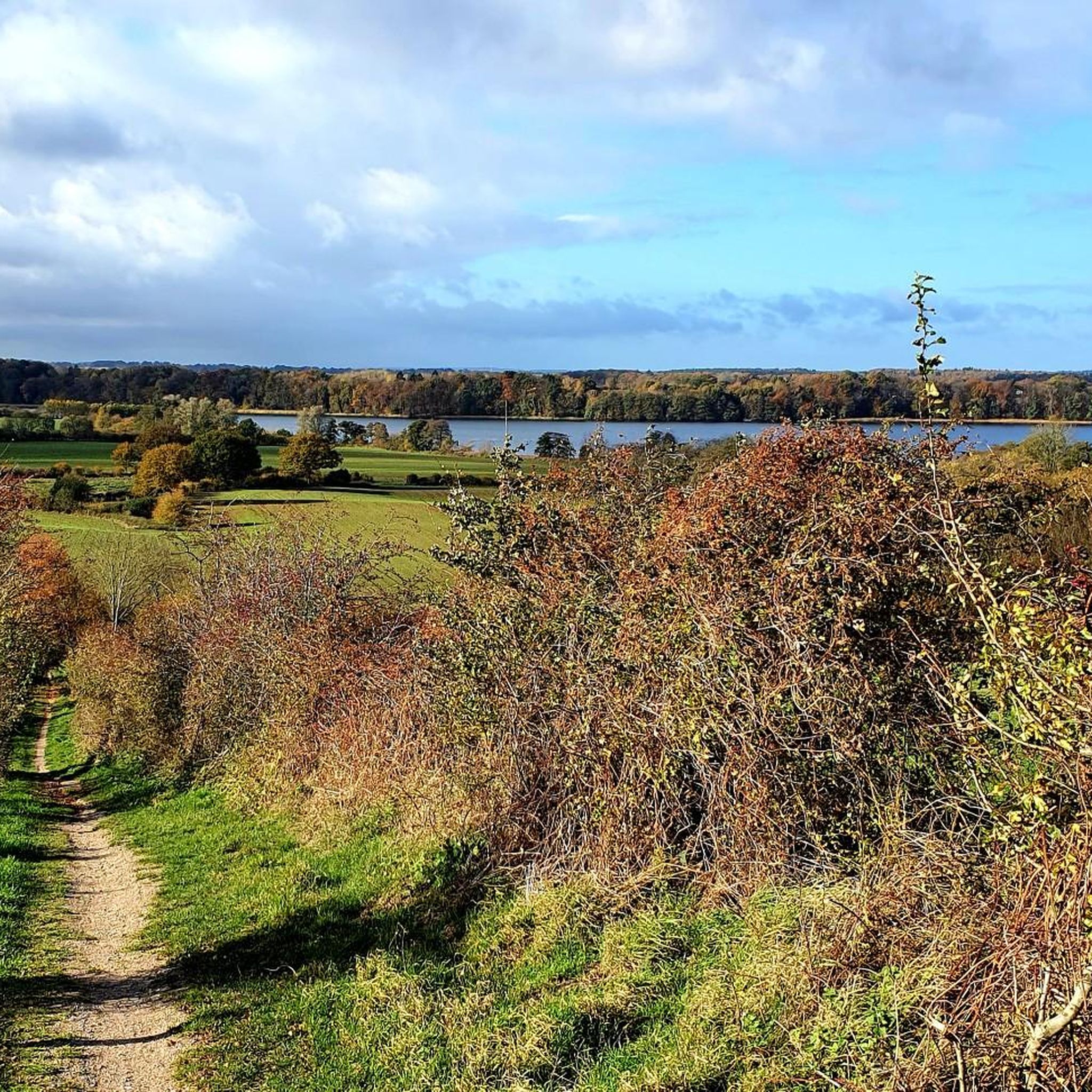
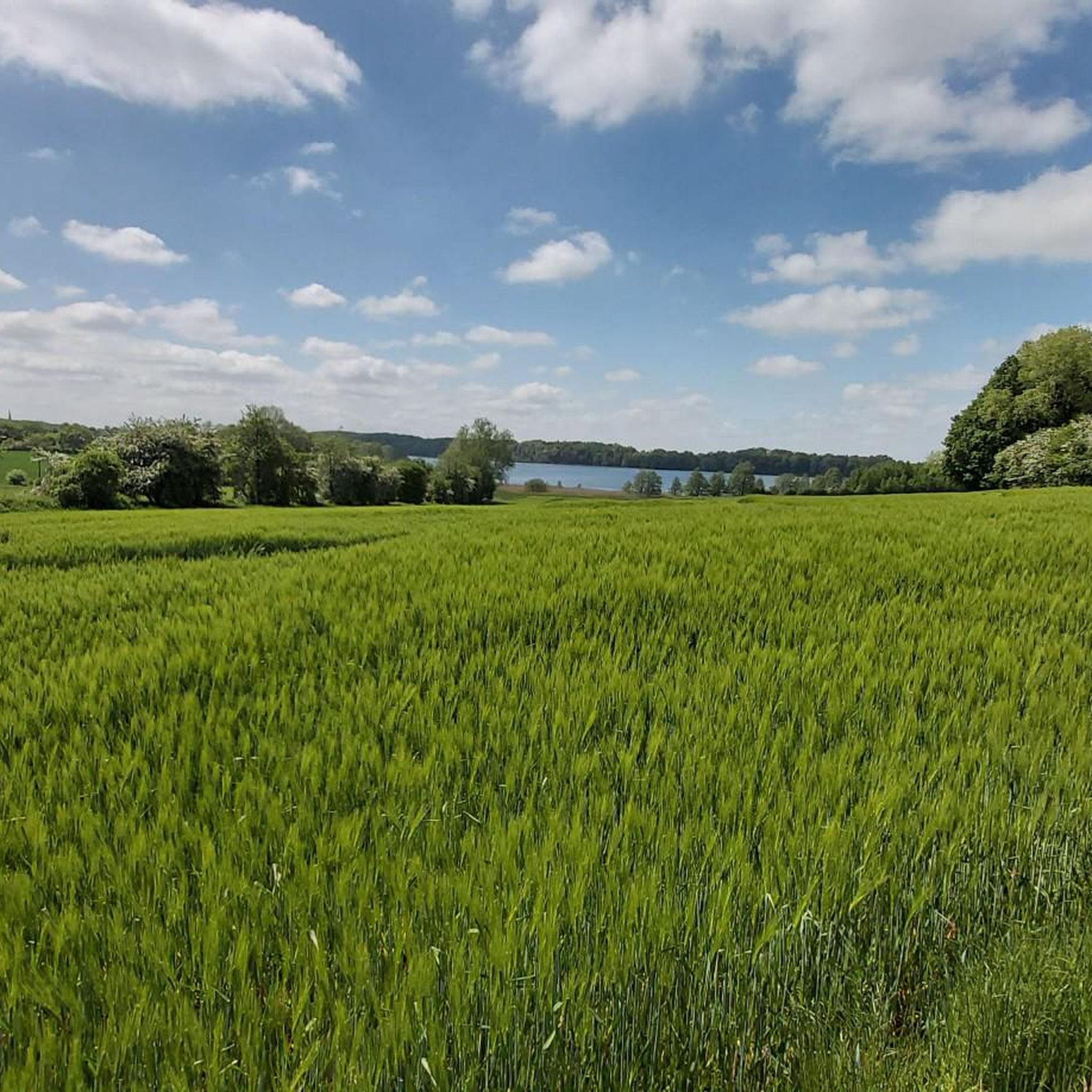
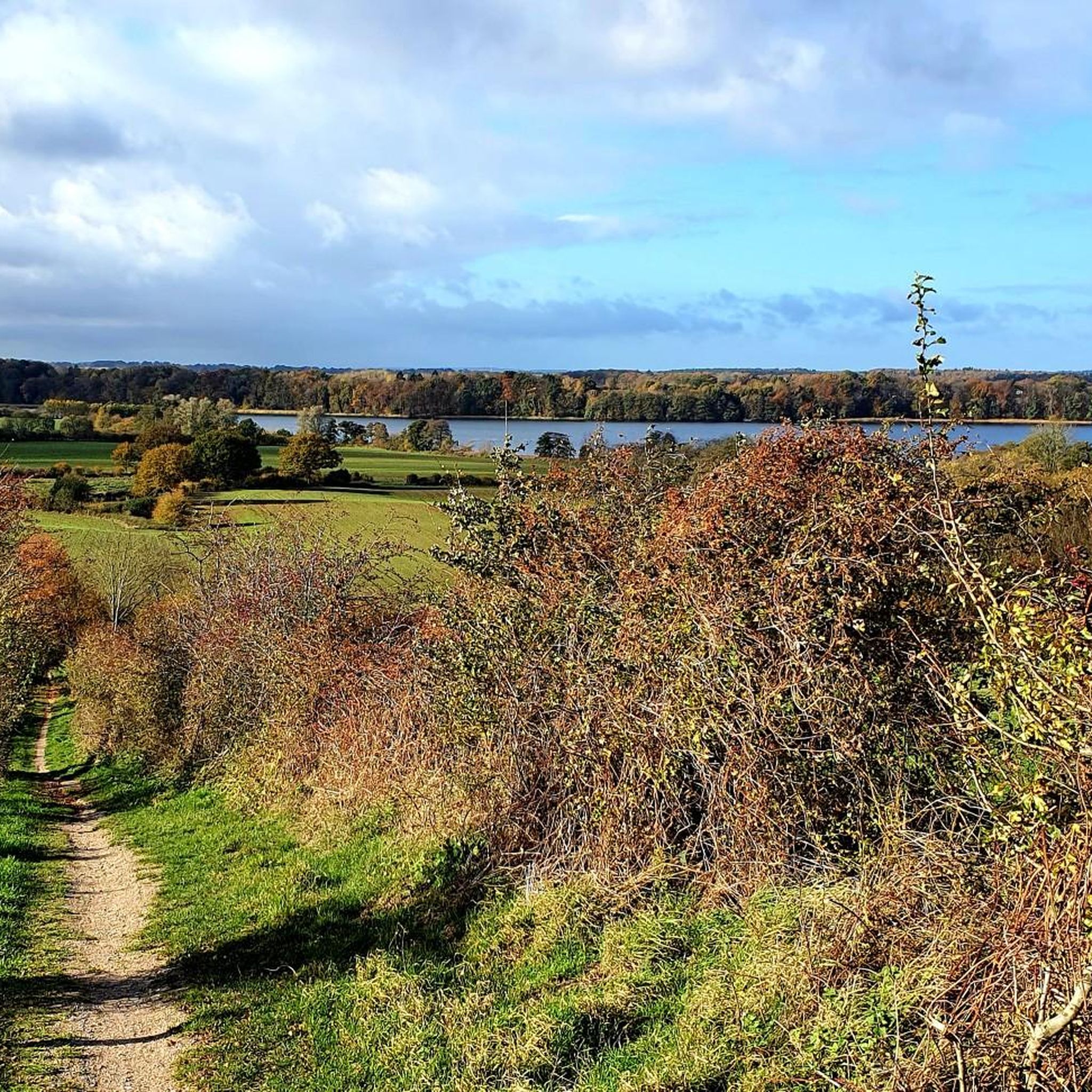
The view in good weather is fantastic.
And it is the only rock mountain in the big circle! The next one should be in the Harz …
Translated by Google •
Tip by

Noctalis Bat Centre Bad Segeberg
Highlight • Structure
Translated by Google •
Tip by

Sign up now to discover places like this
Get recommendations on the best single tracks, peaks, & plenty of other exciting outdoor places.
Sign up for free
View of Segeberger Kalkberg
Highlight • Natural Monument
Translated by Google •
Tip by

Kalkberg and Noctalis Bat Centre
Highlight (Segment) • Natural Monument
Around 800 bats use the Kalkberg cave as summer quarters.
Translated by Google •
Tip by

Bat Cave
Highlight • Cave
Showing Translation
Tip by

Start today with a free account
Your next adventure awaits.
Login or Signup
Tips from the Community

Exploring the cave is only possible as part of a guided tour.
3
0
The cave is open to visitors in summer. In winter (from October to March), absolute
3
0
The famous Bat Cave (Kalkberghöhle) in Bad Segeberg is the largest natural winter roost for bats in Central Europe. It is located directly beneath the Segeberger Kalkberg.
4
0

The bat cave with the attached exhibition -Noctalis- is definitely worth a visit for young and old alike. The best time is in April, as some bats are still flying around in the cave. In summer, they have left their winter quarters and return in autumn. Please check the opening hours on the website.
0
0

Unfortunately, the now visible part of the Kalkberg is only a sad remnant of the once imposing hill, upon which once stood one of the few hilltop castles in Northern Germany. How different would the town's (tourist) development have been if there had been no intensive limestone mining and gypsum extraction, no Thingstätte (place of worship), and no Karl May Festival? A local historian and Hamburg's Hafencity University have undertaken a joint project on the Kalkberg and the Siegesburg castle on it, taking a virtual journey back in time to the era before both disappeared. A foretaste of the impressive result of this collaboration can be seen here: https://www.kreismuseum-segeberg.de/se1644/.
2
0

Wild West feeling in the north. Saloons, restaurants, souvenirs.
0
0

Tip: The evening Karl May events end with fireworks.
7
0
Tip: The 91 m high limestone mountain is not made of lime (calcium carbonate) but of gypsum (calcium sulphate).
7
0
Frequently Asked Questions
What are the main caves to visit around Stipsdorf?
The primary attraction is the Segeberger Kalkberghöhle, also known as the Bat Cave. It's a unique gypsum cave and a significant natural monument in the region. Adjacent to it, you'll find the Noctalis Bat Centre Bad Segeberg, which offers an educational experience about bats.
What makes the Segeberger Kalkberghöhle unique?
Unlike many caves formed in limestone, the Segeberger Kalkberghöhle is a gypsum cave, offering distinct formations. It's also a crucial winter habitat for approximately 800 bats, making it a unique ecological site. The combination of the cave and the Noctalis Bat Centre provides an exceptional opportunity to learn about geology and the fascinating world of bats.
When is the best time to visit the caves near Stipsdorf?
The best time to visit the Segeberger Kalkberghöhle is typically in April, as you might still see bats flying around before they leave their winter quarters. During the summer months, the cave is accessible with a guide. The cave is closed during winter to protect hibernating bats.
Are the caves around Stipsdorf suitable for families?
Yes, the Segeberger Kalkberghöhle and the adjacent Noctalis Bat Centre are considered very family-friendly. The Noctalis offers an engaging exhibition for all ages to learn about bats, and guided tours of the cave provide an educational experience.
What kind of wildlife can I see in the caves?
The Segeberger Kalkberghöhle is famous for its bat population. It serves as a significant winter quarter for around 800 bats. While the cave is closed in winter to protect them, in April, you might still observe some bats before they depart for their summer habitats.
Are there guided tours available for the Segeberger Kalkberghöhle?
Yes, during the summer months, the Segeberger Kalkberghöhle is only accessible with a guide. These tours provide insights into the cave's geology, history, and its importance as a bat habitat.
What outdoor activities can I do near the Segeberger Kalkberghöhle?
Beyond the cave, the area around Bad Segeberg offers various outdoor activities. You can find numerous routes for hiking, traffic-free bike rides, and MTB trails. Popular options include loops around the Großer Segeberger See (Lake Segeberg) and routes offering views from the Kalkberg.
Is there parking available near the Segeberger Kalkberghöhle and Noctalis Bat Centre?
Yes, as a significant tourist attraction, parking facilities are available in Bad Segeberg, close to the Kalkberg and the Noctalis Bat Centre.
What should I wear when visiting the Segeberger Kalkberghöhle?
Caves typically maintain a cool, constant temperature regardless of the outside weather. It's advisable to wear sturdy shoes and bring a light jacket or warm clothing, even in summer, to ensure comfort during your guided tour through the Kalkberghöhle.
What else can I explore in Bad Segeberg besides the caves?
Bad Segeberg is known as the 'City of Karl May and Bats.' Besides the Kalkberghöhle and Noctalis Bat Centre, you can enjoy the view from the Kalkberg itself, visit the open-air theatre (famous for Karl May plays), and explore the town's historical sites and the beautiful Großer Segeberger See.
Most popular routes around Stipsdorf
Most popular attractions around Stipsdorf

Get inspired with the komoot mobile app


Explore more
Extend your search for the best caves by checking out these guides of the top ones around Stipsdorf:
