Top 13 Castles around Homberg
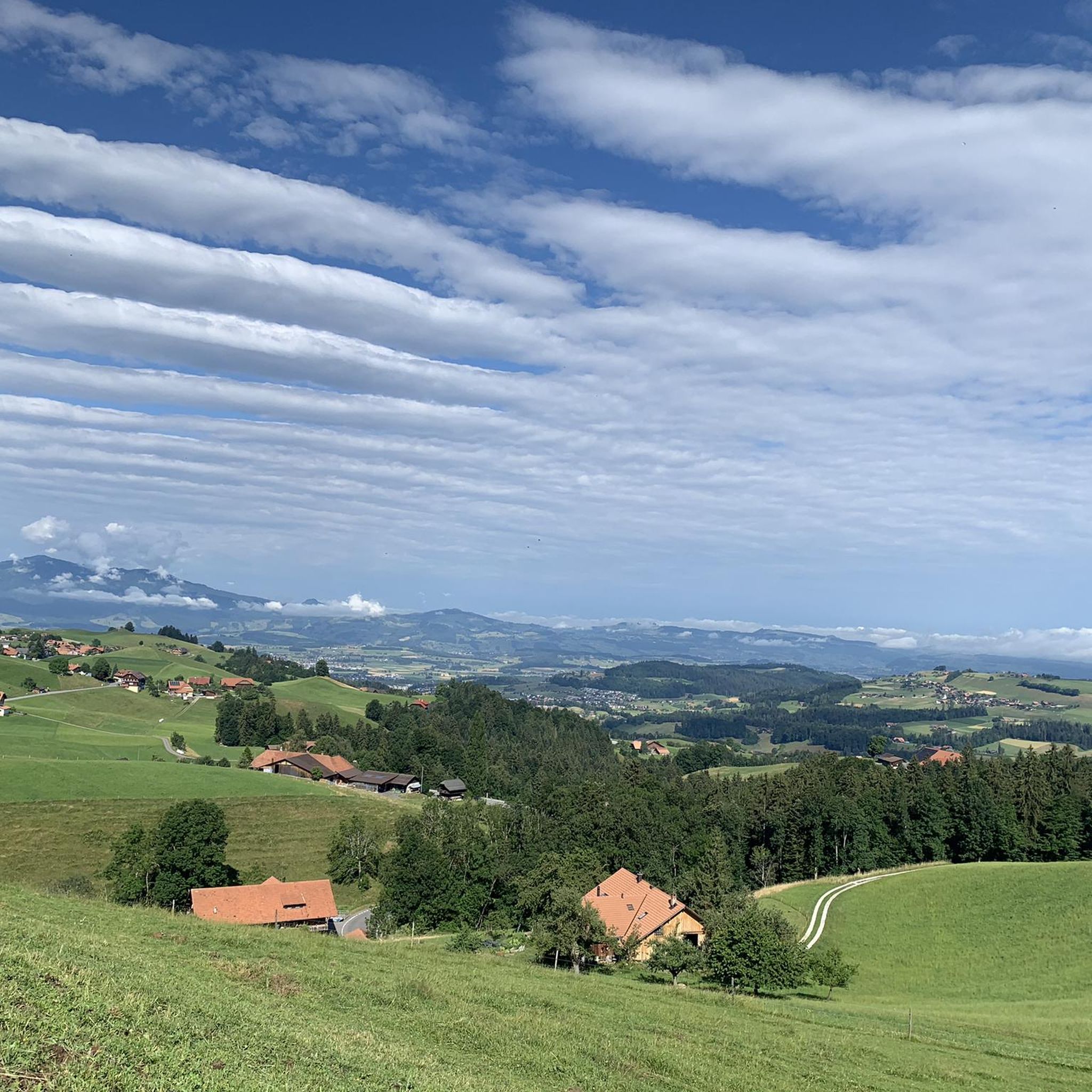
Best castles around Homberg offer a glimpse into centuries of history, set within diverse landscapes. This region, known for its historical significance, features castles often perched on strategic elevations, providing views of the surrounding areas. The natural landscape varies, from river valleys to volcanic regions, complementing the historical structures.
Best castles around Homberg
- The most popular castles is Spiez Castle and Marina, a castle that is idyllically situated on Lake Thun in Switzerland. It rises majestically on the lakeshore…
Last updated: July 6, 2026
Thun Old Town and Castle
Highlight • Castle
Translated by Google •
Tip by

Amsoldingen Basilica
Highlight • Religious Site
Tip by

Sign up now to discover places like this
Get recommendations on the best single tracks, peaks, & plenty of other exciting outdoor places.
Sign up for free
Schadau Castle
Highlight • Castle
Translated by Google •
Tip by

Oberhofen Castle
Highlight • Castle
Today, the castle is a museum designed to reflect the history of former residents.
Translated by Google •
Tip by

Schadaupark
Highlight • Natural
Translated by Google •
Tip by
Sign up for free to discover even more castles around Homberg.
Sign up for free
Already have an account?
Start today with a free account
Your next adventure awaits.
Login or Signup

Tips from the Community

The Amsoldingen Basilica, attributed to Rudolf II of Burgundy and Berta of Alamannia, was built around 1000 on the site of an earlier 7th-century church and shows Lombard architectural influences. Originally lacking a tower and transept, it later gained a tower in place of the southern apse, and its collegiate chapter was dissolved in 1484. The church underwent Gothic modifications, became a Pietist center under Samuel Lutz (1726–1738), and was renovated in 1978–1980; its crypt includes Roman spolia, and its stained glass windows by Max Brunner depict the Trinity.
0
0


Wonderful park to relax or just enjoy
0
0


Beautiful castle with a particular location, best admired from the outside while sailing on Lake Thun
2
0

Story The mighty keep of the former Oberhofen fortified castle was built around 1200 and passed to the House of Habsburg in the 14th century. After the defeat of the Habsburgs at the Battle of Sempach in 1386, Bern took control of Oberhofen and sold it to Ludwig von Sehaften and his sister Antonia von Scharnachtal. In 1421 the castle and rule finally came to the Scharnachthal, one of the leading and richest families in the city of Bern. It remained in family ownership until the death of the last representative in 1590. Oberhofen then came to a branch of one of the most important Bernese families, the von Erlach family. The bailiff's seat from 1652 to 1798 and expanded into a castle, the property came into private ownership in 1801. In 1844, Albert Graf de Pourtalès bought Oberhofen Castle from Neuchâtel, which was still Prussian at the time, and converted it into a summer residence. The buildings and towers in the historicist style still characterize the appearance today. In 1926 there was a change of ownership; the new owner of the castle was the American lawyer William Maul Measey. He transferred the properties and the park to a foundation in 1940 and ensured that Oberhofen Castle became a branch of the Bernese Historical Museum, which set up a residential museum and opened it to the public in 1954. In 2009, Oberhofen Castle became independent and has since operated as an independent foundation under private law. With the new building, which forms the sea-side end of the dependencies, a bridge was built into the 21st century. The Schloss Oberhofen restaurant has been in operation in the cube with a terrace by the lake since 2013.
0
0

Wouldn't let it linger a bit when you were in Thun, with .....
0
0

The romantic palace complex with the keep built around 1200 looks back on an eventful history of ownership. Bought by the Pourtalès family of counts from Neuchâtel and Prussia in 1844 and converted into a summer residence, the castle was given its current appearance. A museum has been set up inside since 1954, which deals with the history of the former residents. The oriental smoking room at the top of the tower offers a unique experience and a spectacular view over the lake and the mountains. The castle chapel with its impressive murals, which can be used for weddings and baptisms, dates from the 15th century. A tour through the many rooms of the castle leads to the traces of the previous owners and those who once lived in the castle. This includes not only the count families of the 19th century, but also the servants who looked after the well-being of the rulers. Under the title "Always at your service", an exhibition conveys the everyday life of domestic workers in a clear and interactive way. Attached to the castle is a 2.5 hectare park, which impressively shows the different trends in the history of garden art. Striking groups of trees, exotic shrubs, colorful flower arrangements and the view of the imposing mountain scenery above the lake make it one of the most beautiful gardens in the Alpine region. https://www.myswitzerland.com/de-de/erlebnisse/schloss-oberhofen-wohnmuseum-und-park/
3
0
Frequently Asked Questions
What kind of historical sites can I explore around Homberg?
The region around Homberg offers a rich tapestry of historical sites, primarily focusing on castles and religious buildings. You can explore well-preserved structures, ruins, and sites integrated into modern towns. Notable examples include the impressive Thun Old Town and Castle, the historically significant Spiez Castle and Marina, and the unique Amsoldingen Basilica, which also has castle elements.
Are there family-friendly castles to visit in the Homberg area?
Yes, several castles around Homberg are well-suited for families. Thun Old Town and Castle, Spiez Castle and Marina, and Oberhofen Castle are all categorized as family-friendly. These locations often feature engaging historical exhibits, beautiful grounds for exploration, and scenic views that appeal to all ages.
What natural features can I enjoy near the castles around Homberg?
Many castles in the Homberg region are set amidst beautiful natural landscapes. For instance, Spiez Castle and Marina and Oberhofen Castle are idyllically situated directly on Lake Thun, offering stunning lake views. Schadau Castle also boasts a wonderful park right on the lake shore with views of the Alps. The castles often provide excellent viewpoints over the surrounding valleys and mountains.
Are there hiking trails near the castles around Homberg?
Yes, the Homberg region offers various hiking opportunities near its castles. You can find easy hikes like the 'View of Niesen from Egg – Egg (1172 m) loop' or the 'Hiking loop from Heiligenschwendi'. For more options, explore the 'Easy hikes around Homberg' guide or the general 'Hiking around Homberg' guide on komoot for detailed routes and difficulty levels.
What are the best viewpoints among the castles in Homberg?
For magnificent panoramic views, the castles around Homberg offer several excellent spots. From Thun Old Town and Castle, you get a superb view of the old town, Lake Thun, and the Bernese Alps. Schadau Castle, with its park on the lake, also provides breathtaking views of the Eiger, Mönch, and Jungfrau. Additionally, Oberhofen Castle's oriental smoking room at the top of its tower offers a spectacular vista over the lake and mountains.
Can I find cafes or restaurants near the castles?
Yes, some castles and their immediate surroundings offer dining options. Schadau Castle houses a chic restaurant and hotel. Oberhofen Castle also has a cafe and restaurant. In Homberg (Efze), the outer bailey of Hohenburg Castle Ruins houses a restaurant. For other castles, nearby towns like Thun or Spiez will have various cafes and restaurants.
What do visitors enjoy most about the castles around Homberg?
Visitors frequently praise the stunning locations of the castles, especially those on Lake Thun, for their picturesque views and historical ambiance. The well-preserved structures, beautiful castle parks, and the opportunity to delve into centuries of history are highly appreciated. The blend of cultural significance with natural beauty, like the views of the Alps, also receives many positive comments.
Are there any unique or lesser-known castle features to look out for?
Absolutely. At Hohenburg Castle Ruins in Homberg (Efze), you can find one of the deepest castle wells in Germany, over 150 meters deep, carved into basalt stone. An illuminating system demonstrates its impressive depth. In Homberg (Ohm), Burg Homberg features a magnificent, hollow, approximately 1000-year-old lime tree in front of the castle, a notable natural landmark.
What kind of cycling routes are available near the castles?
For cyclists, the region offers various routes, including gravel biking. You can find routes like the 'View of Spiez Bay and Spiez Castle – Cave Under Haslirain loop' or the 'Simmen Bridge – Amsoldingen Basilica loop'. Check the 'Gravel biking around Homberg' guide on komoot for more detailed routes and their difficulty levels.
What is the historical significance of the castles in the Homberg region?
The castles in the Homberg region boast significant historical depth. Hohenburg Castle Ruins in Homberg (Efze) originated as a Franconian royal estate around 780 and witnessed sieges during the Thirty Years' War. Burg Homberg in Homberg (Ohm) was first documented in 1065 as a royal estate and was expanded into a princely palace, later partially destroyed and rebuilt. These sites offer insights into medieval history, warfare, and regional power dynamics.
Are there any castles that offer accommodation?
Yes, Schadau Castle in Thun operates as a 3-star hotel, allowing visitors to stay within a historical setting. This provides a unique experience of living within a castle that is also a building of national importance.
What cultural events or activities are associated with the castles?
Some castles serve as venues for cultural activities. Hohenburg Castle Ruins in Homberg (Efze) is a romantic backdrop for 'Homberg Rose Weddings,' with its Marstall (former stable) functioning as a registry office. The site also includes rose plantations and a medicinal herb garden. The Hohenburg Museum displays artifacts like cannonballs from the 1648 siege and important documents.
Most popular routes around Homberg
Most popular attractions around Homberg

Get inspired with the komoot mobile app


Explore more
Looking for the best castles somewhere else? Discover other guides around Homberg:
