Top 6 Castles in Arad
Best castles in Arad County, Romania, offer a glimpse into the region's rich past. Situated along the Mureș River and at the foot of the Metaliferi Mountains, these historical sites showcase diverse architectural styles. The area features imposing fortresses, picturesque ruins, and elegant noble estates. Exploring these structures provides insight into significant historical events and the cultural heritage of Transylvania.
Best castles in Arad
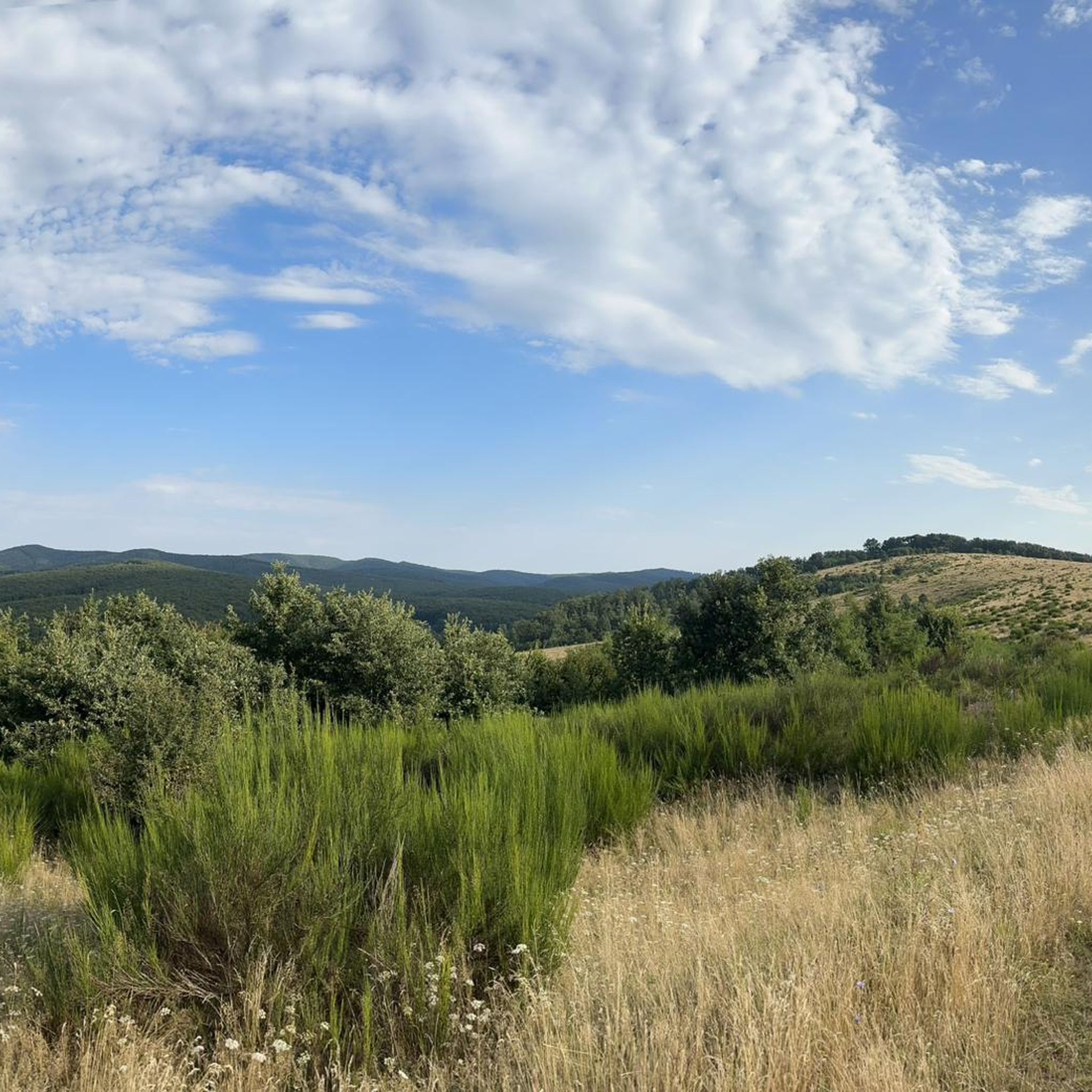
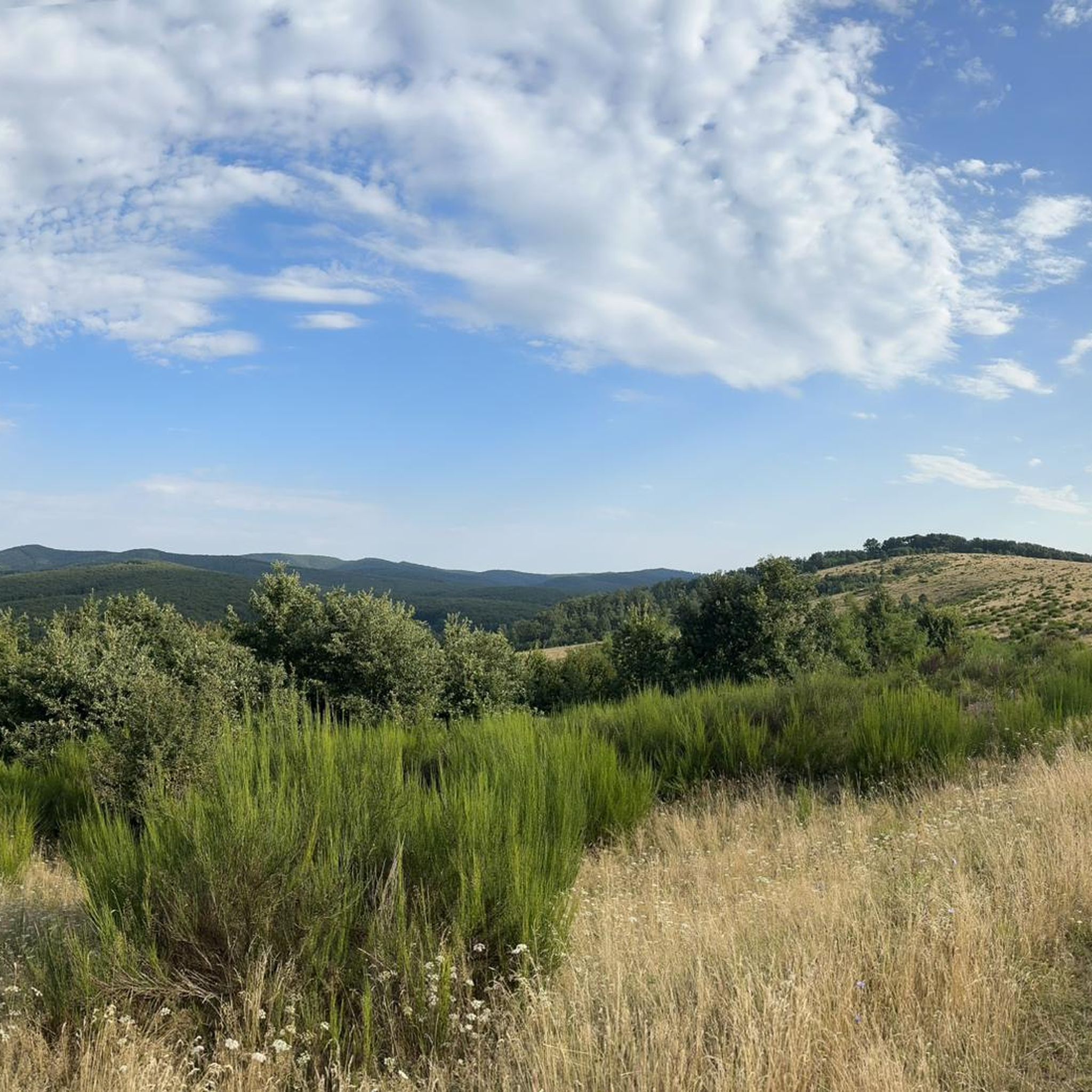
- The most popular castles is Șoimoș Fortress Ruins, a castle that offers magnificent scenic views…
Last updated: June 29, 2026
Șoimoș Fortress Ruins
Highlight • Castle
Translated by Google •
Tip by

Șiria Fortress Ruins
Highlight • Castle
Translated by Google •
Tip by

Sign up now to discover places like this
Get recommendations on the best single tracks, peaks, & plenty of other exciting outdoor places.
Sign up for free
Konopi Castle
Highlight • Castle
Translated by Google •
Tip by
Mocioni Castle
Highlight • Castle
Translated by Google •
Tip by
Start today with a free account
Your next adventure awaits.
Login or Signup
Tips from the Community

Wonderful views! Not long from Arad (30 minutes) and great views, and easy to access!
1
0
I love this location. It is apparently one of the main attractions near Arad, the location is magnificent, but the houses you have to pass are quite the opposite. It’s worth it to come up here by car on a paved road on 2 different hiking paths!
0
0

The castle was first mentioned as a royal castle in 1318. In 1439, King Albert gave it and its 110 villages as a gift to the Serbian despot Brankovics. When Brankovics lost its Hungarian landholdings in 1441, King Ulaszlo I Vilagos gave the castle to Laszlo Marothy. After a year, Brankovics got the castle back, then in 1444 he left it to Janos Hunyadi, whose sons Laszlo and Matthias Corvinus left it to their maternal uncle, Mihaly Szilagyi, after their father's death. After his death, Matthias pledged the castle and several goods to his widow Margit Bathory. In 1464, King Matthias Vilagos gave Andras Bathory and his four brothers along with several land holdings in Zarand and Arad counties. In 1529 Imre Czibak took the castle, from 1551 it served as a royal border castle, and in 1566 it fell into the hands of the Turks. During the 15 Years' War it was occupied by Transylvanian troops between 1595 and 1615. But the Turks recaptured it until General Heister finally drove the Turks out in 1693. In 1784, during the Peasants' Revolt, the rebels sought refuge here, after which the then owner, Imre Bohus, had the castle destroyed with cannons from the fortress of Arad. In 1849, near the castle, on the fields of Szöllös, the Hungarian troops laid down their arms. Source: Summary of documents cited under literature. https://www.burgenwelt.org/rumaenien/siria/object.php
3
0
He belonged to the noble Konopi family of Hungarian origin, whose last descendant Baron Kálmán Konopi (b. 1880 - d. 1947), engineer and agricultural researcher (inventor of Konop wheat), gave his colleague György Lengyel full rights and gave him the title of baron . The castle was nationalized in 1948, along with the entire estate, 556 hectares of forest and farmland. In 2007, the mansion returned to the Konopi-Lengyel family.
3
0
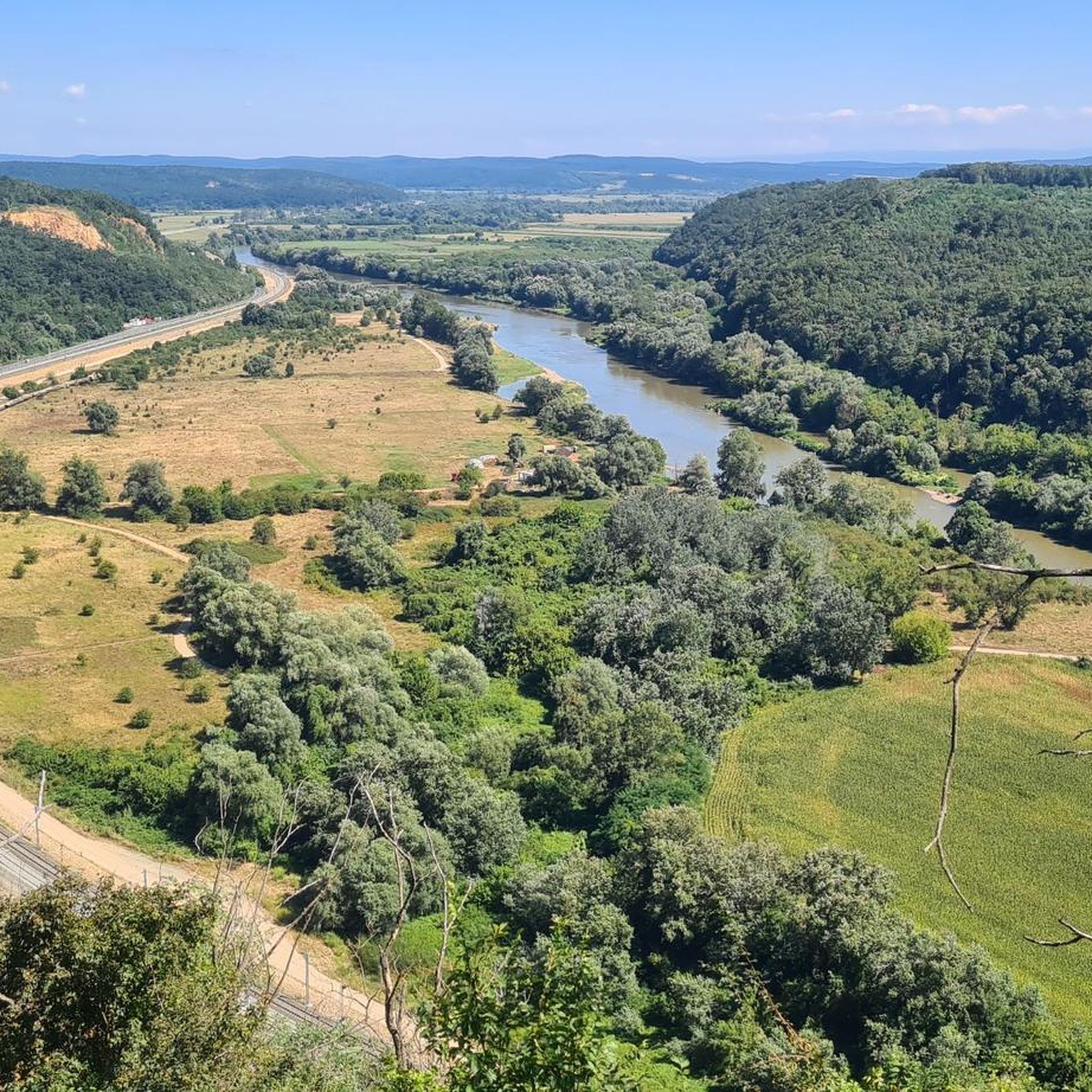
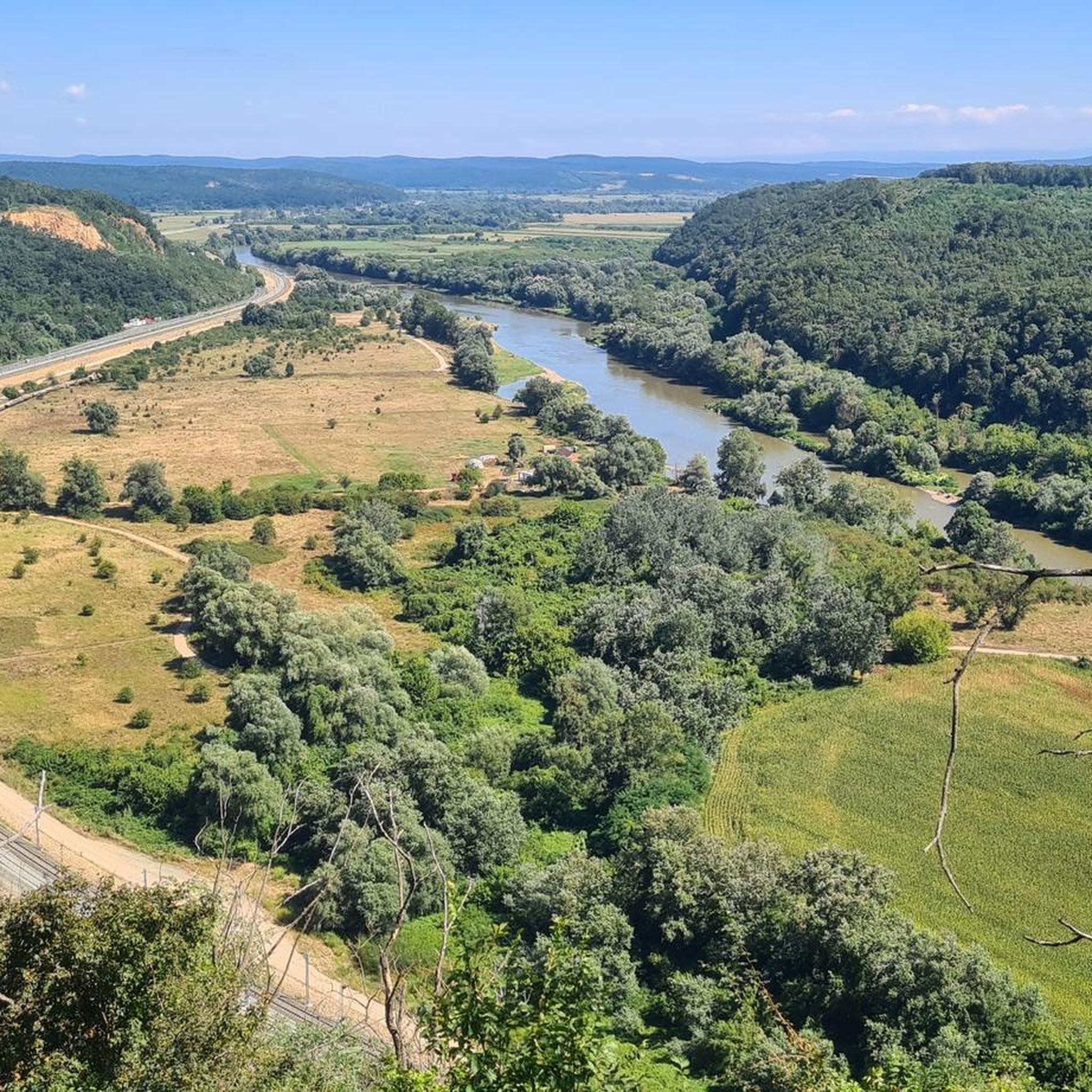
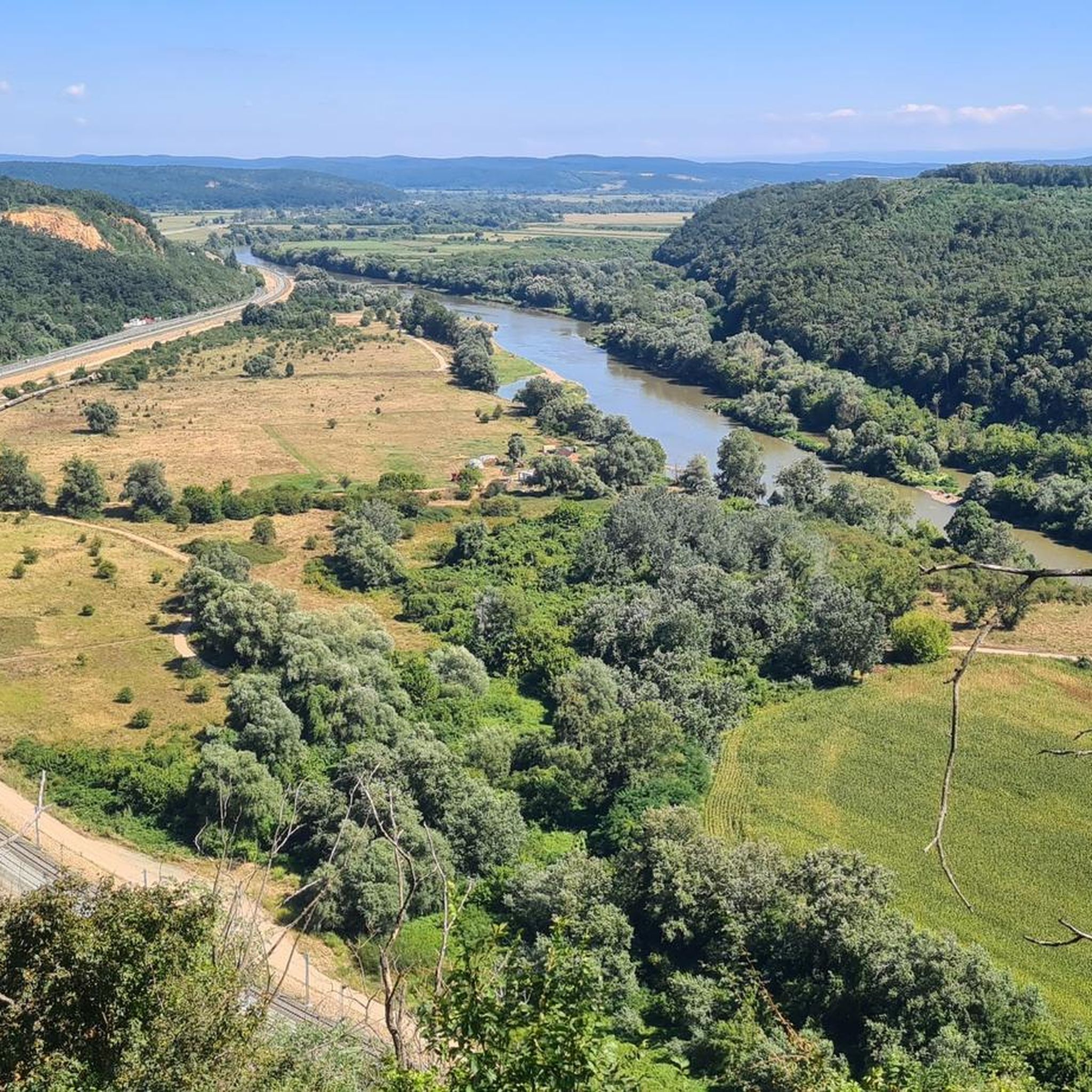
Șoimoș (Hungarian: Solymosvár, German: Schojmosch, or Schoimosch) is a place in western Romania and belongs to the small town of Lipova (Lippa) in the Arad district in Banat. The medieval castle ruins located high above the Mieresh Valley are striking.
3
2
Șoimoș (Hungarian Solymosvár, German Shojmosh, or Shoimosh) is a town in western Romania and belongs to the small town of Lipova (Lippa) in the Arad district in the Banat. The medieval castle ruins located high above the Mieresh Valley are striking.
4
2
The castle was built by Baron Fechtig-Fechtenberg and came into the possession of the Mocioni family in 1858. The castle is located in the middle of a large park. On two facades of the building you can see a terrace bearing the coat of arms of the Mocioni family.
1
0
Frequently Asked Questions
What are the most historically significant castles in Arad County?
Arad County is rich in history. The Arad Fortress, an 18th-century star-shaped fortification, played a crucial role in the 1848-1849 Hungarian Revolution. The Șoimoș Fortress Ruins, dating back to the late 13th century, guarded the Mureș River valley and changed hands many times. Săvârșin Castle is renowned for its association with the Romanian royal family.
Which castles offer the best scenic views?
For breathtaking views, the Șoimoș Fortress Ruins are highly recommended. They offer magnificent scenic views over the Mureș River valley and the surrounding forested hills. Similarly, the Șiria Fortress Ruins also provide wonderful panoramic vistas.
Are there any royal castles in Arad County?
Yes, Săvârșin Castle is an emblem of Romanian royalty. It became a royal residence when King Michael I took over the estate in 1943 and is known for its beautiful, fairy-tale-like decor and association with the royal family.
Can I visit the Arad Fortress?
The Arad Fortress currently functions as a military garrison and houses the Romanian 191st Infantry Battalion. Due to its military status, it is generally not open to the public. However, there are discussions about transforming it into a tourist center in the future.
Are there family-friendly castles to visit in Arad County?
The Șiria Fortress Ruins are considered family-friendly, offering an accessible historical site with great views. Exploring the grounds of Săvârșin Castle, with its park and lake, can also be an enjoyable family outing.
What kind of outdoor activities can I do near the castles?
Arad County offers various outdoor activities. You can find numerous road cycling routes, such as the 'Ioan Slavici Classical Theatre loop from Glogovăț', or mountain biking trails like 'Valea Ceşa loop from Halta Conop'. For hiking, there are easy trails like the 'Șoimoș Fortress Ruins – La Balcoane Viewpoint loop' near Șoimoș. You can explore more options in the Road Cycling Routes in Arad, Easy hikes in Arad, and MTB Trails in Arad guides.
Are there hiking opportunities near the castles in Arad County?
Yes, hiking is a popular activity. Near the Șoimoș Fortress Ruins, you can find easy hikes like the 'Șoimoș Fortress Ruins – La Balcoane Viewpoint loop'. The terrain around the ruins can be slippery in wet conditions, so hiking shoes are recommended. For more hiking options, check out the Easy hikes in Arad guide.
What do visitors enjoy most about the castle ruins in Arad?
Visitors frequently praise the magnificent views from the castle ruins. For instance, the Șoimoș Fortress Ruins are noted for their fantastic view over the valley and the Maria Radna monastery. The Șiria Fortress Ruins are also appreciated for their wonderful views and easy accessibility.
Which castles are associated with noble families?
The Konopi Castle belonged to the noble Konopi family, and its history reflects their lineage. The Mocioni Castles, including the Mocioni Castle in Bulci and the Mocioni-Teleki Castle in Căpâlnaș, are architectural jewels that tell the story of the noble Mocioni genealogy and their contributions to Transylvania.
What is the best time of year to visit the castles in Arad County?
Visiting during spring or autumn generally offers pleasant weather for exploring the outdoor ruins and castle grounds. The scenic views are particularly beautiful with the changing foliage. While winter visits are possible, paths to ruins like Șoimoș can be slippery, requiring appropriate footwear.
Are there castles with parks or gardens to explore?
Yes, Săvârșin Castle is set within extensive grounds that include a park with ancient trees and a lake surrounding an islet. The Mocioni Castle in Bulci is also located in the middle of a large park, offering a pleasant environment for a stroll.
What architectural styles can be seen among the castles in Arad County?
The castles in Arad County showcase diverse architectural styles. The Arad Fortress is an impressive 18th-century fortification designed in an advanced variant of the Vauban star-shaped style. Săvârșin Castle gained its current neoclassical form in the 19th century. The Mocioni-Teleki Castle in Căpâlnaș was inspired by the architecture of the Petit Trianon in Versailles, reflecting elegant 19th-century design.
Most popular attractions in Arad

Get inspired with the komoot mobile app


Explore more
Looking for the best castles somewhere else? Discover other guides in Arad:
