Top 16 Caves in Ile-de-France
Best caves in Ile-de-France are found within a region known for its historical significance and diverse landscapes, ranging from urban centers to extensive forests. While not primarily a region for large natural cave systems, Ile-de-France features a variety of grottos, rock shelters, and historical subterranean structures. These sites often blend natural rock formations with human intervention, offering insights into history, art, and unique geological features. The area provides opportunities for exploration that combine outdoor activity with cultural discovery.
Best caves in Ile-de-France
- The most popular caves is Grotte du Serment, a gorge that features a vault made from a single rock. This site in Fontainebleau forest bears the engravings "D.F.D" by its creator, Denecourt, dating back to 1853.
- Another must-see spot is Béatrix Cave, a cave carved into the rock. Located in the Fontainebleau forest, it is noted for its stalactites, concretions, and moss-covered walls.
- Visitors also love Calvary Shelter, a cave dug into the rock. It is situated near the Cross of Calvary and serves as a stopping point for hikers.
- Ile-de-France is known for natural rock shelters, historical grottos, and artificial caves. The region offers a variety of subterranean experiences, from ancient rock art sites to 18th-century icehouses.
- The caves in Ile-de-France are appreciated by the komoot community, with more than 160 upvotes and 40 photos shared across various highlights.
Last updated: May 17, 2026
Grotte du Serment
Highlight • Gorge
Translated by Google •
Tip by

Catacombs of Paris
Highlight • Historical Site
Translated by Google •
Tip by

Sign up now to discover places like this
Get recommendations on the best single tracks, peaks, & plenty of other exciting outdoor places.
Sign up for free
Icehouse at the Domaine des Marmousets
Highlight • Structure
The ice cream was kept there, the sorbets made, but it was also used to store, during the heat of summer, perishable food supplies, fruit, game, etc. The ice house was installed under a mound of earth covered with trees, intended for bring shade.
A vestibule led to the underground cavity where the ice was placed on a wooden cage. A sump allowed the evacuation of meltwater. Recovered by sled, the snow and ice from ponds and moats were stored in layers then brought into contact with boiling water vapor.
The condensation process was accelerated: the vapor transformed into a solid filled the spaces so as to form a compact mass.
(Source parcsetjardins.fr)
Translated by Google •
Tip by

Béatrix Cave
Highlight • Cave
Translated by Google •
Tip by
Souvenir store, Paris catacombs
Highlight • Cave
parismalanders.com/der-ungewoehnliche-souvenir-shop-der-pariser-katakomben
Translated by Google •
Tip by

Troglodyte Church of Haute-Isle
Highlight • Religious Site
Translated by Google •
Tip by

Bosquet of the Baths of Apollo
Highlight • Monument
bienvenue.chateauversailles.fr/fr/jardins/bienvenue/304_bosquet-des-bains-d-apollon#!panel-46
Translated by Google •
Tip by

Troubetzkoï Family Shelter
Highlight • Cave
Translated by Google •
Tip by

Calvary Shelter
Highlight • Cave
Translated by Google •
Tip by
Parc des Grottes
Highlight • Structure
Translated by Google •
Tip by

Sign up for free to discover even more caves in Ile-de-France.
Sign up for free
Already have an account?
Start today with a free account
Your next adventure awaits.
Login or Signup
Popular around Ile-de-France
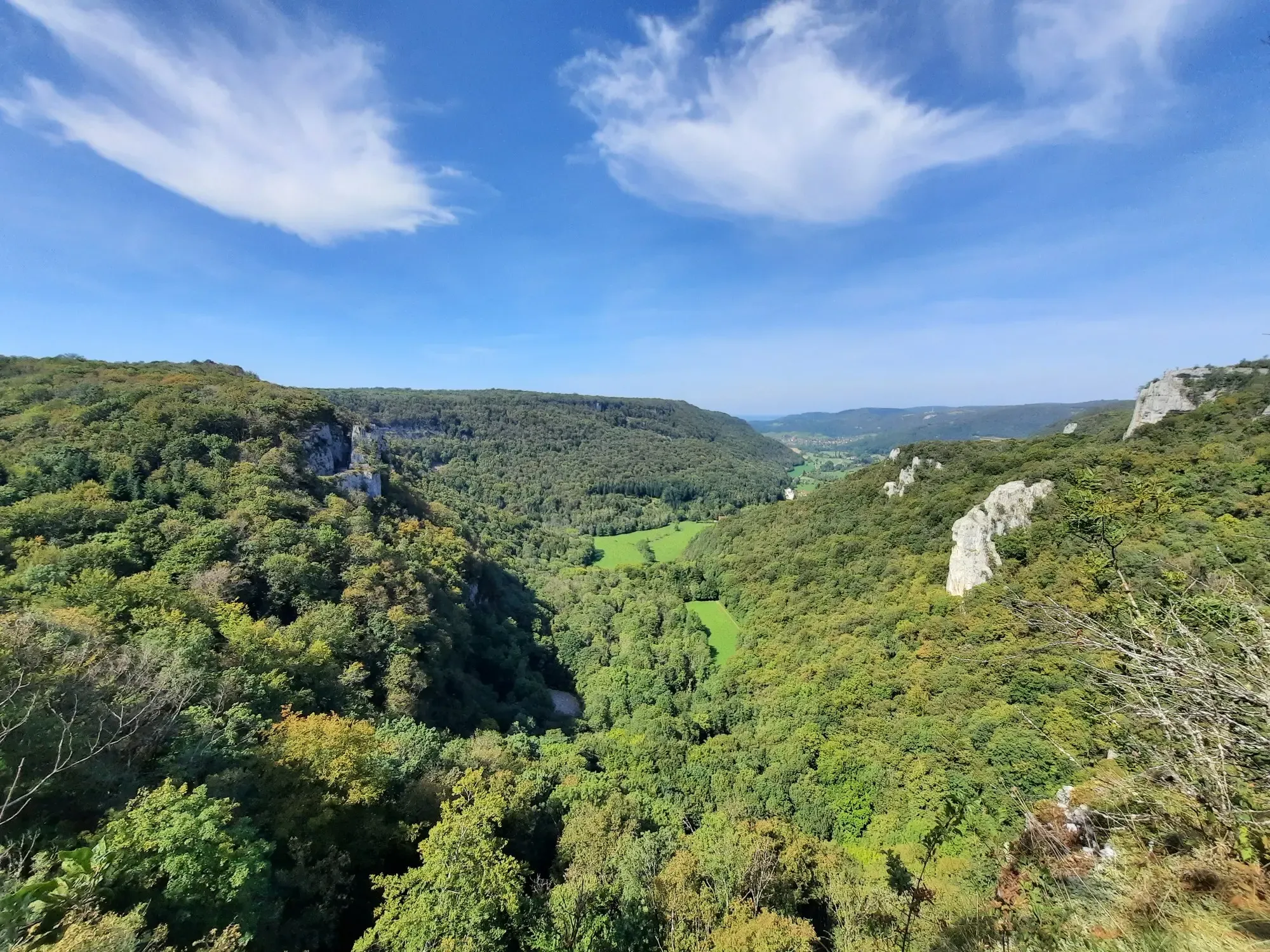
The Ardennes Trail (GR 14) – From Paris to the Belgian border
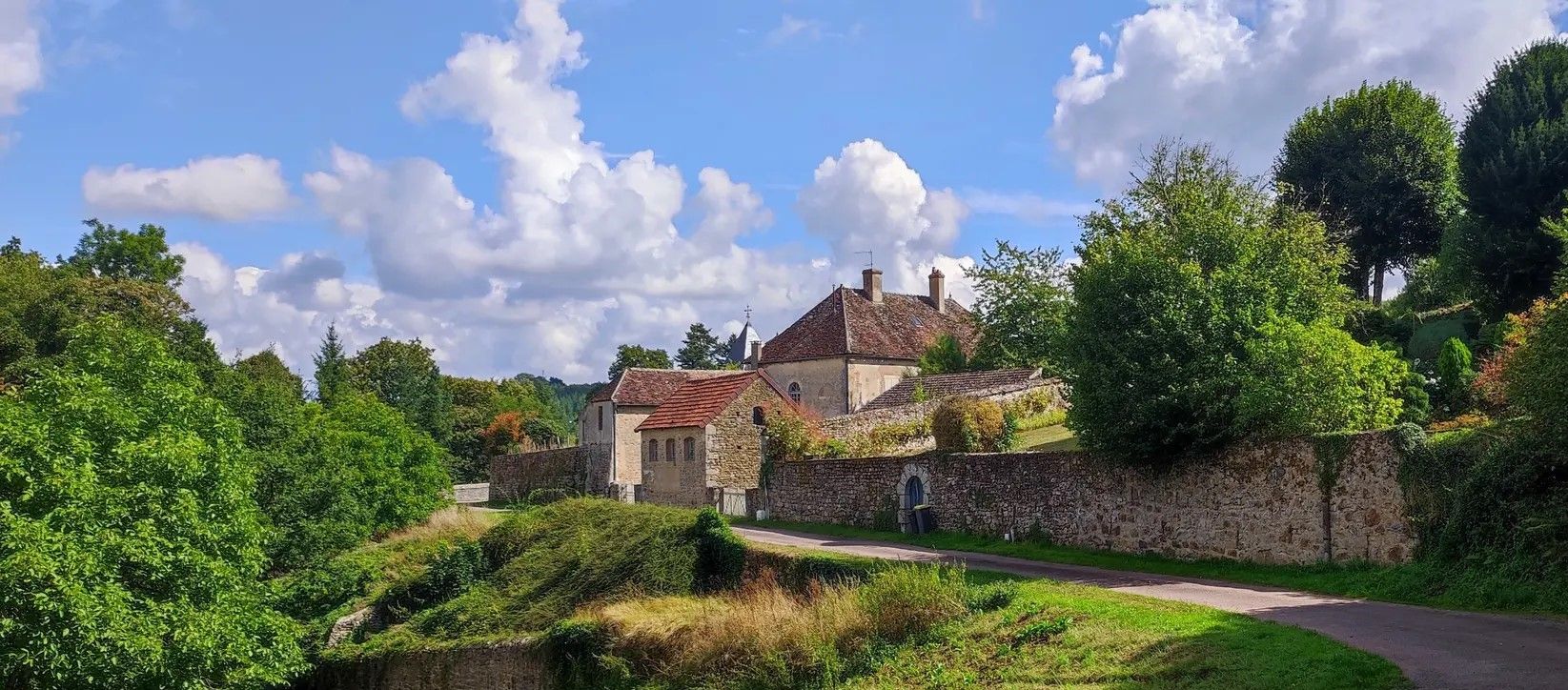
GR 13 from Gâtinais to Morvan — By Fontainebleau and Burgundy
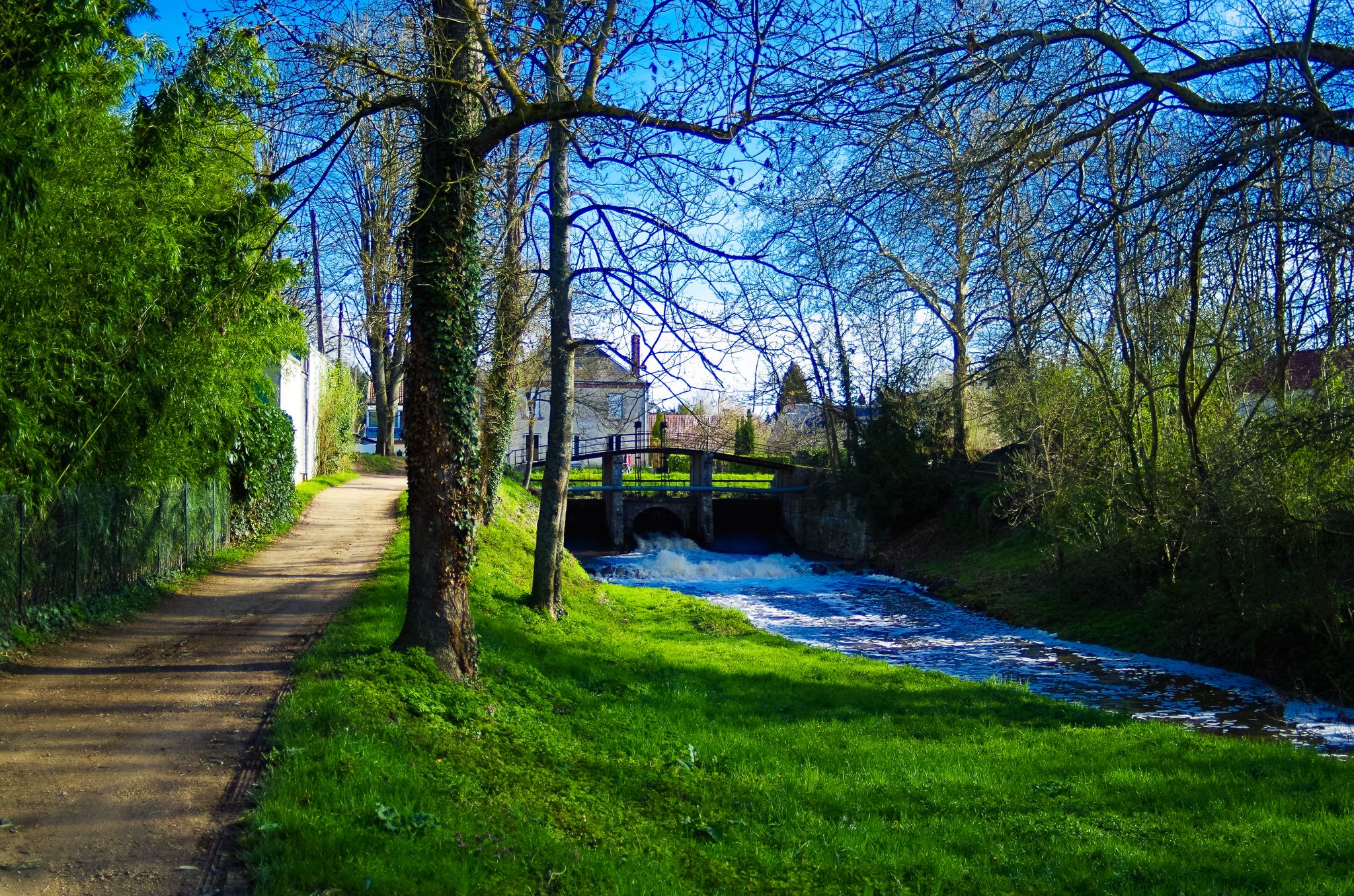
Seine to the Loire (GR 32) – Between Gâtinais and Beauce
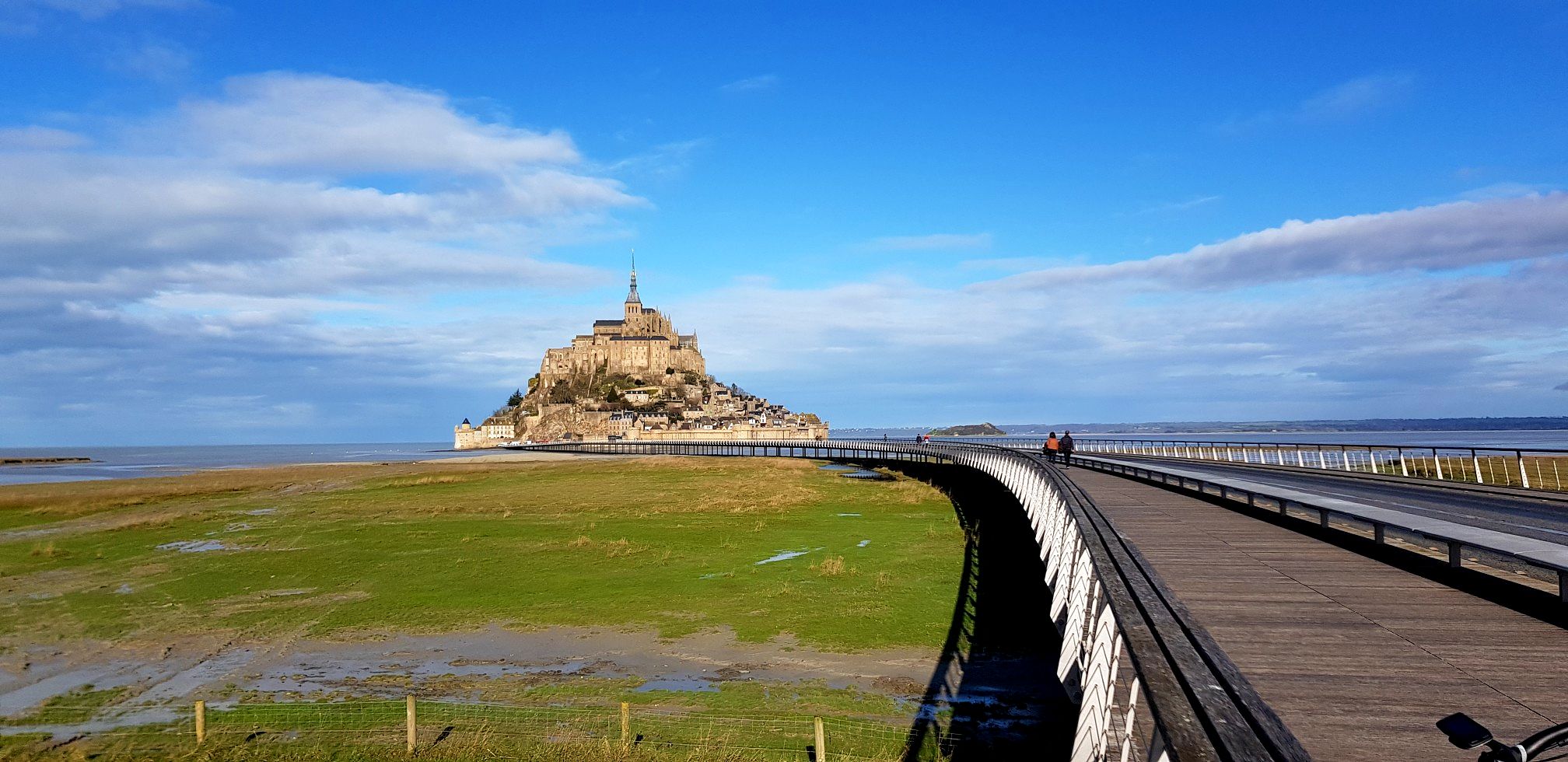
GR 22 to Mont-Saint-Michel – Miquelot's Walk

Around the World in 80 Days
EuroVelo 3 – A cycling pilgrimage from Norway to France
Born to Ride 2020
Avenue Verte – Cycling a beautiful adventure from London to Paris
Destination Hauts-de-Seine — cycling trips within easy reach of Paris
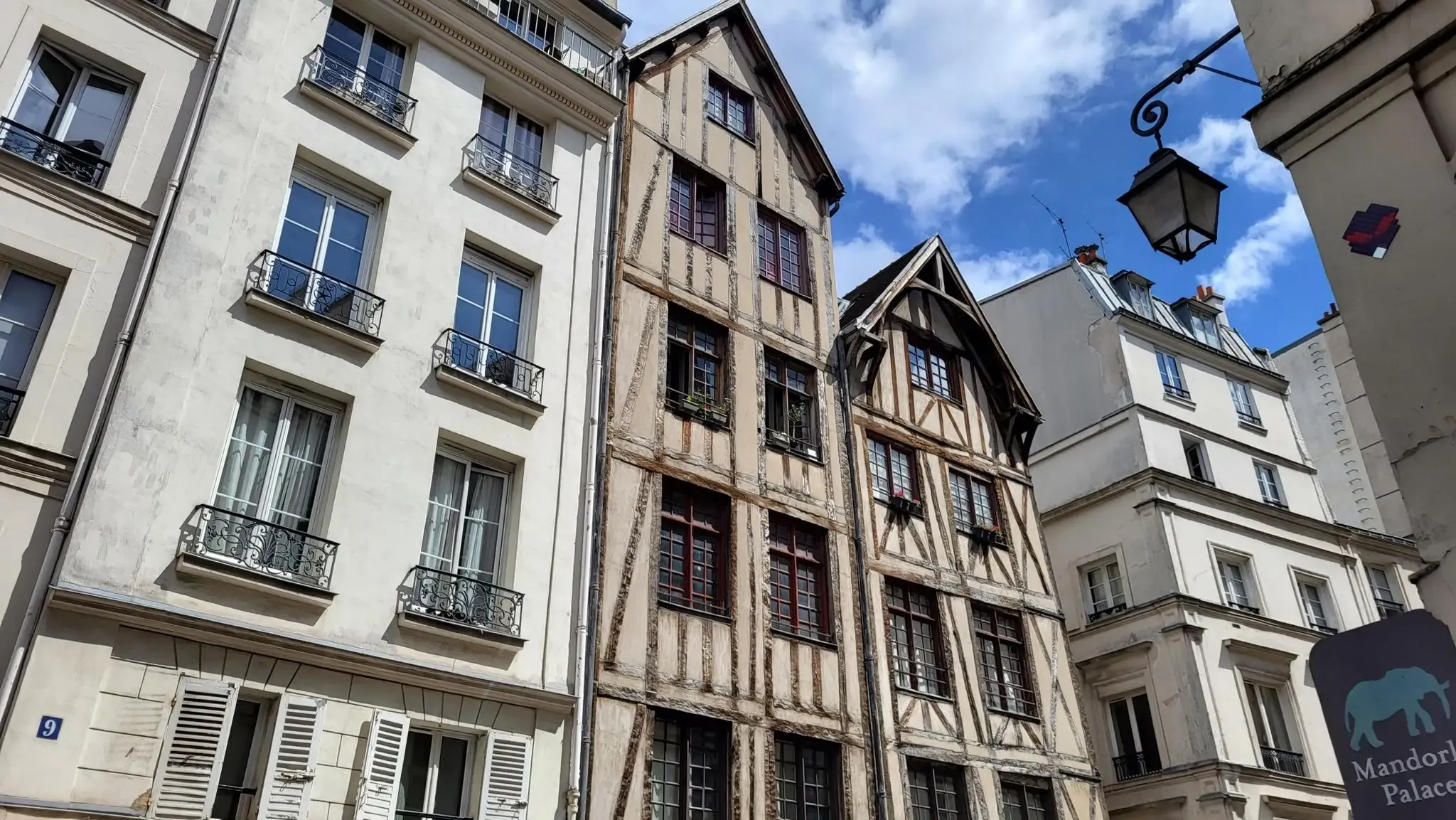
Architecture of Paris – through the centuries by bike
Other adventures in Ile-de-France


Tips from the Community


I do believe this is an excellent website. I stumbled upon it I may revisit once again since I saved as a favorite it. https://www-sunpass.com
0
0
The photo is not the Adam Solomon cave but that of the Troubetzkoï family shelter The cave is photo 6
0
0

Cultural Products: In addition to souvenirs and books, the counter sells various cultural products such as documentary DVDs, films inspired by the Catacombs, and collectibles related to Parisian heritage. More contemporary objects, such as clothing or accessories with the image of the Catacombs, are also available to visitors. Artisanal Objects: The Comptoir des Catacombes highlights artisanal creations related to the world of the Catacombs, such as sculptures and handmade decorative objects, often inspired by the shapes and textures found in the ossuary. Why visit the Comptoir des Catacombes? Extend the Visit Experience: After exploring the underground galleries, the Comptoir des Catacombes allows you to take home a souvenir of this unique experience, whether in the form of thematic objects or enriching documentation. Delve into the History of Paris: This is an ideal place to deepen your historical knowledge and discover fascinating works on underground Paris. Crafts and Culture: The counter offers a selection of craft and cultural items that will appeal to history buffs as well as those looking for an original souvenir. In short, the Comptoir des Catacombes is an essential stop for anyone who wants to extend their immersion in the mysterious world of the Catacombs of Paris.
3
0
Le Comptoir des Catacombes is the official shop associated with the visit to the Catacombs of Paris. Located at the exit of the site, in the 14th arrondissement, this counter offers a selection of souvenirs, books and objects related to the history and mysterious world of the Catacombs. Points of Interest: Thematic Souvenirs: Le Comptoir des Catacombes offers a wide range of items related to the Catacombs and Parisian history. You will find objects inspired by the ossuary, such as miniature replicas of skulls, themed jewelry, postcards, and artistic posters representing the underground galleries. These souvenirs allow you to extend the experience of the visit and take away a symbolic piece of this emblematic place in Paris. Books and Documentation: The shop also offers a wide selection of books and guides on the history of the Catacombs, the Parisian quarries, as well as on the management of death in Paris throughout the centuries. Historical and scientific works rub shoulders with novels and essays on underground urban planning and cataphiles. It is an ideal place to deepen your knowledge of the Catacombs and discover fascinating stories about the history of this underground network.
3
0
Unique Atmosphere: The catacombs, plunged into constant darkness, exude a mysterious and sometimes gloomy atmosphere. This place, although austere, attracts visitors fascinated by its unique atmosphere, where the history of Paris and Parisians is literally written in stone and bones. The oppressive silence and humid conditions of the basement reinforce the singular character of the visit, offering an immersive experience in the underground history of the capital. Symbol of Death and Memory: The catacombs are also a place of reflection on death and memory. Many famous people have been buried here, although their remains are anonymous and mixed with those of thousands of others. This site is a striking reminder of equality in the face of death, a theme often explored in literary and artistic works inspired by the catacombs. Technical and Underground Aspect: Beyond the ossuary, the network of galleries of the old quarries, although inaccessible to the general public, is explored by cataphiles (amateur explorers of the underground of Paris). Some of these galleries contain ancient frescoes and sculptures made by quarry workers. Exploring the underground of Paris is an adventure for those interested in the technical and geological aspects of the city, because the quarries played an essential role in the urbanization of Paris.
2
0
The Catacombs of Paris are an impressive underground network, famous for housing the bones of several million Parisians. Located beneath the city, these former stone quarries were transformed into an ossuary at the end of the 18th century to solve the problem of the capital's overcrowded cemeteries. Points of Interest: Origins and History: The catacombs were originally underground quarries that were used to extract stone for the construction of Parisian buildings. They extend for approximately 300 kilometers beneath the city, although only a small portion is open to the public. In 1786, due to the health risks associated with overcrowded cemeteries, particularly that of the Saints-Innocents, the authorities decided to transfer the bones to these underground galleries. This is how the Catacombs of Paris became a huge ossuary. The Ossuary: The public entrance to the catacombs is in the 14th arrondissement of Paris, near Place Denfert-Rochereau. Visitors descend about 20 meters underground, to access a network of galleries where the bones of nearly 6 million people are stored. The bones are carefully arranged along the walls, forming intricate and striking patterns. Skulls and femurs are artistically stacked, creating an atmosphere that is both solemn and fascinating. There are also engraved inscriptions that recall the ephemeral nature of life.
2
0

A veritable underground labyrinth in the center of Paris, the Catacombs have been accessible to the public since 1806. These are old quarries which house the largest ossuary in the world, the result of the transfer of the contents of several Parisian cemeteries. All information on visits here: https://parisjetaime.com/culture/catacombes-de-paris-p3536.
0
0
Frequently Asked Questions
What kind of caves can I expect to find in Ile-de-France?
Ile-de-France offers a diverse range of subterranean experiences, blending natural rock formations with human intervention. You'll find natural rock shelters, historical grottos, and artificial caves. These include ancient rock art sites, 18th-century icehouses, and unique geological features often enhanced by historical or artistic elements.
Are there any family-friendly caves or grottoes to visit?
Yes, several spots are suitable for families. The Parc des Grottes in Juvisy-sur-Orge is a pleasant park with modest caves and a lake, offering a peaceful retreat. The Bosquet of the Baths of Apollo at Versailles, while an artificial grotto, is a stunning example of classical artistry and landscape design that can be enjoyed by all ages, especially during the Musical Fountains Show.
Which caves offer a glimpse into the region's history?
For historical insights, consider the Icehouse at the Domaine des Marmousets, an 18th-century structure showcasing past food preservation methods. The Catacombs of Paris offer a unique, albeit somber, historical experience. Additionally, the Troglodyte Church of Haute-Isle is a fascinating religious building carved into the rock.
Where can I see unique natural rock formations?
The Fontainebleau forest is home to several interesting formations. The Grotte du Serment features a distinctive vault made from a single rock. The Béatrix Cave, also in Fontainebleau, is noted for its stalactites, concretions, and moss-covered walls. The Fontainebleau Massif also contains extensive networks of engraved rock shelters, some dating back 20,000 years.
Are there any caves that are easy to access or have parking nearby?
While specific parking details vary, many of the sites within the Fontainebleau forest, such as Grotte du Serment and Béatrix Cave, are typically accessed via hiking trails from nearby forest parking areas. The Parc des Grottes in Juvisy-sur-Orge is a local park, generally with accessible parking options.
What outdoor activities can I do near these caves?
The Ile-de-France region offers various outdoor activities. Near many of the caves, especially those in the Fontainebleau forest, you can enjoy extensive hiking. For cycling enthusiasts, there are numerous routes, including those for touring bicycles and gravel biking. You can find more details on routes in the Cycling in Ile-de-France and Gravel biking in Ile-de-France guides. There are also waterfall hikes in the region, as detailed in the Waterfall hikes in Ile-de-France guide.
Are there specific hiking trails that lead to these caves?
Yes, many caves, particularly those in the Fontainebleau forest like Grotte du Serment and Béatrix Cave, are popular landmarks along hiking trails. The Calvary Shelter is specifically noted as a stopping point for hikers. The Fontainebleau Massif is well-known for its extensive network of trails that connect various rock shelters and natural features.
What do visitors enjoy most about the caves in Ile-de-France?
Visitors appreciate the unique blend of natural beauty and historical significance. Many enjoy the surprise of discovering formations like the single-rock vault of Grotte du Serment or the picturesque setting of Béatrix Cave. The historical context, such as Denecourt's engravings or the reputed meditation spot of Marie-Antoinette, adds to the appeal. The impressive settings of shelters like Calvary Shelter are also highly valued.
Are there any hidden gem caves or lesser-known spots worth exploring?
While not a traditional 'cave,' the Troubetzkoï Family Shelter offers a unique historical and natural experience within the region. The extensive network of engraved rock shelters in the Fontainebleau Massif, some dating back 20,000 years, also represents a significant and often less-explored aspect of the region's subterranean heritage.
Can I visit the Catacombs of Paris as part of a cave exploration?
The Catacombs of Paris are indeed a significant subterranean site in Ile-de-France, offering a unique historical experience. While they are underground tunnels and ossuaries, they differ from natural caves. They are a popular tourist attraction and can be visited, but typically require advance booking.
What is the best time of year to visit the caves in Ile-de-France?
The best time to visit largely depends on the type of cave and your preferred outdoor activities. For natural rock shelters and grottos in areas like Fontainebleau, spring and autumn offer pleasant weather for hiking. Summer can also be good, providing cooler temperatures underground. For artificial grottoes like the Bosquet of the Baths of Apollo, visiting during the Musical Fountains Show season (typically spring to autumn) enhances the experience.
Are there any caves with water features or lakes nearby?
Yes, the Parc des Grottes in Juvisy-sur-Orge features a lake alongside its modest caves. Additionally, the Bosquet of the Baths of Apollo at Versailles includes a large artificial rock with waterfalls and a central lake, creating a stunning water display.
Most popular routes in Ile-de-France
Most popular attractions in Ile-de-France

Get inspired with the komoot mobile app


Didn’t find what you were looking for?
Discover more caves in Ile-de-France region by region:
Explore more
Extend your search for the best caves by checking out these guides of the top ones in Ile-de-France:
