Top 9 Caves in Pays de la Loire
Best caves in Pays de la Loire are found across a region characterized by its diverse landscapes, from the Atlantic coast to the Loire River valley. This area is notable for its significant troglodytic heritage, featuring extensive man-made underground dwellings and quarries. Beyond these, the region also hosts ancient natural caves with prehistoric art and geological formations. These underground sites offer insights into both natural history and human ingenuity.
Best caves in Pays de la Loire
- The most popular caves…
Last updated: August 23, 2026
Souzay-Champigny troglodyte site
Highlight • Monument
But watch out for the ribs, short but intense!
Translated by Google •
Tip by

Turquant Arts and Crafts Village
Highlight • Structure
Several designers open their workshops to the public and passionately share their expertise.
Translated by Google •
Tip by

Sign up now to discover places like this
Get recommendations on the best single tracks, peaks, & plenty of other exciting outdoor places.
Sign up for free
La Mine Bleue
Highlight • Historical Site
The Mine Bleue, the “blue mine” is an old slate mine in which several hundred miners worked at the beginning …
Translated by Google •
Tip by

Lourdes Grotto
Highlight • Religious Site
Translated by Google •
Tip by

Montreuil-sur-Maine cave
Highlight • Cave
Translated by Google •
Tip by

Cathedral Caves
Highlight • Cave
Translated by Google •
Tip by

Normandeau Mill and Cave
Highlight • Structure
Translated by Google •
Tip by

Domaine des Amandiers Cave Dwellings
Highlight • Cave
Translated by Google •
Tip by
La Remaudière sacred cave
Highlight • Religious Site
Translated by Google •
Tip by
Replica of the Grotto of Lourdes
Highlight • Religious Site
Translated by Google •
Tip by

Sign up for free to discover even more caves in Pays de la Loire.
Sign up for free
Already have an account?
Start today with a free account
Your next adventure awaits.
Login or Signup
Popular around Pays de la Loire
GR 36 long-distance footpath – Cross France from the Channel to the Pyrenees
GR3 from the ocean to its source – The Loire, a wild European river
Nantes-Brest Canal – Cycling along Brittany's towpaths
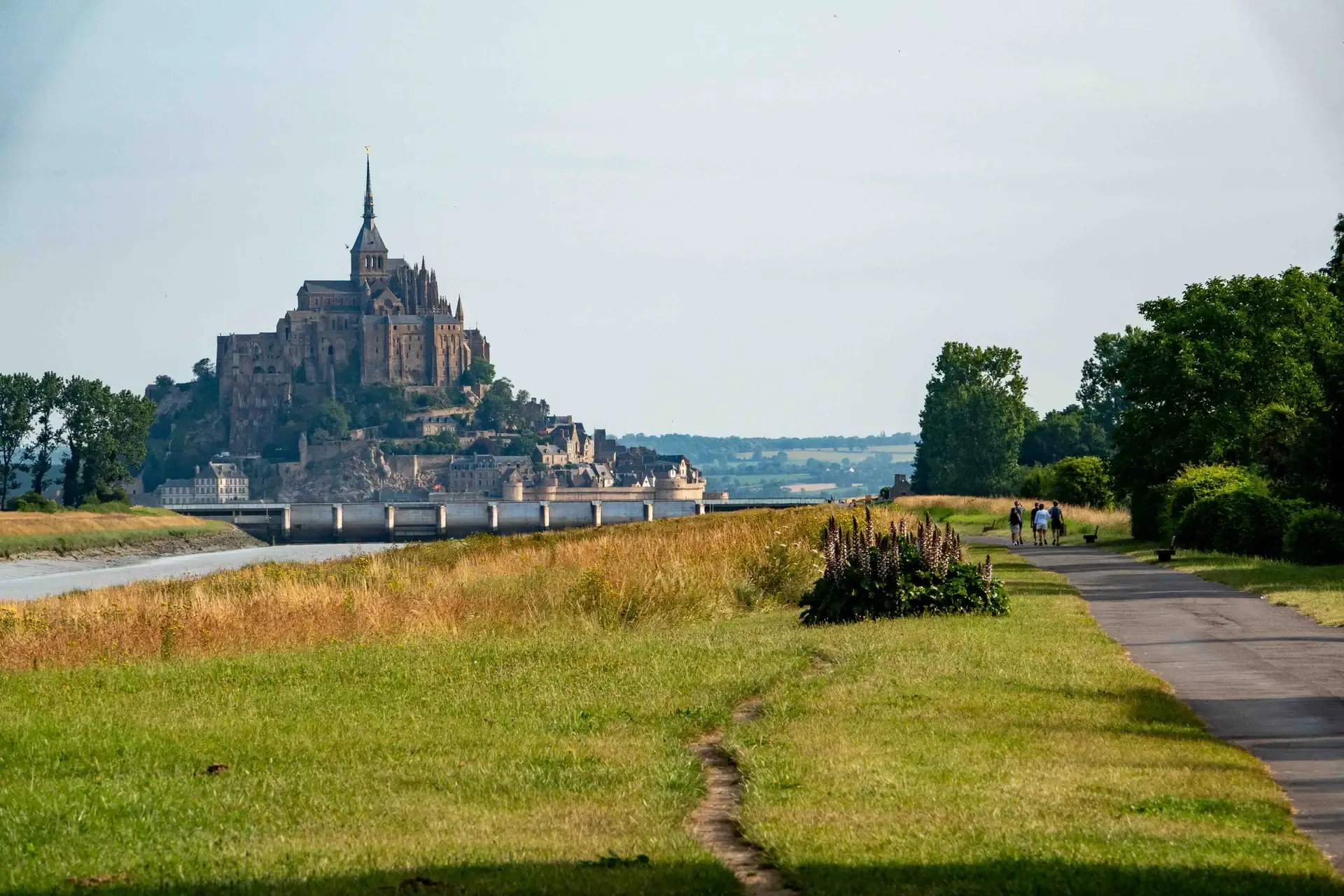
GR 22 to Mont-Saint-Michel – Miquelot's Walk
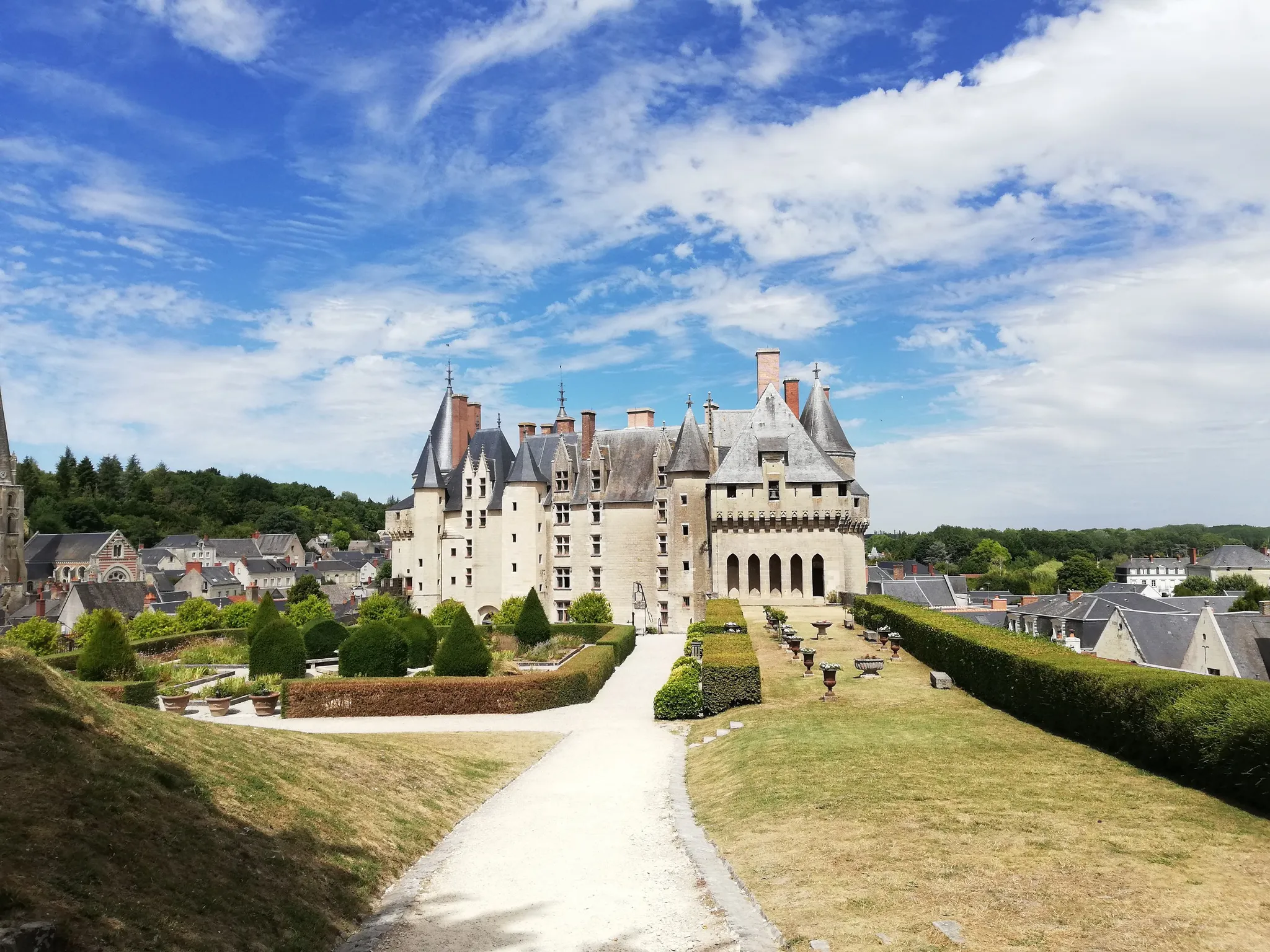
From one Châteaux to another – a long hike in the Loire Valley
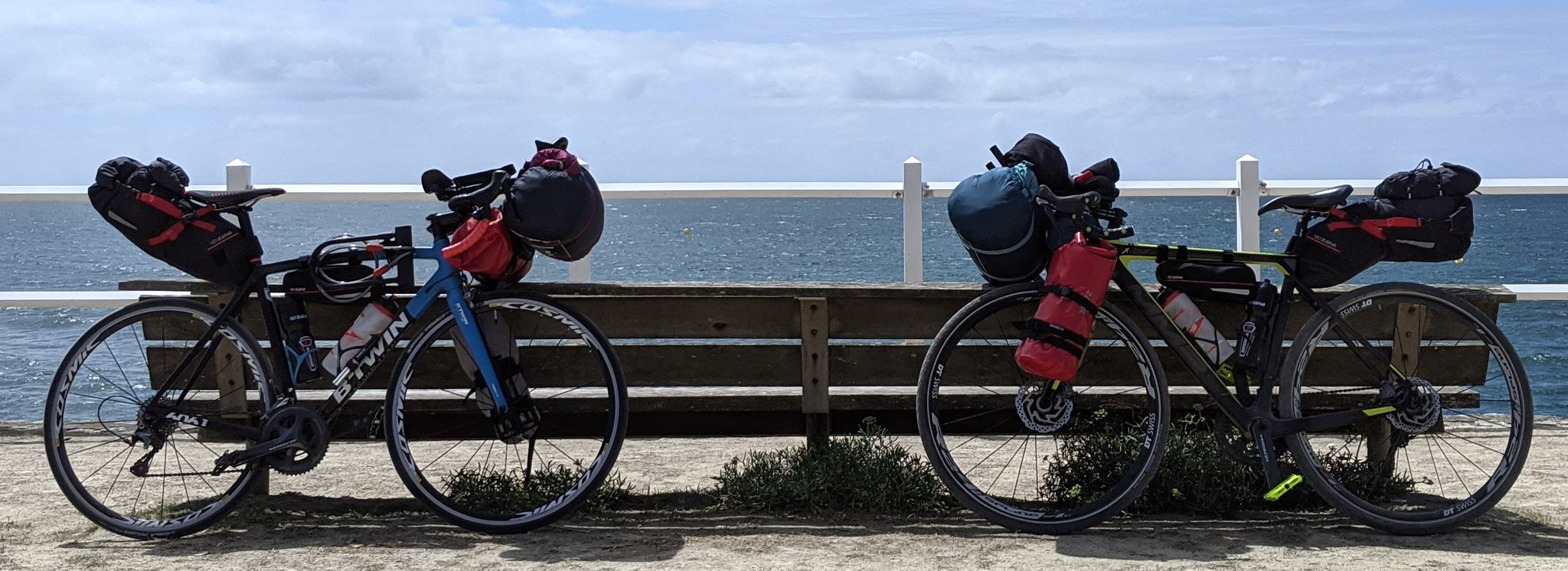
La Vélodyssée — From north to south via the ocean
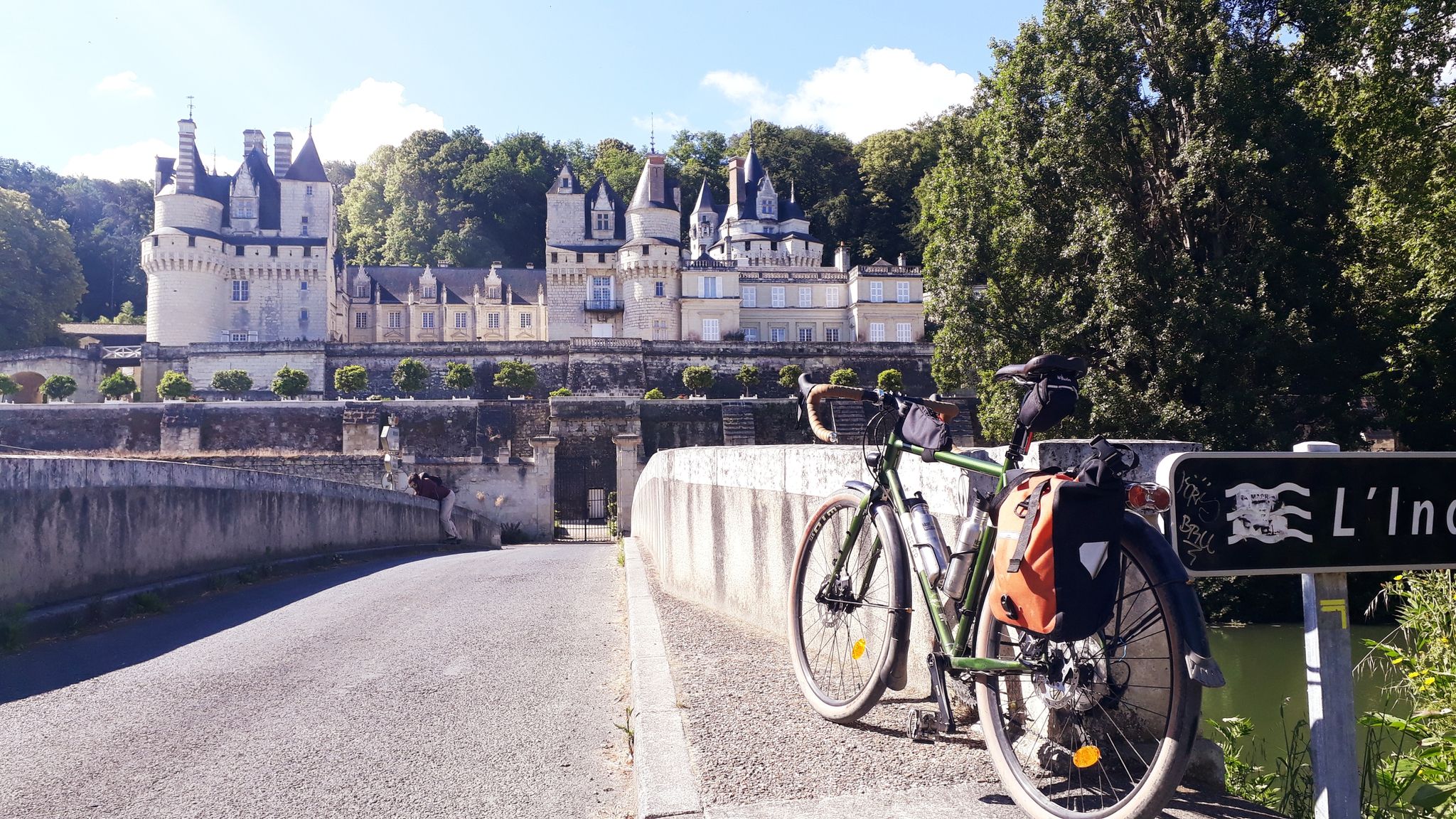
La Loire à vélo – Between nature and castles
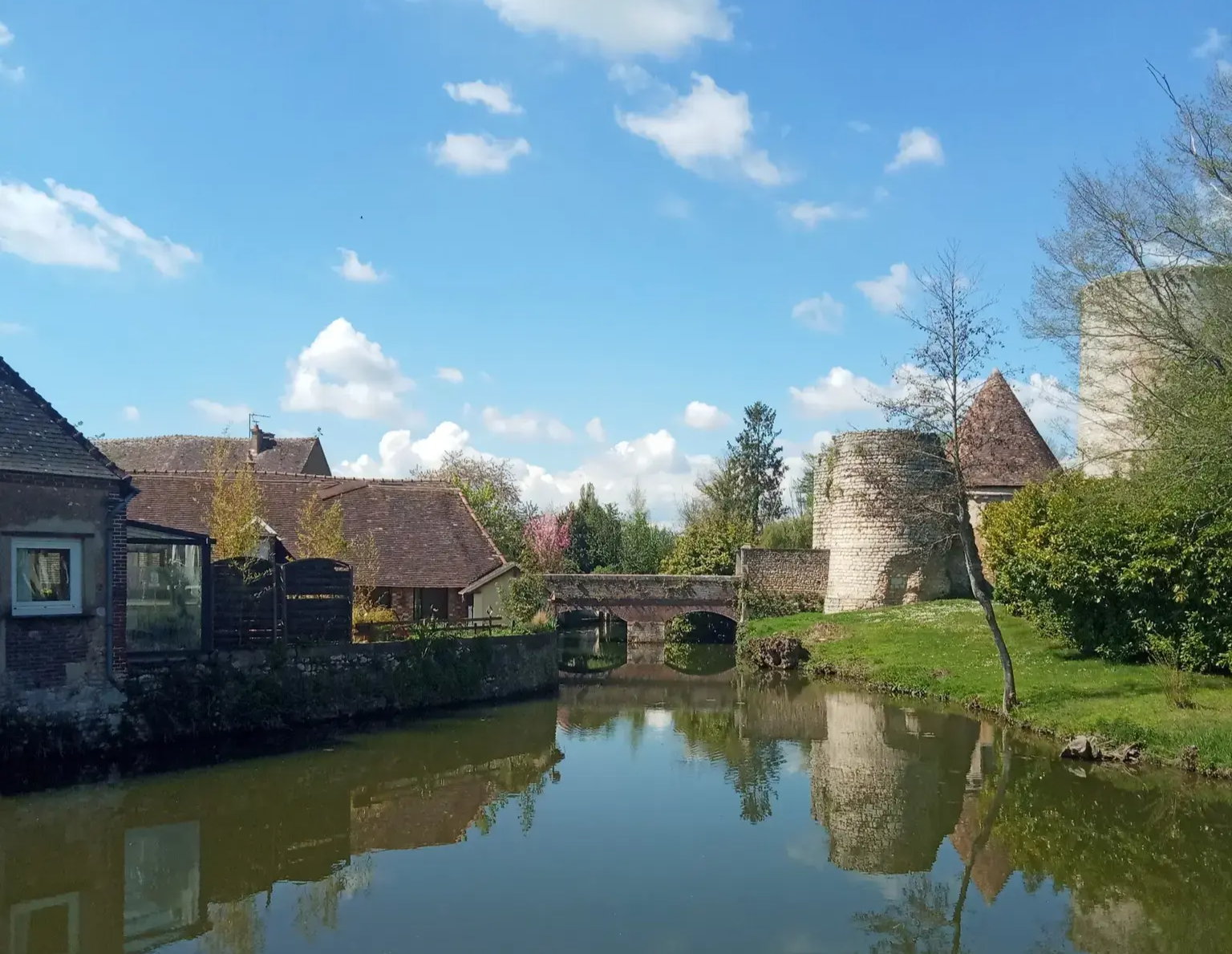
GR 35 — Walk from the Loir to the Loire
History and gastronomy - La Régalante
La Vélidéale - From the Limousin to the Atlantic
Other adventures in Pays de la Loire


Tips from the Community

Starting point of the "cave to Isle Briand" hike
0
0

Route worth the detour
0
0

Developed in 1956 at Roche Lima in an old quarry on the edge of the Divatte, this "Sacred Grotto" (or Grotto of Lourdes) is a verdant, peaceful place of worship and pilgrimage, ideally located on the Haute Divatte hiking circuit.
0
0


Between the Loire and the hills, Turquant welcomes, in season, craftsmen and a Métiers d'Art boutique in a remarkably restored troglodyte site. Several designers open their workshops to the public and passionately share their expertise. Today, you can wander around the troglodytes between tradition and modernity to discover all their originality.
4
0
Between Montsoreau and Saumur, the tuffeau rock dominates the Loire and is cut from one end to the other by a series of caves, sometimes troglodyte dwellings, sometimes quarries... Villages spring up in the valleys that crisscross the hills, while vineyards and mills mark the ridge. In Turquant, more than anywhere else, you can discover this Loire landscape, so characteristic of the Côte Saumuroise. Today, between tradition and modernity, the troglodytes can be discovered in all their originality, particularly in the Village des Métiers d'Art.
2
0
Taste, look around and enjoy...
2
0
At this location you are in the middle of an underground labyrinth of Souzay-Champigny. Explanation: underground, in the cliffs and hills, the troglodytes of Saumurois form an enormous underground network. These are unique in France. More than 1 km of tunnels have been dug by man over the centuries to live, shelter and work. Here you can literally dive into a cool past.
2
0
Frequently Asked Questions
What types of caves can I explore in Pays de la Loire?
Pays de la Loire offers a diverse range of underground experiences. You can explore ancient natural caves with prehistoric art, extensive man-made troglodyte dwellings and villages, former quarries repurposed into artisan workshops or wine cellars, and historical industrial sites like slate mines. The region is particularly known for its troglodytic heritage.
Are there any caves with prehistoric art in Pays de la Loire?
Yes, the Saulges Caves in Mayenne are a significant prehistoric site. Specifically, Margot Cave features rare Paleolithic art, including engravings of horses, rhinoceroses, and hand stencils. Rochefort Cave offers a glimpse into an excavation site with prehistoric human remains, while Mayenne-Sciences Cave (closed to the public for preservation) also contains important prehistoric parietal figurations.
Where can I experience troglodyte life in Pays de la Loire?
The region is rich in troglodyte sites. The Souzay-Champigny troglodyte site offers an extensive underground labyrinth of tunnels dug for living and working. You can also visit the Rochemenier Troglodyte Village, an open-air museum showcasing an entire underground village with living spaces, farms, and even a chapel, providing an immersive look into rural troglodyte life.
Are there family-friendly cave attractions in Pays de la Loire?
Many sites are suitable for families. The Turquant Arts and Crafts Village allows families to explore artisan workshops in former quarries. La Mine Bleue offers an engaging journey 126 meters underground to learn about slate mining history. The Rochemenier Troglodyte Village is also a great option for all ages to discover historical underground dwellings.
Can I visit a former mine in Pays de la Loire?
Absolutely. La Mine Bleue in Noyant-la-Gravoyère is a unique site where you can descend 126 meters into an old slate mine. Guided tours explain the daily life and difficult working conditions of miners in the early 20th century, offering a fascinating industrial heritage experience.
Are there any caves that combine history with art or local crafts?
Yes, the Turquant Arts and Crafts Village is a prime example. This site features former freestone quarries that now house studios and galleries for local artists and craftsmen. You can explore their workshops and discover unique creations in a historical troglodyte setting.
What unique geological features can be found in the caves of Pays de la Loire?
The natural caves, such as those in the Saulges Valley, feature impressive limestone chambers, concretions like stalactites and stalagmites, and underground lakes. The region's troglodyte sites are often carved into soft tuffeau limestone, revealing the geological layers used for building materials and later for dwellings.
Can I find wine cellars or mushroom farms in troglodyte caves?
Yes, the consistent cool and humid conditions of troglodyte caves make them ideal for wine storage and mushroom cultivation. In the Saumur area, many wineries, like Ackerman and Bouvet-Ladubay, offer tours and tastings in their extensive underground cellars. Some caves are also still used as mushroom farms, where you can learn about cultivation and sample fresh produce.
What outdoor activities can I do near the caves in Pays de la Loire?
The region offers various outdoor activities. Near the Saulges Caves, you can find hiking trails, climbing, and caving opportunities. For more general activities, you can explore cycling routes like the 'Loop between beach and ports on the island of Noirmoutier' or 'La côte saumuroise' from the Cycling in Pays de la Loire guide. There are also easy hikes, such as the 'Lac de Maine Loop,' detailed in the Easy hikes in Pays de la Loire guide.
Is there a 'castle beneath a castle' experience in the region?
Yes, the Château de Brézé offers a unique 'castle beneath a castle' experience. Beneath its Renaissance and neo-Gothic structure lies an extensive underground fortress, dating back to the 9th century. This subterranean network includes Europe's deepest dry moat, stables, kitchens, and living spaces, providing a fascinating look into medieval ingenuity.
What is the best time to visit the caves in Pays de la Loire?
Many underground sites, especially the troglodyte caves and mines, maintain a consistent temperature of around 12-13°C (54-55°F) year-round. This makes them a comfortable visit in both summer, when they offer a cool escape, and winter, when they provide warmth. The surrounding region is beautiful during spring and autumn, making these seasons ideal for combining cave visits with outdoor exploration.
Are there any archaeological sites related to early human history in the region?
Beyond the prehistoric art caves, the Shelter under rock of Chalonnes-sur-Loire (Roc-en-Pail) is a major Paleolithic site. Discovered in 1870, it has yielded Mousterian and Neanderthal remains, offering significant insights into Neanderthal lifestyles and Paleolithic lithic techniques in western France.
Most popular routes in Pays de la Loire
Most popular attractions in Pays de la Loire

Get inspired with the komoot mobile app


Didn’t find what you were looking for?
Discover more caves in Pays de la Loire region by region:
Explore more
Extend your search for the best caves by checking out these guides of the top ones in Pays de la Loire:
