Top 5 Gorges in Northern France
Canyons in Northern France feature a diverse landscape characterized by river-carved valleys, impressive coastal cliffs, and unique rock formations. The region offers a variety of natural features, from granite plateaus and schist valleys to towering chalk cliffs along the English Channel. These areas provide opportunities to explore geological formations and scenic views.
Best canyons in Northern France
- The most popular canyons is Ault Chalk Cliffs, a natural monument that marks the beginning of the Alabaster Coast. These impressive chalk…
Last updated: July 13, 2026
Cran d'Escalles
Highlight • Beach
Translated by Google •
Tip by

Ault Chalk Cliffs
Highlight • Natural Monument
Translated by Google •
Tip by

Sign up now to discover places like this
Get recommendations on the best single tracks, peaks, & plenty of other exciting outdoor places.
Sign up for free
Pihem Ravine
Highlight (Segment) • Gorge
For novices but possible at low speed
Translated by Google •
Tip by

Cave of the Three Children
Highlight • Gorge
Translated by Google •
Tip by

Vallée de Noé
Highlight • Gorge
Translated by Google •
Tip by

Verdonnelle Valley
Highlight • Gorge
Translated by Google •
Tip by

Start today with a free account
Your next adventure awaits.
Login or Signup
Popular around Northern France
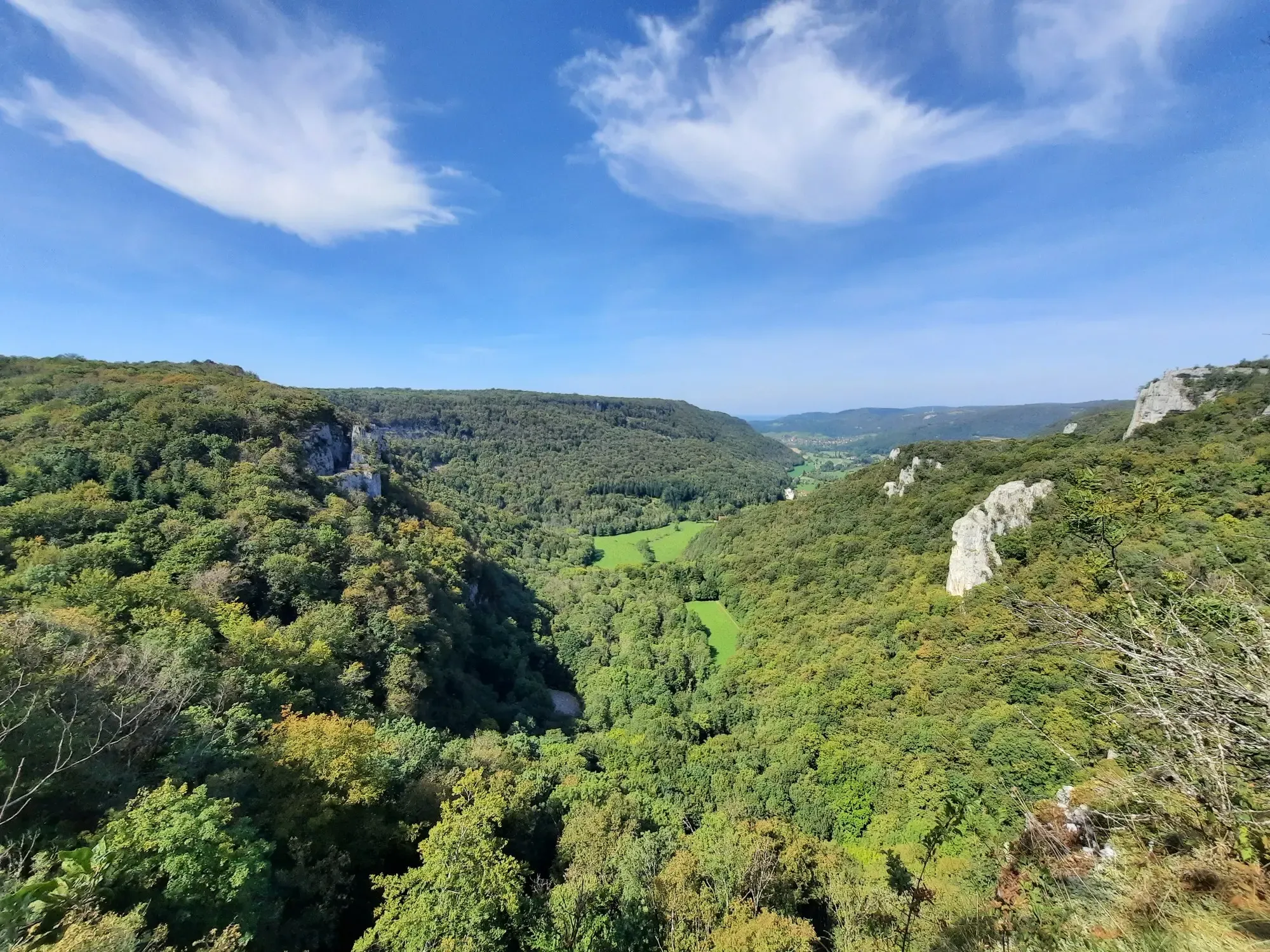
The Ardennes Trail (GR 14) – From Paris to the Belgian border
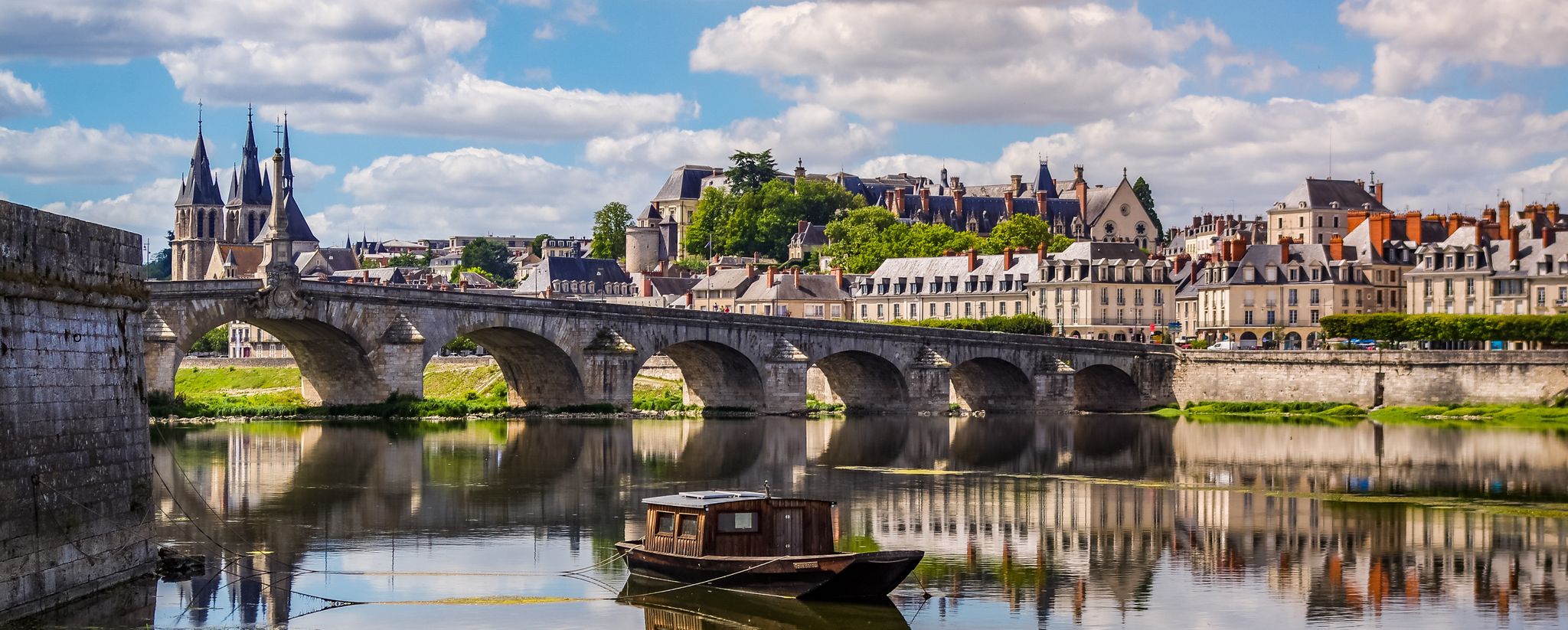
EuroVelo 3 – A cycling pilgrimage from Norway to France
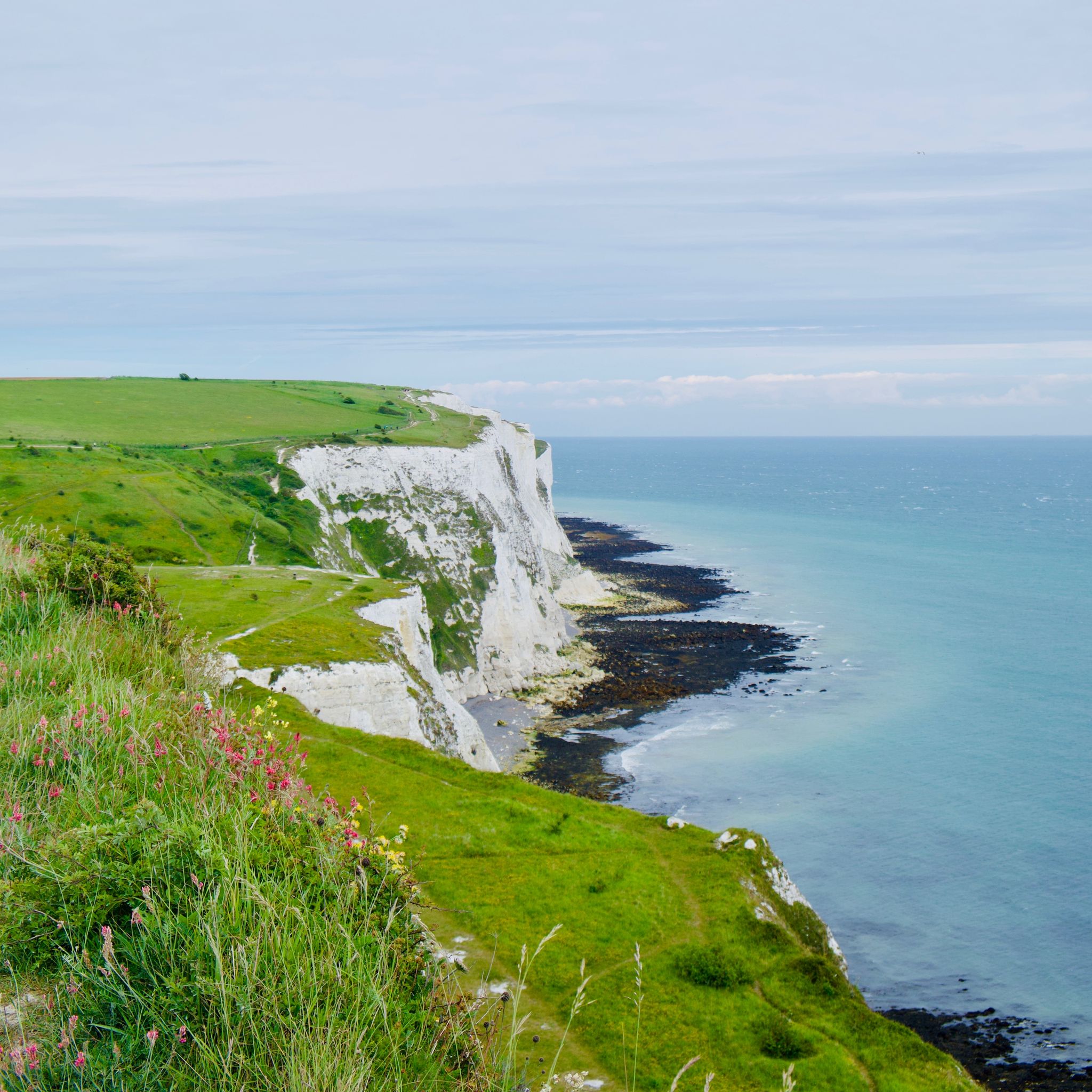
From Amsterdam to London - along the North Sea and across the water
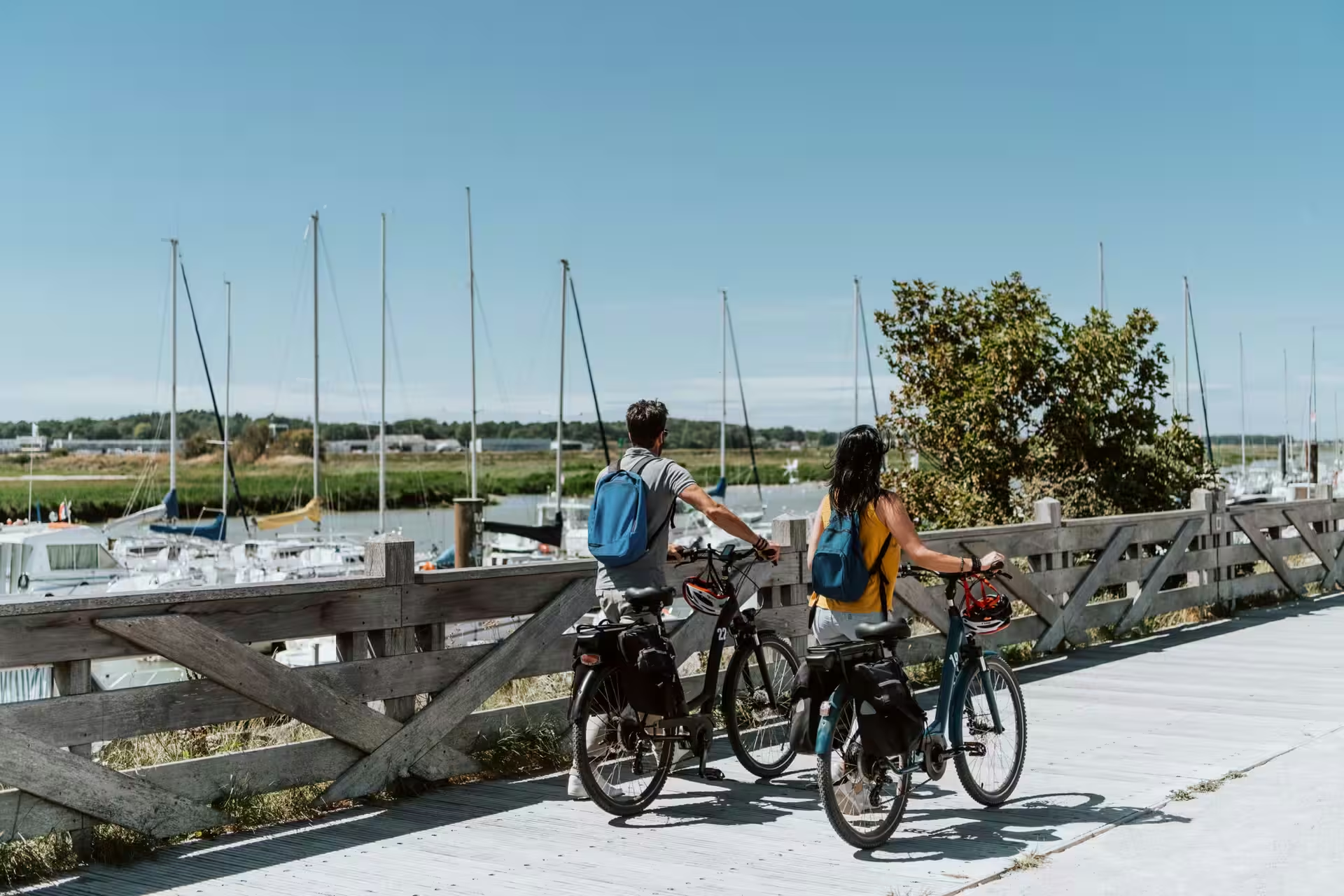
Routes in Hauts-de-France for cycling enthusiasts
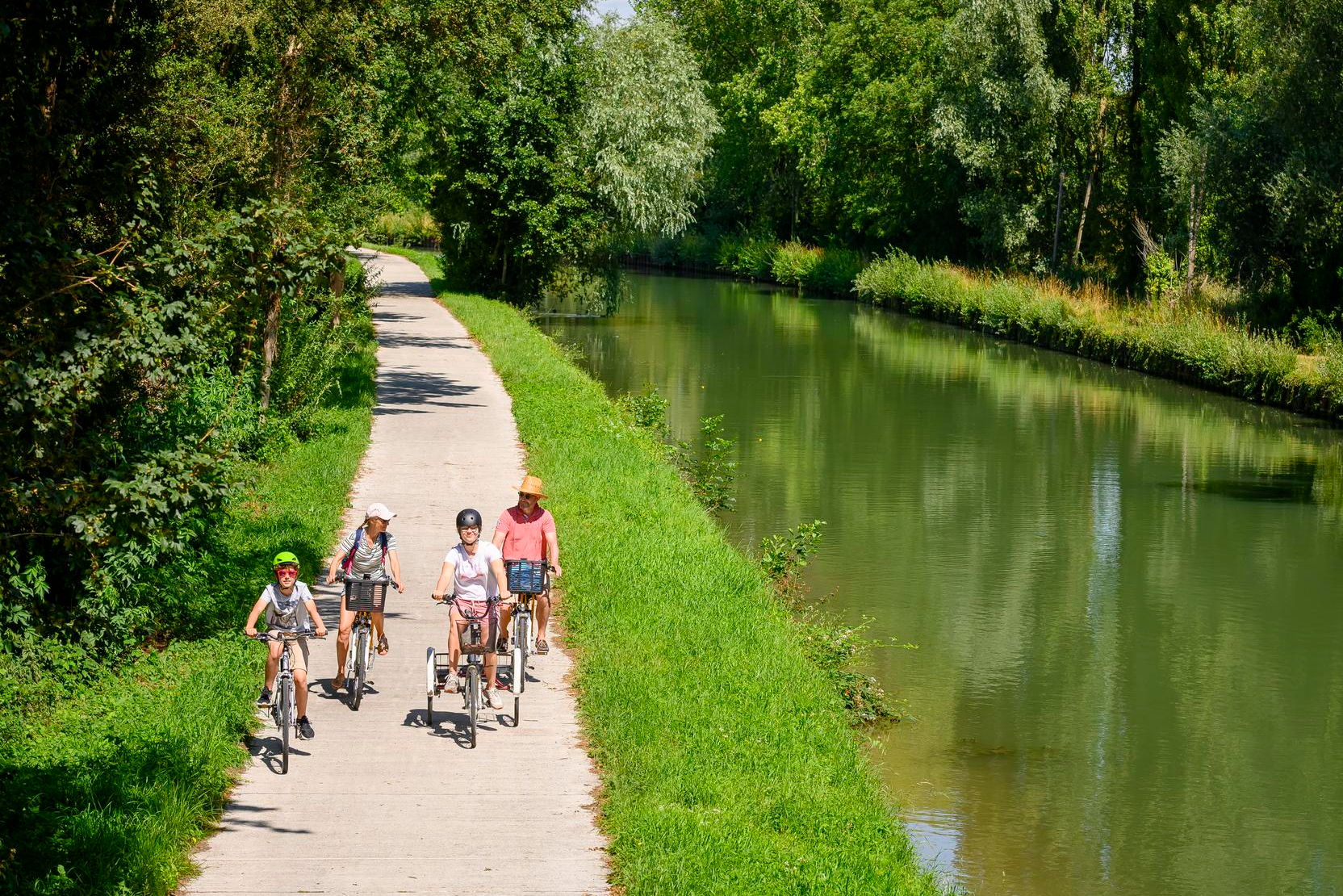
Cycling routes in Hauts-de-France for beginners and families
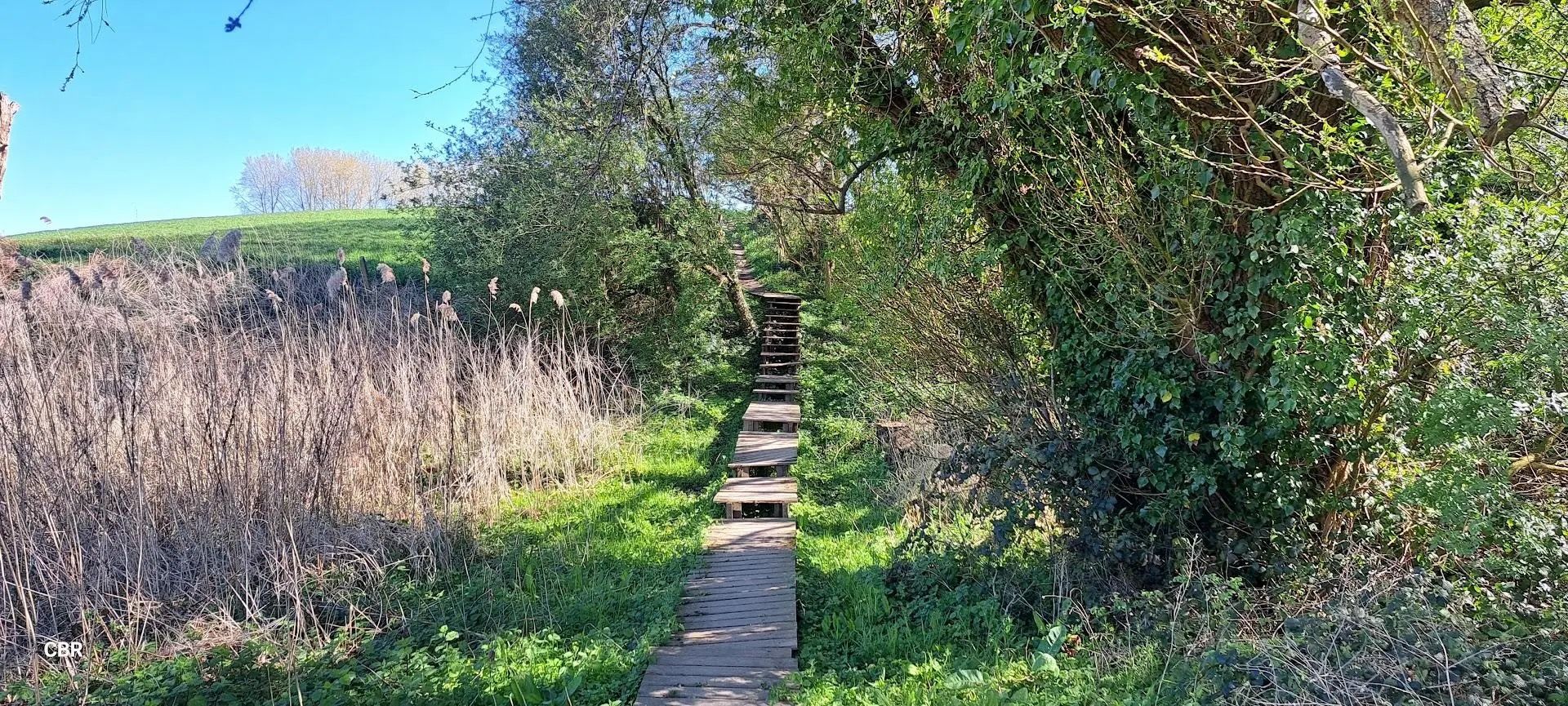
At the pace of the Westhoek - Streek-GR Heuvelland
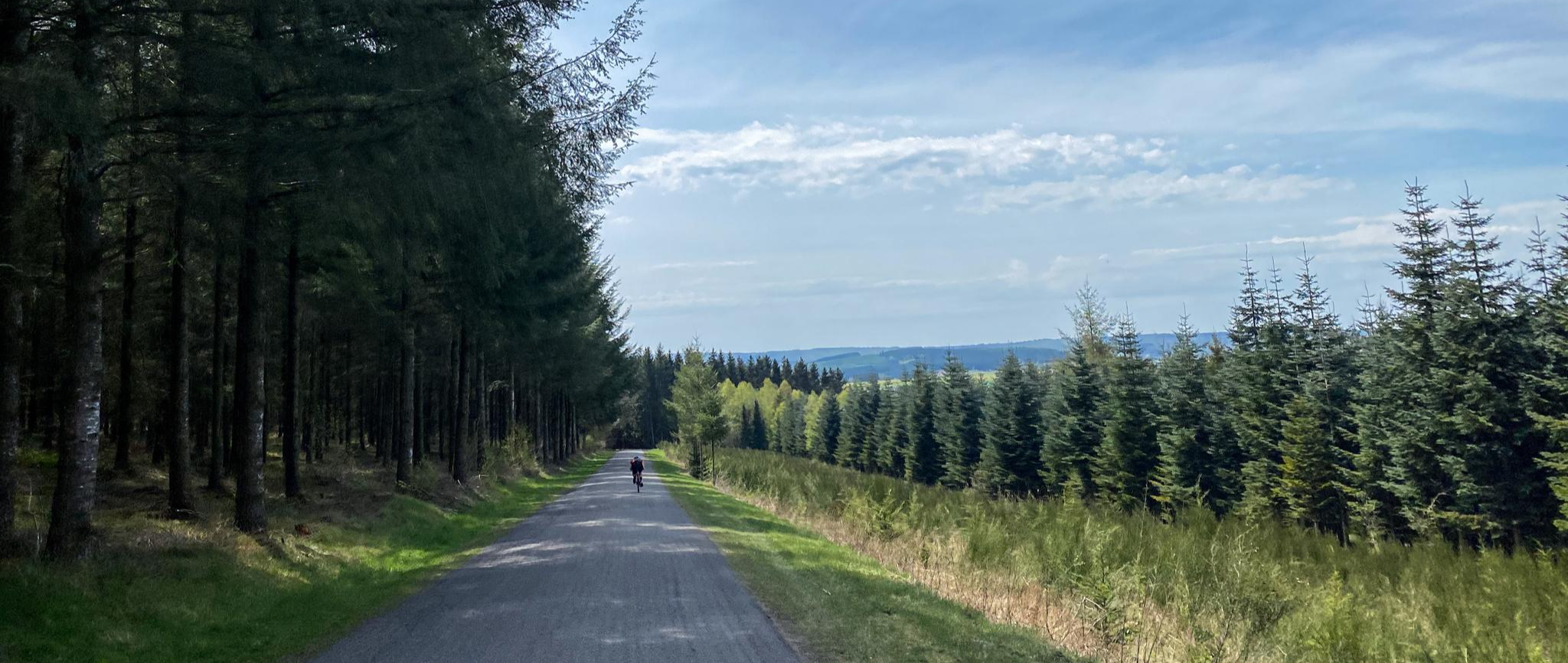
From Picardie to the Ardennes — Crossing Wallonia by Bike
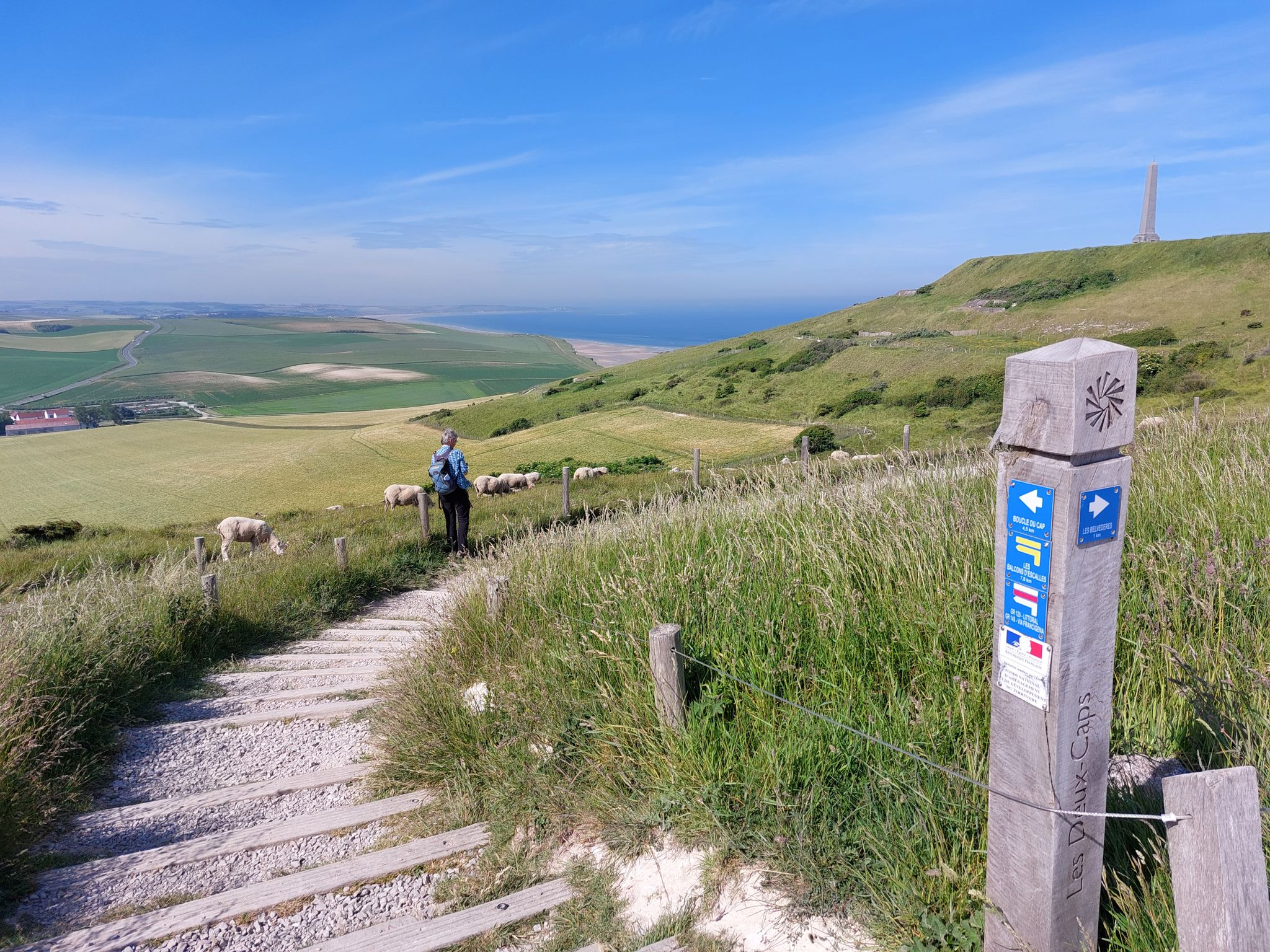
Via Francigena in the Pas-de-Calais – GR 145
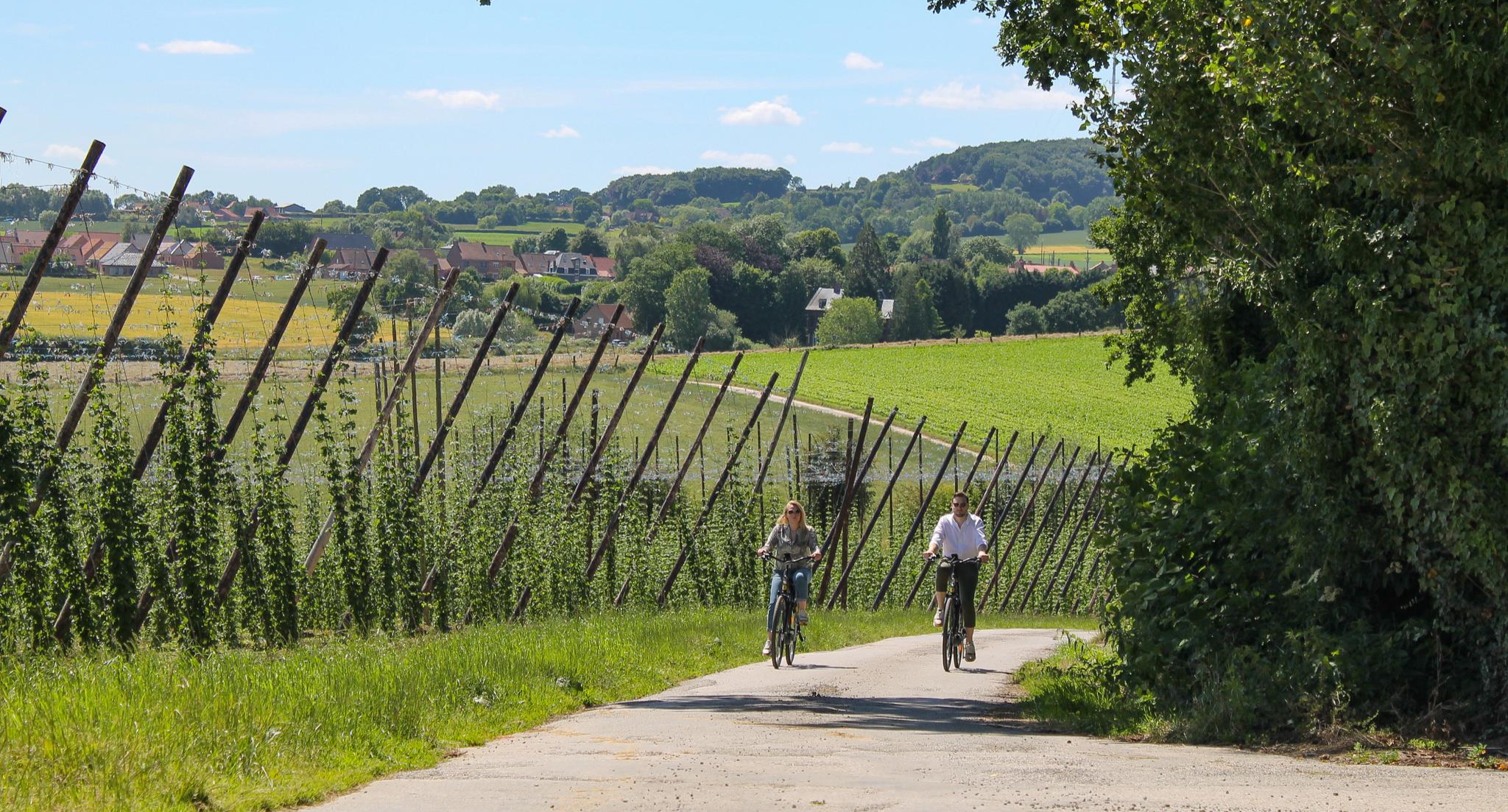
Flanders, Land of Cycling – Hills, Cobblestones and Estaminets
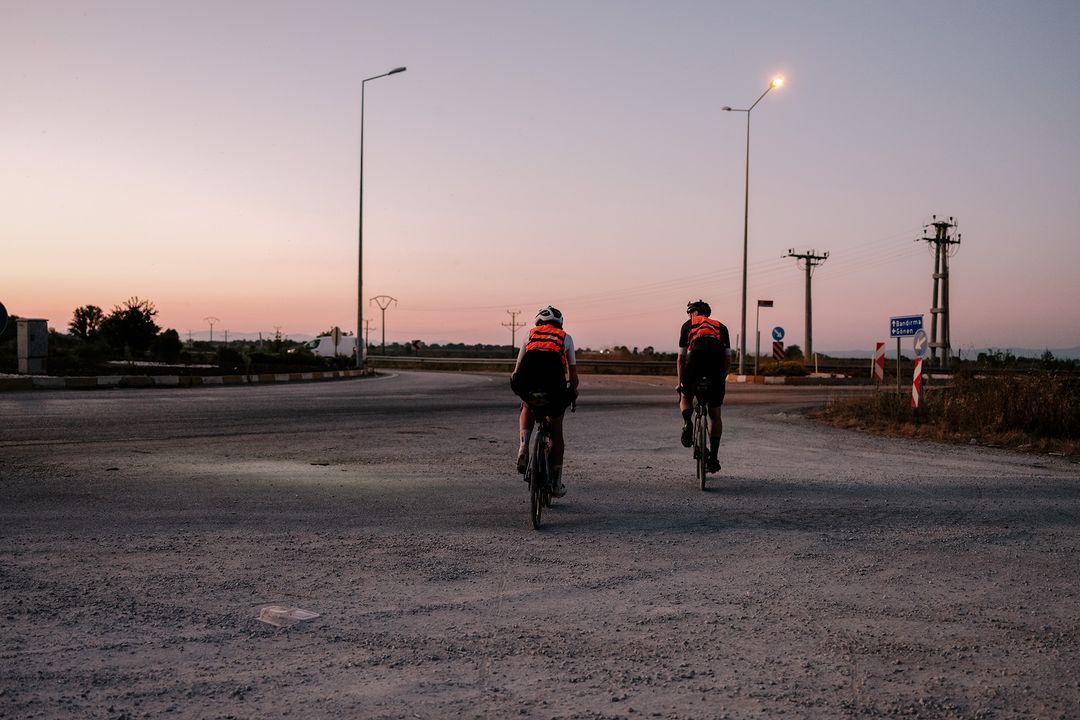
Transcontinental Race No10: crossing Europe from France to Turkey
Other adventures in Northern France


Tips from the Community

The cliffs are made of chalk and are impressive to look at.
3
0

The cliffs around the beach of Ault are composed of chalk from the Upper Cretaceous, more precisely from the Turonian and Coniacian (around 83 million years ago to 90 million years ago). They are strewn with flint nodules which highlight the subhorizontal stratification planes (the formation of flint has already been discussed in Discovery of the geology of the cliffs of Étretat, presentation of an excursion from the beach of Tilleul (Antifer) to the Porte d'Amont (Étretat Nord)). The relative proportion of chalk and flint is around 90-95% chalk to 5-10% flint. Flint horizons are stratigraphic markers. On the cliffs of Ault, the regular flint band called Seven Sisters is recognizable and characterizes the boundary between the Middle Coniacian and the Upper Coniacian (around 87 million years ago). The boundary between the lower and middle Coniacian is marked by the Shoreham 2 marl level, which is more difficult to identify. These lithostratigraphic markings allow in particular the correlation of distant deposits, such as between the Normandy and Picardy coasts, or between the French and English coasts.
2
0

The Petit Blanc-Nez is a cliff in the Pas-de-Calais region and is part of the Deux-Caps (Two Capes) area, which also includes Cap Gris-Nez. Both are part of the protected area classified as a Grand Site de France and offer breathtaking views of the English Channel and, on a clear day, the English coast.
51
0

Ault is a beautiful place. Beautifully laid out paths above and below the impressive cliffs. The town center is perfect for relaxing. There are a few cafes and bistros for when you get a little hungry. There are benches everywhere where you can sit and enjoy a few minutes of peace and the wonderful views.
1
0

Very beautiful here, breathtaking rocks
2
0

Rough coast, nice people, what more could you want.
2
0


Between woods and fields, this little-known valley offers beautiful views typical of the Ile-de-France countryside.
0
0
Frequently Asked Questions
What types of natural gorges and valleys can I expect to find in Northern France?
Northern France features a diverse landscape, primarily characterized by river-carved valleys, impressive coastal chalk cliffs, and unique rock formations. Unlike the deep, dramatic canyons of Southern France, you'll find picturesque valleys like the Gorges de la Vire in Normandy, towering chalk cliffs such as the Ault Chalk Cliffs, and rugged formations along the Brittany coast.
What are some of the most popular gorges or natural sites to visit in Northern France?
Among the most popular sites are the Ault Chalk Cliffs, which mark the beginning of the Alabaster Coast, and Cran d'Escalles, known for its beach and chalk cliffs within the Deux-Caps region. The Pihem Ravine is also appreciated for its trail through a forest, offering a course in nature.
Are there any dramatic coastal cliffs or sea-carved features in Northern France?
Yes, Northern France boasts spectacular coastal cliffs. The Ault Chalk Cliffs are a prime example, offering exceptional views over the English Channel. Further north, Cap Blanc-Nez and Cap Gris-Nez in Pas-de-Calais also present impressive chalk cliffs and panoramic vistas. In Normandy, the Coastal Cliffs of Le Tréport provide a dramatic landscape, accessible via a free funicular railway for stunning views.
What outdoor activities can I do near the gorges and valleys of Northern France?
The natural areas around Northern France's gorges and valleys are excellent for various outdoor activities. You can find numerous hiking trails, including easy and moderate options like the 'Balconies of Escalles Trail' near Cran d'Escalles. There are also running routes and road cycling routes that allow you to explore the diverse landscapes.
Are there family-friendly options for exploring the natural landscapes in Northern France?
Absolutely. Many areas are suitable for families. For instance, the Vallée de Noé is categorized as family-friendly, offering beautiful views between woods and fields. Coastal areas like Le Tréport, with its funicular and views, can also be enjoyable for all ages. When planning, look for trails marked as 'easy' or 'family-friendly' on komoot.
What are the geological characteristics of Northern France's gorges and cliffs?
The geological features vary by region. In areas like Normandy, you'll find landscapes carved by rivers through granite plateaus and schist valleys, as seen in the Gorges de la Vire. Along the coast, particularly in Pas-de-Calais and the Alabaster Coast, towering chalk cliffs are prominent, formed by ancient marine deposits. Brittany features rugged granite formations and dramatic coastal erosion.
What is the best time of year to visit the gorges and natural sites in Northern France?
The best time to visit is generally from spring to early autumn (April to October) when the weather is milder and more conducive to outdoor activities like hiking and exploring. Summer offers the warmest temperatures, ideal for coastal visits, while spring and autumn provide pleasant conditions for walking and enjoying the lush scenery without the peak crowds.
Are there any hidden gems or lesser-known gorges worth exploring in Northern France?
Beyond the well-known spots, you might enjoy exploring the Vallée de Noé, a lesser-known valley offering beautiful views typical of the Ile-de-France countryside. The Cave of the Three Children is another unique gorge to discover. For a wilder experience, the Verdonnelle Valley offers a superb, wild, and hilly landscape, though some paths may be challenging.
Can I find historical or cultural sites near these natural gorges and cliffs?
Yes, many natural sites in Northern France are intertwined with local history and culture. For example, near the Coastal Cliffs of Le Tréport, you can visit the Kahl-Bürg, a fort tunneled into the cliffs during WWII. In Normandy, the Gorges de la Vire region features rural heritage and small villages. Brittany's Arthur's Cave (Gouffre de Huelgoat) is steeped in legends of King Arthur.
What do visitors enjoy most about the natural landscapes in Northern France?
Visitors frequently appreciate the breathtaking views, especially from sites like the 'Planches d'Avenel' in the Gorges de la Vire or the natural belvedere at La Roche d'Oëtre. The diverse scenery, from shaded forest paths in the Pihem Ravine to the dramatic coastal cliffs, is also a major draw. The opportunity for peaceful walks and immersion in nature is highly valued.
Are there specific viewpoints that offer the best panoramic views of the gorges and valleys?
Yes, several locations are renowned for their panoramic views. In Normandy, the 'Planches d'Avenel' in the Gorges de la Vire offers a stunning panorama of the Vire valley, and La Roche d'Oëtre provides breathtaking views over the Rouvre gorges. Coastal viewpoints like those at Cran d'Escalles, Cap Blanc-Nez, and Le Tréport offer expansive vistas of the English Channel and the dramatic coastline.
Where can I find more information about the Gorges de la Vire in Normandy?
The Gorges de la Vire are a significant natural area in the heart of the Norman Bocage. For more detailed information on hiking trails and local attractions, you can visit the official tourism website for the area: paysdevire-normandie-tourisme.fr.
Most popular routes in Northern France
Most popular attractions in Northern France

Get inspired with the komoot mobile app


Explore more
Already discovered everything in this region? See additional gorges in Northern France for your next adventure:
