Top 10 Gorges in Zamora
Best canyons in Zamora are found within its diverse natural landscapes, particularly the Arribes del Duero Natural Park and the Lake Sanabria Natural Park. This Spanish province in Castile and León is characterized by deep river gorges and glacial valleys. The region features impressive geological formations, including cliffs exceeding 200 meters, and unique microclimates supporting varied flora. These areas offer opportunities to explore landscapes shaped by rivers and ancient glaciers.
Best canyons in Zamora
- The most popular canyons is Mirador…
Last updated: June 29, 2026
Mirador de las Barrancas
Highlight • Viewpoint
Translated by Google •
Tip by

Requejo Bridge
Highlight • Bridge
Translated by Google •
Tip by

Sign up now to discover places like this
Get recommendations on the best single tracks, peaks, & plenty of other exciting outdoor places.
Sign up for free
Senda del Duero (GR-14) – Camino de Pinilla
Highlight (Segment) • Trail
Translated by Google •
Tip by
Alba Castle
Highlight • Castle
Translated by Google •
Tip by

Castro de As Muradellas
Highlight • Historical Site
Translated by Google •
Tip by
Mirador del Hullón
Highlight • Viewpoint
Translated by Google •
Tip by
Arribes del Duero
Highlight (Segment) • Gorge
The landscape changes …
Translated by Google •
Tip by
Rodilla Campana Viewpoint
Highlight • Viewpoint
Translated by Google •
Tip by

Forcadura River
Highlight • River
Translated by Google •
Tip by
Barranco Cibeo
Highlight • Gorge
Translated by Google •
Tip by
Sign up for free to discover even more gorges in Zamora.
Sign up for free
Already have an account?
Start today with a free account
Your next adventure awaits.
Login or Signup
Popular around Zamora
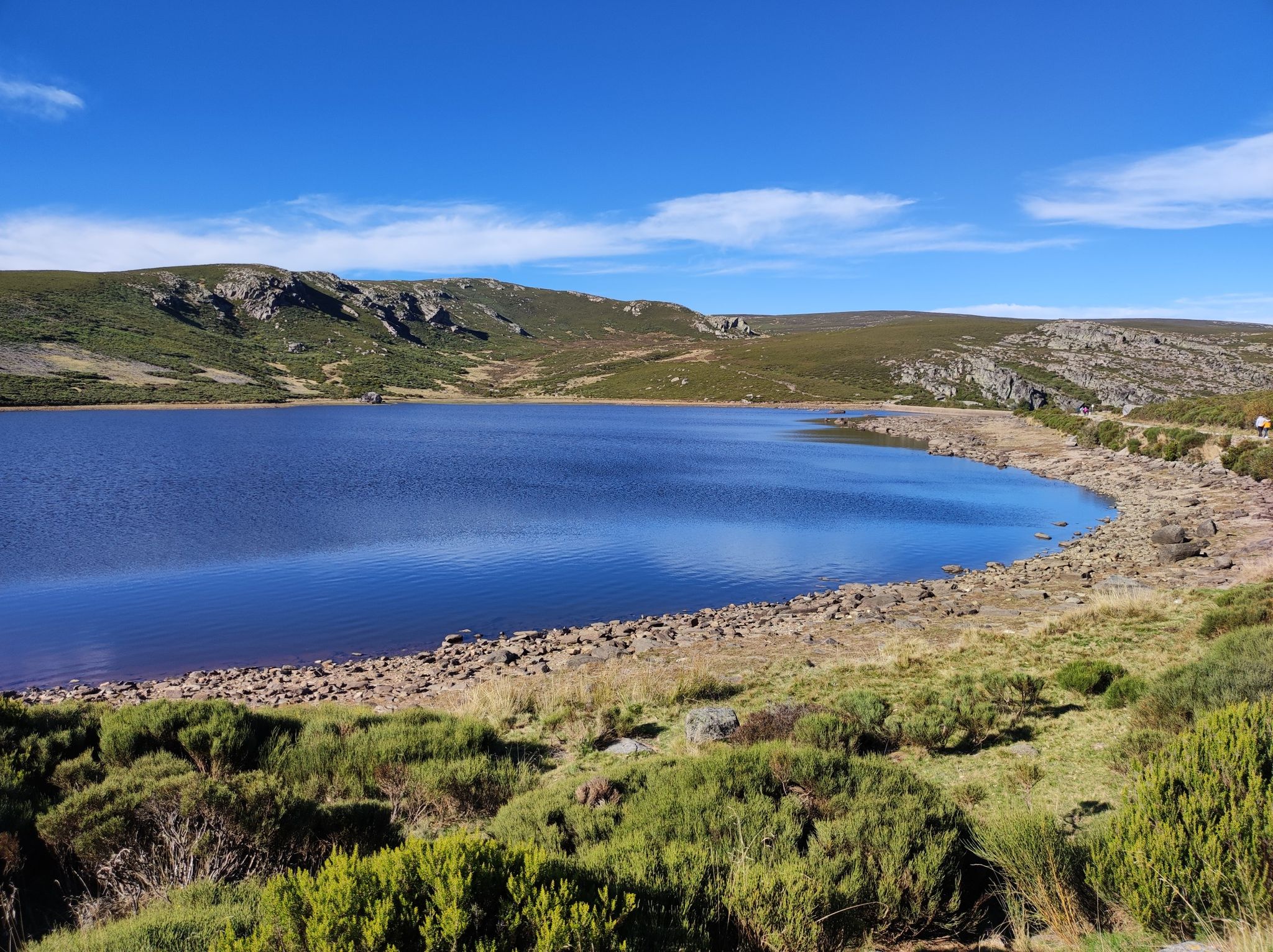
Glacial lagoons and eternal mountains – Montaña de Sanabria (GR 84)
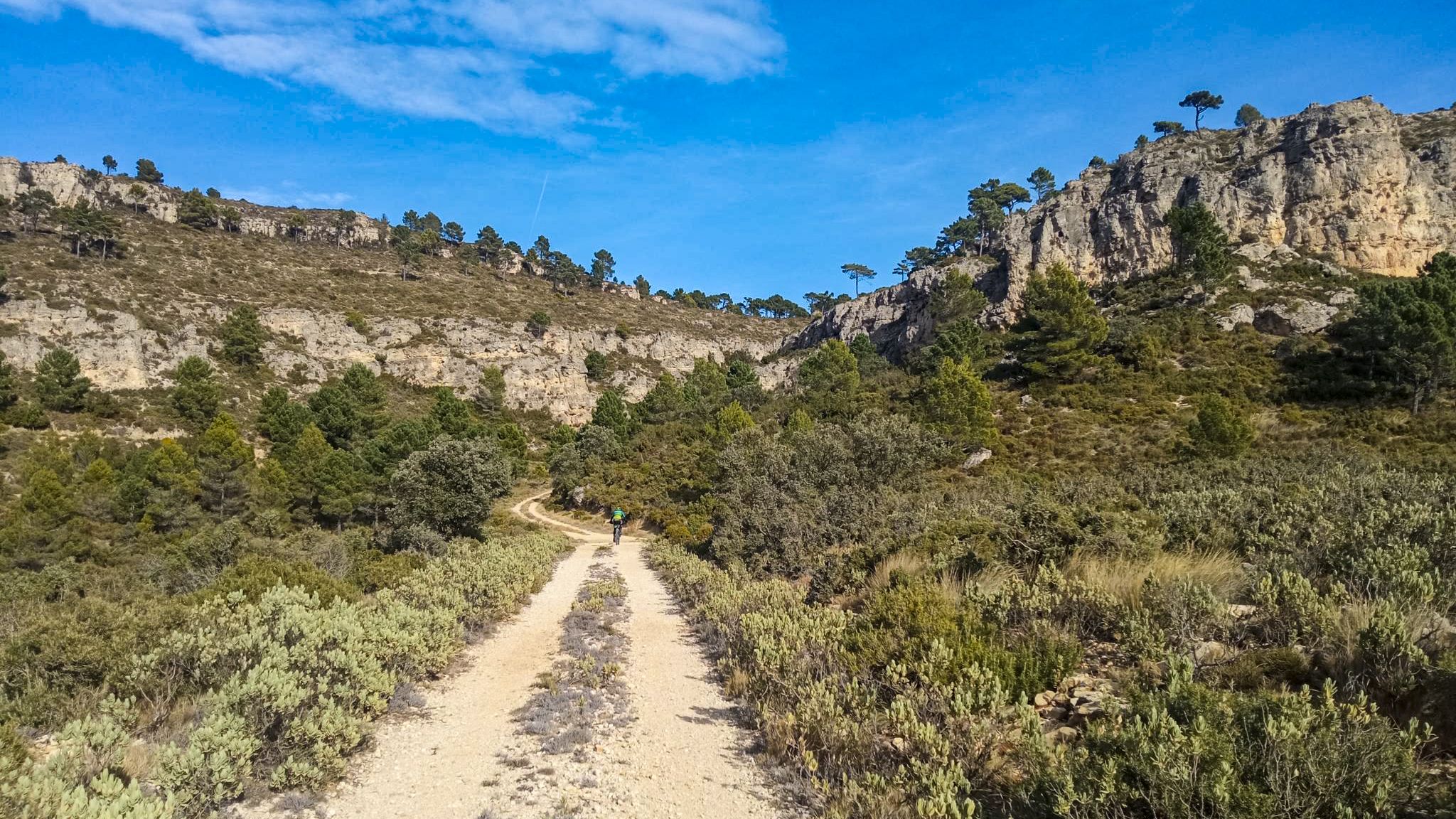
10 gravel routes to discover hidden gems in Spain
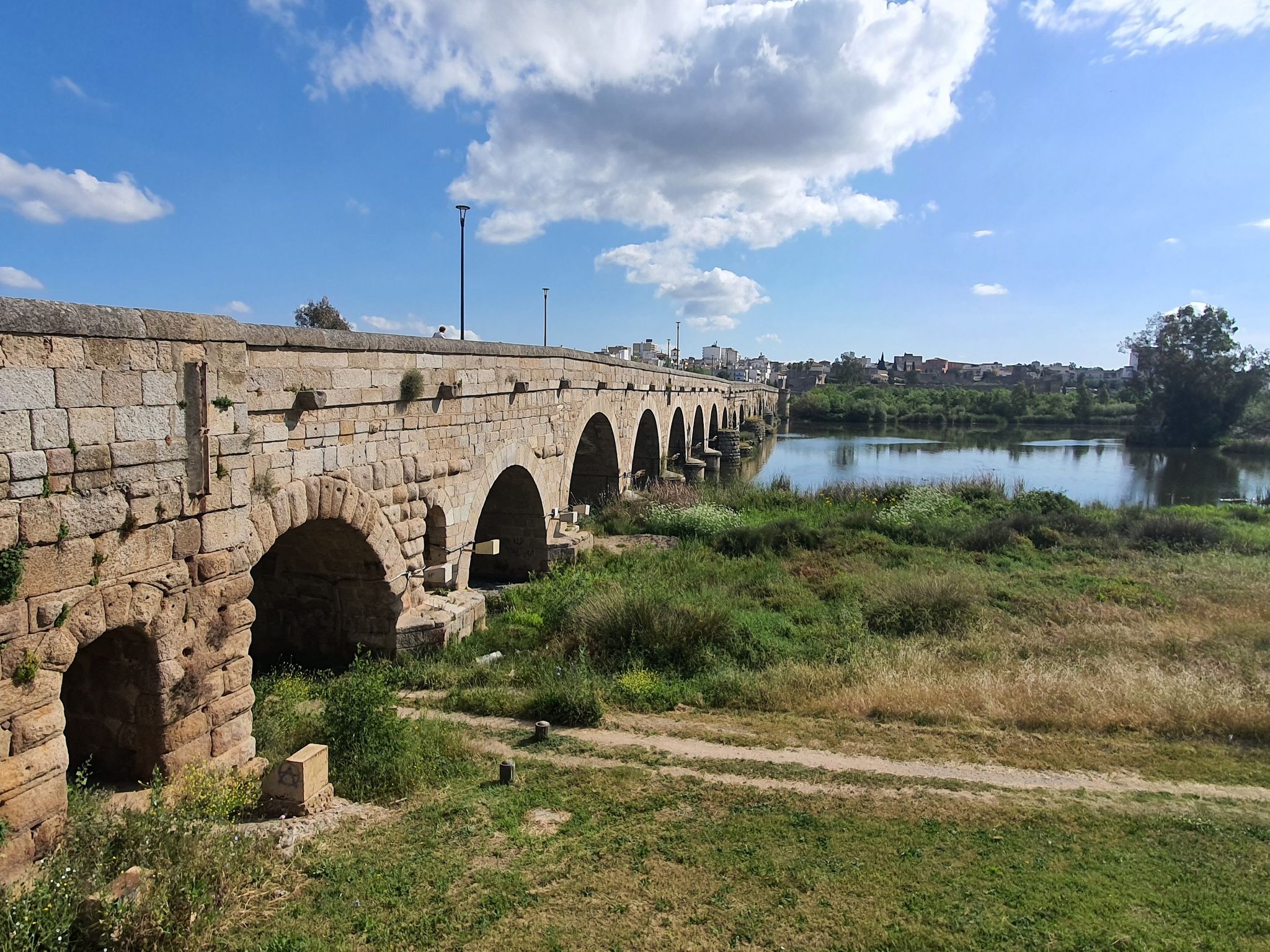
Gijón to Sevilla in Spain – Vía de la Plata (GR 100)
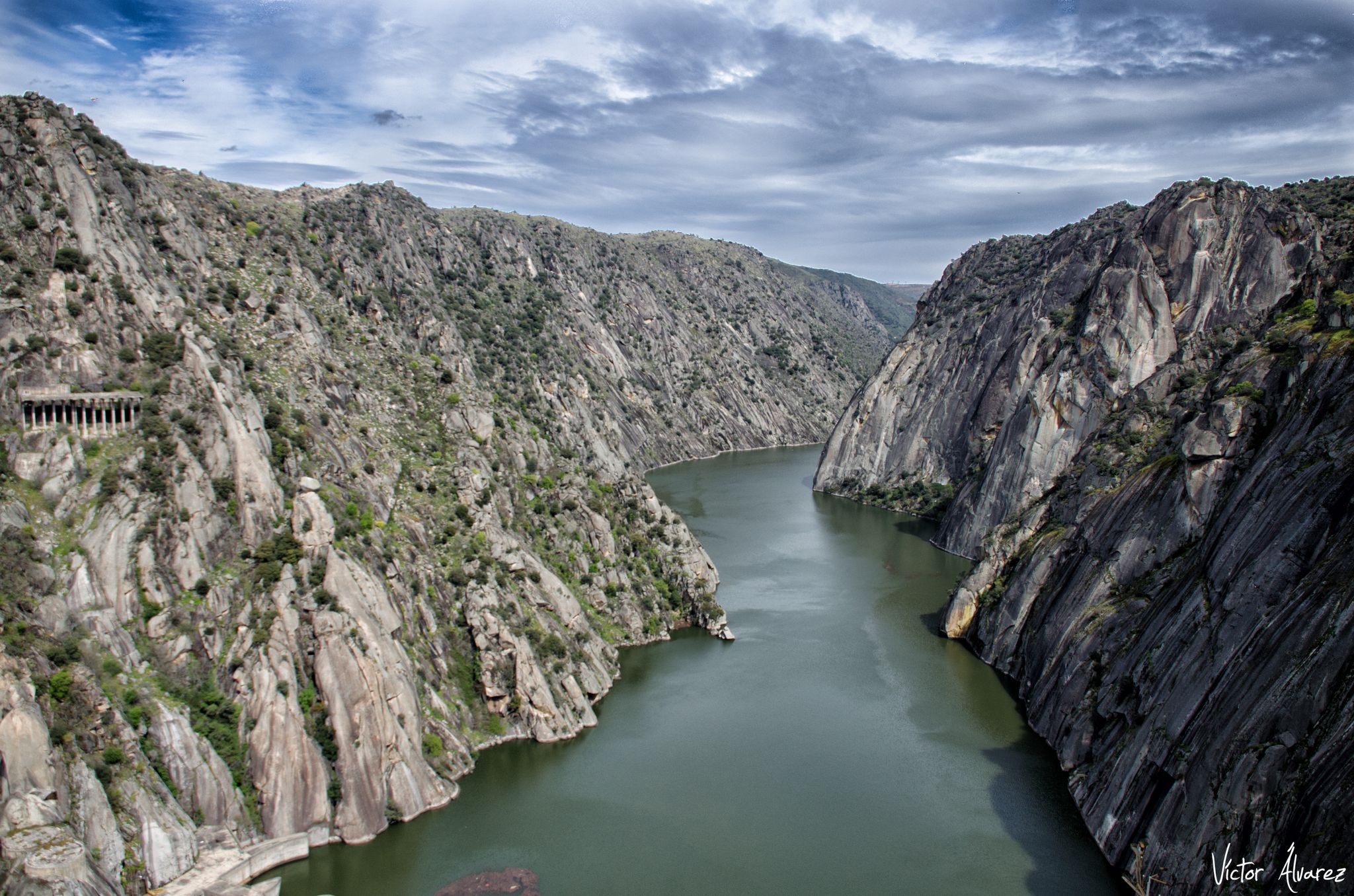
Downriver between Zamora and Salamanca – Western Duero Trail (GR 14)
The Great Castilian River – Duero MTB Trail
A landscape of glacial heritage – Queen of the Alta Sanabria by MTB
In the tracks of wolves – Sierra de la Culebra on MTB
A journey to the interior of the Iberian Peninsula – Levante Way (GR 239)
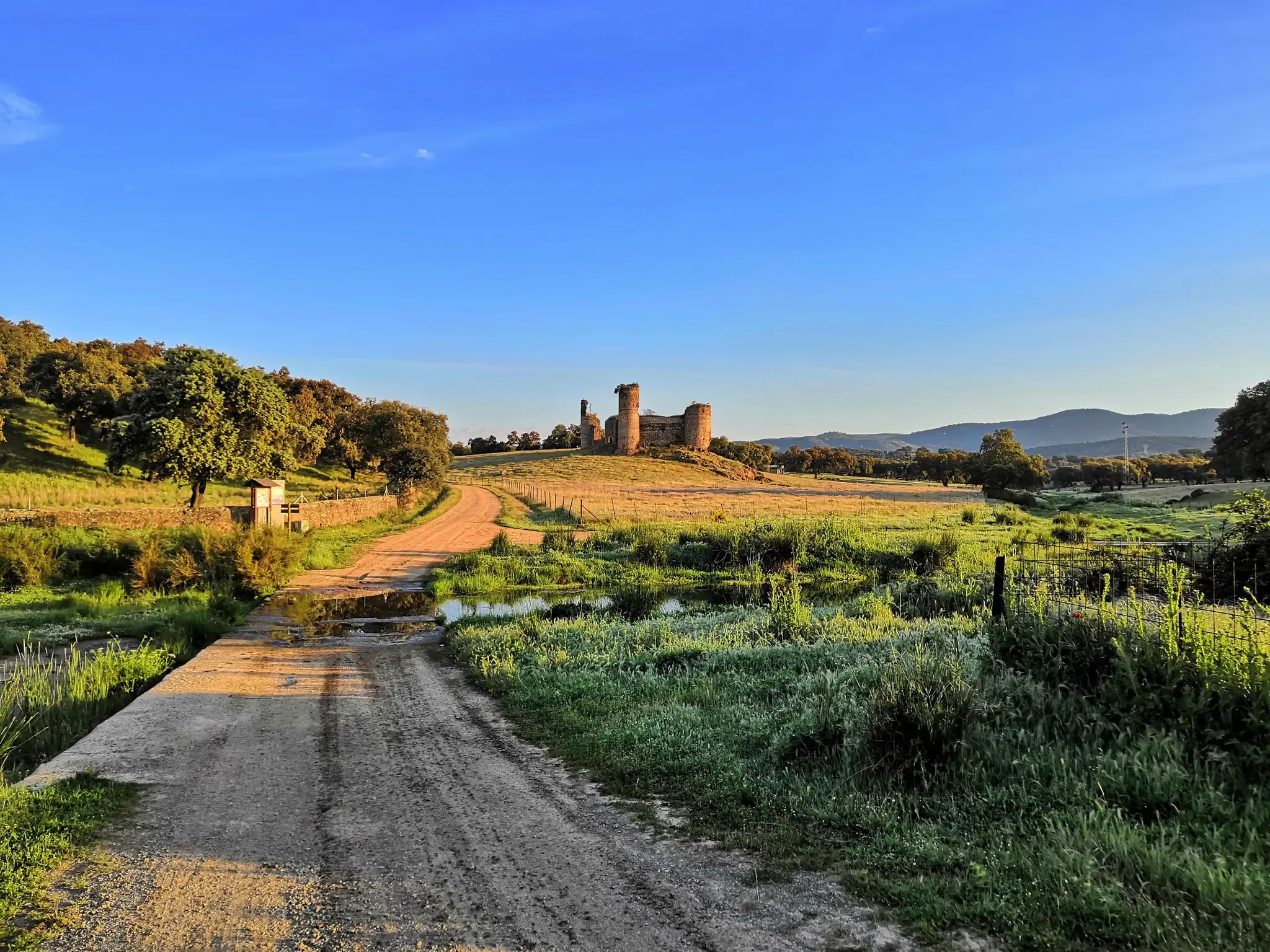
A romantic journey in the footsteps of the Romans – Via de la Plata
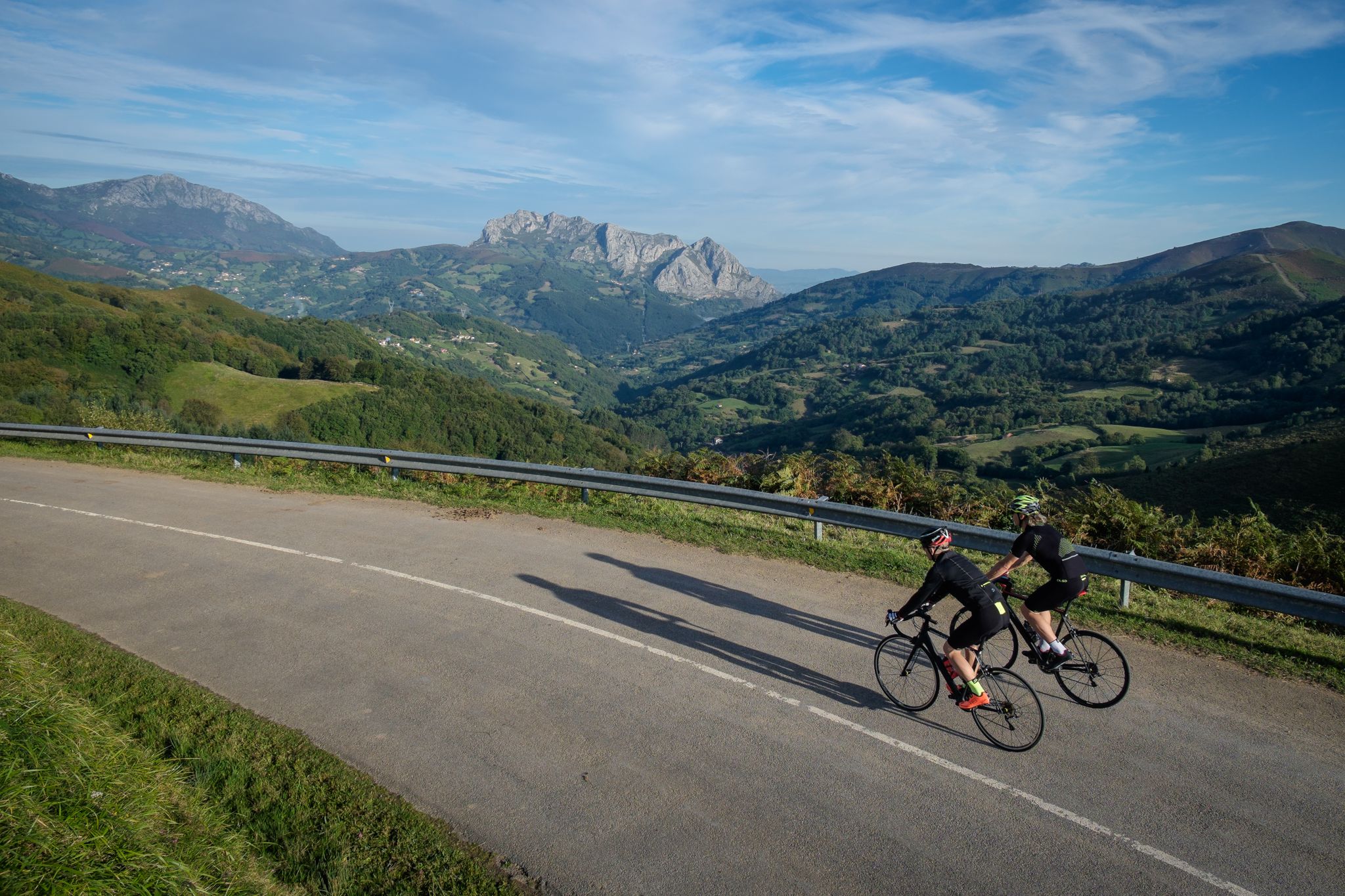
Explore Spain’s monuments and landscapes – cycle the Via de la Plata
Other adventures in Zamora


Tips from the Community

It's located in the heart of the Arribes del Duero Natural Park, an area of great scenic beauty and biodiversity. Things to do nearby: Viewpoints: The viewpoint at the bridge itself and others nearby, such as the one in Villadepera. Hiking trails: Paths through the Arribes, ideal for photography and birdwatching. Charming villages: Villadepera, Pino del Oro, and other towns in the area. From the bridge, you can admire the granite cliffs of the Duero River and the deep riverbed that marks the natural border with Portugal.
2
0
The Requejo Bridge, also known as the Pino Bridge, is a jewel of historical engineering located in Villadepera (Zamora) over the Duero River, within the Arribes del Duero Natural Park. Year of inauguration: 1914. Designed by the engineer José Eugenio Ribera, a pioneer in the use of reinforced concrete in Spain. It was built to connect the Aliste and Sayago regions, facilitating communication between Zamora and Portugal.
2
0

We named this viewpoint after the area where it's located. The path ends, and you have to continue across the open field for about a hundred meters to a small rocky promontory. From there, the views of the Duero River are breathtaking. Las Pilas de Almaraz are practically directly opposite.
0
0
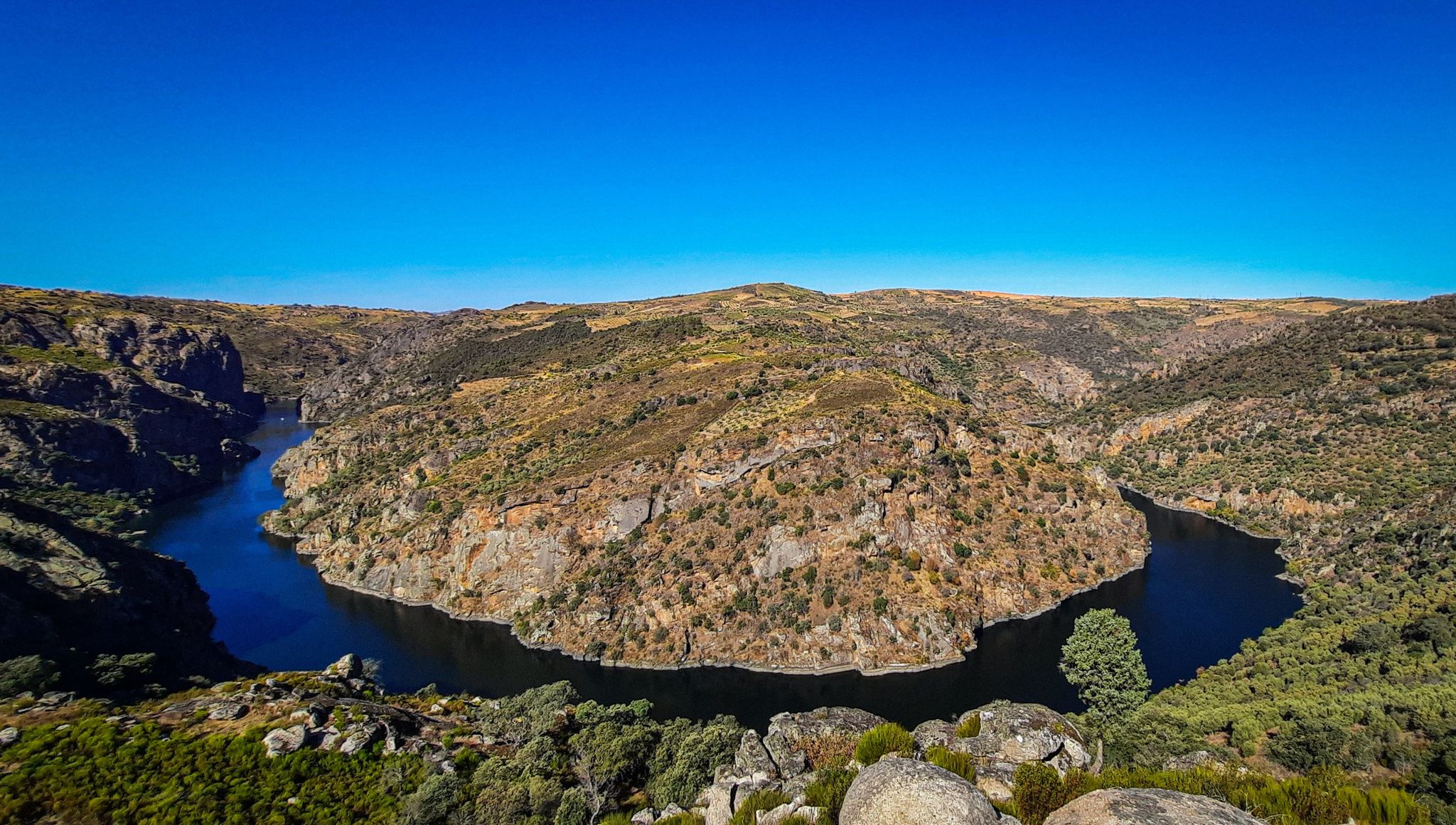
The Mirador de las Barrancas, located in Fariza, in the province of Zamora, is one of the most spectacular spots in the Arribes del Duero Natural Park. It offers stunning views of the Duero River canyon, which marks the natural border between Spain and Portugal. A granite landscape with unique rock formations and a microclimate that favors Mediterranean crops such as olive trees, vineyards, and almond trees. Spot birds of prey, such as the griffon vulture and the golden eagle, which are very common in the area.
1
0
Beautiful views of the Duero and its Arribes.
1
0
The Mirador del Hullón is one of the natural treasures found in the Sayago region, on the Zamora slope of the Arribes del Duero. This viewpoint, located in Villadepera, offers unparalleled panoramic views and is one of the most photographed places in the area.
3
0

Fortress on a defensive hill that dominates the Aliste river. The ruined castle offers spectacular views of the river canyon.
1
0

The Hullón viewpoint has a wooden bench with a privileged view of the Duero River as it passes through the impressive Arribes de Duero Natural Park, where it flows through a spectacular gorge.
1
0
Frequently Asked Questions
What are the main canyon areas in Zamora?
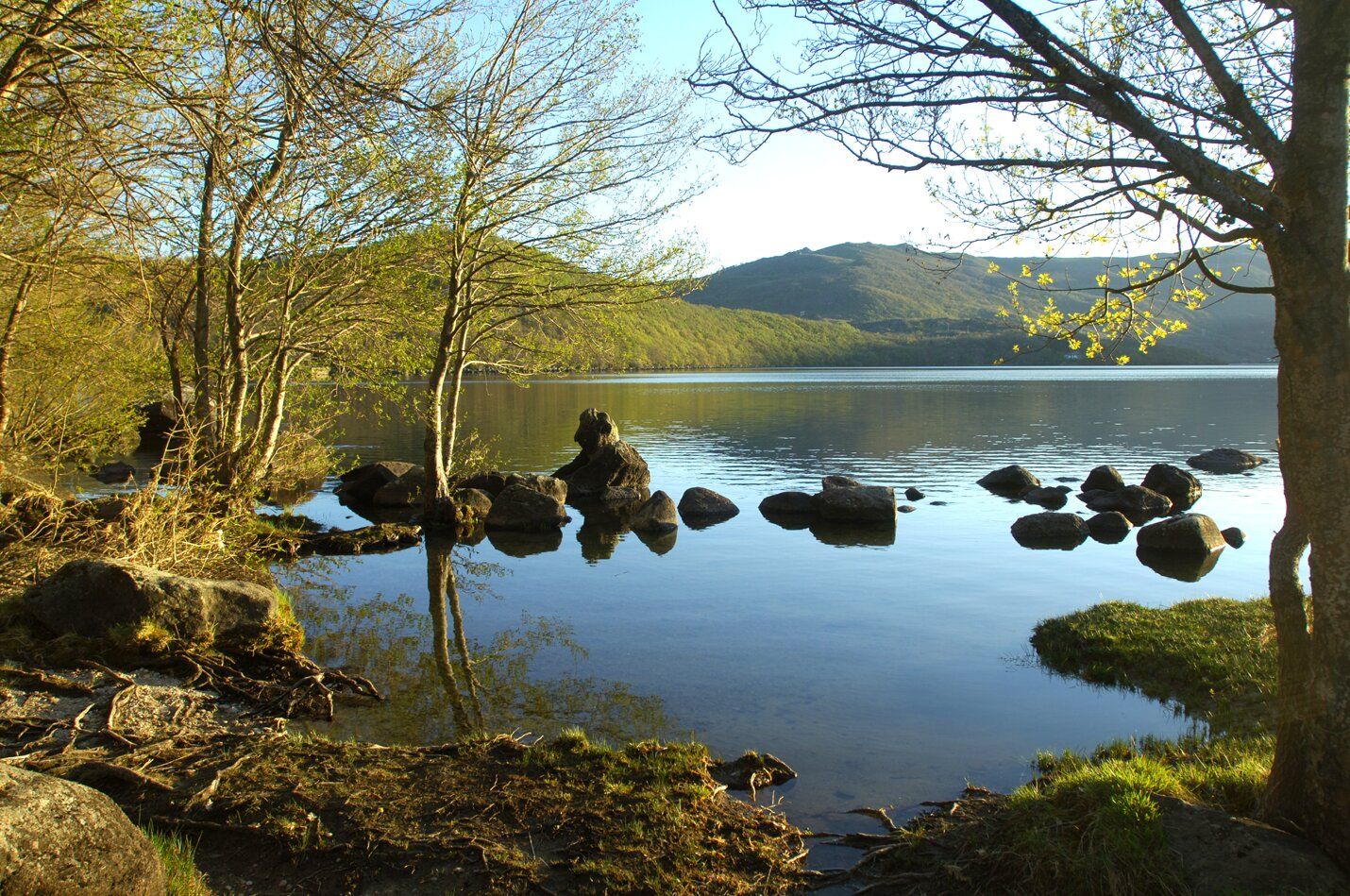
Zamora features two primary canyon areas: the **Arribes del Duero Natural Park**, known for its deep river gorges carved by the Duero River, and the **Lake Sanabria Natural Park**, which hosts several glacial canyons like the Cañón del Río Tera, Cañón de Cárdena, Cañón de Segundera, and Cañón de la Forcadura.
What unique natural features can I expect to see in Zamora's canyons?
In the Arribes del Duero, you'll find dramatic cliffs often exceeding 200 meters, a unique microclimate supporting diverse Mediterranean flora, and geological formations of schist, slate, and granite. The glacial canyons of Lake Sanabria, particularly the Cañón del Río Tera, showcase moraines, erratic blocks, waterfalls, and natural rock pools like the 'Poza de las Ninfas' and 'Pozo de las Forcadas'.
Are there good viewpoints for observing the canyons?
Yes, Zamora offers several stunning viewpoints. The Mirador de las Barrancas provides a spectacular panoramic view of the Duero canyon and is excellent for birdwatching. Other notable viewpoints include the Mirador del Hullón and the Rodilla Campana Viewpoint, both offering impressive river and gorge vistas.
What kind of wildlife can be seen in the canyons of Zamora?
The Arribes del Duero Natural Park is a designated Special Protection Area for Birds (ZEPA) and an ornithological paradise. You can spot significant bird species such as the black stork, Egyptian vulture, golden eagle, peregrine falcon, and griffon vulture, which nest in the cliffs.
Are there historical sites or structures within or near the canyons?
Yes, the Requejo Bridge, also known as the Pino Bridge, is a historical engineering marvel over the Duero River, offering spectacular views of the granite cliffs. Additionally, the Alba Castle, a ruined fortress, provides commanding views of the Aliste river canyon, and Castro de As Muradellas is another historical site with gorge views.
What are the best hiking opportunities in Zamora's canyons?
The Senda del Duero (GR-14) – Camino de Pinilla offers impressive views of the Arribes del Duero. In Lake Sanabria, the Cañón del Río Tera features a stunning circular hiking trail, and the Cañón de la Forcadura has a popular route, typically starting from Vigo de Sanabria, known for its impressive panoramic views and medium-high difficulty.
Are there family-friendly options for visiting the canyons?
While some canyon trails can be challenging, many viewpoints and shorter sections offer accessible experiences for families. For instance, environmental cruises along the Duero River in Arribes del Duero provide a relaxed way to see the canyon. For easy hikes in the broader Zamora region, you can explore routes like the 'Bosque de Tejedelo' or 'Abelón's Waterfalls and San Vicente Hermitage Viewpoint' which are listed in the Easy hikes in Zamora guide.
What other outdoor activities can I do near the canyons?
Beyond hiking, the Zamora region offers diverse outdoor activities. You can find numerous running trails, including those around Lake Sanabria, as detailed in the Running Trails in Zamora guide. Road cycling is also popular, with routes like the 'Laguna de los Peces and Lake Sanabria Circuit' available in the Road Cycling Routes in Zamora guide.
What is the best time of year to visit the canyons in Zamora?
The unique microclimate of the Arribes del Duero, with mild annual temperatures and a lack of frost, makes it pleasant for much of the year. Spring is particularly charming as the landscape bursts with Mediterranean flora. For glacial canyons like those in Lake Sanabria, late spring through early autumn generally offers the most favorable weather for hiking and enjoying the natural pools.
Can I go wild swimming in the canyons?
Yes, some glacial canyons in the Lake Sanabria Natural Park offer opportunities for wild swimming. The Cañón del Río Tera features natural rock pools like the 'Poza de las Ninfas' and 'Pozo de las Forcadas,' as well as the 'Cueva de San Martín,' a glacial lagoon. The Cañón de la Forcadura is known for its 'Pozos Sartan,' crystal-clear water pools ideal for swimming on warm days.
What are the geological characteristics of Zamora's canyons?
The Arribes del Duero canyons are primarily carved through schist, slate, and granite, forming deep river gorges. In contrast, the canyons within the Lake Sanabria Natural Park, such as the Cañón del Río Tera, were sculpted by ancient glacial action, leaving behind distinctive features like moraines and erratic blocks.
What do visitors enjoy most about the canyons in Zamora?
Visitors frequently highlight the spectacular panoramic views, especially from spots like Mirador de las Barrancas. The rich birdlife, particularly the birds of prey nesting in the cliffs of Arribes del Duero, is a major draw. The immersive experience of hiking through landscapes shaped by ancient glaciers and the opportunity for wild swimming in natural pools are also highly appreciated.
Most popular routes in Zamora
Most popular attractions in Zamora

Get inspired with the komoot mobile app


Didn’t find what you were looking for?
Want to see even more gorges? See the best ones in Zamora region by region:
Explore more
Already discovered everything in this region? See additional gorges in Zamora for your next adventure:
