Top 6 Castles in Castelo Branco
Best castles in Castelo Branco are found throughout a region known for its historic significance and diverse landscapes. This area of Portugal features a collection of historic castles, many with origins dating back to the 12th and 13th centuries. These structures offer insights into the region's past, including its role as a border defense and Templar stronghold. The castles are often situated on hills, providing views of the surrounding countryside and traditional villages.
Best castles in Castelo Branco
- The most…
Last updated: August 23, 2026
Monsanto Castle
Highlight • Castle
Translated by Google •
Tip by

Castelo Novo Castle Ruins
Highlight • Castle
Translated by Google •
Tip by

Sign up now to discover places like this
Get recommendations on the best single tracks, peaks, & plenty of other exciting outdoor places.
Sign up for free
Belmonte Historic Village
Highlight • Historical Site
Translated by Google •
Tip by

Castle of the Templars of Castelo Branco
Highlight • Castle
Translated by Google •
Tip by

Historic Village of Castelo Novo
Highlight • Historical Site
Translated by Google •
Tip by
Penamacor
Highlight • Settlement
Translated by Google •
Tip by
Belmonte Castle
Highlight • Castle
Translated by Google •
Tip by
Start today with a free account
Your next adventure awaits.
Login or Signup
Popular around Castelo Branco
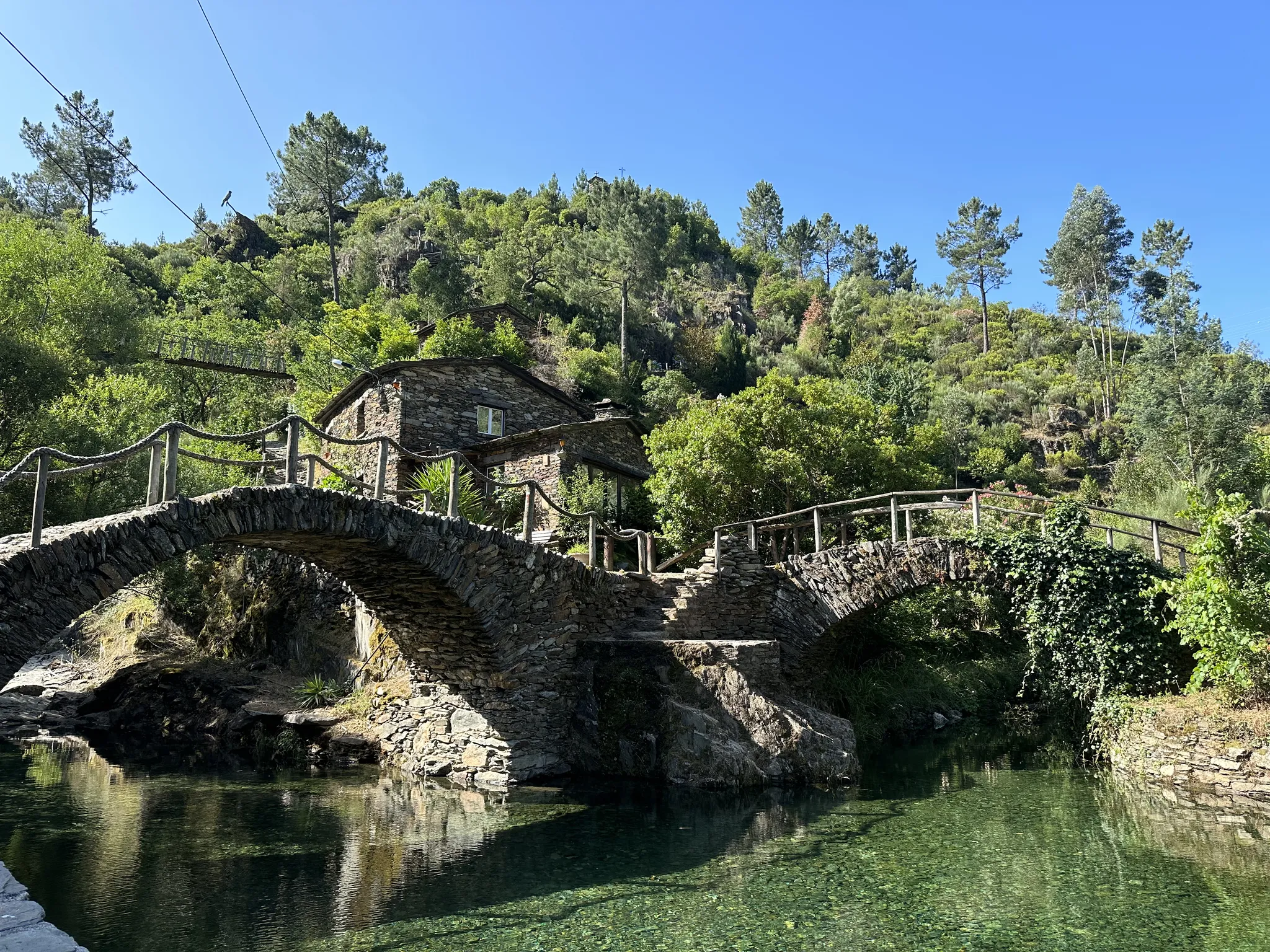
Great Route of Historic Villages (GR 22 south loop) – A nation is born
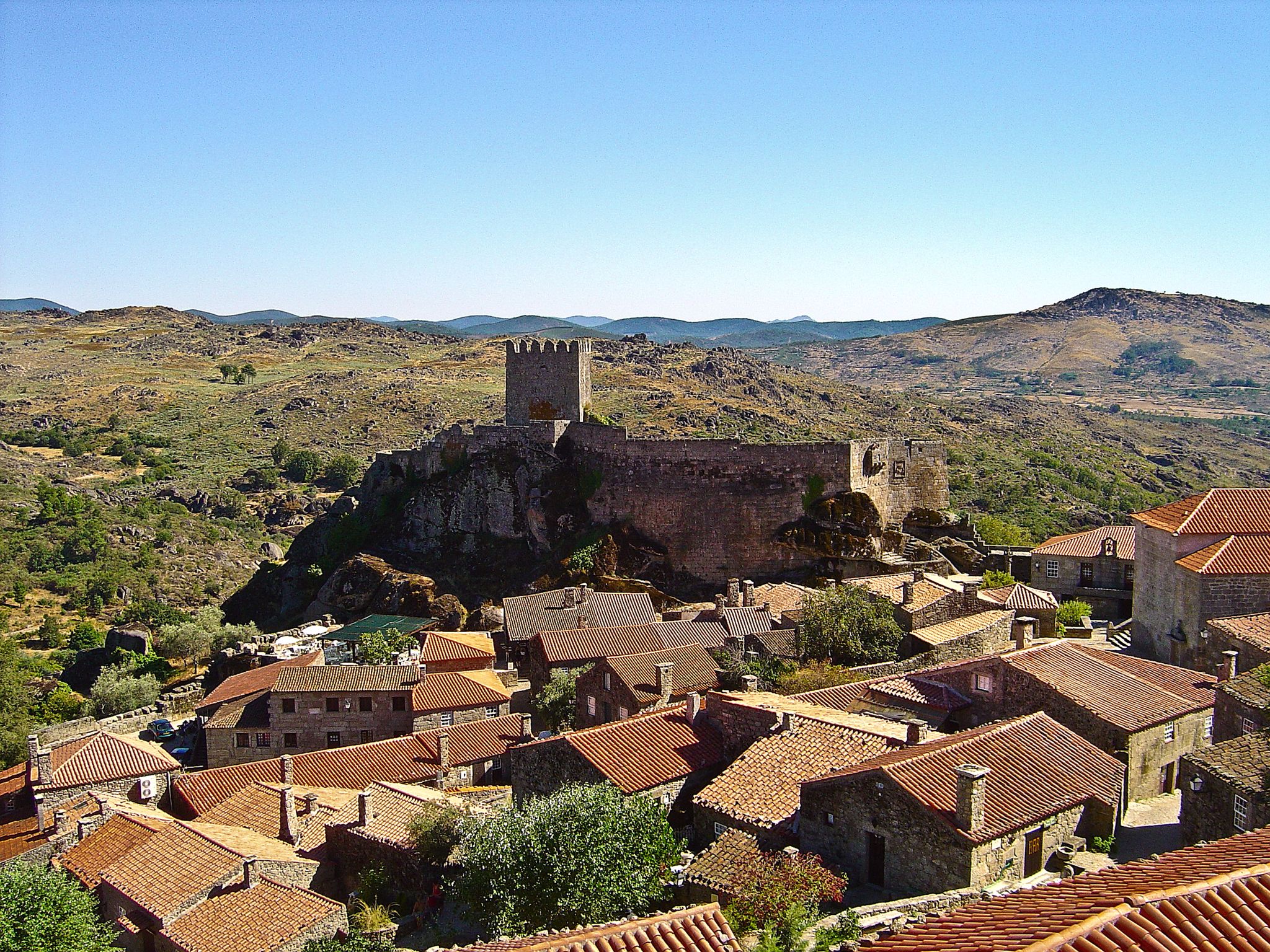
Great Route of Historic Villages (GR 22 north loop) - castles and valleys
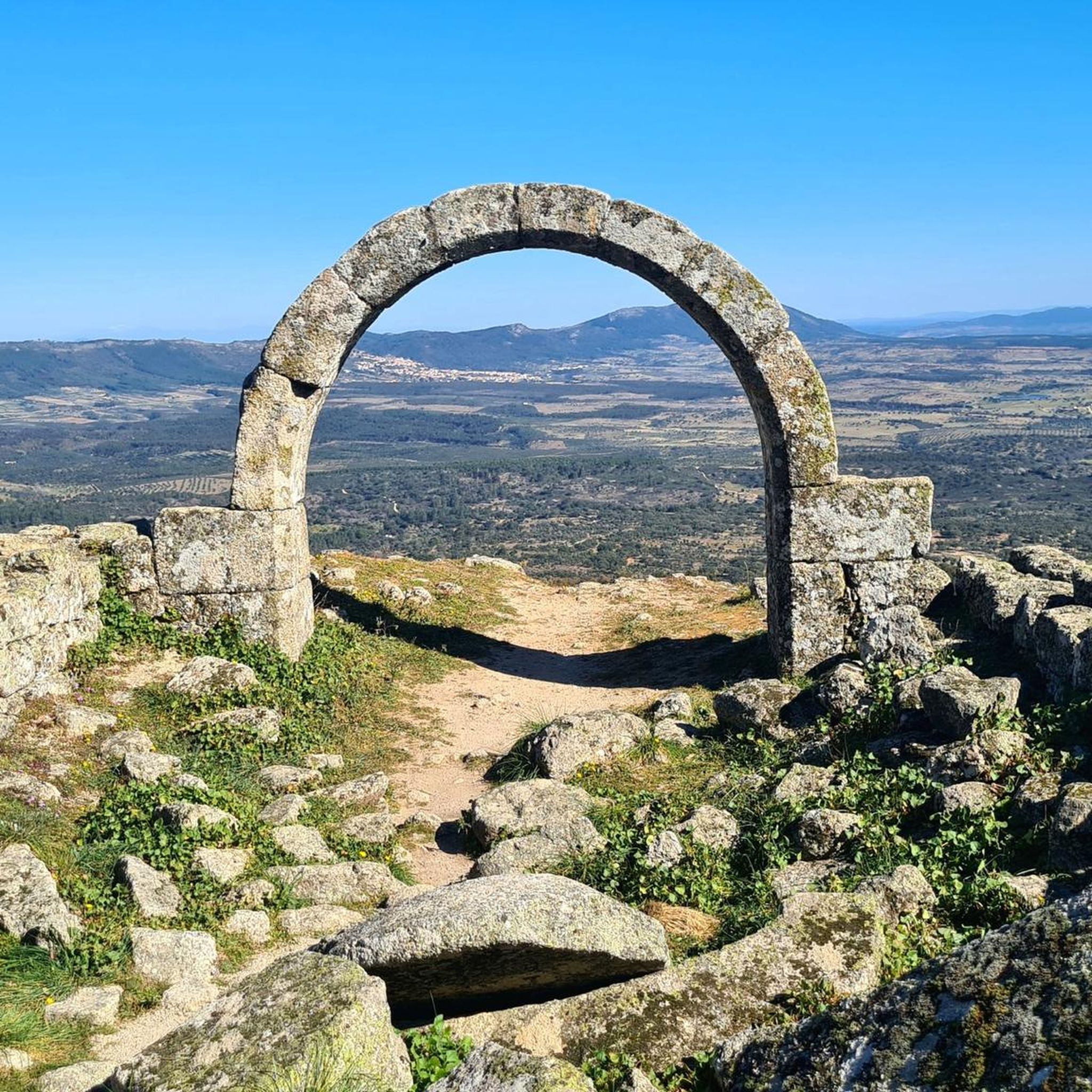
Hiking in Castelo Branco
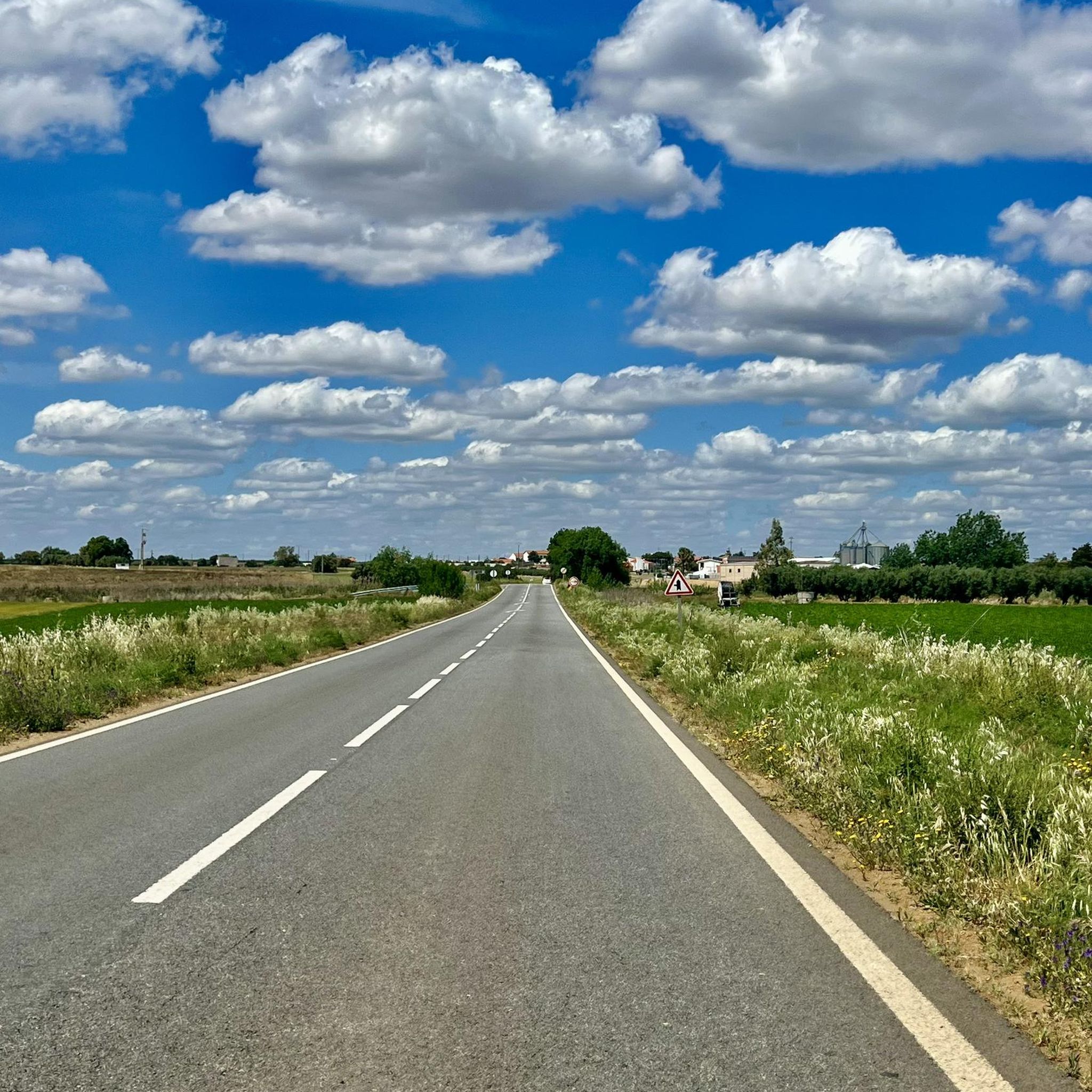
Road Cycling Routes in Castelo Branco
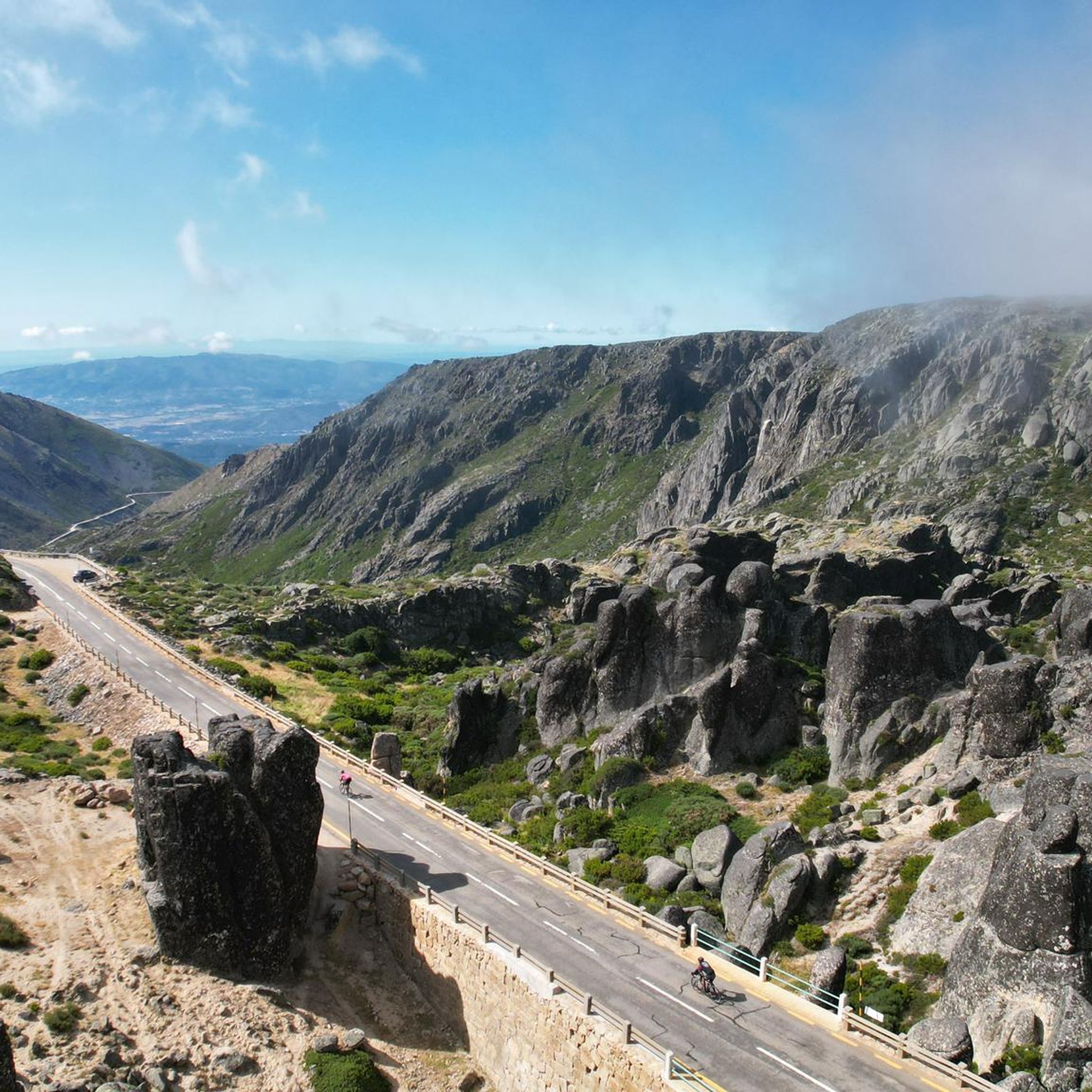
Cycling in Castelo Branco
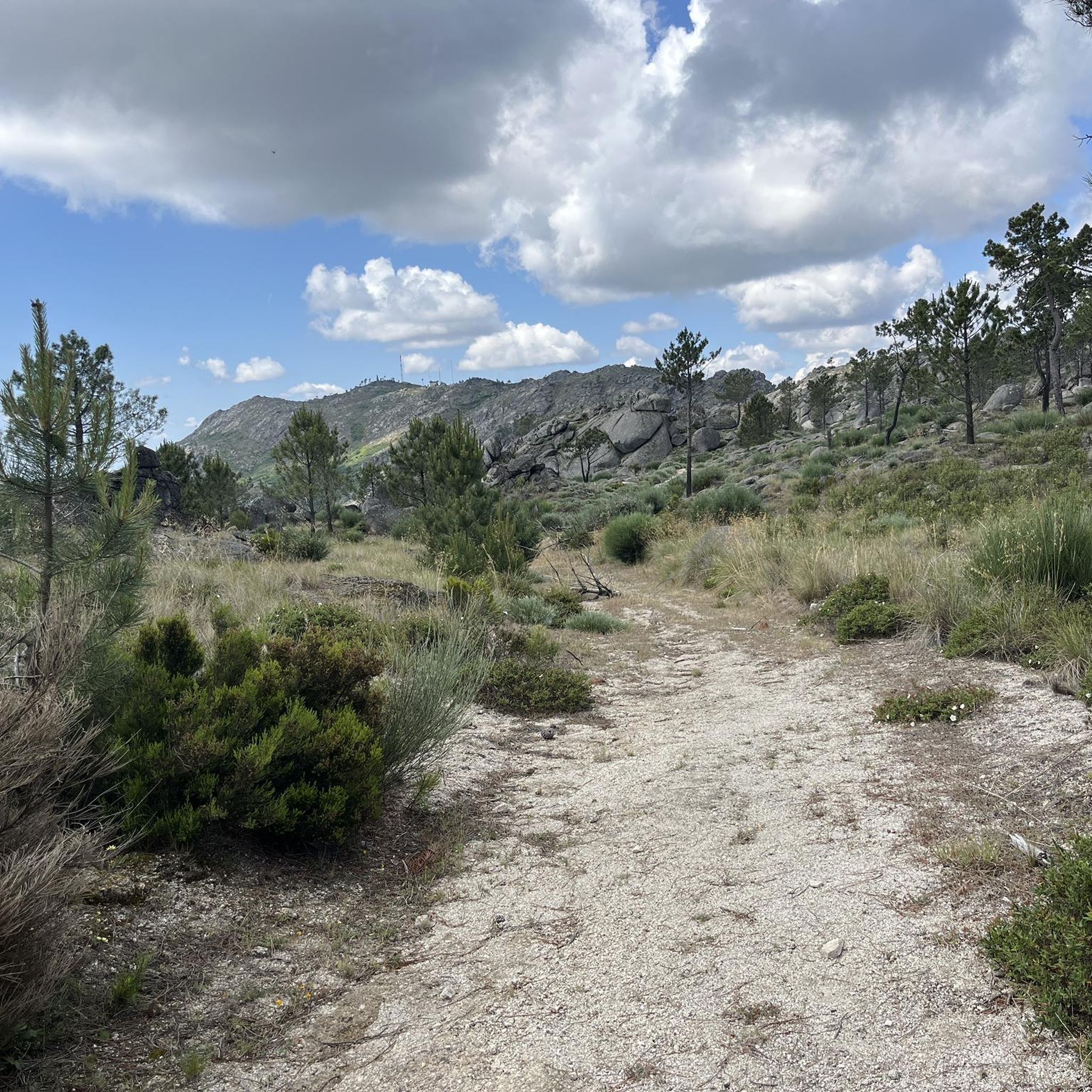
MTB Trails in Castelo Branco
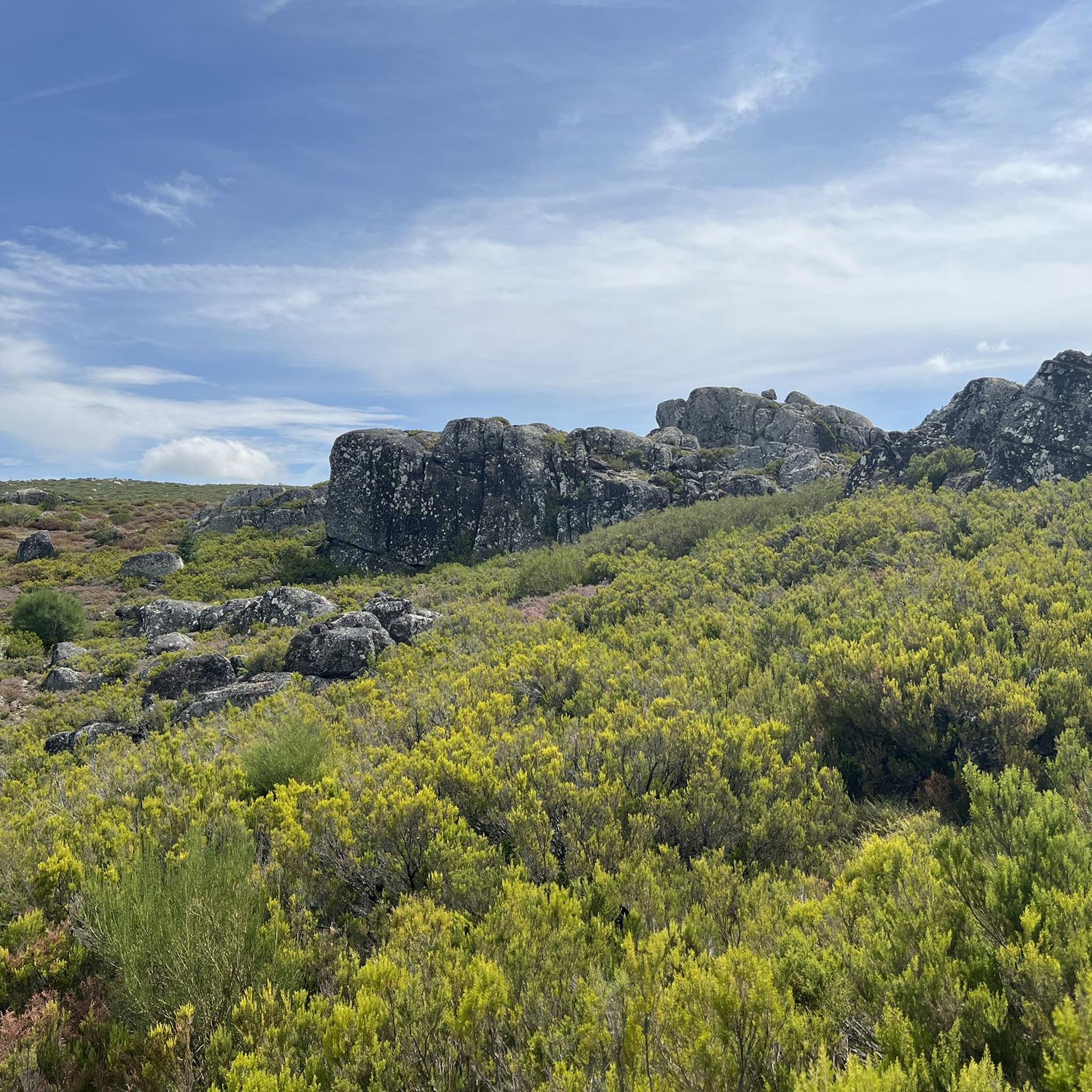
Running Trails in Castelo Branco

Gravel biking in Castelo Branco

Tips from the Community

Nestled on a hill overlooking the cliffs of the Serra da Gardunha, the village of Castelo Novo is linked to the early history of the nation. It was in 1208, during the reign of Sancho I, that Pedro Guterres donated the land—of which he was a grantee—in his will to the Knights Templar, and it is believed that at this time the castle was already under construction. Decades later, King Dinis ordered its structure to be renovated, and it was this campaign of works that gave the Castelo Novo fortress the Gothic characteristics it still displays today. Like many other villages along the Beira border, Castelo Novo grew in the shadow of and around its walls, with narrow streets winding up the hillside to the keep. In the center stands the Town Hall, with its arcades beneath the terrace of the main floor. In the center, integrated into the town hall's façade, stands the monumental and imposing King João V fountain, commissioned by King Magnanimous. Opposite, the Manueline pillory marks the center of the square, and further on, the main church dedicated to Our Lady of Grace rises, its white walls contrasting with the Baroque forms of the granite windows and portals. Throughout the village, as you wander the winding streets, you can discover architectural details, small traces that tell the story of its inhabitants. In Castelo Novo, be sure to visit: The castle; The Bica and King João V fountains; The main church and the Misericórdia church; The manor houses; The old gallows. The Castelo Novo Museum Center Alardo Park
1
0

Penamacor, once one of the most imposing border fortresses, still bears traces of its military importance. The medieval castle, classified as a National Monument, stands as a testament to the ancient defensive line of Beira. Amidst narrow streets and walls, memories of the Jewish quarter, a refuge for Jews expelled from Spain in 1492, also emerge. In this context, Penamacor is above all the birthplace of António Ribeiro Sanches, a physician, philosopher, and medical reformer who served Catherine of Russia.
2
0
In the heart of the Serra da Gardunha, the Historic Village of Castelo Novo rises from granite. The medieval village, marked by its Templar heritage and Manueline style, boasts a unique architectural heritage, from the castle to the Baroque fountains. The winding streets reveal stone houses, labyrinthine corners, and centuries-old memories. Between strolls and discoveries, there's no shortage of typical flavors: green eggs, toasted rice, tigelada, or chila pumpkin pastries. Here, your eyes and your stomach will feast.
2
0
Belmonte, one of the twelve Historic Villages of Portugal, is the home of Pedro Álvares Cabral and guardian of the country's largest Jewish community, a legacy that endured centuries of Inquisition. Between walls and memories, mystique and history abound, with the Serra da Estrela on one side and the Malcata Reserve on the other. The food completes the enchantment: Jewish flavors like fried offal coexist with broths, migas, esparregados, and traditional Beira sweets: rice pudding, papas de carolo, and filhós. Here, the landscape and the food merge into a delightful experience.
5
0
Classified as a National Monument, Belmonte Castle is an unavoidable symbol of the town's history. Built in the 13th century, it still preserves the imposing walls that form an open-air amphitheater, open to time and memory. In the 15th century, the fortress was transformed into a fortified manor house for the family of Pedro Álvares Cabral, the navigator who was born within these walls. A notable detail remains in the Manueline window of one of the facades: the family coat of arms carved into the granite, a true masterpiece from which you can see the Serra da Estrela mountain range.
3
0
Monsanto is a medieval village that is located in the municipality of Idanha-a-Nova, District of Castelo Branco, Portugal. It is located in eastern Portugal, not far from the border with Spain, giving it a strategic location in medieval times. A Knights Templar fortress was constructed on the highest point of the town, but this was destroyed in an explosion in the 19th century. In 1938, Monsanto was given the distinction of being “the most Portuguese village of Portugal,” during a government sponsored competition. Monsanto is famous for its boulders. The first settlers built small houses on the hilltop, wedging them between and under the boulders that were far too heavy to be moved. These small stone houses remain, creating one of Portugal’s most unique and charming towns to visit. Monsanto is also a filming location for Season 1 of the HBO House of the Dragon series.
4
0
On the granite summit of the Monsanto hill, on the right bank of the Pônsul River, this medieval border castle dominates the Historic Village, an architectural complex in which some stately homes with coats of arms and temples stand out, such as the ruins of the Romanesque Chapel of São Miguel. The castle and walls of Monsanto are classified as a National Monument by Decree published on 29 September 1948.
4
0

At the moment construction site at least one could visit part of the park
4
0
Frequently Asked Questions
Which castles in Castelo Branco offer the most impressive panoramic views?
Many castles in the Castelo Branco district are strategically located on hills, providing stunning vistas. Monsanto Castle, perched atop a granite hill, offers extraordinary panoramic views of Monsanto village and the surrounding Portuguese countryside, extending as far as Spain on a clear day. Similarly, Belmonte Historic Village's castle provides breathtaking views of the village and the Serra da Estrela region from its tower. The ruins of the Castle of the Templars of Castelo Branco also provide stunning views of Castelo Branco city below.
Are there any castles in the region with significant historical connections to famous figures or events?
Yes, Belmonte Historic Village is particularly notable. Its castle was transformed into a fortified manor house for the family of Pedro Álvares Cabral, the Portuguese explorer born within its walls. The village also has a profound and resilient Jewish history, with a beautifully preserved Jewish Quarter and Museum. Monsanto Castle and the Castle of the Templars of Castelo Branco were both constructed by the Knights Templar, highlighting their role as medieval border defenses.
What kind of outdoor activities can I do near the castles in Castelo Branco?
The Castelo Branco region offers various outdoor activities near its historic castles. You can find numerous hiking and cycling routes. For example, near Monsanto, there's an easy 'Historic Village of Monsanto – Monsanto Castle loop' hike. If you're looking for more challenging options, the region features mountain hikes like the 'Albufeira dos Conchos – Lagoa Redonda loop' or cycling routes such as the 'Green Tour of Belmonte'. You can explore more options in the Mountain Hikes in Castelo Branco, Easy hikes in Castelo Branco, and Cycling in Castelo Branco guides.
Which castles are located within or near charming historic villages?
Monsanto Castle is an integral part of Monsanto, known as the 'most Portuguese village of Portugal,' famous for its unique architecture integrated with giant boulders. Belmonte Historic Village is another of Portugal's historic villages, offering a blend of medieval grandeur and a rich Jewish heritage. Castelo Novo Castle Ruins are situated in the charming historic village of Castelo Novo, part of the network of 12 Historic Villages of Portugal, known for its cobblestone streets and traditional granite houses.
Are there any castles that are particularly family-friendly or offer unique experiences for children?
While specific family-friendly activities vary, exploring the unique village of Monsanto around Monsanto Castle, with its houses built into boulders, can be a captivating experience for children. The historical context and panoramic views from most castles, like Belmonte Historic Village, can also spark imagination and interest in history for older children.
What is the best time of year to visit the castles in Castelo Branco?
The Castelo Branco region generally experiences warm, dry summers and mild, wet winters. For comfortable exploration and hiking, spring (April-May) and autumn (September-October) are often ideal, offering pleasant temperatures and beautiful scenery. These periods avoid the peak heat of summer and the cooler, wetter conditions of winter, making it perfect for walking around the castle ruins and villages.
Can I find any museums or archaeological exhibits at these castles?
Yes, Penamacor Castle features a 16th-century keep tower that now functions as a museum. This museum exhibits an archaeological collection from excavations, providing insight into the area's long human occupation dating back to Neolithic times. In Belmonte, beyond the castle, the village boasts a Jewish Museum that narrates the story of the Crypto-Jews.
What are some unique architectural features to look for in the castles of Castelo Branco?
The castles in Castelo Branco showcase various architectural styles and features. Monsanto Castle contains ruins of Romanesque chapels and impressive defensive structures like the Torre do Pião. Belmonte Historic Village's castle features a notable Manueline window with the Cabral family's coat of arms. Castelo Novo Castle Ruins, rebuilt by King Dinis, exhibit distinct Gothic features, with its well-preserved keep still standing.
What do visitors enjoy most about the castles in Castelo Branco?
Visitors frequently highlight the stunning panoramic views from the castle sites, such as those from Monsanto Castle and Belmonte Historic Village. The historical significance, particularly the Templar connections and the rich cultural heritage of the surrounding villages, is also highly appreciated. Many enjoy the unique atmosphere of exploring ancient ruins and walking through charming, well-preserved historic villages.
Are there any castles that are particularly easy to access from the city center of Castelo Branco?
The Castle of the Templars of Castelo Branco is easily accessible, often just a short walk from the city center of Castelo Branco. Its central location makes it a convenient historical landmark to visit within the city itself.
Are there any specific hiking trails that incorporate visits to these castles?
Yes, for example, an easy hiking route called 'Historic Village of Monsanto – Monsanto Castle loop' starts from Castelo de Monsanto and allows you to explore the castle and its surrounding unique village. Many other trails in the region will take you through the landscapes where these historic structures are situated. You can find more details in the Easy hikes in Castelo Branco guide.
Most popular routes in Castelo Branco
Most popular attractions in Castelo Branco

Get inspired with the komoot mobile app


Didn’t find what you were looking for?
Explore Castelo Branco’s best castles region by region:
Explore more
Looking for the best castles somewhere else? Discover other guides in Castelo Branco:
