Top 6 Caves in Latina
Best caves in Latina offer a diverse range of geological formations and historical sites along the Tyrrhenian coast of Italy. The region features ancient Roman structures, significant archaeological discoveries, and natural sea caves carved into the coastline. These sites provide insights into both natural processes and human history, from prehistoric times to Roman engineering and wartime refuge. The varied landscape makes Latina a notable area for exploring underground environments.
Best caves in Latina
- The most popular caves is Tiberius' Grotto…
Last updated: October 2, 2026
Tiberius' Grotto
Highlight • Cave
Tip by

Tiberius' Cave and Fishpond of Sperlonga
Highlight • Cave
Translated by Google •
Tip by

Sign up now to discover places like this
Get recommendations on the best single tracks, peaks, & plenty of other exciting outdoor places.
Grotta delle Capre
Highlight • Cave
Translated by Google •
Tip by

Turk's Cave
Highlight • Cave
Tip by

Grotto of the Madonna of Fonte Grotta Nera
Highlight • Cave
Translated by Google •
Tip by

Fonte Cove
Highlight • Beach
Translated by Google •
Tip by

Lucia Rosa Beach and Capo Bianco Point
Highlight • Beach
Translated by Google •
Tip by

Start today with a free account
Your next adventure awaits.
Popular around Latina

Naples to North Cape — Two friends, one purpose and many scoops of ice-cream
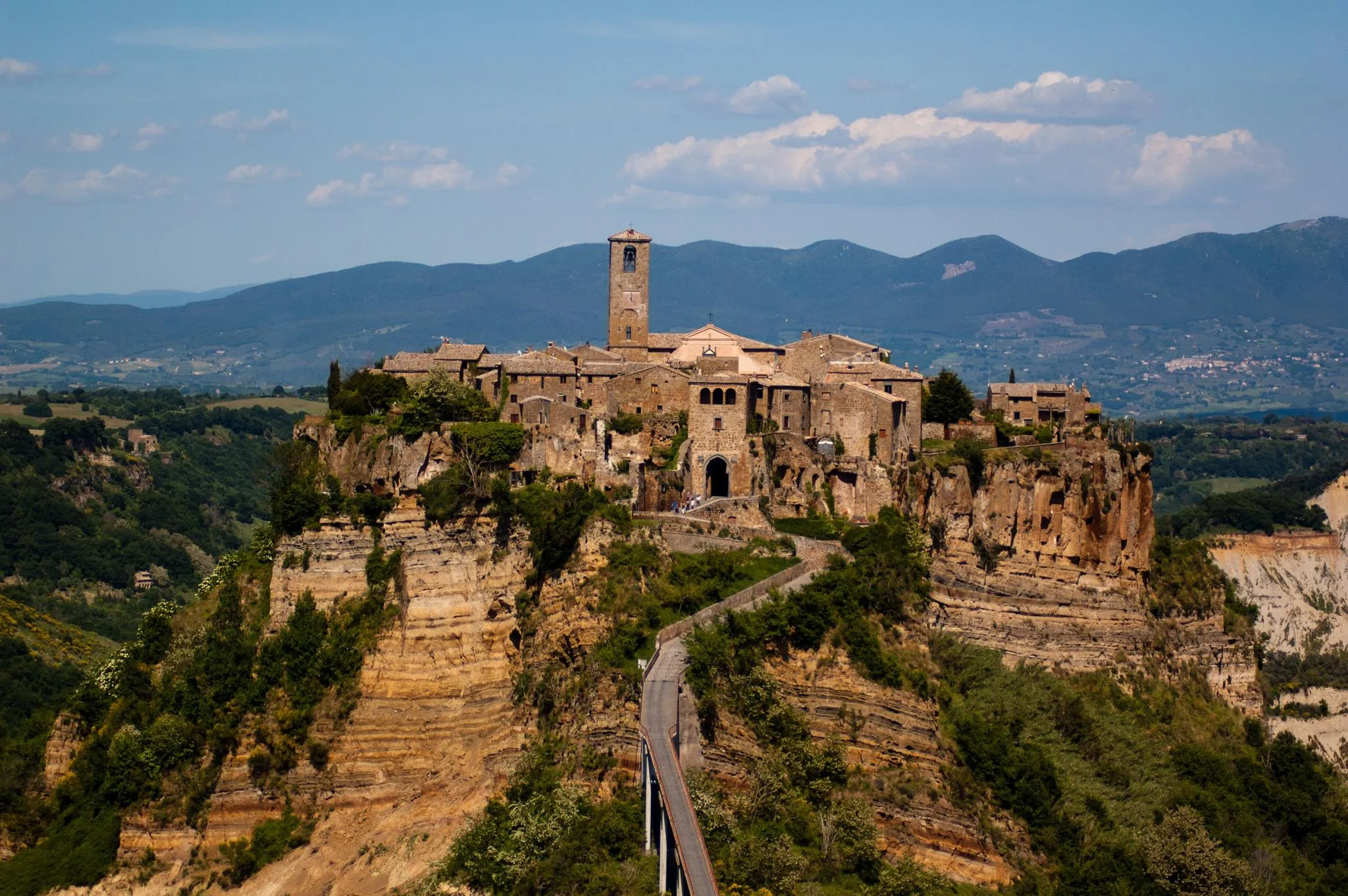
Lazio by bike – suspended villages, turquoise waters and natural parks
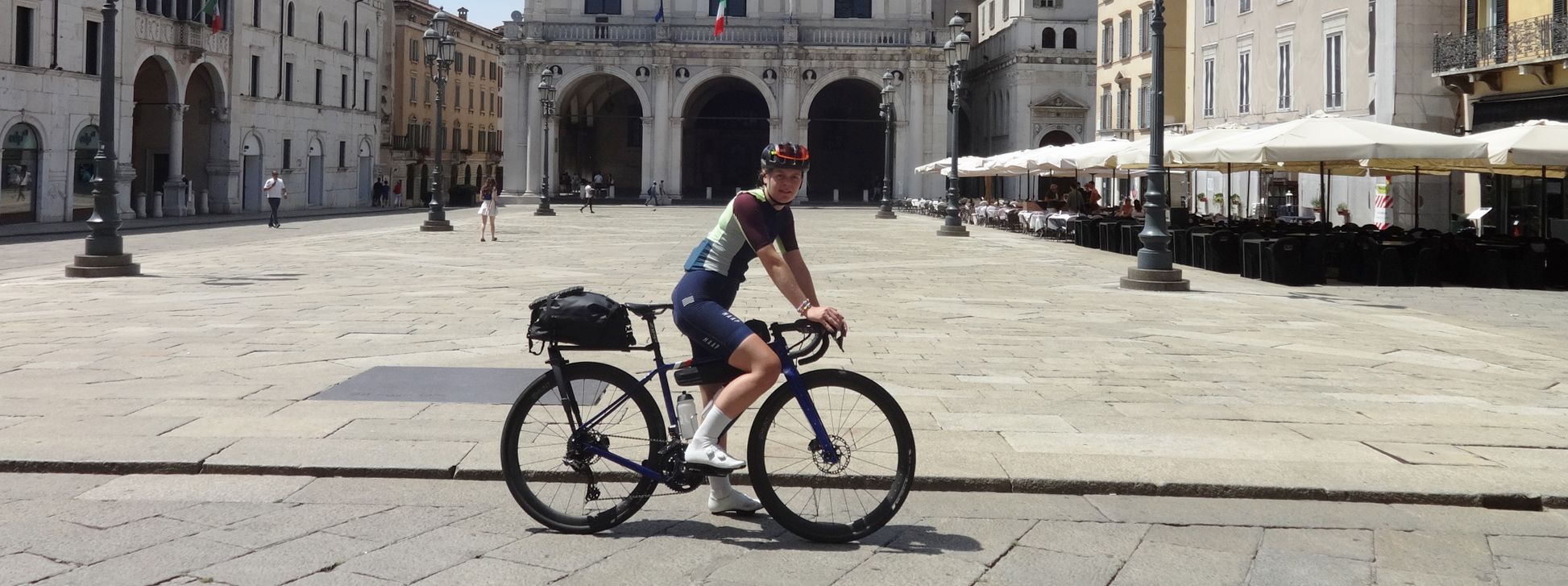
The Pizza Pilgrimage – Milan to Naples, fuelled by pizza
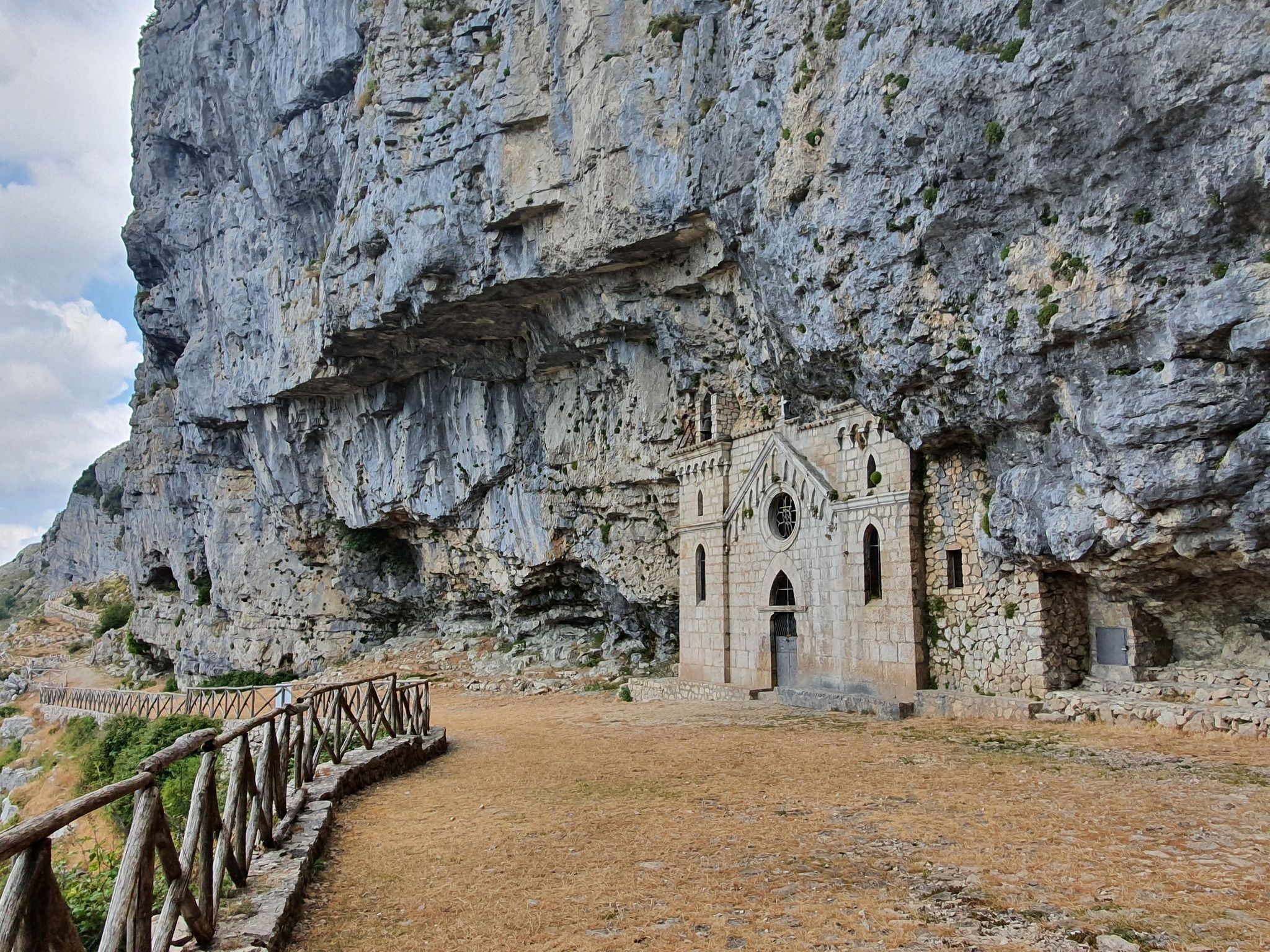
Explore Italy’s Aurunci Mountains by MTB
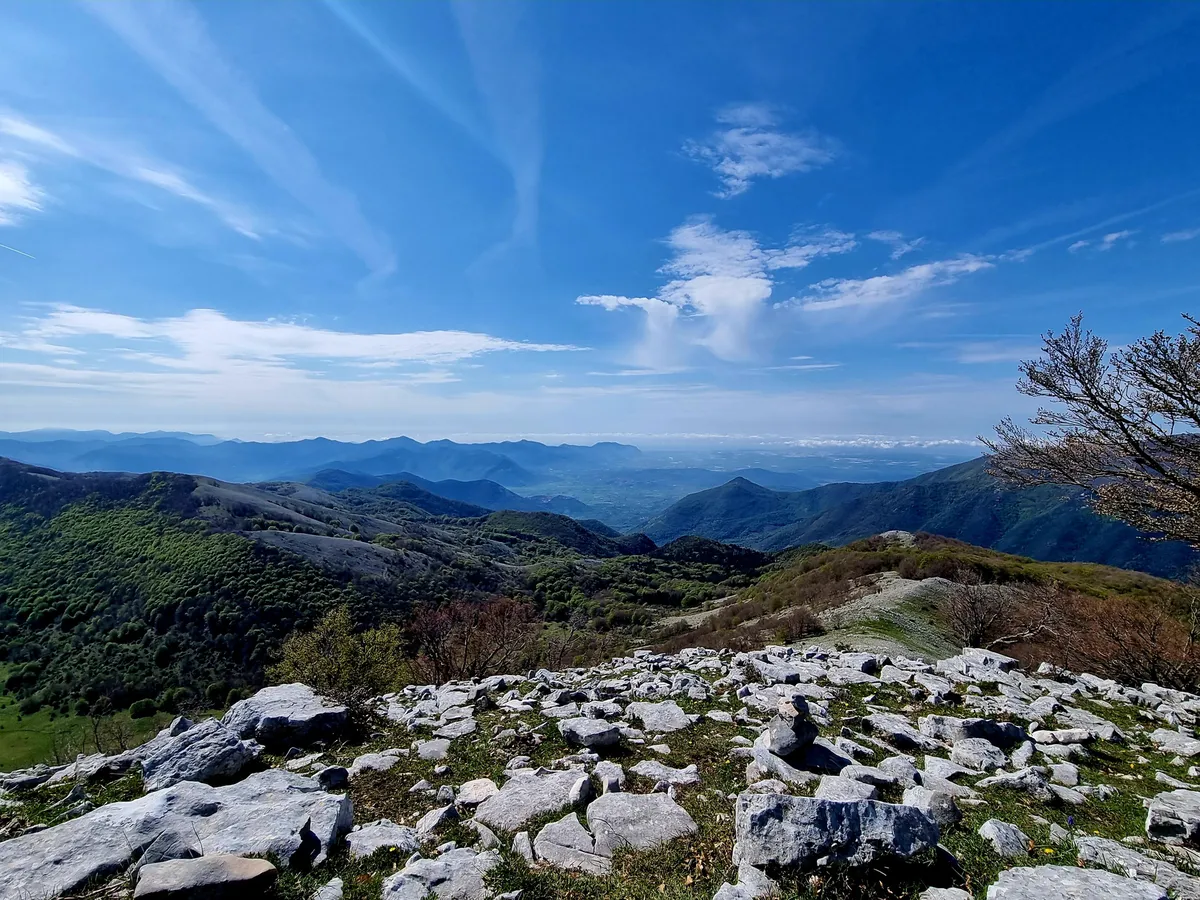
Views from the mountains to the sea – panoramic routes in the Lepini Mountains
Hiking in Latina
MTB Trails in Latina
Road Cycling Routes in Latina
Cycling in Latina
Running Trails in Latina
Other adventures in Latina


Tips from the Community

it's OK
1
0

An incredible place for glimpses and lights
0
0

The name comes from a tragic 19th-century love story: Lucia Rosa, a young local girl, threw herself off the cliff after her father forbade her to marry the boy she loved, a simple farmer. The stacks in front of the cove bear her name in memory of this legend. Lucia Rosa Beach, located on the western coast of the island of Ponza, is one of the most evocative and fascinating coves of the Pontine archipelago. It is an inlet characterized by spectacular cliffs with multi-colored colors, imposing stacks and numerous caves with small pebble beaches inside them. Off shore is the “Secca dei Mattoni”, where in 1985 a Roman wreck was found with amphorae dating back to the 1st century BC. Punta di Capo Bianco is located between the beach of Chiaia di Luna and the Faraglioni di Lucia Rosa, also on the western side of the island. It is a spectacular rock face of a surreal white that plunges sheer into a turquoise sea. The area is famous for the purity of the cliff color and for the presence of numerous caves, which can only be visited by small boats. The peregrine falcon nests on the rocks, which can be observed during canoe or rowboat excursions.
0
0

During the interglacial period, the height of the Mediterranean Sea was higher by 10/15 meters, and in fact Circeo was an island. Retreating, the sea dug a whole series of coastal caves, and the Grotta delle Capre (so called because it seems that the shepherds used it to protect the goats during rainy days) is one of these. In ancient times it seems to have been called "Grotta della Maga" because here, legend has it, the Sorceress Circe elaborated her spells. It is accessed from a descent called "Sentiero Marcello"
0
0


The Grotto of Tiberius is the most spectacular part of the Roman villa of Sperlonga. The enormous natural ravine is preceded by a large rectangular fish pond of sea water that housed an artificial island in the center that served as a summer caenatio, or the place where Tiberius and his court ate in the summer. The grotto was decorated with marble statues of enormous artistic value dedicated to the saga of Ulysses and sculpted by Greek artists from Rhodes. It is thought that these famous craftsmen stayed in the villa to finish the statues previously sketched in the workshop. The bottom of the grotto was decorated with frescoes and masonry works that divided the room into rooms and alcoves. Near the alcove, the remains of frescoes and decorations created with local shells and the spaces where the beds were probably placed are still visible. Above the external opening of the grotto there was the statue of a beautiful Ganymede kidnapped by the eagle Zeus. The fish pond communicates with the circular pool in the center of the cave where the sculptural group of the attack on the monster of Scylla, the most majestic of the four, stood out in a scenic position. Then there was the group of the blinding of Polyphemus, that of the abduction of the Palladium and that of Ulysses dragging the body of Achilles.
0
0
The Grotto of Tiberius A spectacular late Roman Republican villa. It overlooks a splendid sea and also houses the very rich National Archaeological Museum..... not to be missed, absolutely!
0
0

In 2004 some devotees restored the small cave above the spring, creating a testimony dedicated to the Madonna.
1
0
Frequently Asked Questions
What are the most historically significant caves in Latina?
The region is rich in historical caves. Tiberius' Grotto in Sperlonga is a prime example, once part of Emperor Tiberius' lavish villa, featuring an elaborate nymphaeum and sculptures. Another notable site is the Grotte Caetani in Cisterna di Latina, an extensive underground complex that served as a crucial refuge during World War II.
Are there any caves in Latina with archaeological importance?
Yes, several caves hold significant archaeological value. The coastline around San Felice Circeo features sites like Grotta Guattari, famous for the discovery of a Neanderthal skull, and Grotta del Fossellone, which has yielded important archaeological findings shedding light on ancient cultures.
Which caves in Latina are known for their unique natural formations or mystical atmosphere?
Turk's Cave in Gaeta is renowned for its mystical atmosphere and stunning rock formations, including the mythical 'Hand of the Turk'. The Grotta delle Capre near San Felice Circeo is a large sea cave known for its impressive size and the play of light within, formed by ancient sea levels.
Can I visit caves that were used for Roman aquaculture?
Absolutely. The Grotte di Pilato on the island of Ponza are ancient Roman marine caves carved into the tuff rock, believed to have been used as a sophisticated fish farm. Similarly, Tiberius' Cave and Fishpond of Sperlonga showcases advanced Roman engineering for aquaculture within the emperor's villa complex.
Are there family-friendly caves to explore in Latina?
Yes, Grotta delle Capre is considered family-friendly. It can be reached via a path suitable for everyone, including children, and offers access to the sea for a swim from inside the cave.
What kind of outdoor activities can I do near the caves in Latina?
The Latina region offers diverse outdoor activities. You can find numerous road cycling routes, such as the Riviera di Ulisse Loop Trail, or explore cycling tours like the Sperlonga, Gaeta, Itri ring tour. For hiking enthusiasts, there are waterfall hikes in Latina, including routes from Roccamonfina to the Conca della Campania Waterfall. You can find more details on these activities in the Road Cycling Routes in Latina, Cycling in Latina, and Waterfall hikes in Latina guides.
What do visitors enjoy most about the caves in Latina?
Visitors frequently praise the unique blend of natural beauty and historical significance. Many highlight the impressive scale of sites like Tiberius' Grotto and the stunning views from coastal caves. The accessibility of places like Grotta delle Capre, which offers both exploration and a chance to swim, is also highly appreciated.
Are there any religious or spiritual sites among the caves?
Yes, the Grotto of the Madonna of Fonte Grotta Nera is a cave with religious significance, serving as a natural monument and a religious building.
Are there any caves in Latina that are also beaches or coves?
Yes, some locations combine caves with beach access. Fonte Cove, located in the Le Forna area, features natural pools and caves dug by fishermen. Similarly, Lucia Rosa Beach and Capo Bianco Point also includes a cave alongside its beach and viewpoint.
What kind of geological features can I expect to see in Latina's caves?
The caves in Latina showcase diverse geological features, including impressive rock formations, sea-carved grottoes, and fossil furrows from ancient sea levels, as seen in Grotta delle Capre. The region's coastline is particularly rich in sea caves formed by natural processes over millennia.
Are there any hidden gem caves in Latina that are less known?
While many caves are well-known, the Grotte Caetani in Cisterna di Latina remains somewhat mysterious due to its unknown exact length and extensive underground network, offering a unique, less-traveled experience beneath the historic center.
Most popular routes in Latina
Most popular attractions in Latina

Get inspired with the komoot mobile app


Didn’t find what you were looking for?
Discover more caves in Latina region by region:
Explore more
Extend your search for the best caves by checking out these guides of the top ones in Latina:
