Top 5 Caves around St. Margrethen
Best caves around St. Margrethen are found in a region characterized by its proximity to the Rhine Valley and Lake Constance, within the canton of St. Gallen. While prominent natural cave systems are not a primary feature, the area offers unique historical cave structures and grottoes. These sites often integrate natural rock formations with human modifications, providing a glimpse into local history. The landscape around St. Margrethen is marked by its natural beauty and historical significance.
Best caves around St.…
Last updated: June 30, 2026
Felsenkeller Cave Near Burg Hoch-Altstätten
Highlight • Cave
Translated by Google •
Tip by

Rock Cellar
Highlight • Cave
Inside a curve with a diameter of about 3m, as well as in height.
Translated by Google •
Tip by

Sign up now to discover places like this
Get recommendations on the best single tracks, peaks, & plenty of other exciting outdoor places.
Sign up for free
Mount of Olives Grotto
Highlight • Cave
Translated by Google •
Tip by

Ramstel Cave
Highlight • Cave
A rope was attached to the …
Translated by Google •
Tip by
Start today with a free account
Your next adventure awaits.
Login or Signup
Popular around St. Margrethen
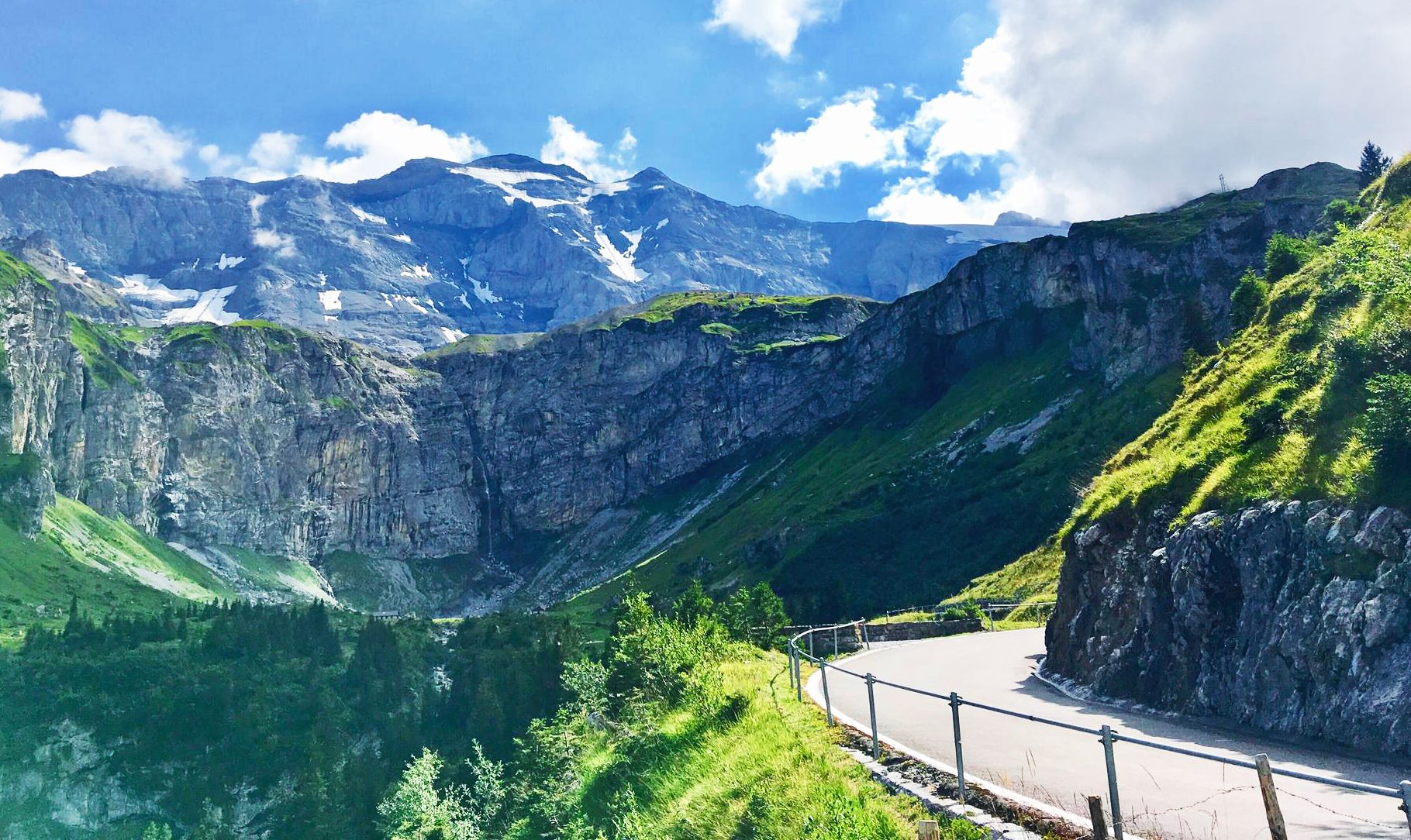
Alpine Panorama Route — 8 stages through the foothills of the Alps
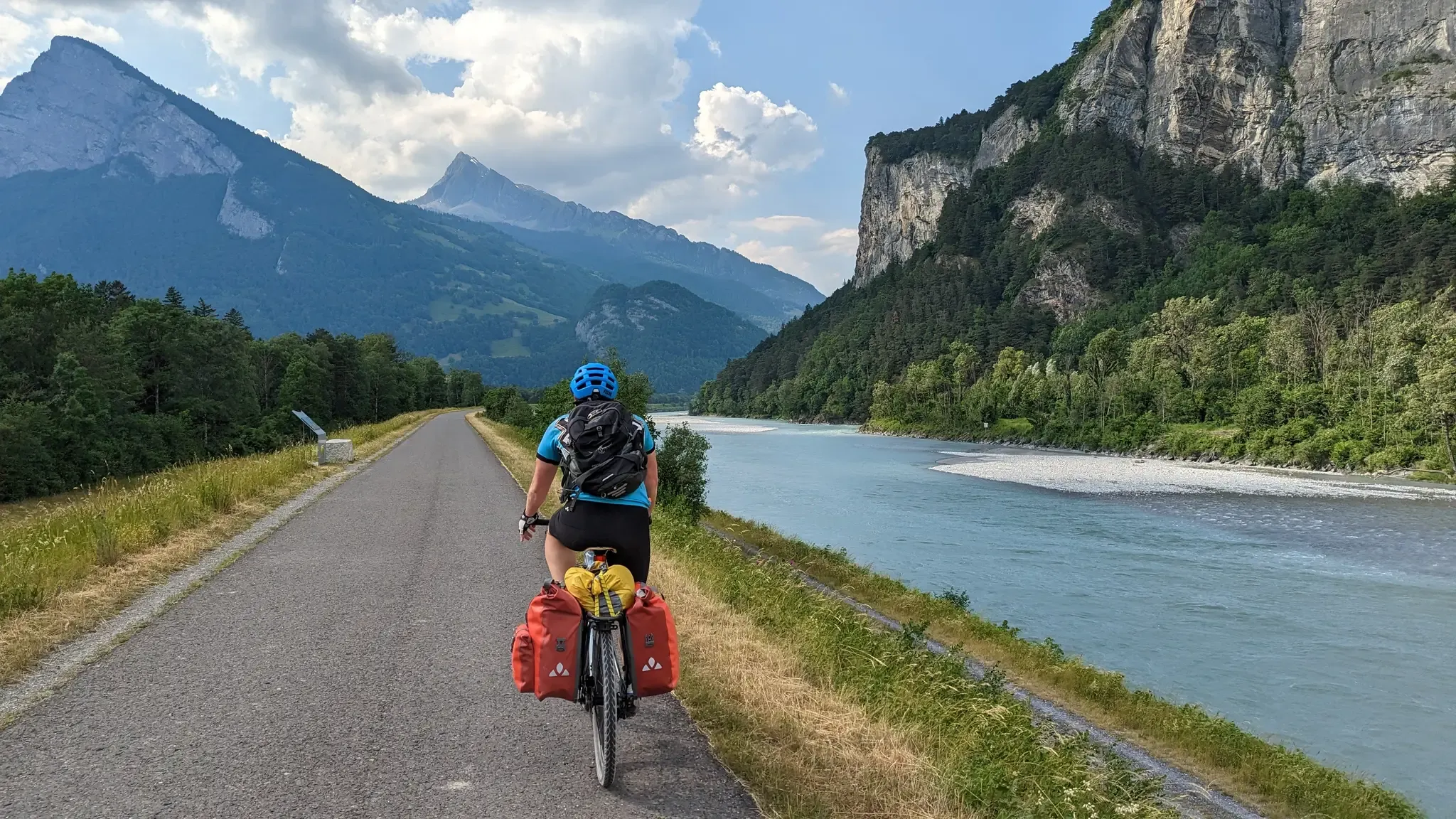
The Rhine Cycle Path — From the source to the North Sea
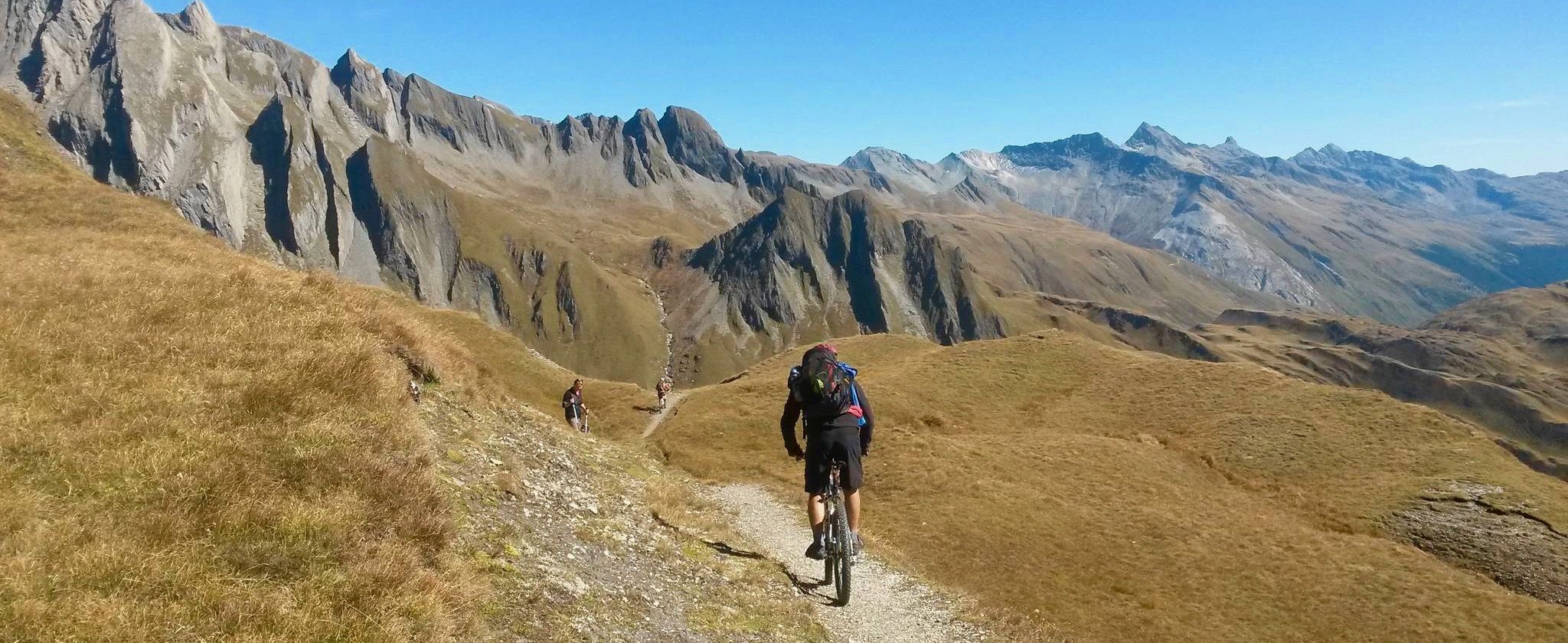
Up & down — mountain passes and singletracks for beginners
Road Cycling Routes around St. Margrethen
Cycling around St. Margrethen
MTB Trails around St. Margrethen
Hiking around St. Margrethen

Mountain Hikes around St. Margrethen
Running Trails around St. Margrethen
Gravel biking around St. Margrethen
Other adventures around St. Margrethen


Tips from the Community

Rock cellar in which a chapel was established. :)
0
0


The highlight is incorrectly placed. The grotto is directly on the other side of the monument.
1
0


The Felsenkeller is located near the Hoch-Altstätten Castle, a cave with a spherical diameter of about 3 m that was created by human hands and was probably used for storage, unfortunately there are no more doors. "Easy to reach on paths and supply roads from Altstätten, Marbach, Ober Lüchingen or St. Anton ..." also a fantastic mountain bike tour!
1
0

A small cave in the rock, possibly an earlier cellar. Protected by a double gate, one side of which, however, was torn off its hinges. Inside a curve with a diameter of about 3m, as well as in height.
0
0
The cave is a little hidden, but with the GPS you have to look for a hole in the floor, not a wall entrance. A rope was attached to the entrance through which you can slide down a good 20m. However, due to the difficult underground, I didn't dare to go any further, but it seems to go further. The cave is extremely slippery, even in hot weather, and good shoes, sturdy pants and good gloves are required to go just a few meters into it! CAUTION AND SECURITY ARE REQUIRED! Don't go in alone!
0
0

A wall in the rock is bricked up with an old door, the door is open, behind it a small unused rock cellar. Not very exciting.
0
0
Frequently Asked Questions
What kind of caves can I expect to find around St. Margrethen?
The St. Margrethen area is characterized by historical cave structures, grottoes, and rock cellars rather than extensive natural cave systems. These sites often combine natural rock formations with human modifications, offering insights into local history and unique architectural integration.
Is there a notable cave castle near St. Margrethen?
Yes, the unique Wichenstein Cave Castle near Oberriet, in the canton of St. Gallen, is a significant historical site. It's not a natural cave system for exploration, but a four-story castle structure built into a 15-meter-deep cave within a limestone cliff. It's steeped in local folklore and offers a glimpse into medieval architecture integrated with nature.
Are there any historical rock cellars or grottoes to visit?
Yes, you can visit several. The Felsenkeller Cave Near Burg Hoch-Altstätten is a historical, man-made cave likely used for storage. Another is the Rock Cellar, a small, man-made cave possibly an earlier cellar, protected by a double gate. The Mount of Olives Grotto is a religious building and historical site located near a monument on the north side of St. Gallus.
What is the difficulty level for exploring these cave sites?
Most of the historical cave structures and grottoes, like the Felsenkeller Cave or Mount of Olives Grotto, are generally accessible and considered intermediate in difficulty, often involving paths or short walks. However, sites like the Ramstel Cave are described as challenging, requiring caution, good shoes, and sturdy gear due to slippery conditions and a steep descent.
What outdoor activities can I do near these cave sites?
The region around St. Margrethen offers various outdoor activities. You can find numerous running trails, such as those listed in Running Trails around St. Margrethen. For cycling enthusiasts, there are options like the routes in Cycling around St. Margrethen and Road Cycling Routes around St. Margrethen, which include scenic rides along the Rhine and towards Lake Constance.
Are there family-friendly options for visiting caves or grottoes?
While the region doesn't have typical 'show caves' designed for families, historical sites like the Mount of Olives Grotto or the exterior of Wichenstein Cave Castle can be interesting for families, especially those with an interest in history and light walks. Always check the specific access and terrain for each site.
What is the best time of year to visit the cave sites around St. Margrethen?
The historical cave structures and grottoes around St. Margrethen can generally be visited year-round. However, for comfortable exploration and enjoying the surrounding natural beauty, spring to autumn (April to October) is often ideal. Winter visits are possible, but some paths might be slippery or less accessible due to snow or ice, especially for sites like Wichenstein Cave Castle which involves a steep ascent.
Can I bring my dog to the cave sites?
Many outdoor trails and areas around St. Margrethen are dog-friendly. For specific cave sites, it's best to check local regulations. For instance, the Wichenstein nature reserve, where Wichenstein Cave Castle is located, is generally accessible for dogs on a leash, but access inside the cave castle ruins might be restricted. Always ensure your dog is well-behaved and on a leash.
What should I wear when visiting these cave sites?
For most historical cave structures and grottoes, comfortable walking shoes are sufficient. If you plan to explore more challenging sites like the Ramstel Cave, sturdy, non-slip footwear, durable clothing, and gloves are highly recommended due to potentially slippery and rugged conditions.
Are there any viewpoints or natural landmarks near the cave sites?
Yes, the region around St. Margrethen is known for its natural beauty, including proximity to the Rhine Valley and Lake Constance. The ascent to Wichenstein Cave Castle, for example, offers scenic views over the Rhine valley. The Wichenstein nature reserve itself is a biotope and an important nesting site for various bird species, providing natural interest beyond the historical structure.
How can I get to the cave sites, and is parking available?
Access to many sites, including the Felsenkeller Cave, is often described as easy to reach on paths and supply roads from nearby towns like Altstätten. For Wichenstein Cave Castle, it's accessible via a steep but rewarding ascent. Parking availability varies by site; it's advisable to check local information for specific locations. Public transport options might involve bus routes to nearby villages, followed by a walk.
What makes Wichenstein Cave Castle unique?
Wichenstein Cave Castle is unique because it's a castle built directly into a large natural cave within a vertical limestone cliff. It's not just a cave, but an integrated medieval structure with a four-story design and thick front walls. Its historical significance, local legends of robber barons and cursed treasure, and its location within a nature reserve make it a distinctive site.
Most popular routes around St. Margrethen
Most popular attractions around St. Margrethen

Get inspired with the komoot mobile app


Explore more
Extend your search for the best caves by checking out these guides of the top ones around St. Margrethen:
