Top 5 Castles around Centovalli
Best castles around Centovalli offers a glimpse into the region's historical fortifications and sites. The Centovalli region, known for its traditional villages and scenic landscapes, connects Switzerland and Italy. While grand castles are not prominent within the valley itself, the area features significant historical structures. These sites provide insight into the region's past as an important transit route and its local heritage.
Best castles around Centovalli
- The most popular castles is Visconti Castle, a castle that was expanded by…
Last updated: October 3, 2026
Iron House
Highlight • Historical Site
Translated by Google •
Tip by

Visconti Castle
Highlight • Castle
Translated by Google •
Tip by

Sign up now to discover places like this
Get recommendations on the best single tracks, peaks, & plenty of other exciting outdoor places.
Hotel Castello Seeschloss
Highlight • Castle
Tip by

San Materno Castle Museum
Highlight • Castle
Translated by Google •
Tip by
Fortezza di Pro
Highlight • Historical Site
Translated by Google •
Tip by

Start today with a free account
Your next adventure awaits.
Popular around Centovalli
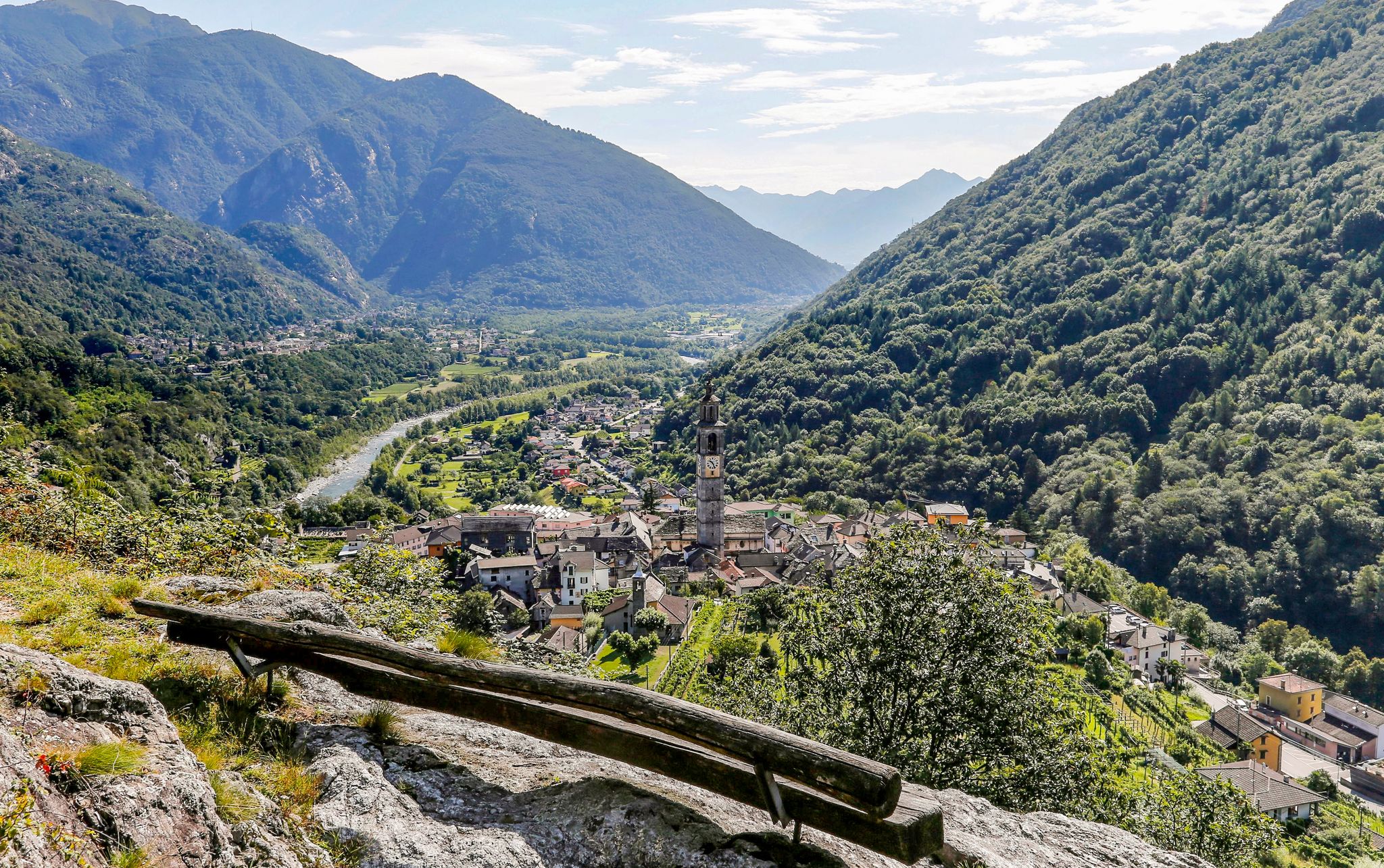
3 days in mediterranean Ticino - Blogger Hike Challenge 2019
Ticino — Between heaven and formaggini
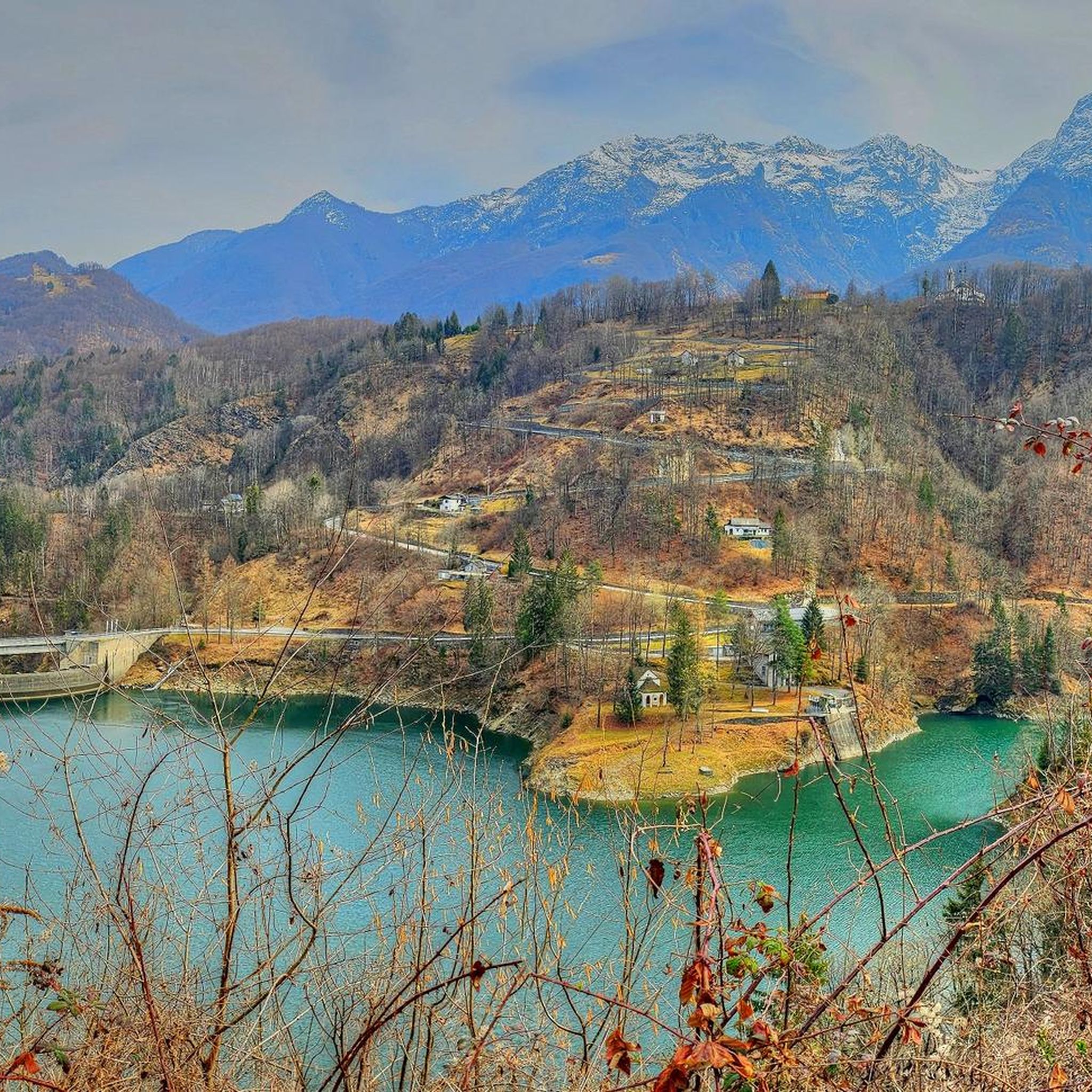
Hiking around Centovalli
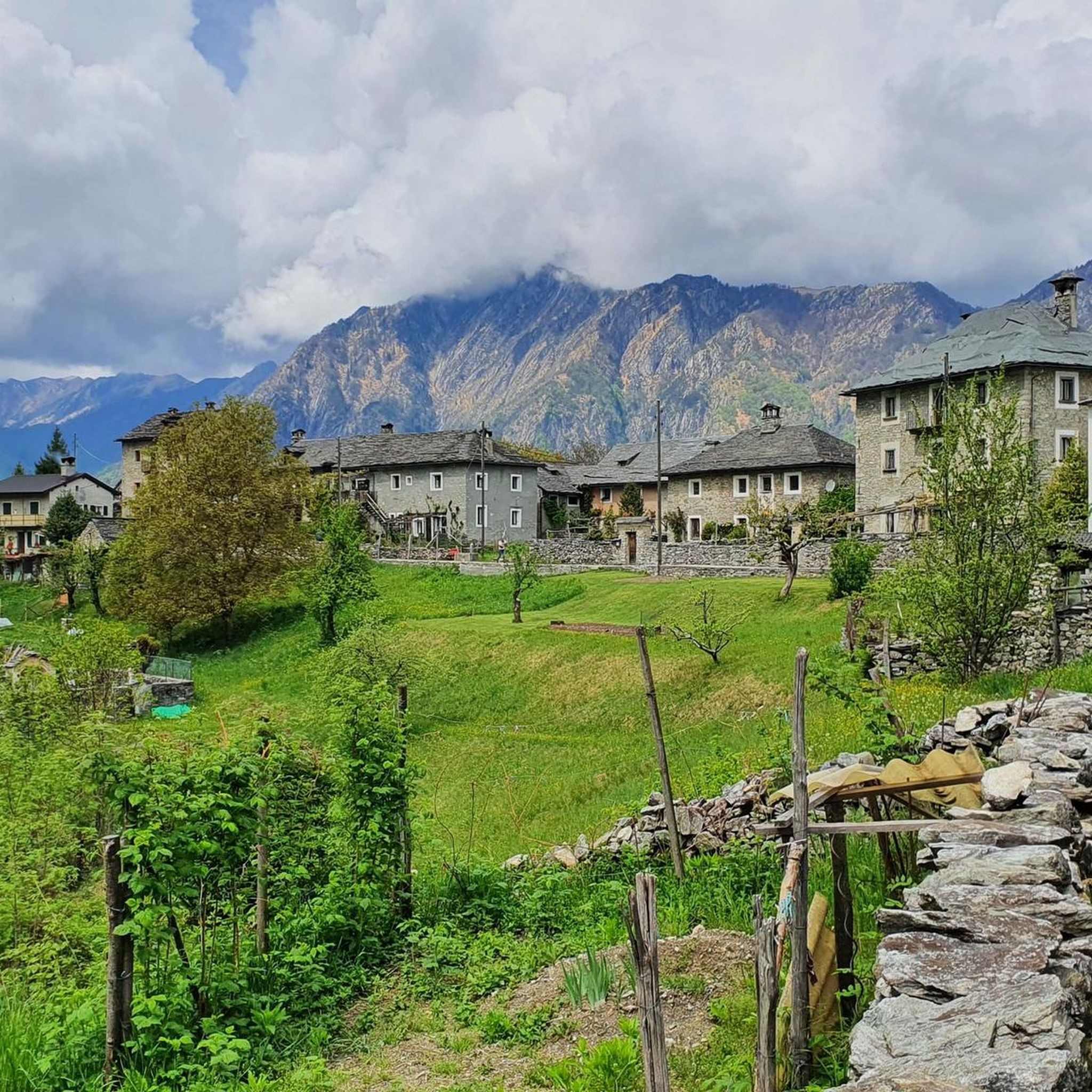
Cycling around Centovalli
Running Trails around Centovalli
Road Cycling Routes around Centovalli
MTB Trails around Centovalli
Mountain Hikes around Centovalli
Gravel biking around Centovalli

Tips from the Community

The historic fortress was built in 1558 by Peter von Pro of Uri as a barracks for his mercenaries and as a warehouse. The building was added to the inventory of cultural assets of the Canton of Ticino in 1997.
0
0

The castle houses two museums and is very close to the city centre. From there it is just a few minutes' walk to Piazza Grande
0
0

Medieval structure in good condition and well integrated into the urban context
0
0

Built in 1560 according to the wishes of the Uri mercenary leader Peter A Pro, as a military base for the recruitment of mercenaries. The complex includes one massive square-plan building with a projecting top part, with walkway and machicolations. Adjacent is a rectangular two-floor building, with iron gratings on the ground floor windows. Inside are corridors and hiding places. It’s also known as “La Vignaccia”. Close to Minusio are also the ruins of the “Fraccia”, a wall with towers built during the Fourteenth Century. Unfortunately, it's not open to the public.
0
0
The castello was built in the first half of the 13th century and was the residence of the Milanese Noble family de'Ghiriglioni. The small fortress originally encompassed an area of 41 x 54 metres enclosed by a wall with 4 guard towers at each corner. The south-eastern wall bordered directly on the lake and had its own jetty. Moats around the three remaining walls offered further protection from potential aggressors. After 400 years the de'Ghiriglioni family returned to Milan in the 17th century. While the Western area of the castle was almost completely destroyed over the centuries, the Eastern part remains and ist today the Hotel Castello Seeschloss. You can stay in the south-eastern tower.
1
0

The historic San Materno Castle revives, after careful restoration, as a modern space for exhibitions of the municipality of Ascona in all its splendor. Thanks to a happy agreement between the community and the Kulturstiftung Kurt and Barbara Alten, the castle houses a permanent collection of more than forty works by German artists, the most important from the end of the nineteenth century until after the First World War.
1
0
Of ancient origin, it was conquered in 1342 by the Milanese Visconti family and subsequently expanded. In 1532, after the victory of the Confederates over the Milanese, it was largely demolished and of the five towers only one remained. The castle currently houses the Archaeological Museum, which houses a considerable collection of Roman glasses from archaeological excavations in the region, including the famous "Bird's Chalice".
3
0

Built as a recruiting ground for Swiss mercenaries in the 16th century, this fort is now privately owned and one of the most interesting monuments in the area.
2
0
Frequently Asked Questions
What kind of historical sites can I explore around Centovalli?
While traditional grand castles are not prominent directly within the Centovalli valley, the region and its surroundings offer a rich array of historical sites. You can visit medieval structures like Visconti Castle, which houses an Archaeological Museum, or explore fortifications such as the Iron House, built in the 16th century for Swiss mercenaries, and the Fortezza di Pro. The nearby city of Bellinzona also boasts three UNESCO World Heritage-listed castles.
Are there any family-friendly historical sites or castles in the Centovalli region?
Yes, Visconti Castle is considered family-friendly and houses an Archaeological Museum, which can be engaging for children. Additionally, the village of Intragna, with its impressive bell tower and Regional Museum, offers an interesting historical experience for families. The car-free village of Rasa, accessible by cable car, provides a peaceful setting to explore traditional architecture.
Can I visit historical sites that are now hotels or museums?
Absolutely. Visconti Castle hosts an Archaeological Museum, and the San Materno Castle Museum offers exhibitions of German artists. For a unique experience, part of the 13th-century Hotel Castello Seeschloss, originally a residence for a Milanese noble family, is still preserved and operates as a hotel.
What outdoor activities can I do near the historical sites around Centovalli?
The Centovalli region is excellent for outdoor activities. You can find numerous options for hiking, including moderate loop tours between Intragna, Costa, and Ponte Romano. There are also opportunities for road cycling and gravel biking, with routes offering views of Lake Maggiore and the Melezza River.
Are there any historical sites that are not open to the public?
Yes, the Iron House, a 16th-century fort built for Swiss mercenaries, is now privately owned and unfortunately not open to the public. However, its exterior is still an interesting monument to observe.
What are some unique historical features in the Centovalli region, beyond traditional castles?
Beyond traditional castles, Centovalli offers unique historical features such as the 1578 Roman Bridge (Ponte Romano) over the Melezza River in Intragna, considered the oldest bridge in the region. Palagnedra's Church of San Michele preserves a notable collection of late Gothic frescoes by Antonio da Tradate, and Rasa features traditional stone houses and a church dedicated to Saint Anne, offering a glimpse into untouched village life.
What is the best time of year to visit the historical sites around Centovalli?
The Centovalli region is beautiful throughout the warmer months. Spring and autumn offer pleasant temperatures for exploring historical sites and engaging in outdoor activities like hiking and cycling. Summer is also popular, though it can be warmer, especially in the valleys.
Are there any historical sites with significant architectural details?
Yes, the Iron House is notable for its massive square-plan building with a projecting top part and iron gratings on ground floor windows. The Church of San Gottardo in Intragna, reconstructed in 1722, features a baroque altar and the highest church bell tower in Ticino.
Can I find information about the local history and traditions of Centovalli?
Yes, the Regional Museum for the Centovalli and Pedemonte, located in a 17th-century dwelling in Intragna, offers insights into local history and traditions. It covers topics such as the craft of chimney sweeps and the production of nut oil and traditional cloth shoes.
What kind of views can I expect when visiting historical sites in Centovalli?
Many historical sites in Centovalli offer stunning panoramic views. For instance, climbing the bell tower in Intragna provides expansive vistas of the surrounding landscape. The village of Rasa, nestled on a natural terrace at 900 meters, offers tranquil views of the valley and mountains.
Are there any historical sites that were important for military purposes?
Yes, the Iron House was built in the 16th century as a fort for Swiss mercenaries. Similarly, the Fortezza di Pro, built in 1558, served as barracks for mercenaries and a warehouse, highlighting the region's strategic importance as a transit route.
What is the historical significance of Palagnedra in Centovalli?
Palagnedra holds historical importance as the administrative and religious center for the 13th-century Centovalli valley community during the Middle Ages. It is home to the Church of San Michele, which served as the mother church of the valley and contains significant late Gothic frescoes.
Most popular routes around Centovalli
Most popular attractions around Centovalli

Get inspired with the komoot mobile app


Explore more
Looking for the best castles somewhere else? Discover other guides around Centovalli:
