Top 4 Caves around Oberdiessbach
Best caves around Oberdiessbach are found within a region characterized by its natural landscapes, including the Glütschbachtäli valley. This area features diverse geological formations, offering opportunities for exploration. The terrain includes forests and river valleys, providing a varied environment for outdoor activities. These natural features contribute to the appeal of the area for those interested in discovering underground formations.
Best caves around Oberdiessbach
- The most popular caves is Glütschbachtäli Stalactite Caves, a cave that is part of a relaxing…
Last updated: June 30, 2026
Glütschbachtäli Stalactite Caves
Highlight (Segment) • Cave
Translated by Google •
Tip by

Glütschbachtäli Forest Trail and Caves
Highlight • Trail
Translated by Google •
Tip by

Sign up now to discover places like this
Get recommendations on the best single tracks, peaks, & plenty of other exciting outdoor places.
Sign up for free
Forest Trail and Cave Entrance
Highlight (Segment) • Cave
Translated by Google •
Tip by

Cave Under Haslirain
Highlight • Cave
Translated by Google •
Tip by

Start today with a free account
Your next adventure awaits.
Login or Signup
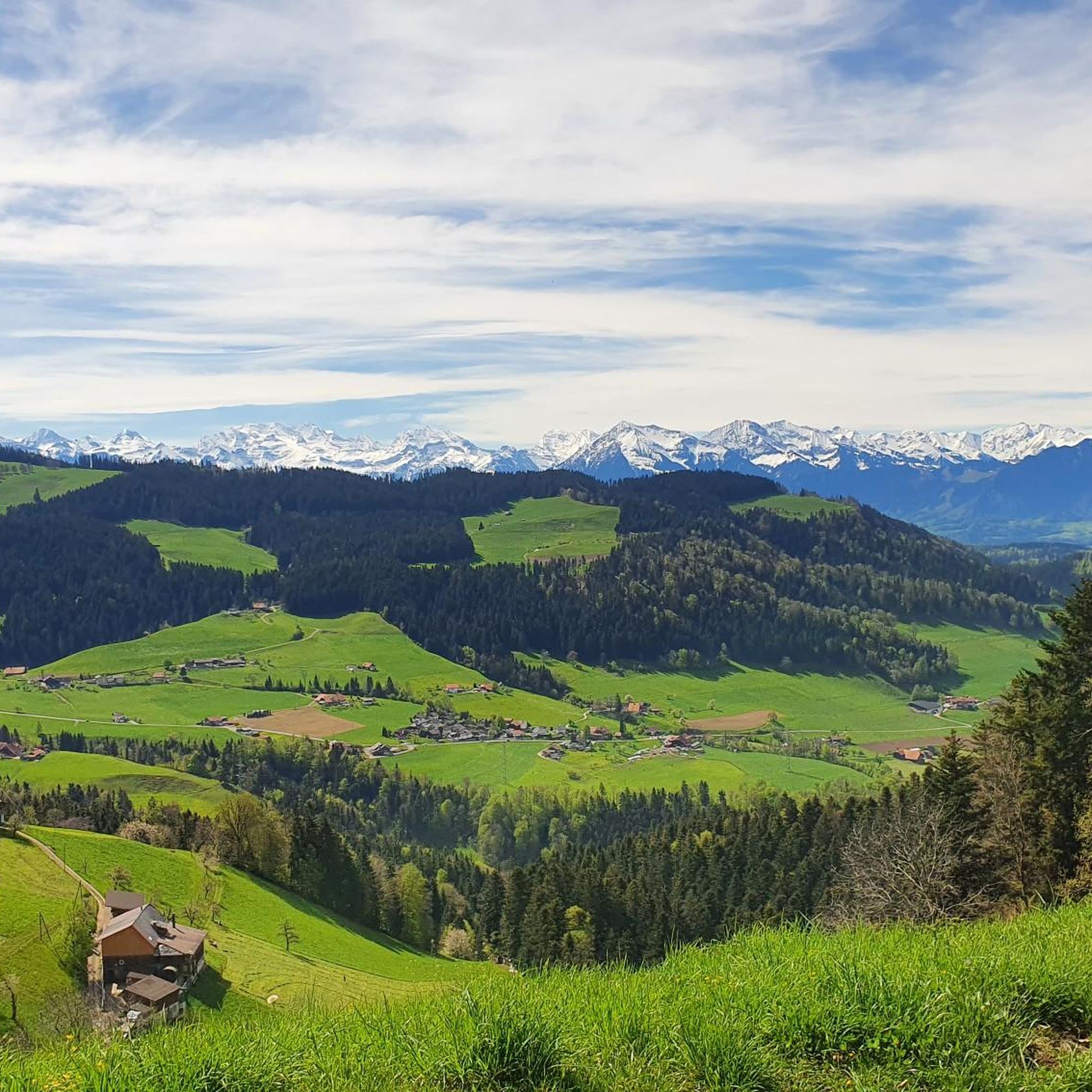
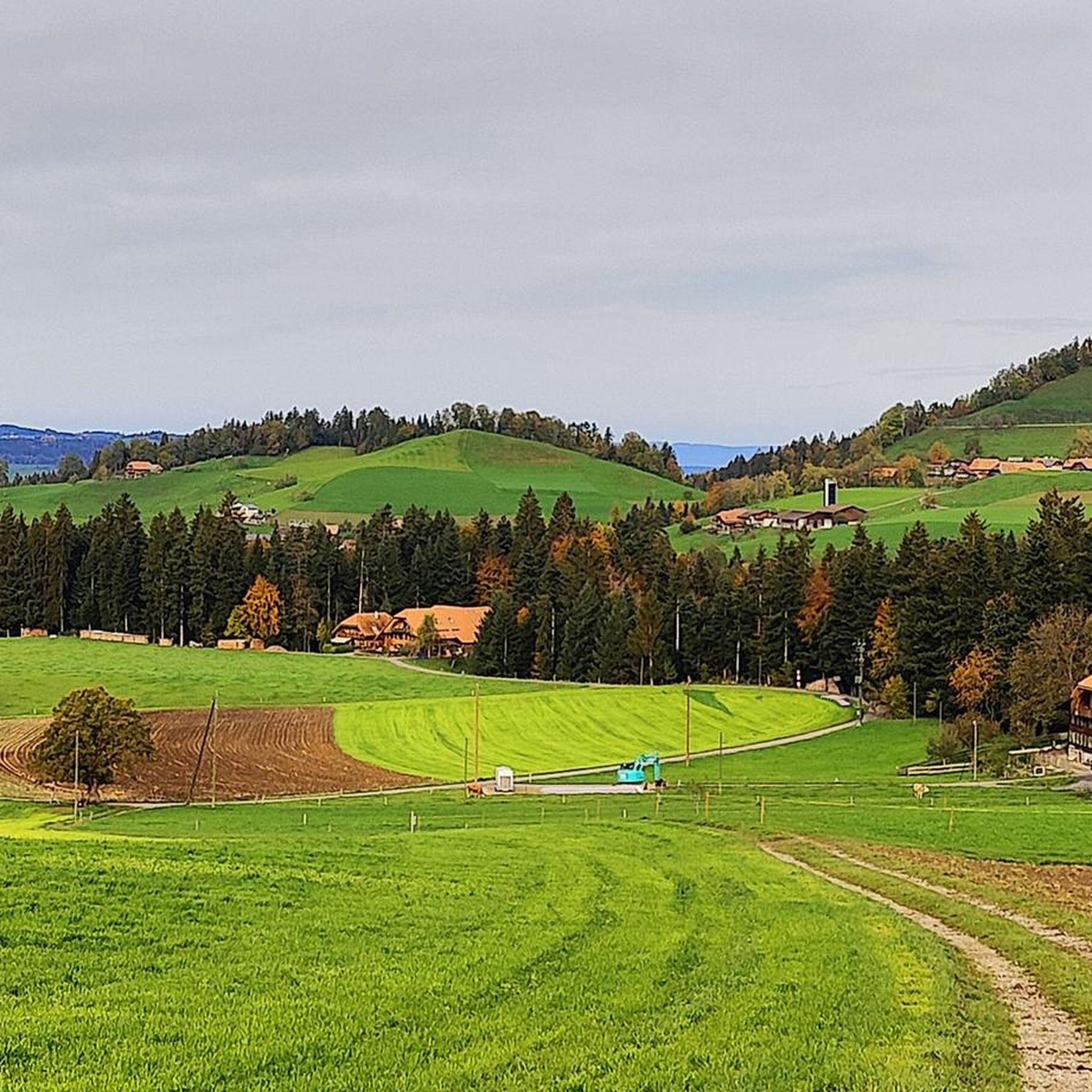
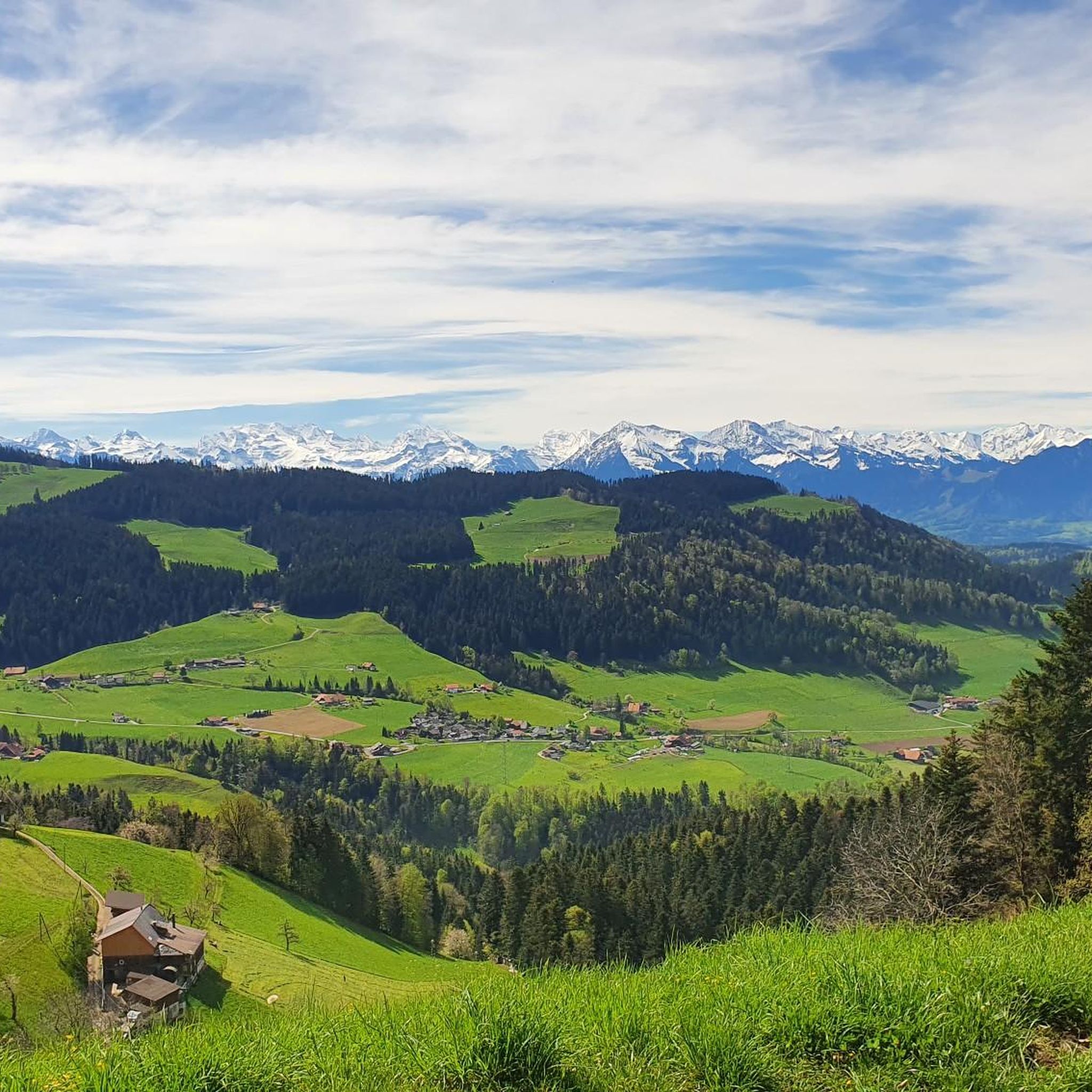
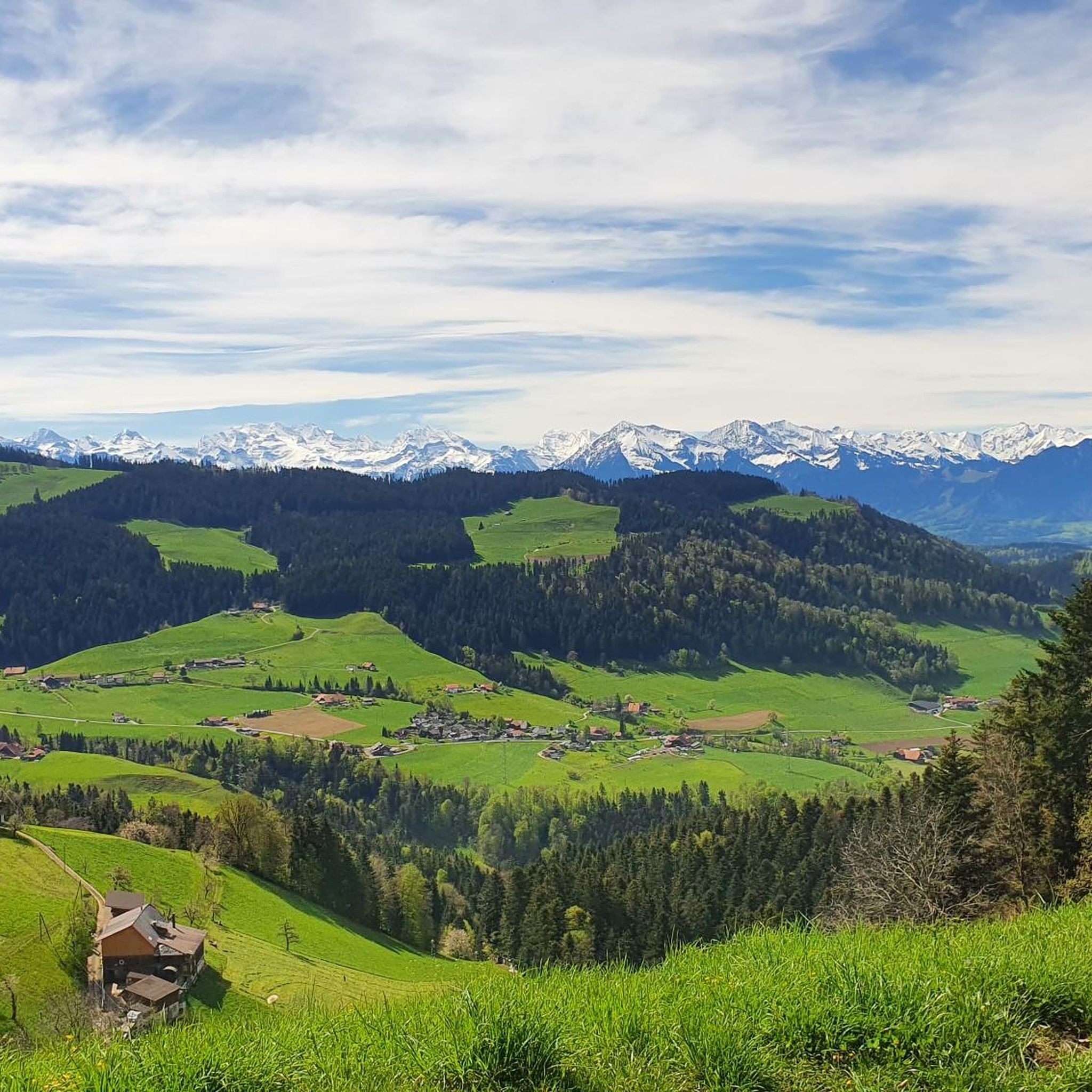

Tips from the Community

The Gültschbachtal is definitely worth a visit. By bike, mountain bike or on foot
0
0

Relaxed, shady rest area with a cave feeling.
0
0

Cave on the edge of the Witaumatte below the Haslirain
0
0

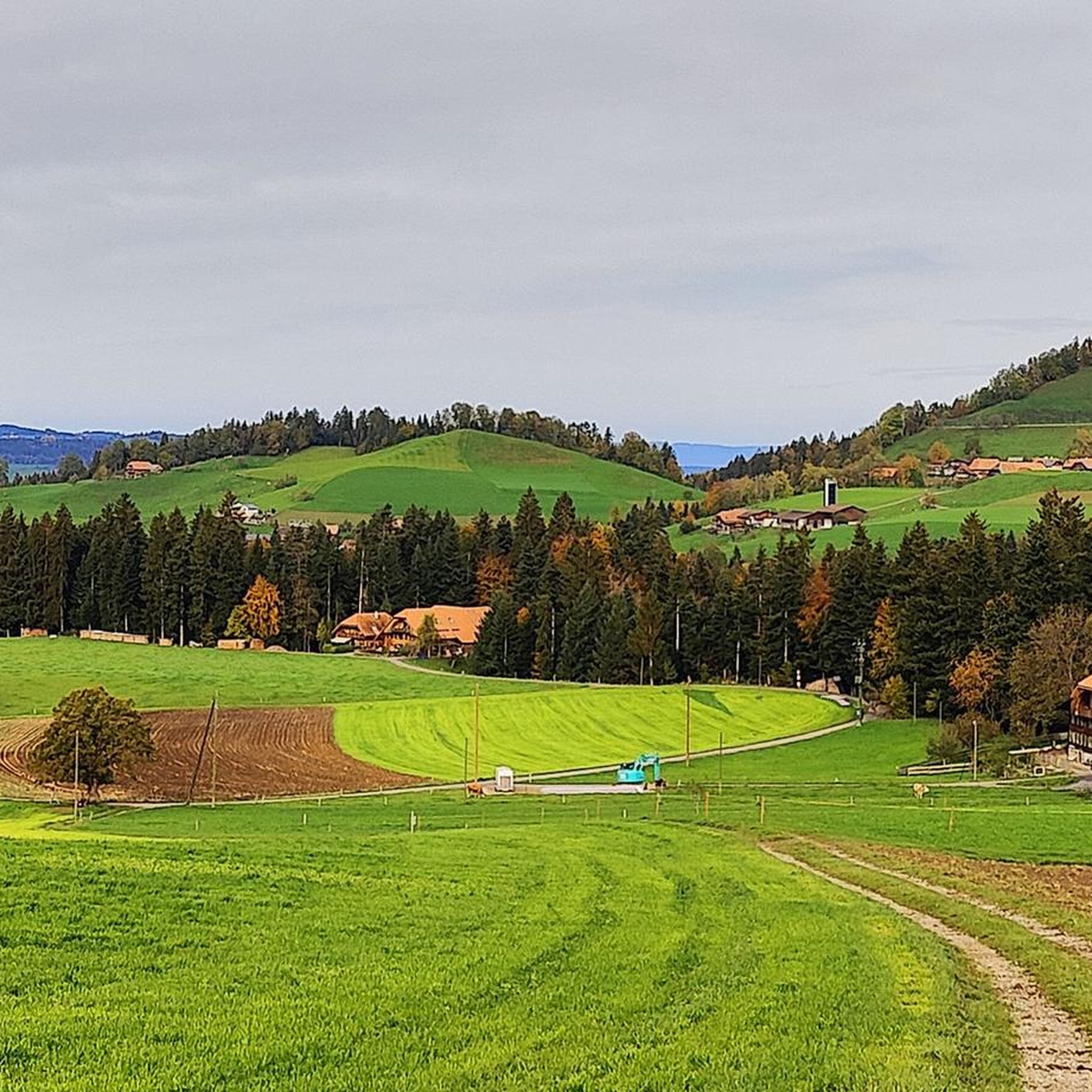
To describe the hike as moderate is "exaggerated". The term light is more appropriate. You always walk along the Glütschbach, which flows from Reutigen to Uttigen and there into the Aare. What many people don't know is that the Glütschbach is the old course of the Kander river before the Kander was diverted into Lake Thun with a puncture at the beginning of the 18th century, which in turn caused many floods in Thun. In any case, the hike through Glütschbachtäli is pure relaxation - except that the noise from the motorway is a bit disturbing. If you start in Allmendingen, you can easily hike to Hani. Since the flow speed of the creek is very low, children can play safely on and in the creek and launch their own boats (tree bark and pieces of wood). If you are lucky, you can watch the beaver below the stalactite caves as they cut down trees, strengthen their dams and expand their castle more and more.
2
1

Beautiful dirt road along the Glütschbach
0
0

Always beautiful through the unknown Glütschbachtäli back to the starting point. Also for lingering and picnics.
0
0

Natural stream in the forest
0
0

Very nice bike path in the woods.
1
0
Frequently Asked Questions
What types of caves can I explore around Oberdiessbach?
The region offers a variety of caves, from natural formations to stalactite caves. You can find the Glütschbachtäli Stalactite Caves known for their formations, the natural Cave Under Haslirain, and the Forest Trail and Cave Entrance. Further afield, the St. Beatus Caves feature extensive tunnel systems with underground streams and waterfalls, while the Schafloch offers historical insights into a former ice cave.
Are there family-friendly caves in the Oberdiessbach area?
Yes, the Glütschbachtäli Stalactite Caves are considered family-friendly, offering a relaxing hike along the Glütschbach where children can safely play. The St. Beatus Caves also provide illuminated paths suitable for families, with a museum and restaurant on-site.
What historical or archaeological significance do the regional caves hold?
The Schafloch, near Röthenbach im Emmental, is historically significant. It was expanded for logistical purposes and has yielded over 5000 bone finds, predominantly from extinct cave bears, along with the oldest man-made stone tools in the canton of Bern. These tools are now displayed in the historical museum in Bern.
What are the unique natural features of the caves near Oberdiessbach?
The Glütschbachtäli Stalactite Caves are notable for their stalactite formations. The St. Beatus Caves boast an extensive tunnel system with numerous underground streams and impressive waterfalls, along with diverse stalactites and stalagmites. The Schafloch, while no longer containing ice, maintains a humid climate within its 600-meter passage.
How accessible are the caves around Oberdiessbach for different activity levels?
The hike to the Glütschbachtäli Stalactite Caves is considered light and relaxing. The Cave Under Haslirain is accessible by walking or cycling. For more adventurous explorers, the Schnurenloch and Mamilchloch (part of the Schafloch cave trail) require good shoes, a headlamp, and involve navigating a mountain path, natural tunnel, and ladders. The St. Beatus Caves offer well-maintained, illuminated paths for easy exploration.
What outdoor activities can I combine with a visit to the caves?
The Glütschbachtal, where several local caves are located, is ideal for hiking, walking, and cycling. You can find various road cycling routes, MTB trails, and gravel biking routes around Oberdiessbach. The St. Beatus Caves are near Lake Thun, offering opportunities for water activities or lakeside strolls.
Are there specific hiking trails that lead to or past caves in the region?
Yes, the Glütschbachtäli Stalactite Caves are part of a relaxing hike along the Glütschbach. The Schafloch is part of a cave trail that also includes the Zwärgliloch and Mamilchloch, offering different levels of hiking and exploration.
What is the best time of year to visit the caves near Oberdiessbach?
The St. Beatus Caves maintain a cool temperature of 8-10°C year-round, making them a good destination even on hot summer days or during rain. For the more natural and less developed caves like those in the Glütschbachtal or the Schafloch, spring to autumn generally offers the most pleasant weather for outdoor exploration and hiking to the cave entrances.
What should I wear or bring when exploring caves in this region?
For developed caves like St. Beatus, comfortable walking shoes and a light jacket are recommended due to the constant cool temperature. For more adventurous caves like the Schnurenloch and Mamilchloch, good hiking shoes, a headlamp, and appropriate gear for navigating mountain paths and ladders are essential.
Are there any caves with unique legends or stories?
Yes, the St. Beatus Caves are associated with a legend telling of a fire-breathing dragon that Saint Beatus drove away from the caves.
How long does a typical visit to a regional cave system take?
A visit to the St. Beatus Caves typically takes about 2.5 hours to explore the illuminated paths and enjoy the facilities.
Can I find ice caves in the wider region?
The Schafloch, located near Röthenbach im Emmental, is historically described as a natural ice cave. While it no longer contains ice, it maintains a humid climate and offers insights into its past as an ice-bearing formation.
What do other visitors say about the caves in the Oberdiessbach area?
Visitors appreciate the relaxing hikes, the chance to observe local wildlife like beavers near the Glütschbach, and the beautiful drives or walks through lush vegetation leading to cave entrances. The Glütschbachtal is highly recommended for its natural beauty.
Most popular routes around Oberdiessbach
Most popular attractions around Oberdiessbach

Get inspired with the komoot mobile app


Explore more
Extend your search for the best caves by checking out these guides of the top ones around Oberdiessbach:
