Top 4 Caves around Sintra-Cascais Natural Park
Best caves around Sintra-Cascais Natural Park are located within a region characterized by its dramatic coastline and lush mountains. This area features both natural sea caves, carved by the Atlantic, and man-made subterranean networks with historical significance. The park offers a diverse range of geological formations and unique underground experiences. Visitors can explore various cave types, from coastal arches to symbolic grottoes.
Best caves around Sintra-Cascais Natural Park
- The most popular caves is Boca do Inferno (Hell’s Mouth) Rock Arch…
Last updated: May 3, 2026
Waterfall Lake
Highlight • Lake
Translated by Google •
Tip by

Virgin Grotto
Highlight • Cave
Translated by Google •
Tip by
Sign up now to discover places like this
Get recommendations on the best single tracks, peaks, & plenty of other exciting outdoor places.
Sign up for free
Cova de Frei Honório
Highlight • Cave
Translated by Google •
Tip by

Start today with a free account
Your next adventure awaits.
Login or Signup
Popular around Sintra-Cascais Natural Park
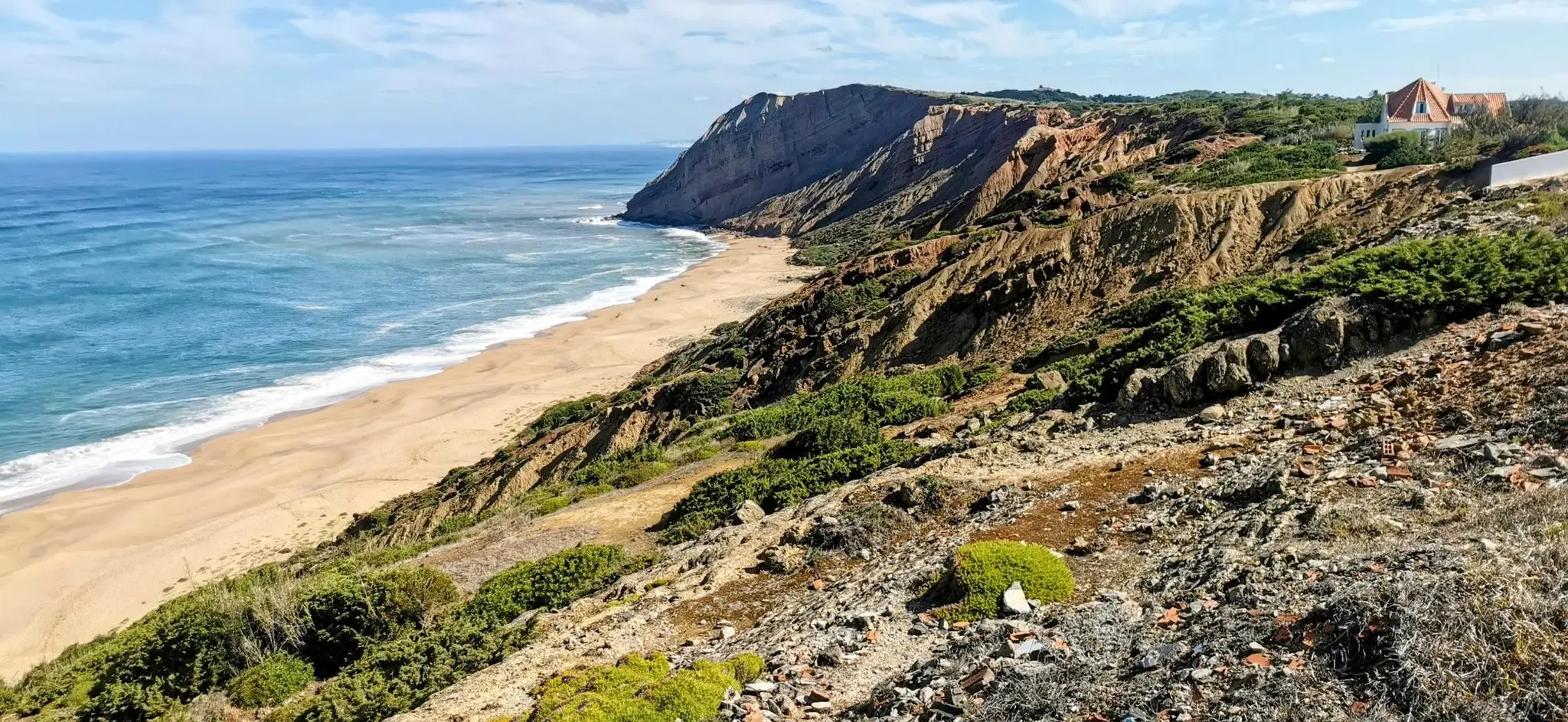
EuroVelo 1 Portugal – Cycle the Atlantic Coast
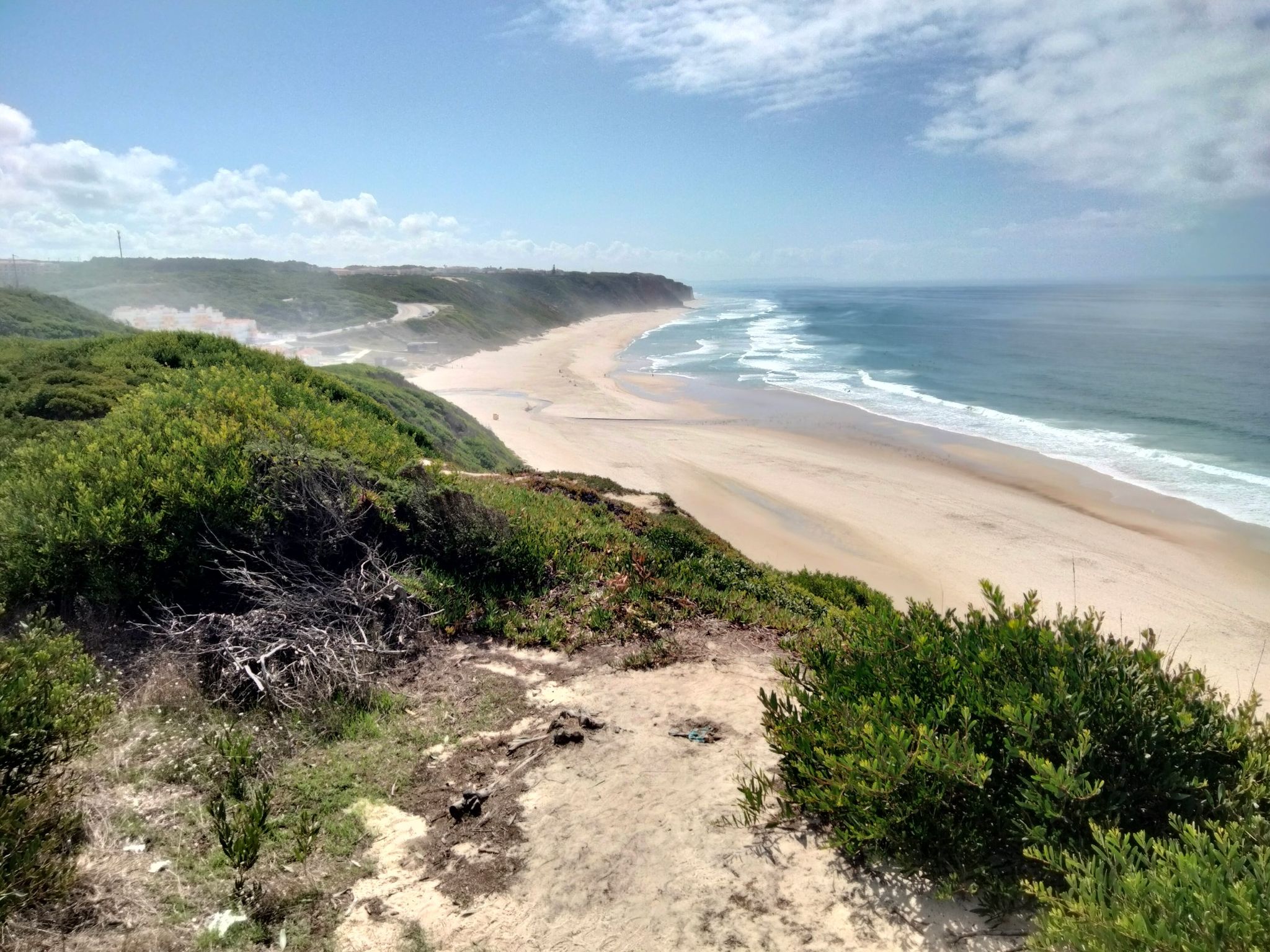
Portugal's Atlantic coast (north) – from Caminha to Lisbon
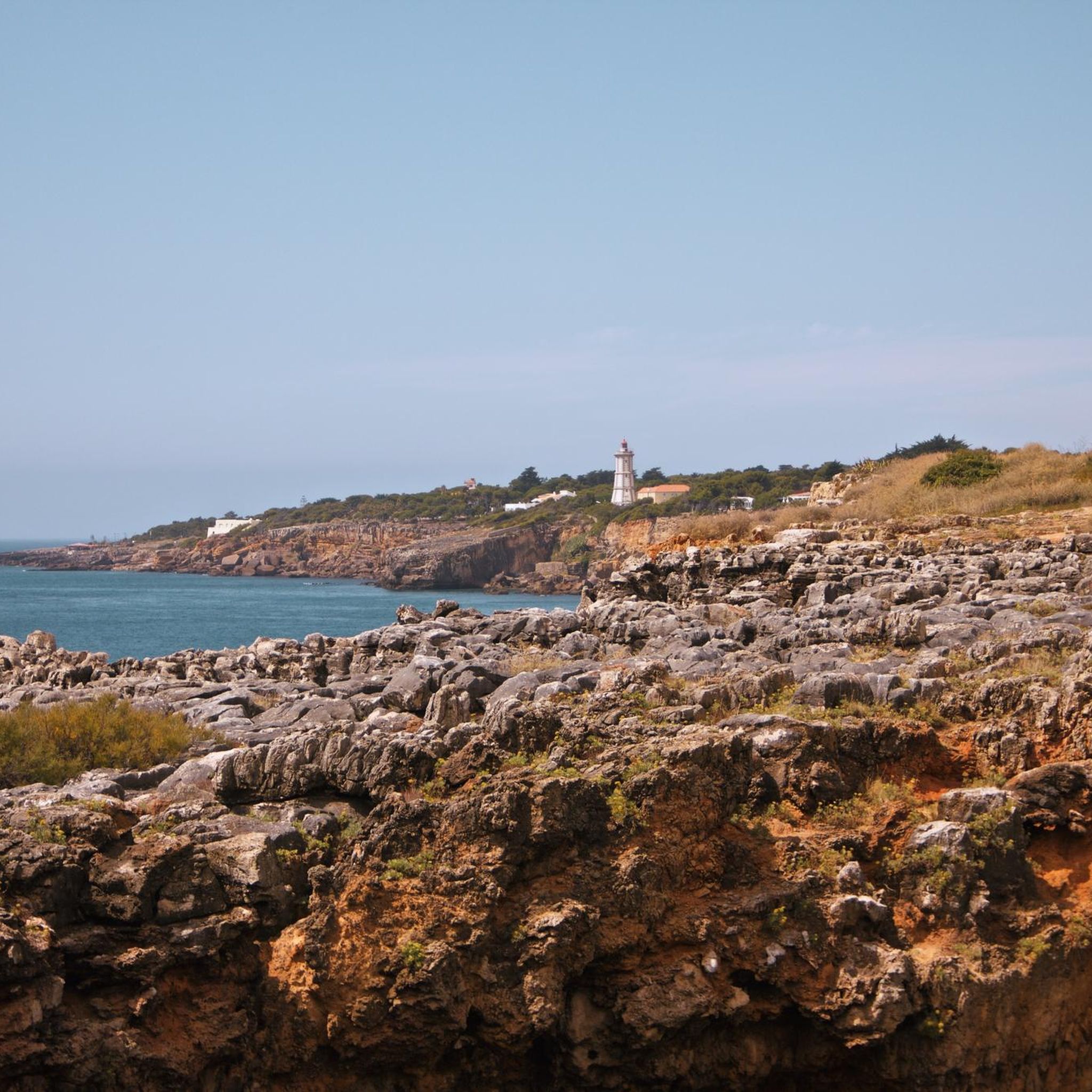
Hiking around Sintra-Cascais Natural Park
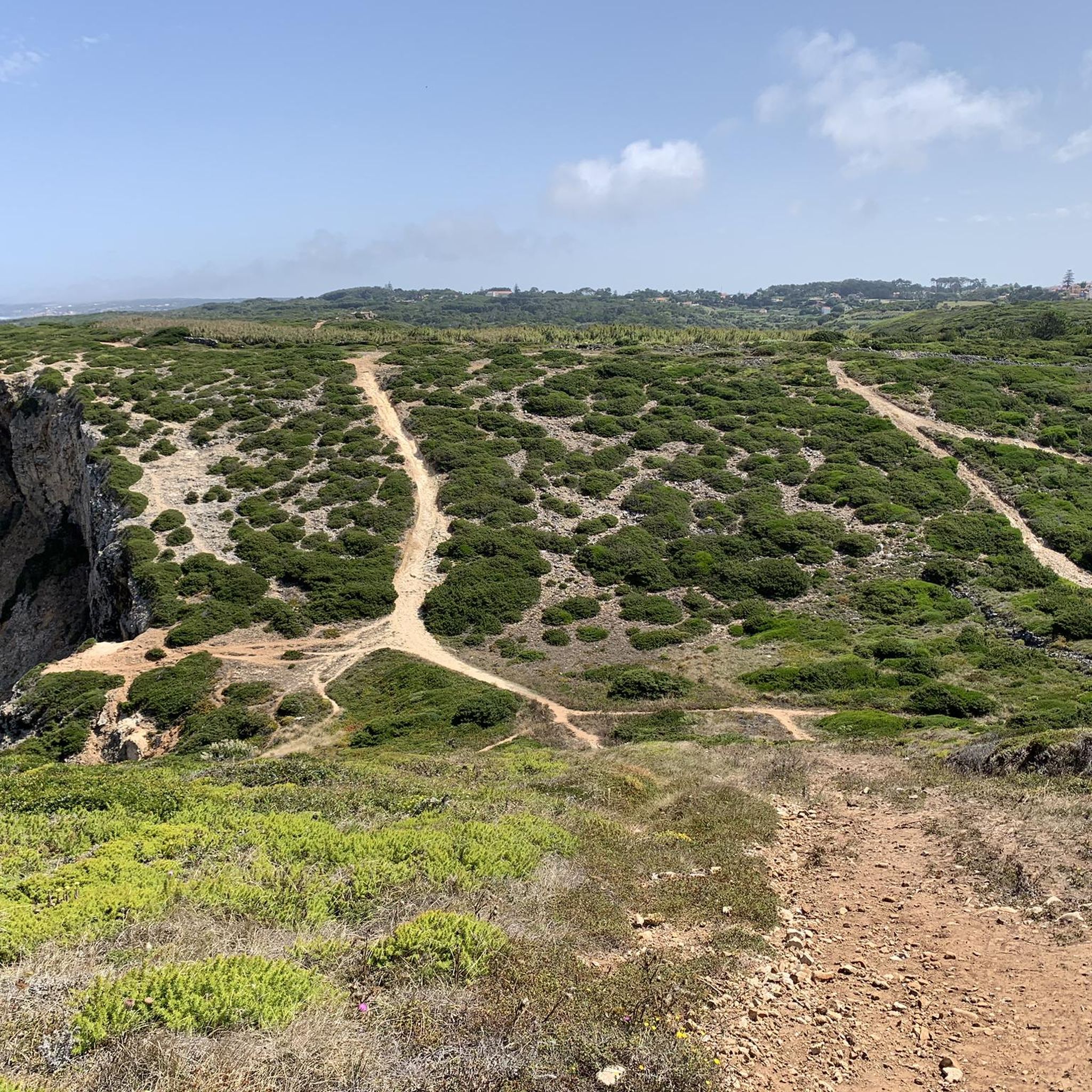
Running Trails around Sintra-Cascais Natural Park
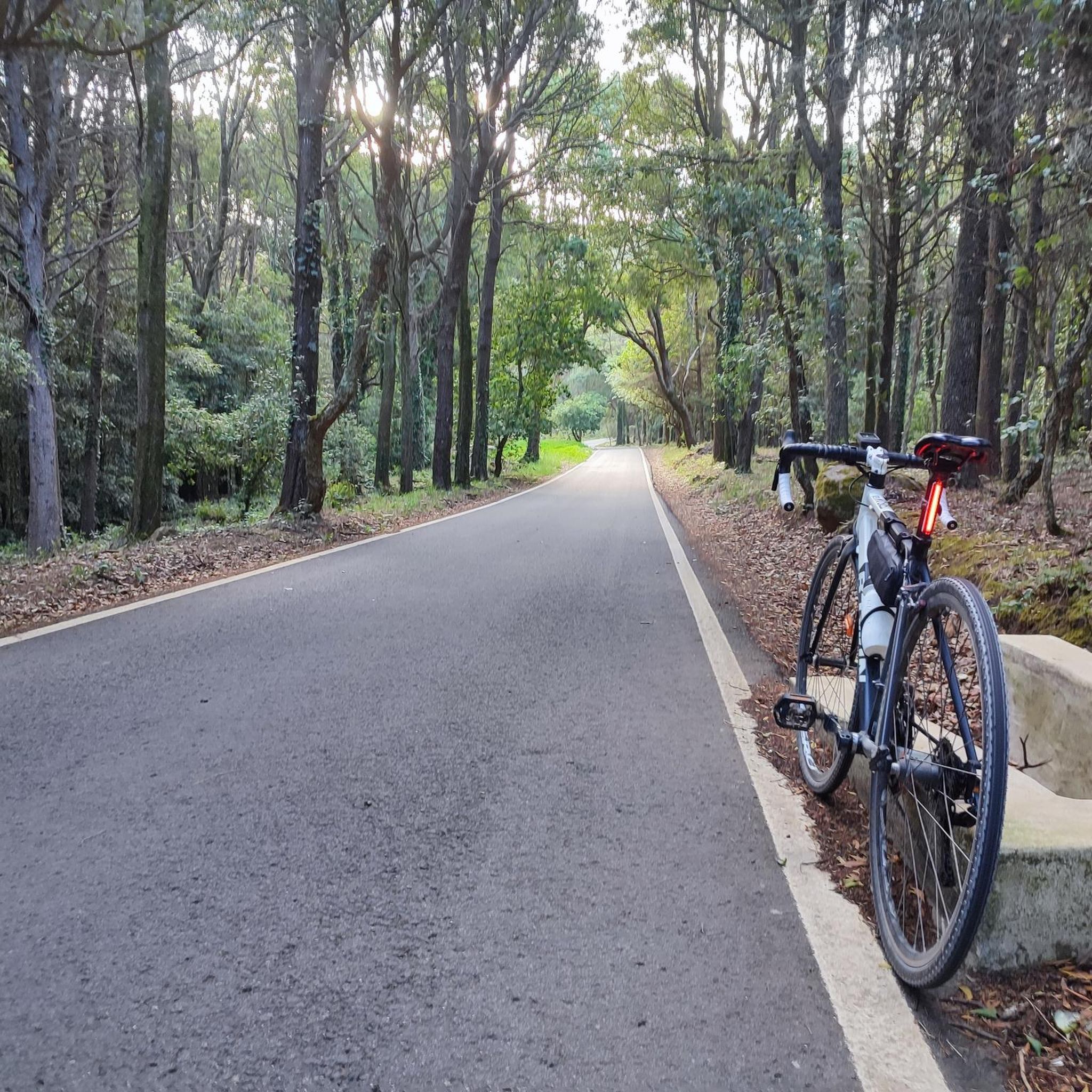
Road Cycling Routes around Sintra-Cascais Natural Park
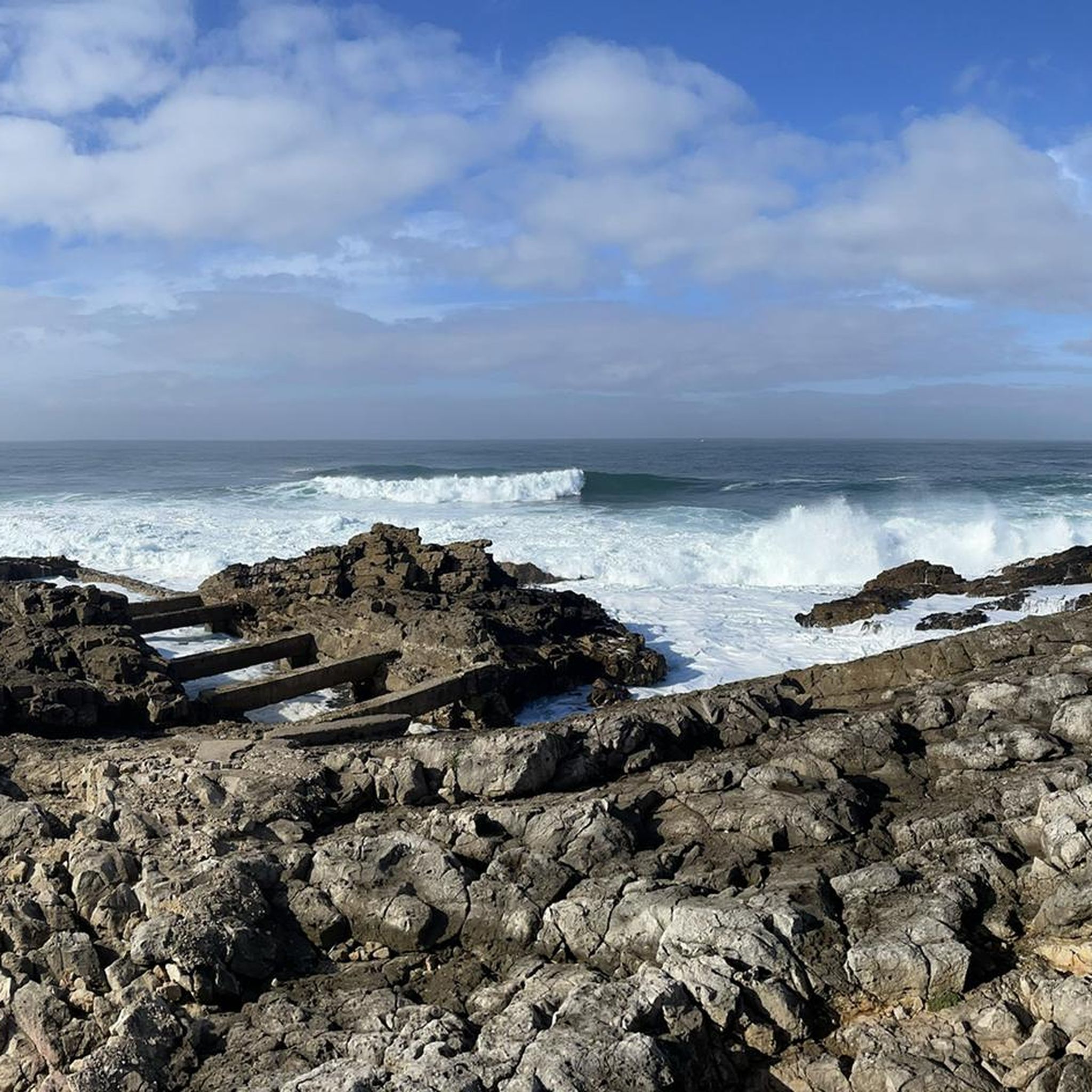
Cycling around Sintra-Cascais Natural Park

MTB Trails around Sintra-Cascais Natural Park
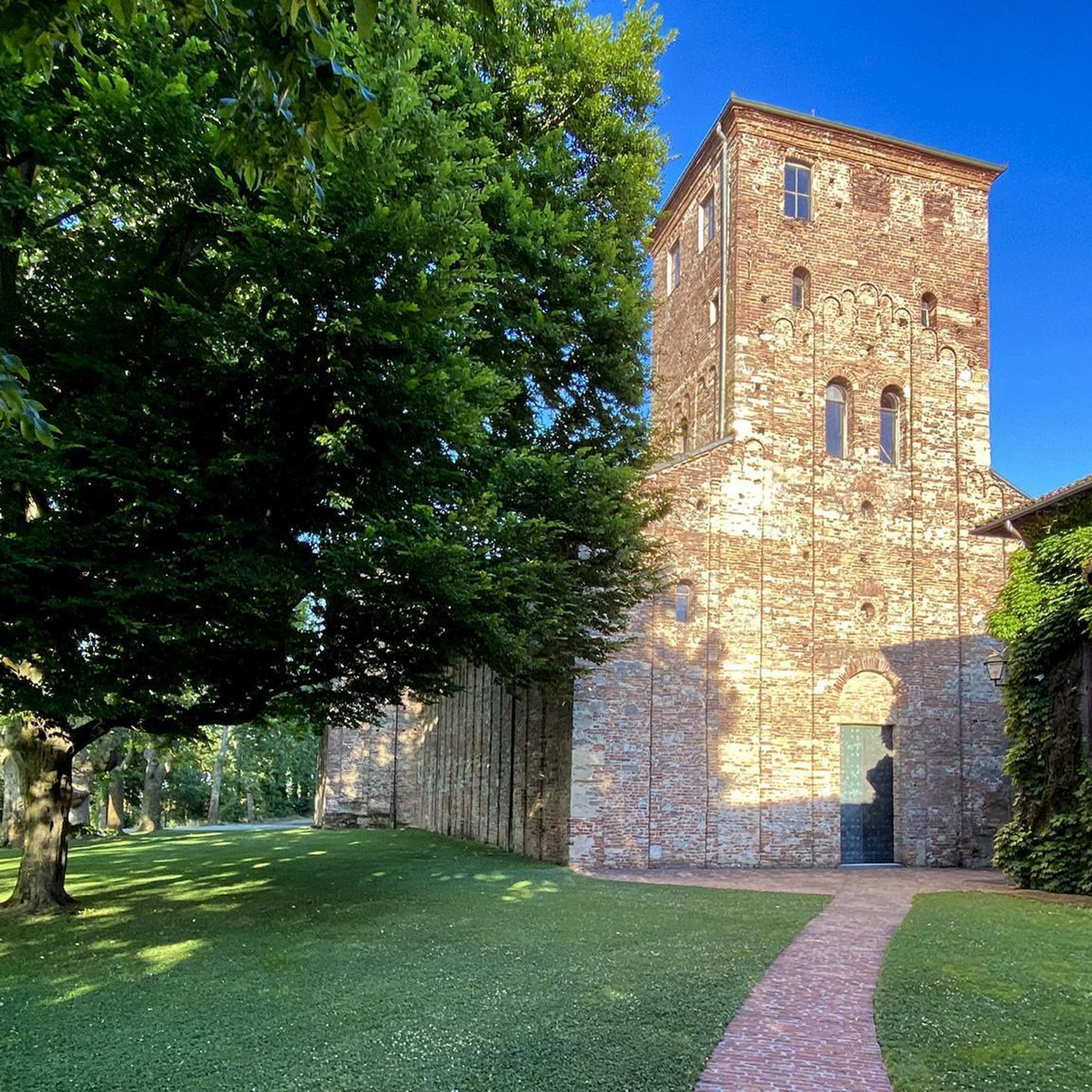
Gravel biking around Sintra-Cascais Natural Park
Other adventures around Sintra-Cascais Natural Park


Tips from the Community

The Lake of the Waterfall (sometimes called the Lake with the Waterfall or the Lake of the Stone Steps) is one of the most photogenic and magical spots in Quinta da Regaleira. It forms part of the network of grottoes, tunnels, and symbolic gardens designed by Luigi Manini for Antonio Monteiro. This lake is usually reached through the underground tunnels that connect the Initiation Well with other parts of the estate; one of these tunnels leads directly to a hidden waterfall that flows into this lake.
1
0

The waterfall pool resembles a small natural basin, into which the water flows in gentle cascades – perfect for a short break while enjoying the interplay of water and rock. The water flow varies depending on the season, which also changes the atmosphere of the spot. Please stay on the paths and respect the sensitive shoreline so that this idyllic place remains intact.
4
1
The initiation well at Quinta da Regaleira leads you down a spiral staircase deep into the earth, feeling like the entrance to another world. Among damp walls, symbolic details, and glimpses of light rising above, you sense a special, almost mystical atmosphere. At the bottom, tunnels and paths await, further igniting your sense of discovery.
4
0

Lago da Cascada is a mystical green lake. It can be admired and explored from every angle. Whether from the bridge, from above, or from the grotto... every view reveals a new side of the lake and its waterfall.
2
1
The Cova do Frei Honório is a small grotto located within the grounds of the Capuchos Convent, in the Serra de Sintra region of the parish of Colares. This place has profound spiritual and historical significance, linked to the life of Frei Honório de Santa Maria, a Franciscan monk who lived there in retreat for 30 years.
2
0
Frequently Asked Questions
What unique geological formations can I see in the caves around Sintra-Cascais Natural Park?
The region features diverse geological formations. Boca do Inferno (Hell’s Mouth) Rock Arch is a dramatic chasm and sea arch carved by millennia of Atlantic erosion. You can also find sea caves like Gruta da Praia da Adraga and Gruta da Pedra de Alvidrar, which showcase horizontal passages and galleries along steeply inclined rock layers, respectively.
Are there any caves with historical or spiritual significance in the region?
Yes, the area holds sites with deep historical and spiritual meaning. Quinta da Regaleira, while not a natural cave, features an extensive network of underground tunnels and grottoes, including the symbolic Initiation Well. Additionally, Cova de Frei Honório, located within the Capuchos Convent, served as a retreat for a Franciscan monk for 30 years, imbuing it with profound spiritual context.
Which caves are suitable for families with children?
For families, Boca do Inferno (Hell’s Mouth) Rock Arch is a popular and easily accessible option, offering stunning coastal views without requiring extensive exploration. The tunnels and grottoes at Quinta da Regaleira also provide an engaging and adventurous experience for children, though they are man-made rather than natural caves.
What is the best time to visit the caves in Sintra-Cascais Natural Park?
The best time to visit depends on the type of cave. Coastal formations like Boca do Inferno are particularly impressive during winter storms when waves crash dramatically. For sea caves like Grutas da Samarra, visits are conditioned by tides, so checking tide times is crucial. Generally, milder weather allows for more comfortable exploration of both natural and man-made underground sites.
Are there any easy-access caves or formations in the park?
Boca do Inferno (Hell’s Mouth) Rock Arch is very easy to access, located near Cascais and offering stunning views from designated viewpoints. The Grutas da Samarra Norte and Samarra Sul are also considered very easy to access, though their accessibility is tide-dependent.
What outdoor activities can I do near these caves?
The Sintra-Cascais Natural Park offers a variety of outdoor activities. You can find numerous road cycling routes, such as the 'View of São Saturnino – Cabo Raso Lighthouse loop from Praia das Maçãs', or hiking trails like the 'Cabo da Roca and Adraga Beach Circular Trail'. For more options, explore the Road Cycling Routes around Sintra-Cascais Natural Park or Hiking around Sintra-Cascais Natural Park guides.
Are there guided tours available for cave exploration in the Sintra-Cascais region?
While specific guided tours for all natural caves are not universally available, speleology enthusiasts can find opportunities for guided explorations of caves like Gruta da Praia da Adraga and Gruta da Pedra de Alvidrar. For more general information on active pursuits in Sintra, you might find resources on local tourism sites, such as visitsintra.travel.
What do visitors enjoy most about the caves and underground sites in Sintra-Cascais Natural Park?
Visitors frequently highlight the dramatic natural beauty, especially the powerful Atlantic waves crashing at Boca do Inferno (Hell’s Mouth) Rock Arch. The mystical atmosphere and symbolic journey through the tunnels and wells of Quinta da Regaleira, including the Waterfall Lake and Virgin Grotto, are also highly appreciated for their unique sense of discovery and history.
How long should I plan for a visit to the caves?
The duration of your visit varies. A stop at Boca do Inferno (Hell’s Mouth) Rock Arch might take 30 minutes to an hour to enjoy the views. Exploring the extensive tunnels and symbolic sites at Quinta da Regaleira, including the Initiation Well, can easily take 2-3 hours. For smaller natural caves like Grutas da Samarra, a visit might be shorter, depending on tide conditions and your interest in speleology.
Are there any cafes or restaurants near the caves?
Yes, particularly near popular spots. For instance, near Boca do Inferno (Hell’s Mouth) Rock Arch, you can find the Mar do Inferno restaurant, known for its fresh seafood. In Sintra, near Quinta da Regaleira, there are numerous cafes and restaurants within walking distance in the historic center.
What should I wear when exploring caves in this region?
For coastal formations like Boca do Inferno, comfortable walking shoes are sufficient. If you plan to explore natural sea caves like Grutas da Samarra or Gruta da Praia da Adraga, be prepared for potentially wet and uneven surfaces; waterproof footwear and clothing might be advisable, especially if tides are a factor. For Quinta da Regaleira's tunnels, sturdy shoes are recommended for navigating stairs and potentially damp passages.
Can I reach the caves using public transport?
Many popular sites are accessible by public transport. Boca do Inferno is reachable by city bus from Cascais. Sintra, where Quinta da Regaleira is located, is well-served by trains from Lisbon, and local buses can take you to the estate. Access to more remote natural caves might require a car or a combination of public transport and walking.
Most popular routes around Sintra-Cascais Natural Park
Most popular attractions around Sintra-Cascais Natural Park

Get inspired with the komoot mobile app


Explore more
Extend your search for the best caves by checking out these guides of the top ones around Sintra-Cascais Natural Park:
