Top 7 Caves in Loire-Anjou-Touraine
Best caves in Loire-Anjou-Touraine are found within the Loire-Anjou-Touraine Regional Natural Park, a region recognized for its extensive troglodyte sites. This area features a high concentration of underground galleries, originally excavated for tufa and falun limestone. These subterranean spaces have been repurposed over centuries, now serving as historical dwellings, museums, wine cellars, and unique attractions. The geology of the Loire Valley has significantly shaped human activity and settlement in this region.
Best caves in Loire-Anjou-Touraine
- The most popular caves is Souzay-Champigny troglodyte site, a man-made monument that forms an extensive underground network. This site offers a glimpse into a cool past, with more than 1 km of tunnels dug by humans for living and working.
- Another must-see spot is Turquant Arts and Crafts Village, a historical site where troglodytes are a network of tunnels. Visitors can explore galleries carved into the tuffeau, where artisans work and share their expertise.
- Visitors also love Views of Chinon and beyond, a viewpoint offering panoramic views. This location features troglodyte houses carved into sandy limestone cliffs, showcasing ancient dwellings.
- Loire-Anjou-Touraine is known for its historical dwellings, wine cellars, and unique geological sites. The region offers a variety of caves to explore, from ancient homes and museums to active vineyards and art galleries.
- The caves in Loire-Anjou-Touraine are appreciated by the komoot community, with more than 450 upvotes and 180 photos shared.
Last updated: August 25, 2026
Souzay-Champigny troglodyte site
Highlight • Monument
But watch out for the ribs, short but intense!
Translated by Google •
Tip by

Turquant Arts and Crafts Village
Highlight • Structure
Several designers open their workshops to the public and passionately share their expertise.
Today, you can wander around the troglodytes between tradition and modernity to discover all their originality.
Translated by Google •
Tip by

Sign up now to discover places like this
Get recommendations on the best single tracks, peaks, & plenty of other exciting outdoor places.
Sign up for free
The petrifying caves of Savonnière
Highlight • Cave
February / March: 10h-12h / 14h-18h
April to June: 10h-19h
July / August: 9h30-19h30
September: 10h-19h
October / November: 10h-12h / 14h-18h
There are guided tours (duration approx. 1 hour).
Translated by Google •
Tip by

The Troglodyte Valley of Goupillières
Highlight • Historical Site
From the Middle Ages until the last century, peasants from Tours lived in these troglodyte farms.
At that time, the poor people only had their arms for wealth and began to dig the tufa hills to make it their living environment and extract this beautiful limestone which will be used for centuries for the construction of beautiful residences and castles of the Loire.
All the peasants were quarrymen and worked on the extraction of freestone in order to build the castles.
Translated by Google •
Tip by

Views of Chinon and beyond
Highlight (Segment) • Viewpoint
Above all, in the old tufa quarries that dig the cliff, discover the troglodyte houses.
Translated by Google •
Tip by

Sign up for free to discover even more caves in Loire-Anjou-Touraine.
Sign up for free
Already have an account?
Start today with a free account
Your next adventure awaits.
Login or Signup
Popular around Loire-Anjou-Touraine
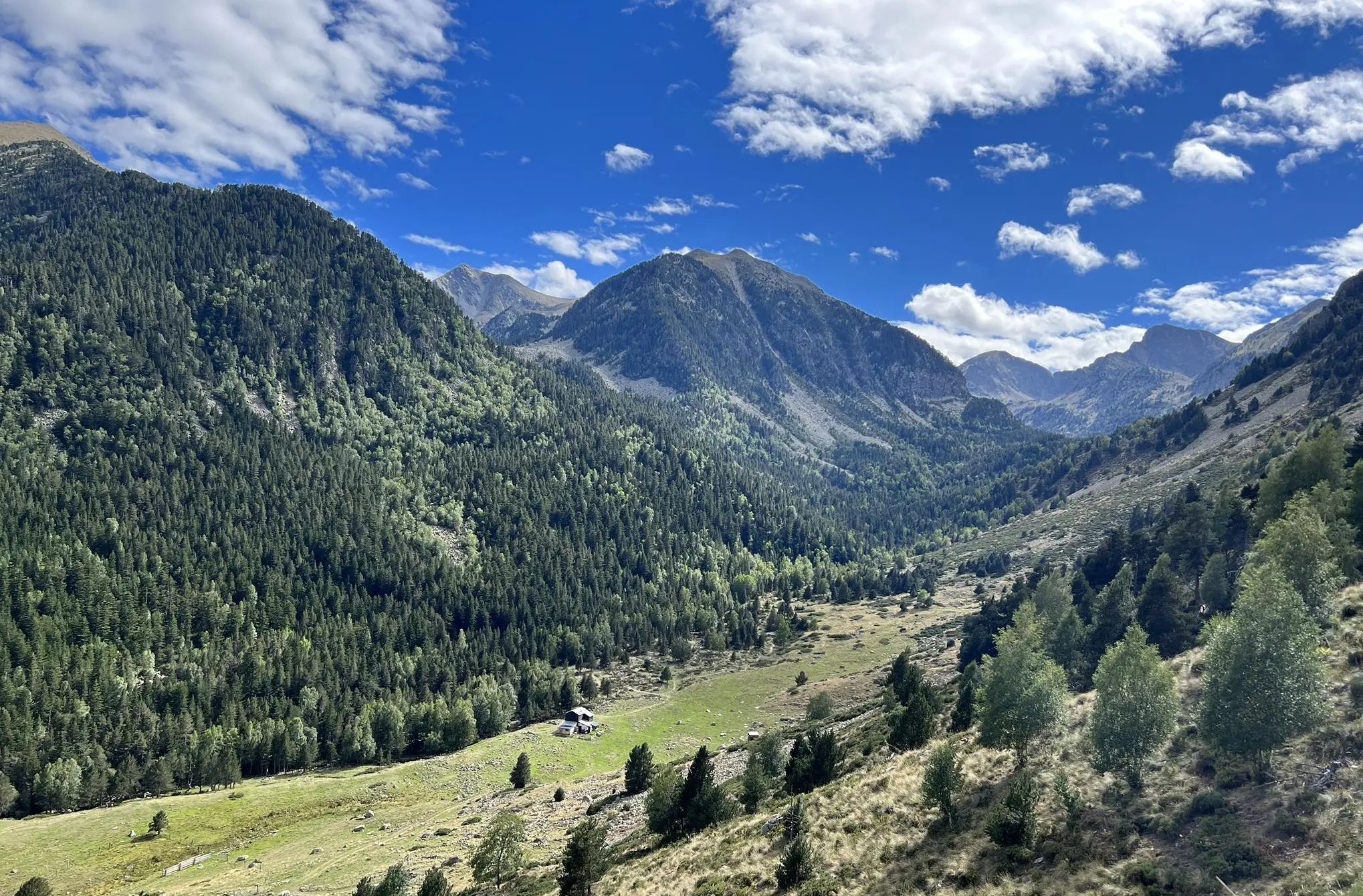
GR 36 long-distance footpath – Cross France from the Channel to the Pyrenees
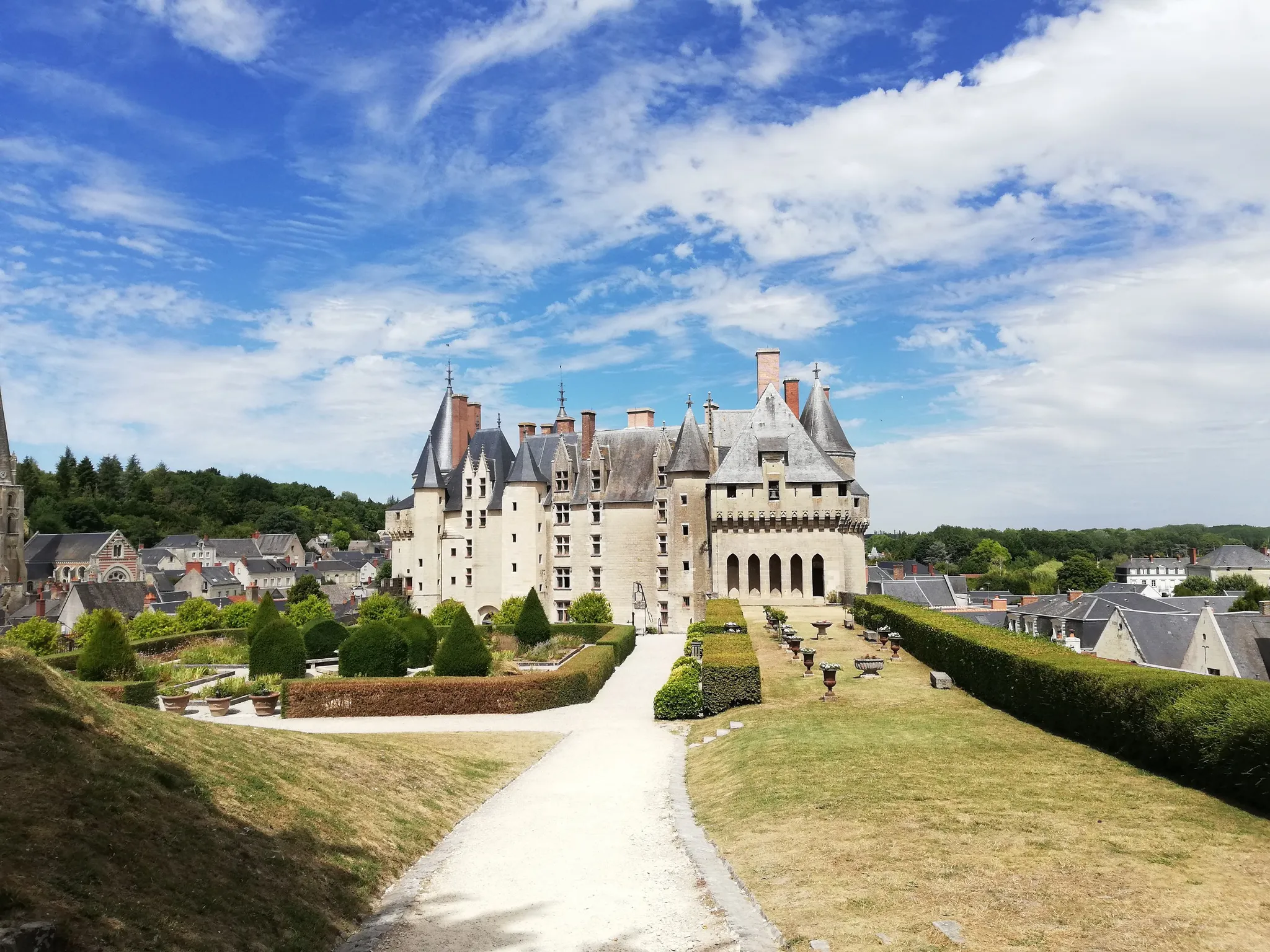
From one Châteaux to another – a long hike in the Loire Valley
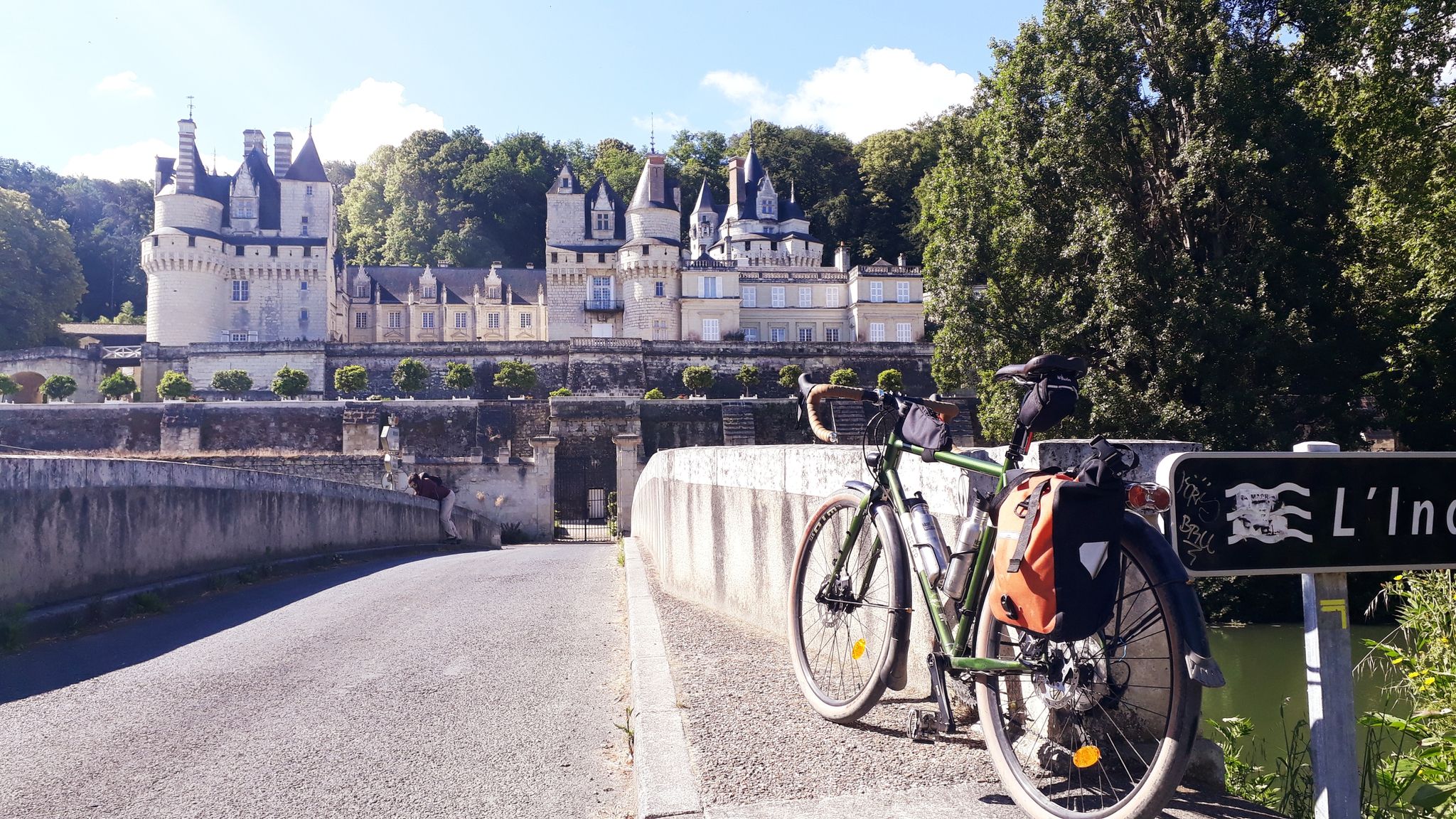
La Loire à vélo – Between nature and castles
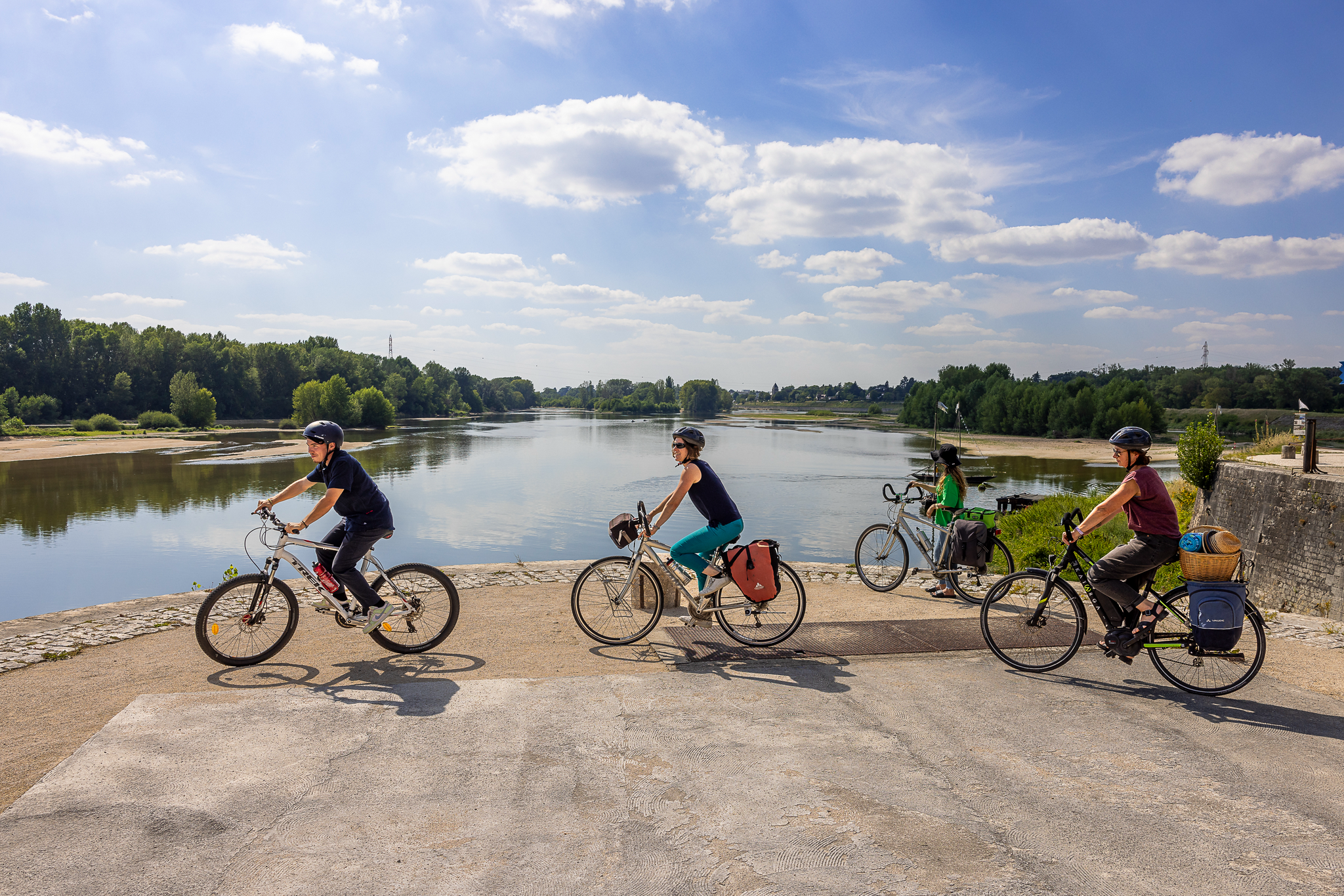
The most beautiful cycling routes in the Loire Valley
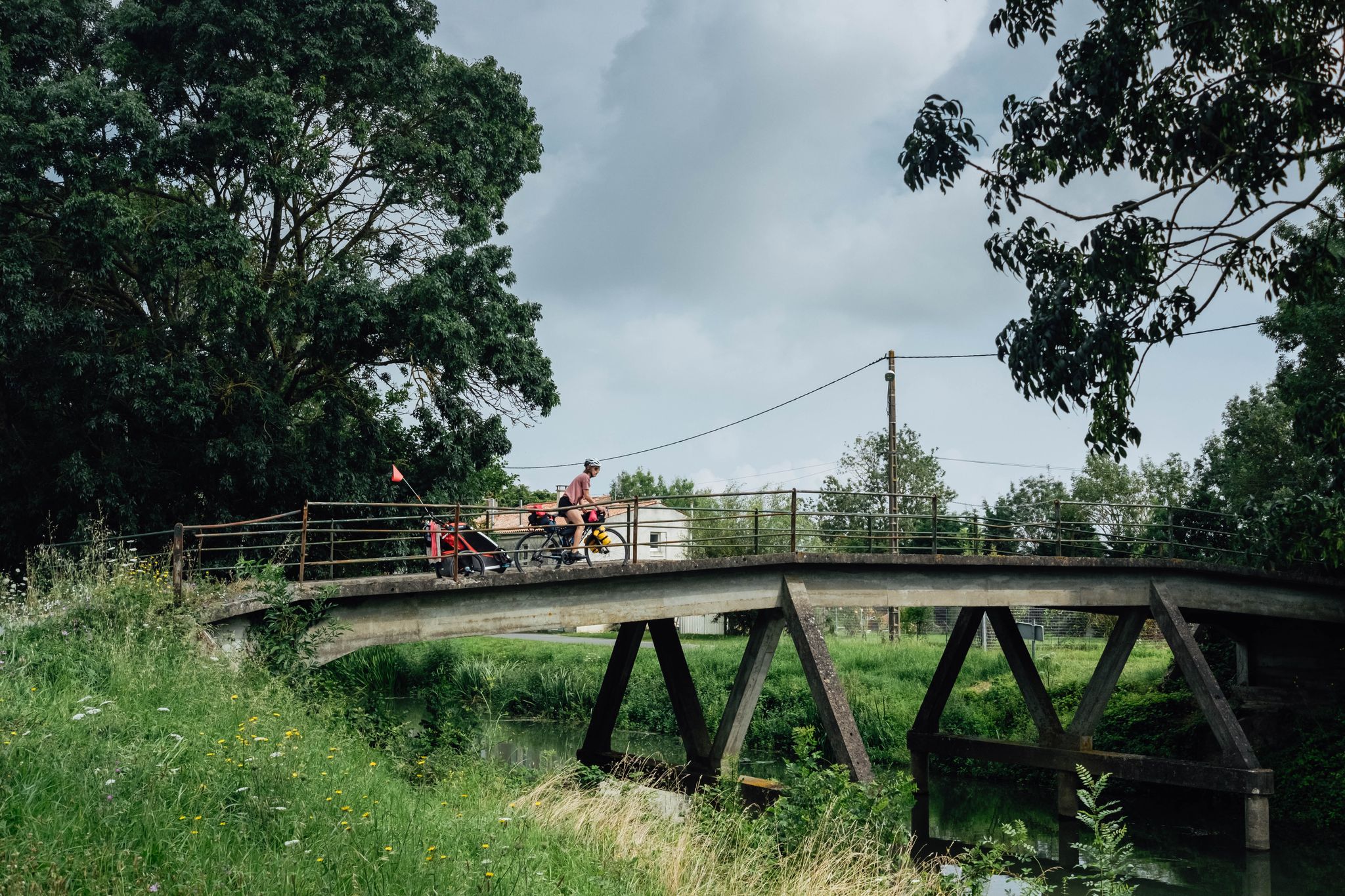
Our first family bike adventure in Western France
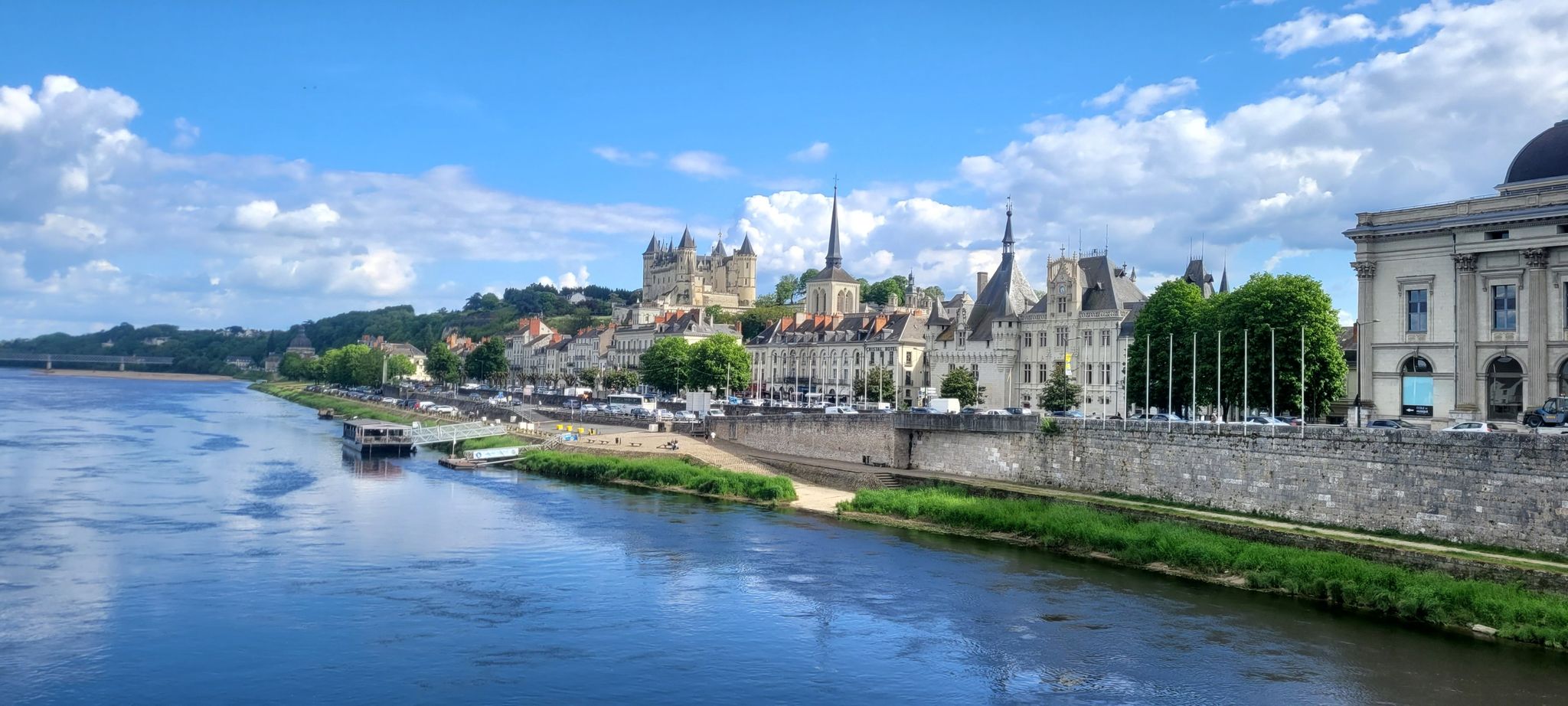
The Loire from ocean to the source – GR 3 from Angers to Tours
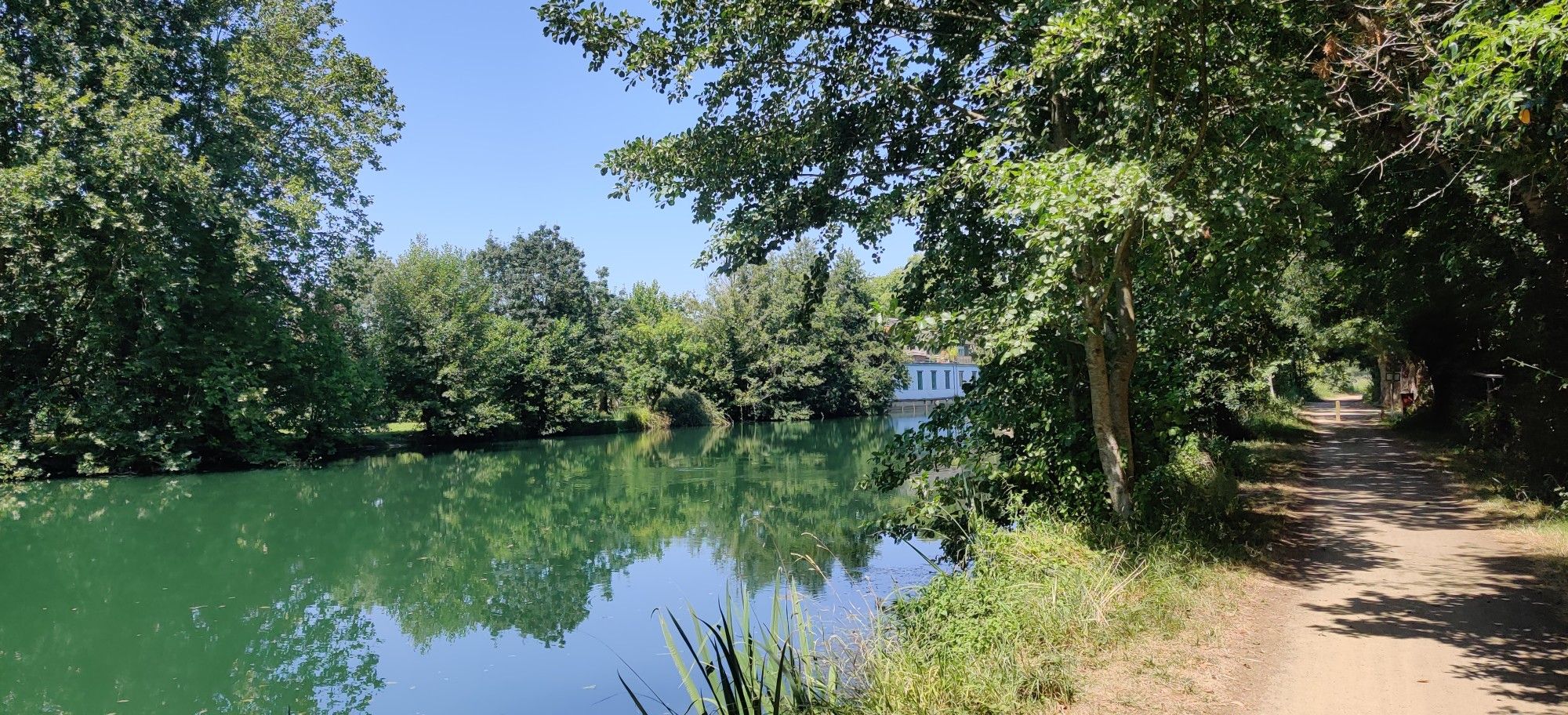
Between Touraine and Berry – France’s Indre River by bike
From Ouistreham to La Rochelle — riding the Vélo Francette
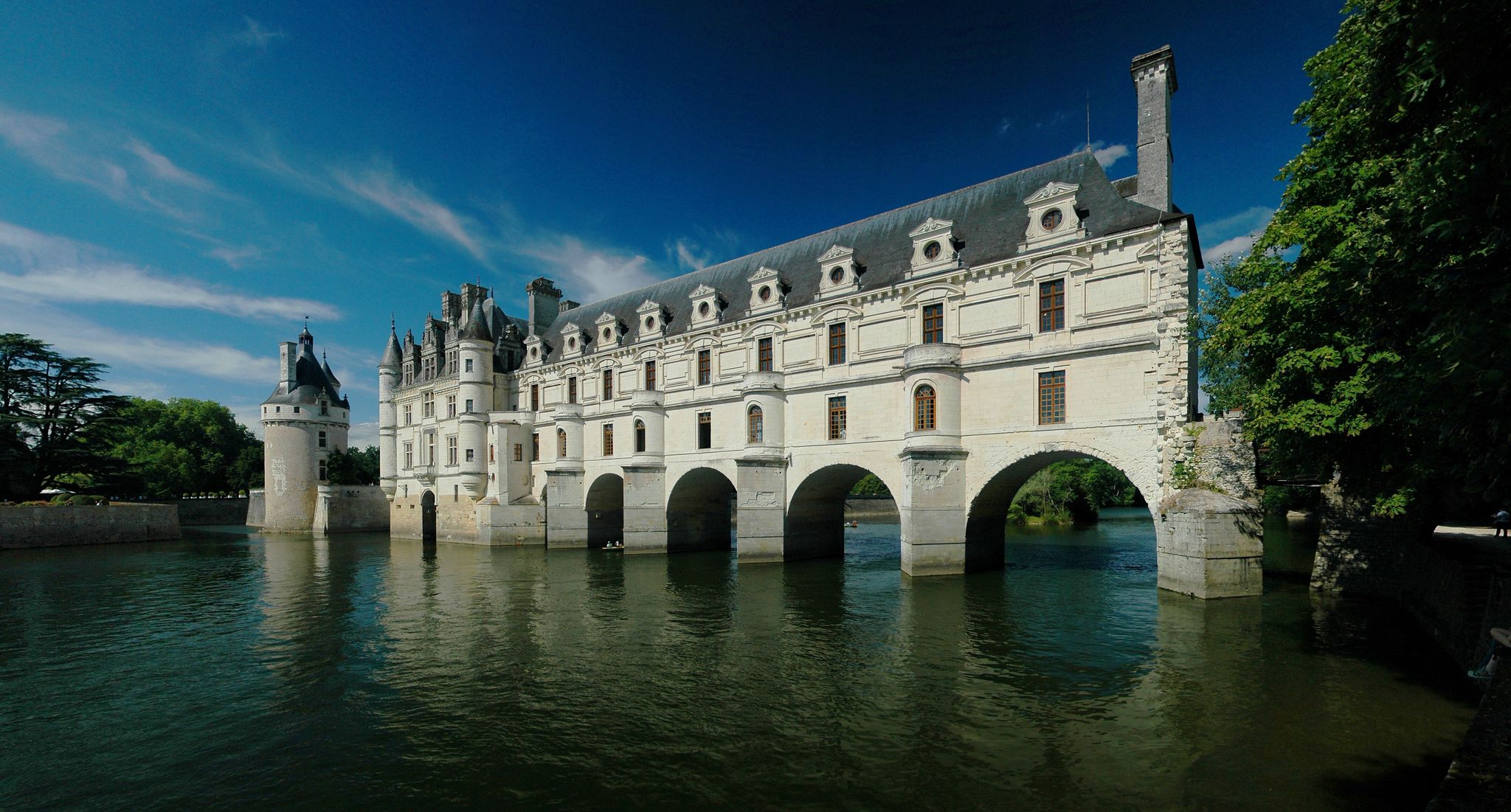
Unexpected castles – cycle the secret Loire Valley in France
Nature and Culture — discover the Loire and its castles by bike
Other adventures in Loire-Anjou-Touraine


Tips from the Community

Route worth the detour
0
0


Between the Loire and the hills, Turquant welcomes, in season, craftsmen and a Métiers d'Art boutique in a remarkably restored troglodyte site. Several designers open their workshops to the public and passionately share their expertise. Today, you can wander around the troglodytes between tradition and modernity to discover all their originality.
4
0
Between Montsoreau and Saumur, the tuffeau rock dominates the Loire and is cut from one end to the other by a series of caves, sometimes troglodyte dwellings, sometimes quarries... Villages spring up in the valleys that crisscross the hills, while vineyards and mills mark the ridge. In Turquant, more than anywhere else, you can discover this Loire landscape, so characteristic of the Côte Saumuroise. Today, between tradition and modernity, the troglodytes can be discovered in all their originality, particularly in the Village des Métiers d'Art.
2
0
At this location you are in the middle of an underground labyrinth of Souzay-Champigny. Explanation: underground, in the cliffs and hills, the troglodytes of Saumurois form an enormous underground network. These are unique in France. More than 1 km of tunnels have been dug by man over the centuries to live, shelter and work. Here you can literally dive into a cool past.
2
0

The cave houses in question were carved into sandy limestone, which was probably deposited in the Cretaceous period. You can see from the layered structures that they were shallow sea or coastal deposits.
0
0

In Turquant, the troglodytes are a network of tunnels of a thousand kilometers that cross the world under ground. Former freestone quarries, the galleries now serve as habitats, mushroom houses, museums and restaurants.
1
0

A simple and pleasant place that allows you to discover lesser known aspects of castle life From the Middle Ages until the last century, peasants from Tours lived in these troglodyte farms. At that time, the poor people only had their arms for wealth and began to dig the tufa hills to make it their living environment and extract this beautiful limestone which will be used for centuries for the construction of beautiful residences and castles of the Loire. All the peasants were quarrymen and worked on the extraction of freestone in order to build the castles.
1
0
Frequently Asked Questions
What historical troglodyte sites can I visit in Loire-Anjou-Touraine?
The region offers a rich history of troglodyte dwellings. You can explore Souzay-Champigny troglodyte site, an extensive underground network where people lived and worked. Other notable historical sites include Rochemenier, a village museum showcasing troglodyte life, and the Goupillières Troglodytic Valley, which reveals the peasant world of centuries past. The Troglodytes et Sarcophages site also offers a glimpse into diverse troglodyte vocations, including a Viking-era refuge and a Merovingian sarcophagus quarry.
Are there family-friendly cave attractions in the region?
Yes, several troglodyte sites are suitable for families. Turquant Arts and Crafts Village is family-friendly, offering a chance to see artisans at work in carved galleries. The petrifying caves of Savonnière are also family-friendly and offer guided tours. The Bioparc de Doué-la-Fontaine, a unique zoo set within an ancient falun quarry, provides an intriguing experience for all ages.
Can I explore unique geological formations or natural wonders in these caves?
The region is known for its unique geology. The Caves Cathédrales des Perrières / Le Mystère des Faluns in Doué-la-Fontaine feature immense, hollow spaces up to 20 meters high, showcasing the falun rock. The petrifying caves of Savonnière, near Château de Villandry, are old freestone quarries with petrified formations, offering insight into the Tuffeau stone that shaped the Loire Valley.
Are there any caves related to wine or local gastronomy?
Absolutely. The Loire-Anjou-Touraine region is famous for its troglodytic wine cellars, which provide ideal conditions for maturing local wines. Many vineyards offer tours and tastings in these underground spaces. Turquant, an arts and crafts village, also features an old cave dedicated to the production of 'pommes tapées' (flattened apples), offering a historical culinary experience.
What kind of unique underground experiences, beyond traditional caves, can I find?
Beyond traditional caves, you can visit the Bioparc de Doué-la-Fontaine, the world's only troglodytic zoo, where animal habitats are integrated into the rock. La Mine Bleue, a former slate mine, offers a unique descent 126 meters underground to explore massive mining chambers and learn about the lives of miners. Pierre et Lumière features scaled-down monuments carved into tufa limestone, providing an artistic perspective on excavation.
What do visitors particularly enjoy about the caves in Loire-Anjou-Touraine?
Visitors appreciate the unique historical insights and the cool, refreshing atmosphere of the underground sites. Many enjoy the extensive networks of tunnels and the glimpse into past ways of life, as seen at Souzay-Champigny troglodyte site. The artistic and craft aspects, like those found at Turquant Arts and Crafts Village, are also highly valued.
Are there opportunities for cycling near the caves?
Yes, the Loire-Anjou-Touraine region offers excellent cycling opportunities. You can find various routes for touring bicycles, road cycling, and gravel biking. For example, there are moderate touring bicycle routes like 'La côte saumuroise — loop' and 'Between Loire and Aubance — loop'. For more options, explore the Cycling in Loire-Anjou-Touraine guide.
Are there hiking trails available around the troglodyte sites?
While specific hiking trails directly within the cave systems are less common due to their nature as historical sites or attractions, the surrounding Loire-Anjou-Touraine Regional Natural Park offers numerous walking and hiking opportunities. Many troglodyte sites are integrated into scenic landscapes, providing pleasant walks to and from the entrances. You can enjoy panoramic views, such as those from Views of Chinon and beyond, which often include paths near troglodyte houses.
What is the best time of year to visit the caves in Loire-Anjou-Touraine?
The caves maintain a stable, cool temperature year-round, making them a pleasant escape during hot summer days. However, to enjoy the surrounding region and outdoor activities, spring (April-June) and autumn (September-October) offer mild weather and fewer crowds. Summer (July-August) is popular but can be busier.
Where can I find accommodation or dining options within troglodyte settings?
Many troglodyte sites in the Loire-Anjou-Touraine region have been repurposed to offer unique accommodation and dining experiences. You can find troglodyte B&Bs, gîtes, and restaurants serving traditional specialties in atmospheric underground settings. These options provide a distinctive way to experience the local culture and geology firsthand.
Are there any lesser-known or 'hidden gem' troglodyte sites worth exploring?
While many sites are well-known, exploring villages like Villaines-les-Rochers, which was once predominantly troglodytic, can offer a more intimate look at the ancient character of these excavations. The Maisons Troglodytes de Forges also provides a free tour through a maze of cave systems, offering a glimpse into 19th-century peasant life and was one of the first private troglodyte caves opened to the public.
Do I need a permit to visit the caves in Loire-Anjou-Touraine?
Generally, you do not need a special permit to visit the publicly accessible troglodyte sites and attractions in Loire-Anjou-Touraine. However, many sites are privately owned or managed and require an entrance fee for access. It's always advisable to check the specific requirements and opening hours of individual sites before your visit.
Most popular routes in Loire-Anjou-Touraine
Most popular attractions in Loire-Anjou-Touraine

Get inspired with the komoot mobile app


