Top 5 Castles in La Narbonnaise En Méditerranée
Best castles in La Narbonnaise En Méditerranée are found within the Aude department, a region rich in medieval history and strategic military architecture. This area, part of the historic Cathar Country, features a diverse landscape stretching from the Mediterranean Sea to the Pyrenees mountains. The region offers a unique glimpse into 1,000 years of military architecture and 2,600 years of history. Visitors can explore a collection of fortifications, from coastal redoubts to inland ruins, set against varied natural backdrops.
Best…
Last updated: May 3, 2026
La Franqui Redoubt
Highlight • Castle
Translated by Google •
Tip by

Panorama of Gruissan
Highlight • Castle
Translated by Google •
Tip by

Sign up now to discover places like this
Get recommendations on the best single tracks, peaks, & plenty of other exciting outdoor places.
Sign up for free
Château de Montséret Ruins
Highlight • Castle
Translated by Google •
Tip by

Château de Leucate – View of Leucate
Highlight • Castle
Translated by Google •
Tip by

Château du Lac
Highlight • Castle
Château du lac is in renovation, and has a interesting history. The …
Tip by

Start today with a free account
Your next adventure awaits.
Login or Signup
Popular around La Narbonnaise En Méditerranée
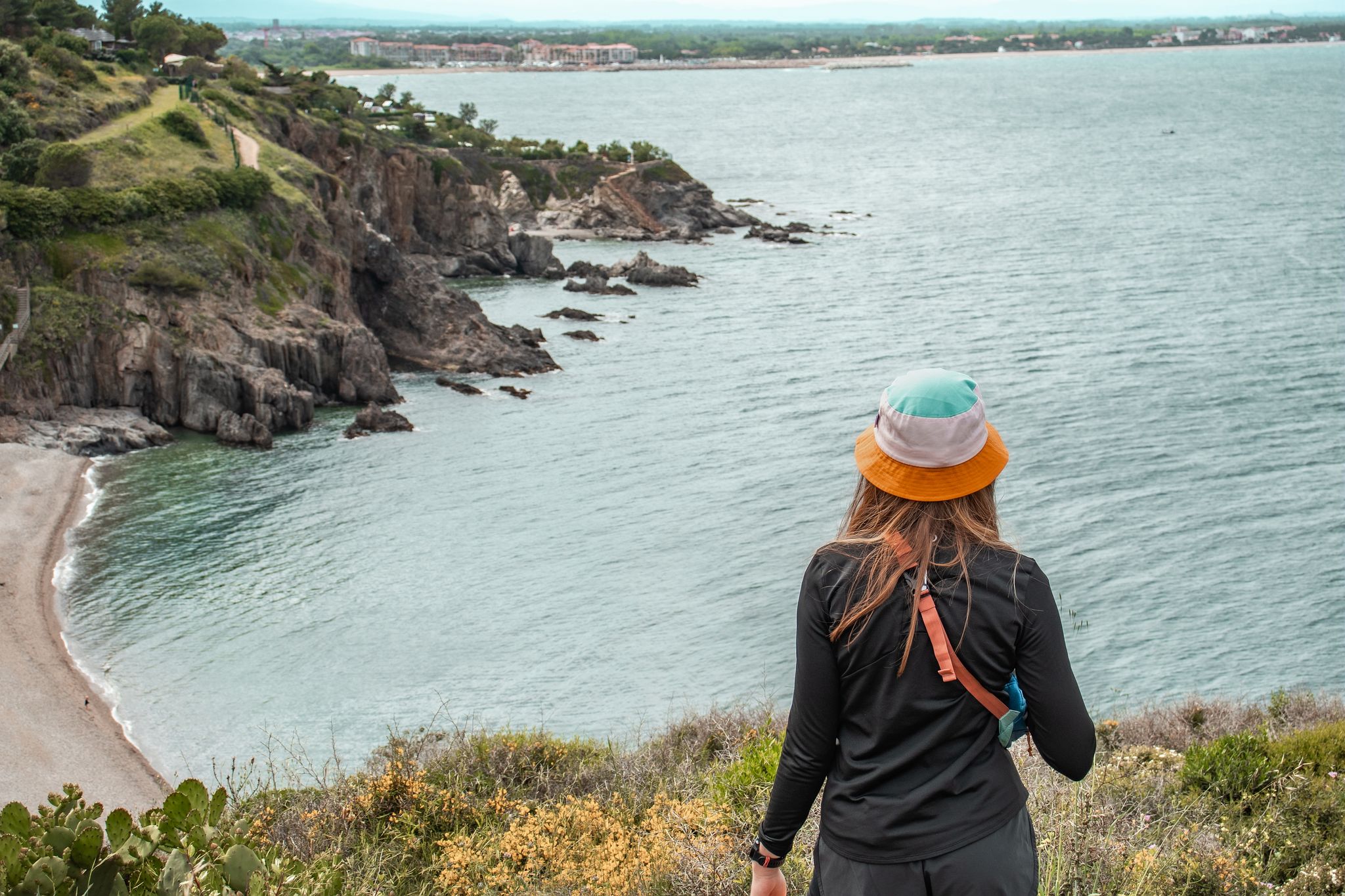
Côte Méditerranée – hiking in Occitania
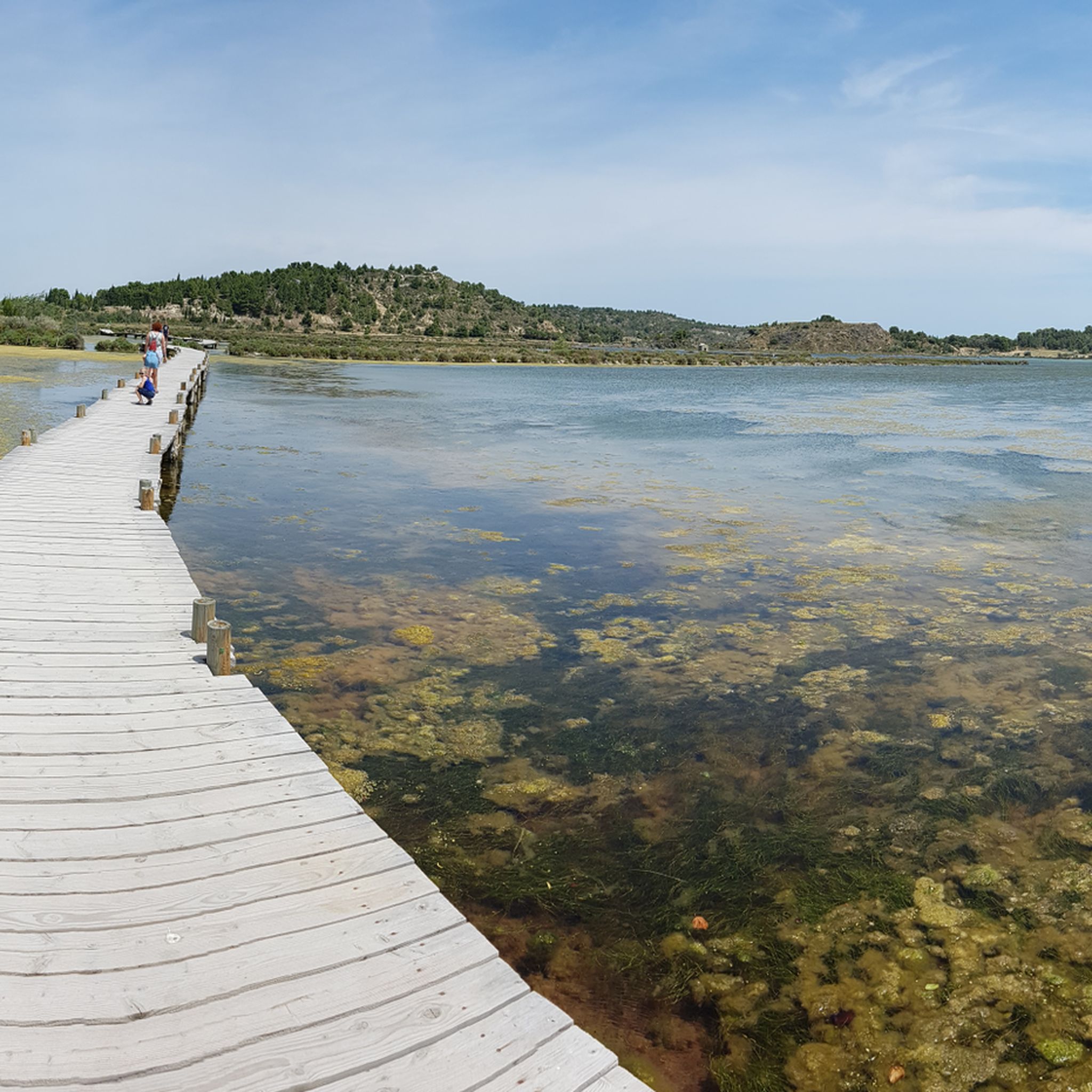
Hiking in La Narbonnaise En Méditerranée
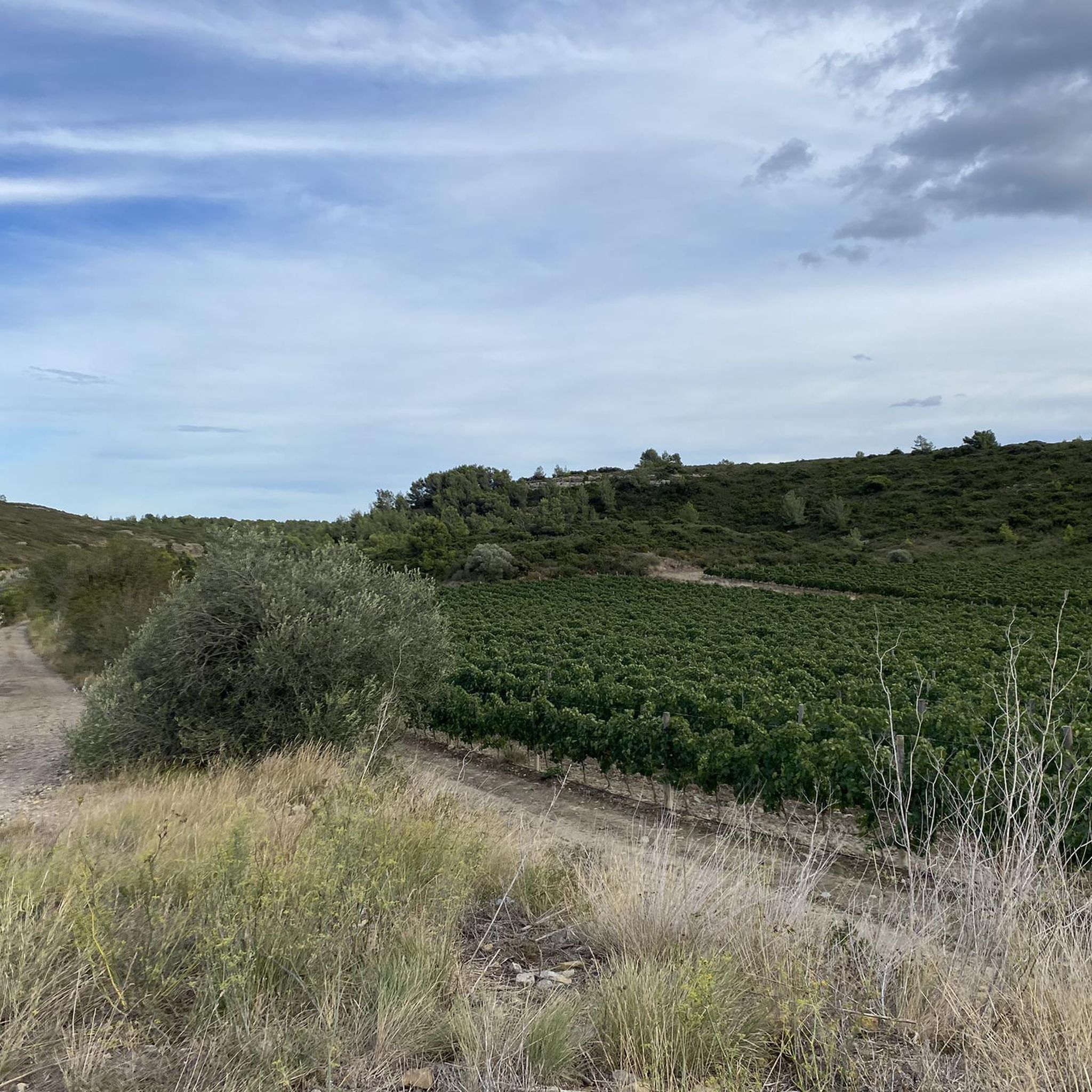
Cycling in La Narbonnaise En Méditerranée
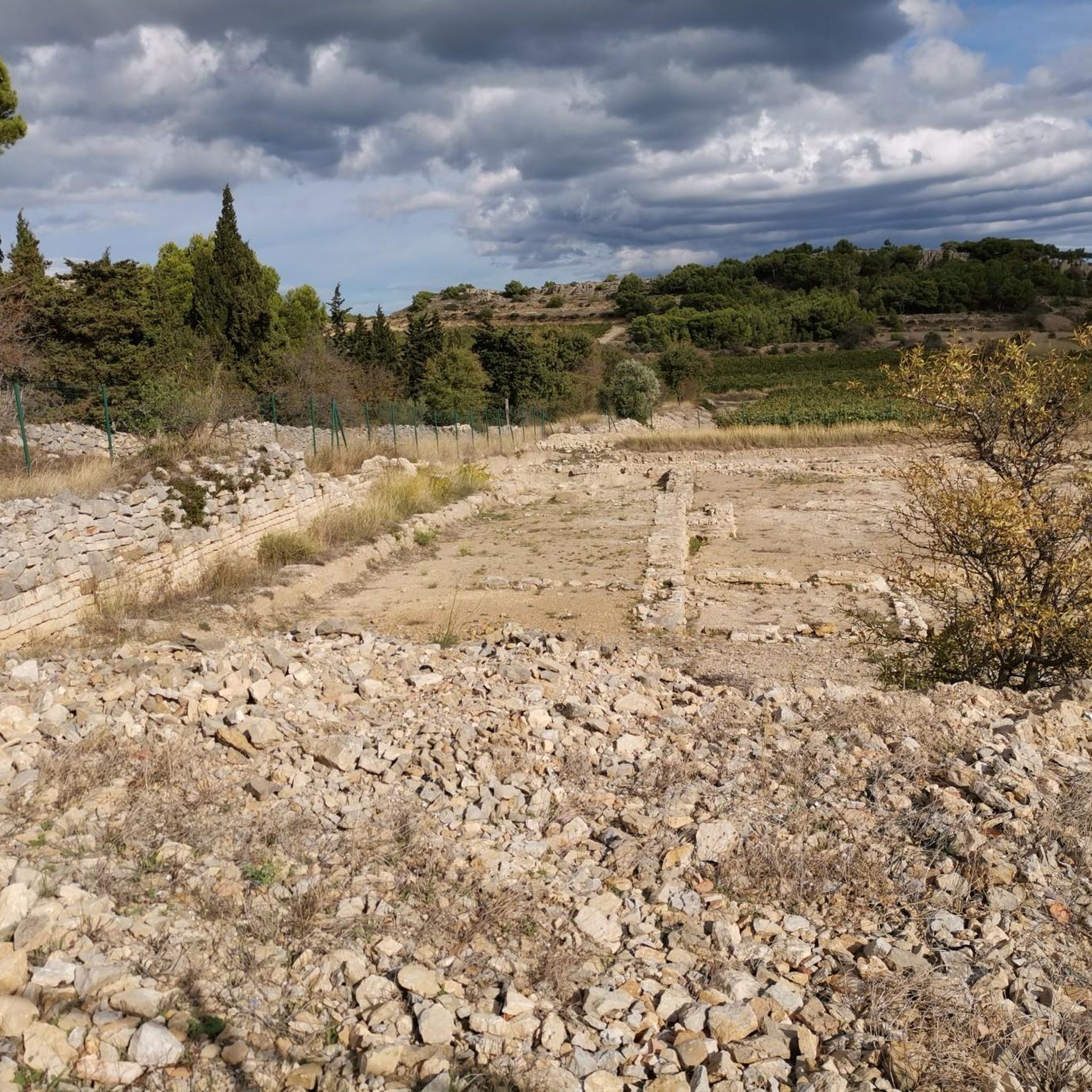
Running Trails in La Narbonnaise En Méditerranée
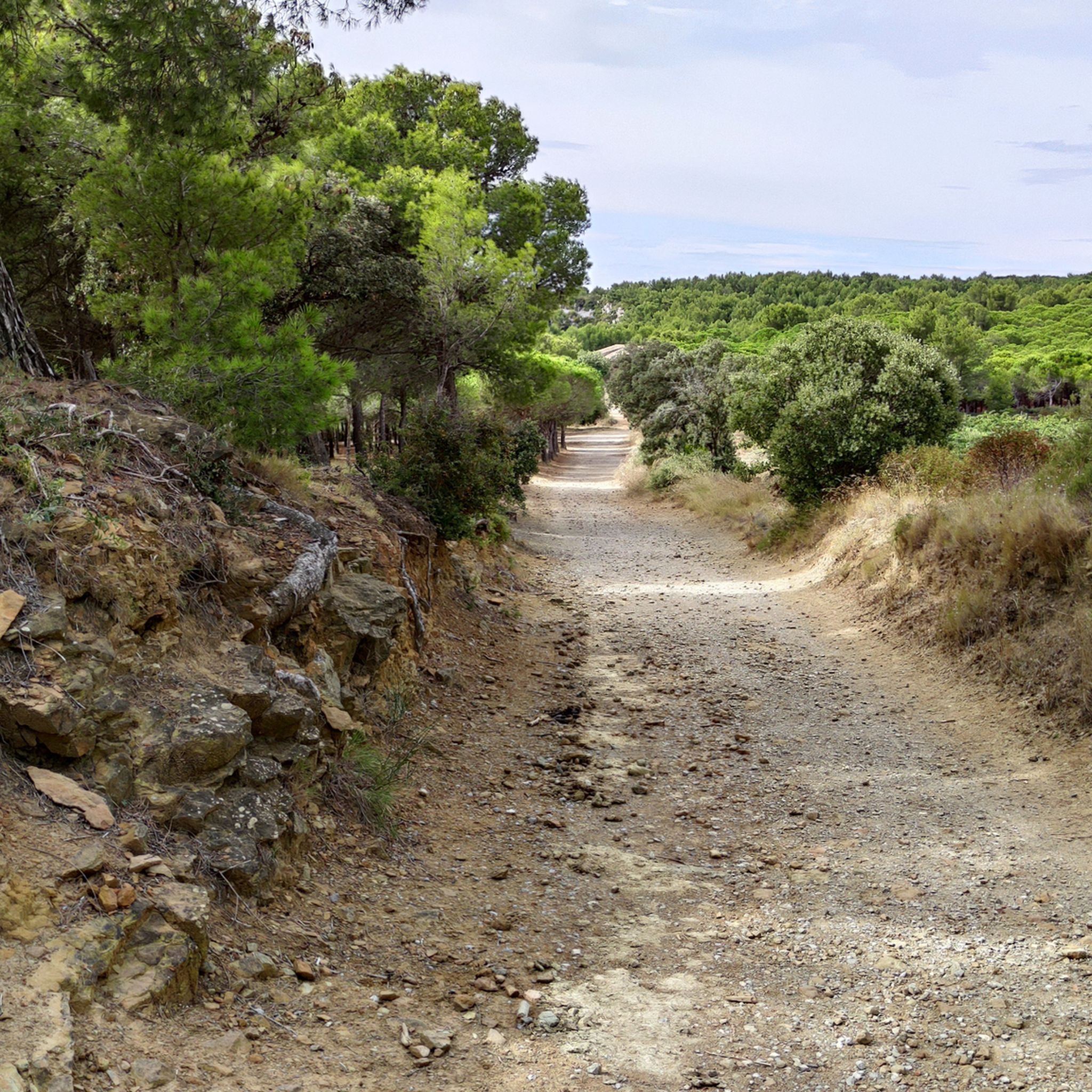
MTB Trails in La Narbonnaise En Méditerranée
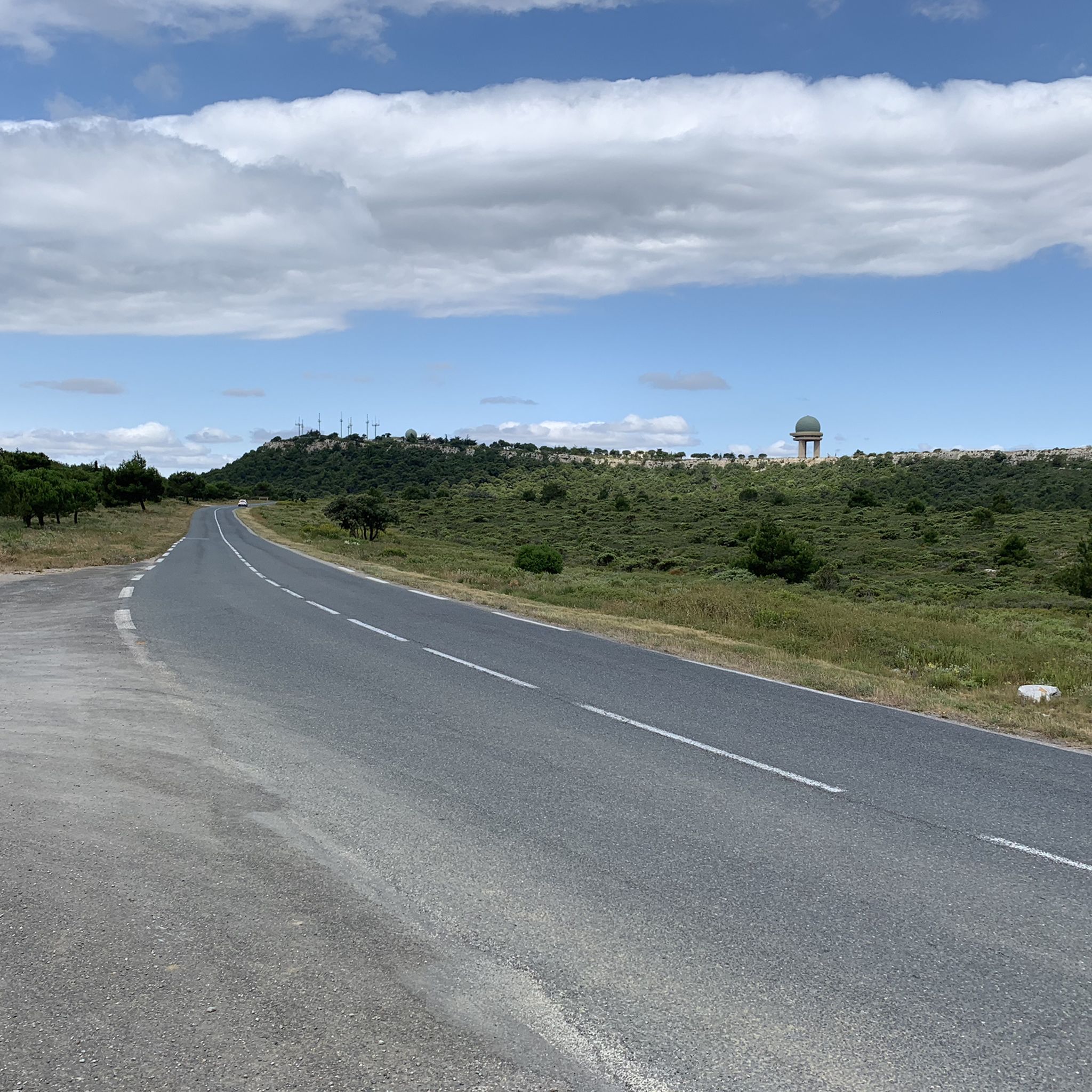
Road Cycling Routes in La Narbonnaise En Méditerranée

Gravel biking in La Narbonnaise En Méditerranée
Other adventures in La Narbonnaise En Méditerranée

Tips from the Community


The pond can be easily circumnavigated by bike, it is worth it
0
0

Interesting remains of an ancient fortification, recently completely restored
1
1

Excellent sea view from the Ayrolle pond. The view is dominated by the castle of Gruissan, a military fortress built in the 10th century to monitor the coast and protect the village.
1
0

This view of the castle in the background is a bit reminiscent (exaggerating) of Mont St-Michel in the south! It's beautiful!!
1
0

To taste wine 18.00 - 19.00. And buy a good wine of the wine yard nearby the Château. Château du lac is in renovation, and has a interesting history. The friendly owners can tell you al about this. There is also a nice walk to the lake.
1
1

Château de Montséret was originally built in 1050 and has evolved over the years. Now unfortunately only a ruined castle but with a very nice view.
2
1

Former 17th century fort used to monitor the Mediterranean. The building also served as a beacon (a sort of lighthouse).
3
1
Frequently Asked Questions
What types of castles can I expect to find in La Narbonnaise En Méditerranée?
The region offers a diverse range of fortifications, from coastal redoubts and medieval ruins to grand fortified cities and strategic mountain strongholds. You'll find examples like the 17th-century fort La Franqui Redoubt, the ruined Château de Montséret Ruins, and the impressive Cité de Carcassonne, a UNESCO World Heritage site.
Which castles are particularly significant for Cathar history?
The Aude department, part of historic Cathar Country, features several castles deeply tied to Cathar history. Notable examples include the dramatic Château de Peyrepertuse, often called 'The Grandest of Cathar Castles,' and the 'vertiginous citadel' of Château de Quéribus, which was the last stronghold of Cathar resistance. Château de Villerouge-Termenès is also significant as the site where the last known Cathar 'Perfect' was burned.
Are there any castles that offer panoramic views of the region?
Yes, many castles in the region are strategically located to offer stunning views. The Cité de Carcassonne provides panoramic views of the city, surrounding countryside, and even the Pyrenees. From Château de Peyrepertuse and Château de Quéribus, you can enjoy breathtaking 360-degree vistas stretching from the Mediterranean Sea to the Pyrenees. Closer to the coast, Panorama of Gruissan offers excellent sea views, and the Château de Montséret Ruins provide a very nice view of the surrounding area.
Can I explore a fully restored medieval city in the region?
Absolutely. The Cité de Carcassonne is an extraordinary example of a fortified medieval city, a UNESCO World Heritage site. It features a double ring of ramparts, 52 towers, and the inner Château Comtal. You can walk along the impressive ramparts and immerse yourself in medieval life and military engineering. For more information, you can visit tourisme-carcassonne.fr.
What is the best time of year to visit the castles in La Narbonnaise En Méditerranée?
The best time to visit is generally during the spring (April to June) and early autumn (September to October). During these periods, the weather is pleasant, with comfortable temperatures for exploring, and you can avoid the peak summer crowds and heat. Many sites also have extended opening hours during these seasons.
Are there family-friendly castles or activities for children?
Many castles, especially the larger, well-preserved ones like the Cité de Carcassonne, offer an engaging experience for families. Children can enjoy exploring the ramparts, towers, and imagining medieval life. Some sites, like Château de Villerouge-Termenès, offer audiovisual tours that can be educational and entertaining for all ages. The dramatic settings of castles like Château de Peyrepertuse and Château de Quéribus can also spark children's imaginations.
Are any castles easily accessible or suitable for visitors with mobility concerns?
While many Cathar castles are perched on rocky outcrops and require some walking, the Cité de Carcassonne offers more accessible areas, particularly within the lower parts of the city and some sections of the ramparts. The Archbishops' Palace of Narbonne, located in the city center, is also generally more accessible as it functions as a museum. It's advisable to check specific accessibility details with each site directly before your visit.
What outdoor activities can I do near these castles?
The region offers a variety of outdoor activities. You can find numerous running trails, such as the 'Circuit de la Chapelle des Auzils et de la Goutine' near Gruissan, or explore gravel biking routes like the 'Gruissan Lagoon – Ayrolle Pond loop.' For mountain biking enthusiasts, there are trails like 'Close watch – Singletrack Les Abattuts loop.' You can find more details on these and other routes in the Running Trails, Gravel Biking, and MTB Trails guides for La Narbonnaise En Méditerranée.
Are there castles located near the coast in La Narbonnaise En Méditerranée?
Yes, the region features castles with coastal connections. La Franqui Redoubt is a former 17th-century fort that monitored the Mediterranean. The Panorama of Gruissan highlights the castle of Gruissan, a 10th-century military fortress built to protect the village and coast. These offer a different perspective compared to the inland mountain strongholds.
Can I find food and drink options near the castles?
Yes, many castle sites, especially the more popular ones, have facilities or are located near villages with cafes and restaurants. For example, Château de Villerouge-Termenès houses a 'Medieval Rotisserie' offering 14th-century cuisine. The Cité de Carcassonne has numerous dining options within its walls. For more remote castles like Château de Quéribus or Château de Peyrepertuse, you'll typically find options in the nearby villages.
What is the Archbishops' Palace of Narbonne and why should I visit it?
The Archbishops' Palace of Narbonne is a magnificent Gothic building in the historic center of Narbonne, dating from the 12th to the 18th centuries. While not a typical isolated castle, it's a castle-like complex that served as the residence of the city's archbishops. Today, it functions as a museum of art and history, housing collections of art and archaeological objects. It's a must-see for those interested in art, history, and Gothic architecture within an urban setting, symbolizing the power and history of the region.
Are there any castles that are currently undergoing renovation or have an interesting history of restoration?
Yes, the Cité de Carcassonne underwent a comprehensive restoration by Eugène Viollet-le-Duc in the 19th century, solidifying its status as a major tourist attraction. Additionally, Château du Lac is currently in renovation, and its friendly owners can share its interesting history. Château de Termes also sees regular restoration work, making it an increasingly impressive site.
Most popular routes in La Narbonnaise En Méditerranée
Most popular attractions in La Narbonnaise En Méditerranée

Get inspired with the komoot mobile app


Explore more
Looking for the best castles somewhere else? Discover other guides in La Narbonnaise En Méditerranée:
