Top 4 Castles around Volturino
Best castles around Volturino are found within the Foggia province, offering a glimpse into the region's rich history. Volturino itself features the historical Palazzo Baronale, a noble residence that contributes to the town's medieval atmosphere. The surrounding Dauni Mountains provide a natural landscape, while the wider Puglia region is home to significant historical fortifications. These sites showcase diverse architectural styles and historical periods, from medieval fortresses to unique imperial designs.
Best castles around Volturino
- The most popular castles is Castle of Lucera, a castle that is an imposing Swabian-Angevin fortress. It dominates a promontory, controlling the surrounding valley and blocking attacks.
- Another must-see spot is San Marco la Catola, a settlement that is a small medieval village. The inhabited center develops around an ancient 14th-century ducal palace, referred to as a "castle."
- Visitors also love Castello di Lucera, a 13th-century Swabian-Angevin fortress. It was built by Frederick II and enlarged by Charles I of Anjou, serving as a residence for the emperor and Saracens.
- Volturino is known for medieval villages, historical residences, and imposing fortresses. These sites offer a variety of historical and architectural experiences to explore.
- The castles around Volturino are appreciated by the komoot community, with 7 upvotes and 5 photos shared by visitors.
Last updated: July 1, 2026
Castle of Lucera
Highlight • Castle
Translated by Google •
Tip by

Castello di Lucera
Highlight • Castle
Translated by Google •
Tip by

Sign up now to discover places like this
Get recommendations on the best single tracks, peaks, & plenty of other exciting outdoor places.
Sign up for free
San Marco la Catola
Highlight • Settlement
Translated by Google •
Tip by

Torre della Leonessa, Svevo Fortress of Lucera
Highlight • Castle
Translated by Google •
Tip by

Swabian-Angevin Castle of Lucera
Highlight • Castle
Translated by Google •
Tip by
Start today with a free account
Your next adventure awaits.
Login or Signup
Tips from the Community

The walls and towers were added by Charles of Anjou who transformed it from an imperial palace into a military fortress.
0
0
The Leonessa Tower is an imposing cylindrical construction, with walls over two metres thick, located in the south-east corner of the walled enclosure of the Swabian Fortress of Lucera.
0
0
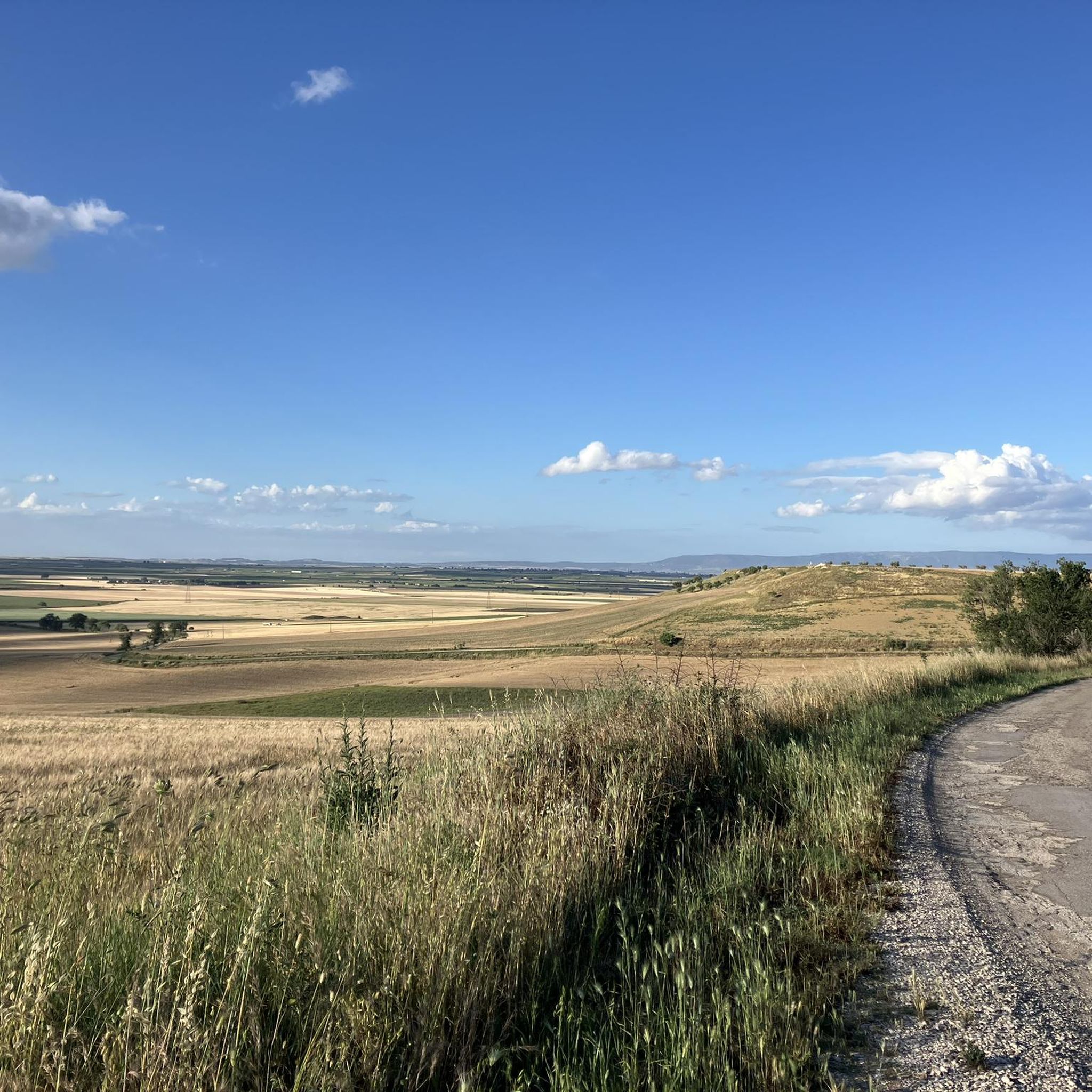
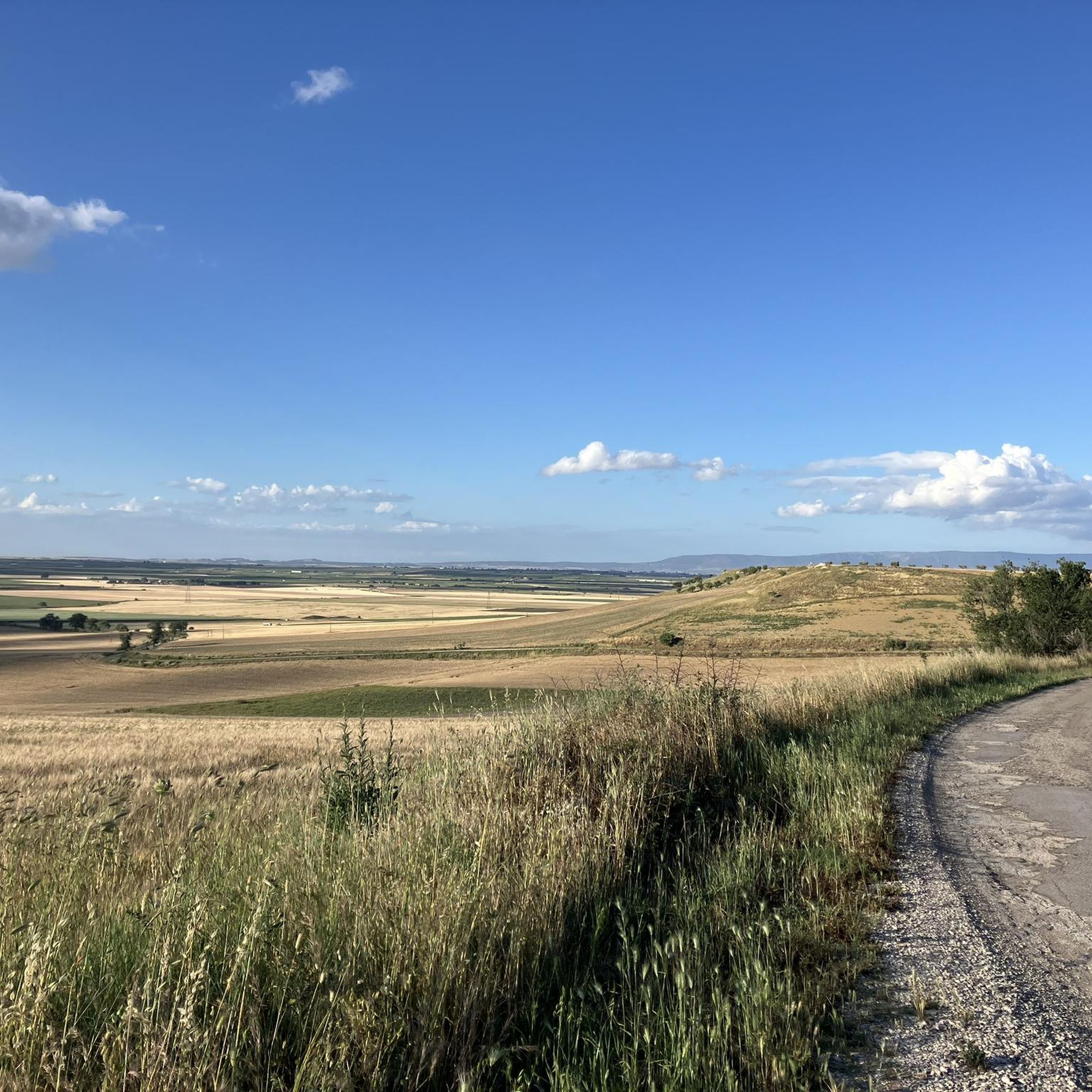
The fortress dominated the arrival of the Transhumance flocks from the top of Colle Albano. Lucera, before Foggia, was the seat of customs.
0
0

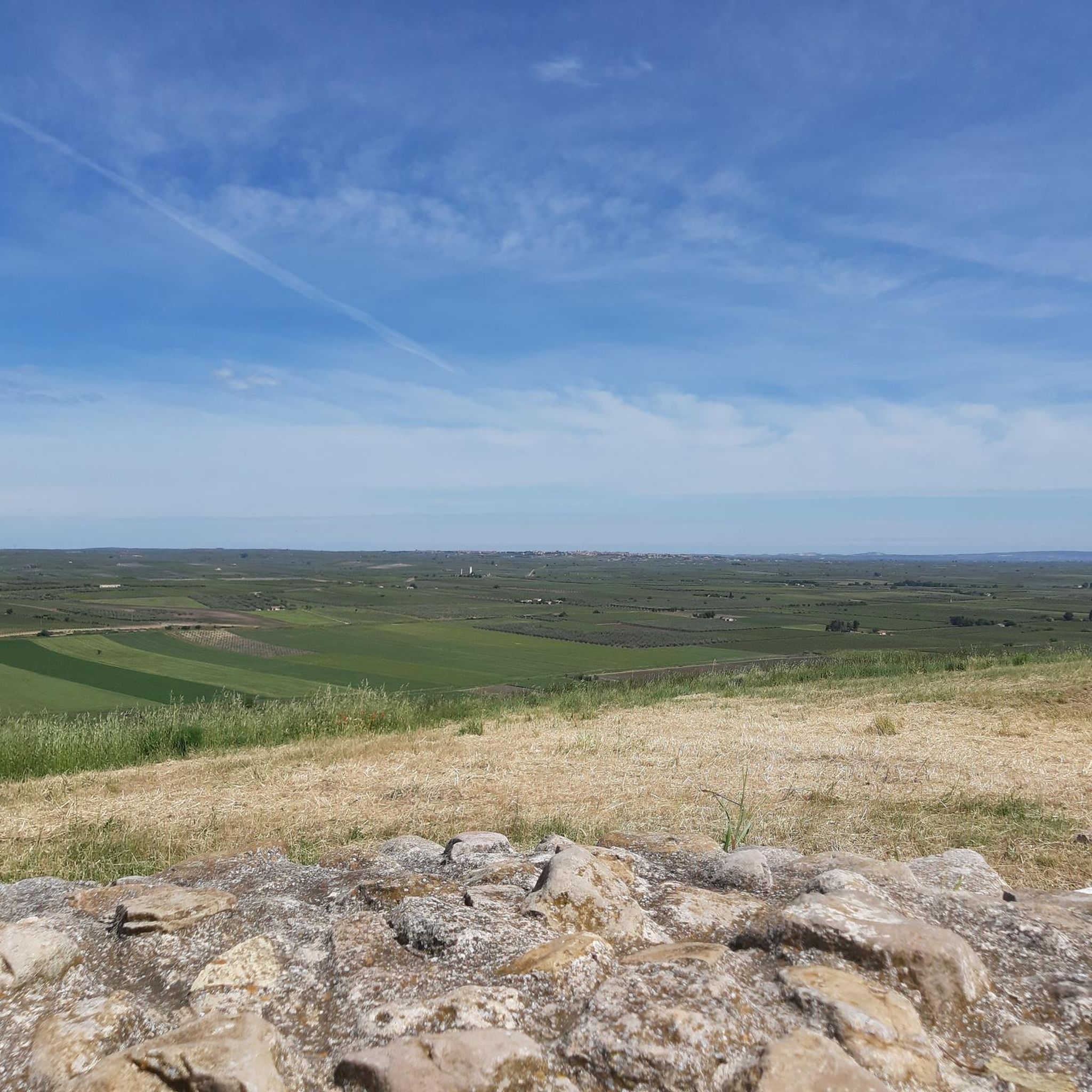
The castle of Lucera is a 13th century Swabian-Angevin fortress, built by Frederick II and enlarged by Charles I of Anjou. It is located on the top of Colle Albano from which it dominates the Tavoliere delle Puglie. It was the residence of the emperor and the Saracens who had moved from Sicily, today it is a national monument and preserves the ruins of the palace, the mint and the mosque.
1
0

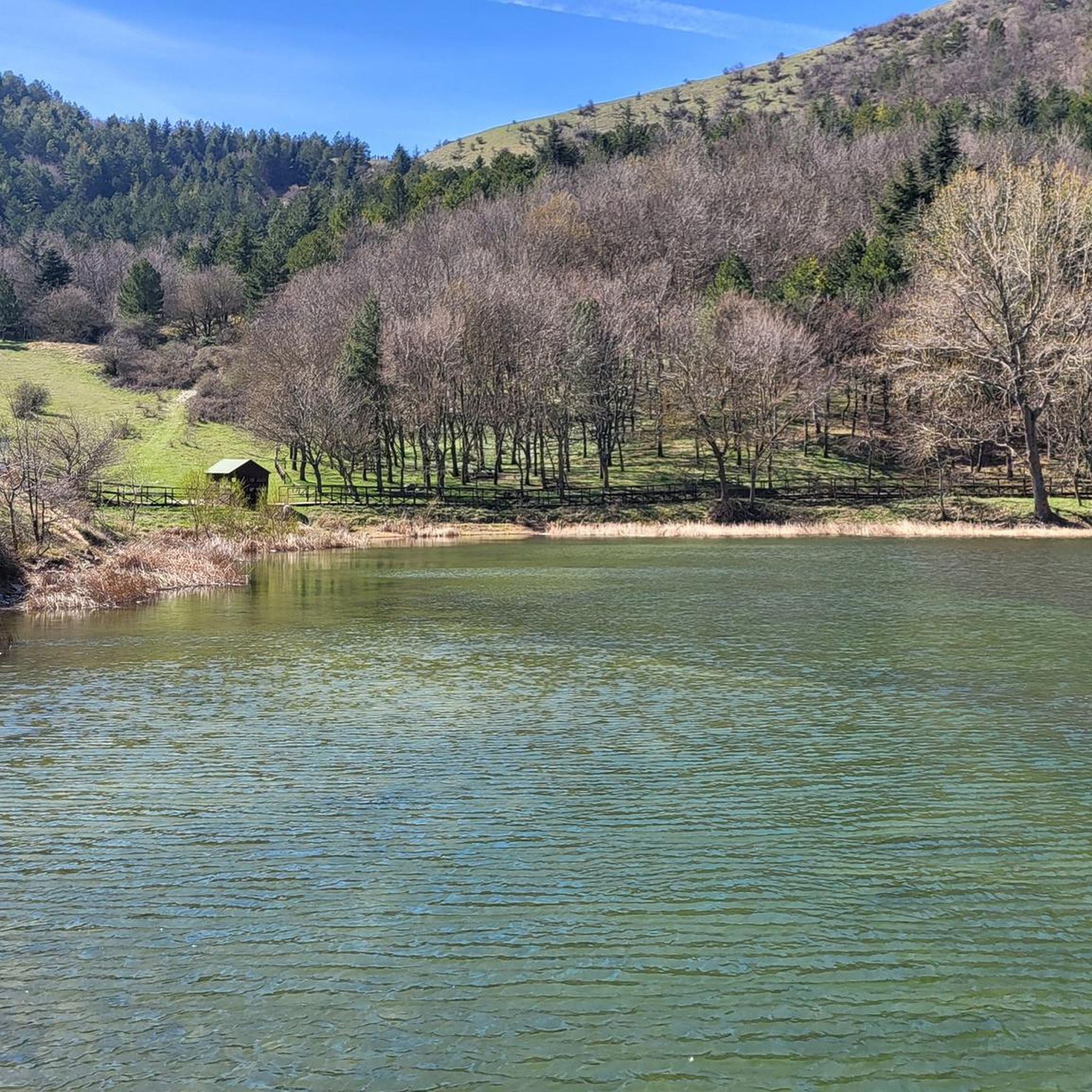
San Marco La Catola is a small medieval village in the province of Foggia. The path of the Sentiero Italia passes through here. The inhabited center develops around an ancient 14th century ducal palace, which is called the "castle".
2
0

Restoration and expansion measures are planned for the Swabian-Angevin fortress of Lucera. On the summit of Albano Hill, above which the acropolis of Roman Lucera once stood, Frederick II began construction of his palace at the beginning of the 12th century to control the forced relocation of Saracens from Sicily to Lucera.
9
0

Entering the beautiful Villa Comunale di Lucera (FG), rich in vegetation, palm trees and oleanders, you can see in front of the imposing Svevo-Angioina Fortress, called Castello di Lucera. The castle dominates the promontory, a crucial point for controlling the surrounding valley. Able to block attacks from Troia (FG), Monti Dauni and the Gargano.
15
0

View of the ruins of the castle of Frederick the Second. Unfortunately only ruins.
4
0
Frequently Asked Questions
What historical sites can I visit directly in Volturino?
While Volturino does not feature traditional fortified castles, it is home to the historical Palazzo Baronale. This noble residence, located along the main street, offers a glimpse into aristocratic life and contributes to the town's medieval atmosphere. You can find more information about the Palazzo Baronale here.
Which are the most significant castles to visit in the Foggia Province near Volturino?
For those seeking classic castle experiences, the Foggia Province offers several remarkable examples. The most significant include the imposing Castello di Lucera, the strategically located Castello di Monte Sant'Angelo, and the unique octagonal Castel del Monte (near Andria), a UNESCO World Heritage site known for its architectural symbolism.
What makes the Castello di Lucera a must-visit?
The Castle of Lucera is an imposing Swabian-Angevin fortress from the 13th century, boasting extensive walls and towers. It offers breathtaking panoramic views of the Tavoliere delle Puglie and the surrounding countryside. Its rich history includes construction by Frederick II and Charles I of Anjou, and it served as a settlement for a Saracen colony. You can explore remnants of residential quarters and a chapel within its walls. More details about the fortress can be found here.
What is unique about Castel del Monte?
Castel del Monte, a UNESCO World Heritage site, is renowned for its unique and mysterious octagonal design, with eight octagonal towers at each corner. It lacks traditional defensive elements, suggesting it was not primarily built for military defense. Instead, its design is rich in mathematical and astronomical symbolism, reflecting Emperor Frederick II's interests. Its enigmatic purpose and perfect geometric shape make it a fascinating site for history and symbolism enthusiasts.
Are there any smaller, lesser-known 'castles' or historical villages to explore?
Yes, the small medieval village of San Marco la Catola, in the province of Foggia, is built around an ancient 14th-century ducal palace, which locals refer to as a 'castle'. It offers a charming glimpse into local history and is also part of the Sentiero Italia path.
What kind of views can I expect from these castles?
Many castles in the region offer spectacular views. From the walls of the Castle of Lucera, you can enjoy panoramic vistas of the Tavoliere delle Puglie. The Castello di Monte Sant'Angelo provides expansive views of the town, the Umbra Forest, and stretches as far as the Gulf of Manfredonia and the Adriatic Sea. Castel del Monte also offers unparalleled views of the surrounding Puglian landscape from its terraces.
What outdoor activities can I combine with a castle visit near Volturino?
The area around Volturino and its castles is excellent for outdoor activities. You can find numerous routes for road cycling, running, and mountain biking. For example, there are several road cycling routes like 'The Dauni Mountains of Faeto and Roseto Valfortore' or 'Castel Fiorentino and Castelnuovo della Daunia' starting from Lucera. Explore more options on the Road Cycling Routes around Volturino guide, the Running Trails around Volturino guide, or the MTB Trails around Volturino guide.
Are there family-friendly options when visiting castles in the region?
While specific play areas might not be common within the ancient castle structures themselves, the vast grounds of castles like Lucera provide ample space for children to explore and imagine. The historical context and impressive architecture can be engaging for families. Combining a castle visit with nearby outdoor activities, such as easy walking trails, can also make for a fun family day out.
What is the best time of year to visit the castles around Volturino?
The spring (April-June) and autumn (September-October) months are generally the best times to visit the castles in the Puglia region. The weather is pleasant for exploring outdoor sites and enjoying the panoramic views without the intense heat of summer. These seasons also offer comfortable conditions for combining castle visits with hiking or cycling in the surrounding Dauni Mountains.
Can I find cafes or restaurants near these castles?
Yes, the towns where these castles are located, such as Lucera, Monte Sant'Angelo, and near Andria (for Castel del Monte), offer various cafes, trattorias, and restaurants where you can enjoy local Puglian cuisine before or after your visit. Volturino itself also has local cafes and restaurants.
Is public transport available to reach these castles from Volturino?
While Volturino has local public transport, reaching the major castles like Lucera, Monte Sant'Angelo, or Castel del Monte often requires a combination of local buses and potentially regional trains or a car. For the most flexibility and direct access, especially to sites further afield, traveling by car is generally recommended. Check local bus routes for connections to larger towns like Lucera, from which you can access the castle.
Most popular attractions around Volturino

Get inspired with the komoot mobile app


Explore more
Looking for the best castles somewhere else? Discover other guides around Volturino:
