Top 2 Castles around Castel Di Tora
Best castles around Castel Di Tora are primarily found as historical fortifications integrated within charming villages and their immediate surroundings in the Lazio region of Italy. This area offers insights into medieval life and strategic defense, particularly around the artificial Lake Turano. The landscape features steep cliffs, lush natural scenery, and preserved medieval urban layouts with narrow alleys and winding stairways. Visitors can explore ancient defensive structures and villages that reflect centuries of history.
Best castles around Castel Di Tora
…Last updated: November 14, 2026
Rocca Sinibalda Castle
Highlight • Castle
Translated by Google •
Tip by

Orvinio
Highlight • Settlement
Translated by Google •
Tip by

Sign up now to discover places like this
Get recommendations on the best single tracks, peaks, & plenty of other exciting outdoor places.
Rigatti Village and Baronial Palace
Highlight • Settlement
Translated by Google •
Tip by

Rocca Cenci
Highlight • Castle
Showing Translation
Tip by
Start today with a free account
Your next adventure awaits.
Popular around Castel Di Tora
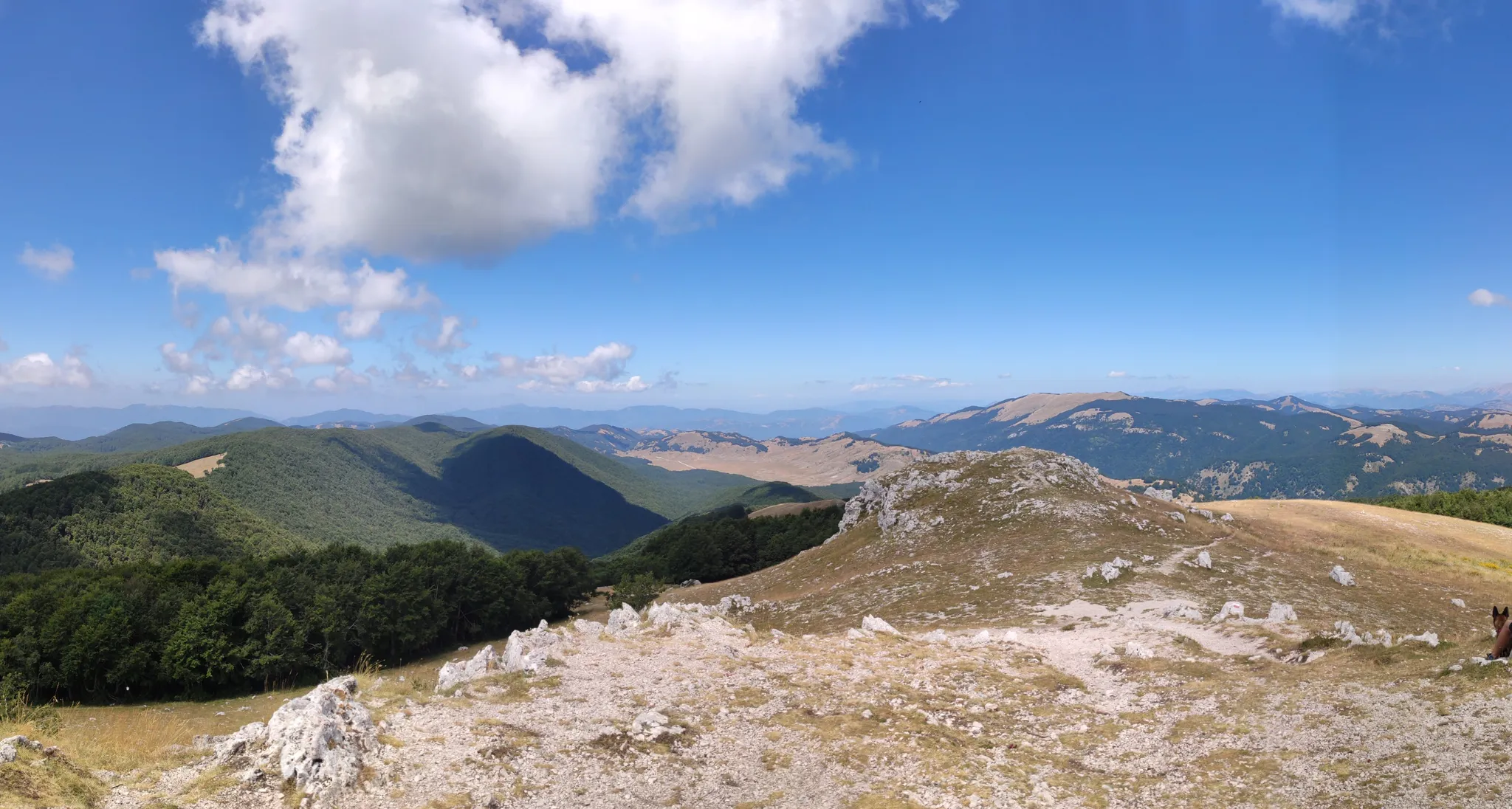
Cammino Naturale dei Parchi – Part 2 Livata to Corvaro
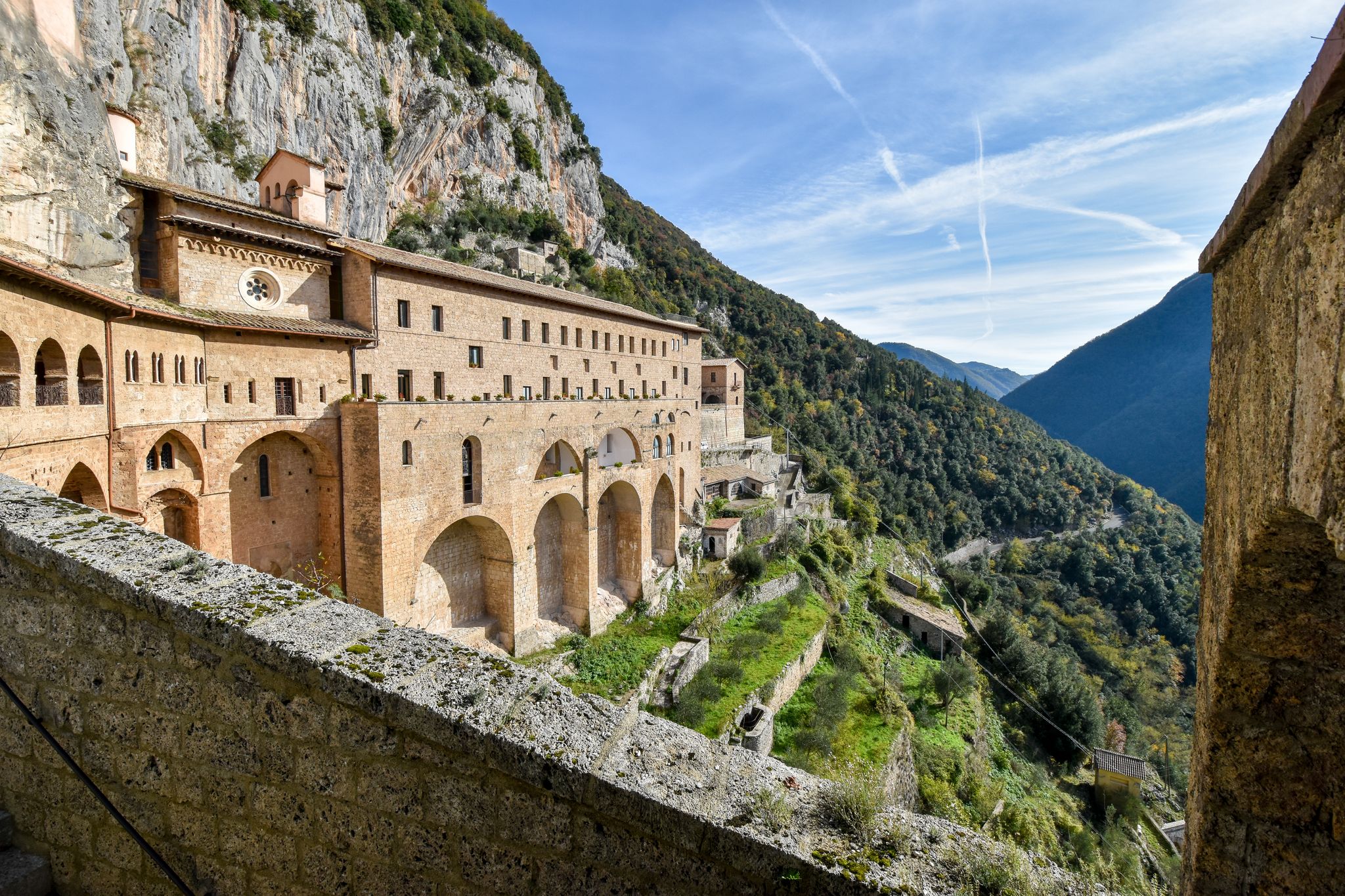
In the Footsteps of Saint Benedict - The Benedict Way
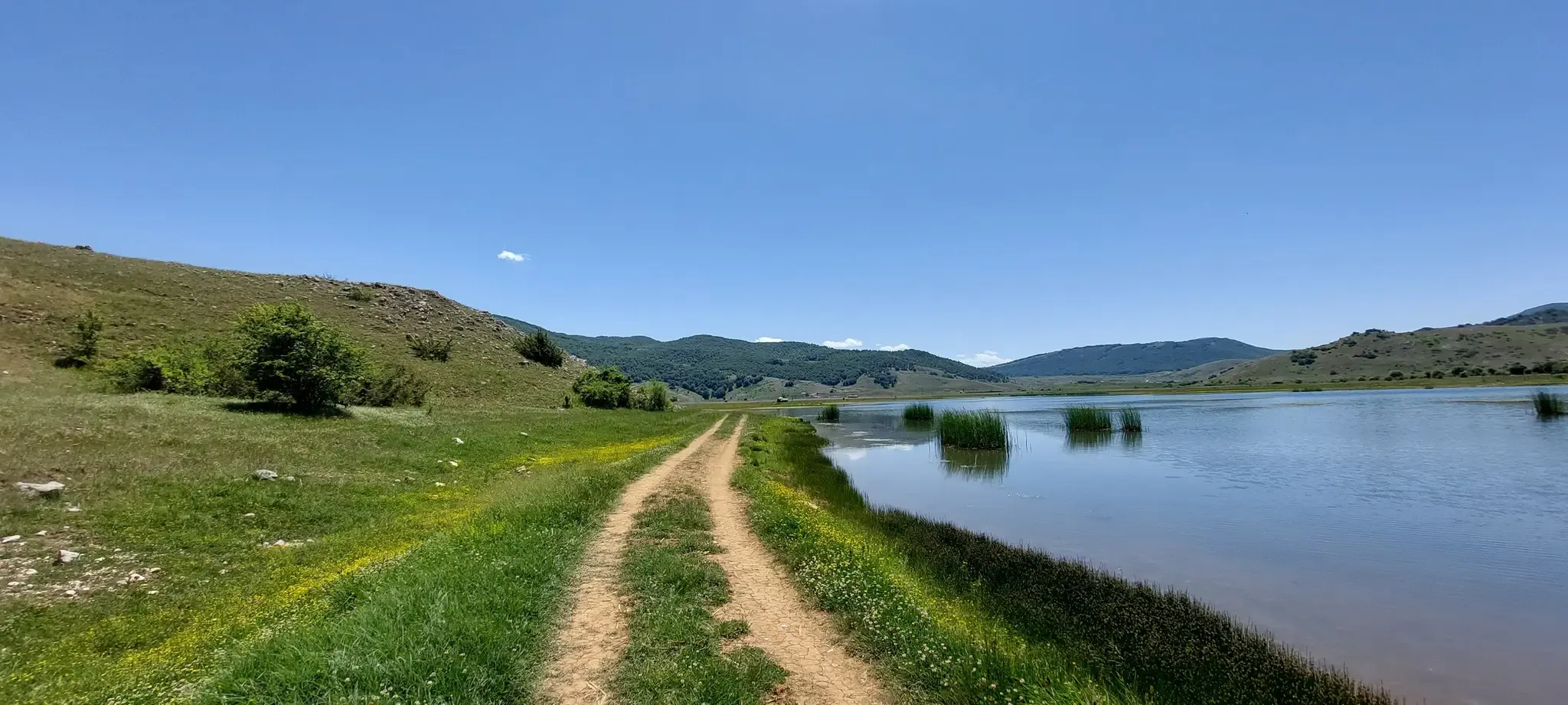
Lakes, villages and nature reserves – discovering Cicolano
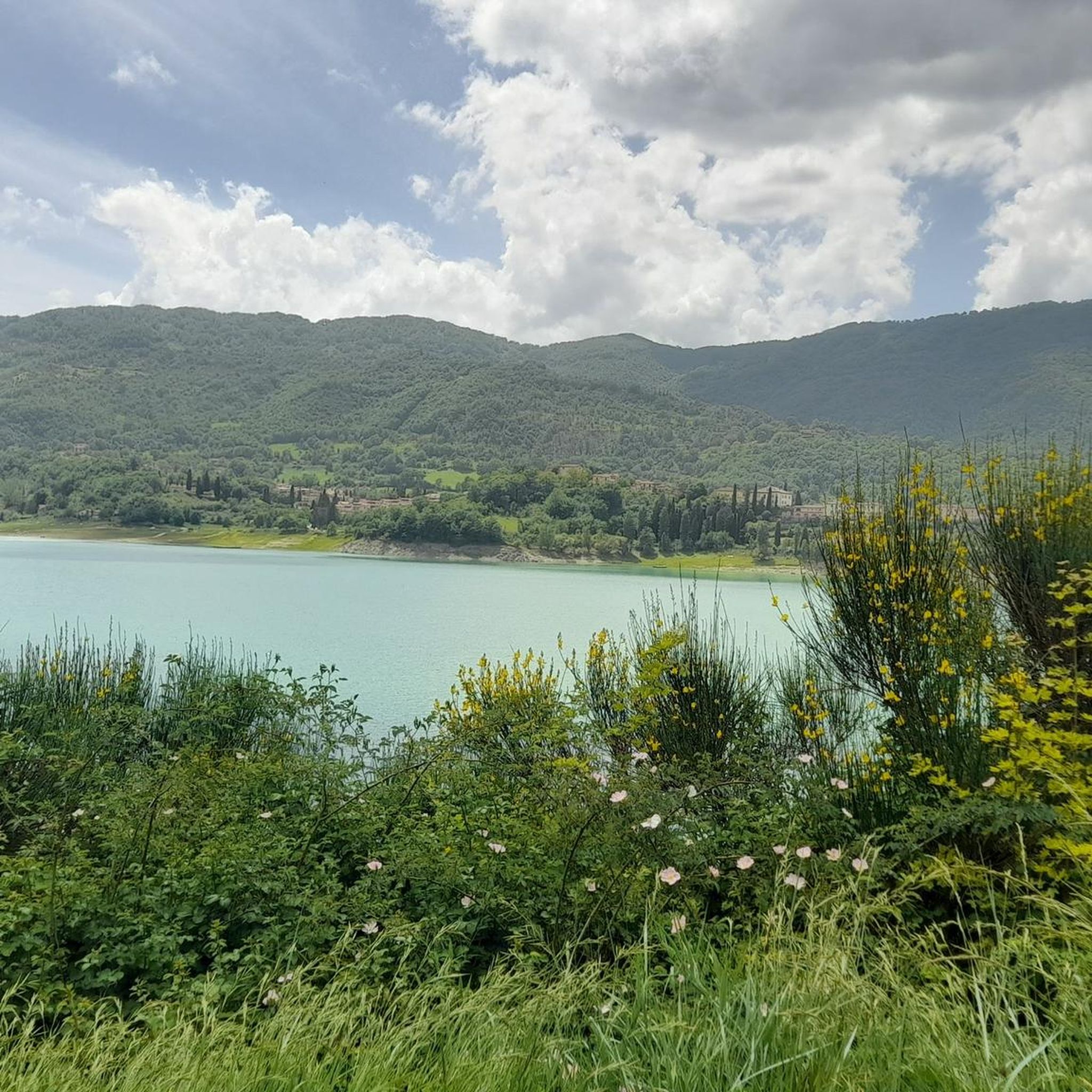
Hiking around Castel Di Tora
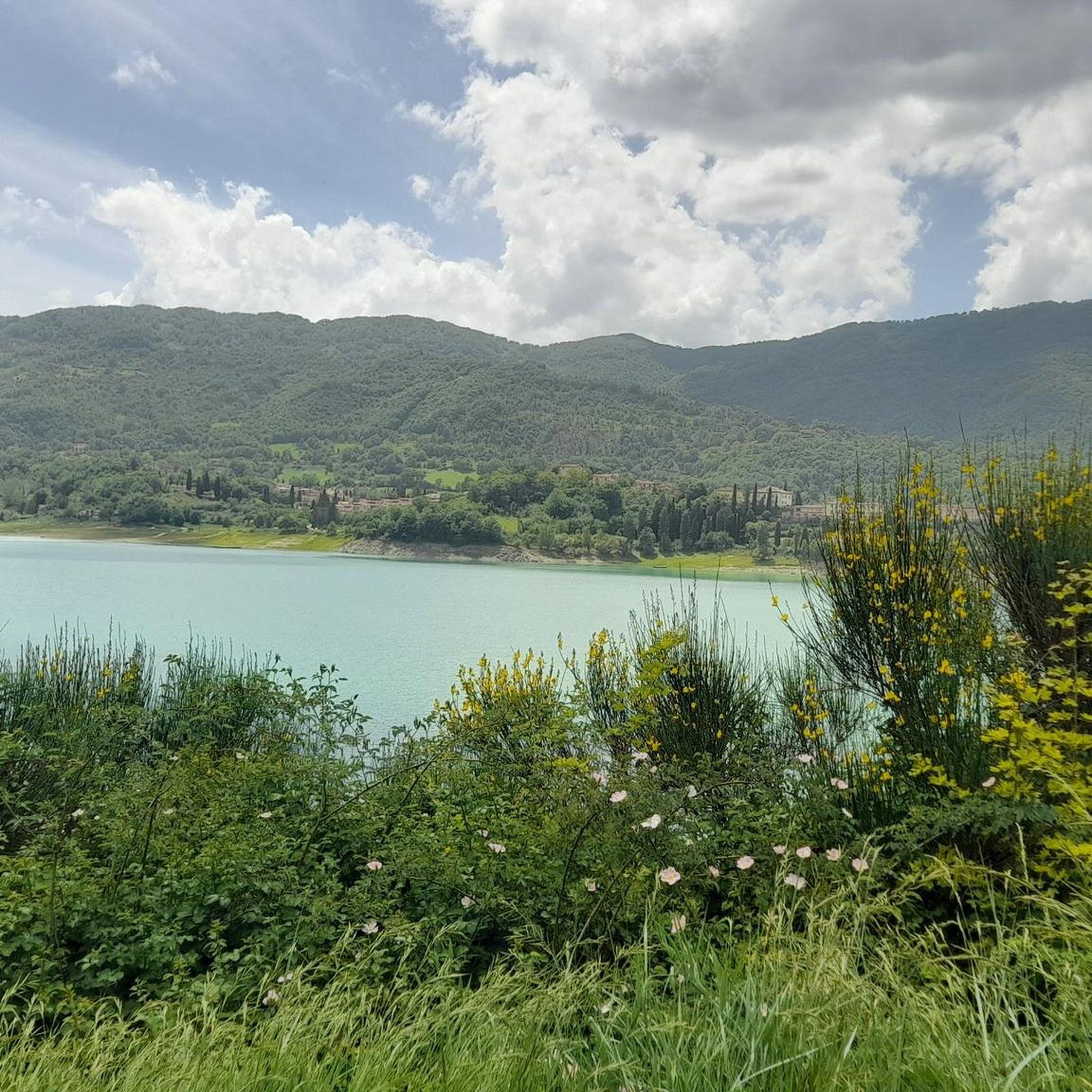
MTB Trails around Castel Di Tora
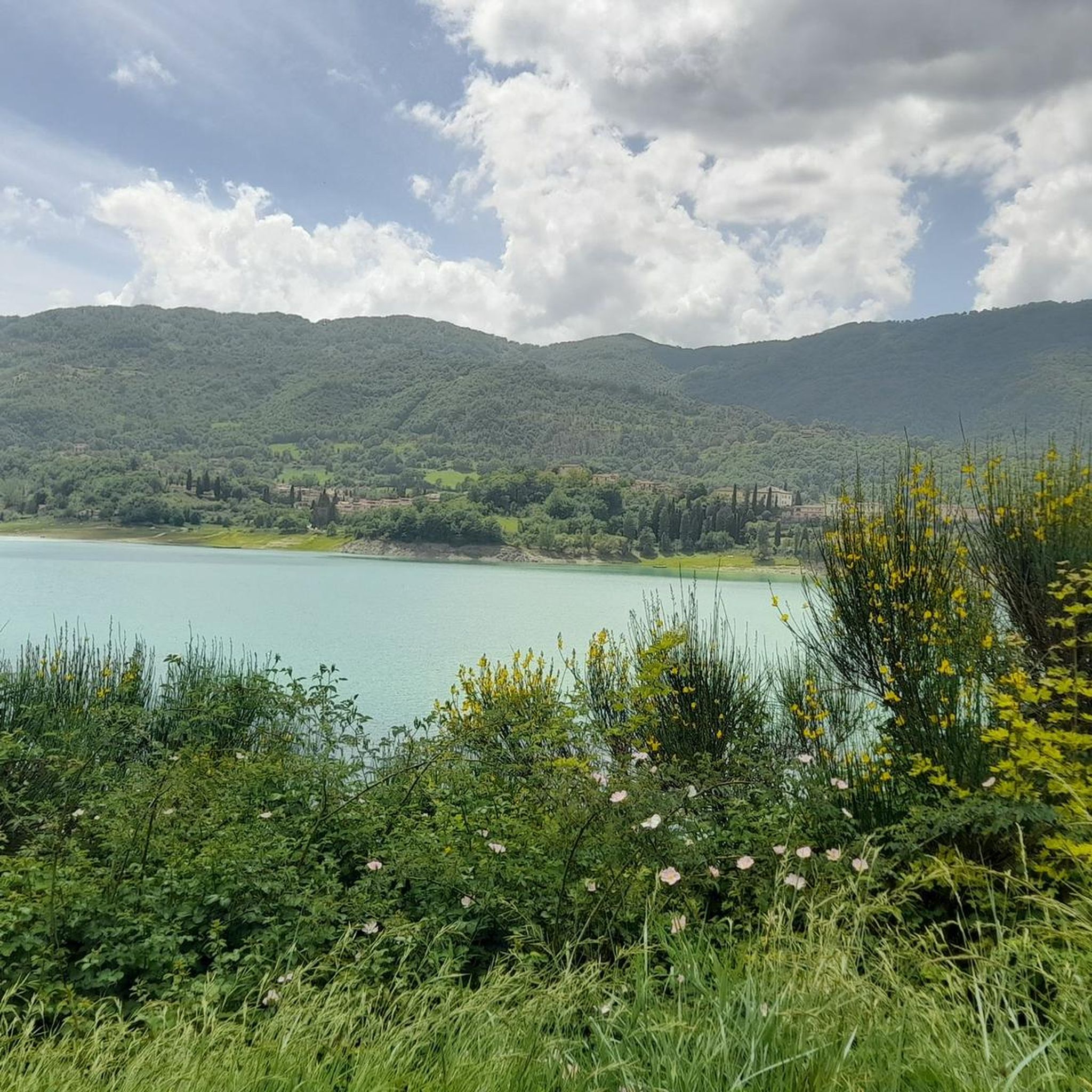
Road Cycling Routes around Castel Di Tora
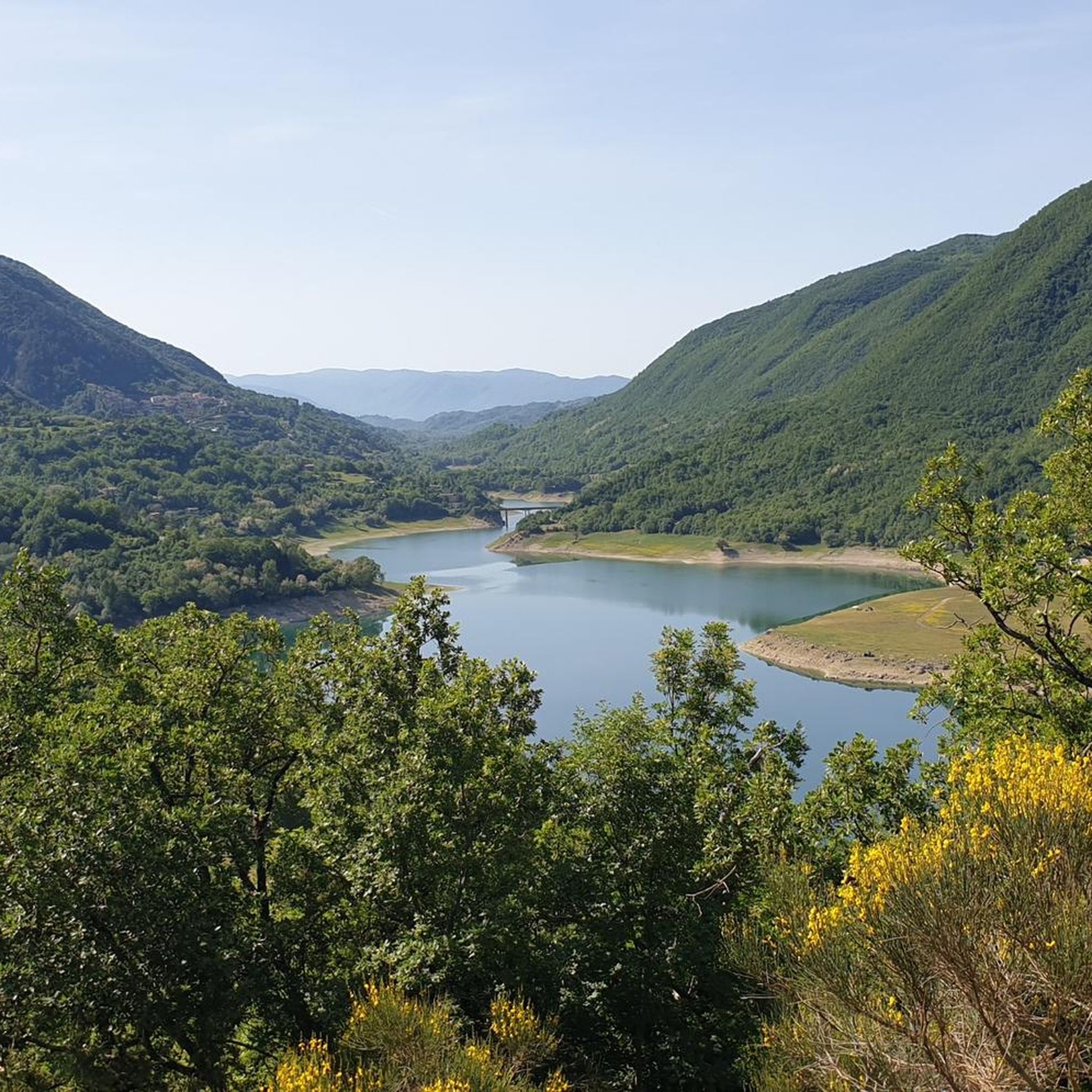
Cycling around Castel Di Tora
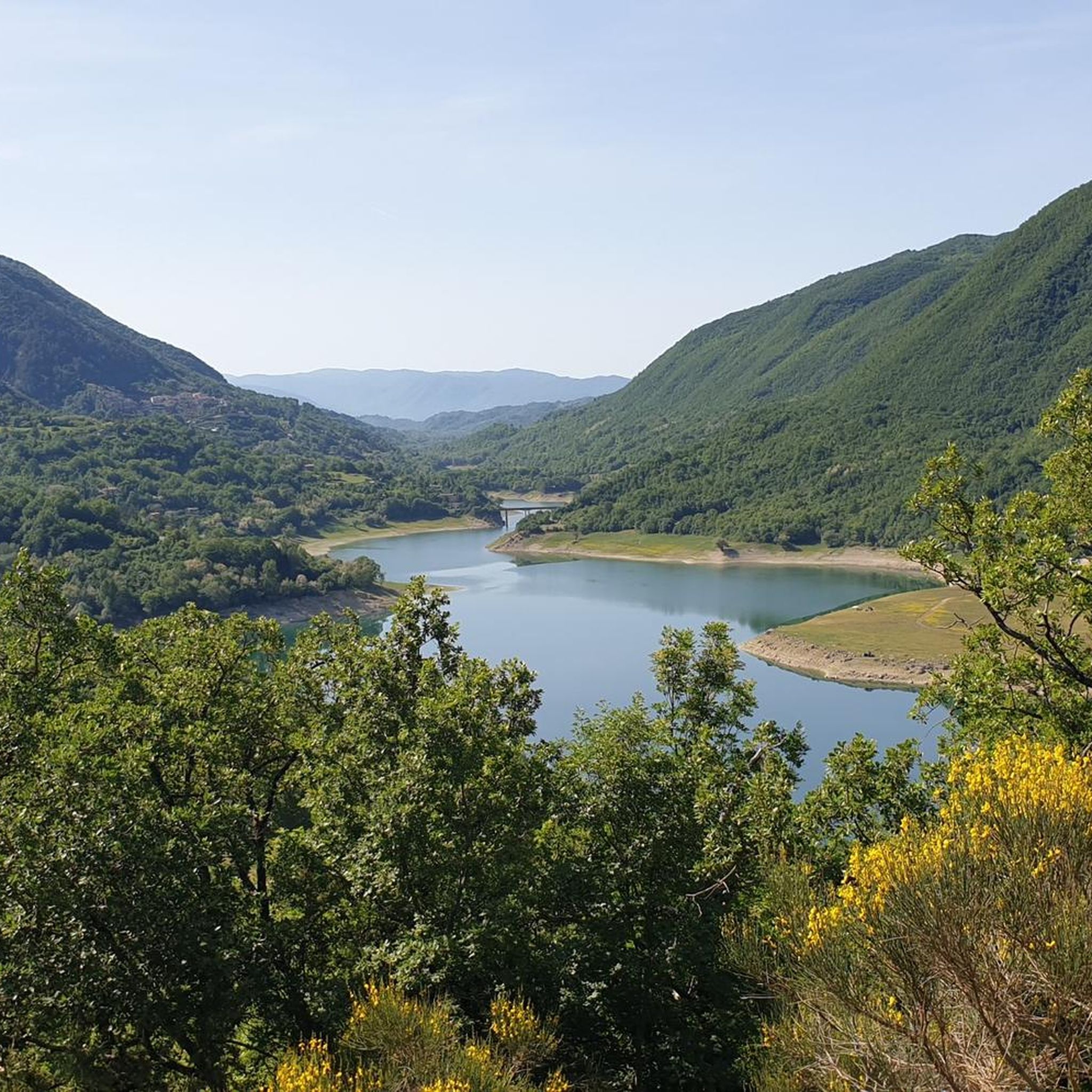
Running Trails around Castel Di Tora
Other adventures around Castel Di Tora


Tips from the Community

La Rocca Cenci, now in ruins, is linked to the tragic story of Beatrice Cenci, a young Roman noblewoman who, according to historical reconstructions, was locked up here by her father in 1595. In 1598, Beatrice, with accomplices, organized the murder of her father, Francesco, right in the Rocca. The crime was initially disguised as an accident, but was discovered. Beatrice, her stepmother Lucrezia, and her brother Giacomo were executed in Rome in 1599.
0
0

among the most beautiful villages in Italy
0
0
Guided Tours - info www.castelloroccasinibalda.it
0
0
The village of Rigatti has medieval origins, having probably been built in the 12th century. Its history is closely linked to the parish church of Santa Maria in Rivogatti, dating back to 1153, around which the settlement developed. Over the centuries, Rigatti has been part of various domains: • Papal State • Kingdom of Naples (in some periods) • Fiefdom of the Mareri family for a long time. The village has had a strategic role, with its castle in visual communication with other military structures in the area, such as the castles of Girgenti and Marcetelli. the baronial palace of Rigatti, originally a medieval castle from the 12th century, was transformed into a noble residence during the Renaissance. It has a characteristic trapezoidal shape and a central keep tower, today it is the Caprioli house and houses a painting depicting the Mareri family coat of arms.
0
0

Rocca Sinibalda dominates the lush Turano Valley from above, the second most important river in Sabina after the Velino. The village is dominated by a castle founded around 1060. It was rebuilt as a fortress and noble residence in the 1630s by Cardinal Alessandro Cesarini who hired the famous Sienese architect Baldassarre Peruzzi for the occasion. It can only be visited on certain days. It is therefore advisable to inform yourself before departure.
0
0

The Castle of Rocca Sinibalda, located in the province of Rieti, has a rich and fascinating history. Its construction dates back to the 10th century and was built to defend the surrounding area and control the territory. Over the centuries, the castle passed between various noble families, including the Savellis, the Orsinis and the Sinibaldis, from which it takes its name.
1
0


Orvinio is an Italian municipality of 387 inhabitants in the province of Rieti, in Lazio, which stands on a hill around its imposing castle belonging to the family of the Marchesi Malvezzi Campeggi. It is part of the club of the most beautiful villages in Italy. I highly recommend a night walk through its alleys
3
0
Frequently Asked Questions
What kind of historical structures can I expect to see around Castel di Tora?
Castel di Tora itself features historical fortifications integrated within the village. You can explore the polygonal Tower of the Fortress (Torre e Palazzo Scuderini Rossi), dating back to the eleventh century, which offers panoramic views of Lake Turano. Remnants of 15th-century city walls, including a preserved pentagonal tower, also provide insight into the village's defensive past. Nearby, the abandoned village of Antuni features the ruins of the 15th-century Palazzo del Drago.
Are there any castles with unique historical stories near Castel di Tora?
Yes, Rocca Cenci, though now in ruins, is famously linked to the tragic story of Beatrice Cenci, a Roman noblewoman imprisoned there in 1595. Her story of organizing her father's murder at the Rocca in 1598 is a significant historical event. Additionally, Rocca Sinibalda Castle has a rich history dating back to the 10th century, rebuilt in the 1630s by Cardinal Alessandro Cesarini.
What are some of the most notable castles or fortified villages to visit?
Beyond Castel di Tora's own historical structures, consider visiting Rocca Sinibalda Castle, a 10th-century fortress dominating the Turano Valley. The village of Orvinio, recognized as one of Italy's most beautiful villages, features an imposing castle. The medieval Rigatti Village and Baronial Palace, originally a 12th-century castle, also offers a glimpse into the region's past.
Are there family-friendly activities or castles suitable for children?
Exploring the medieval streets of Castel di Tora, recognized as one of 'Italy's most beautiful villages,' can be an engaging experience for families. The historical structures like the Tower of the Fortress and the ancient city walls offer a tangible connection to history. While specific child-focused activities are not listed for the castles, the general atmosphere of discovery in these historical settings can be enjoyable for all ages. The nearby Lake Turano also offers opportunities for outdoor family fun.
What natural features or viewpoints can I find near these castles?
Many of the historical sites offer stunning views. The Tower of the Fortress in Castel di Tora provides panoramic views of the artificial Lake Turano and the surrounding natural landscape. The abandoned village of Antuni, situated on a peninsula within Lake Turano, also offers spectacular views of the lake. Rocca Sinibalda Castle dominates the lush Turano Valley, providing expansive vistas.
What outdoor activities can I do near the castles around Castel di Tora?
The area around Castel di Tora is excellent for outdoor activities. You can find numerous routes for hiking, road cycling, and general cycling. For example, there are hiking routes like the 'Walk from Castel di Tora towards Monte Navegna - Ring tour' or the 'Vallocchie Waterfall – Castel di Tora loop'. Cyclists can explore routes such as the 'Castel di Tora – Orvinio Historic Center loop' for road cycling or 'Gravel on Lake Turano in the Monti Navegna e Cervia Nature Reserve' for general cycling. You can find more details on these activities at Hiking around Castel Di Tora, Road Cycling Routes around Castel Di Tora, and Cycling around Castel Di Tora.
Are there hiking trails near these castles?
Yes, there are several hiking trails available. You can enjoy routes such as the 'Walk from Castel di Tora towards Monte Navegna - Ring tour' (difficult, 14.4 km), the 'Vallocchie Waterfall – Castel di Tora loop' (easy, 5 km), or the 'View of Lake Turano – Monte Navegna Summit Cross loop' (difficult, 15 km). These trails offer a chance to explore the natural beauty surrounding the historical sites. More information on these and other hiking routes can be found on the Hiking around Castel Di Tora guide page.
What is the best time to visit the castles and historical sites in this region?
The region around Castel di Tora, with its scenic lake and mountainous landscape, is generally pleasant to visit during spring and autumn when temperatures are mild and the natural scenery is vibrant. Summer can also be a good time, especially for enjoying Lake Turano, though it might be warmer. Winter visits are possible, but some areas or guided tours might have reduced availability, and the weather can be colder.
Is it possible to visit the abandoned village of Antuni?
Yes, the abandoned village of Antuni, located on a peninsula within Lake Turano, can be visited. It's often described as a 'ghost town' and offers a unique experience of a village frozen in time, including the ruins of the Palazzo del Drago. Guided excursions are typically required to visit Antuni and the nearby Hermitage of San Salvatore, which features 1640 frescoes.
Are there guided tours available for any of the castles?
Yes, Rocca Sinibalda Castle offers guided tours, though it's advisable to check their website (www.castelloroccasinibalda.it) for specific days and times before your visit. For the abandoned village of Antuni, guided excursions are typically required to explore the site and the Hermitage of San Salvatore.
What makes Castel di Tora itself a significant historical place?
Castel di Tora, originally known as Castel Vecchio, is recognized as one of 'Italy's most beautiful villages.' Its significance lies in its well-preserved medieval urban layout, characterized by narrow alleys, small squares, and winding stairways. The village's historical fortifications, such as the 11th-century Tower of the Fortress and remnants of 15th-century city walls, are integrated into its fabric, offering an authentic glimpse into medieval life and strategic defense.
Most popular attractions around Castel Di Tora

Get inspired with the komoot mobile app


Explore more
Looking for the best castles somewhere else? Discover other guides around Castel Di Tora:
