Top 5 Castles around Borghetto Di Vara
Best castles around Borghetto Di Vara are primarily historical sites and fortifications located in the surrounding Val di Vara region, rather than directly within the village itself. Borghetto di Vara is historically significant as an ancient crossroads, known for its ancient pathways and religious sites. The area offers a landscape characterized by historical structures and natural beauty, serving as an important stopping point for travelers and pilgrims. While prominent castles are not found directly in Borghetto di Vara, the region…
Last updated: October 4, 2026
Castello di Levanto
Highlight • Castle
Translated by Google •
Tip by

Castello Doria
Highlight • Castle
Translated by Google •
Tip by

Sign up now to discover places like this
Get recommendations on the best single tracks, peaks, & plenty of other exciting outdoor places.
Levanto Clock Tower
Highlight • Historical Site
Translated by Google •
Tip by

Castello di Calice al Cornoviglio
Highlight • Castle
Translated by Google •
Tip by
Carpena Castle and Church
Highlight • Castle
beautiful church and castle ruins
Translated by Google •
Tip by

Sign up for free to discover even more castles around Borghetto Di Vara.
Already have an account?
Start today with a free account
Your next adventure awaits.

Tips from the Community

Levanto Castle was a defensive building located between Salita San Giorgio and Salita al Castello in the southern part of the historic center of Levanto, in the province of La Spezia. The site is part of the town's ancient walls. HISTORY: According to some historical sources, the existence of a defensive building in the then Levanto village was documented and confirmed as early as 1165, during the Malaspina rule in the area. Around the 13th century, a document attests to its presence under the name "Castello di Monale." The current building, however, dates back to the rule of the Republic of Genoa, and therefore to the second half of the 16th century[1], perhaps a reconstruction from scratch on the site of the pre-existing medieval castle; the reconstruction of the town's old walls is documented. With the creation of the Captaincy of Levanto in 1637, it served as the temporary seat of the Captain and, subsequently, as a prison until the fall of the Genoese Republic under Napoleonic rule in 1797. In the second half of the 19th century, it was sold to the state and, after conservative restoration between the end of the 19th century and the beginning of the 20th century, it remains privately owned today. SOURCE: https://it.wikipedia.org/wiki/Castello_di_Levanto
0
0

The name Calice al Cornoviglio combines two distinctive elements of the village: "Calice," of uncertain origin but perhaps derived from the Latin calix (cup), referring to the site's concave shape, and "Cornoviglio," the mountain (561 m) that overlooks the village and lends its name to the entire ridge. This toponym appears in medieval documents and recalls the village's ancient connection with the surrounding Apennine territory. Calice was long ruled by the Malaspina dello Spino Secco family, who built a strategic castle there, documented since the 11th century and modified several times over the centuries. Today, the fortress houses the Diocesan Museum of Sacred Art and the Chestnut Documentation Center, two testimonies to the profound intertwining of history, spirituality, and the territory's resources. A short distance away is the parish church of Santa Maria Lauretana, an elegant 18th-century Baroque building with exquisite decorations and a polychrome marble high altar. The village comes alive throughout the year with traditional events such as the Feast of Our Lady of Loreto (September), the Chestnut Festival (October) and various summer festivals, which highlight the historical and cultural roots of the place.
0
0

Cinque Terre is the name given to five neighboring communities on the Italian Riviera. These coastal villages are known for their colorful houses, cliffs, vineyards, and charming restaurants and cafés! The towns are easily accessible by train or boat.
2
0
Overlooking the city, to the south of the town, connected on one side to the church of S. Andrea and on the other to the small city port, along two splendid walks, stands the castle of Levanto, of which there is evidence thanks to an initial document dating back to 1165, when the building belonged to the Malaspina family. Further documentary confirmation of the construction, there called the castle of Monale, dates back to the following century. The current appearance of the fortification dates back to the second half of the 16th century, most likely the work of the Genoese; in this period the ancient walls were also renovated, still accessible today in some sections. When, in 1637, the headquarters of the Captaincy of the Republic of Genoa was placed in Levanto, the castle became the residence of the Captain; subsequently used as a prison, it fell into disuse after the capitulation of the Genoese Republic itself in 1797. During the 19th century, the public domain ceded it to private individuals - to whom it still belongs - while the various renovation cycles that brought it to its current shape date back to between the 19th and 20th centuries. Architecturally simple, the fortification consists of a circular-based tower and four quadrangular-shaped walls. North-east façadeThe external patrol walkways, embellished with Ghibelline-style battlements in the tower part and Guelph-style battlements in the body part, are supported by round brick arches based on corbels in sandstone typical of the area.
1
0

Suggestive place, with a very talkative sacristan who takes care of the whole place.
1
0

The original tower is part of the medieval city wall of Levanto around 1200. It served to protect against the Pisans.
15
0

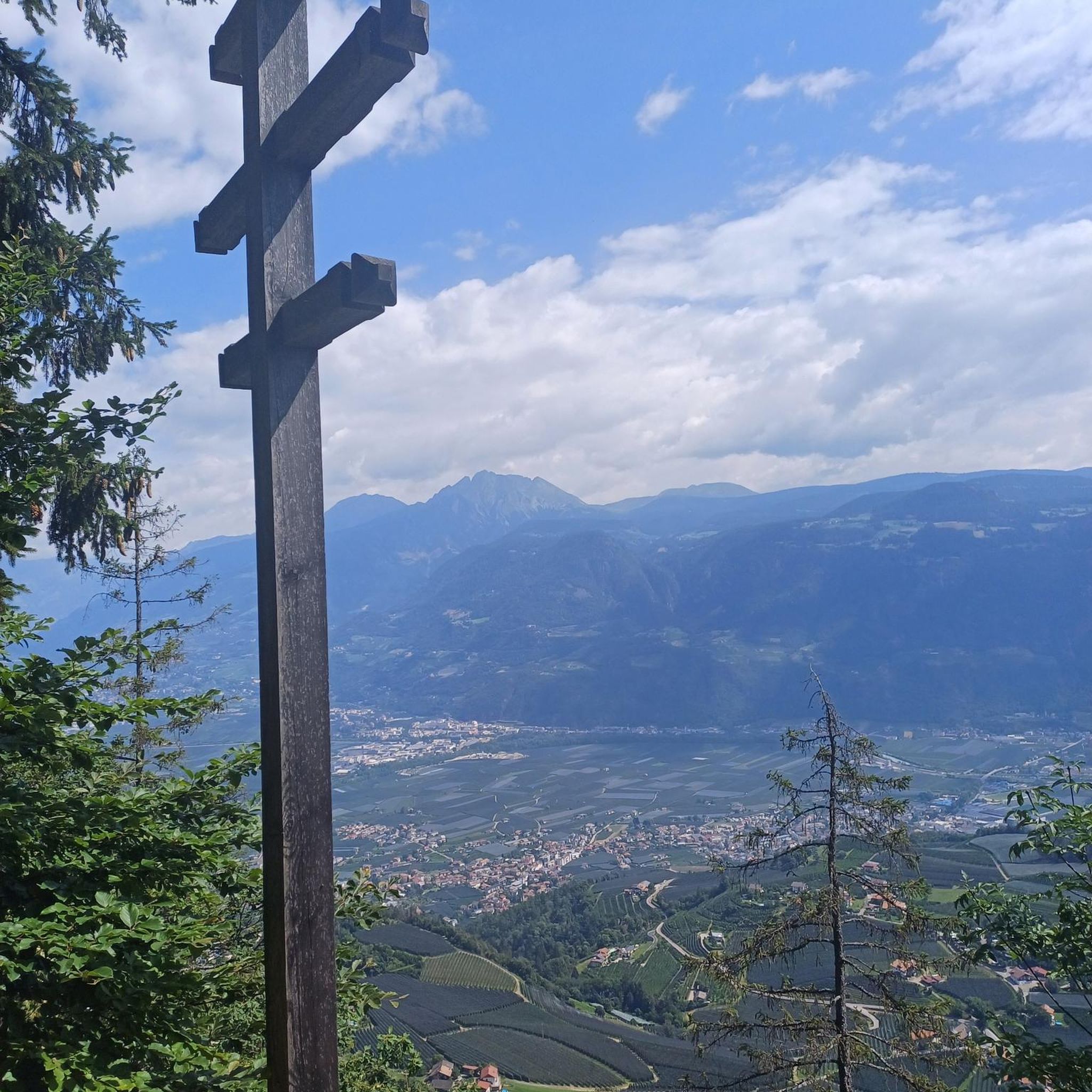
Viewpoint over La Spezia beautiful church and castle ruins
4
0
Frequently Asked Questions
What kind of historical sites can I explore around Borghetto di Vara?
While Borghetto di Vara itself is known for its ancient pathways and religious sites, the surrounding Val di Vara region features various historical defensive structures and ruins. You can visit sites like Castello Doria near Cinque Terre, the medieval Levanto Clock Tower, or the strategic Castello di Calice al Cornoviglio which houses a Diocesan Museum of Sacred Art.
Are there any castles with good viewpoints?
Yes, Carpena Castle and Church offers a beautiful viewpoint over La Spezia, featuring picturesque church and castle ruins. Castello di Calice al Cornoviglio also provides scenic views of the surrounding area.
Can I visit Suvero Castle?
Suvero Castle, a historical site with a strategic position between the Vara valley and Lunigiana, has been completely restored and is currently used as a private residence. Therefore, it cannot be visited by the public.
What outdoor activities are available near these historical sites?
The area around Borghetto di Vara and its historical sites is excellent for outdoor activities. You can find numerous hiking trails, including the historical Via dei Monti pilgrimage route. There are also dedicated MTB trails and road cycling routes to explore the natural beauty of the Val di Vara region.
Are there any family-friendly historical sites or activities?
While specific family-friendly activities at each site may vary, exploring the historical ruins and medieval structures like the Levanto Clock Tower can be an engaging experience for families. The nearby Cinque Terre, accessible from Castello Doria, offers charming coastal villages that are popular with families.
What is the historical significance of the castles in this region?
The castles and fortifications in the Val di Vara region, such as Castello di Calice al Cornoviglio and Suvero Castle, often served strategic defensive purposes due to their elevated positions. Many were built or modified by powerful families like the Malaspina, reflecting centuries of regional conflicts and control. Sites like the Levanto Clock Tower were integral to medieval city defenses.
What can I expect to see at Castello di Calice al Cornoviglio?
Castello di Calice al Cornoviglio is a strategic castle with a rich history, once ruled by the Malaspina family. Today, it houses the Diocesan Museum of Sacred Art and the Chestnut Documentation Center. Nearby, you can also visit the elegant 18th-century Baroque parish church of Santa Maria Lauretana.
Are there any religious sites near the castles?
Yes, the region has several significant religious sites. Near Carpena Castle, you'll find a beautiful church. The village of Calice al Cornoviglio, home to Castello di Calice al Cornoviglio, also features the parish church of Santa Maria Lauretana. Borghetto di Vara itself is known for its ancient monastic complex of Madonna dell'Accola and the Sanctuary of Nostra Signora di Roverano.
What is the best time of year to visit the castles and historical sites?
The spring and autumn months generally offer pleasant weather for exploring the historical sites and engaging in outdoor activities around Borghetto di Vara. These seasons avoid the peak summer heat and crowds, making for a more comfortable experience.
What is special about the Levanto Clock Tower?
The Levanto Clock Tower is a historical site that was originally part of Levanto's medieval city wall, dating back to around 1200. It played a crucial role in protecting the town, particularly against the Pisans, making it a significant piece of local history.
What are some notable natural features or landscapes in the area?
The Val di Vara region surrounding Borghetto di Vara is known for its natural beauty, characterized by rolling hills, lush valleys, and proximity to the Ligurian coast. Many historical sites, like Carpena Castle and Church, offer panoramic viewpoints of this diverse landscape, including views over La Spezia.
Are there any hidden gems among the historical sites?
While not a 'hidden gem' in the sense of being unknown, the Carpena Castle and Church is described as a 'suggestive place' with beautiful ruins and a church, offering a unique atmosphere and a talkative sacristan who cares for the site, providing a more personal experience.
Most popular routes around Borghetto Di Vara
Most popular attractions around Borghetto Di Vara

Get inspired with the komoot mobile app


Explore more
Looking for the best castles somewhere else? Discover other guides around Borghetto Di Vara:
