Top 4 Castles around Zignago
Best castles around Zignago provide insight into the region's medieval origins and strategic past. While Zignago itself is known for its historical villages like Serò, which developed along the Via dei Monti, the prominent castles are found in the surrounding areas. These historical sites are often situated in positions offering panoramic views of the landscape. Exploring these castles can be combined with walking routes around Zignago, revealing the area's cultural heritage and natural attractions.
Best castles around Zignago
- The most…
Last updated: July 1, 2026
Castello di Calice al Cornoviglio
Highlight • Castle
Translated by Google •
Tip by

Dante's Castle in Mulazzo
Highlight • Castle
Translated by Google •
Tip by
Sign up now to discover places like this
Get recommendations on the best single tracks, peaks, & plenty of other exciting outdoor places.
Sign up for free
Suvero Castle
Highlight • Castle
Translated by Google •
Tip by
Castello di Madrignano
Highlight • Castle
Translated by Google •
Tip by

Madrignano village
Highlight • Settlement
Translated by Google •
Tip by
Start today with a free account
Your next adventure awaits.
Login or Signup
Tips from the Community

The name Calice al Cornoviglio combines two distinctive elements of the village: "Calice," of uncertain origin but perhaps derived from the Latin calix (cup), referring to the site's concave shape, and "Cornoviglio," the mountain (561 m) that overlooks the village and lends its name to the entire ridge. This toponym appears in medieval documents and recalls the village's ancient connection with the surrounding Apennine territory. Calice was long ruled by the Malaspina dello Spino Secco family, who built a strategic castle there, documented since the 11th century and modified several times over the centuries. Today, the fortress houses the Diocesan Museum of Sacred Art and the Chestnut Documentation Center, two testimonies to the profound intertwining of history, spirituality, and the territory's resources. A short distance away is the parish church of Santa Maria Lauretana, an elegant 18th-century Baroque building with exquisite decorations and a polychrome marble high altar. The village comes alive throughout the year with traditional events such as the Feast of Our Lady of Loreto (September), the Chestnut Festival (October) and various summer festivals, which highlight the historical and cultural roots of the place.
0
0
When you arrive in Mulazzo, a small stone village nestled in the woods of Lunigiana, you can't help but turn your gaze towards what remains of the ancient medieval castle: a solitary tower, imposing in its essentiality, and some ruins that, like silent traces of time, tell stories of power, poetry and hospitality. It is precisely here, in this intimate and evocative place, that the memory of the "castle of Dante" is intertwined, so called because it is linked to the stay of the Supreme Poet in 1306. The castle, once the vital center of power of the Malaspina dello Spino Secco, was the beating heart of the political and administrative life of Mulazzo. The Malaspina family, among the most influential in medieval Italy, had made Lunigiana a mosaic of castles and courts, and that of Mulazzo was one of the most representative gems. Today, what remains above all are the remains of the tower, commonly called "Tower of Dante", which watches over the town from above, like a guardian of ancient memories. But why “Dante’s Castle”? Because in this place, over seven centuries ago, Dante Alighieri was hosted during his exile from Florence. Far from his city and immersed in the complex political intrigues of the time, Dante found in the Malaspina court not only refuge, but also a rare example of nobility and culture. It was Moroello Malaspina who welcomed him, and it is to him that Dante dedicates words of sincere gratitude in Canto VIII of Purgatory, praising the “courtesy and value” of the family that had hosted him. Imagining Dante looking out from the castle walls, observing the woods of Lunigiana and perhaps composing in his mind the verses that would have crossed the centuries, adds an emotional dimension to this now bare fortress. Despite the centuries, the charm of the place is intact: the surrounding landscape is still the same, wild and majestic, and the silence that envelops the tower seems to guard the poet’s thoughts. Today the site is part of a cultural itinerary that Mulazzo has strongly wanted to keep alive. At the foot of the tower is the marble statue of Dante, sculpted by Arturo Dazzi in 1965, on the occasion of the seventh centenary of the poet's birth. With its gaze turned towards the horizon, the statue is a visual and symbolic reminder of the living presence of Dante in the history of the village.
0
0
The toponym Suvero seems to derive from the Latin word supernus (superior, placed above) and recalls its privileged strategic position of control, between the Vara valley and the Lunigiana. Dominating the village of Suvero is the castle, along the road that leads to the Passo dei Casoni. When the Marquis Rinaldo Malaspina received the investiture as lord of the fiefdom of Suvero in 1549, he decided to expand and renovate the previous castle, already four centuries old. A defensive and then residential position for the Malaspina family, the castle was abandoned by its owners after 1797 with the end of the imperial lordships decreed by the new Napoleonic French domination. In recent years, the castle of Suvero, for the third time in its very long history, has been completely restored and is currently used as a private residence. Therefore, the castle cannot be visited. The church of San Giovanni Battista, stands right in front of the castle, and shows clear traces of subsequent renovations. It has a cross-shaped structure and in the crypt it preserves a white marble bas-relief of the Virgin and Child surrounded by music-making angels, which bears the date 1497 engraved on it.
0
0
The castle hosts a documentation center on the ancient Ligurians who lived in the Val di Vara.
0
0

Under the Castle there is the church square and the well-preserved ancient village with its sandstone portals and exposed stone still intact. A little gem
0
0
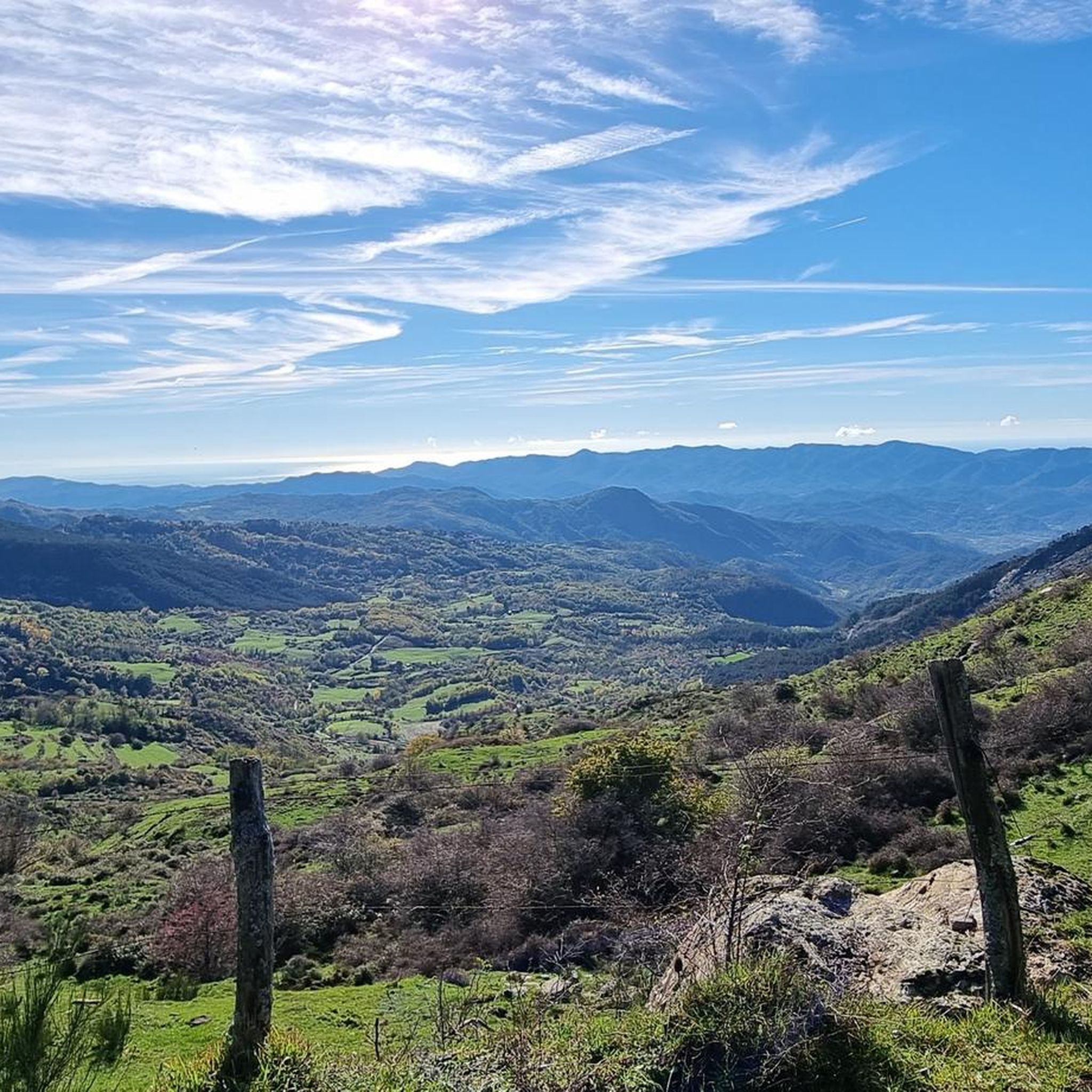
Recently renovated, one of the best preserved castles in the Val di Vara. Its 'tower' is imposing and dominates a spectacular panorama from above.
0
0
Frequently Asked Questions
What kind of historical sites can I explore around Zignago?
The castles around Zignago offer a glimpse into the region's medieval past. For example, the Castello di Calice al Cornoviglio, documented since the 11th century, now houses the Diocesan Museum of Sacred Art and the Chestnut Documentation Center. You can also find sites like Dante's Castle in Mulazzo, a solitary tower linked to Dante Alighieri's stay in 1306.
Are there any castles with panoramic views in the Zignago area?
Yes, several castles offer impressive views. The recently renovated Castello di Madrignano features an imposing tower that dominates a spectacular panorama. Suvero Castle also boasts a privileged strategic position between the Vara valley and the Lunigiana, offering expansive views, though it is a private residence.
What outdoor activities can I do near the castles around Zignago?
The area around Zignago is great for cycling. You can find various routes for road cycling, gravel biking, and general cycling. Explore options like the 'Panorama on Levanto' loop for road cycling or the 'Alta Via dei Monti Liguri' for gravel biking. For more details on routes, check out the Cycling around Zignago guide.
Are there any family-friendly activities or castles to visit with children?
While specific family-friendly activities at the castles are not detailed, the Castello di Calice al Cornoviglio, with its museums, could offer an educational experience for older children. Exploring the historical villages like Serò, with its narrow streets and sandstone portals, can also be an engaging walk for families.
What is the best time of year to visit the castles around Zignago?
The Ligurian region generally enjoys pleasant weather from spring through early autumn. Visiting during these seasons would allow for comfortable exploration of the outdoor castle ruins and surrounding areas. Summer months are popular, but spring and autumn offer milder temperatures and potentially fewer crowds.
Can I visit all the castles mentioned in the guide?
Not all castles are open to the public for interior visits. For instance, Suvero Castle has been completely restored and is currently used as a private residence, meaning it cannot be visited inside. However, you can still appreciate its historical significance and exterior. Castello di Calice al Cornoviglio houses museums and is accessible.
Are there any dog-friendly trails or areas near the castles?
While specific dog-friendly policies for each castle are not provided, the general area around Zignago offers numerous walking and cycling routes that are suitable for exploring with dogs. Always ensure your dog is on a leash and respect local regulations regarding pets in historical sites or natural parks.
Where can I find accommodation or places to eat near the castles?
Zignago and its surrounding villages, such as Serò and Pieve di Zignago, offer local cafes, pubs, and accommodation options. For dining, you can find restaurants in these villages. It's advisable to check local listings for current availability and opening hours.
Is there public transport available to reach the castles?
Public transport options to the smaller villages and castles in the Zignago area may be limited. It's recommended to check local bus schedules, particularly from larger towns like La Spezia, if you plan to rely on public transport. Driving often offers more flexibility for visiting these scattered historical sites.
What is the significance of Zignago itself, given the castles are mostly in surrounding areas?
Zignago is noted for its medieval origins, particularly the village of Serò, which developed in a strategic position along the ancient Via dei Monti. While prominent castles are found in the surrounding areas, Zignago's heritage is reflected in its historical villages and the broader context of the region's strategic past. Historical findings, like an Etruscan Stele Statue, also highlight its ancient roots.
What makes <a href="https://www.komoot.com/highlight/7512373" target="_blank" rel="noopener">Dante's Castle in Mulazzo</a> unique?
Dante's Castle in Mulazzo is unique because it's linked to the stay of the Supreme Poet, Dante Alighieri, in 1306 during his exile. What remains is a solitary tower and ruins, but it's a significant cultural landmark. A marble statue of Dante stands at the foot of the tower, commemorating his connection to the Malaspina family who hosted him there.
Most popular attractions around Zignago

Get inspired with the komoot mobile app


Explore more
Looking for the best castles somewhere else? Discover other guides around Zignago:
