Top 2 Castles around Orta San Giulio
Best castles around Orta San Giulio are found in a region characterized by Lake Orta, offering a blend of historical significance and natural beauty. The area features historic buildings, former fortifications, and repurposed structures rather than numerous traditional medieval castles. Orta San Giulio itself was once fortified, with its defenses destroyed in 1311. The lake's secluded position and the surrounding hills provide a scenic backdrop for exploring these historical sites.
Best castles around Orta San Giulio
- The most popular castles…
Last updated: July 1, 2026
Buccione Tower
Highlight • Castle
Translated by Google •
Tip by

Borromean Fortress of Arona
Highlight • Castle
Translated by Google •
Tip by

Sign up now to discover places like this
Get recommendations on the best single tracks, peaks, & plenty of other exciting outdoor places.
Sign up for free
Visconti Castle of San Vito
Highlight • Castle
Translated by Google •
Tip by

Lortallo Tower and Church of San Grato
Highlight • Historical Site
Translated by Google •
Tip by

Castello di Massino Visconti
Highlight • Castle
Translated by Google •
Tip by

Start today with a free account
Your next adventure awaits.
Login or Signup
Popular around Orta San Giulio
Devoto Cammino dei Sacri Monti – on the trail of the ancient pilgrims
Trekking around Italy’s Lake Orta — the Blue Ring (Anello Azzurro)
Hiking around Orta San Giulio
Road Cycling Routes around Orta San Giulio
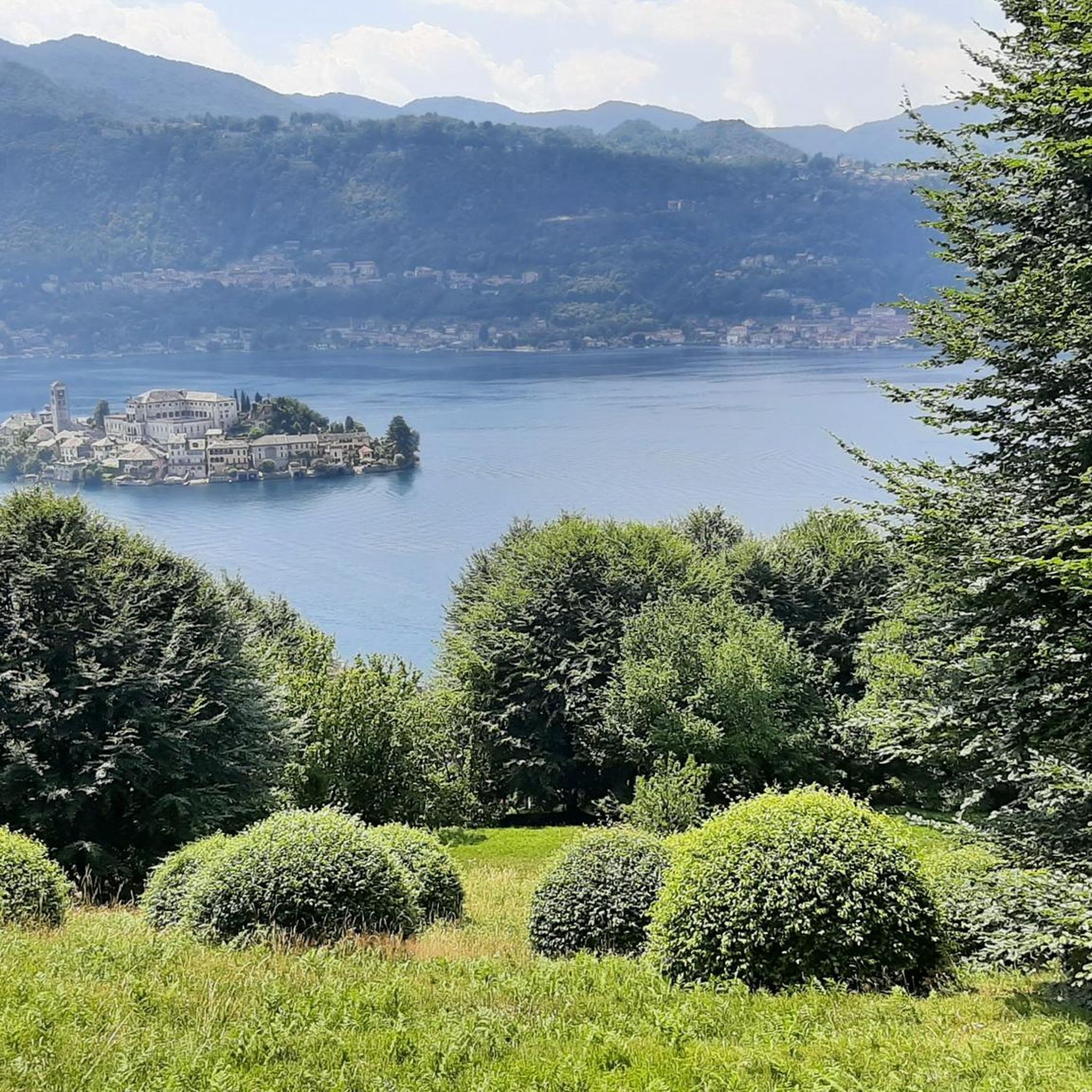
Cycling around Orta San Giulio
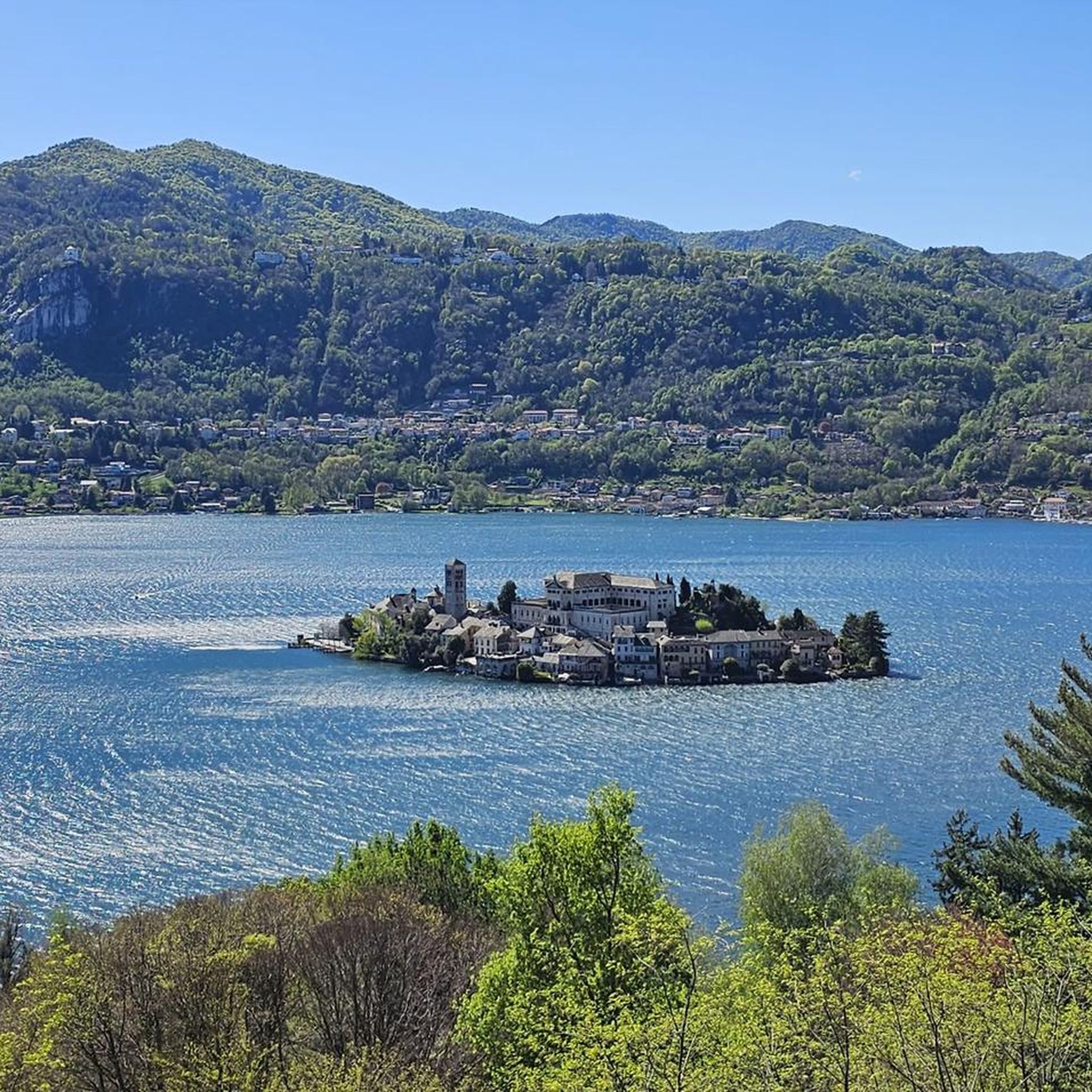
Running Trails around Orta San Giulio
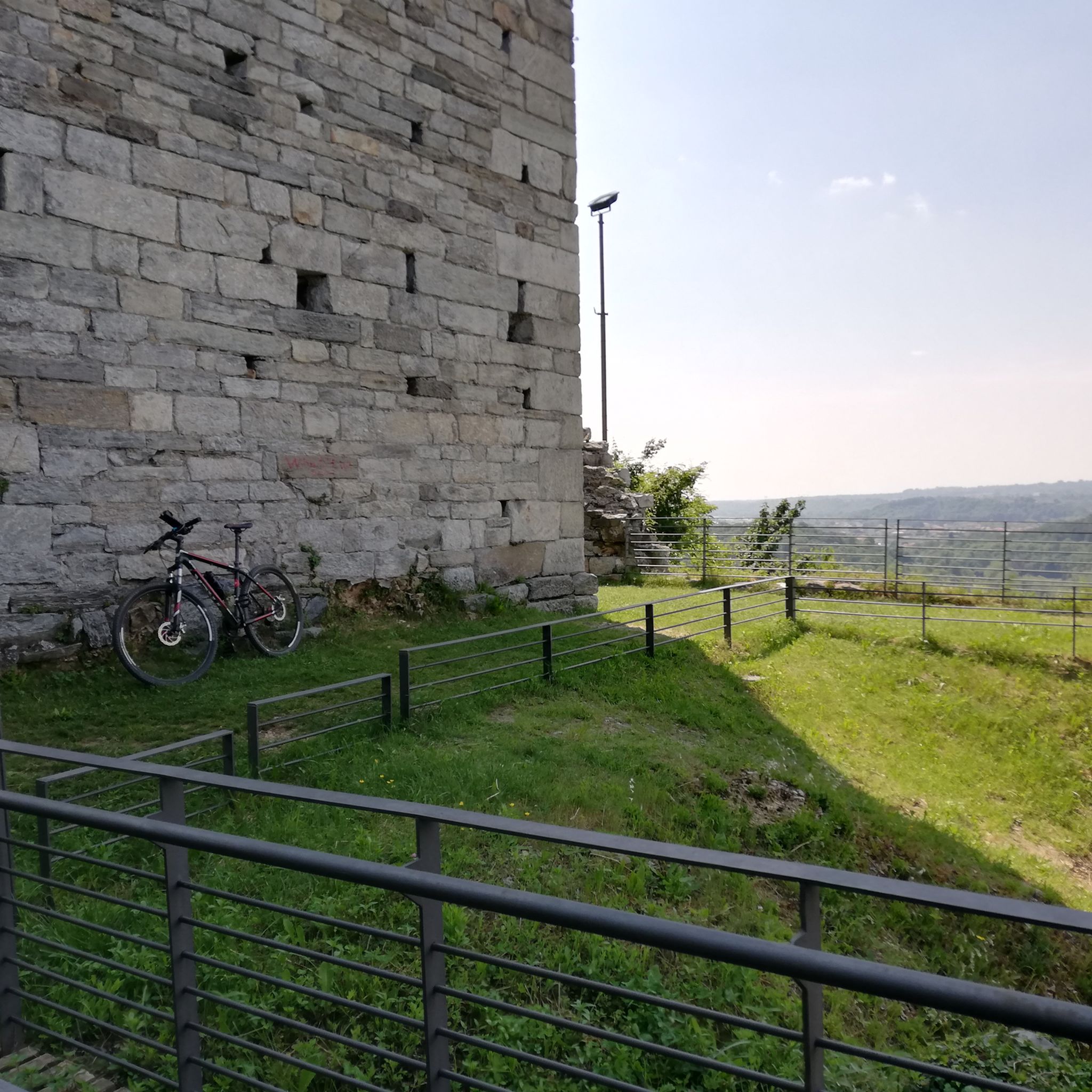
MTB Trails around Orta San Giulio

Gravel biking around Orta San Giulio


Tips from the Community

Spectacular view of the city of Arona and Lake Maggiore
0
0

Once you arrive in Arona, walk along the lakeside and have an ice cream, go up to visit the statue of S. Carlone but... don't forget to visit the Rocca too! Founded in a period shortly before the year 1000 under the control of the Lombards, for four centuries the Rocca remained in the hands of the Borromeo family, giving birth to Cardinal San Carlo Borromeo in 1538; the history of the Rocca di Arona ends in 1800 when the Napoleonic army received the order to destroy some fortifications occupied by the Austrians; from that moment on only a few ruins of the Rocca di Arona remain. From above you can also enjoy a spectacular view of Arona below, of Angera opposite and of this entire stretch of lake!
0
0

The Visconti Castle of San Vito di Massino Visconti is a fortified complex built in the 11th century at the entrance to the municipality of the same name, situated on a terraced hillside. Construction of the castle began around the 11th century; its original function was as a monastery for the monks of St. Gall. Within just over a century, the castle became the noble country estate of the Visconti family, who settled there as feudal lords in 1139. The castle of Massino Visconti was partially destroyed in 1358 by Galeazzo II Visconti, who was at war with the Margrave of Monferrato. In 1721, Filippo Maria Visconti, later Archbishop of Milan, was born there. In 1863, it was purchased by the Visconti of Aragon from Pietro Pallestrini of Villa Biscossi. A scholar and author of an industrial journal on Verbano, as well as mayor of Massino, he lived there and restored it before passing it on to another branch of the Visconti family, the Visconti di San Vito, who own the castle until 2022. Today, the castle presents itself as a well-preserved manor house. The current building is the result of a series of significant renovations in the 16th century: today, it is a three-story structure with a single tower (the central keep), wedged between buildings dating from the 17th and 18th centuries. Near the courtyard, a small balcony can be seen from which the Visconti brothers spoke to the villagers. The other three towers were demolished to make room for the laundry, kitchen, stables, cowshed, and garden. In the past, there was also a moat, a drawbridge, prisons, and torture traps, such as the one still visible today at the edge of a deep well, in which steel blades were placed. it.wikipedia.org/wiki/Castello_di_Massino_Visconti
0
0
The Church of the Purification of the Virgin Mary is the parish church of Massino Visconti in the Province and Diocese of Novara. It is part of the Vergante pastoral unit. The first mention of a Catholic church in Massino dates back to 887. The new church was built in the second half of the 16th century with three naves and was given the title of parish church during the same period, after the Church of San Michele was severely damaged by a landslide. In the first half of the 19th century, the old Romanesque bell tower was demolished and replaced with a new tower. The church's striking, west-facing façade consists of three volumes interrupted by pilasters: the main body, characterized by the main portal, is preceded by a small portico opening into a serliana in the center, while the two side wings have secondary entrances. Attached to the parish church is the stone bell tower with a square floor plan. Its cell has a single-lancet window on each side, protected by a balustrade, and is crowned by a pyramidal spire resting on a drum with an octagonal base. The interior of the building is divided into three naves, overlooking which the side chapels face. Pillars and columns support round arches, above which runs the molded and projecting entablature, upon which the vaults rest. At the end of the hall is the presbytery, raised a few steps, bordered by balustrades and housing the main altar. Several valuable works have been preserved here, including the 16th-century frescoes depicting Saint Mary of the Assumption and the Coronation of Mary, as well as the paintings on the vaults depicting the Doctors of the Church and the symbols of the Evangelists. it.wikipedia.org/wiki/Chiesa_della_Purificazione_di_Maria_Vergine_(Massino_Visconti)
0
0
The Visconti Castle of San Vito di Massino Visconti is a fortified complex built in the 11th century, at the entrance to the municipality of the same name, on a terraced slope. The construction of the castle began around the 11th century with the original function of a convent of the monks of San Gallo. In the space of just over a century, the castle will become the noble country residence of the Visconti family, who settled in 1139 as feudal lords. The castle of Massino Visconti was partially demolished in 1358 by Galeazzo II Visconti, at war with the Marquis of Monferrato. In 1721, Filippo Maria Visconti, the future archbishop of Milan, was born there In 1863 it was purchased by the Visconti of Aragon from Pietro Pallestrini, of Villa Biscossi. scholar and author of an industrial review of Verbano as well as mayor of Massino, who lived there and restored it and then passed it on to another branch of the Visconti, the Visconti of San Vito, owners of the castle until 2022. The castle today appears as a manor in good condition. The current construction is the result of a series of considerable reconstructions carried out in the 16th century: today it appears as a building that develops on three levels, with a single tower (the central keep) squeezed between buildings from the 17th and 18th centuries in which you can see a small balcony near the courtyard from which the Visconti spoke to the inhabitants of the village. The other three towers were demolished to make room for the laundry, the kitchen, the stables, the stables and the garden. In the past, there was also a moat, a drawbridge, prisons and torture traps, such as the one on the edge of a deep well in which steel blades had been placed, still visible today. https://it.wikipedia.org/wiki/Castello_di_Massino_Visconti
0
0

The hamlet of Lortallo was a very pleasant surprise for me. Leaving Ameno, I was attracted by the sight of the mighty tower, which I later discovered was built in the 13th century. It is in excellent condition. Next to the tower, there is the Church of San Grato, which dates back to the 18th century (the bell tower is dated 1758). To the side of the tower and the church (which unfortunately I found closed and which is rarely open), closing the pretty little square, there is one of the entrances to Palazzo Decio, which I could only see from the outside because it is privately owned. However, the palace is used as a location for weddings and other celebrations, so online it is possible to see the interior, which develops around a large garden with a splendid view of Lake Orta. But the surprises offered by Lortallo do not stop there. In fact, I read that archaeological research conducted in Lortallo between 1915 and 1938, brought to light one of the most important necropolises of the early First Iron Age. The necropolis complex features tombs dating from the 9th to the 5th century BC and the findings can be placed within the Golasecca Culture, a common expression of various Celtic tribal groups that lived in the early Iron Age in western Lombardy, the Novara area and the Canton of Ticino. In short, it seems that Lortallo has been inhabited since the dawn of time.
0
0

Still very well preserved - great panoramic view
0
0

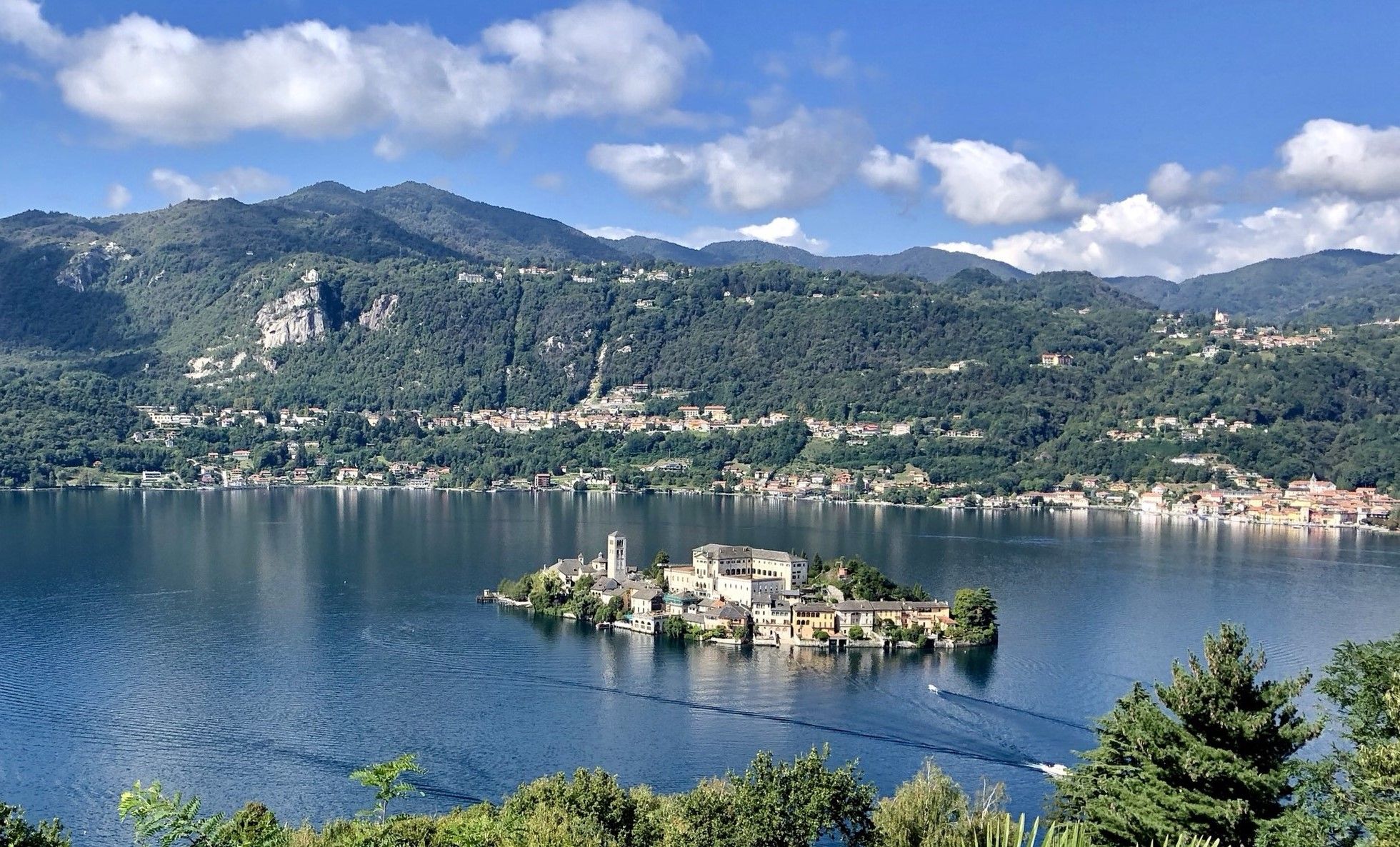
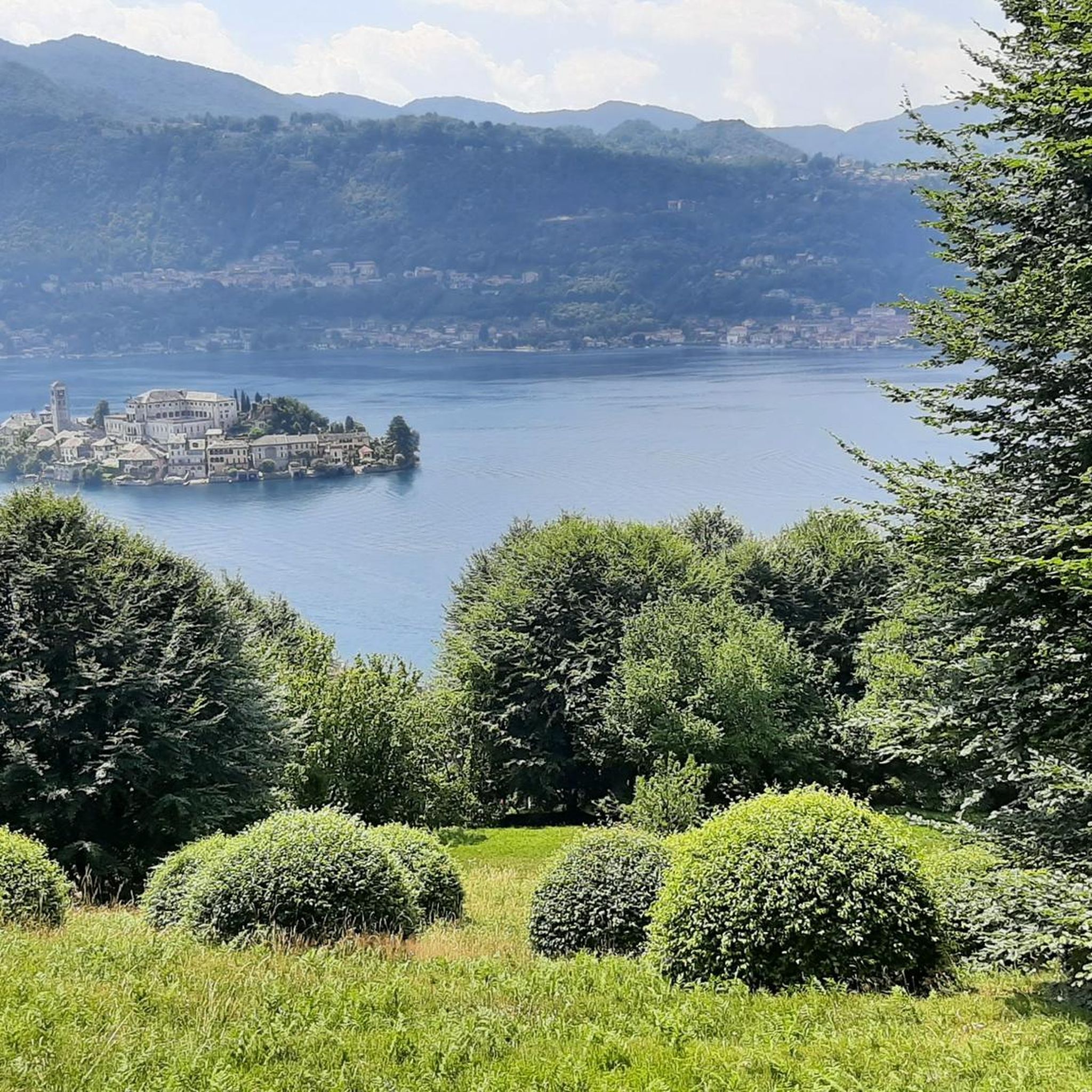
on sunny days, excellent view of Lake Orta
0
0
Frequently Asked Questions
What kind of castles and historical sites can I find around Orta San Giulio?
While Orta San Giulio is not known for numerous traditional medieval castles, the area features a rich collection of historic buildings, former fortifications, and repurposed structures. Notable sites include the 12th-century Buccione Tower, the Visconti Castle of San Vito (originally a convent, later a residence), and the Borromean Fortress of Arona, which offers breathtaking panoramic views. The Island of San Giulio also holds the site of a former castle, now home to the Mater Ecclesiae Benedictine abbey and the historic Basilica of San Giulio.
Are there any castles with great viewpoints around Lake Orta?
Yes, several historical sites offer stunning views. The Buccione Tower, located on a hill, provides fantastic vistas over Lago d'Orta, and on clear days, you can even see the snow-capped Alps. The Borromean Fortress of Arona is renowned for its breathtaking panoramic views, and the Ruins of Arona Castle also offer a spectacular terrace overlooking Arona and the lake.
What is the historical significance of the castles and towers in the region?
The historical sites around Orta San Giulio reflect centuries of regional history. The Buccione Tower, for instance, is a 12th-century remnant of a fortification used for signaling and defense. The Visconti Castle of San Vito evolved from a 10th-century convent into a noble residence. Even the Island of San Giulio, now a spiritual center, was once home to a significant castle that faced attacks in the 10th century, highlighting the area's strategic importance.
Are there family-friendly options among the castles near Orta San Giulio?
Yes, the Ruins of Arona Castle are located within a park, making it a suitable spot for families to relax on the lawn while enjoying the views. Many of the sites offer open spaces and scenic surroundings that can be enjoyed by visitors of all ages.
Can I combine a castle visit with outdoor activities like running or cycling?
Absolutely! The region around Orta San Giulio is excellent for outdoor activities. You can find numerous routes for running, cycling, and gravel biking that pass by or offer views of these historical sites. For example, the Buccione Tower is located within the Colle di Buccione nature reserve, perfect for combining a historical visit with a walk or ride.
What is the best time of year to visit the castles and historical sites?
The spring and autumn months generally offer pleasant weather for exploring the historical sites and enjoying the scenic views around Lake Orta. Summers can be warm, but also provide opportunities to enjoy refreshment points at places like the Borromean Fortress of Arona. Winter visits can be serene, though some facilities might have reduced hours or be closed.
Are there any hidden gems or lesser-known historical sites worth visiting?
The Lortallo Tower and Church of San Grato is a charming hamlet with a well-preserved 13th-century tower and an 18th-century church. Archaeological research in Lortallo has also uncovered an important necropolis from the early Iron Age, offering a deeper dive into the region's ancient past.
What are some unique architectural features I can expect to see?
Beyond traditional castle structures, you'll encounter diverse architecture. Villa Crespi, though not a castle, is a striking 19th-century Arabesque-style villa with a distinctive minaret, inspired by its founder's travels. The Basilica of San Giulio on the island is a significant Romanesque monument, featuring a noteworthy ambo made from local serpentine stone. The Visconti Castle of San Vito, after 16th-century reconstructions, now appears as a three-storey building with a single tower.
Are there any places to eat or drink near these historical sites?
Yes, for example, the Borromean Fortress of Arona has a refreshment point open during the summer months, and it's also a perfect spot for a picnic. In Orta San Giulio itself, you'll find various cafes and restaurants. Villa Crespi, a luxurious 19th-century villa, is also renowned for its two Michelin-starred restaurant.
What do visitors enjoy most about the castles and historical sites around Orta San Giulio?
Visitors frequently highlight the stunning panoramic views, especially from locations like the Buccione Tower and the Borromean Fortress of Arona. The historical significance and the opportunity to explore ancient ruins and well-preserved towers are also highly appreciated. Many enjoy the peaceful atmosphere and the chance to combine history with beautiful natural surroundings.
Most popular routes around Orta San Giulio
Most popular attractions around Orta San Giulio

Get inspired with the komoot mobile app


Explore more
Looking for the best castles somewhere else? Discover other guides around Orta San Giulio:
