Top 5 Caves around Giave
Best caves around Giave are primarily ancient rock-cut tombs and natural formations within the Sardinian landscape. The region, though not known for large natural caves directly in Giave, features significant archaeological sites carved into rock. These sites offer insights into prehistoric human activity and geological features. Sardinia as a whole is rich in diverse cave systems, from marine grottoes to extensive underground networks.
Best caves around Giave
- The most popular caves is Rock Formations and Caves of the Sardinian Highlands, a natural monument featuring plains with imposing rock formations. These formations include caves dug by nature and inhabited by humans over millennia.
- Another must-see spot is Domus de Janas di S’Ena de Cannuja, an ancient pre-Nuragic necropolis carved into rock. This site includes six tombs dating back to the 3rd millennium BC, offering a glimpse into prehistoric human activity.
- Visitors also love Domus de Janas of Sant'Andrea Priu, a historical site with 15 preserved rock tombs. These structures are located in a 10-meter-high trachyte wall and date from the Ozieri culture around 3000 BC.
- Giave is known for its ancient rock-cut tombs and natural rock formations. Visitors can explore archaeological sites and natural monuments that showcase the region's geological and historical significance.
- The caves around Giave are appreciated by the komoot community, with 7 upvotes and 14 photos shared by users.
Last updated: July 1, 2026
Domus de Janas di S’Ena de Cannuja
Highlight • Cave
The tombs were presumably reached using carvings dug into the rock face similar to those still preserved in the Domus de Janas Sos Furrighesos necropolis in Anela.
Translated by Google •
Tip by

Rock Formations and Caves of the Sardinian Highlands
Highlight (Segment) • Cave
Translated by Google •
Tip by

Sign up now to discover places like this
Get recommendations on the best single tracks, peaks, & plenty of other exciting outdoor places.
Sign up for free
Puttu Codinu Necropolis
Highlight • Historical Site
A necropolis with nine hypogeal tombs was found on the site, in an area with rocks emerging from the surrounding land. The tombs were found by chance during recent excavation work. It is believed that the site began to be used in the recent Neolithic (3500 BC). Source: Wikipedia
it.wikipedia.org/wiki/Necropoli_di_Puttu_Codinu
Translated by Google •
Tip by

Domus de Janas of Sant'Andrea Priu
Highlight • Historical Site
The once 20 Domus de Janas (rock tombs) of Sant' Andria Priu (Italian: Ipogeo S. Andrea Priu) are located in a 10-meter-high trachyte wall on the southern edge of the Campeda plateau near Bonorva in the metropolitan city of Sassari on Sardinia. The 15 preserved structures date from the Ozieri culture (around 3000 BC).
Translated by Google •
Tip by

Sa Ucca de su Tintirriolu Cave
Highlight • Cave
Translated by Google •
Tip by

Start today with a free account
Your next adventure awaits.
Login or Signup
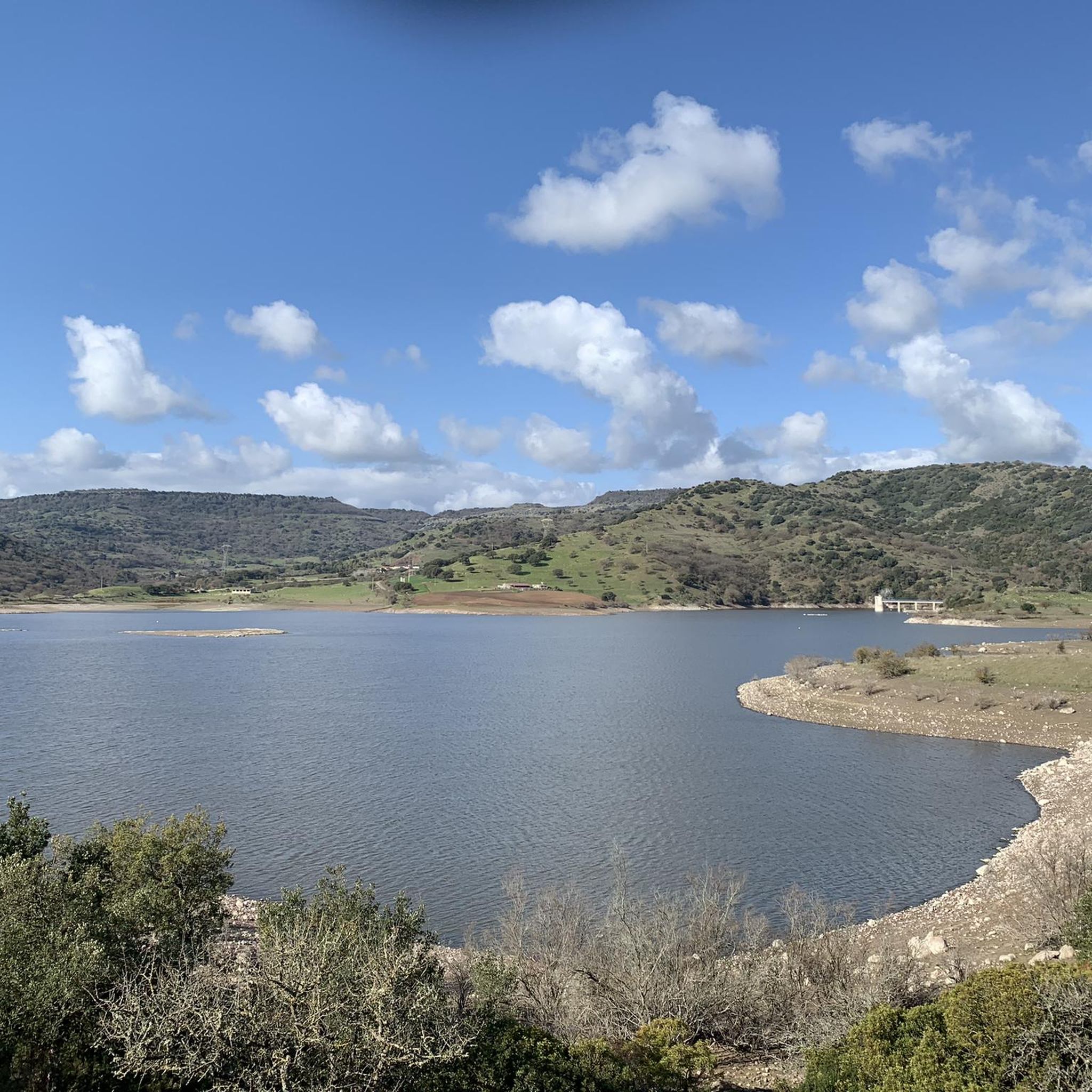
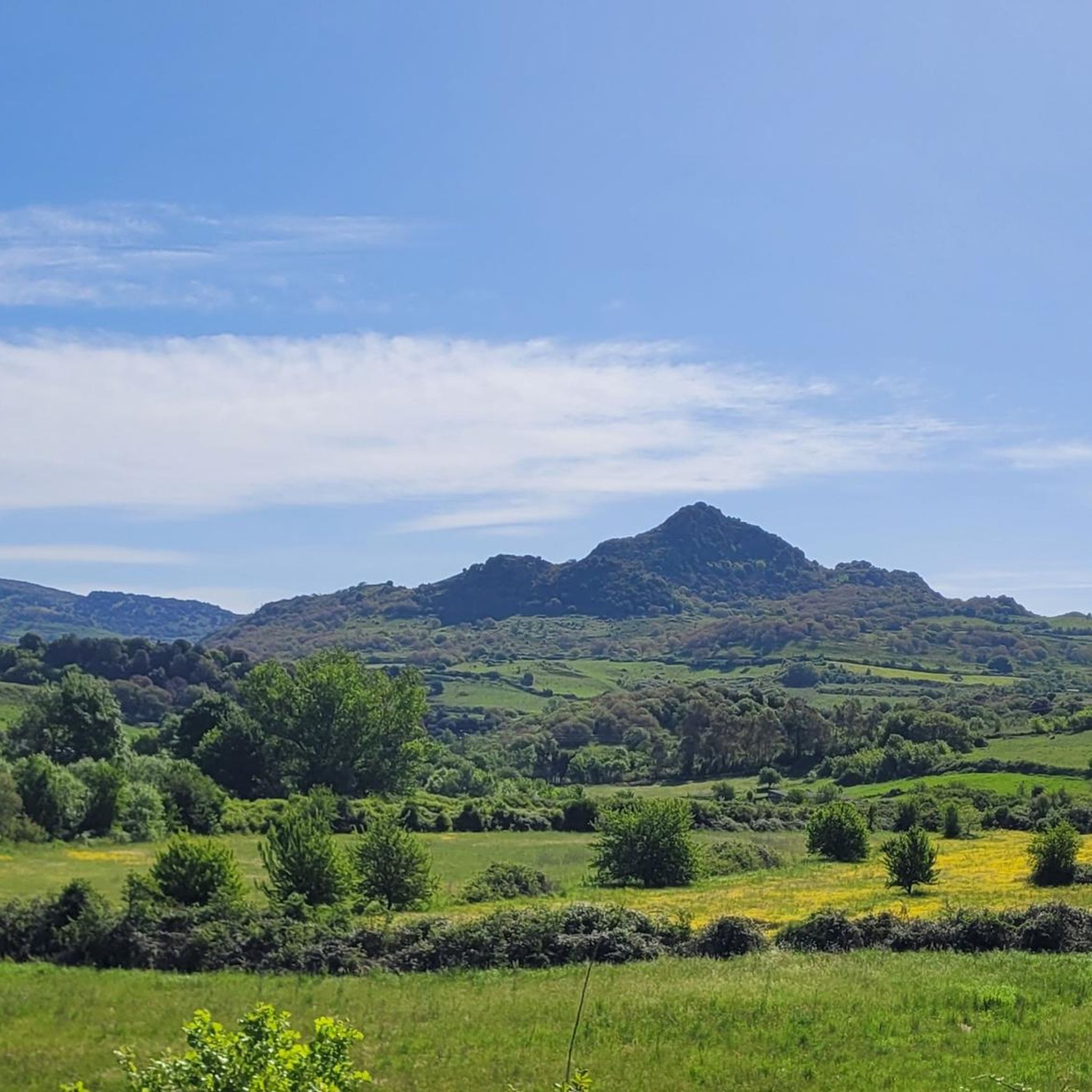
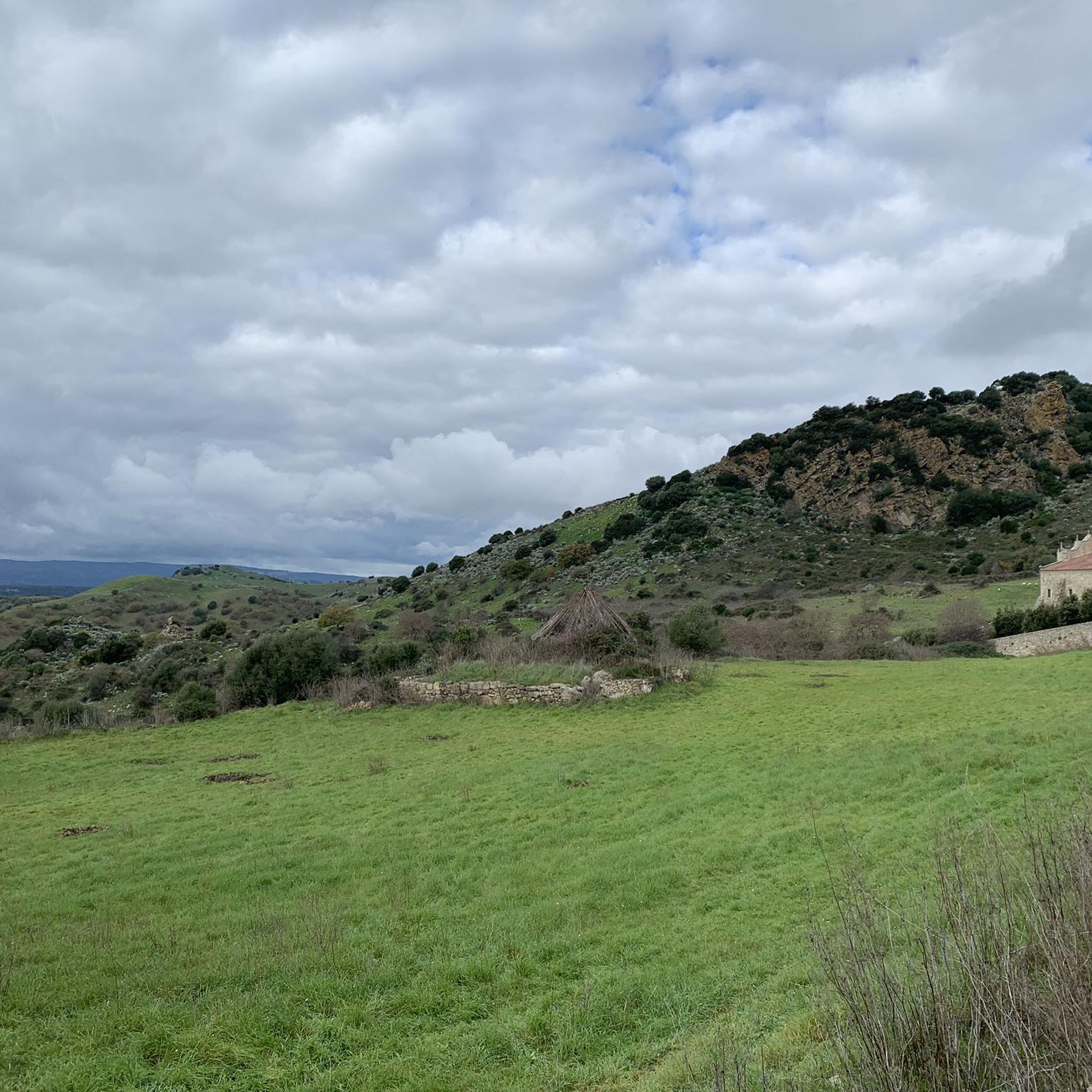
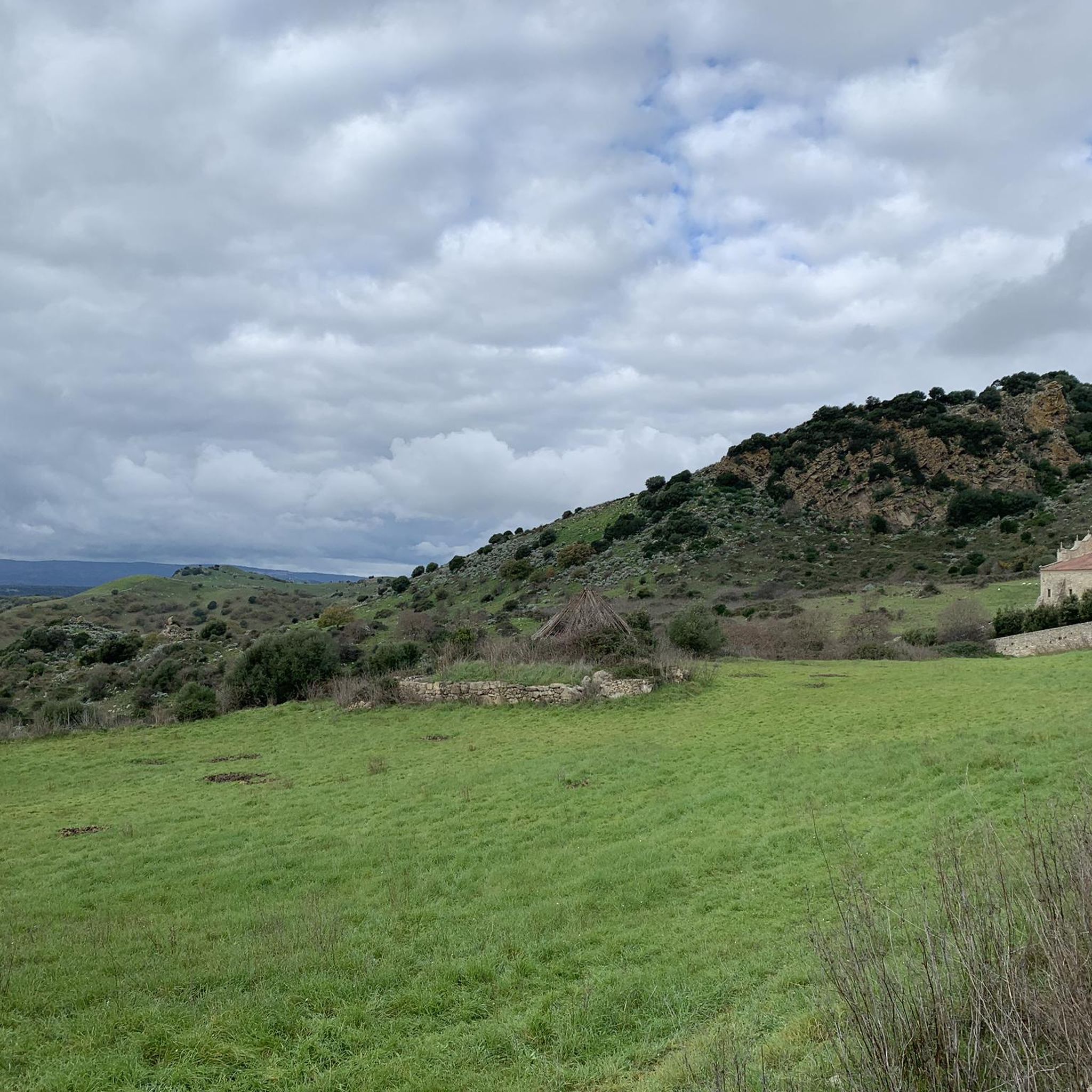
Tips from the Community

An adventurous approach, barking dogs, thorny undergrowth. The dolmens were great, but unfortunately the hiking trail was not well maintained, so we turned back with our son.
0
0

Plains with a primordial appearance, large green spaces bordered by imposing rock formations, isolated or in rows, with caves dug by nature and inhabited by man over the millennia
0
0

The caves are accessible from the road across a meadow. However, there are no paths, despite other claims to the contrary. We didn't find one, and the thistles and thorns make hiking less enjoyable. The area and the view are, of course, wonderful.
0
0

from Wikipedia: The once 20 Domus de Janas (rock tombs) of Sant' Andria Priu (Italian: Ipogeo S. Andrea Priu) are located in a 10-meter-high trachyte wall on the southern edge of the Campeda plateau near Bonorva in the metropolitan city of Sassari on Sardinia. The 15 preserved structures date from the Ozieri culture (around 3000 BC).
0
0

The necropolis of Puttu Codinu ("rock well") is an archaeological site located in the municipality of Villanova Monteleone, province of Sassari, near the state road 292 that leads to Monteleone Rocca Doria. A necropolis with nine hypogeal tombs was found on the site, in an area with rocks emerging from the surrounding land. The tombs were found by chance during recent excavation work. It is believed that the site began to be used in the recent Neolithic (3500 BC). Source: Wikipedia https://it.wikipedia.org/wiki/Necropoli_di_Puttu_Codinu
0
0

The path passes through the Domus de Janas of S'Ena de Cannuja, ancient pre-Nuragic tombs carved into the rock, dating back to the 3rd millennium BC. This necropolis includes six tombs dug into a trachytic ridge. The tombs were presumably reached using carvings dug into the rock face similar to those still preserved in the Domus de Janas Sos Furrighesos necropolis in Anela.
1
0

The archaeological finds in this cave were fundamental in giving the name to the pre-Nuragic culture of Bonu Ighinu (the name of this area), which developed in Sardinia during the 4th millennium BC. (4000-3400 BC). It is considered the first culture in Sardinia to have used natural cavities as sepulchres, which then formed small necropolises.
0
0
Frequently Asked Questions
What types of caves can I explore around Giave?
Around Giave, you'll primarily find ancient rock-cut tombs, known as Domus de Janas, and natural rock formations that have been inhabited by humans for millennia. For extensive natural cave systems with impressive geological features, you would need to travel further into the wider Sardinia region.
Are there any significant historical cave sites near Giave?
Yes, Giave is rich in historical cave sites. A must-see is the Domus de Janas di S’Ena de Cannuja, an ancient pre-Nuragic necropolis with six tombs carved into a trachytic ridge, dating back to the 3rd millennium BC. Another notable site is the Domus de Janas of Sant'Andrea Priu, featuring 15 preserved rock tombs from the Ozieri culture around 3000 BC.
What are the most popular natural rock formations in the Giave area?
The Rock Formations and Caves of the Sardinian Highlands are very popular. This area features plains with imposing rock formations and natural caves that have been used by humans over thousands of years.
What kind of archaeological discoveries have been made in the caves near Giave?
The Sa Ucca de su Tintirriolu Cave is particularly significant for its archaeological finds, which were fundamental in naming the pre-Nuragic Bonu Ighinu culture (4000-3400 BC). This culture was among the first in Sardinia to use natural cavities as sepulchres, forming small necropolises.
Are there any large natural caves in Sardinia worth visiting if I'm willing to travel from Giave?
Absolutely. Sardinia boasts several spectacular natural caves. Consider visiting Grotta di Su Mannau in Fluminimaggiore, known for its extensive system of halls, underground lakes, and stunning formations. Another option is Neptune's Grotto near Alghero, a large marine cave accessible by boat or a scenic staircase.
What are some unique geological features found in Sardinia's caves?
Sardinia's caves offer diverse geological wonders. Grotta di Ispinigoli is famous for its 38-meter-high stalactite column, one of the longest in the world. Is Zuddas Cave is renowned for its rare eccentric aragonite formations, including 'eccentric flowers,' alongside a rich variety of stalactites and stalagmites.
Can I visit marine caves in Sardinia?
Yes, Neptune's Grotto on the Capo Caccia promontory near Alghero is a prominent marine cave featuring captivating stalactites, stalagmites, and a large saltwater lake. Another option is the Grotta del Bue Marino, accessible by boat, which was named after the Mediterranean monk seals that once inhabited it and features impressive formations and a crystal-clear salt lake.
What are the accessibility challenges for the rock-cut tombs around Giave?
For sites like the Domus de Janas di S’Ena de Cannuja, visitors have noted that while the area is beautiful, the approach can be adventurous. There might not be clearly marked paths, and thorny undergrowth can make hiking less enjoyable. It's advisable to be prepared for uneven terrain.
What outdoor activities can I do near the caves around Giave?
The region around Giave offers various outdoor activities. You can find numerous hiking trails, such as 'The extinct volcanoes of the Meilogu' or routes around the Necropoli di Moseddu. For cycling enthusiasts, there are many options, including the 'View of the Sardinian Coast – Bosa loop' for road cycling. You can explore more routes on the Hiking around Giave or Cycling around Giave guide pages.
Are there any other ancient necropolises in the area besides Domus de Janas?
Yes, the Puttu Codinu Necropolis, located near Villanova Monteleone, is another significant archaeological site. It features nine hypogeal tombs, believed to have been used since the recent Neolithic period (3500 BC).
What do visitors enjoy most about the caves and rock formations near Giave?
Visitors appreciate the profound historical insights offered by the ancient rock-cut tombs and the unique geological beauty of the natural rock formations. The sense of exploring sites inhabited by humans for millennia, combined with the primordial appearance of the landscape, is a major draw.
Most popular attractions around Giave

Get inspired with the komoot mobile app


Explore more
Extend your search for the best caves by checking out these guides of the top ones around Giave:
