Top 5 Castles around Cupramontana
Best castles around Cupramontana are found in this charming hill town in the Marche region of Italy. The area features a rich history reflected in its fortified structures and historic buildings. While not abundant in traditional grand castles within its immediate center, Cupramontana offers a glimpse into its past through ancient settlements and architectural remnants. The region's historical fabric showcases its evolution from ancient times to a vibrant town.
Best castles around Cupramontana
- The most popular castles is View of Pierosara, a viewpoint that offers a panoramic view of the upper Esino valley. Pierosara features an ancient medieval castle with a defense tower and a 15th-century church.
- Another must-see spot is Precicchie Castle, a small fortified village of early medieval origin. Its structure suggests a military function, with perimeter houses fortified for defensive purposes and a keep built on solid limestone rocks.
- Visitors also love Castello Mancini, a structure built in the 1920s to recall medieval taste. This building features a crenellated crown, turrets, Gothic arch openings, and exposed bricks, representing a fortified medieval construction.
- Cupramontana is known for ancient fortified villages, medieval castles, and historic structures. The area offers a variety of castles and historical sites to explore.
- The castles around Cupramontana are appreciated by the komoot community, with more than 20 upvotes and 10 photos.
Last updated: July 1, 2026
Precicchie Castle
Highlight • Castle
Translated by Google •
Tip by

View of Pierosara
Highlight • Viewpoint
Translated by Google •
Tip by

Sign up now to discover places like this
Get recommendations on the best single tracks, peaks, & plenty of other exciting outdoor places.
Sign up for free
Castello Mancini
Highlight • Castle
Although it represents a characteristic element of the territory, Castello Mancini was built from a project by Eng. Ernesto Galeazzi only in the 1920s. Intended for the Mancini family, already owners of the first silk mill in the Fontedamo district and the homonymous paper mill in Jesi, it is a reproduction that followed the medieval taste in vogue in the early 1900s.
Castello Mancini represents the desire to recall an idea of the Middle Ages that was very common at the time, with a fortified medieval construction, equipped with a crenellated crown, turrets, Gothic arch openings with mullioned windows, exposed bricks and a small private chapel annexed to the structure.
The building is in terracotta, with stone decorations, with the façade dominated by a coat of arms created for the Mancini family
Translated by Google •
Tip by

Ditele Climb and Precicchie Castle
Highlight (Segment) • Climb
Translated by Google •
Tip by

Start today with a free account
Your next adventure awaits.
Login or Signup

Tips from the Community

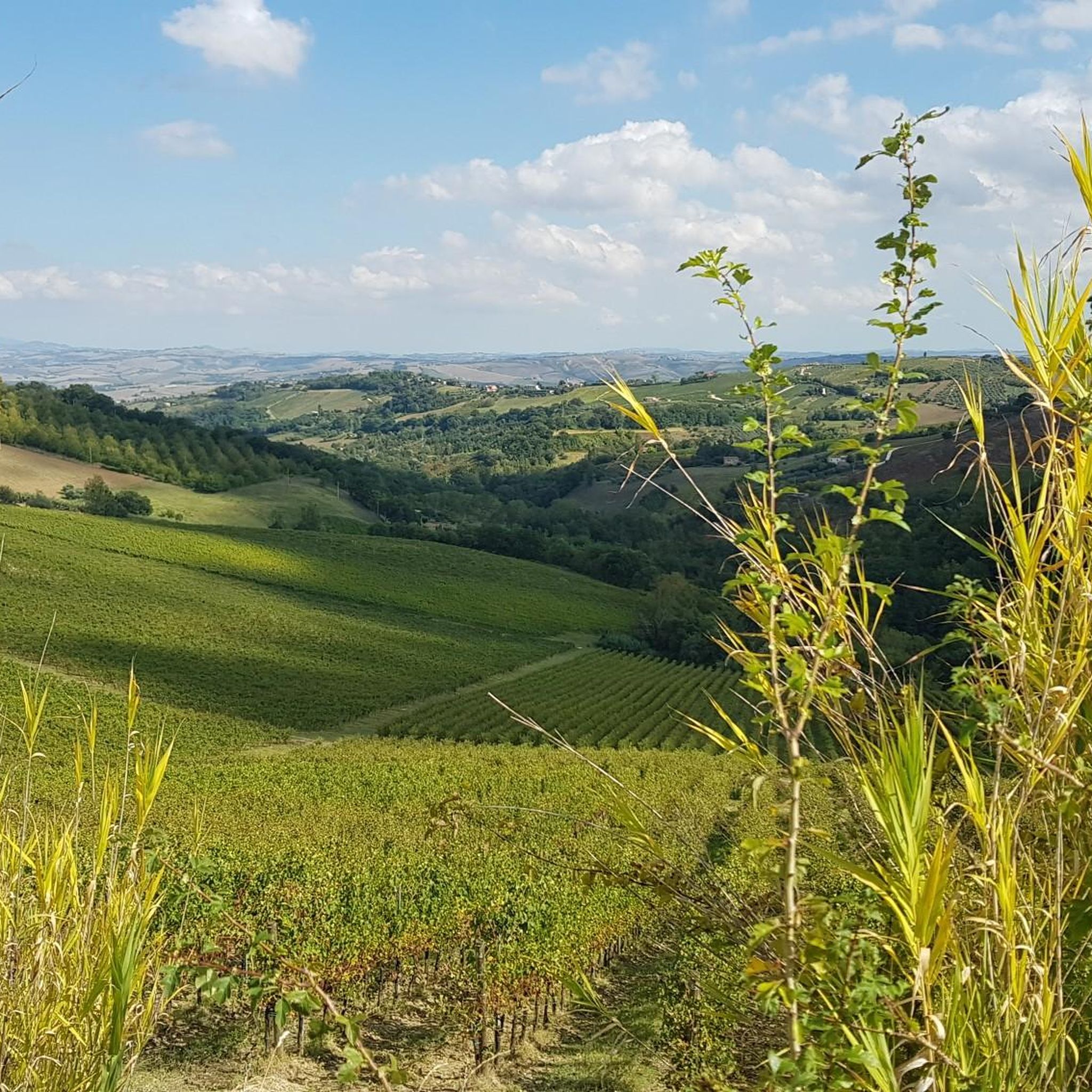
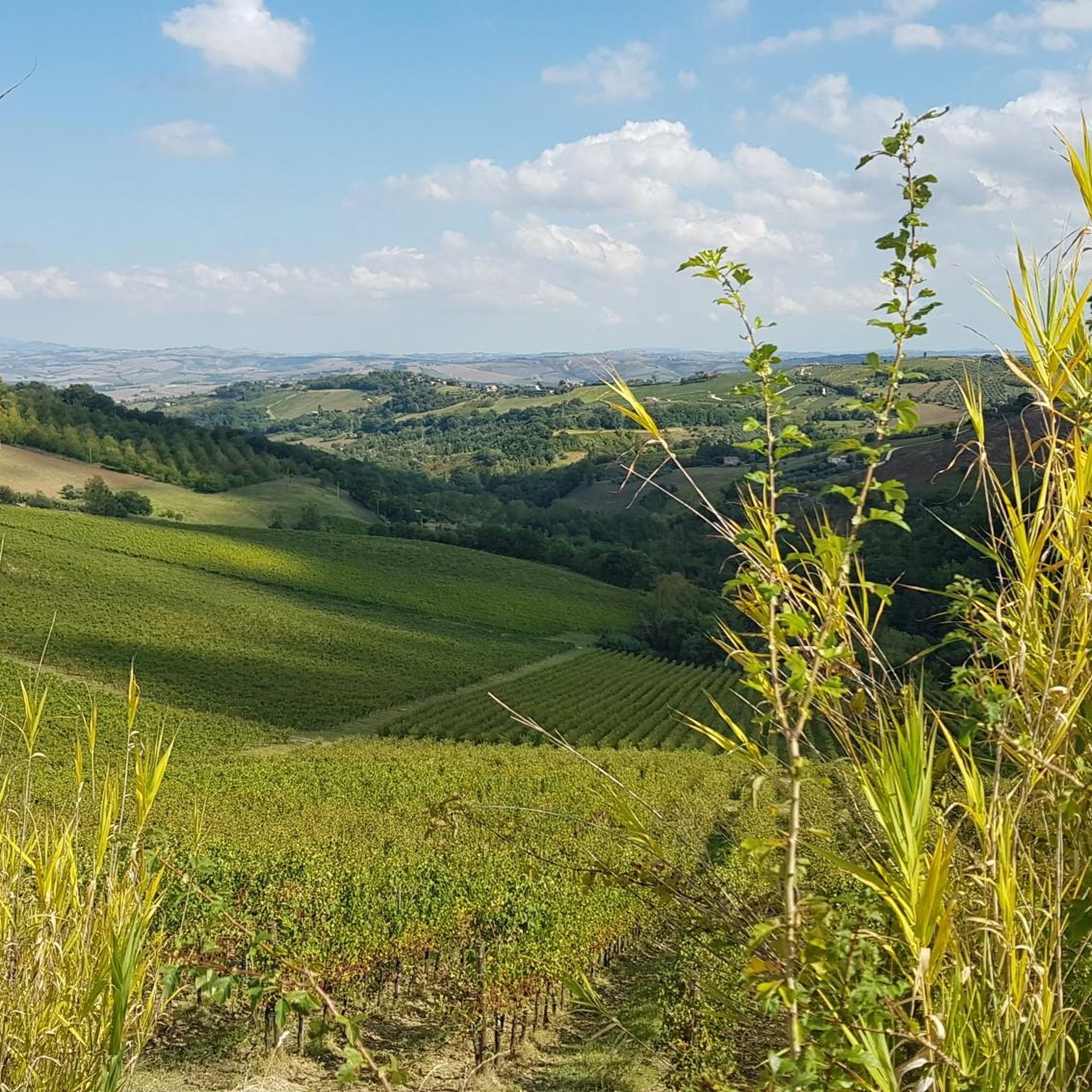
a small village surrounded by nature, at Christmas a truly evocative living nativity scene is put on
0
0

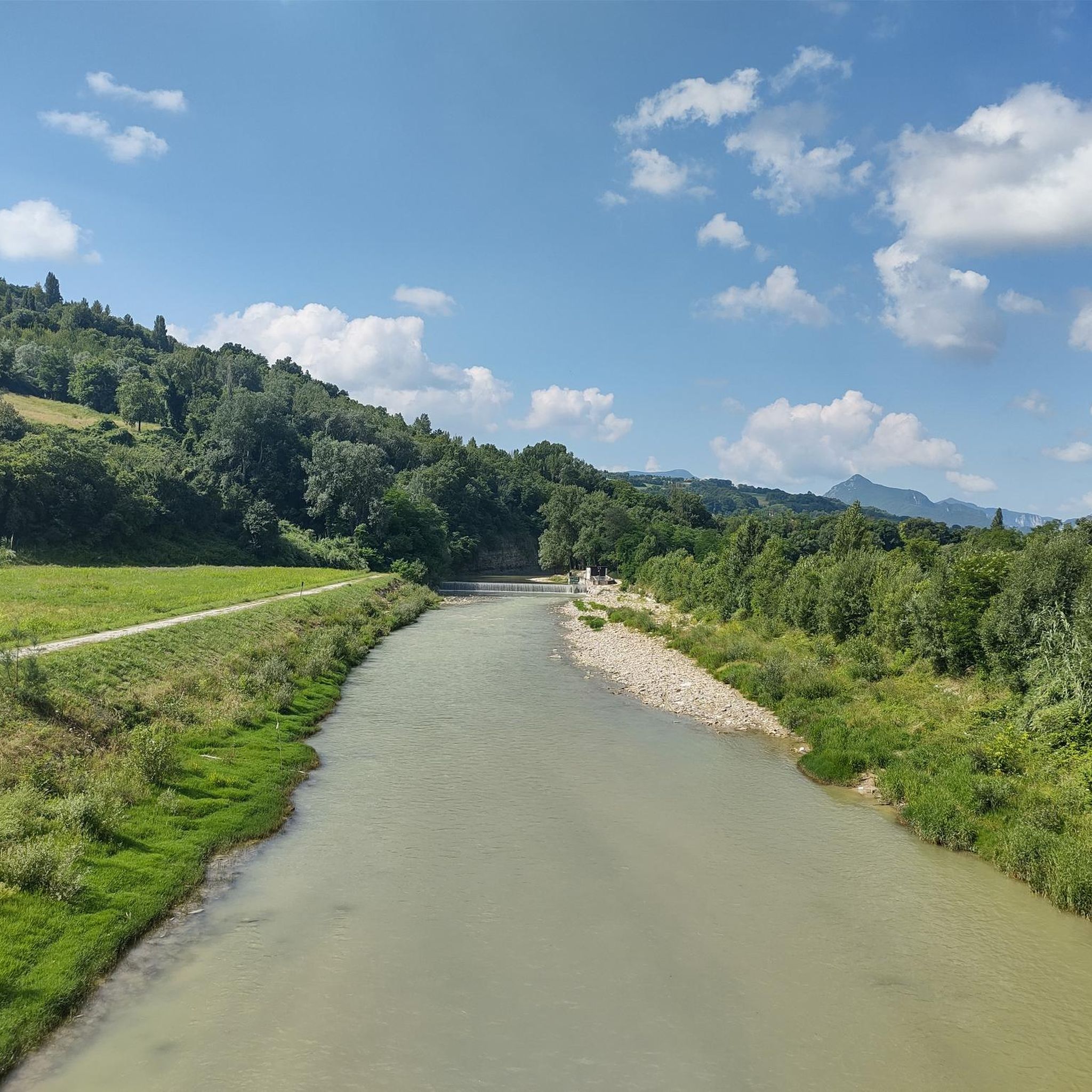
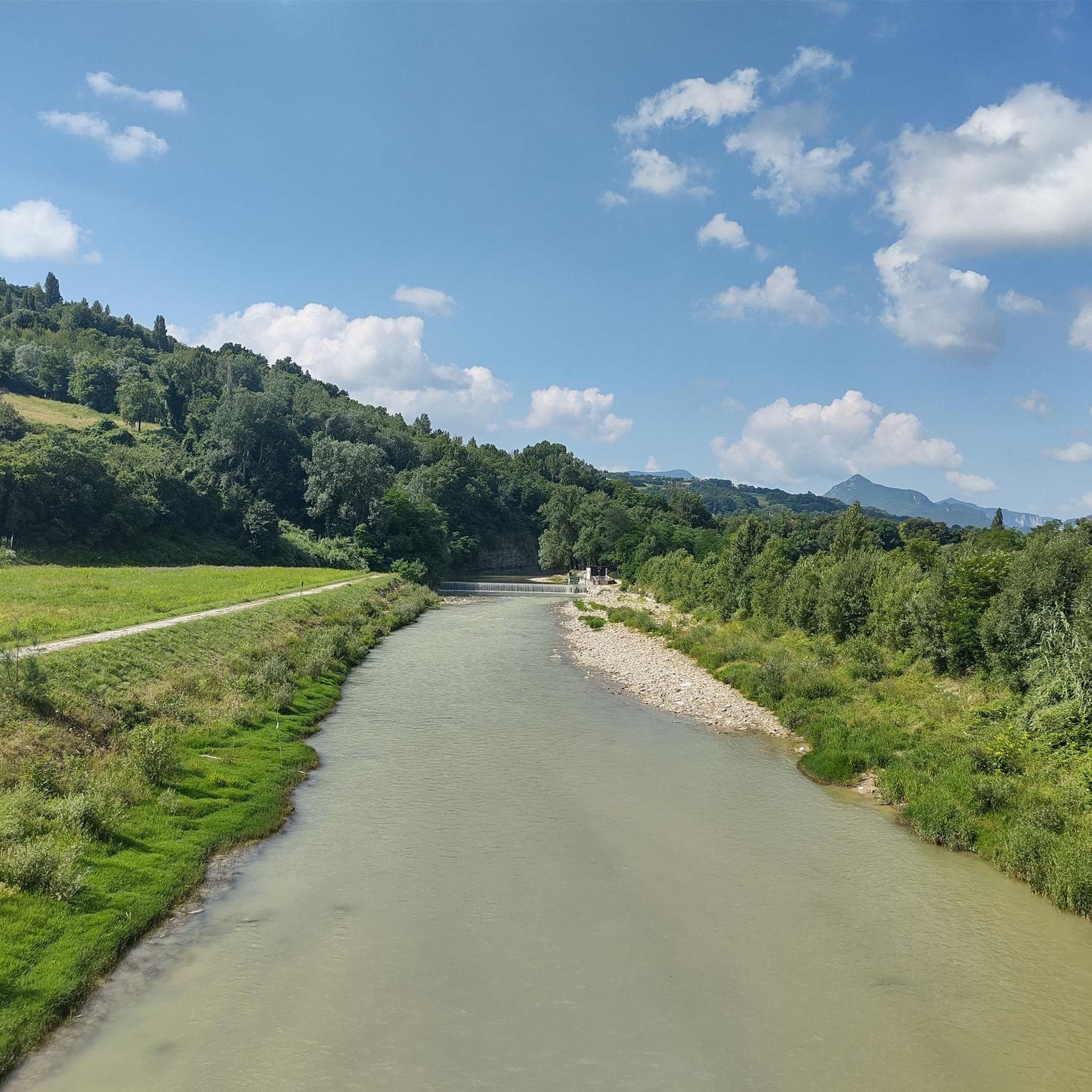
Beautiful climb in the woods that ends on the edge of a canyon. Very steep for the first 1200 meters, pedalable for the remaining two km to the Castello di Precicchie
0
0

The structure of Castello Mancini stands out on the small eminence that dominates the Montecappone district, recalling an ancient period through a building that is not a true historic villa. Although it represents a characteristic element of the territory, Castello Mancini was built from a project by Eng. Ernesto Galeazzi only in the 1920s. Intended for the Mancini family, already owners of the first silk mill in the Fontedamo district and the homonymous paper mill in Jesi, it is a reproduction that followed the medieval taste in vogue in the early 1900s. Castello Mancini represents the desire to recall an idea of the Middle Ages that was very common at the time, with a fortified medieval construction, equipped with a crenellated crown, turrets, Gothic arch openings with mullioned windows, exposed bricks and a small private chapel annexed to the structure. The building is in terracotta, with stone decorations, with the façade dominated by a coat of arms created for the Mancini family
1
0
The structure of Castello Mancini stands out on the small eminence that dominates the Montecappone district, recalling an ancient period through a building that is not a true historic villa. Although it represents a characteristic element of the territory, Castello Mancini was built from a project by Eng. Ernesto Galeazzi only in the 1920s. Intended for the Mancini family, already owners of the first silk mill in the Fontedamo district and the homonymous paper mill in Jesi, it is a reproduction that followed the medieval taste in vogue in the early 1900s. Castello Mancini represents the desire to recall an idea of the Middle Ages that was very common at the time, with a fortified medieval construction, equipped with crenellated crowning, turrets, Gothic arch openings with mullioned windows, exposed bricks and a small private chapel annexed to the structure. The building is made of terracotta, with stone decorations, with a facade dominated by a coat of arms created for the Mancini family, the first owner of the property. Before reaching it, you are greeted by a 50-meter tree-lined avenue, surrounded by tall, century-old trees that crown the evocative structure of the building.
0
0

Pierosara is a small fraction of Genga with an ancient medieval castle. Here there is a defense tower and a 15th-century church, together with a panoramic view of the upper Esino valley.
2
0

In the territory of the municipality of Fabriano, at over 500 meters above sea level, there is the ancient Castle of Precicchie: a small fortified village of early medieval origin from whose structure one can guess the military function. In fact, it is accessed from the usual access door and the perimeter houses are fortified for defensive purposes with the keep built in high walls that rest on solid limestone rocks. The castle is cared for and preserved by an association that aims to protect and enhance it also through the organization of various events during the year, including during the Christmas period a traditional and evocative living nativity scene called A Castle ... unfolds along the winding streets. (https://www.marcheinfesta.com/eventi/presepe-vivente-di-precicchie-a-fabriano.htm)
0
0

View of Pierosara from the path that leads to the refuge on Mount Ginguno
0
0
Frequently Asked Questions
What kind of historical sites can I explore in Cupramontana?
Cupramontana offers a rich historical experience beyond traditional castles. You can visit the ancient fortified village of Precicchie Castle, which has early medieval origins and a military structure. The area also features sites like the historic Castello di Poggio Cupro, dating back before 1000 AD, and the Monastery Complex of Santa Caterina, which now houses the MIG – Musei in Grotta, showcasing local history and culture.
Are there any viewpoints or panoramic spots near the castles?
Yes, View of Pierosara is a popular viewpoint offering a panoramic vista of the upper Esino valley. This spot also features an ancient medieval castle with a defense tower and a 15th-century church, combining historical interest with stunning scenery.
What is Castello Mancini, and is it a historical castle?
Castello Mancini is a unique structure built in the 1920s, designed to evoke medieval aesthetics. While not an ancient historical castle, it features a crenellated crown, turrets, Gothic arch openings, and exposed bricks, offering a fascinating example of early 20th-century architectural interpretation of medieval style.
What outdoor activities can I do near these historical sites?
The region around Cupramontana is excellent for outdoor activities. You can find various routes for mountain biking, gravel biking, and road cycling. For example, there are MTB trails like the 'Precicchie Castle – Abbey of Sant'Urbano loop' and road cycling routes such as the 'View of Lake Cingoli – View of Poggio Cupro Vineyards loop'. You can explore more options on the MTB Trails around Cupramontana, Gravel biking around Cupramontana, and Road Cycling Routes around Cupramontana guide pages.
Are there any family-friendly activities or sites suitable for children?
Many of the historical sites, like the fortified village of Precicchie Castle, offer an engaging experience for families. During the Christmas period, Precicchie is known for its traditional and evocative living nativity scene, which can be a magical experience for children. Exploring the ancient streets and imagining life in a medieval village can be a fun and educational activity for all ages.
What is the best time of year to visit the castles and historical sites in Cupramontana?
The Marche region generally enjoys pleasant weather from spring through early autumn (April to October). Visiting during these months allows for comfortable exploration of outdoor sites and villages. Spring offers blooming landscapes, while autumn brings mild temperatures and often vibrant foliage, ideal for walking and cycling around the historical areas.
Are there any dog-friendly options for visiting these historical areas?
While specific rules for each historical site may vary, the surrounding natural areas and many walking routes are generally dog-friendly. When visiting villages or specific attractions, it's advisable to keep dogs on a leash. Always check local signage for any restrictions, especially within enclosed historical buildings or museums.
How can I get to the castles and historical sites around Cupramontana using public transport?
Cupramontana is a hill town, and while local buses connect it to larger towns like Jesi, direct public transport to every specific castle or historical site might be limited. It's often recommended to use a combination of public transport to reach Cupramontana or nearby towns, and then consider local taxis, cycling, or walking to reach the more remote sites. Planning your route in advance is advisable.
Where can I find cafes, restaurants, or accommodation near the historical sites?
Cupramontana itself, as a vibrant town, offers various cafes, restaurants, and accommodation options, including hotels, B&Bs, and agriturismos. Many of these are located within or close to the historic center, making them convenient bases for exploring. Smaller villages like Precicchie might have limited options, so it's best to check in Cupramontana for a wider selection.
What is the historical significance of Castello di Poggio Cupro?
Castello di Poggio Cupro is highly significant due to its origins tracing back before the year 1000 AD, possibly constructed by refugees. It developed into a 'monastic castle' in the 12th century and was an autonomous community for over six and a half centuries, playing a crucial role in regional history. Visitors can still see ancient millstones and a 1529 fresco, offering a tangible connection to its long past.
Are there any unique museums or cultural experiences related to Cupramontana's history?
Yes, the MIG – Musei in Grotta (museums in the cave) located within the ancient Monastery Complex of Santa Caterina offers a unique cultural experience. These museums, housed in well-preserved 18th-century rooms with vaulted brick ceilings, tell the story of Cupramontana and feature the International Label Museum, the Grape Festival room, and a wine cellar, reflecting the town's rich heritage.
Most popular routes around Cupramontana
Most popular attractions around Cupramontana

Get inspired with the komoot mobile app


Explore more
Looking for the best castles somewhere else? Discover other guides around Cupramontana:
