Top 6 Castles around Belmonte Piceno
Best castles around Belmonte Piceno are found within a region characterized by its medieval fortified settlements and rich historical layers. The town of Belmonte Piceno itself reflects its origins as a "castello medievale di Fermo," situated on a ridge between the Tenna and Ete Vivo valleys. This area holds significant archaeological discoveries from Picenian and Roman times, indicating a past as a trade crossroads. The surrounding hills offer expansive views, complementing the exploration of its historic centers and ancient structures.
Best castles around Belmonte Piceno
- The most popular castles is Ponzano di Fermo Historic Center and Sunflower Fields, a settlement that emerges among rolling hills and Apennine nature. This location is noted for its historic center, which includes castle elements and churches.
- Another must-see spot is Historic Towers of Rapagnano, a historical site with ancient origins. Its historic center retains the characteristics of a medieval castle, with visible remains of fortified walls, three towers, and Porta Marina.
- Visitors also love Historic Center of Montegiorgio, a historical site with an urban structure dating back to the Middle Ages. The city walls encompass the entire historic center, where visitors can admire remains of castle walls and narrow medieval streets.
- Belmonte Piceno is known for its fortified medieval villages, historic centers with castle remnants, and imposing towers. These structures offer a variety of historical insights, from ancient Picenian roots to medieval development.
- The castles around Belmonte Piceno are appreciated by the komoot community, with 9 upvotes and 3 photos shared.
Last updated: July 1, 2026
Ponzano di Fermo Historic Center and Sunflower Fields
Highlight (Segment) • Settlement
Translated by Google •
Tip by

Historic Towers of Rapagnano
Highlight • Historical Site
The toponym derives from the god Janus, to whom a temple was dedicated on the top of the town's hill, where Roman and pre-Roman finds were found. During the Middle Ages it was a castle that depended on Fermo.
The historic centre, with its elliptical shape, has the characteristics of a medieval castle, of which the remains of the fortified walls, three towers and Porta Marina are still visible, once the only access to the castle, dating back to the fourteenth century but which was rebuilt in the form current in 1707
Translated by Google •
Tip by

Sign up now to discover places like this
Get recommendations on the best single tracks, peaks, & plenty of other exciting outdoor places.
Sign up for free
Historic Center of Montegiorgio
Highlight • Historical Site
There is currently a lot of post-earthquake consolidation work underway.
Translated by Google •
Tip by
Monteleone di Fermo
Highlight • Settlement
Translated by Google •
Tip by

Monsampietro Morico
Highlight • Settlement
Translated by Google •
Tip by
Sign up for free to discover even more castles around Belmonte Piceno.
Sign up for free
Already have an account?
Start today with a free account
Your next adventure awaits.
Login or Signup


Tips from the Community

Monsampietro Morico is known for its medieval castle, which features an imposing 14th-century polygonal tower that once defended the Romanesque gate below. The village also boasts a significant religious and artistic heritage, particularly the 13th-century Romanesque Church of San Paolo and works of art such as a triptych attributed to Vittore Crivelli.
1
0
Monteleone di Fermo is famous for its historic medieval center and panoramic hilltop location. Its most iconic monument is the irregular hexagonal tower (dating back to the 13th-14th centuries), the central element of the ancient castle walls.
0
0

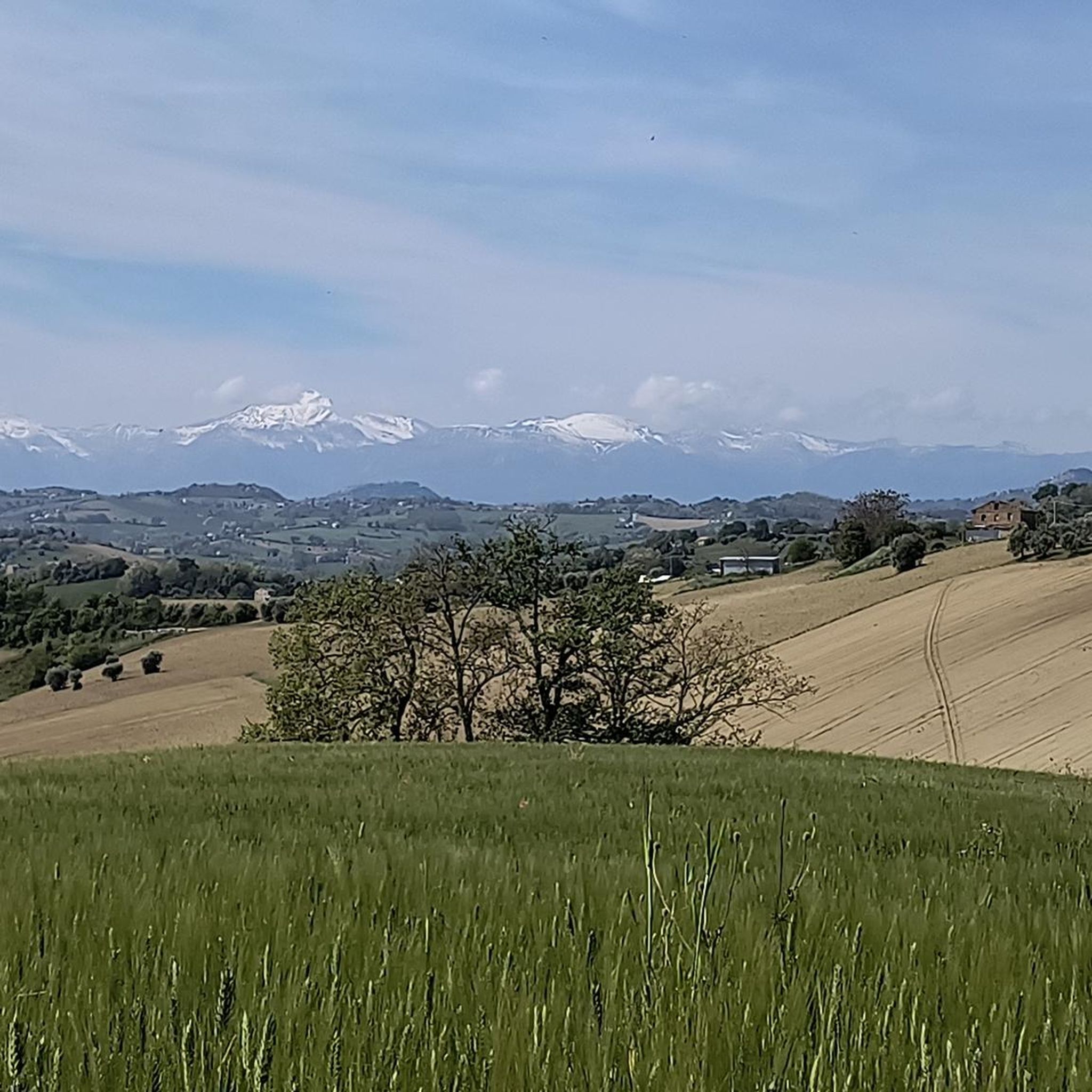
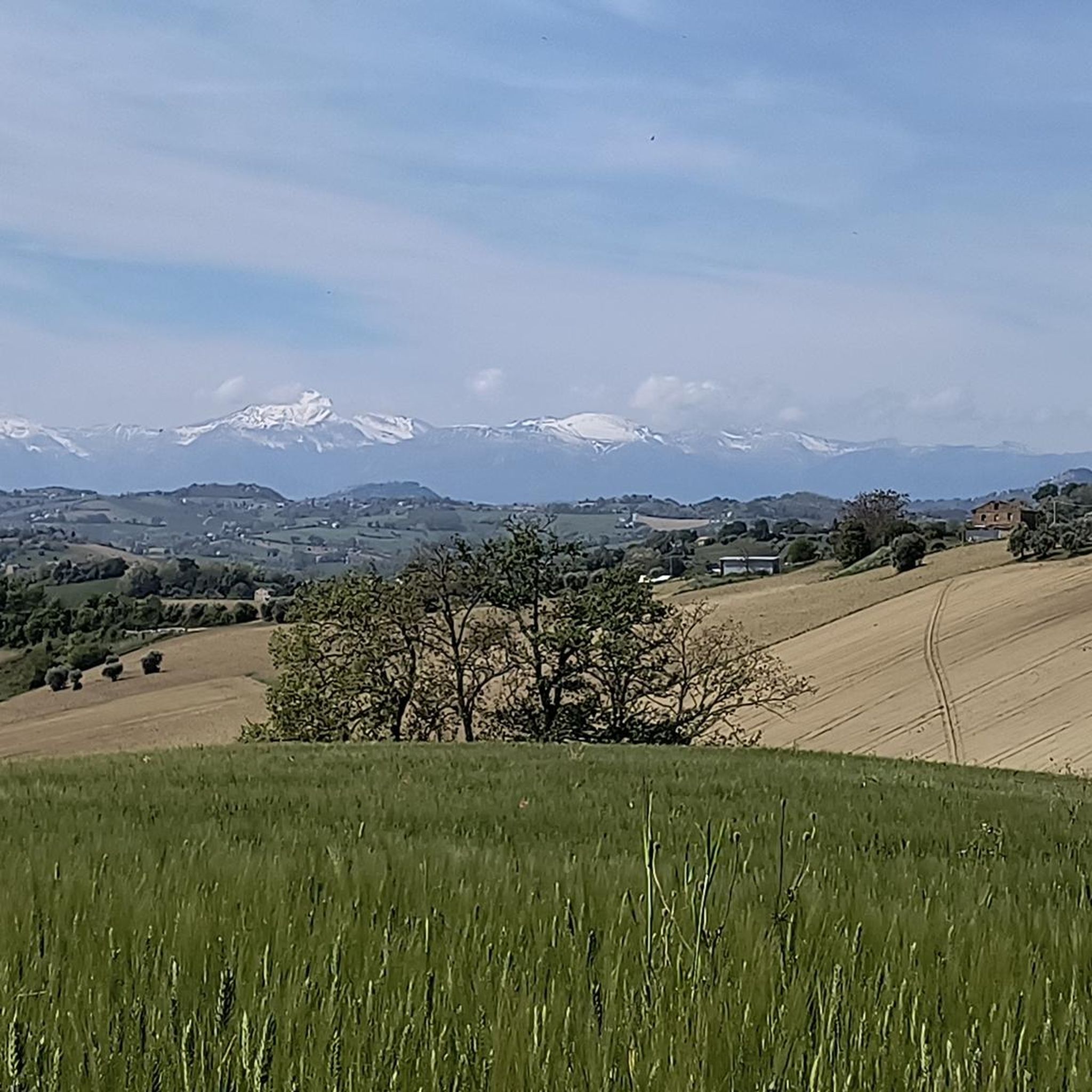
Ponzano di Fermo is a little gem that emerges among the rolling hills and the Apennine nature. Between castle and churches it is definitely worth a visit.
0
0

It is a hilly municipality of very ancient origins, located in the sub-Apennines of the Marche region, in the lower valley of the Tenna river. The toponym derives from the god Janus, to whom a temple was dedicated on the top of the town's hill, where Roman and pre-Roman finds were found. During the Middle Ages it was a castle that depended on Fermo. The historic centre, with its elliptical shape, has the characteristics of a medieval castle, of which the remains of the fortified walls, three towers and Porta Marina are still visible, once the only access to the castle, dating back to the fourteenth century but which was rebuilt in the form current in 1707
0
0
Also known as the "City of the Mediterranean diet", located on a hill at 411 m. above sea level, in an area of ancient Piceno and Roman settlement, as demonstrated by numerous and significant archaeological finds. The urban structure of Montegiorgio dates back to the Middle Ages, when the Benedictine monks settled there in the 9th century, welcoming the first inhabitants of Montegiorgio around the Church of Santa Maria Grande (the current San Francesco with Farfense Chapel) and the Convent. The center of Montegiorgio is positioned on a hilly relief. The city walls encompass the entire historic center which maintains some of the characteristic medieval streets; you can admire the remains of castle walls, with an access portal still equipped with a wooden door, and some narrow alleys on a human scale. There is currently a lot of post-earthquake consolidation work underway.
0
0

Beautiful climb that bypasses the state road and connects Fermo to Monte Giberto.
0
0
Frequently Asked Questions
What makes the historical sites around Belmonte Piceno unique?
The region around Belmonte Piceno is characterized by its fortified medieval villages and historic centers, rather than standalone castles. These sites, like Belmonte Piceno itself, often retain their medieval structure, offering a glimpse into centuries of history from Picenian roots and Roman influence to their development as medieval 'castra.' They are also rich in archaeological discoveries, providing profound insights into ancient civilizations.
Which specific historical centers with castle elements should I visit near Belmonte Piceno?
You can explore several fascinating locations. Consider visiting Ponzano di Fermo Historic Center and Sunflower Fields, known for its historic center and castle elements amidst rolling hills. Another significant site is the Historic Towers of Rapagnano, which preserves remains of fortified walls, three towers, and Porta Marina. Also, the Historic Center of Montegiorgio offers an urban structure dating back to the Middle Ages with visible castle walls and narrow streets.
Are there any other notable medieval villages or historical sites with castle features worth seeing?
Yes, Monsampietro Morico is known for its medieval castle, featuring an imposing 14th-century polygonal tower. It also boasts significant religious and artistic heritage, including the 13th-century Romanesque Church of San Paolo. Additionally, the Castello di Magliano in Toscana, though further afield, is a historical site with a circular layout of 14th-century walls and two remaining towers.
What kind of views can I expect when visiting these historical sites?
Many of these fortified villages are situated on hills or ridges, offering breathtaking panoramic views of the surrounding countryside. For instance, Belmonte Piceno itself is on a ridge between the Tenna and Ete Vivo valleys, providing expansive vistas. These elevated positions were strategically chosen for defense and now offer tranquil, picturesque scenery.
What outdoor activities can I do near the castles and historical centers?
The area around Belmonte Piceno is excellent for various outdoor activities. You can find numerous routes for gravel biking, running, and cycling. These routes often pass through the scenic rolling hills and connect various historic towns, allowing you to combine physical activity with cultural exploration.
Are there hiking or walking trails near these historical sites?
Yes, the region offers many opportunities for walking and hiking. While specific 'castle trails' might not be explicitly named, the routes for running and cycling often follow paths suitable for walking, especially those connecting the medieval villages. These trails allow you to explore the natural beauty and historical landscapes on foot.
What is the best time of year to visit the castles and historical sites around Belmonte Piceno?
The spring and autumn months are generally ideal for visiting. During these seasons, the weather is pleasant for exploring the historic centers and enjoying outdoor activities like walking or cycling. Autumn, in particular, offers beautiful scenery with changing foliage, enhancing the experience of visiting these ancient sites.
Are the historical centers around Belmonte Piceno family-friendly?
Yes, exploring the historic centers of these medieval villages can be a great family activity. Children can enjoy wandering through narrow medieval streets and imagining the past. The open spaces and panoramic views also provide a pleasant environment for families to spend time together. Always check specific site accessibility for strollers if needed.
Can I find places to eat or drink near these historical sites?
Many of the medieval villages and historic centers, such as Montegiorgio, Ponzano di Fermo, and Belmonte Piceno itself, are active towns with local cafes and restaurants. You'll often find traditional eateries where you can enjoy local Marche cuisine and refreshments after your exploration.
What kind of archaeological discoveries have been made in Belmonte Piceno?
Belmonte Piceno is renowned for its exceptional archaeological discoveries from the Picenian age. Over three hundred tombs have been identified, yielding an extraordinary quantity and quality of artifacts. These include wealthy warrior tombs with armaments like Corinthian and Picenian helmets, and rich female tombs with abundant ornaments. The discovery of the amber and ivory casket of Belmonte Piceno, showcasing Greek myths and Etruscan traditions, is considered a significant Italian archaeological find.
Is it possible to find accommodation in or near these historical villages?
Yes, the region offers various accommodation options, from charming agriturismi (farm stays) in the countryside to guesthouses and small hotels within or near the historic centers of towns like Belmonte Piceno, Montegiorgio, and Ponzano di Fermo. These provide a great base for exploring the area's history and natural beauty.
What is the historical significance of Belmonte Piceno itself?
Belmonte Piceno, known historically as 'Castrum Belmontis Novum,' was a fortified medieval village that served as a 'castello medievale di Fermo.' Its strategic location on a ridge between the Tenna and Ete Vivo valleys made it a significant crossroads for trade, demonstrating prosperity during Roman times. Its history stretches back to Picenian and Roman eras, and it evolved into a commercial center for Fermo in the 14th century, protecting its urban core with external walls.
Most popular attractions around Belmonte Piceno

Get inspired with the komoot mobile app


Explore more
Looking for the best castles somewhere else? Discover other guides around Belmonte Piceno:
