Top 5 Castles around Massa Fermana
Castles near Massa Fermana offer a glimpse into the region's medieval past. Massa Fermana, located in Italy's Marche region, was historically a medieval castle town. While the original castle structure is largely gone, its legacy is evident in historical sites and fortified settlements in the surrounding area. The area features a variety of historical structures, from well-preserved fortresses to ancient town centers with castle remnants.
Best castles around Massa Fermana
- The most popular castles is Rocca di Urbisaglia, a…
Last updated: July 1, 2026
Rocca di Urbisaglia
Highlight • Castle
Translated by Google •
Tip by

Historic Towers of Rapagnano
Highlight • Historical Site
The toponym derives from the …
Translated by Google •
Tip by

Sign up now to discover places like this
Get recommendations on the best single tracks, peaks, & plenty of other exciting outdoor places.
Sign up for free
Historic Center of Montegiorgio
Highlight • Historical Site
Translated by Google •
Tip by
Monsampietro Morico
Highlight • Settlement
Translated by Google •
Tip by

Castello di Magliano in Toscana
Highlight • Castle
Translated by Google •
Tip by
Start today with a free account
Your next adventure awaits.
Login or Signup


Tips from the Community

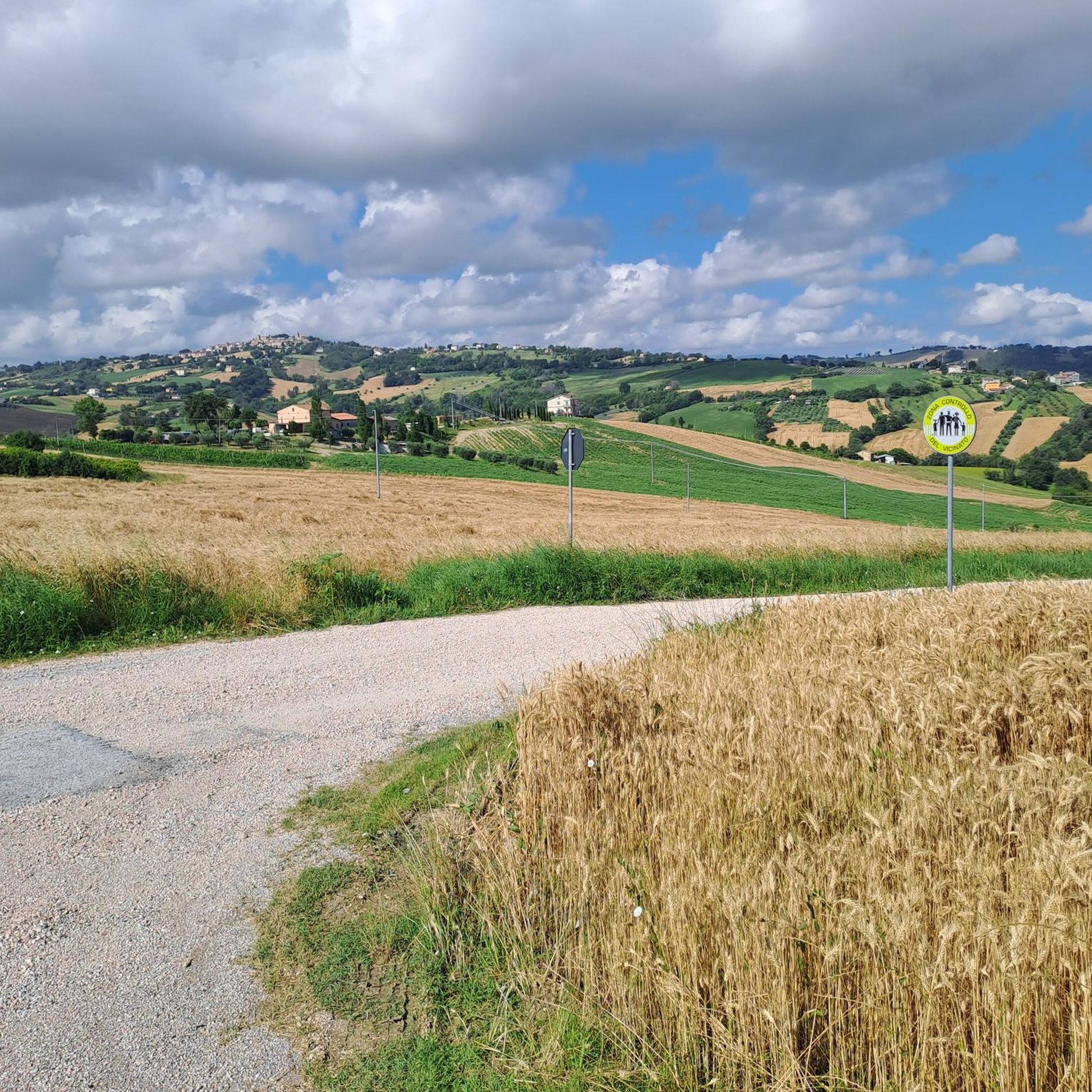
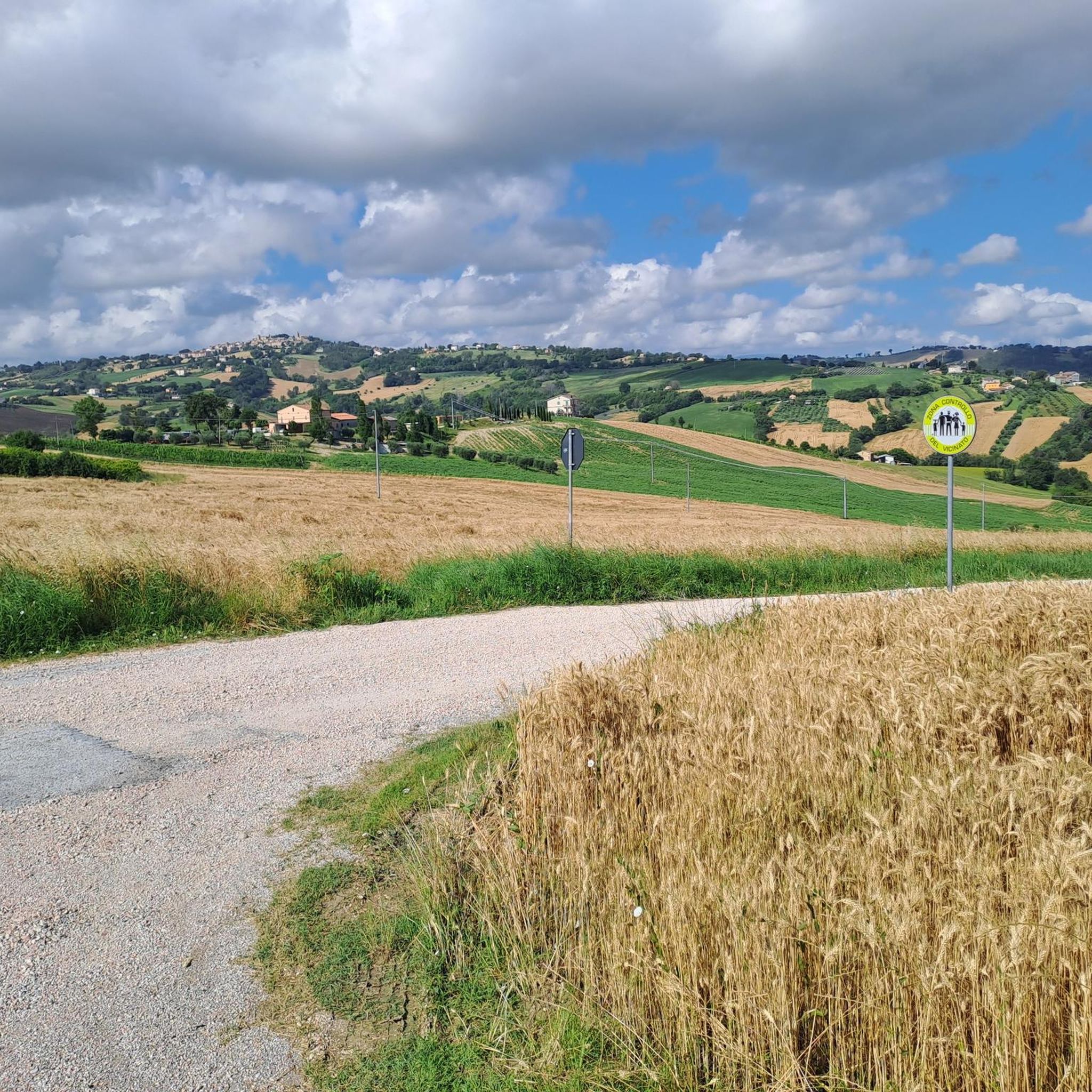
Monsampietro Morico is known for its medieval castle, which features an imposing 14th-century polygonal tower that once defended the Romanesque gate below. The village also boasts a significant religious and artistic heritage, particularly the 13th-century Romanesque Church of San Paolo and works of art such as a triptych attributed to Vittore Crivelli.
1
0

Tradition claims that, around the year 1000, a captain of fortune, named Malleano or Majano, was the founder of the Castle. The ancient structure had six towers but now only two remain, one of which has a hexagonal plan. The circular layout of the fourteenth-century walls reproduces the atmosphere of the ancient historical center.
1
0
It is a hilly municipality of very ancient origins, located in the sub-Apennines of the Marche region, in the lower valley of the Tenna river. The toponym derives from the god Janus, to whom a temple was dedicated on the top of the town's hill, where Roman and pre-Roman finds were found. During the Middle Ages it was a castle that depended on Fermo. The historic centre, with its elliptical shape, has the characteristics of a medieval castle, of which the remains of the fortified walls, three towers and Porta Marina are still visible, once the only access to the castle, dating back to the fourteenth century but which was rebuilt in the form current in 1707
0
0
Also known as the "City of the Mediterranean diet", located on a hill at 411 m. above sea level, in an area of ancient Piceno and Roman settlement, as demonstrated by numerous and significant archaeological finds. The urban structure of Montegiorgio dates back to the Middle Ages, when the Benedictine monks settled there in the 9th century, welcoming the first inhabitants of Montegiorgio around the Church of Santa Maria Grande (the current San Francesco with Farfense Chapel) and the Convent. The center of Montegiorgio is positioned on a hilly relief. The city walls encompass the entire historic center which maintains some of the characteristic medieval streets; you can admire the remains of castle walls, with an access portal still equipped with a wooden door, and some narrow alleys on a human scale. There is currently a lot of post-earthquake consolidation work underway.
0
0

Beautiful medieval town with a well-preserved fortress in the walls and a beautiful view of the Sibillini mountain range, do not miss a visit to the archaeological area of Urbs Salvia the ancient Urbisaglia
1
0
Frequently Asked Questions
What historical features define the castles and fortified sites around Massa Fermana?
The region's historical sites, including those around Massa Fermana, are characterized by medieval castle remnants, fortified walls, and ancient town centers. For example, the Historic Towers of Rapagnano feature remains of fortified walls and three towers, including Porta Marina, which was once the only access to the castle. Similarly, the Historic Center of Montegiorgio retains its medieval urban structure with city walls and an access portal.
Are there any specific castle structures to visit within Massa Fermana itself?
While the original medieval castle of Massa Fermana is largely gone, its legacy is best represented by Porta Sant'Antonio. This 14th-century gate features battlements, turrets, and traces of a drawbridge, offering a tangible connection to the town's fortified past. The ground floor also houses the Museum of Ancient Street Crafts.
What kind of views can I expect from the castles in the area?
Many of the fortified sites offer panoramic views of the surrounding landscape. For instance, Rocca di Urbisaglia provides beautiful views of the Sibillini mountain range.
What outdoor activities can I do near these castles?
The area around Massa Fermana offers various outdoor activities. You can find options for gravel biking, road cycling, and running. For example, there are gravel biking routes like the 'Lake Le Vene – Fiastrella Cycle Path loop' and running trails such as the 'Integral Reserve Abbadia di Fiastra – ring tour'. You can explore these and more on the respective guide pages: Gravel biking around Massa Fermana, Road Cycling Routes around Massa Fermana, and Running Trails around Massa Fermana.
Are there family-friendly options when visiting castles near Massa Fermana?
Visiting the historic centers and fortified towns like Historic Center of Montegiorgio or Rocca di Urbisaglia can be family-friendly. Exploring ancient walls and imagining medieval life can be engaging for children. The Museum of Ancient Street Crafts within Porta Sant'Antonio in Massa Fermana also offers an educational experience.
What is the best time of year to visit the castles and historical sites?
The Marche region generally enjoys pleasant weather from spring through early autumn (April to October). Visiting during these months allows for comfortable exploration of the outdoor historical sites and fortified towns, as well as enjoying nearby outdoor activities.
Are there any less crowded historical sites or castles to visit?
While popular sites like Rocca di Urbisaglia attract visitors, exploring smaller fortified villages such as Monsampietro Morico can offer a more tranquil experience. Monsampietro Morico is known for its medieval castle with an imposing 14th-century polygonal tower and significant religious heritage.
What should I wear when visiting the castles and historical sites?
Comfortable walking shoes are highly recommended, as many sites involve walking on uneven medieval streets, cobblestones, or paths. Layers of clothing are also advisable, especially during spring and autumn, to adapt to changing weather conditions.
Are there cafes or restaurants near the castles?
Many of the historical centers, such as Montegiorgio and Urbisaglia, are active towns with local amenities. You can typically find cafes and restaurants within or very close to these fortified settlements, offering opportunities to enjoy local cuisine.
What are some unique architectural features I can observe in the castles?
You can observe various medieval architectural elements. Porta Sant'Antonio in Massa Fermana features an ogival arch, battlements, turrets, and traces of a grille and drawbridge. The Historic Towers of Rapagnano showcase fortified walls and towers, including Porta Marina. The medieval castle of Monsampietro Morico features an imposing 14th-century polygonal tower.
How long does it typically take to visit one of these castle sites?
The duration of a visit can vary. For a site like Rocca di Urbisaglia, including its medieval town and the archaeological area of Urbs Salvia, you might spend a few hours. Smaller fortified villages or specific gates like Porta Sant'Antonio in Massa Fermana might take an hour or less to explore thoroughly, depending on your interest in the details and any museums present.
Are there options for parking when visiting these historical sites?
Most towns with historical centers and castle remnants, such as Urbisaglia, Rapagnano, and Montegiorgio, will have designated parking areas available for visitors, often within walking distance of the main attractions. It's advisable to check local signage upon arrival.
Most popular routes around Massa Fermana
Most popular attractions around Massa Fermana

Get inspired with the komoot mobile app


Explore more
Looking for the best castles somewhere else? Discover other guides around Massa Fermana:
