Top 4 Caves around Calalzo Di Cadore
Caves around Calalzo Di Cadore are primarily associated with historical and man-made underground features within the Dolomites region. The area is known for its natural beauty, situated near the artificial Lake Centro Cadore. While traditional natural cave systems are not prominent directly within the town, the local context includes grottoes, rock shelters, and military tunnels. This landscape offers a blend of natural scenery and historical significance, particularly related to World War I.
Best caves around Calalzo Di Cadore
- The most…
Last updated: July 15, 2026
Forte Monte Ricco
Highlight • Cave
Showing Translation
Tip by

Cave
Highlight • Cave
Translated by Google •
Tip by

Sign up now to discover places like this
Get recommendations on the best single tracks, peaks, & plenty of other exciting outdoor places.
Sign up for free
Gallery Depots on the Military Road of Forte Miaron
Highlight • Historical Site
Translated by Google •
Tip by

Snowfields and Avalanche Remnants in the Tunnels
Highlight • Cave
Translated by Google •
Tip by

First World War Tunnel and Bunker
Highlight • Historical Site
Translated by Google •
Tip by
Start today with a free account
Your next adventure awaits.
Login or Signup
Popular around Calalzo Di Cadore
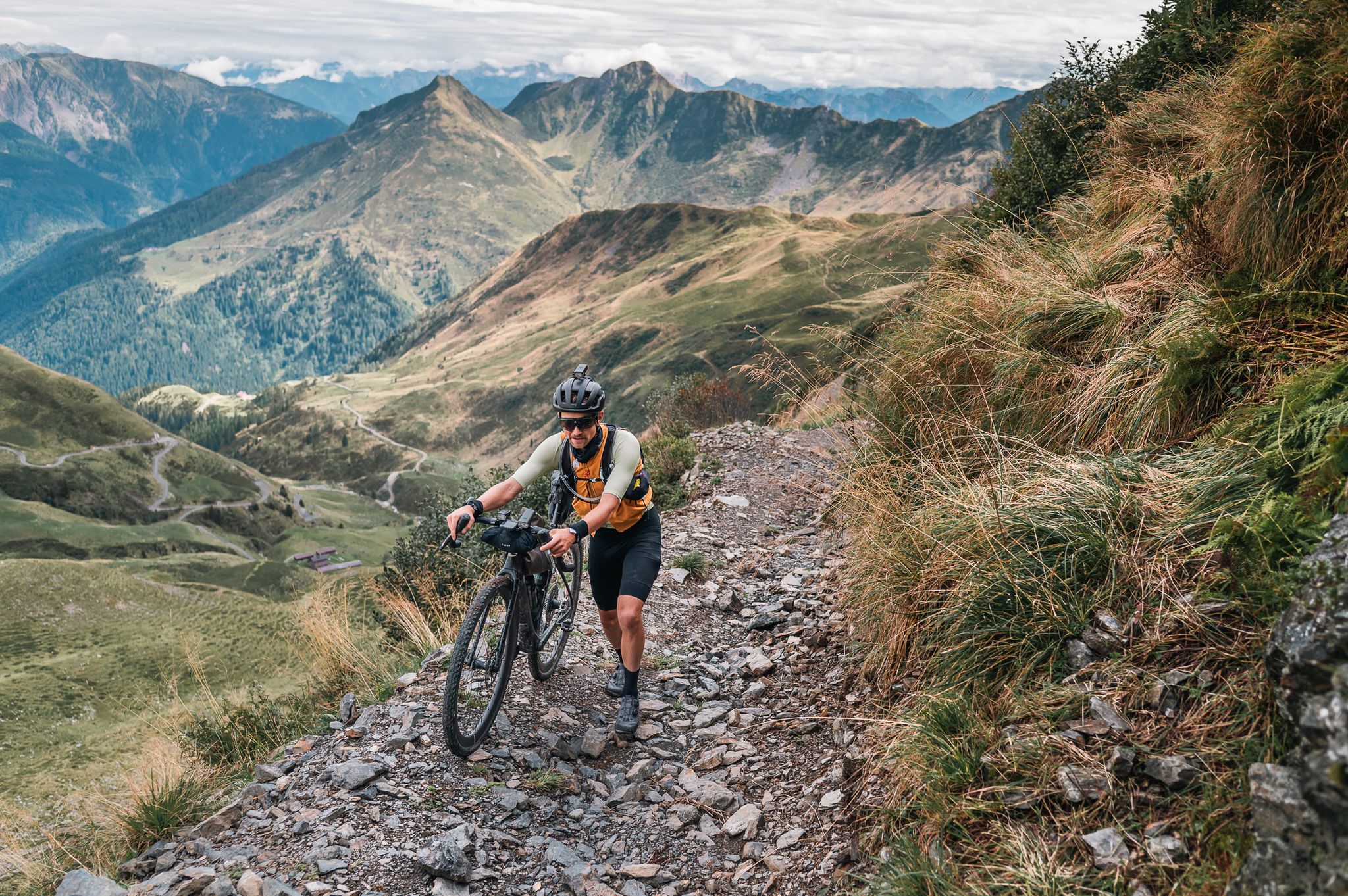
Sneak Peaks ADVENTURE 🥇
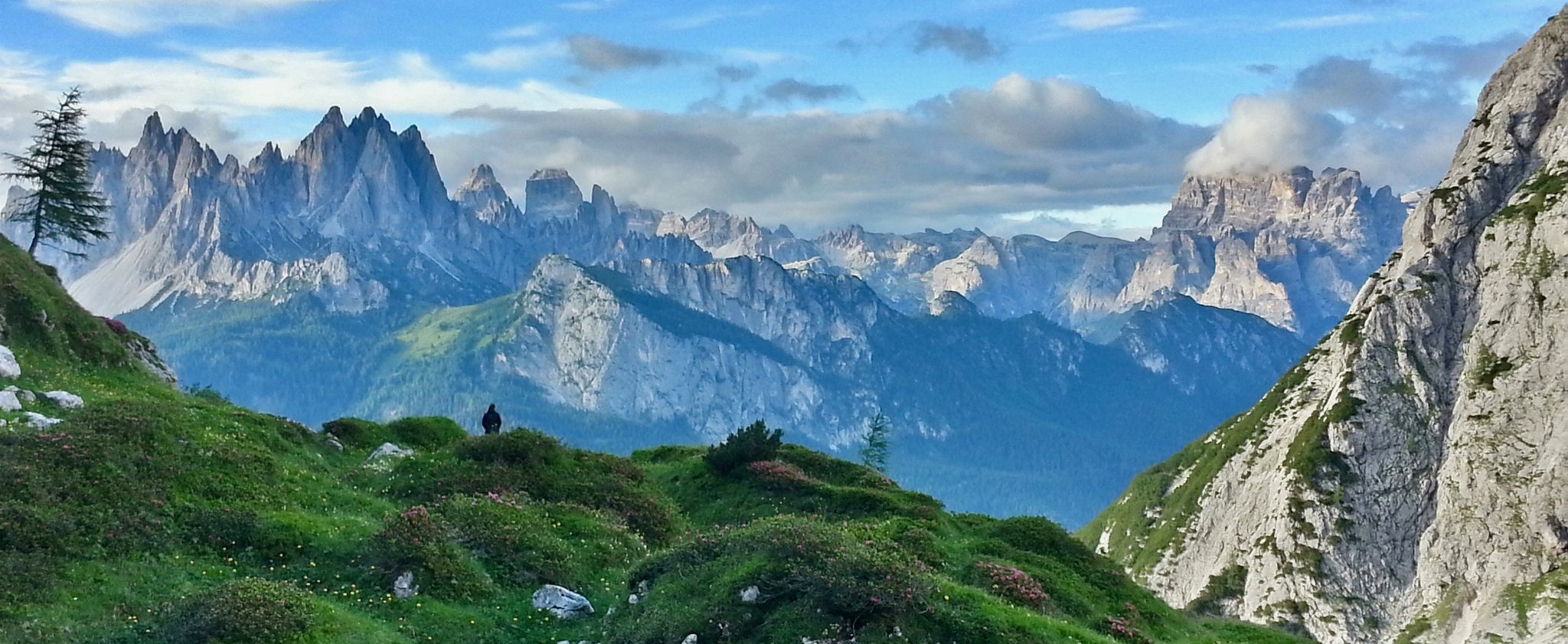
Alta Via No. 5 — Tizians High Route
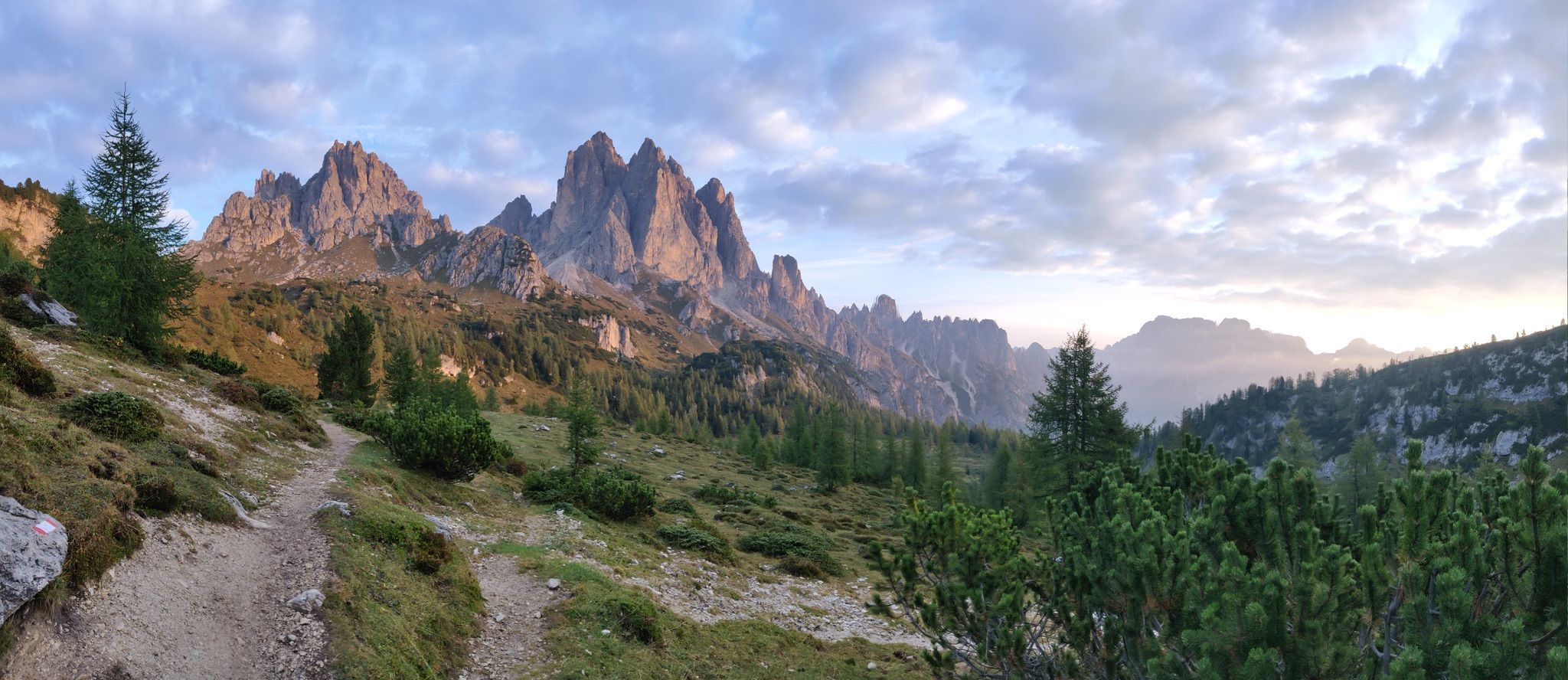
Hike majestic landscapes in the Italian Dolomites – Alta Via 4
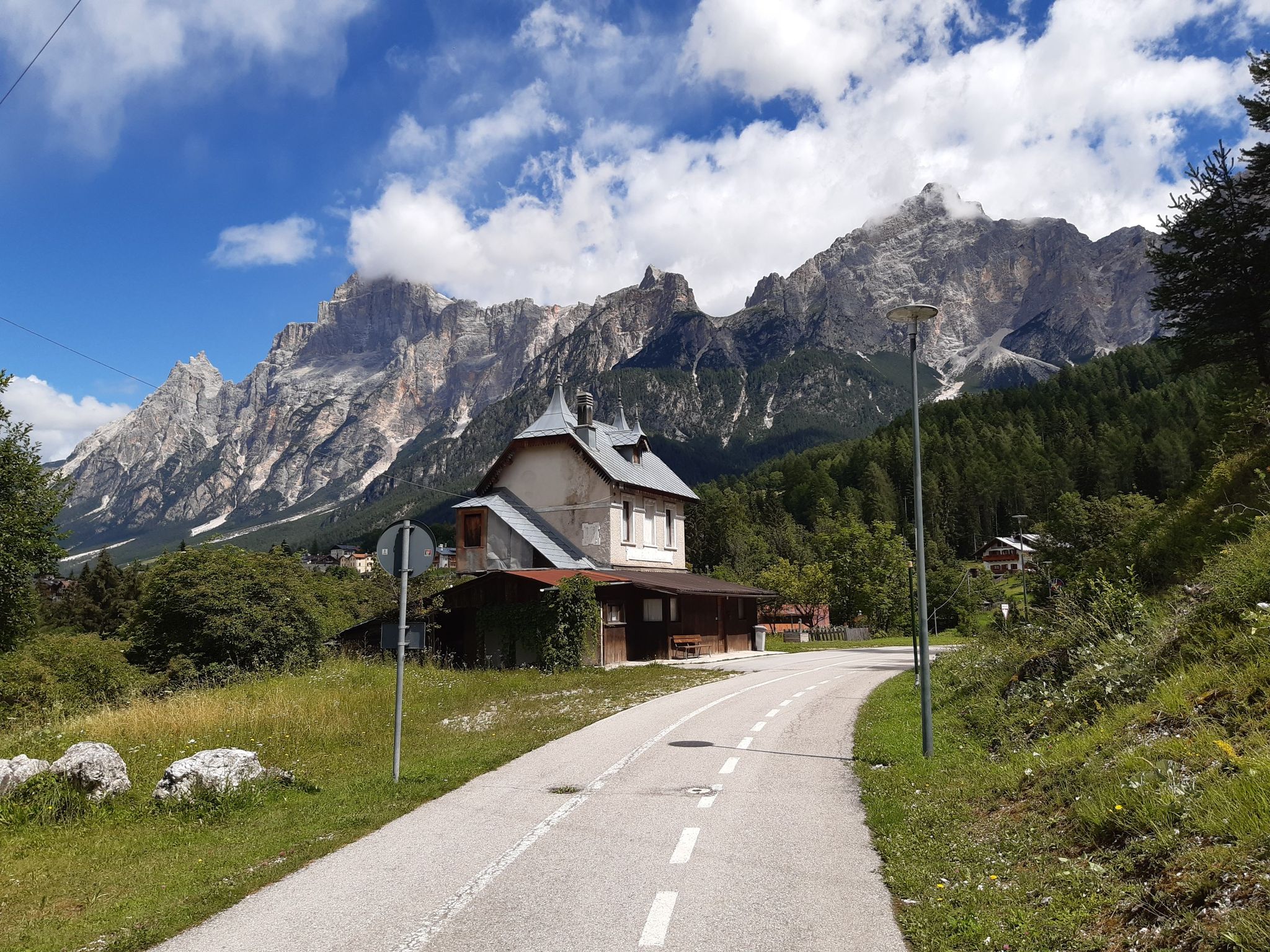
Two days of relaxation and mountains – Dolomites cycle route
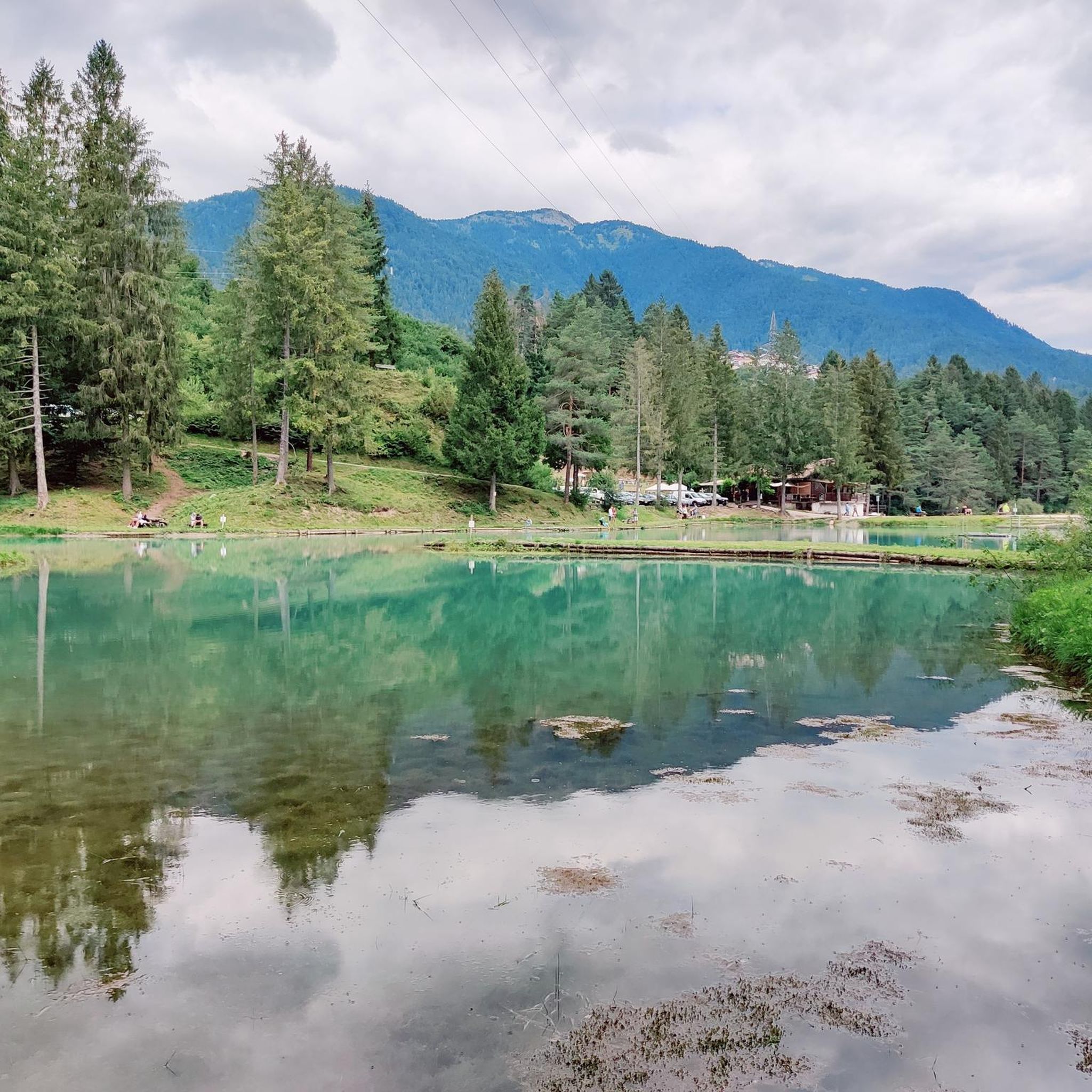
Hiking around Calalzo Di Cadore
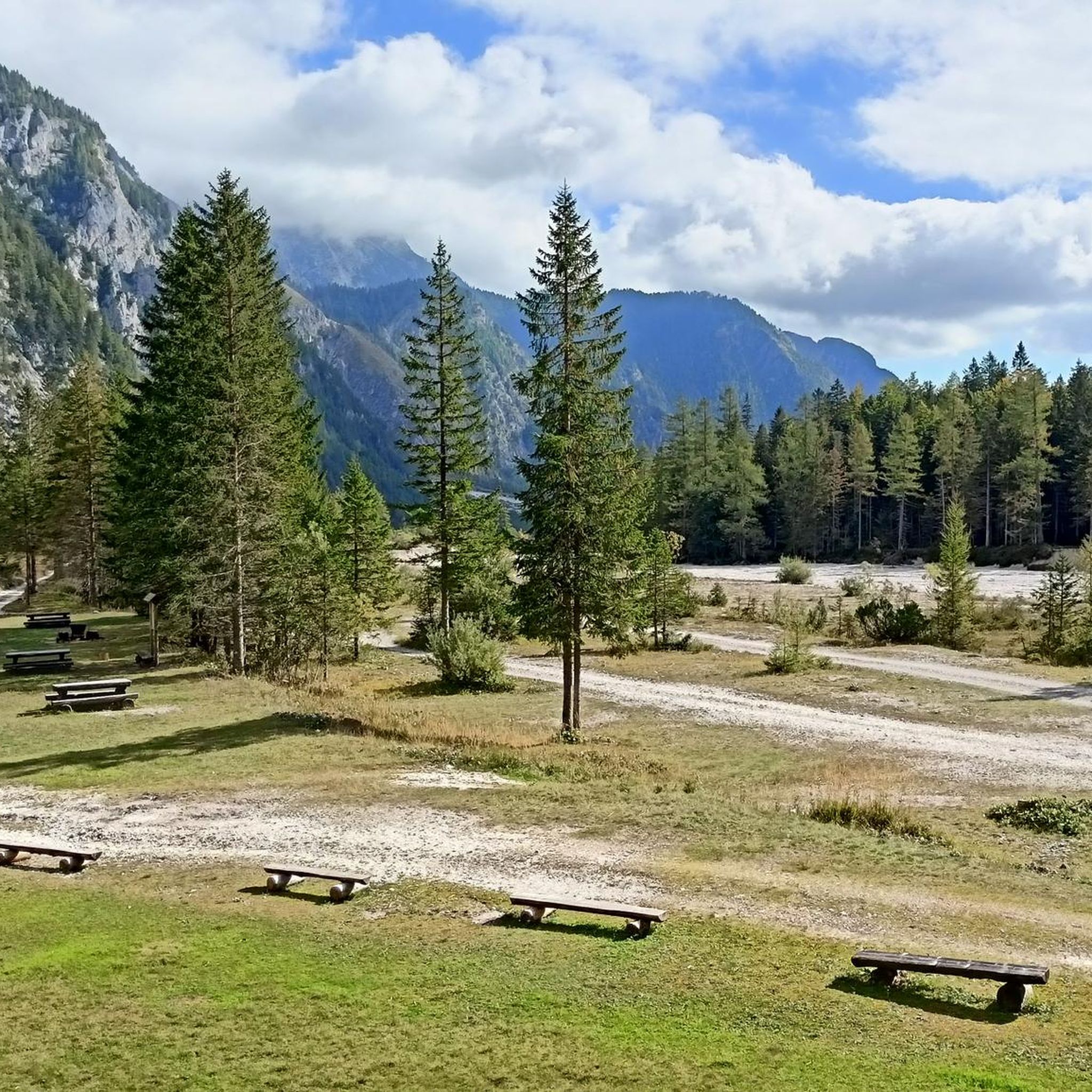
Road Cycling Routes around Calalzo Di Cadore
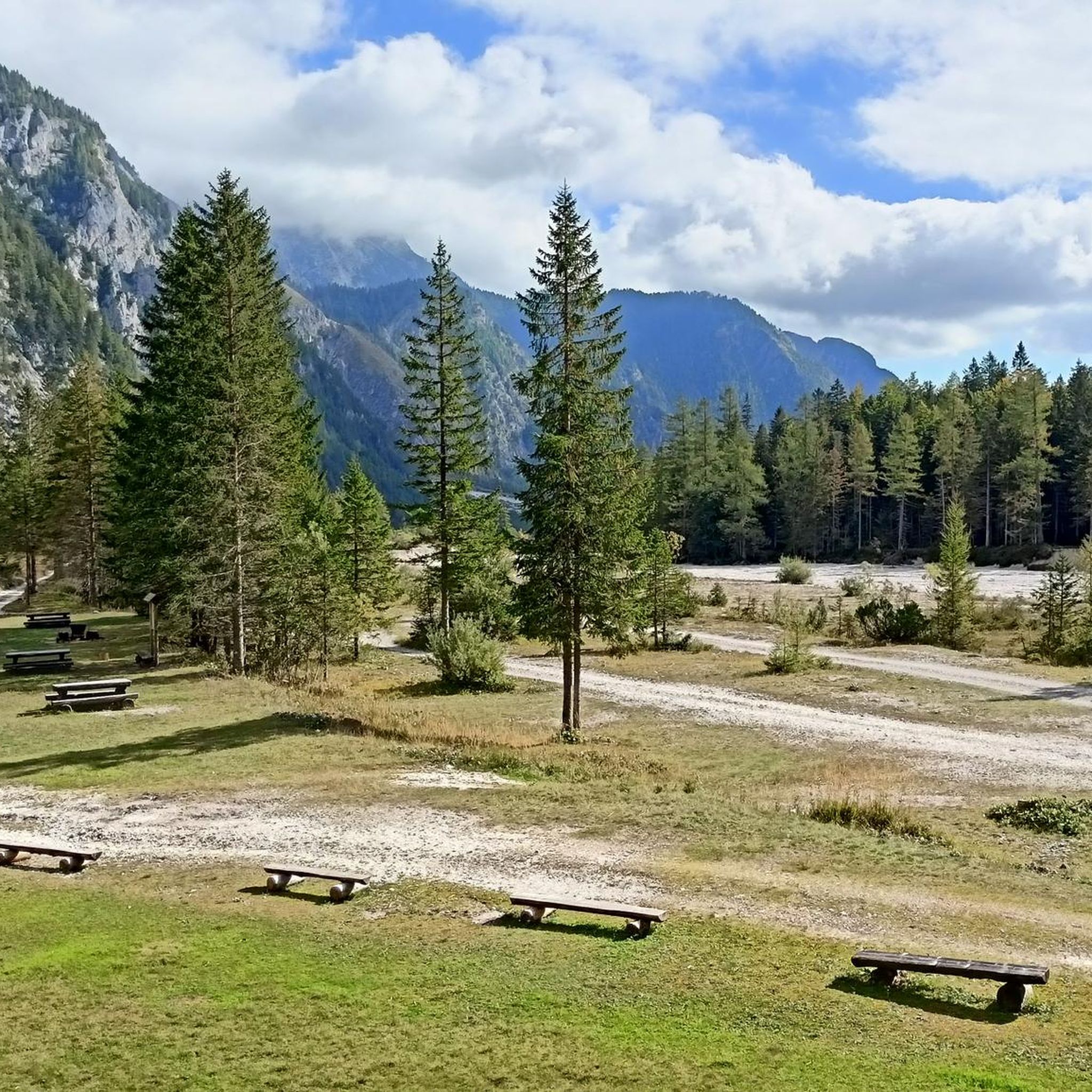
MTB Trails around Calalzo Di Cadore
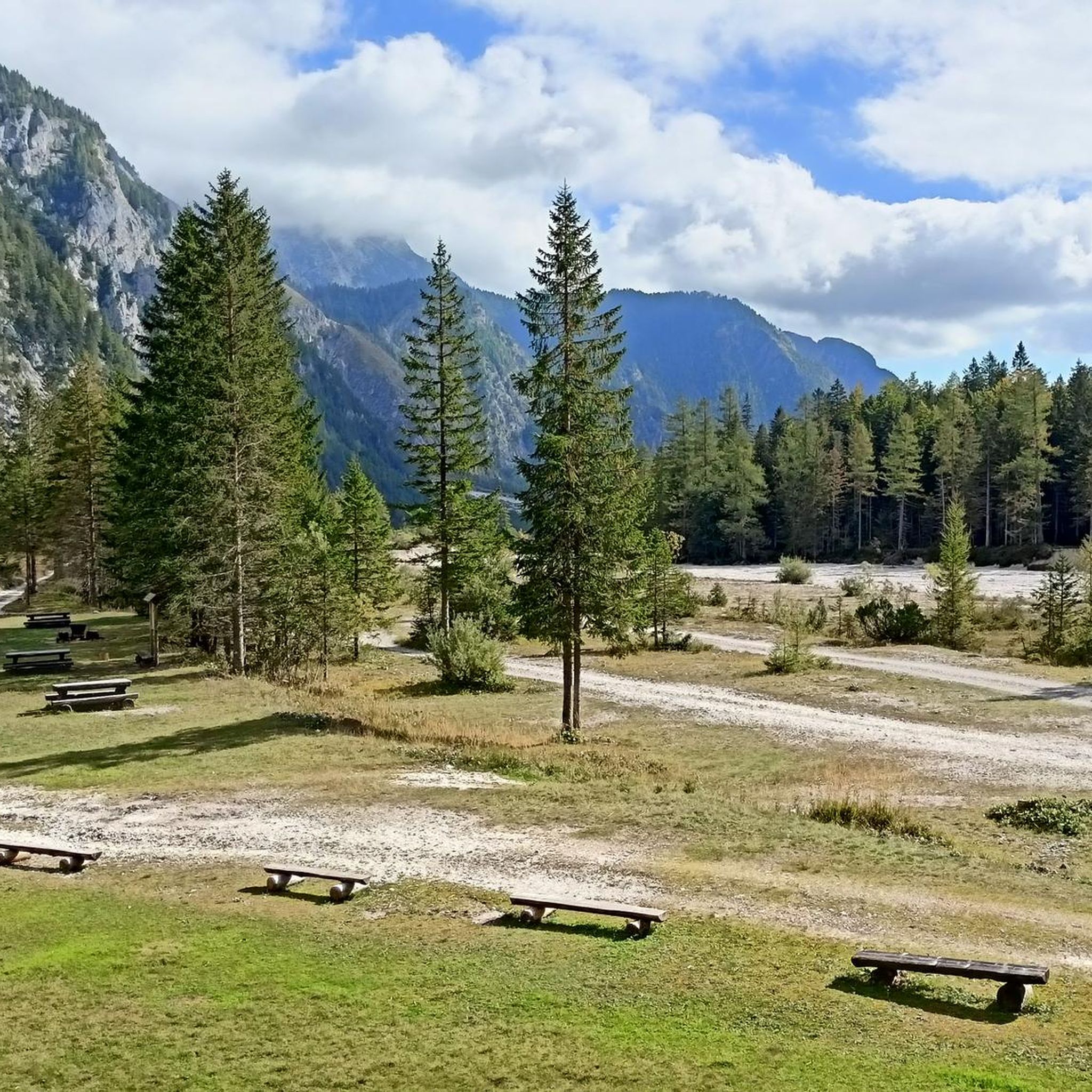
Cycling around Calalzo Di Cadore

Gravel biking around Calalzo Di Cadore
Running Trails around Calalzo Di Cadore
Other adventures around Calalzo Di Cadore


Tips from the Community

Built in the last two decades of the 19th century, under the Kingdom of Italy, the Forte di Monte Ricco constituted the heart of the entrenched camp of Pieve di Cadore. It was conceived and built to interdict enemy approaches from the Tre Ponti narrows towards Pieve and Tai along the Piave valley and to act in close synergy with the nearby Batteria Castello, about 200 meters away, as well as with the various artillery positions on the overlying heights, on Monte Tranego, Monte Zucco, Col Vidà. Monte Ricco was probably the site of a prehistoric settlement, then of the castle of Cadore. Abandoned until 2007, it has undergone demanding restoration, consolidation, and enhancement works. Reopened to the public in 2017, it hosts exhibitions or classical music concerts. https://www.tizianovecellio.it/luoghi/il-forte-di-monte-ricco/
1
0

At the end of winter it is normal to find snowfields and avalanche debris on the mule track and in the tunnels. Carefully evaluate the feasibility of the excursion.
0
0

Along the historic Military Road of Forte Miaron, hidden in the folds of the mountain, there are the suggestive tunnel depots, a fascinating reminder of the military past of the area. These depots, dug into the rock, served as warehouses and strategic shelters during the First World War, when Forte Miaron played a crucial role in controlling the Mauria Pass and the access routes between Veneto and Friuli. Today, the tunnel depots represent a point of interest for hikers who travel this road, offering an immersion in time and a unique atmosphere. The openings, framed by the living rock, offer suggestive views and a shaded refuge during walks.
1
1

Unfortunately it's now more like a big toilet... it's a shame that people have to leave places like this...
4
0
Unfortunately it's now more like a big toilet... it's a shame that people have to leave places like this...
2
0

The Forte di Monte Ricco, restored and reopened to the public in 2017, often hosts exhibitions and classical music concerts. However, it is advisable to call before visiting to check the opening of the main part. During a summer visit, in fact, it was found that access was allowed only by reservation. An entrance ticket is required but inexpensive. The Fort offers the possibility to walk around the front and internal perimeter, allowing appreciation of the pre-Roman structure. Protected by a moat and a drawbridge, the site also offers a panoramic view of Monte Cristallo. The Fort was built in the pre-Roman era with a defensive function, maintained also in Roman and medieval times. Before the year 1000, it was the seat of an important castle represented in the coat of arms of Cadore. From 1420 it became the seat of the Captain of Venice, but declined in the 17th century. During the Kingdom of Italy, two fortifications were built as part of the defensive system against Austria-Hungary. During the First World War, the Fort was relegated to a warehouse and logistics. Abandoned after 1918, restoration began in 2007 on the initiative of the Municipality of Pieve di Cadore, concluding in 2017.
1
0

Frequently Asked Questions
What kind of 'caves' can I expect to find around Calalzo Di Cadore?
The 'caves' in the Calalzo Di Cadore area are primarily historical, man-made underground structures rather than natural geological formations. These include World War I tunnels, bunkers, and galleries, often part of old fortifications. For example, Forte Monte Ricco features underground elements like galleries and bunkers, offering a unique historical exploration.
Are there any natural grottoes or unique natural sites near Calalzo Di Cadore?
While traditional natural caves are not prominent directly in Calalzo di Cadore, the Oasi Naturalistica e Sito Archeologico di Lagole is a unique natural and historical site. It's known for its mineral springs, rich in sulfur, calcium, magnesium, and iron, which give the area a distinctive reddish color. This site was historically used as a thermal and healing place by ancient populations.
What is the best time of year to visit the historical underground sites?
For historical underground sites like those at Forte Monte Ricco or the Gallery Depots on the Military Road of Forte Miaron, late spring to early autumn (June to October) is generally the best time. During winter or early spring, some tunnels, especially those at higher altitudes, might still contain snowfields or avalanche remnants, requiring careful evaluation of feasibility.
Are there any family-friendly underground attractions?
Yes, Forte Monte Ricco can be a family-friendly option. It's a restored fort with underground elements, offering a glimpse into history. It often hosts exhibitions and concerts, though it's advisable to call ahead to check opening hours and event schedules. The site also provides panoramic views.
What should I wear or bring when exploring these underground sites?
Even in summer, temperatures inside underground tunnels and bunkers can be cool, so bringing an extra layer is recommended. Sturdy footwear with good grip is essential, as surfaces can be uneven or damp. A headlamp or flashlight is also highly advisable for better visibility in darker sections.
Are there any permits or special access requirements for these sites?
For sites like Forte Monte Ricco, an entrance ticket is required, though it is typically inexpensive. For other historical tunnels and bunkers, especially those along hiking trails, general access is usually permitted, but always check for local signage or advisories regarding safety or restricted areas.
What is the difficulty level for exploring the underground features?
The difficulty varies. Sites like Forte Monte Ricco are generally accessible. However, some historical tunnels, such as the Snowfields and Avalanche Remnants in the Tunnels, can be challenging, especially after winter when snow and avalanche debris might still be present. Always evaluate the conditions and your own capabilities before entering.
What outdoor activities can I combine with a visit to these sites?
The Calalzo Di Cadore area is excellent for various outdoor activities. You can combine a visit to the historical underground sites with hiking or cycling. For hiking, explore routes like the Rifugio Chiggiato Loop Trail or the Via Alpina Yellow Trail: Stage B18. For cycling, consider the Dolomites Cycle Path or other road cycling routes. You can find more details on these activities in the Hiking around Calalzo Di Cadore and Road Cycling Routes around Calalzo Di Cadore guides.
Where can I park when visiting these locations?
Parking availability varies by location. For Forte Monte Ricco, there is usually designated parking nearby. For other sites, especially those along hiking trails like the Gallery Depots on the Military Road of Forte Miaron, you might need to park at a trailhead or in a nearby village and walk to the site. Always look for official parking areas to avoid fines or obstructing local traffic.
Are there any cafes or amenities near the underground attractions?
Amenities are typically found in the nearby towns and villages, such as Pieve di Cadore or Calalzo di Cadore itself. Forte Monte Ricco is close to Pieve di Cadore, where you can find cafes and restaurants. For more remote sites, it's best to bring your own refreshments.
What historical significance do these underground structures hold?
Many of the underground structures around Calalzo Di Cadore, such as those at Forte Monte Ricco and the Gallery Depots on the Military Road of Forte Miaron, are remnants from World War I. They served as defensive positions, storage, and strategic shelters, playing a crucial role in the conflict along the Italian front. They offer a tangible connection to the region's military past.
Most popular routes around Calalzo Di Cadore
Most popular attractions around Calalzo Di Cadore

Get inspired with the komoot mobile app


Explore more
Extend your search for the best caves by checking out these guides of the top ones around Calalzo Di Cadore:
