Top 6 Lakes around Vernole
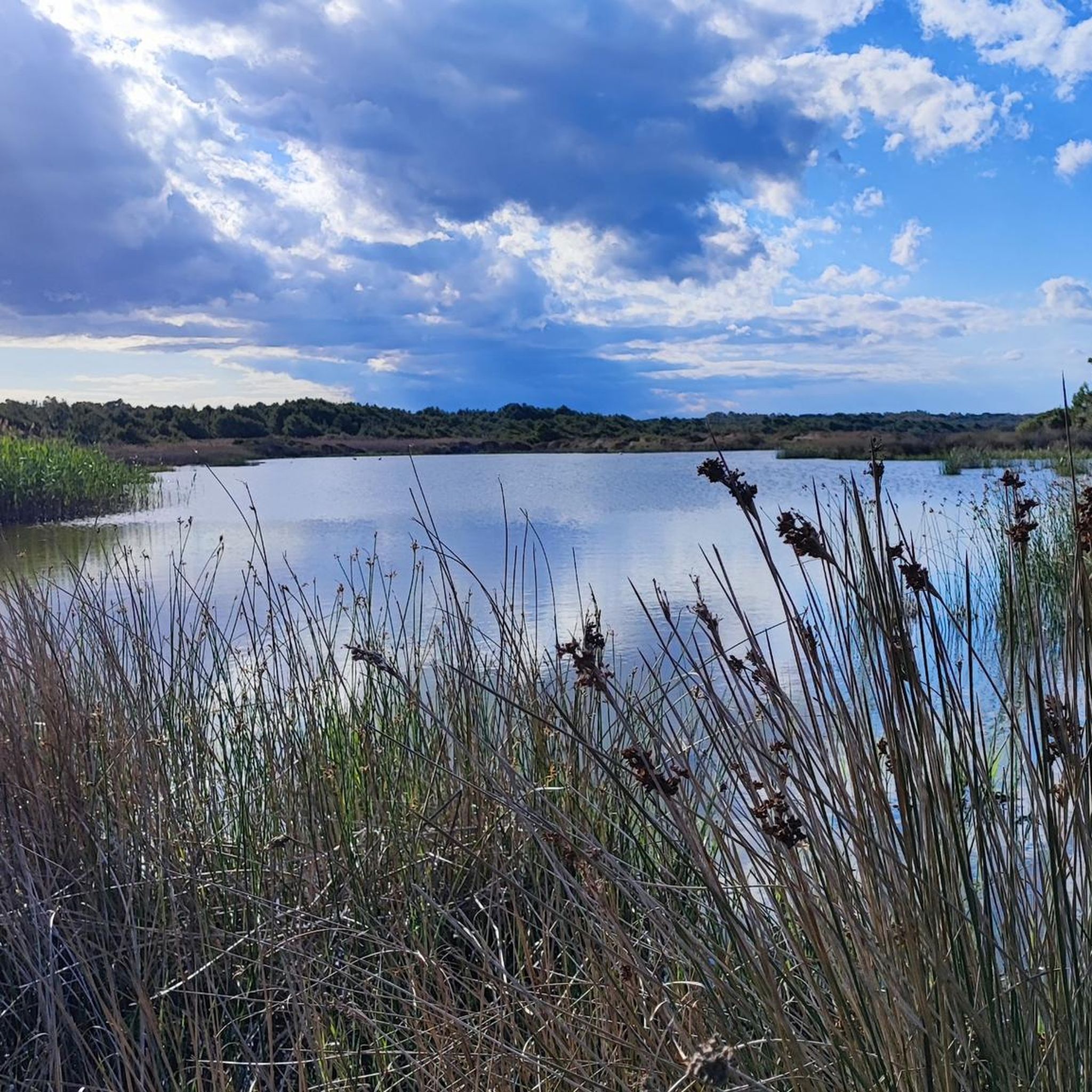
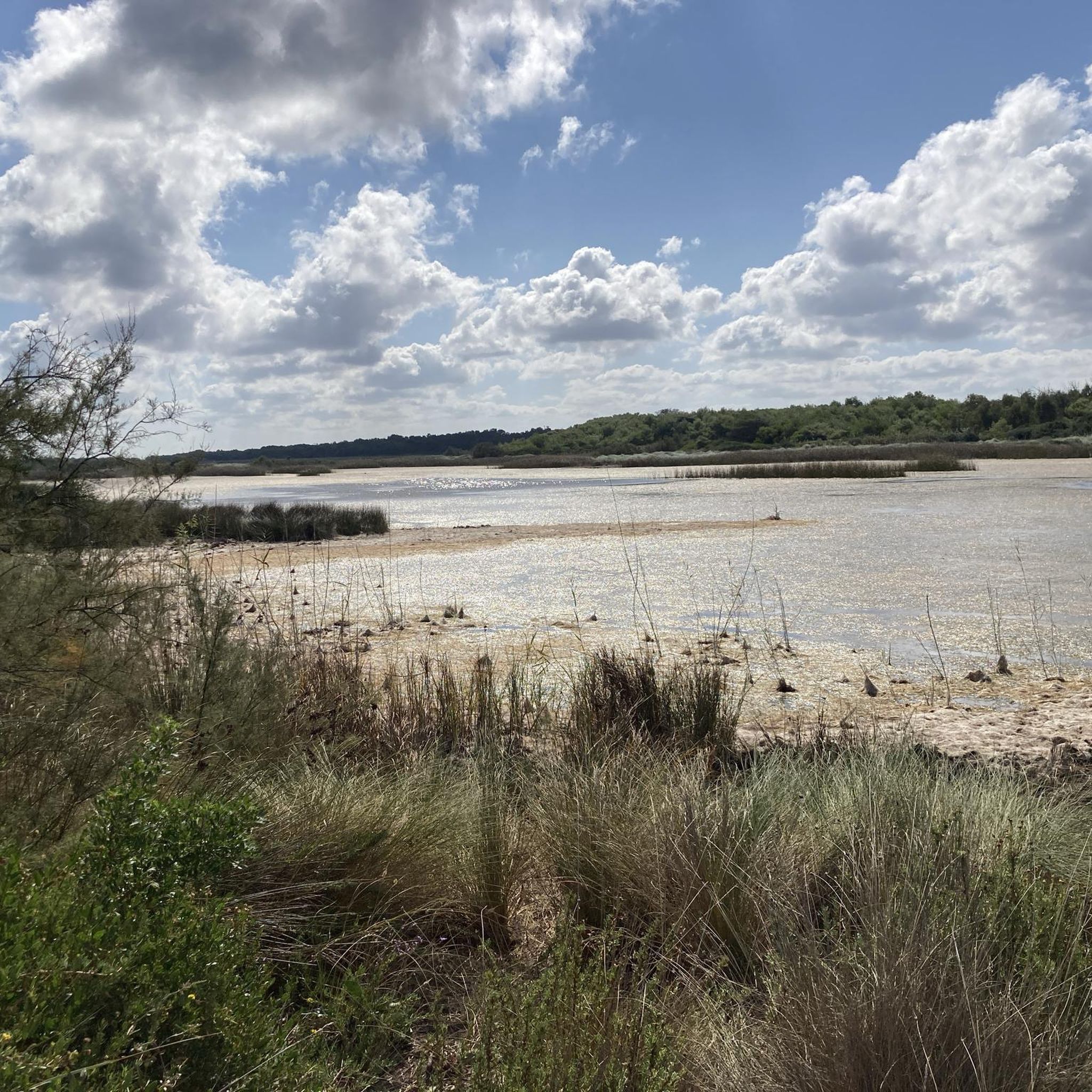
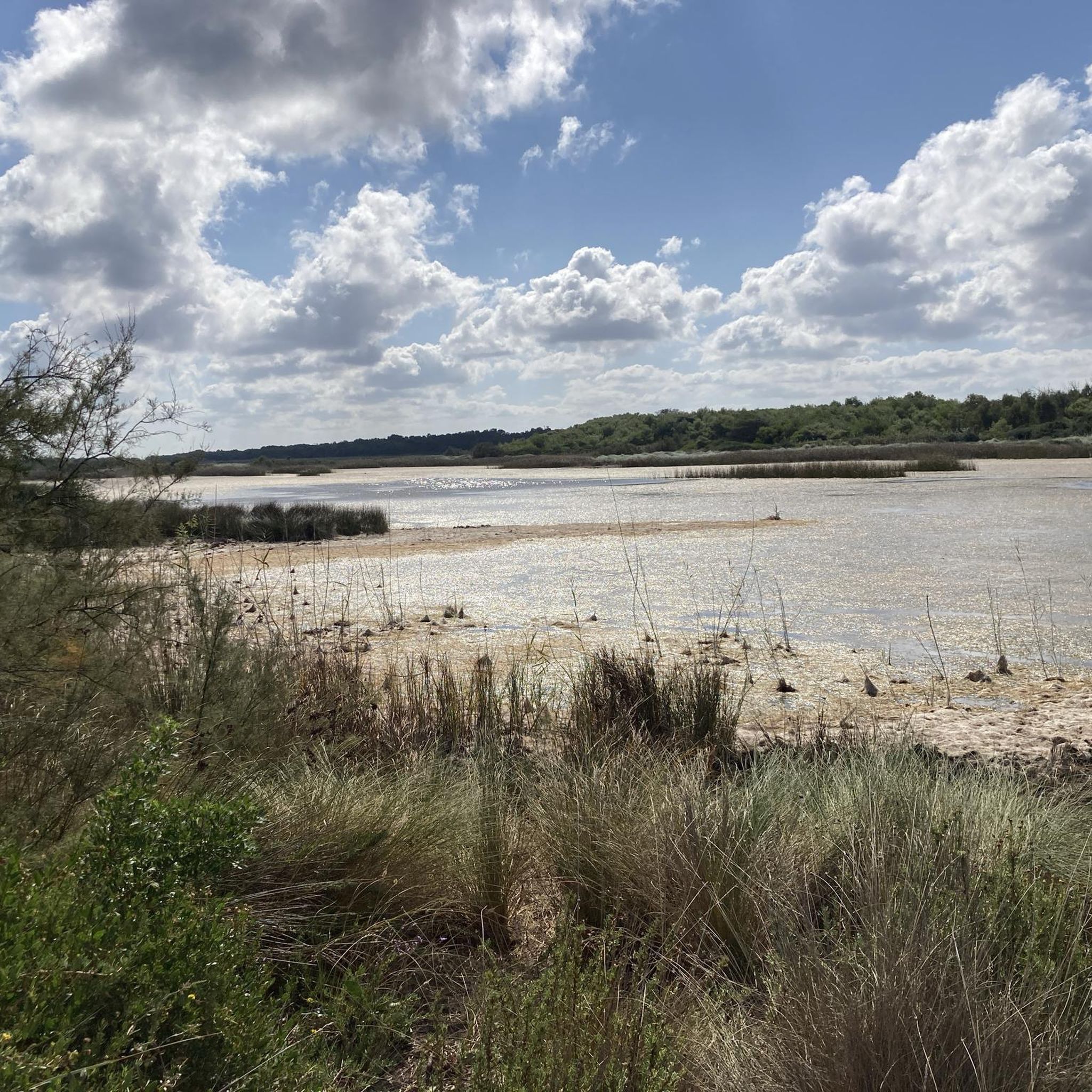
Best lakes around Vernole are primarily found within the Le Cesine Nature Reserve, a significant wetland area. This WWF-protected oasis features coastal lagoons and ponds, including Salapi and Pantano Grande, which are rain-fed and separated from the Adriatic Sea by sand dunes. The region is characterized by a mosaic of habitats, offering diverse ecosystems and natural attractions. It serves as a crucial stop for migratory birds and provides tranquil walking trails.
Best lakes around Vernole
- The most popular lakes is…
Last updated: May 4, 2026
Le Cesine Nature Reserve
Highlight • Natural Monument
Translated by Google •
Tip by

Le Cesine Nature Reserve
Highlight • Natural
Translated by Google •
Tip by

Sign up now to discover places like this
Get recommendations on the best single tracks, peaks, & plenty of other exciting outdoor places.
Sign up for free
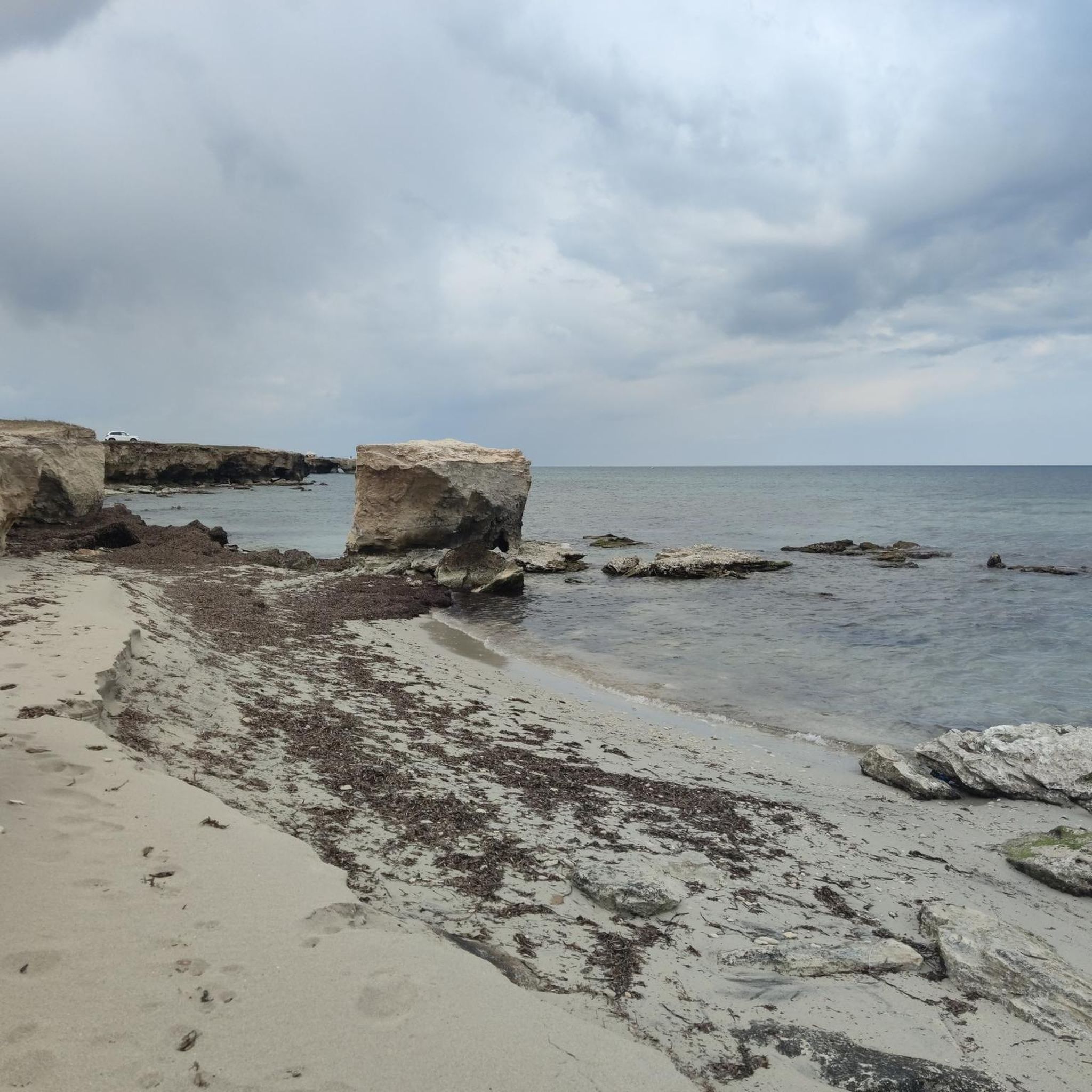
Torre Sant'Andrea Rock Formations
Highlight • Natural Monument
Translated by Google •
Tip by

Le Cesine Marshland
Highlight • Natural
Translated by Google •
Tip by

Laccu de lu Craparu
Highlight • Lake
Translated by Google •
Tip by

Sign up for free to discover even more lakes around Vernole.
Sign up for free
Already have an account?
Start today with a free account
Your next adventure awaits.
Login or Signup

Tips from the Community

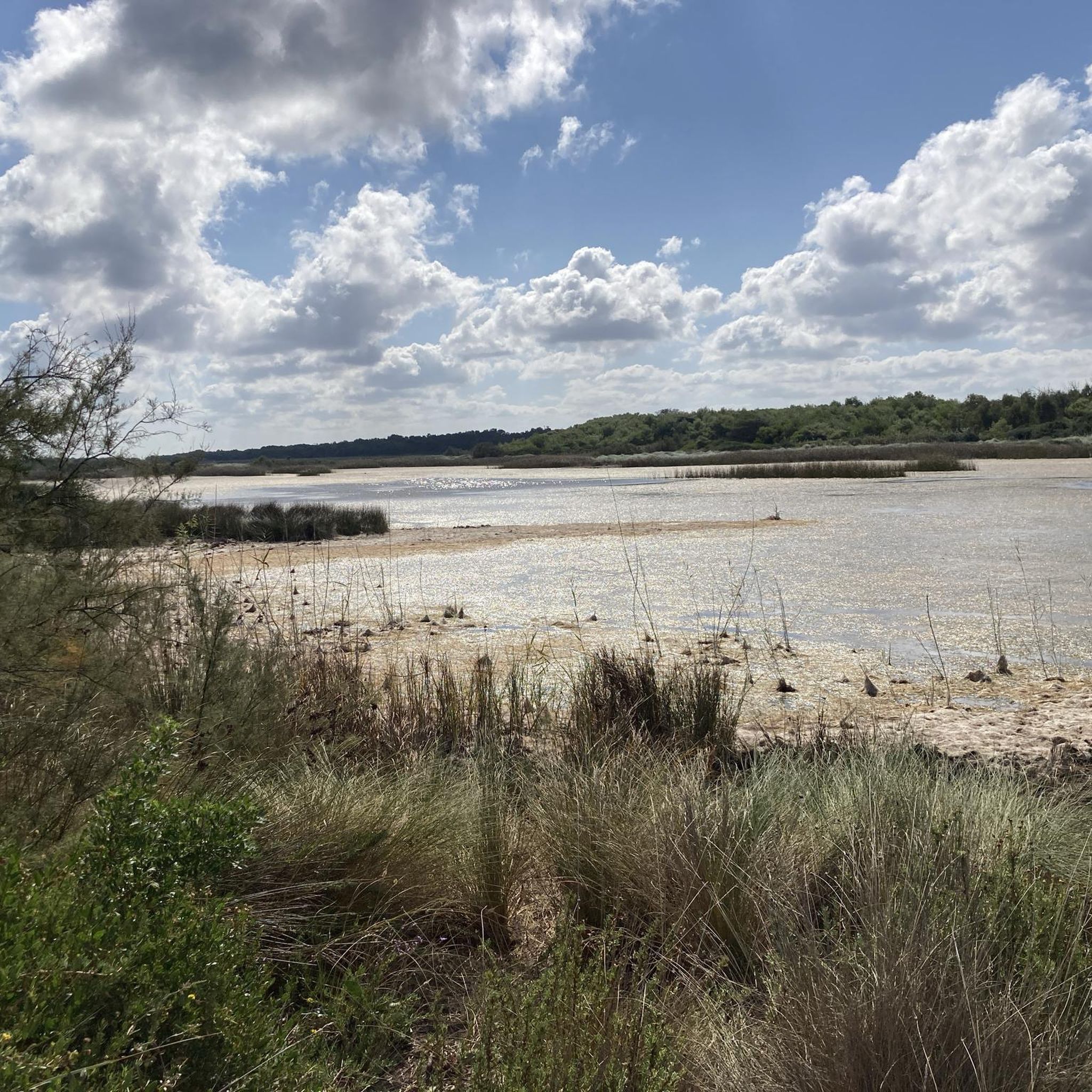
Incredibly immersed in the Cesine marsh you feel an integral part of nature. Fantastic. We respect flora and fauna... it is a unique environment that is and must be protected starting with us.
0
0

along the sheep tracks on the border between Soleto and Sternatia, and a natural depression in a rocky area called Laccu de lu craparu, which translated from Griko means “shepherd’s pond”, during the rainy season allows the collection of water, transforming into a temporary lake. This stagnation allowed shepherds to bring their flock of sheep to drink.
0
0

We are in the Le Cesine Nature Reserve
0
0
The Le Cesine Nature Reserve and WWF Oasis is the last stretch of coastal marshes that once characterized the Salento coast.
0
0

The main avenue leads through Le Cesine and descent into the reserve is only allowed with an authorized guide. The escapade into the interior lasts about 2 hours.
0
0
Le Cesine is a nature reserve covering an area of 348 hectares. It was built on part of former swampy and marshy freshwater areas stretching from Brindisi in the north to Otranto in the south. There are many plants growing in the reserve, located on the so-called red list, which includes rare and endangered species. The world of fauna is also impressive, with the spring magic of the flight of thousands of colorful butterflies (including Macroglossum stellatarum, which closely resembles a hummingbird!) and the singing of amphibians on late winter nights (the croaking of a small Hyla intermedia frog, about 4 cm long, can be heard even several kilometers away!) .
0
0

The oasis is protected by the WWF and covers over 350 hectares of marshes and wetlands. The type of habitat makes it an ideal place for many species of migratory water birds to stop. Other animals also reside, including reptiles and amphibians, and wolves and wild boars have recently been reintroduced.
2
0
Plenty of space for very few cyclists
0
1
Frequently Asked Questions
What kind of 'lakes' can I expect to find around Vernole?
Vernole is primarily known for the Le Cesine Nature Reserve, which features significant wetland areas, coastal lagoons, and ponds like Salapi and Pantano Grande. These are rain-fed and separated from the Adriatic Sea by sand dunes, offering a unique ecosystem rather than traditional large lakes. You can also find temporary lakes like Laccu de lu Craparu, which forms during the rainy season.
What makes the Le Cesine Nature Reserve special for visitors?
The Le Cesine Nature Reserve is a WWF-protected oasis and a biodiversity hotspot. It's a crucial stop along a major Mediterranean migratory bird route, making it excellent for birdwatching. The reserve boasts a mosaic of habitats including wetlands, Mediterranean scrub, dunes, and beaches, supporting diverse wildlife and flora, including rare plant species and wild orchids. It offers a tranquil escape with idyllic walking trails.
Are the wetlands and water features around Vernole family-friendly?
Yes, the Le Cesine Nature Reserve and its marshland areas are considered family-friendly. They offer educational opportunities, and guided tours are often available from the visitor center at Masseria Cesine. The tranquil environment and diverse wildlife provide an engaging experience for all ages.
What is the best time of year to visit the wetlands around Vernole?
The Le Cesine Nature Reserve is a crucial stop for migratory birds, making spring and autumn particularly good for birdwatching. Spring also brings the 'magic of the flight of thousands of colorful butterflies' and the singing of amphibians. The mild temperatures during these seasons are also ideal for exploring the walking trails.
Are there hiking trails near the wetlands and ponds of Vernole?
Yes, there are several hiking opportunities around the wetlands. For example, you can find routes like the 'Le Cesine Nature Reserve – Le Cesine Nature Reserve loop' which is about 10 km long and considered moderate. You can explore more options on the Hiking around Vernole guide.
Can I bring my dog to the trails around the lakes in Vernole?
While the Le Cesine Nature Reserve is a protected area, specific regulations regarding dogs can vary. It's always best to check with the visitor center or local authorities for the most current rules on pet access to ensure a pleasant visit for everyone and to protect the delicate ecosystem.
What outdoor activities can I do near these wetlands besides hiking?
Beyond hiking, the area around Vernole offers opportunities for running and road cycling. You can find various running trails, such as the 'Palude Le Cesine loop' from Acaya, and road cycling routes like the 'Acaya and Le Cesine Nature Reserve Loop'. For more details, check the Running Trails around Vernole and Road Cycling Routes around Vernole guides.
Are there any less crowded or hidden gem water features near Vernole?
While the Le Cesine Nature Reserve is a well-known attraction, its vastness allows for peaceful exploration. For a unique, temporary water feature, consider Laccu de lu Craparu, a 'shepherd’s pond' that forms during the rainy season, offering a glimpse into the region's historical pastoral life and a tranquil natural depression.
What natural features can I see for photography in the Vernole wetlands?
The wetlands of Vernole, especially within the Le Cesine Nature Reserve, offer diverse photographic subjects. You can capture migratory birds, rare flora, the unique coastal lagoons like Salapi and Pantano Grande, and the mosaic of habitats including dunes, Mediterranean scrub, and forests. The interplay of light on the water and the rich biodiversity provide excellent opportunities for nature photography.
Is it possible to swim in the water bodies around Vernole?
The water bodies within the Le Cesine Nature Reserve are protected wetlands and coastal lagoons, primarily for conservation and birdwatching, not for swimming. For swimming, nearby coastal areas or the famous Grotto della Poesia (a natural sea cave pool near Melendugno, not a lake) are popular choices.
Are there accessible paths for visitors with limited mobility around the wetlands?
The Le Cesine Nature Reserve aims to be inclusive, and while specific details on fully accessible paths for all areas are best confirmed with the visitor center, the main avenues and visitor facilities often provide easier access. It's recommended to contact the reserve directly for information on current accessibility options.
What do visitors enjoy most about the Le Cesine Nature Reserve?
Visitors frequently praise the sense of being 'incredibly immersed in nature' within the Le Cesine Marshland. They appreciate the unique environment, the opportunity to spot diverse wildlife like herons and egrets, and the peaceful escape it offers. The 'NATURE QUEEN' experience of mountain biking through the woods and arriving at the spectacular coast is also highly valued.
Most popular routes around Vernole
Most popular attractions around Vernole

Get inspired with the komoot mobile app


Explore more
Still not found your perfect lake around Vernole? Check out the guides of these regions to see even more beautiful places.
