Top 5 Castles around Legnago
Best castles around Legnago are rooted in the town's strategic historical significance as a fortified stronghold on the Adige river. Legnago served as a crucial military point, particularly during medieval times and under Venetian and Austrian rule. While traditional castles are few, the area features impressive medieval walls and remnants of Renaissance military engineering. These sites offer insights into centuries of defensive architecture and regional conflicts.
Best castles around Legnago
- The most popular castles is Historic Walls of Montagnana,…
Last updated: August 25, 2026
Historic Walls of Montagnana
Highlight • Historical Site
Translated by Google •
Tip by

Scaligero Castle of Cologna Veneta
Highlight • Castle
Translated by Google •
Tip by

Sign up now to discover places like this
Get recommendations on the best single tracks, peaks, & plenty of other exciting outdoor places.
Sign up for free
Montagnana City Walls
Highlight • Monument
Translated by Google •
Tip by

Bevilacqua Castle
Highlight • Castle
Translated by Google •
Tip by

Mastio di Ezzelino, Castello di San Zeno, Montagnana
Highlight • Castle
A visit to the …
Translated by Google •
Tip by

Sign up for free to discover even more castles around Legnago.
Sign up for free
Already have an account?
Start today with a free account
Your next adventure awaits.
Login or Signup

Tips from the Community

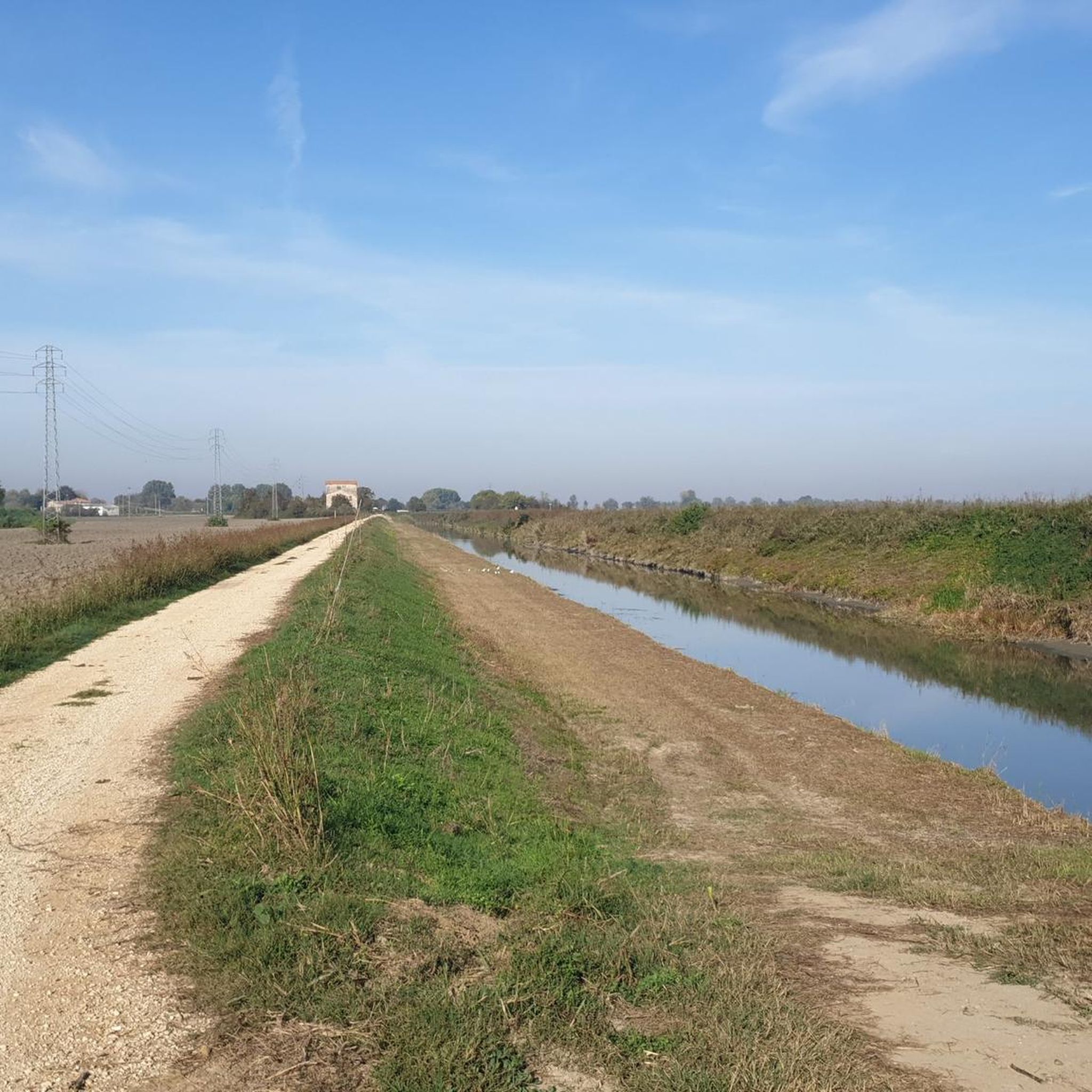
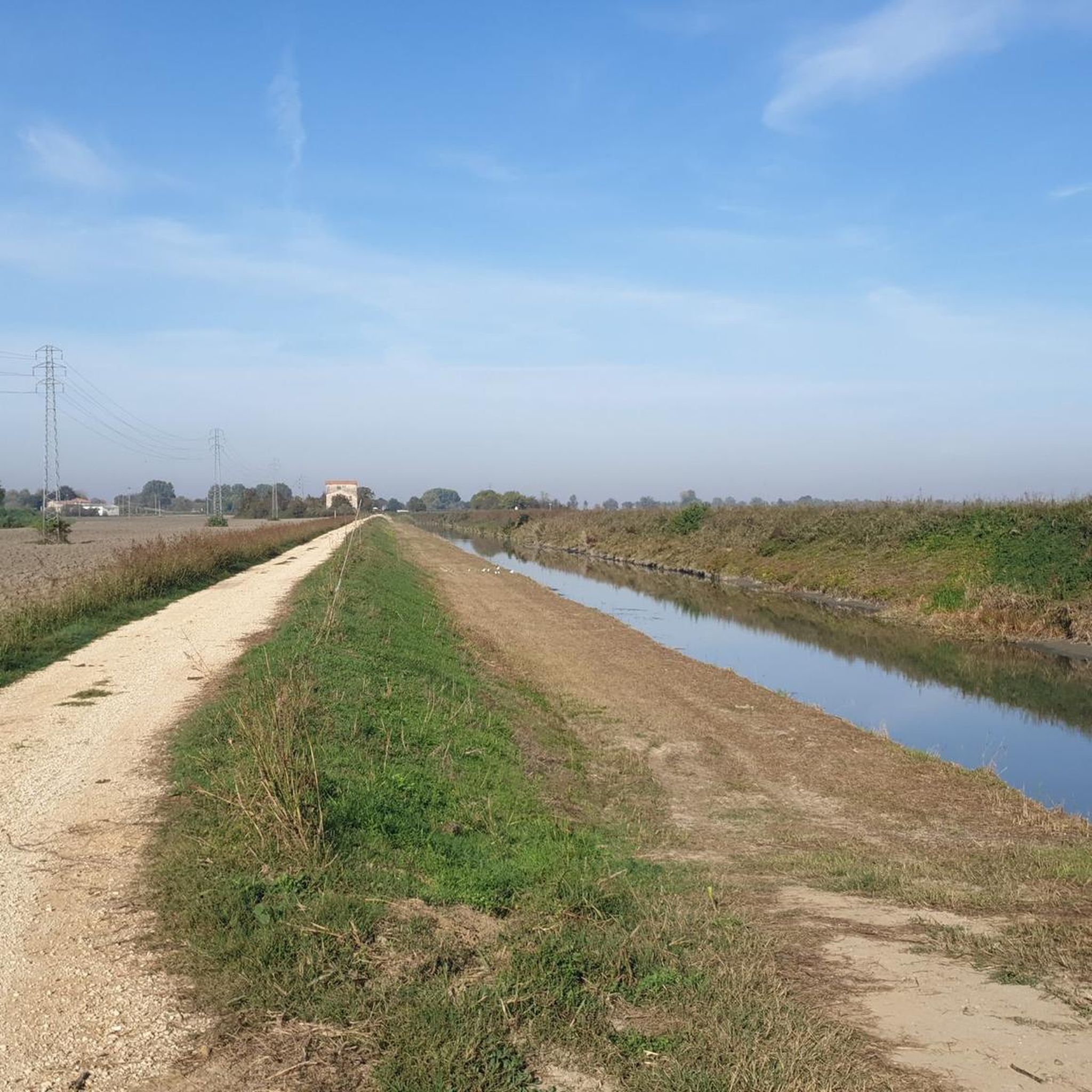
On the path of the walled cities
0
0
Beautiful experience
0
0

beautiful castle with large park and well maintained
1
0
Frequently Asked Questions
What is the historical significance of Legnago's fortifications?
Legnago held a crucial strategic position throughout history, serving as a powerful stronghold from medieval times through Venetian and Austrian rule. It was a key military point, particularly for controlling river traffic on the Adige and as one of the four fortresses of the Austrian Quadrilateral. Visiting these sites offers a glimpse into centuries of military history and defensive architecture.
What is The Torrione in Legnago?
The Torrione, or Great Tower, is the sole remaining tower of Legnago's ancient medieval fortress, dating back to the 14th century. It stands as an impressive example of local military architecture and is considered a symbol of the town's enduring heritage. You can find more information about it on VisitVerona.it.
Are there other significant historical fortifications in Legnago besides The Torrione?
Yes, Legnago was extensively rebuilt and fortified in the 16th century by the renowned architect Michele Sanmicheli. While largely demolished, remnants of his impressive hexagonal-plan fortress walls, featuring bastions and gates, can still be seen today, particularly near the former Peternella Cellars. These represent an important example of Renaissance military engineering.
Which castles near Legnago are highly recommended for visitors?
Beyond Legnago's own fortifications, visitors often enjoy the Historic Walls of Montagnana, known for being one of Italy's most beautiful villages with well-preserved medieval walls. Another impressive site is Bevilacqua Castle, notable for its fortified towers.
What makes the Historic Walls of Montagnana special?
The Historic Walls of Montagnana are considered among the best-preserved medieval city walls in Europe. The village itself is recognized as one of the most beautiful in Italy, offering a rich historical and architectural experience. The town center, including its Cathedral, is also noteworthy.
Can I visit Bevilacqua Castle?
Bevilacqua Castle is an impressive structure located along the road of walled cities. It features two prominent front towers fortified by a wall, making it a notable sight. While it's a private property, it often hosts events and has a hotel and restaurant, so checking their official site for visitor access is recommended.
What can I see at Sanguinetto Castle?
Sanguinetto Castle is located at one end of the Sanguinetto town center. Its size, main tower, and overall presence make it a compelling stop for those interested in historical architecture.
What is the best time of year to visit the castles and fortifications around Legnago?
Spring and autumn generally offer the most pleasant weather for exploring the castles and fortifications around Legnago, with comfortable temperatures for walking and fewer crowds. Summer can be hot, while winter might be chilly but offers a different, quieter atmosphere.
Are the castles and fortifications around Legnago family-friendly?
Many of the sites, such as the Historic Walls of Montagnana and Montagnana City Walls, are considered family-friendly, offering open spaces for exploration. Sanguinetto Castle is also noted as family-friendly. The historical context of Legnago's fortifications can also be an engaging educational experience for children.
Are there hiking or cycling routes near Legnago's historical sites?
Yes, the area around Legnago offers various outdoor activities. You can find several hiking routes, such as the 'Legnago Tower – Legnago loop' or 'Hiking loop from Vigo'. For cyclists, there are gravel biking and road cycling routes, including the 'Ring of the Walled Cities' or routes along the Adige Cycle Path. Explore these options in the Hiking around Legnago, Gravel biking around Legnago, and Road Cycling Routes around Legnago guides.
What kind of views can I expect from these historical sites?
From the Mastio di Ezzelino, Castello di San Zeno, Montagnana, you can enjoy beautiful views of Montagnana, which are particularly suggestive at sunset. The extensive walls of Montagnana also provide panoramic perspectives of the surrounding countryside and the well-preserved medieval town.
Are there cafes, pubs, or accommodation options near the castles and fortifications?
Yes, towns like Montagnana, with its well-preserved city walls, offer various cafes, restaurants, and accommodation options within or very close to the historical sites. Legnago itself, being a town, also provides a range of services for visitors. Bevilacqua Castle also operates as a hotel and restaurant.
What do visitors enjoy most about the castles and fortifications in this region?
Visitors particularly appreciate the well-preserved medieval architecture, the historical significance of the fortifications, and the charming atmosphere of the walled towns. The opportunity to explore sites like the Historic Walls of Montagnana, considered one of Italy's most beautiful villages, is a highlight for many.
Most popular routes around Legnago
Most popular attractions around Legnago

Get inspired with the komoot mobile app


Explore more
Looking for the best castles somewhere else? Discover other guides around Legnago:
