Top 7 Caves around Fontainebleau
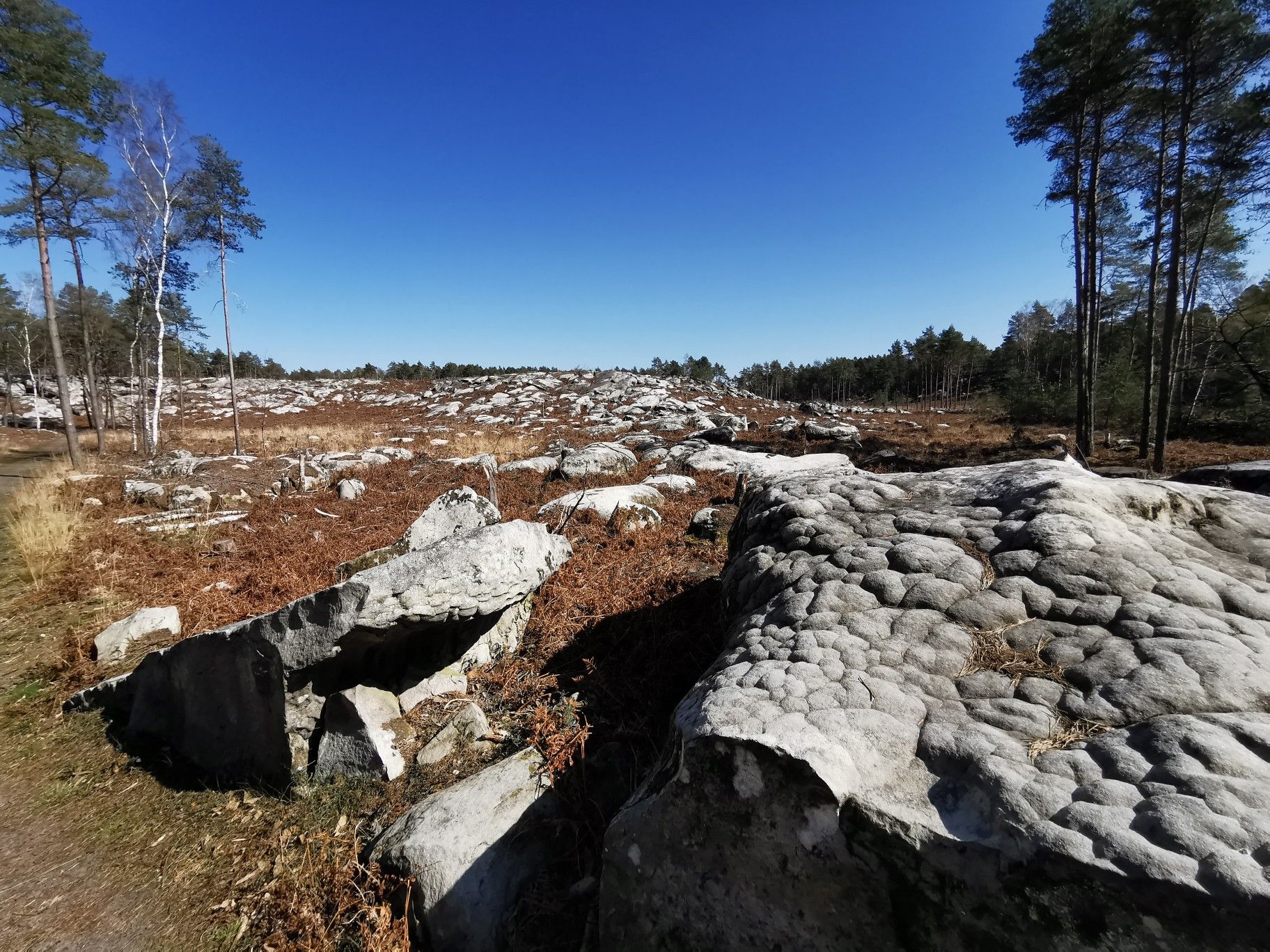
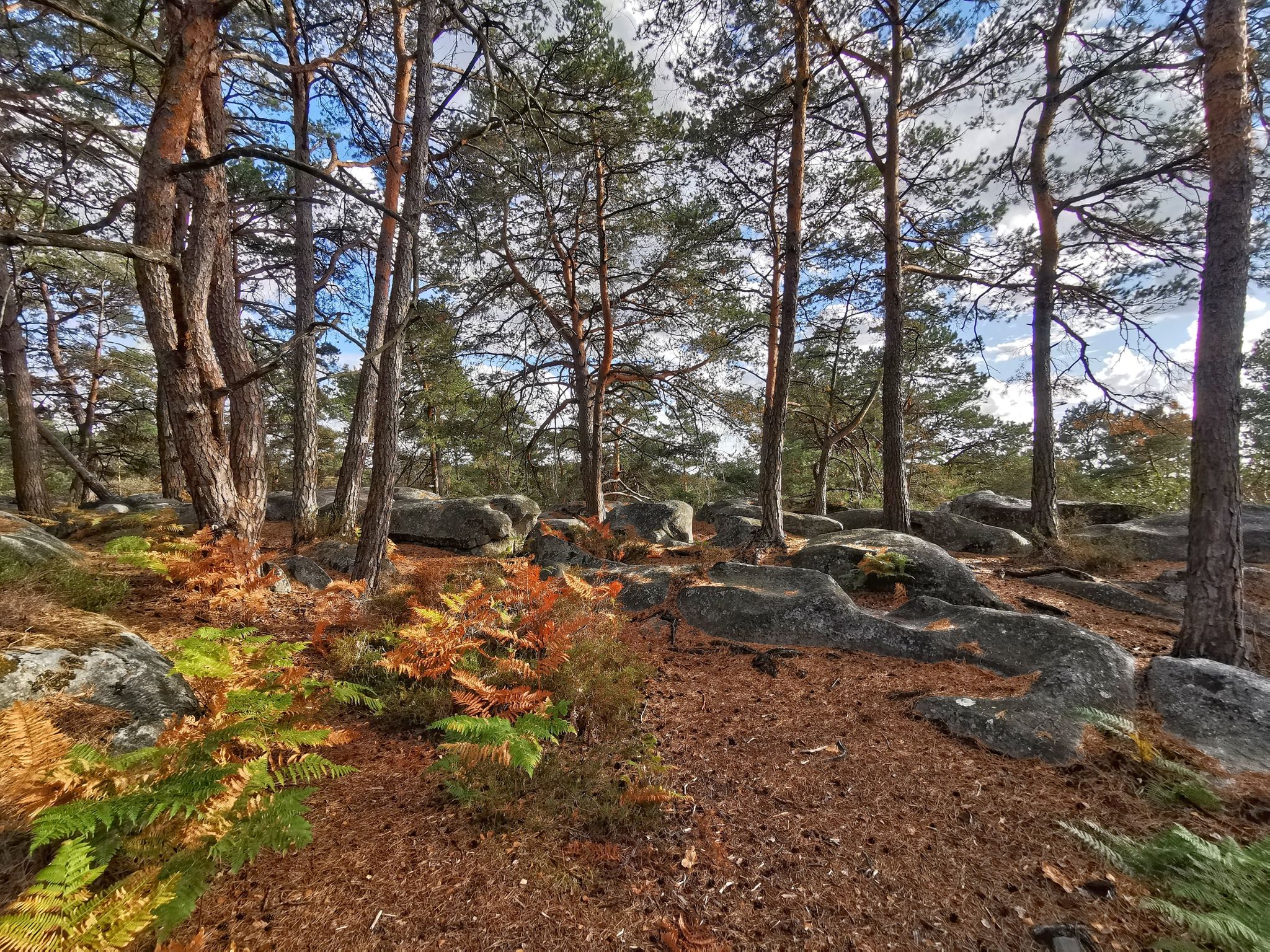
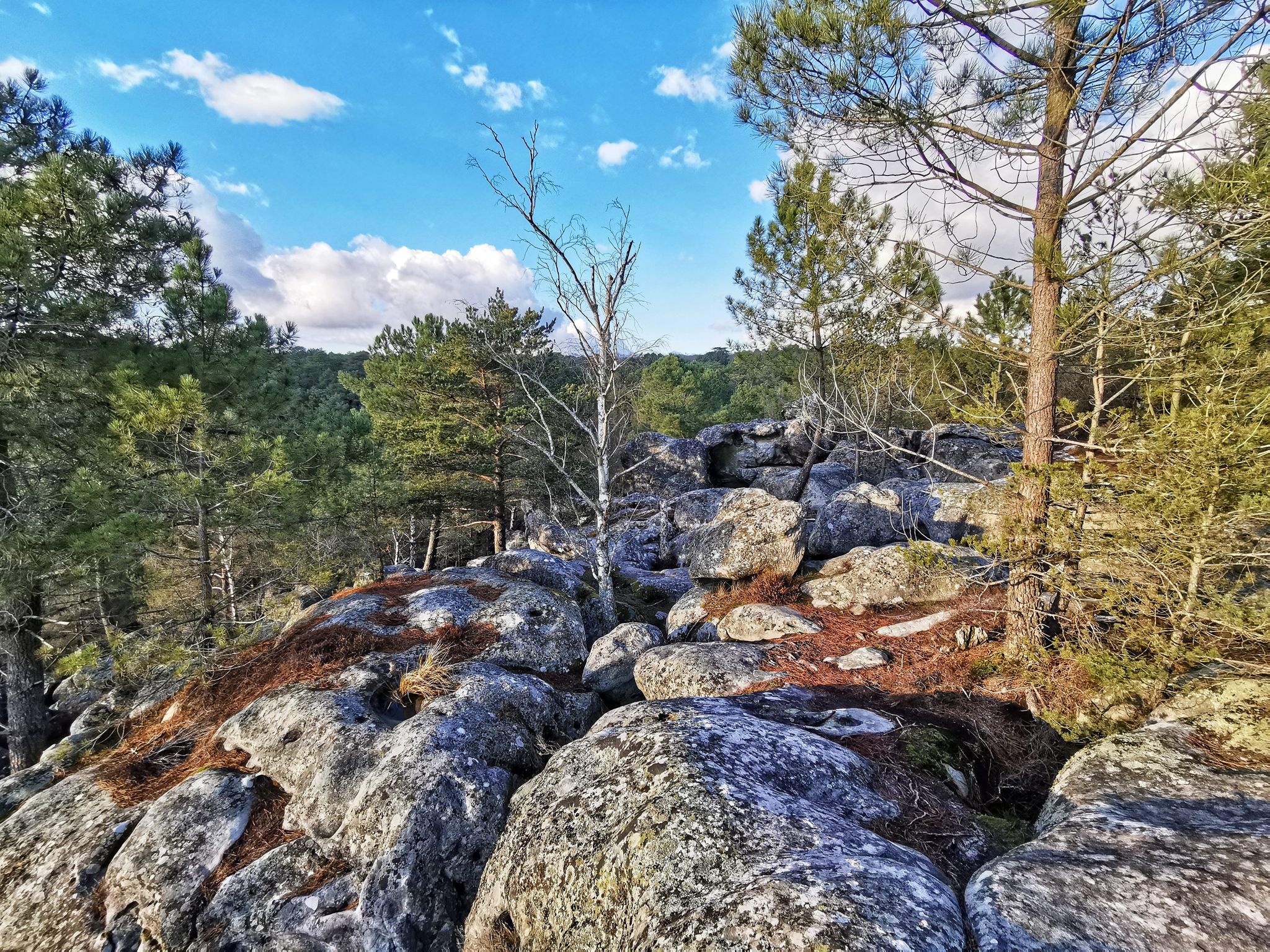
Best caves around Fontainebleau are primarily rock shelters and unique sandstone formations located within a vast forest. This region is known for its distinctive geology, offering a variety of natural features for exploration. The 'caves' here often refer to these formations, which blend natural beauty with historical significance. The area provides varied terrain for visitors.
Best caves around Fontainebleau
- The most popular caves is Grotte du Serment, a gorge and natural monument. Its vault is made of a single rock, and it features historical engravings by Denecourt.
- Another must-see spot is Béatrix Cave, a cave carved into the rock within the forest. Visitors can expect a scenic spot, often found just below the path after a hike.
- Visitors also love Druids' Den, a vast rock shelter. This family-friendly option is one of the many natural curiosities in the Fontainebleau forest.
- Fontainebleau is known for its rock shelters, natural monuments, and historical cave sites. These include formations like the Grotte du Serment and Béatrix Cave, offering diverse exploration opportunities.
- The caves around Fontainebleau are appreciated by the komoot community, with more than 150 upvotes and over 40 photos shared by visitors.
Last updated: July 5, 2026
Grotte du Serment
Highlight • Gorge
Translated by Google •
Tip by

Béatrix Cave
Highlight • Cave
Translated by Google •
Tip by
Sign up now to discover places like this
Get recommendations on the best single tracks, peaks, & plenty of other exciting outdoor places.
Sign up for free
Troubetzkoï Family Shelter
Highlight • Cave
Translated by Google •
Tip by

Calvary Shelter
Highlight • Cave
Translated by Google •
Tip by
White Doe Cave
Highlight • Cave
Translated by Google •
Tip by
Druids' Den
Highlight • Cave
Translated by Google •
Tip by
Bandits' Cave
Highlight • Cave
Translated by Google •
Tip by
Start today with a free account
Your next adventure awaits.
Login or Signup
Popular around Fontainebleau
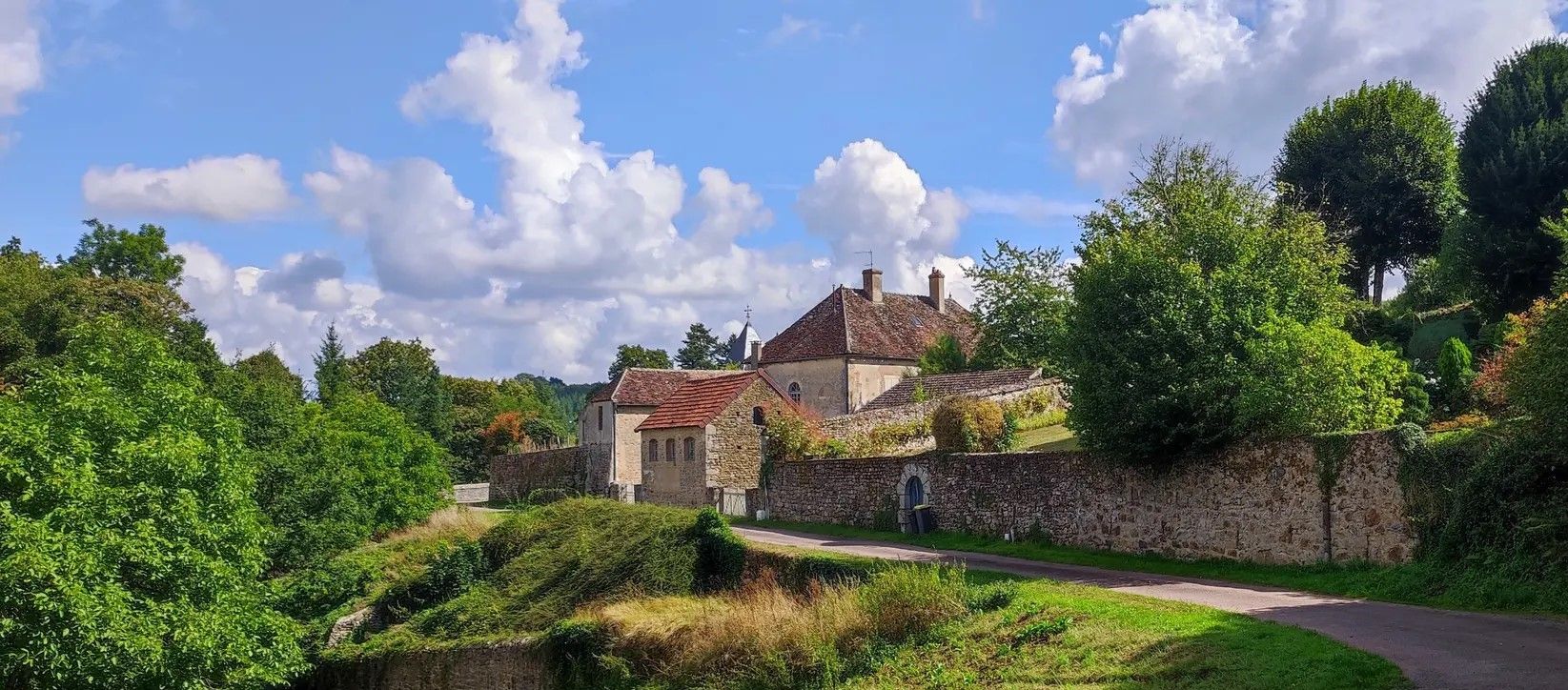
GR 13 from Gâtinais to Morvan — By Fontainebleau and Burgundy
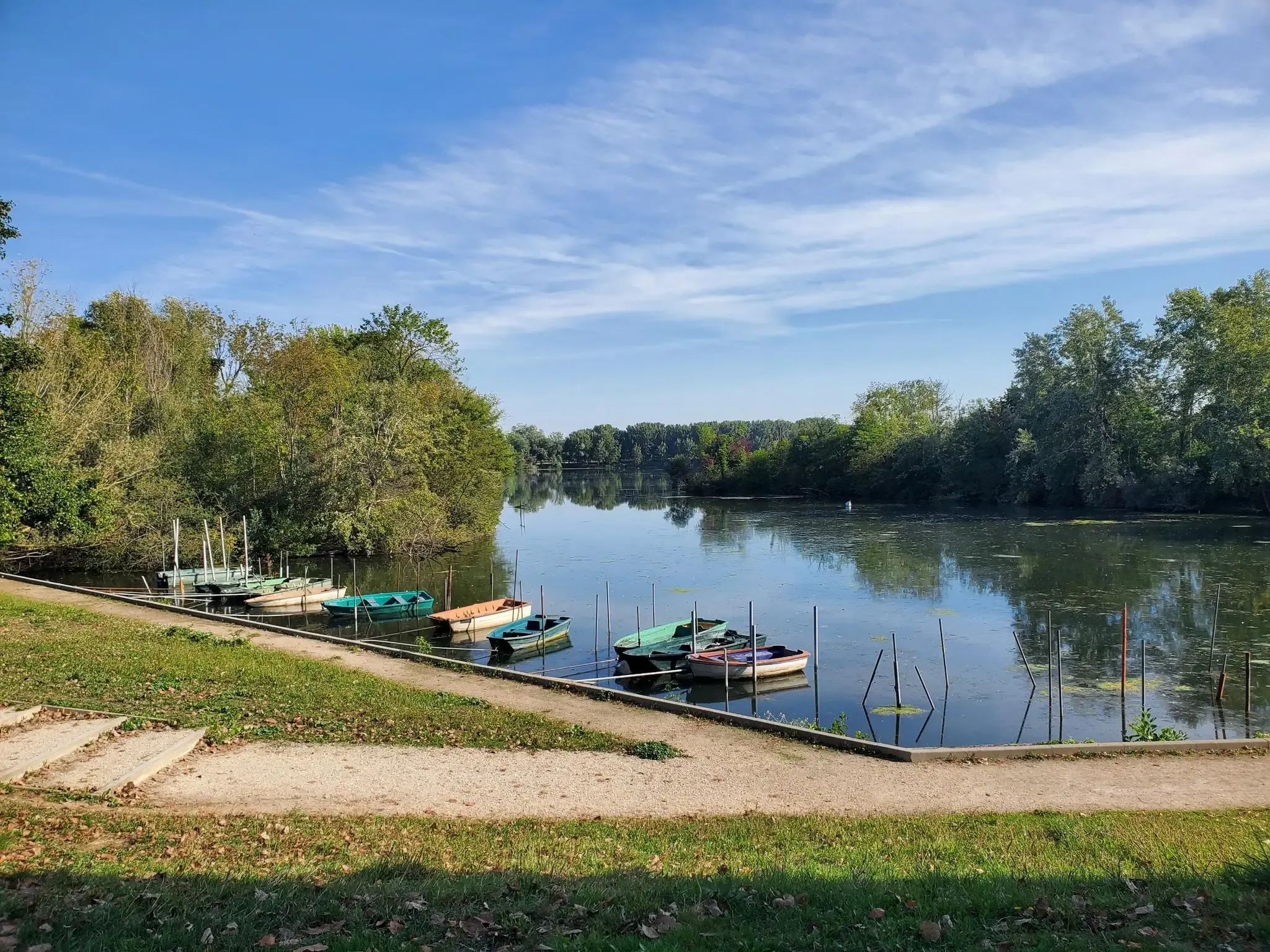
EuroVelo 3 – A cycling pilgrimage from Norway to France
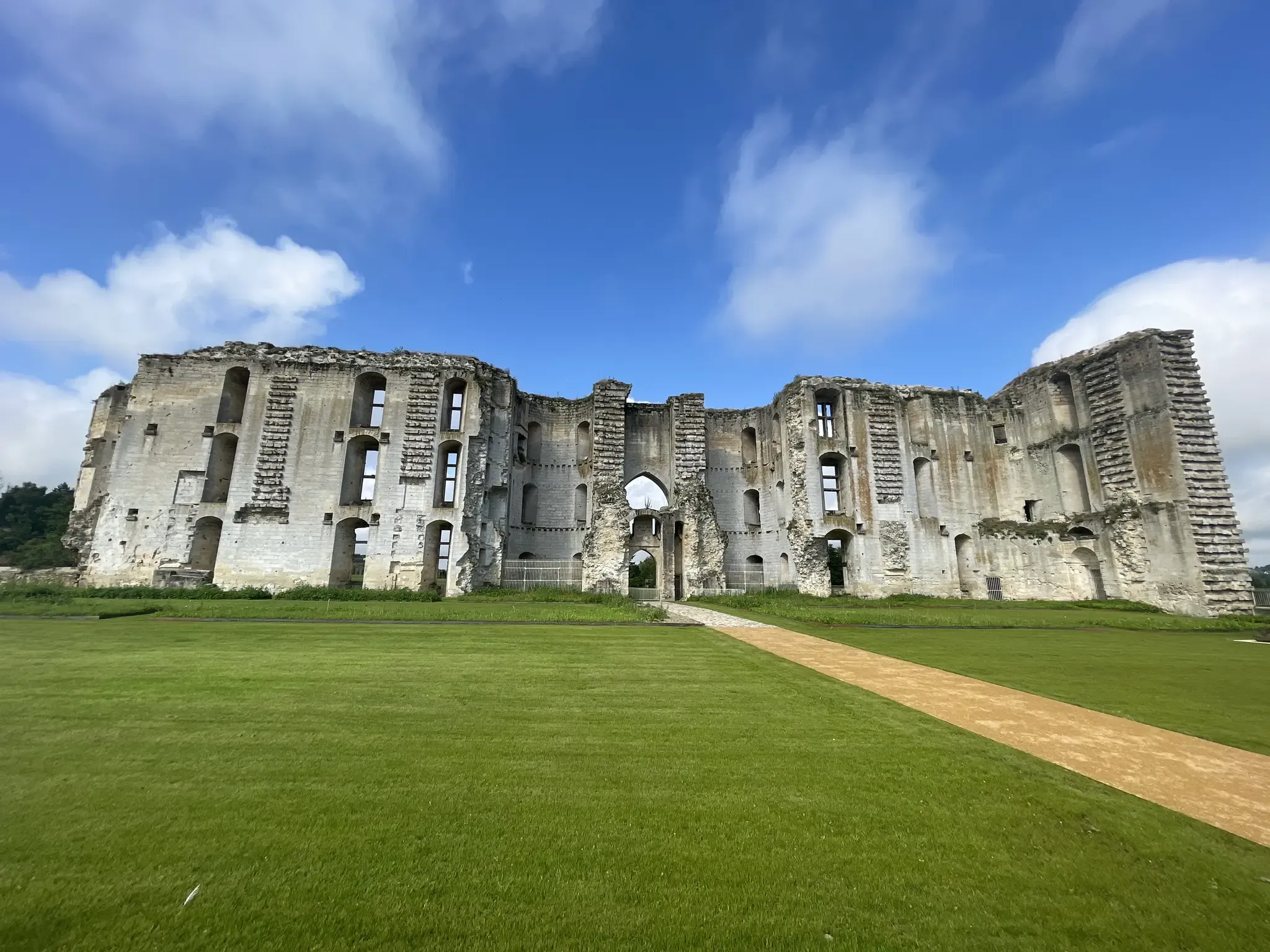
Nature and heritage around Paris – hiking the GR 11
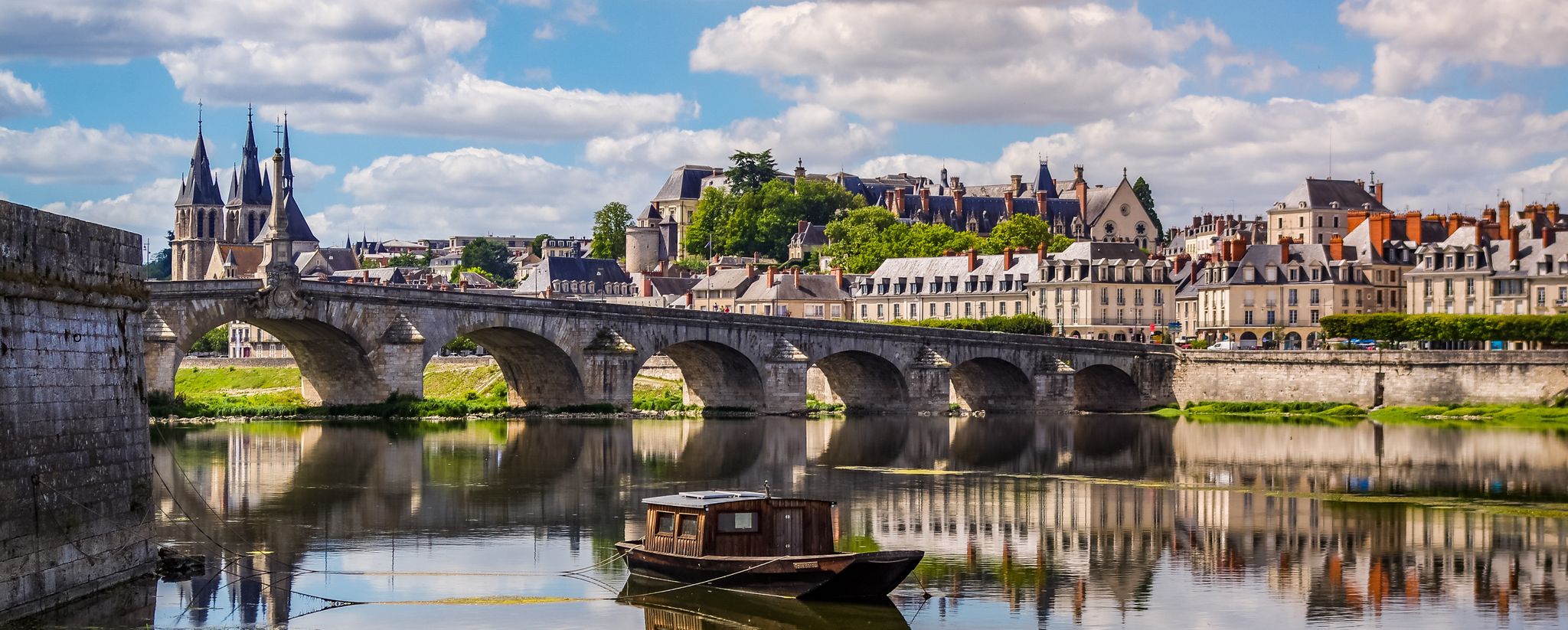
Cycle from Paris to Orléans – Scandibérique along the water
Discover the Fontainebleau Forest – two must-do trail runs
Natural beauty on Île-de-France – mountain biking around Paris
In the heart of the Île-de-France countryside — 7 trails south of Paris
Walking around Ile-de-France in Paris – GR 1
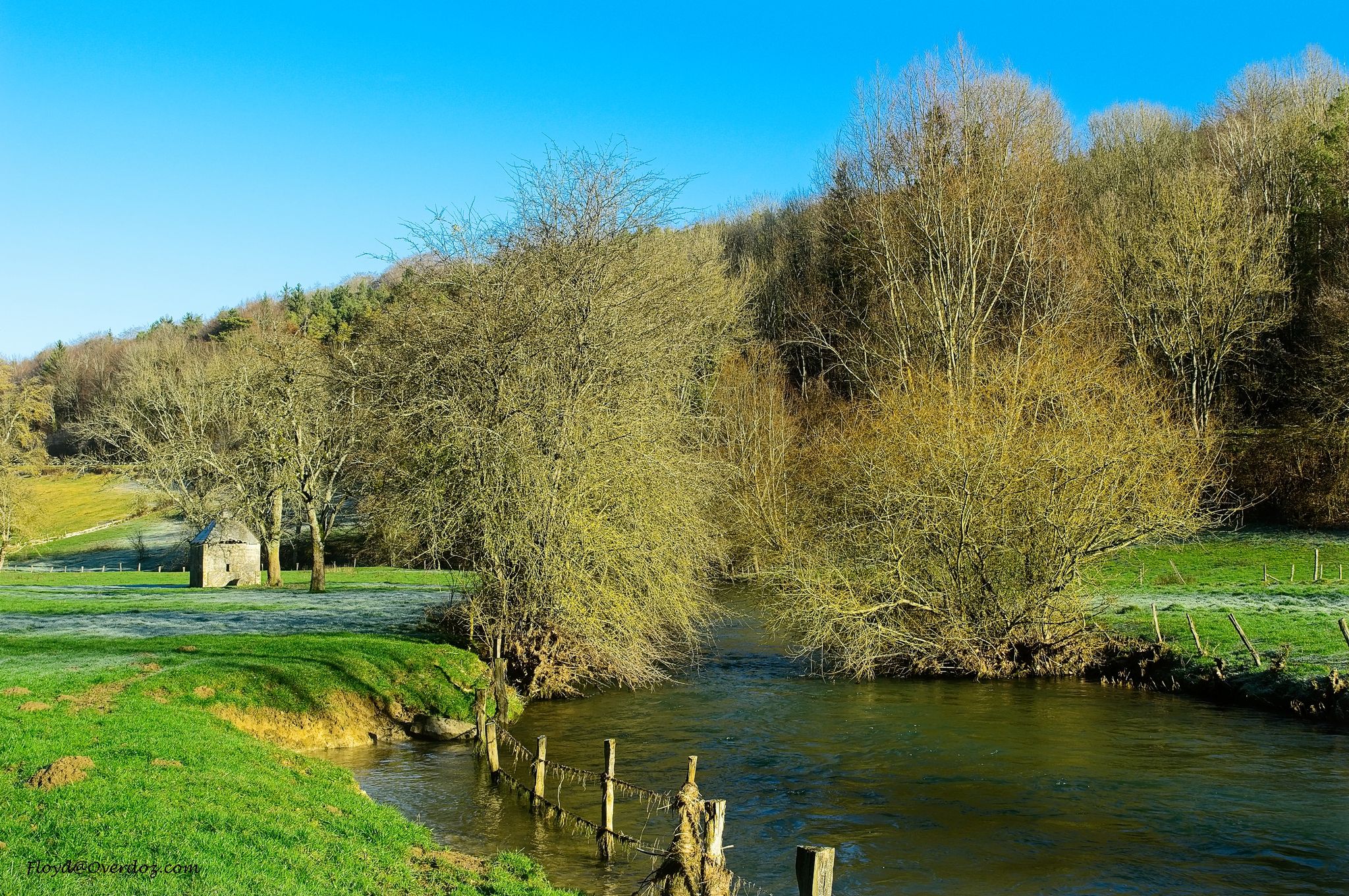
Exploring the Seine on the Île-de-France – hike the GR 2
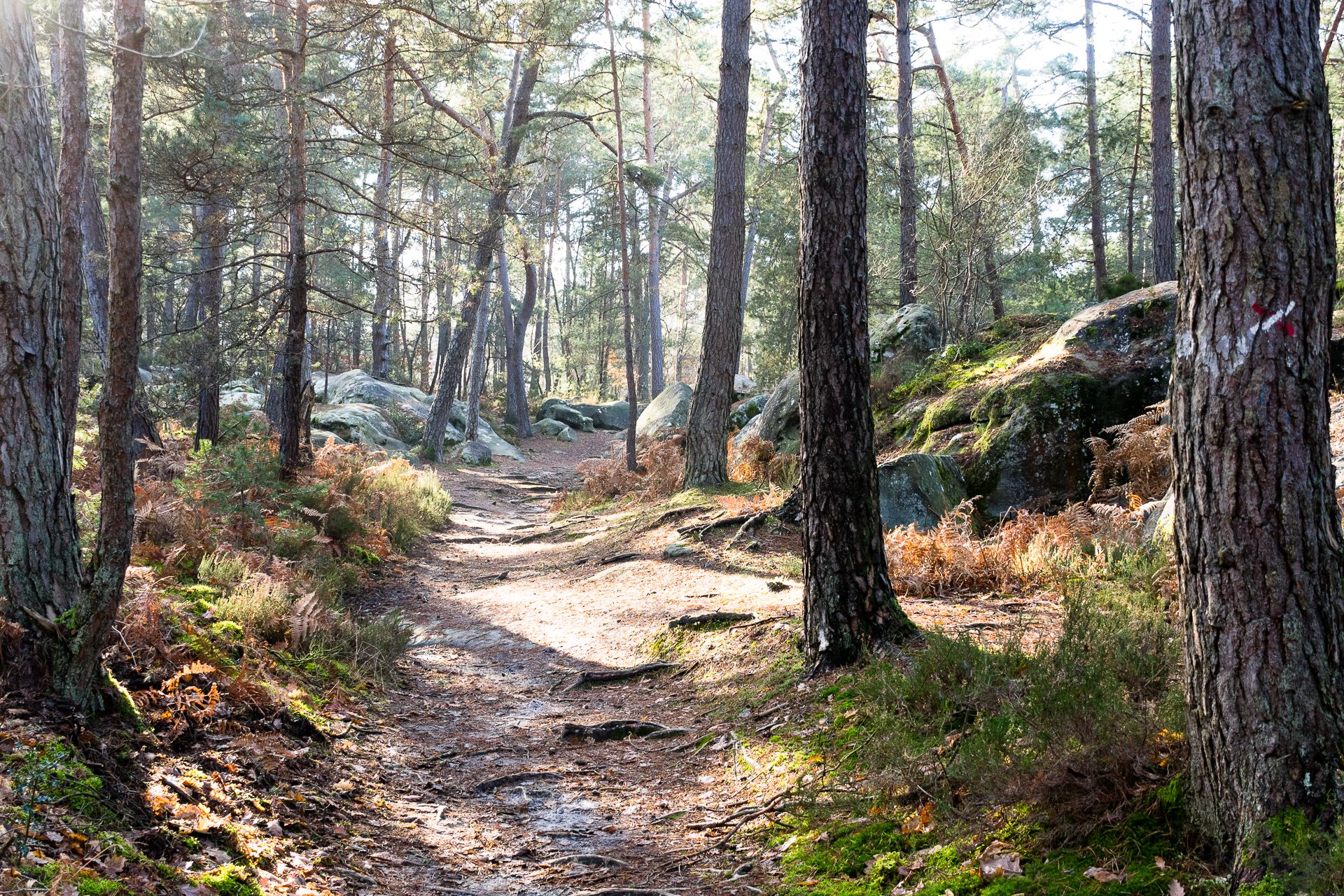
Between the rocks and the ages — les sentiers Denecourt-Colinet
Other adventures around Fontainebleau


Tips from the Community

I do believe this is an excellent website. I stumbled upon it I may revisit once again since I saved as a favorite it. https://www-sunpass.com
0
0
The photo is not the Adam Solomon cave but that of the Troubetzkoï family shelter The cave is photo 6
0
0

Small cave in the woods, with engravings, in homage to Samuel Adam-Salomon - French sculptor of the 19th Century who spent most of his life in Fontainebleau. His works are mainly exhibited at the Musée d'Orsay, the Invalides and the Chateau de Versailles.
0
1

The cave of the oath is quite surprising, especially because the vault is made of a single rock. The letters D.F.D were engraved on the cave by Denecourt himself and mean "Last Madness Denecourt".
1
0

The Béatrix cave is a natural wonder hidden in the forest of Fontainebleau. This cave, dug in the sandstone, is accessible during an outing in the forest. It offers an enchanting spectacle with its stalactites, its concretions and its walls covered with moss. It is also known to have been the place of meditation of Queen Marie-Antoinette.
0
0
It is a shelter dug into the rock near the Croix du Calvaire. It is a perfect place to stop and refuel. The setting is impressive!
0
0
It is a vast shelter in the rock.
0
0
The Oath Cave is quite surprising, especially because the vault is made of a single rock. The letters D.F.D were engraved on the cave by Denecourt himself and mean "Last Folie Denecourt".
2
0
Frequently Asked Questions
What makes the "caves" around Fontainebleau unique?
The "caves" in Fontainebleau are primarily rock shelters, unique sandstone formations, and bouldering areas within a vast forest, rather than deep underground caverns. They are globally recognized for their quality sandstone, diverse bouldering problems, and unique "circuits" for climbers, blending natural beauty with historical significance.
Which caves or rock shelters offer historical insights or unique stories?
Several spots have historical significance. The Grotte du Serment (The Oath Cave) is notable for its vault made of a single rock and engravings by Denecourt. Béatrix Cave is associated with Queen Marie-Antoinette. The White Doe Cave was designed by Denecourt to attract hikers and features historical inscriptions from farriers. The Bandits' Cave was intentionally dug in 1844 to create a tourist attraction with an invented story.
Are there family-friendly rock shelters or caves suitable for children?
Yes, the Druids' Den is a vast rock shelter explicitly noted as family-friendly, where children often enjoy hiding. Many bouldering areas like Bas Cuvier and Rocher Canon are also considered child-friendly due to easy access and varied terrain.
What kind of natural features can I expect to see when visiting these caves?
You can expect to see impressive sandstone rock formations, dense forest landscapes, and unique geological structures. Some caves, like Béatrix Cave, feature stalactites, concretions, and moss-covered walls. The region is also known for its white sandy floors in bouldering areas like Trois Pignons.
How can I access the caves around Fontainebleau, particularly regarding parking or public transport?
Many areas are easily accessible. For example, Rocher Canon is known for its easy accessibility by train. For other locations, parking is generally available near popular bouldering sectors and trailheads within the Fontainebleau forest. Specific parking details often depend on the exact cave or rock shelter you plan to visit.
What outdoor activities can I combine with a visit to the caves?
The Fontainebleau forest is ideal for various outdoor activities. You can enjoy hiking on trails like the 'Walk of the Viewpoints' or the 'Denecourt-Colinet Trail 19'. There are also easy hikes such as the 'Sentier des Carriers'. For cycling enthusiasts, gravel biking routes like the 'Coquibus Pond – Route de Sully' are available. Find more options on the Hiking around Fontainebleau or Gravel biking around Fontainebleau guide pages.
Are there options for beginner bouldering near these cave formations?
Yes, Fontainebleau is a world-renowned bouldering destination with options for all skill levels. Bas Cuvier is a classic destination offering a huge number of problems across various grades, including beginner-friendly ones. Trois Pignons and Rocher Canon also provide varied terrain and circuits suitable for groups and families, making them good choices for beginners.
What is the best time of year to visit the caves and rock shelters in Fontainebleau?
The Fontainebleau forest can be enjoyed year-round, but spring and autumn generally offer the most pleasant weather for exploring. These seasons provide comfortable temperatures for hiking and bouldering, and the forest scenery is particularly beautiful. Summer can be warm, but many areas offer shade, while winter can be chilly but less crowded.
Can you recommend a less crowded cave or rock shelter for a quieter experience?
While popular spots can get busy, especially on weekends, exploring some of the less prominent rock shelters or visiting during weekdays or off-peak hours can offer a quieter experience. The vastness of the Fontainebleau forest means there are always hidden gems to discover beyond the most famous bouldering sectors.
What is the <a href="https://www.komoot.com/highlight/3802876" target="_blank" rel="noopener">Troubetzkoï Family Shelter</a>?
The Troubetzkoï Family Shelter is a historical cave and natural monument within the Fontainebleau forest. It serves as a point of interest for those exploring the region's unique rock formations and historical sites.
Are there any rock shelters that offer a good place to rest during a hike?
Yes, the Calvary Shelter, dug into the rock near the Croix du Calvaire, is described as a perfect place to stop and refuel. Its impressive natural setting makes it an ideal resting spot during your exploration.
What kind of terrain should I expect when exploring the areas around these caves?
The terrain around the Fontainebleau caves and rock shelters is varied. You'll encounter sandy forest floors, especially in bouldering areas like Trois Pignons, as well as rocky paths and sandstone formations. Some areas can be rugged, offering a mix of gentle slopes and more challenging sections, suitable for different levels of hikers and climbers.
Most popular routes around Fontainebleau
Most popular attractions around Fontainebleau

Get inspired with the komoot mobile app


Didn’t find what you were looking for?
Discover more caves around Fontainebleau region by region:
Explore more
Extend your search for the best caves by checking out these guides of the top ones around Fontainebleau:
