Top 4 Castles around Périgueux
Best castles around Périgueux are primarily found in the surrounding Périgord region, known for its historical significance and diverse landscapes. The area features a concentration of châteaux, ranging from medieval fortresses to Renaissance dwellings. Périgueux itself contains historical remnants like Château Barrière and Mataguerre Tower, offering insights into its medieval past. The region's geography, characterized by rivers and hills, provides varied settings for these historical structures.
Best castles around Périgueux
- The most popular castles is Bourdeilles Castle, a castle…
Last updated: August 15, 2026
Château de Hautefort and Gardens
Highlight • Castle
Translated by Google •
Tip by

Bourdeilles Castle
Highlight • Castle
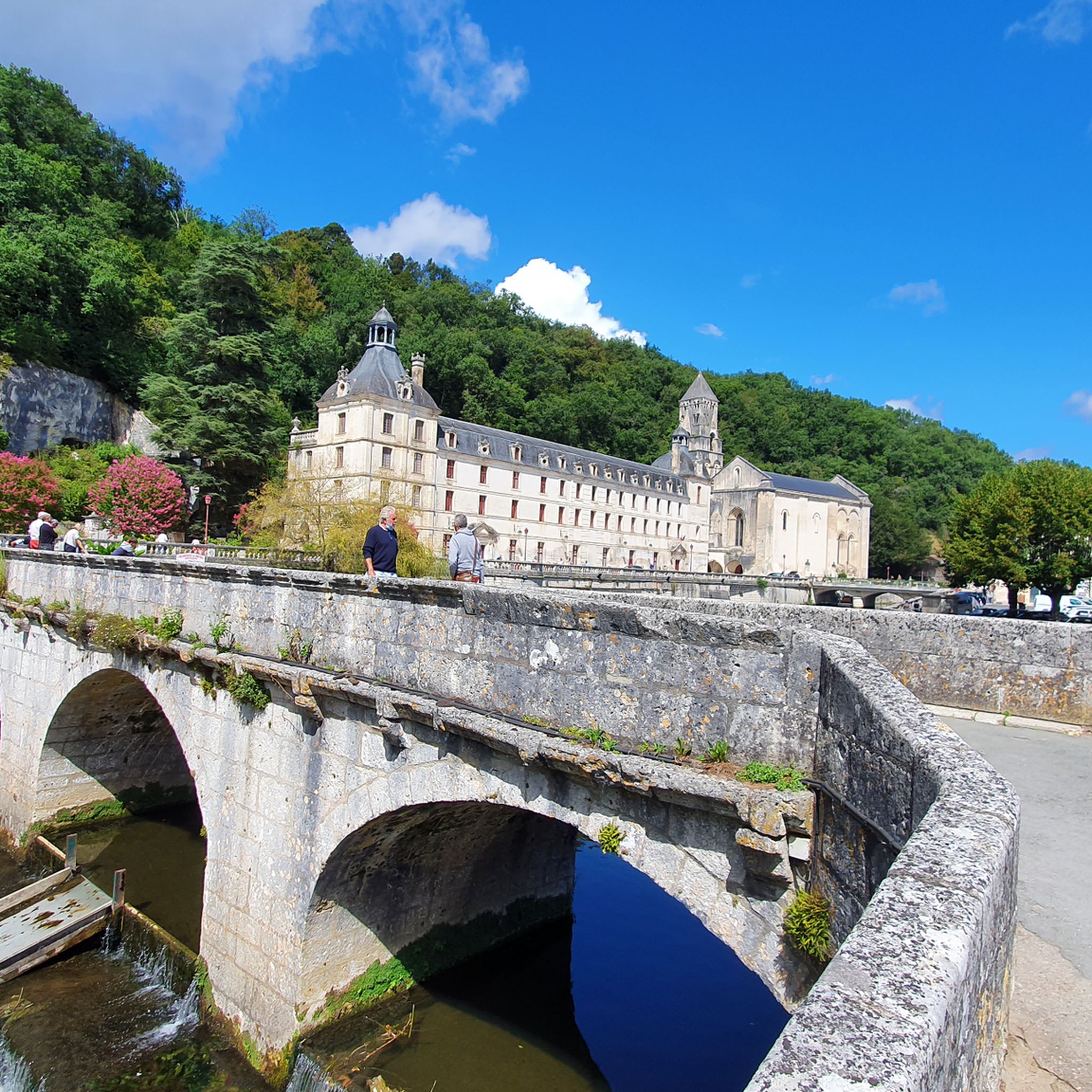
Visit Bourdeilles for its medieval castle, partly renovated during the Renaissance.
For its rich history: The castle, with its two distinct parts – medieval …
Translated by Google •
Tip by

Sign up now to discover places like this
Get recommendations on the best single tracks, peaks, & plenty of other exciting outdoor places.
Sign up for free
Ramefort Castle
Highlight • Castle
Translated by Google •
Tip by

Château de Puyferrat
Highlight • Castle
Translated by Google •
Tip by

Chapdeuil Castle
Highlight • Castle
Translated by Google •
Tip by
Start today with a free account
Your next adventure awaits.
Login or Signup

Other adventures around Périgueux

Tips from the Community

Puyferrat Castle, perched proudly on its hill, offers breathtaking views of Saint-Astier and the surrounding countryside. This 16th-century gem combines towers, turrets, and a patrol path, perfect for fairytale adventures. Behind its thick walls, it hides majestic rooms, a romantic chapel, and even ancient underground shelters for explorers at heart. Listed as a historical monument since 1862, it can be visited in the summer and has a thousand surprises in store for curious visitors who come to stroll through its 100 hectares of nature.
0
0

Why Visit the Château de Bourdeilles? Visit Bourdeilles for its medieval castle, partly renovated during the Renaissance. For its rich history: The castle, with its two distinct parts – medieval and Renaissance – offers a unique perspective on several centuries of French history. For its panoramas: The castle tower offers magnificent views of the surrounding countryside, a highlight for landscape lovers. For its architectural heritage: This castle combines the charms of a medieval fortress and the elegance of a Renaissance palace, a rarity that makes it a must-see destination in the Dordogne. The Château de Bourdeilles is a captivating visit, offering both an immersion in history and an appreciation of the region's landscapes. It is a place where one can travel through the centuries while enjoying the natural charm of the Dordogne.
1
0

Hautefort Castle, located on a rocky outcrop overlooking the town and village of Hautefort, is a rare example of classical architecture in the Dordogne. Built from the 16th to the 17th century on the foundations of an old castle, its architecture is reminiscent of the castles of the Loire. The construction, led by architects Nicolas Rambourg and Jacques Maigret, was intended for the family of the Marquis de Hautefort, close to the king and influential at Court, renowned for their generosity towards the poor. During the Revolution, the castle was protected by the inhabitants of Hautefort, who repelled a revolutionary troop from Excideuil wanting to destroy it. At the beginning of the 20th century, the castle was in ruins, having lost its furniture, its woodwork and parquet floors. In 1929, it was bought by the Baron and Baroness de Bastard, who undertook a complete restoration. After the Baron's death in 1957, the Baroness continued the work alone. A fire in 1968 destroyed the central building, leaving only the charred exterior walls. Thanks to national and local generosity, as well as the support of personalities, Baroness de Bastard undertook a second restoration, even selling her works of art to finance the work. The facades, frames, ceilings, decorations and rooms were reconstructed identically from photos. The woodwork of the Château de Kerlaudy was recovered and the castle was completely refurnished. In 1977, Baroness de Bastard moved back into the castle and opened it to visitors. In 1984, she created the Château de Hautefort Foundation, to which she donated the building, its estate and its furniture. Today, the interiors not open to the public are still being restored. The French gardens, recreated by the baron and baroness, extend into terraces around the castle, with flowered boxwood embroidery beds and are classified as historic monuments. An English-style park of 30 hectares extends on the hill to the west of the castle.
0
0


Here in this castle you can stay overnight cheaply, ideal for pilgrims on the Way of St. James
1
0

As a pilgrim very cheap overnight stay
1
0

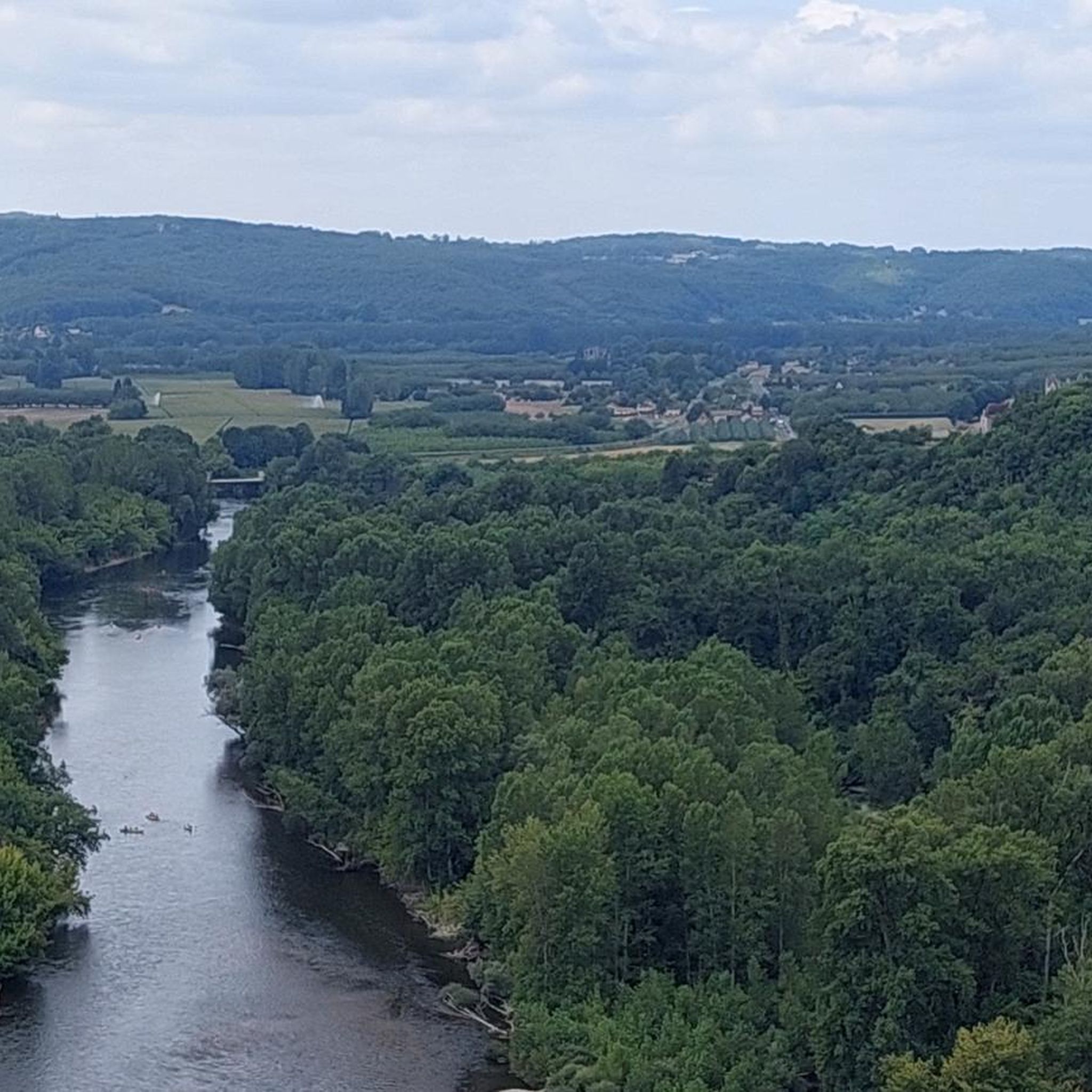
The lair would have been built in the 11th century. Built sheer on the rock, with an enclosure wall pierced with loopholes, the castle commands the road that runs along the river, halfway between Brantôme and Bourdeilles.
3
0
An impressive castle, it is unfortunately temporarily closed to visitors (August 2022)
0
0
Frequently Asked Questions
What castles offer a unique historical experience near Périgueux?
For a deep dive into history, consider visiting Bourdeilles Castle, which features both a 13th-century medieval fortress and an elegant Renaissance dwelling. Another excellent choice is Château de Beynac, known for its authentic medieval character and significant role in the Hundred Years' War. For medieval warfare, Château de Castelnaud is transformed into a museum on the subject.
Are there castles near Périgueux with beautiful gardens?
Yes, Château de Hautefort and Gardens is a prime example. It features beautifully maintained French-style gardens, reminiscent of the Loire Valley castles, and an English-style park. Château-l'Évêque also offers a relaxing 17-hectare exterior.
Which castles around Périgueux are suitable for families?
Bourdeilles Castle and Château de Hautefort and Gardens are both listed as family-friendly. Château de Castelnaud, with its medieval warfare museum, can also be engaging for children. Château des Milandes, famous for its association with Josephine Baker, offers a marvelous immersion into castle life that families often enjoy.
Can I find hiking trails near the castles around Périgueux?
Yes, the region offers various outdoor activities. For example, the area around Hautefort has routes like the 'Hautefort Loop Trail' which is an easy hike. You can explore more options for hiking and other sports near these castles by checking out the easy hikes around Périgueux or waterfall hikes around Périgueux guides.
What are some lesser-known or 'hidden gem' castles to visit?
While not as widely known as some of the larger châteaux, Château de Puyferrat offers breathtaking views and 100 hectares of nature, with tours available in the summer. Ramefort Castle, built sheer on the rock, provides a glimpse into medieval fortifications commanding the river road between Brantôme and Bourdeilles.
What is the best time of year to visit the castles in the Périgord region?
The spring and autumn months generally offer pleasant weather for exploring the castles and their grounds, with fewer crowds than the peak summer season. Many castles, like Château de Puyferrat, are open for visits during the summer. Visiting in winter might mean some sites have reduced hours or are closed, so it's best to check individual castle schedules.
Are there any castles directly within the city of Périgueux?
Within Périgueux itself, you can find historical remnants rather than fully preserved castles. These include the keep of Château Barrière, the only preserved example of knightly fortified houses in the city, and the Mataguerre Tower, the last fortification of the medieval enclosure of Puy Saint-Front.
What kind of architecture can I expect to see among the castles?
The castles around Périgueux showcase a rich variety of architectural styles. You'll find medieval fortresses like the 13th-century part of Bourdeilles Castle and Château de Beynac, alongside elegant Renaissance dwellings. Château de Hautefort is a rare example of classical architecture in the Dordogne, reminiscent of Loire Valley castles. Château de Puymartin also illustrates the evolution of fortresses from the Hundred Years' War era.
Are there opportunities for mountain biking near the castles?
Yes, the region around Périgueux offers mountain biking trails. You can find routes like the 'Descent from the rat's cross – King's chair loop' or the 'Périgueux Greenway – Caussadaise loop'. For more details on these and other trails, refer to the MTB Trails around Périgueux guide.
What makes Château des Milandes a notable visit?
Château des Milandes is particularly famous for its association with Josephine Baker, the renowned American-French entertainer and civil rights activist. It offers a unique opportunity to immerse yourself in castle life and learn about her fascinating history and legacy in the Dordogne Périgord region.
Can I stay overnight at any of the castles or nearby?
While most castles are museums or historical sites, Château de Puyferrat offers very cheap overnight stays, ideal for pilgrims on the Way of St. James. For other castles, you'll find various accommodation options in the surrounding towns and villages, ranging from guesthouses to hotels.
Most popular routes around Périgueux
Most popular attractions around Périgueux

Get inspired with the komoot mobile app


Didn’t find what you were looking for?
Explore Périgueux’s best castles region by region:
Explore more
Looking for the best castles somewhere else? Discover other guides around Périgueux:
