Top 7 Castles around Prades
Best castles around Prades are situated in the Pyrénées-Orientales department of France, a region known for its historical architecture and proximity to the Pyrenees mountains. Prades itself is a town with cultural significance, offering a blend of historical sites and natural landscapes. The area provides opportunities to explore various historical structures, from medieval ruins to fortified villages. The surrounding terrain features diverse landscapes, making it suitable for exploring historical landmarks.
Best castles around Prades
- The most popular castles is Rodès…
Last updated: July 6, 2026
Fort Libéria
Highlight • Castle
Translated by Google •
Tip by

Villefranche-de-Conflent
Highlight • Historical Site
Showing Translation
Tip by

Sign up now to discover places like this
Get recommendations on the best single tracks, peaks, & plenty of other exciting outdoor places.
Sign up for free
Joch — Medieval Village
Highlight • Historical Site
Thanks to its fortified position, Joch was recognized for six centuries as the capital of …
Translated by Google •
Tip by

Château de Paracolls
Highlight • Castle
Translated by Google •
Tip by
Rodès Castle
Highlight • Castle
Translated by Google •
Tip by

Porte de France, Mont-Louis
Highlight • Historical Site
Of course by the fortress builder Vauban.
More information: de.wikipedia.org/wiki/Mont-Louis?wprov=sfla1
Translated by Google •
Tip by

View of Château de Thorrent and Thorrent Hamlet
Highlight • Viewpoint
Translated by Google •
Tip by

Start today with a free account
Your next adventure awaits.
Login or Signup
Popular around Prades
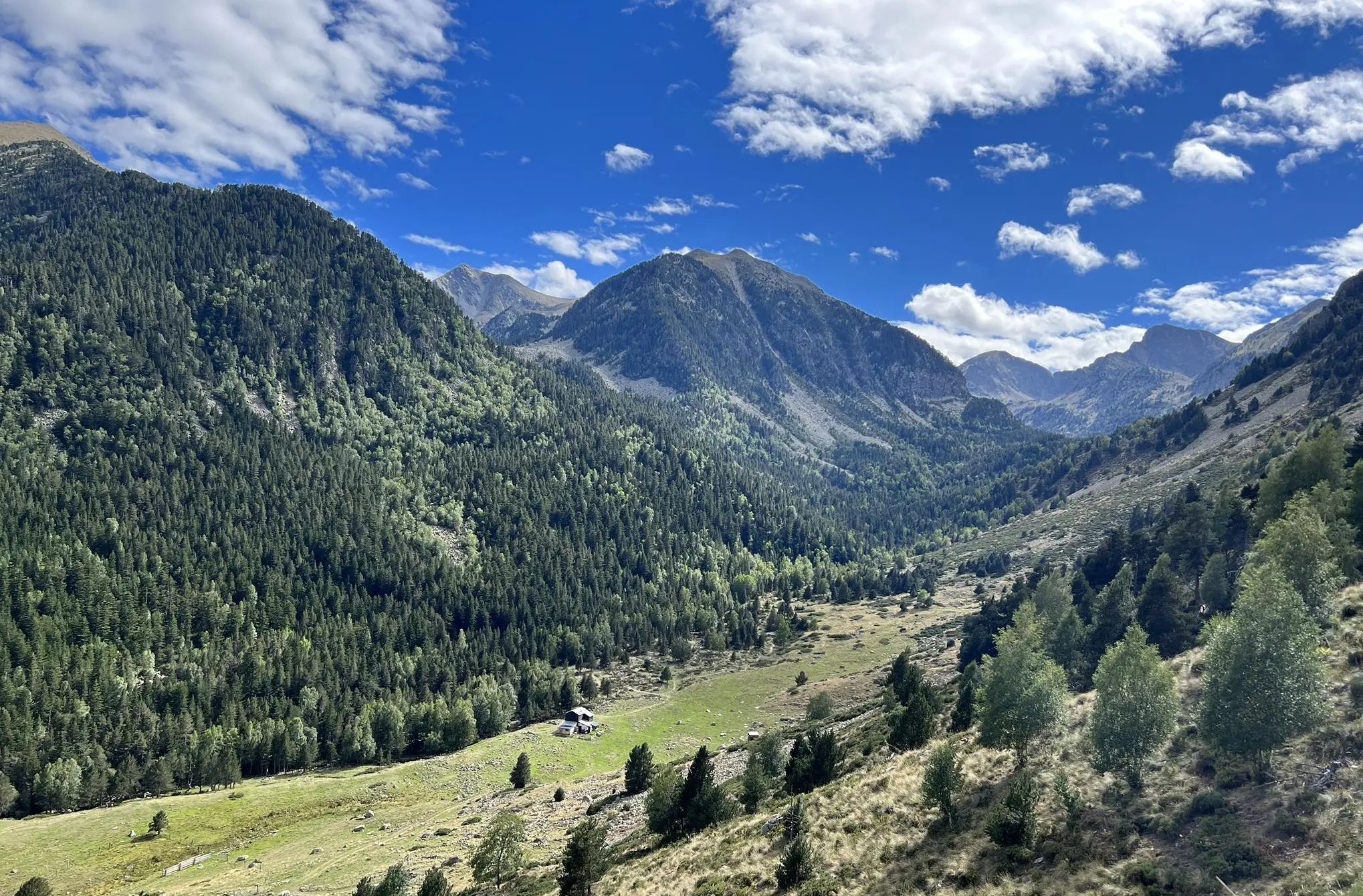
GR 36 long-distance footpath – Cross France from the Channel to the Pyrenees
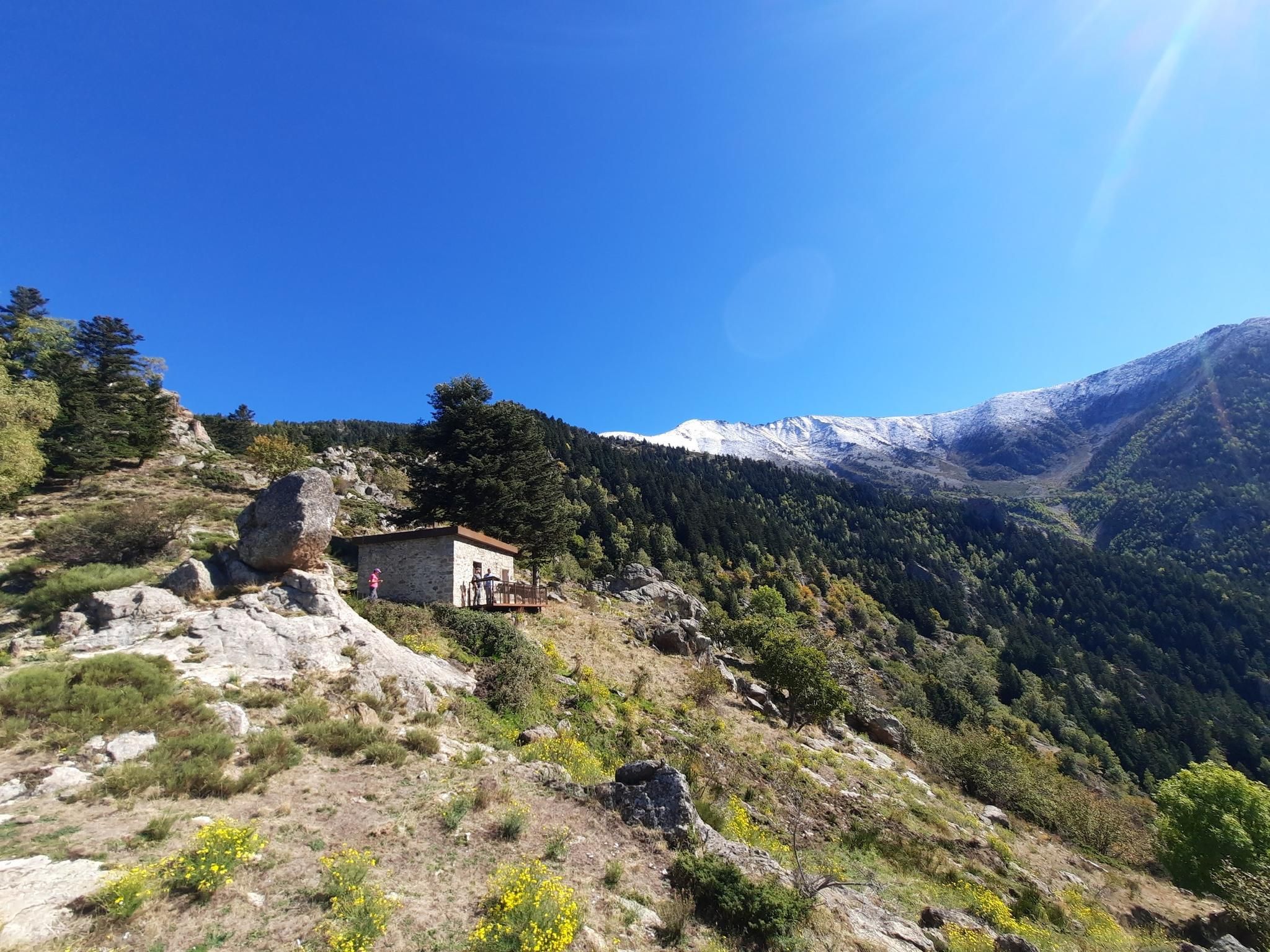
The Crossing of the Pyrenees via the GR 10 — Eastern Pyrenees
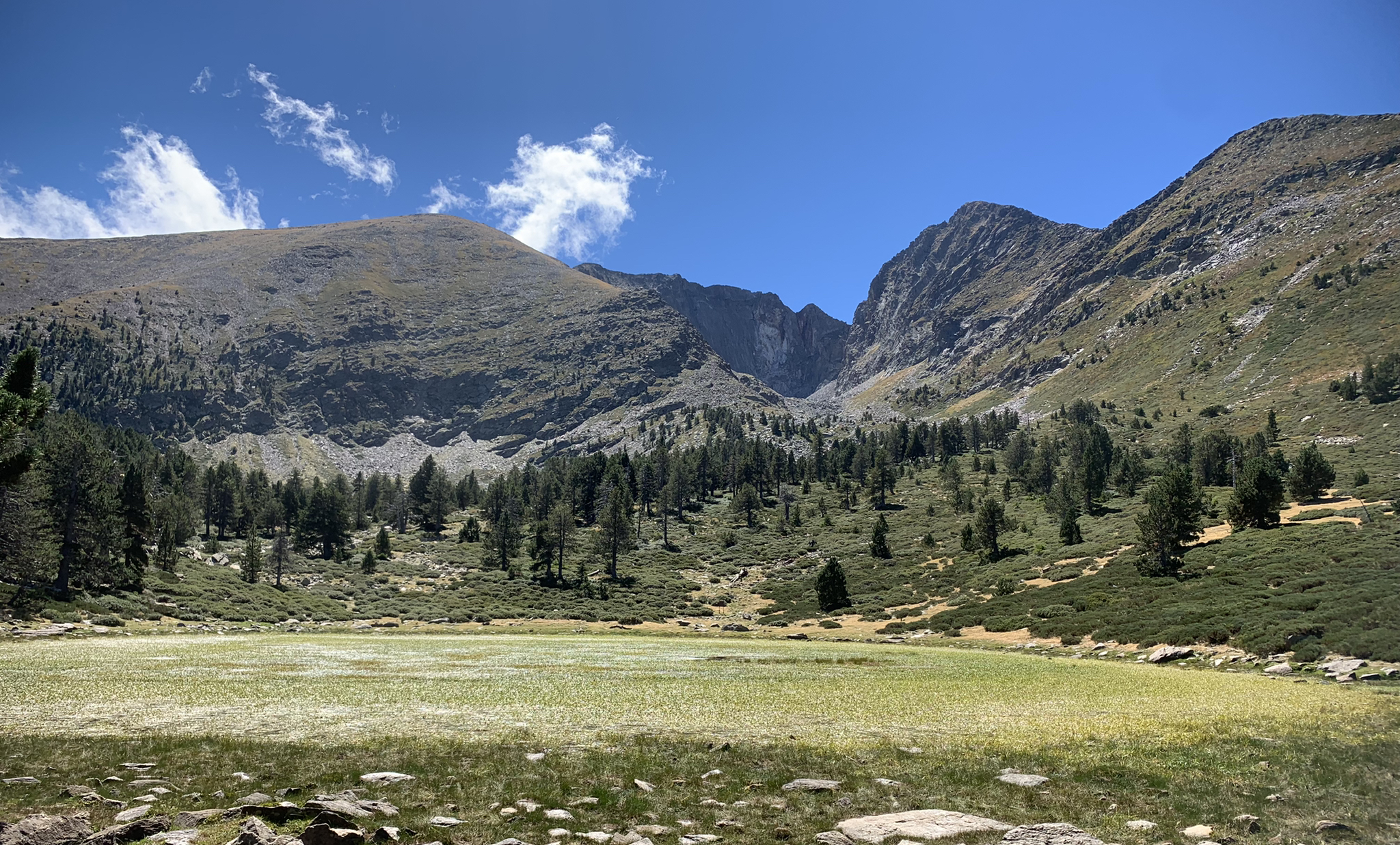
Tour du Canigou – Through the heart of the Mediterranean Pyrenees

Road to Lisbon – bikepacking the Alps, Pyrenees and Picos de Europa
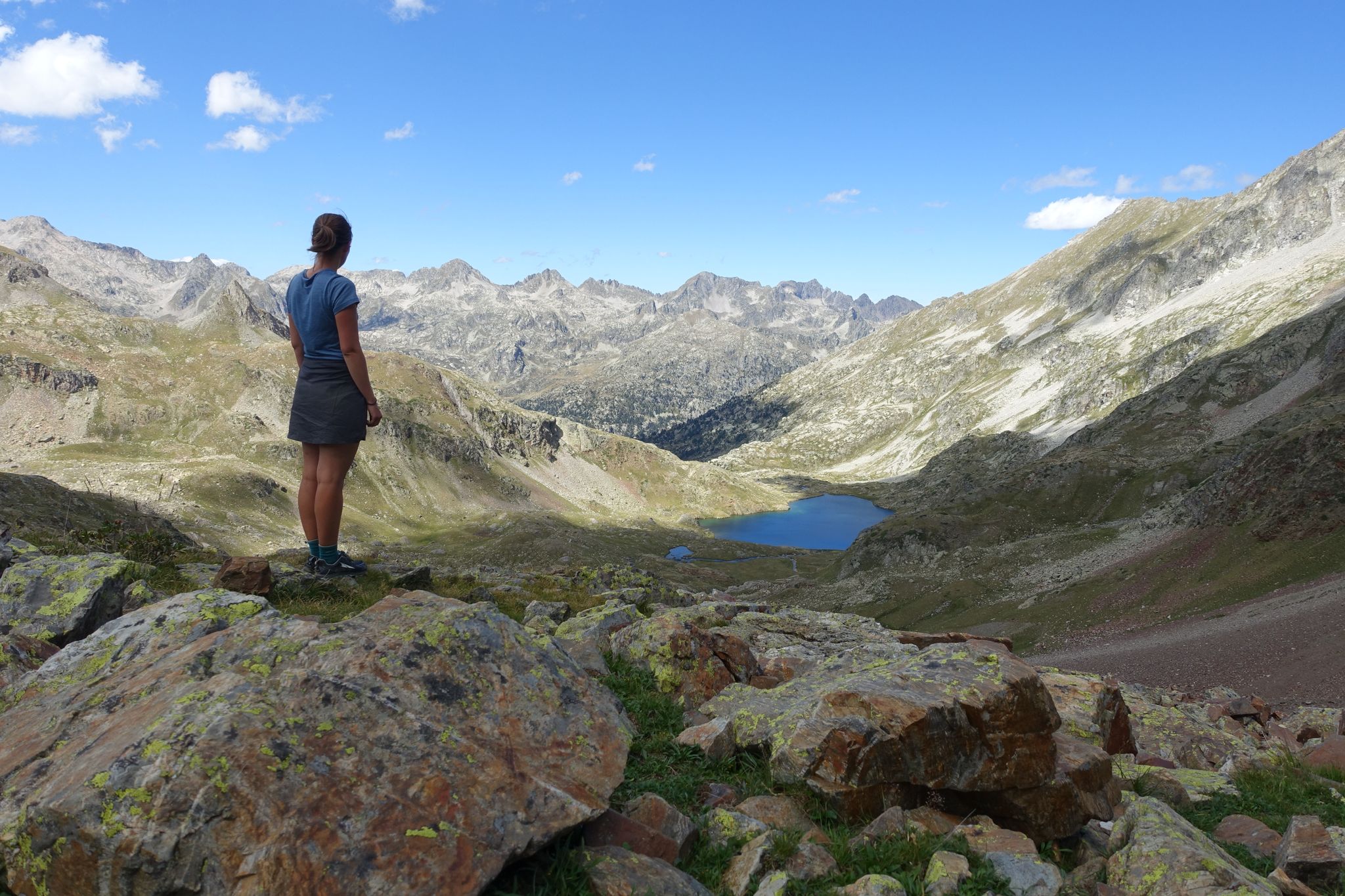
Haute Route Pyrénéenne – Pyrenees Crossing
Coast to coast across the Pyrenees on your road bike
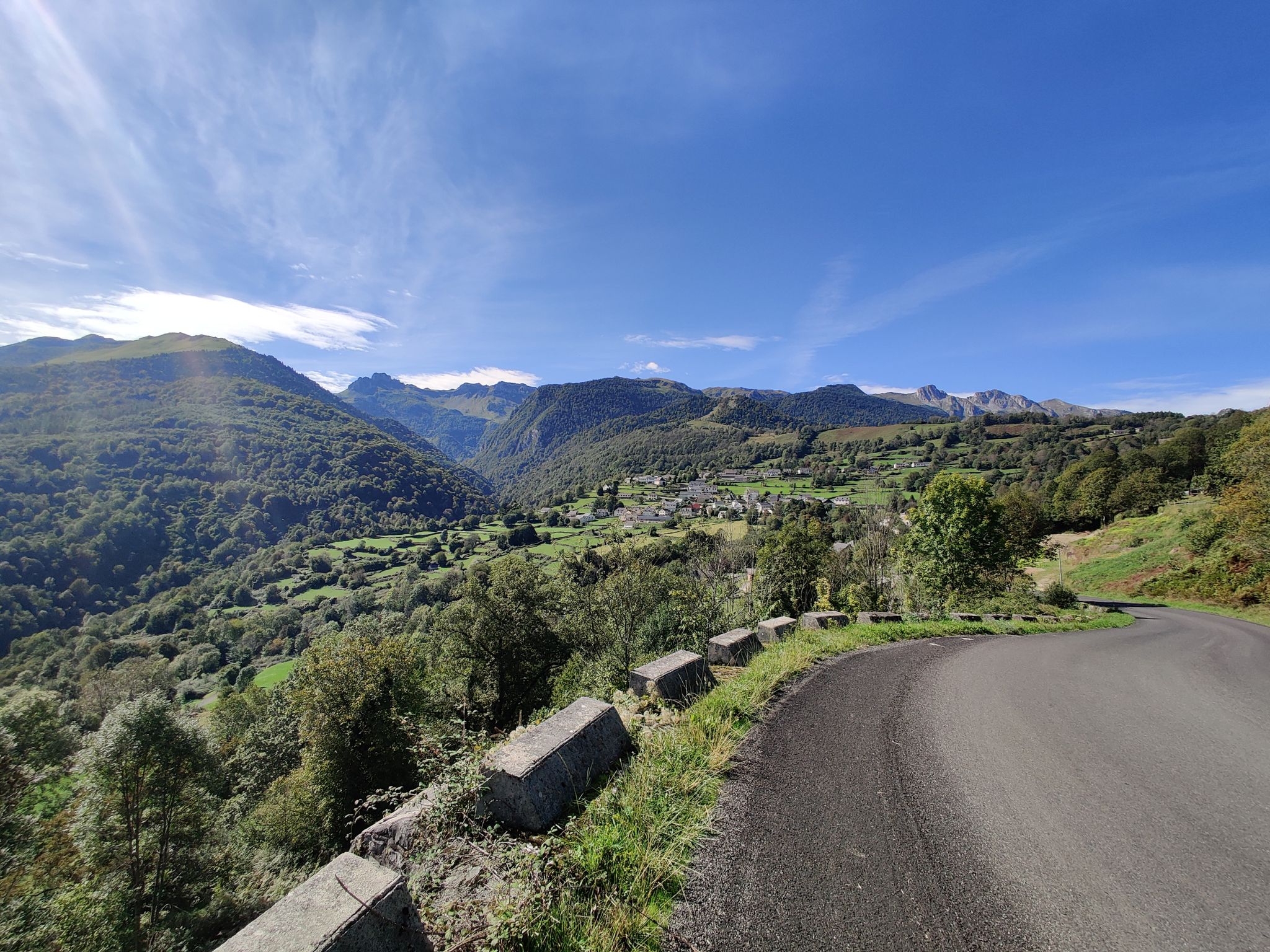
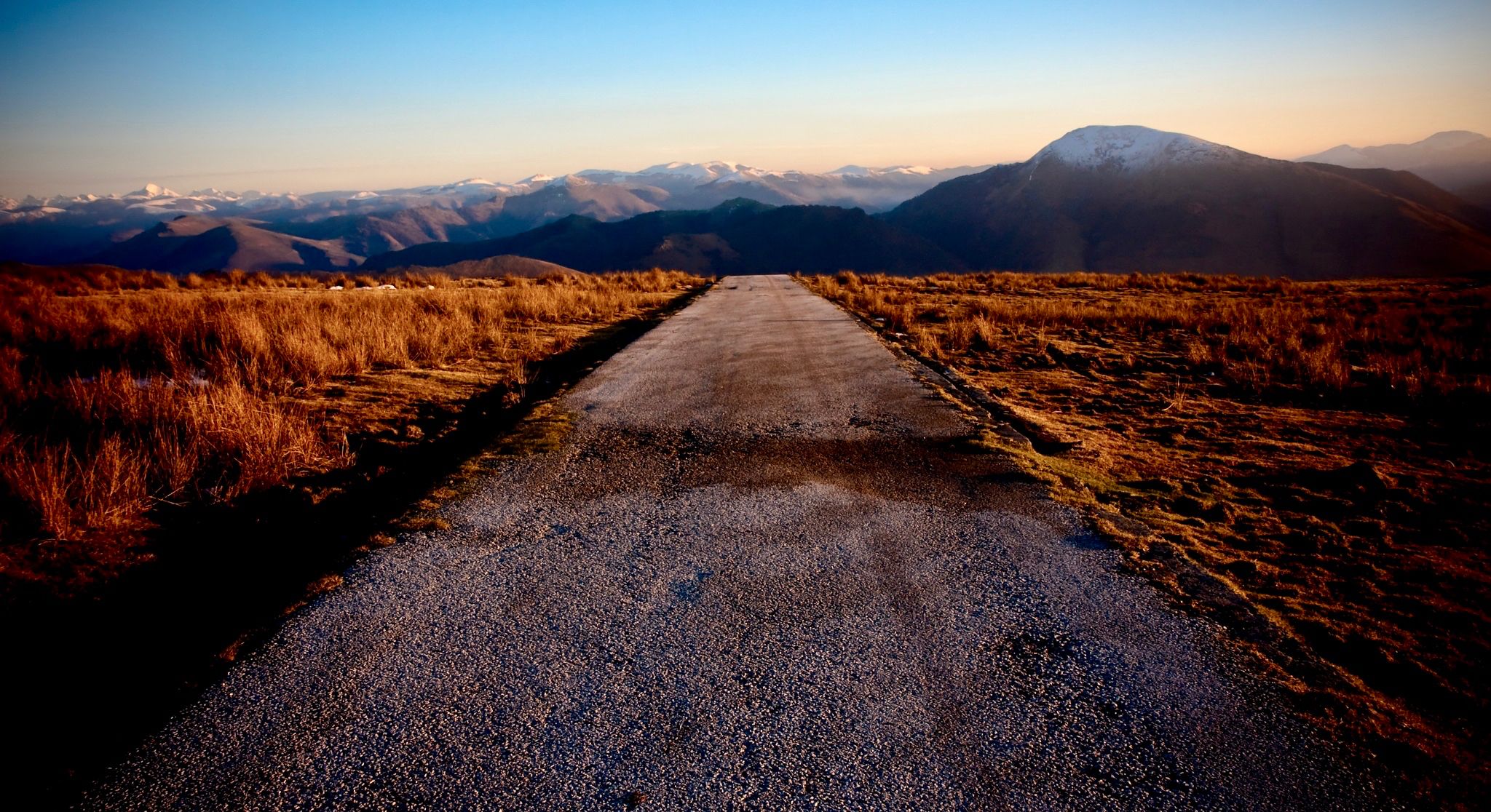
From the Atlantic to the Mediterranean – Route des Cols in the Pyrénées
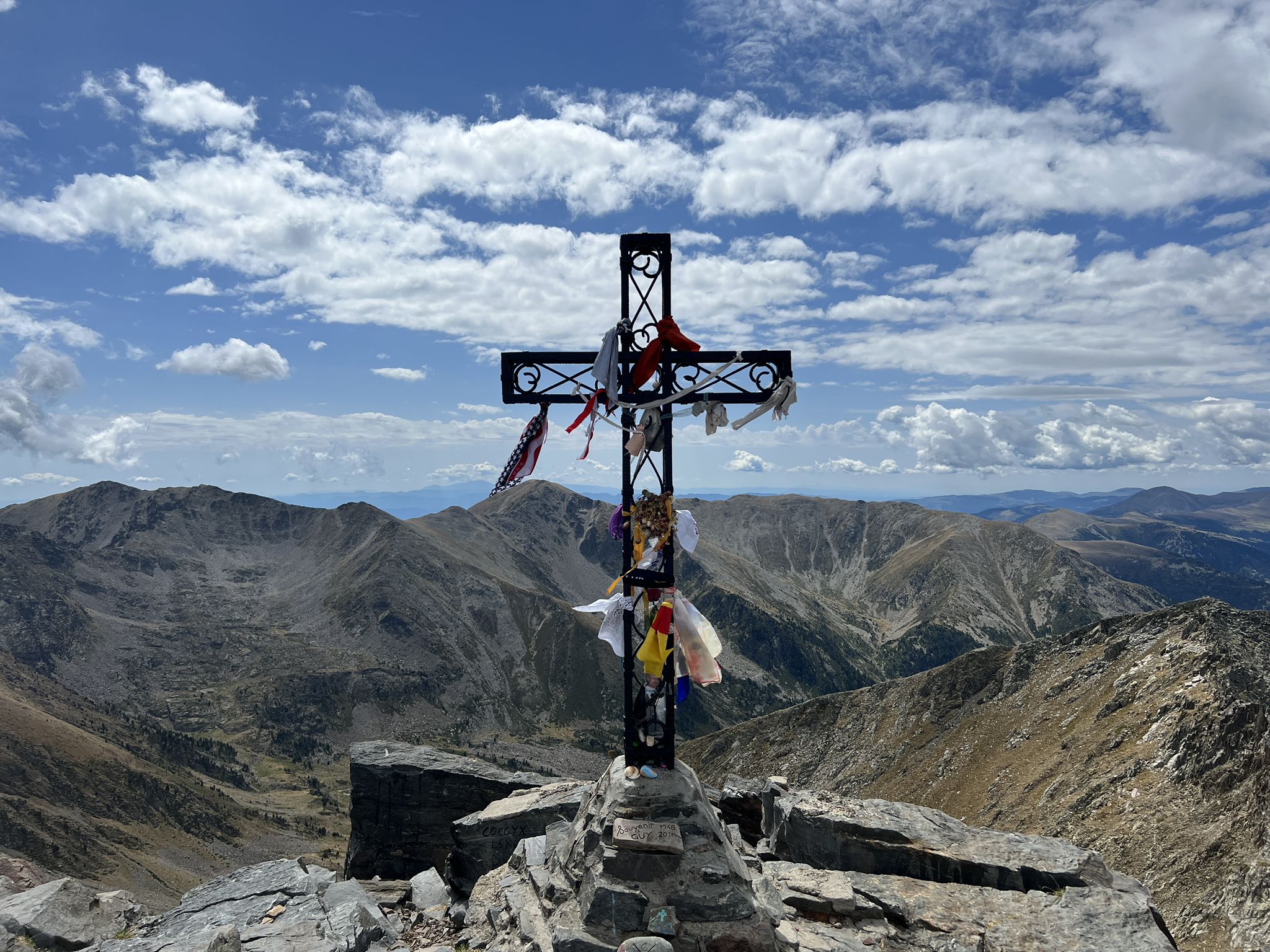
Tour of Canigo — The last great massif of the Pyrenees
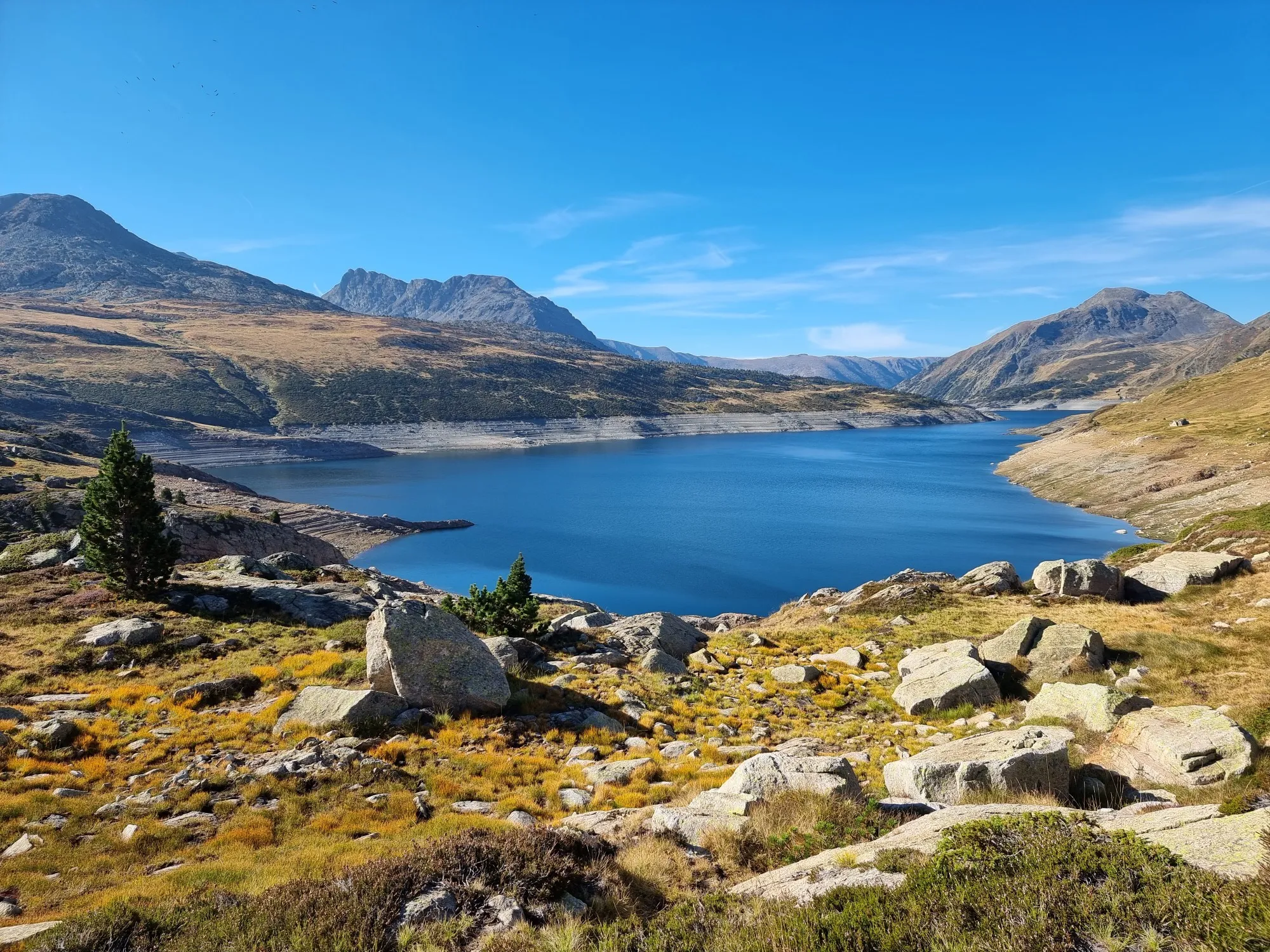
On wild ridges: Catalonia to Ariège – Hexatrek, Eastern Pyrenees
Plains, hills and mountains – GR 7 in the heart of France’s Occitania
Other adventures around Prades


Tips from the Community

This ancient trading town, the capital of Conflent, has preserved some beautiful traces of its history and its status as a defensive town. Examples include the ramparts and the Viguerie Tower, built by the Count of Cerdagne in the 11th century and subsequently reinforced by Vauban's fortifications in the 17th century.
0
0
VIllefranche-de-Conflent is a town with an exceptional heritage: from the Middle Ages to the present day, time has left its mark in the stones of the men who built, conquered or lived in the town. More than anyone, Vauban, the "Sun King's wanderer", has left his mark here.
10
0
The fort was built in 1681 on a rocky spur on the mountainside. It guarded the Têt Valley and, together with the ramparts of Villefranche, formed a formidable defensive complex. It stood 180 meters above the Têt, on the summit of Belloch Mountain, like a king. In peacetime, the fort could accommodate 50 to 100 garrison members.
0
0

The village's history is rooted in its castle, mentioned as early as the 11th century. Thanks to its fortified position, Joch was recognized for six centuries as the capital of the "Barony," a territory occupying the entire plain. Today, only ruins remain of the castle. Only two medieval gates are still visible to the north and west, and the remains of the old chapel have been converted into a house. The church, dating from 1776, and its listed altarpieces enrich Joch's heritage, as does the 17th-century painted ceiling, uncovered in the former presbytery during its restoration. In addition to the built heritage, there is also the vernacular, which bears witness to an entire ancestral way of life.
0
0
Standing on a granite spur overlooking the Castellane River, the ruins of Paracolls Castle have guarded the deep, narrow gorges carved by the river for centuries. It is one of the oldest fortresses in Conflent (its name is mentioned in 948), built, as its name suggests, to defend a pass (in this case, a defile). It was part of the network of signal towers that stretched as far as Mosset and beyond, towards the Col de Jau. It is believed that Paracolls was the birthplace of the Catalan troubadour Béranger, "educated, courteous, and valiant, but not very wealthy." photos-pour-ot-et-bm-087 Part of the chapel dedicated to Saint Peter remains: the semicircular apse and part of the nave, a cistern, and sections of the walls. Paracolls is accessible on foot from the spa park and from Campôme. There is a beautiful view of Molitg and the valley upstream towards Mosset and downstream towards Prades.
1
0

really a beautiful place, rightly counts among the listed beautiful villages
3
0


Very beautiful fortress. A (guided) tour is recommended, especially in the evening with a lantern. Inside the fortress there are many lovely shops with regional products and of course restaurants where you can enjoy good food.
6
0
Frequently Asked Questions
Which castles around Prades offer the best historical insights?
For deep historical insights, consider visiting Villefranche-de-Conflent — Fortified Village, a UNESCO World Heritage site with fortifications built by Vauban, showcasing exceptional heritage from the Middle Ages. Another significant site is Fort Libéria, also a UNESCO site, known for its unique underground staircase connecting it to Villefranche-de-Conflent. The ruins of Rodès Castle also offer a glimpse into medieval defense, dominating its village from a cliff.
Are there any family-friendly castles or historical sites near Prades?
Yes, Villefranche-de-Conflent — Fortified Village is considered family-friendly, offering an engaging historical experience. Additionally, Château Pams in Prades (Pyrénées-Orientales), though not a traditional castle, houses the town hall and features a two-hectare public park with a fitness trail and children's play areas, making it a great spot for families.
What kind of views can I expect from the castles around Prades?
Many castles offer impressive panoramic views. From Rodès Castle, you can enjoy views over the Têt valley. Fort Libéria also provides fantastic panoramas, with visitors noting views reaching to the distant sea. For a dedicated scenic spot, the View of Château de Thorrent and Thorrent Hamlet offers a beautiful perspective of the castle and its charming surroundings.
Are there opportunities for hiking or outdoor activities near these castles?
Absolutely. The region around Prades is ideal for combining castle visits with outdoor activities. You can find various mountain hikes, running trails, and gravel biking routes. For example, the area around Château de Paracolls is known for its trails.
What is the best time of year to visit the castles and historical sites around Prades?
The Pyrénées-Orientales region generally enjoys pleasant weather for exploring. Spring and autumn offer mild temperatures ideal for hiking and sightseeing without the intense summer heat. While specific castle opening hours may vary seasonally, these periods provide comfortable conditions for both indoor and outdoor exploration.
Can I visit the Château de Prades in Lozère?
The Château de Prades in Lozère, near Sainte-Enimie, is a 13th-century historic monument. While it is registered as a historical monument, it is now private property. Visiting typically requires prior arrangement with the owners.
What makes Villefranche-de-Conflent a significant historical site?
Villefranche-de-Conflent — Fortified Village is a UNESCO World Heritage site, recognized for its exceptional heritage from the Middle Ages and the fortifications built by Vauban. It's a well-preserved example of military architecture and a living testament to the region's history.
Are there any medieval villages to explore in the area?
Yes, in addition to the fortified village of Villefranche-de-Conflent, you can explore Joch — Medieval Village. These sites offer a glimpse into the architecture and daily life of past centuries.
What do visitors particularly enjoy about the castles around Prades?
Visitors frequently praise the historical significance and the well-maintained nature of sites like Villefranche-de-Conflent — Fortified Village. The unique experience of the underground staircase at Fort Libéria and the rewarding panoramic views are also highly appreciated. Many enjoy the blend of history with opportunities for outdoor exploration.
Is there a castle or historical site that is still actively used today?
Yes, Château Pams in Prades (Pyrénées-Orientales), originally built between 1870 and 1940, now serves as the town hall of Prades. While not a traditional medieval castle, it is a significant architectural landmark with historical value and an expansive public park.
Are there any other notable fortifications or historical gates to see?
Beyond the main castles, you can visit the Porte de France, Mont-Louis. This is another interesting fortress, also designed by Vauban, with parts still in use today.
Most popular routes around Prades
Most popular attractions around Prades

Get inspired with the komoot mobile app


Didn’t find what you were looking for?
Explore Prades’s best castles region by region:
Explore more
Looking for the best castles somewhere else? Discover other guides around Prades:
