Top 5 Castles around Toulouse
Best castles around Toulouse are found in the Occitanie region, a landscape characterized by the Garonne river and rolling hills. The area offers a blend of historical significance and natural beauty, with many châteaux situated within a reasonable distance of the city. While medieval castles within Toulouse are largely dismantled, the surrounding countryside features numerous architectural styles from different centuries. This region provides opportunities to explore historical sites and enjoy the varied terrain.
Best castles around Toulouse
- The most popular castles is Climb to the Château de Bonrepos-Riquet, a climb that leads to a castle. This challenging route offers views of the Château de Bonrepos-Riquet.
- Another must-see spot is Montesquieu-Lauragais Village, a historical settlement. This village originated from a feudal castle and has a history dating back to the 10th century.
- Visitors also love Trail Near the Château de Mondouzil Towards Mons, a trail that runs along the park of the Château de Mondouzil. This path in the undergrowth is popular with hikers.
- Toulouse is known for its castellated villas, Renaissance châteaux, and feudal castle villages. Visitors can explore a variety of architectural styles, from 19th-century neo-Gothic designs to 16th-century polychrome masonry and older fortified structures.
- The castles around Toulouse are appreciated by the komoot community, with 20 upvotes and 9 photos shared by visitors.
Last updated: July 6, 2026
Montesquieu-Lauragais Village
Highlight • Settlement
The village was born from a feudal castle dating back probably to the beginning of the 10th century. A very old document reveals that in 1162, the town bore the name of “Monteschivum”, made up of “mont” and a qualifier from the German word “esquiu”, which in Old French gave “eschiu”, c ' that is to say: wild, hostile, fierce.
The village was called "Montesquieu" until 1797, then "Montesquieu-sur-le-Canal" and finally Montesquieu-Lauragais since 1889.
At the top of the hill ...
Montesquieu was installed on a height, to be easy to defend and favorable to the surveillance of the surroundings. Until the 13th-14th century, the region was covered by a thick forest (from Montaudran to Naurouze), a landmark for many brigands. The systematic clearing of this forest began with the installation of bastides in the 13th century, such as those of Villenouvelle, Saint-Rome and Villefranche. In the 18th century, the Hers pipeline accelerated its disappearance.
A turbulent history
In the 12th-13th century, Montesquieu was a hotbed of Catharism, with a dozen Cathar “houses” and even a Cathar cemetery, perhaps located in Le Rouquet. During the religious wars of the 16th century, the village was Protestant like many others in the region. After a siege of ten days, the Duke of Joyeuse and his Catholic troops reconquer it and completely destroy it in 1586. The inscription preserved next to the entrance to the sacristy proves that the work of reconstruction of the church , and undoubtedly from the village, began as early as 1600.
Pastel blue
In the 15th and 16th centuries, the pastel grew in a land of Laurentians certainly better than today, impoverished by the wheat-corn rotation which made the glory of the Toulouse region from 1820 to 1880. Written sources mention Montesquieu as a place of purchase of pastel between 1450 and 1540. They indicate the existence of “botigas del pastel” and pastelier mills. They numbered 16 at the beginning of the 15th century and another 9 in the 17th century.
Translated by Google •
Tip by

Climb to the Château de Bonrepos-Riquet
Highlight (Segment) • Climb
Translated by Google •
Tip by

Sign up now to discover places like this
Get recommendations on the best single tracks, peaks, & plenty of other exciting outdoor places.
Sign up for free
Brax Castle
Highlight • Castle
Translated by Google •
Tip by

Château des Verrières
Highlight • Castle
Translated by Google •
Tip by

Trail Near the Château de Mondouzil Towards Mons
Highlight (Segment) • Trail
Translated by Google •
Tip by

Start today with a free account
Your next adventure awaits.
Login or Signup
Popular around Toulouse
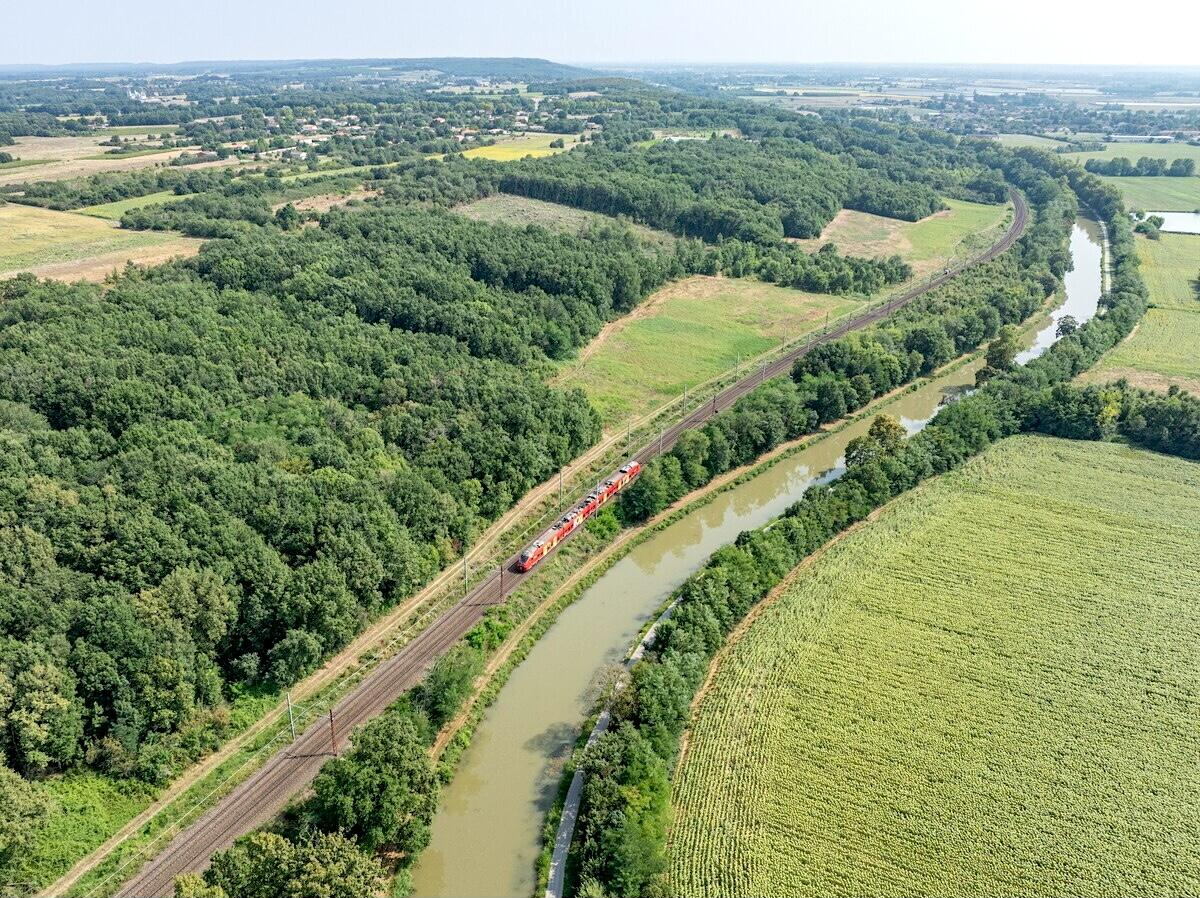
Rides between Toulouse and Figeac – liO train for bicycle transport
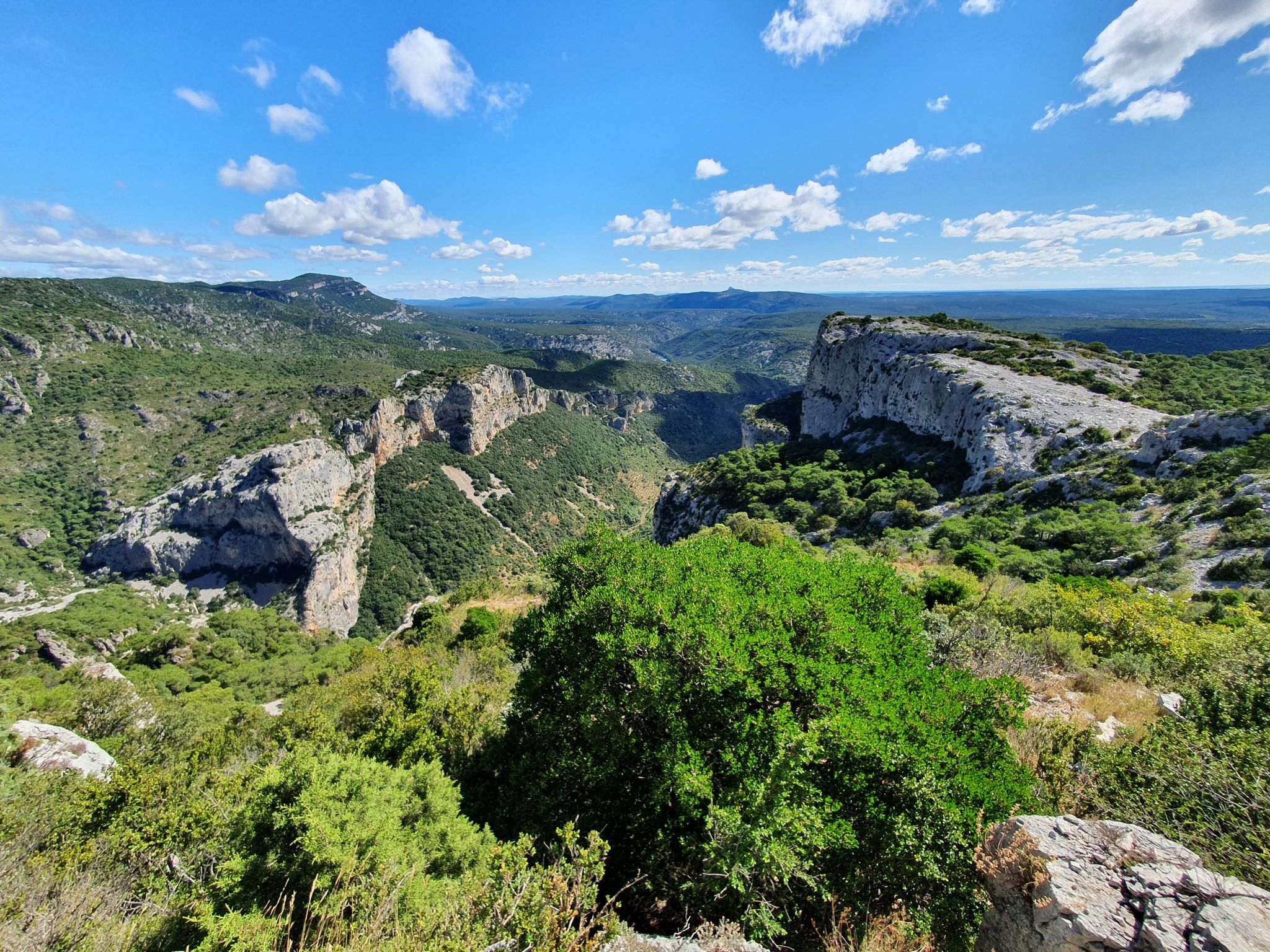
On the way to Compostela – Via Tolosana (Arles Way)
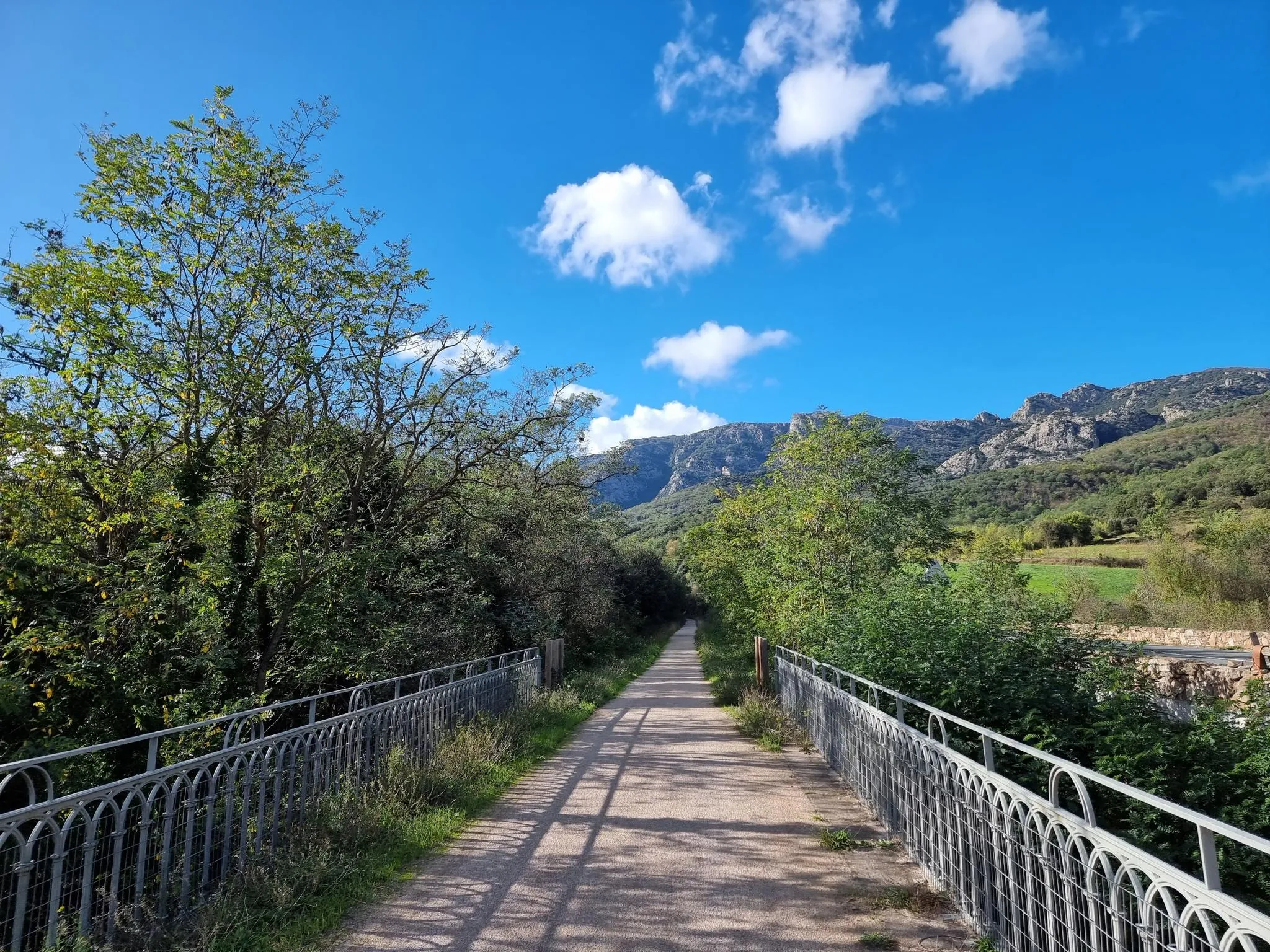
Under the sun of the Midi — La Véloccitanie
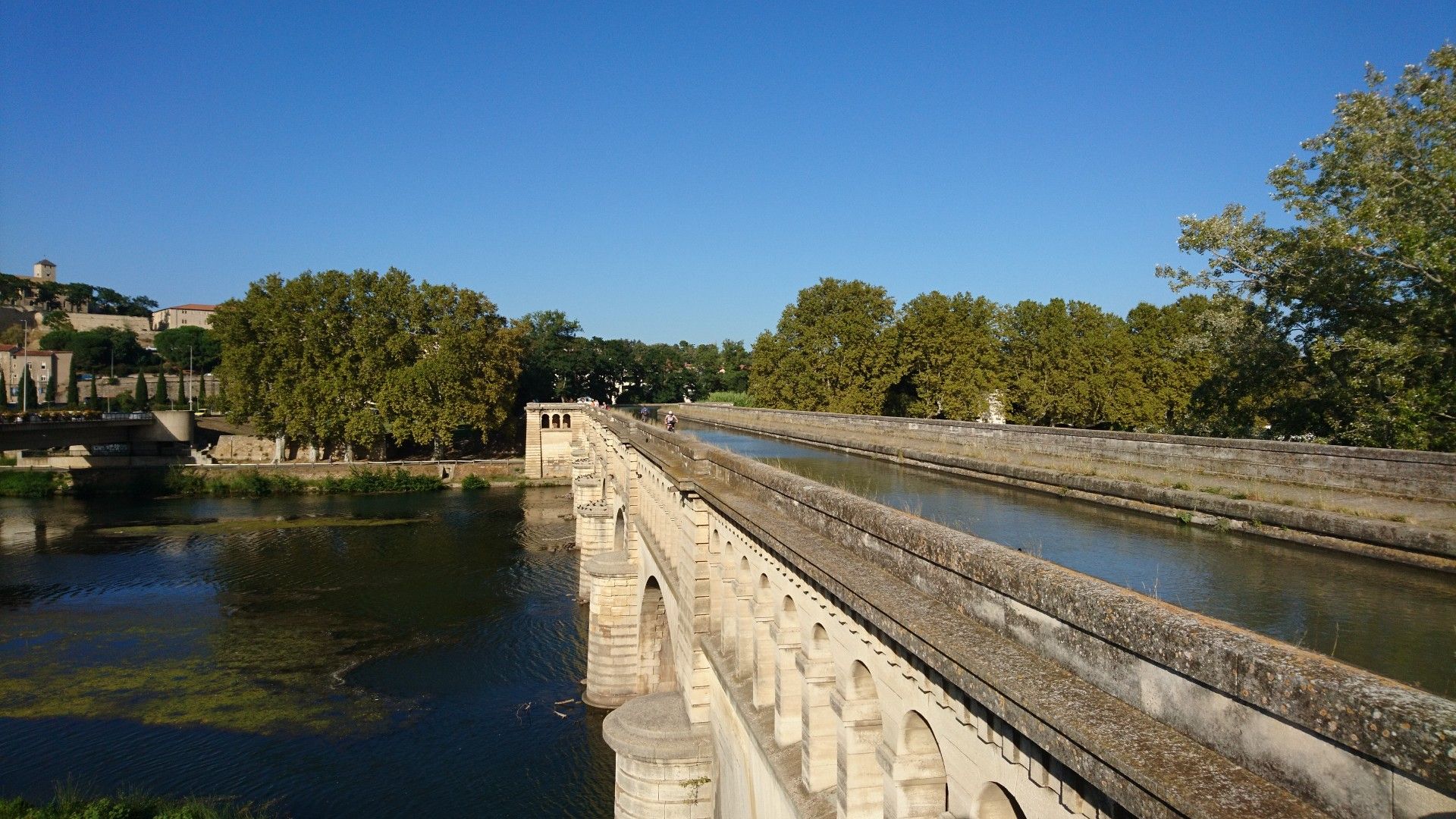
A river adventure – Canal des Deux Mers by bike
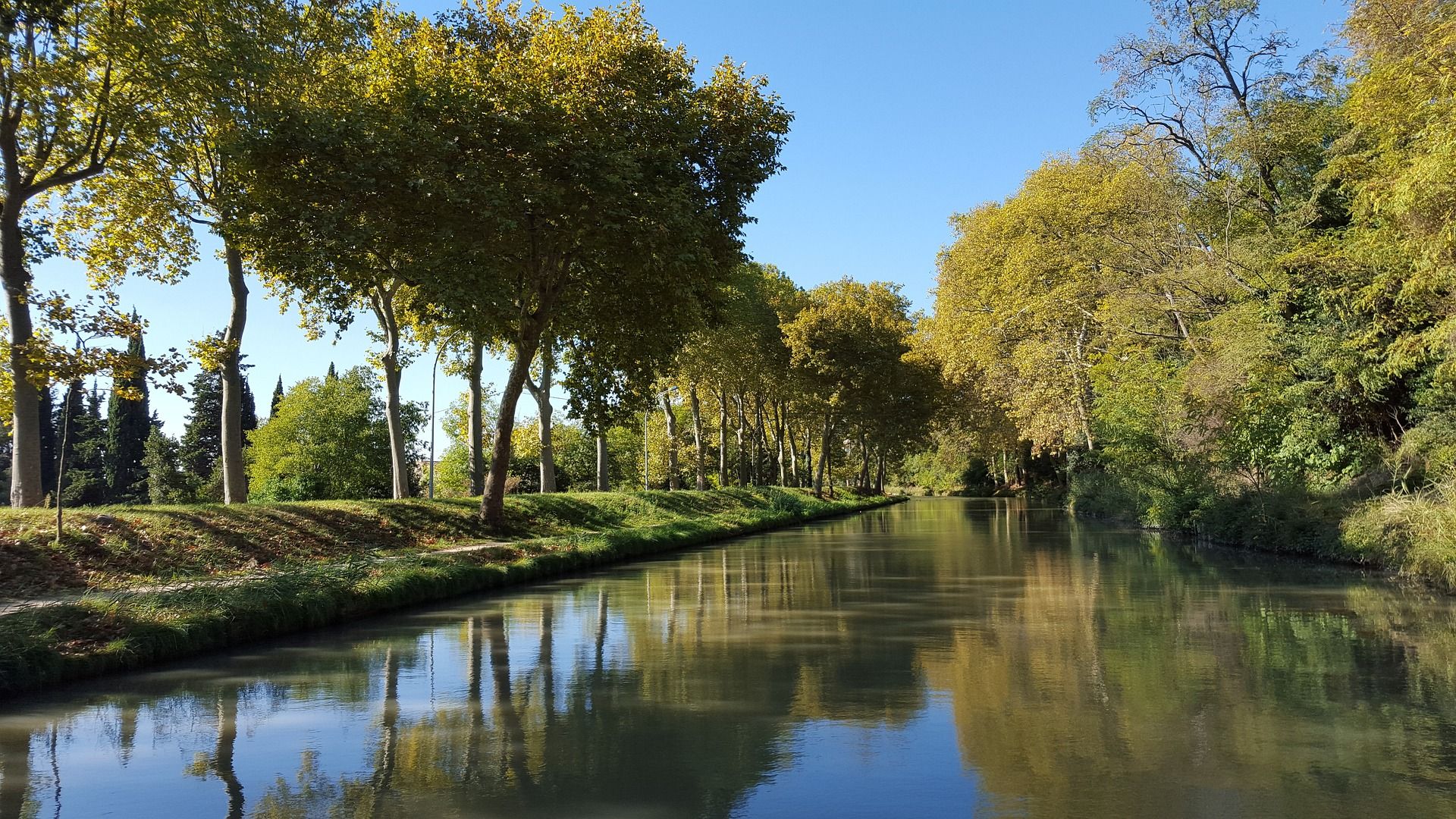
Along the water and through the locks – Canal du Midi
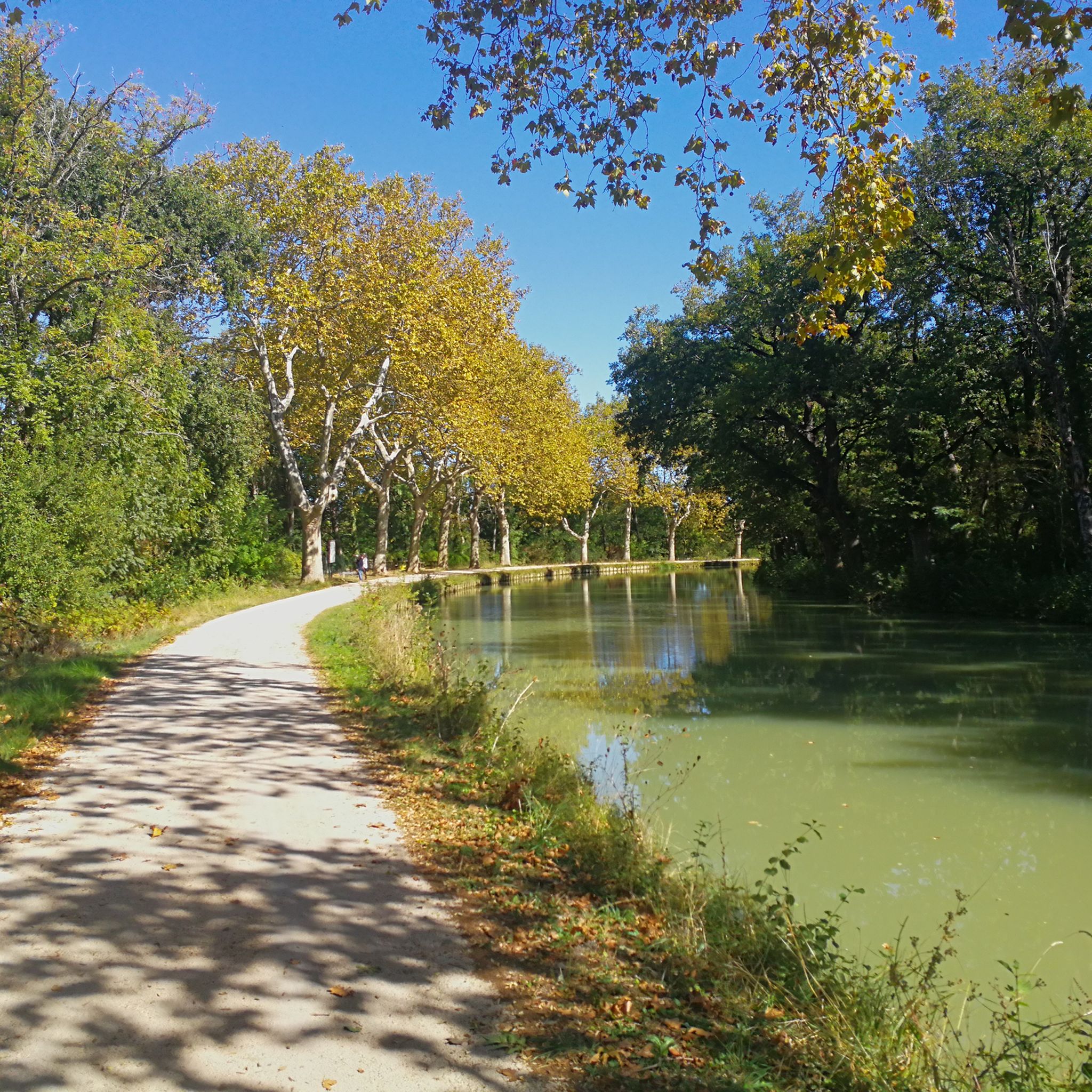
Cycling around Toulouse
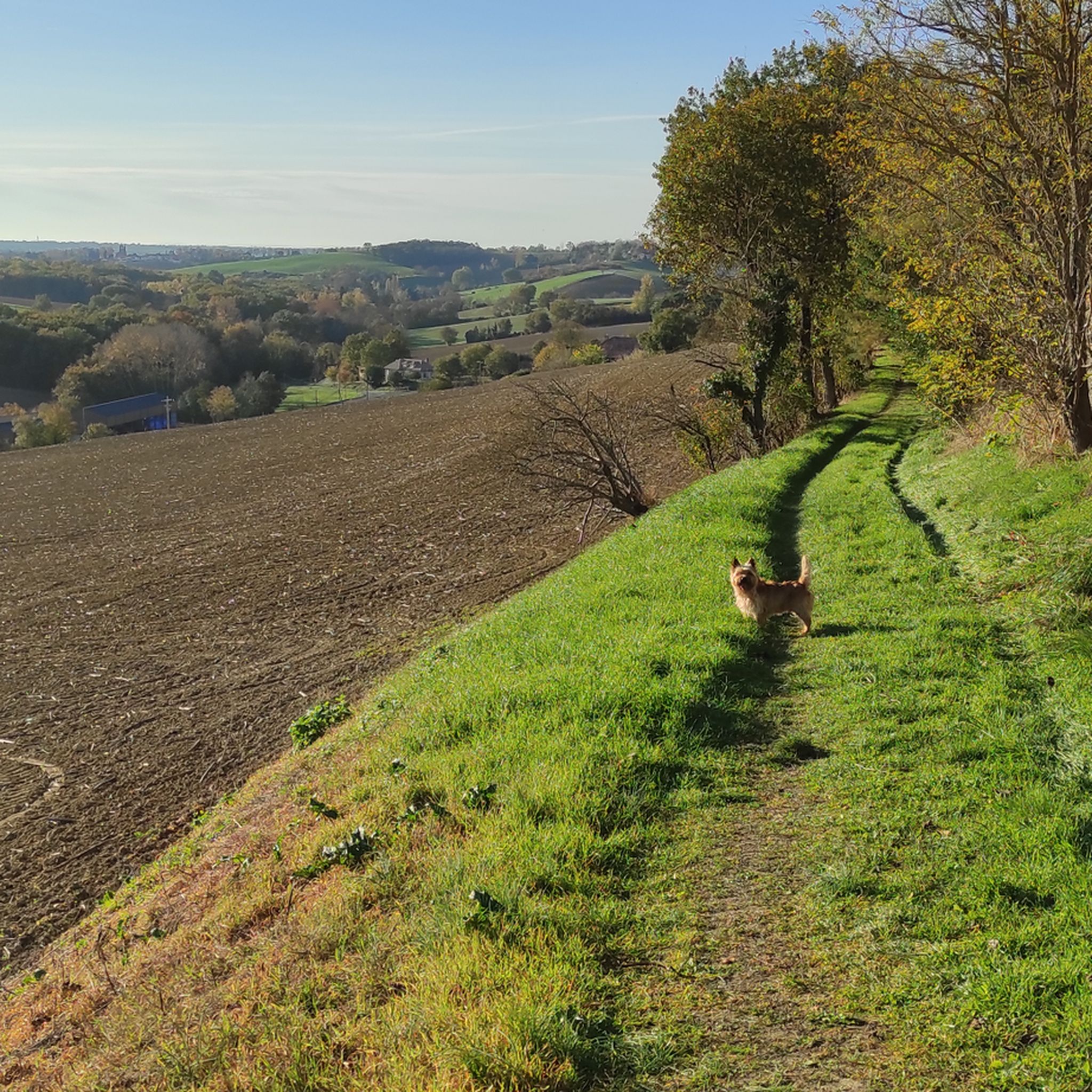
Hiking around Toulouse
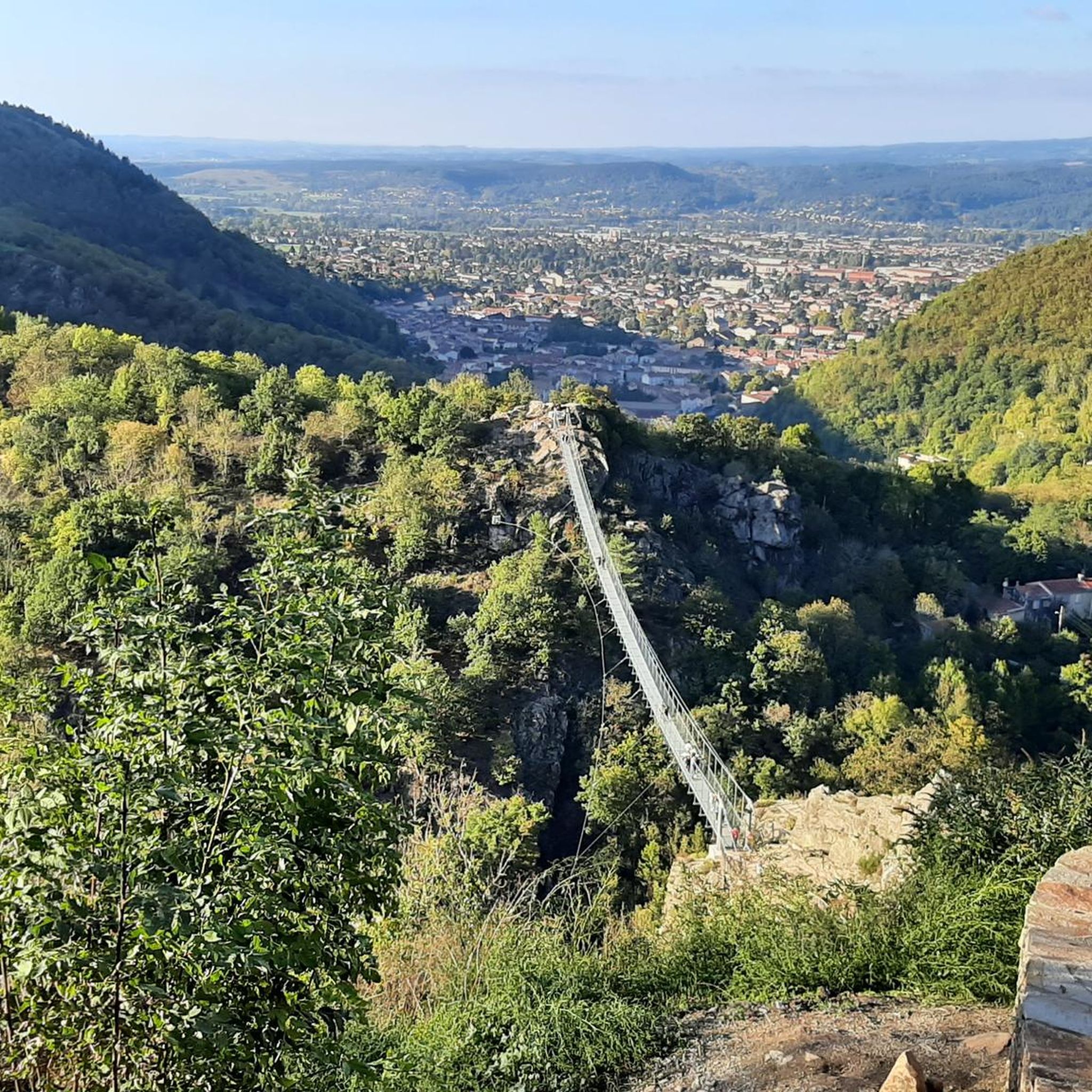
Running Trails around Toulouse
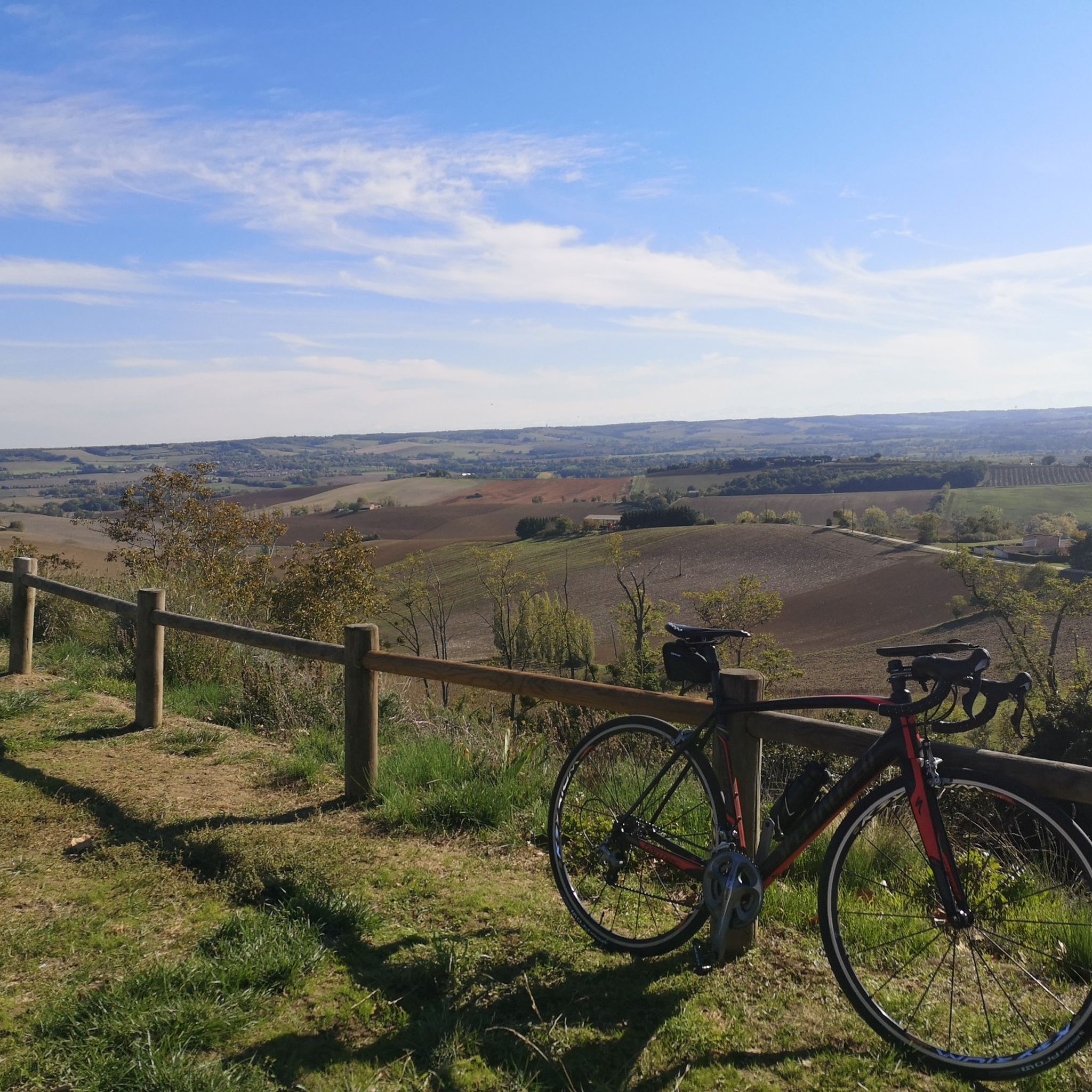
Road Cycling Routes around Toulouse
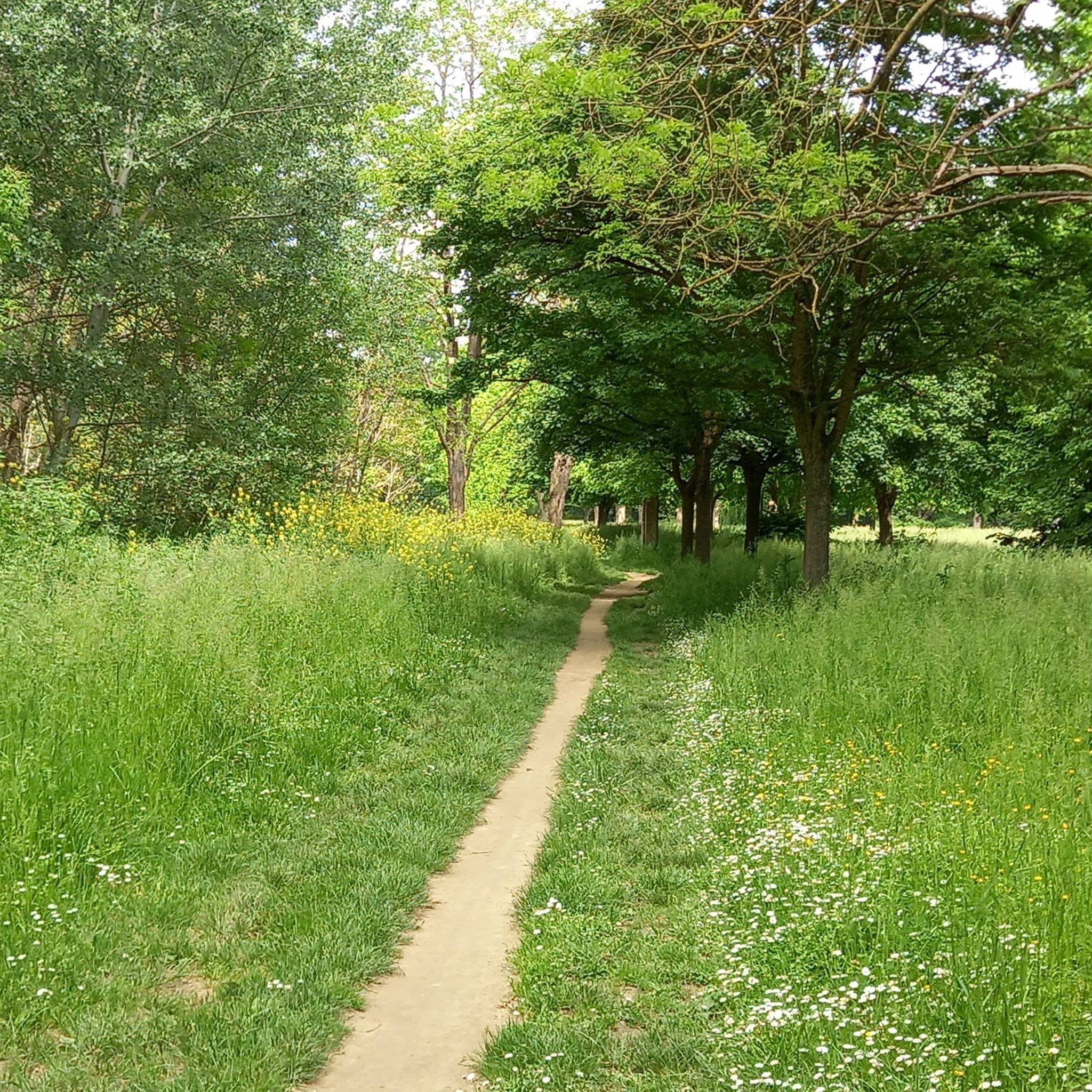
MTB Trails around Toulouse
Other adventures around Toulouse


Tips from the Community


The Chalets district is said to take its name from the chalets and wooden houses rented by the soldiers and artillerymen of the Compans barracks, in order to shelter their clandestine love affairs. At the end of the Belle Époque, beautiful residences were built there, in beautiful stone. The most beautiful is undoubtedly the Château des Verrières, owned by the glass painter and manufacturer Louis-Victor Gesta, a vestige of one of the most important stained glass manufacturers of the 19th century. This castle is definitely worth a visit, it is little known to the people of Toulouse and tourists.
0
0

Very pretty castle on the edge of the village, possibility to see it along the road, on the castle square where there are shops and on organized tours. Built in 1352, it underwent many modifications and renovations until the 20th century.
0
1

Castle of Castel-Gesta, pretty castellated villa a little hidden
0
0

A magnificent castle that can only be admired from the outside, its use now being privatized
0
0

What percentage is this rib?
0
0

The climb is very steep, but the view is worth it!
0
0

A castle village The village was born from a feudal castle dating back probably to the beginning of the 10th century. A very old document reveals that in 1162, the town bore the name of “Monteschivum”, made up of “mont” and a qualifier from the German word “esquiu”, which in Old French gave “eschiu”, c ' that is to say: wild, hostile, fierce. The village was called "Montesquieu" until 1797, then "Montesquieu-sur-le-Canal" and finally Montesquieu-Lauragais since 1889. At the top of the hill ... Montesquieu was installed on a height, to be easy to defend and favorable to the surveillance of the surroundings. Until the 13th-14th century, the region was covered by a thick forest (from Montaudran to Naurouze), a landmark for many brigands. The systematic clearing of this forest began with the installation of bastides in the 13th century, such as those of Villenouvelle, Saint-Rome and Villefranche. In the 18th century, the Hers pipeline accelerated its disappearance. A turbulent history In the 12th-13th century, Montesquieu was a hotbed of Catharism, with a dozen Cathar “houses” and even a Cathar cemetery, perhaps located in Le Rouquet. During the religious wars of the 16th century, the village was Protestant like many others in the region. After a siege of ten days, the Duke of Joyeuse and his Catholic troops reconquer it and completely destroy it in 1586. The inscription preserved next to the entrance to the sacristy proves that the work of reconstruction of the church , and undoubtedly from the village, began as early as 1600. Pastel blue In the 15th and 16th centuries, the pastel grew in a land of Laurentians certainly better than today, impoverished by the wheat-corn rotation which made the glory of the Toulouse region from 1820 to 1880. Written sources mention Montesquieu as a place of purchase of pastel between 1450 and 1540. They indicate the existence of “botigas del pastel” and pastelier mills. They numbered 16 at the beginning of the 15th century and another 9 in the 17th century.
1
1
Frequently Asked Questions
What types of castles can I expect to find around Toulouse?
The region around Toulouse offers a diverse range of architectural styles. While traditional medieval castles within the city are largely dismantled, you can explore 19th-century castellated villas like the Château des Verrières, elegant 18th-century châteaux such as the Château de Merville, and 16th-century Renaissance châteaux like the Château de Laréole with its distinctive polychrome masonry. You'll also find historical settlements that originated from feudal castles, such as Montesquieu-Lauragais Village.
Are there any castles directly within the city of Toulouse?
While there are no traditional medieval castles within Toulouse that are publicly accessible in their original form, the city does host the unique Château des Verrières. This 19th-century 'castellated villa' showcases a neo-Gothic style with intricate stained glass and is classified as a historical monument, offering a glimpse into 19th-century Toulousain architecture.
Which castles are particularly good for families with children?
The Château de Merville is an excellent choice for families, especially known for its immense boxwood labyrinth, one of the largest in Europe. It offers an engaging and fun experience for all ages, often hosting events like Easter egg hunts and Halloween activities. Additionally, the Trail Near the Château de Mondouzil Towards Mons is a family-friendly path running along the park of the Château de Mondouzil.
What kind of historical significance do the castles near Toulouse hold?
The castles in the region reflect various periods of history. For instance, the Montesquieu-Lauragais Village originated from a feudal castle dating back to the 10th century and was a hotbed of Catharism. The Château de Laréole was built by a wealthy pastel merchant in the 16th century, showcasing Renaissance refinement. The Château de Gramont evolved from a 13th-century fortified castle to a 16th-century residence, while the Château de Caumont once hosted Henry IV, highlighting its royal connections.
Are there opportunities for outdoor activities near these castles?
Yes, the area around Toulouse offers various outdoor activities. You can find cycling routes near many castles, such as those along the Canal du Midi. For example, there are routes like "The Canal du Midi by Bike: Toulouse to Montgiscard" and "Toulouse, Canal du Midi and Lauragais Loop." You can explore more cycling options in the Cycling around Toulouse guide. For gravel biking, routes like "Canal du midi – Canal du Midi Pathway loop from Villenouvelle" are available in the Gravel biking around Toulouse guide.
Are there any hiking trails that pass by castles?
Yes, there are several trails that offer views of or pass near castles. The Trail Near the Château de Mondouzil Towards Mons is a popular path through undergrowth that runs along the park of the magnificent Château de Mondouzil. Another challenging route is the Climb to the Château de Bonrepos-Riquet, which leads to the castle and offers scenic views.
What is the best time of year to visit the castles around Toulouse?
Spring and autumn are generally ideal for visiting the castles around Toulouse. The weather is pleasant for exploring gardens and outdoor areas, and the crowds are typically smaller than in peak summer. Some châteaux, like the Château de Laréole, host summer music festivals, which can be a great time to visit if you enjoy cultural events.
Are there any castles with notable gardens or natural features?
The Château de Merville is renowned for its immense boxwood labyrinth, considered one of the largest in Europe, spanning six kilometers of pathways. The Château de Laréole features a meticulously designed 20-hectare French-style garden with green lawns, terraces, and lime tree avenues. The Château de Saint-Géry is also known for its stunning landscape and picturesque setting.
How accessible are the castles for visitors using public transport?
While many châteaux are best reached by car for convenience, some are more accessible. For specific public transport options, it's recommended to check the individual castle's official website or local tourism resources. For example, you can find more information about the Château de Merville on Tourisme Occitanie.
Are there any lesser-known castles near Toulouse that are worth visiting?
Beyond the more prominent sites, the Château de Gramont, located in Tarn-et-Garonne, offers a fascinating history, evolving from a 13th-century fortified castle to a charming residence. The Château de Caumont, a vast 16th-century fairytale castle, also provides a unique historical experience with its royal connections and continued private ownership by a noble family.
What do visitors enjoy most about the castles around Toulouse?
Visitors appreciate the diverse architectural styles, from 19th-century neo-Gothic designs to 16th-century polychrome masonry. The historical significance, beautiful gardens, and opportunities for outdoor activities like hiking and cycling are also highly valued. The Climb to the Château de Bonrepos-Riquet is noted for its scenic views, and the Trail Near the Château de Mondouzil Towards Mons is popular with hikers for its pretty path through the undergrowth.
Most popular routes around Toulouse
Most popular attractions around Toulouse

Get inspired with the komoot mobile app


Explore more
Looking for the best castles somewhere else? Discover other guides around Toulouse:
