Top 5 Castles around Rousset-Les-Vignes
Best castles around Rousset-Les-Vignes are situated in the Drôme Provençale region, known for its historical sites and varied landscapes. The area features a mix of medieval and Renaissance architecture, often set within or near charming villages. These structures provide insight into the region's past. The surrounding natural environment offers opportunities for exploration alongside historical visits.
Best castles around Rousset-Les-Vignes
- The most popular castles is Château de Grignan, a castle that transformed from a medieval fortress into a Renaissance castle.…
Last updated: July 6, 2026
Château de Grignan
Highlight • Castle
Translated by Google •
Tip by

Châteauneuf-de-Bordette
Highlight (Segment) • Trail
Translated by Google •
Tip by

Sign up now to discover places like this
Get recommendations on the best single tracks, peaks, & plenty of other exciting outdoor places.
Sign up for free
Historic centre of Grillon
Highlight (Segment) • Historical Site
Translated by Google •
Tip by

Valréas Historic Center
Highlight • Historical Site
- The Romanesque church of Notre-Dame-de-Nazareth was built - possibly in place of the old priory church - in the 12th century; However, it underwent several renovations and …
Translated by Google •
Tip by

Ripert Tower (Keep of Ripert Castle)
Highlight • Castle
Ripert Castle is located on the summit of the ancient Valleriacum, a molasse hill overlooking the basin. On this hill, tiny but very real remains from the prehistoric …
Translated by Google •
Tip by

Start today with a free account
Your next adventure awaits.
Login or Signup

Tips from the Community

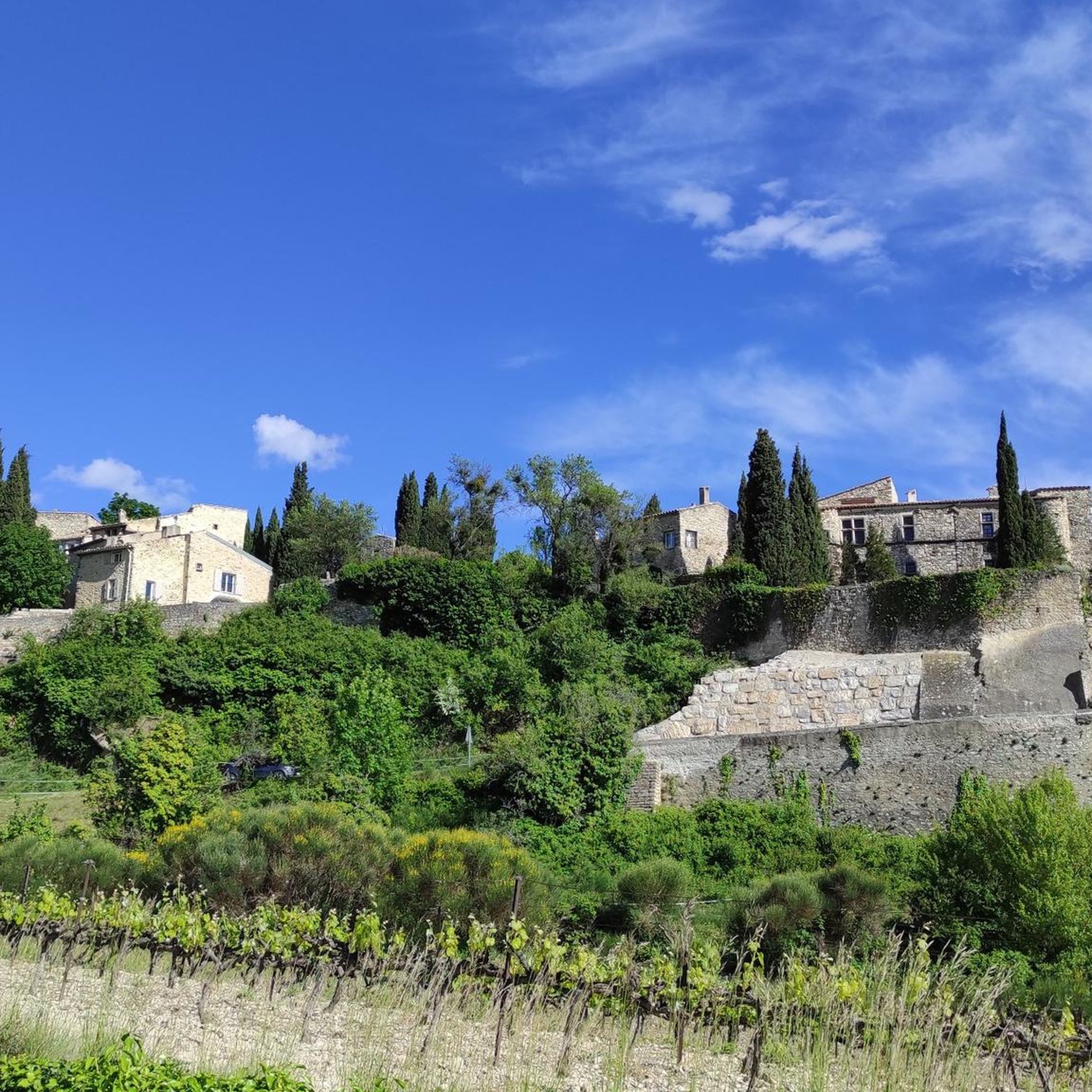
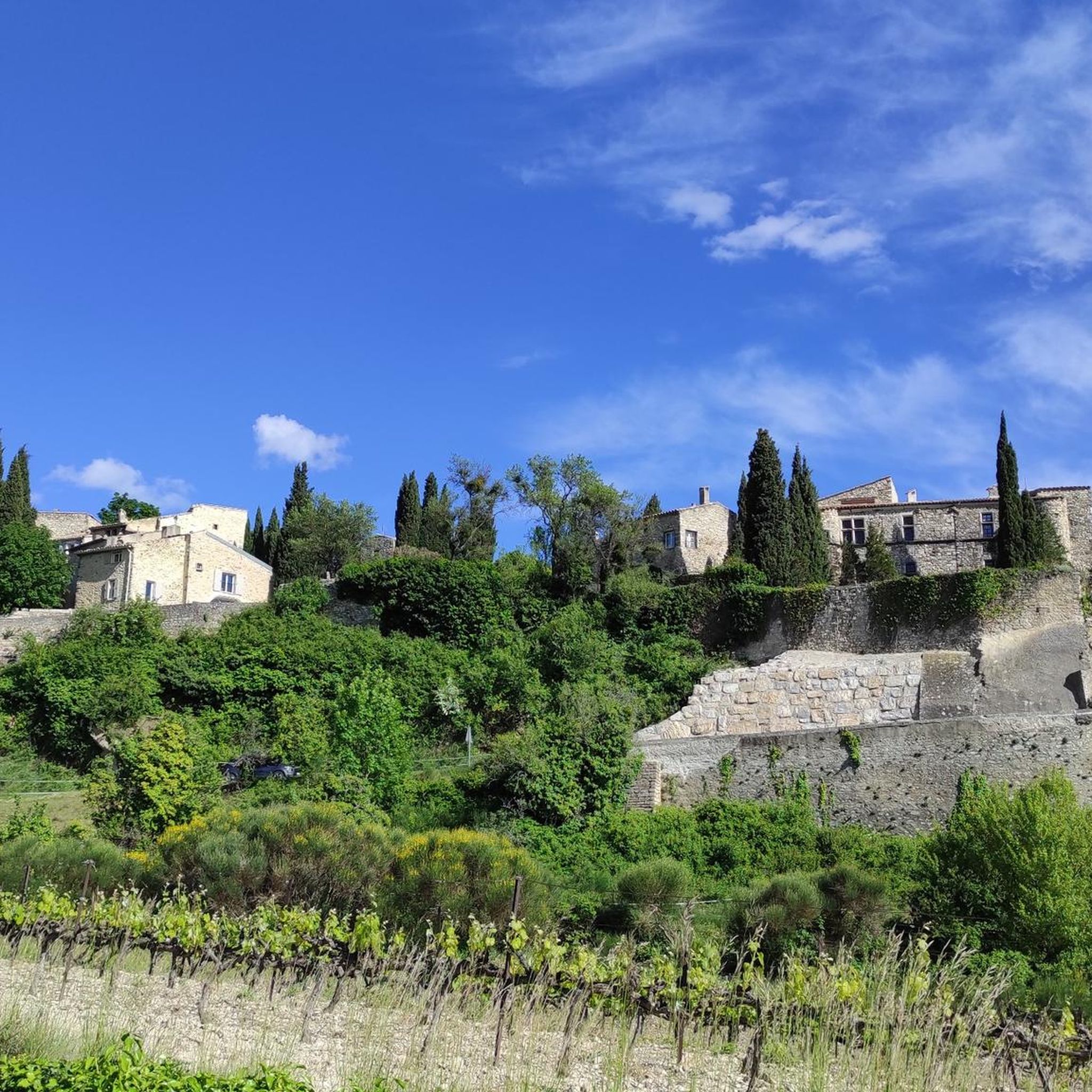
At first glance, an unassuming village. Upon closer inspection, it reveals an old castle on the hill, an interesting church, and a variety of restaurants on the market square.
0
0

The building: Ripert Castle is located on the summit of the ancient Valleriacum, a molasse hill overlooking the basin. On this hill, tiny but very real remains from the prehistoric era, unearthed during excavations in 1995, bear witness to the settlement of humans in Valréas in very ancient times (visit the ASPAER archaeological rooms). Built around the beginning of the 12th century by the co-lords of Valréas, Raymond de Mévouillon, Hugues d'Allan, Ripert de Valréas (who gave his name to the building), Bertrand de Taulignan, Dô de Chamaret, and Pons de Guintrand (charter of 1117), it later belonged to the Montauban family, who settled around Valréas in the 12th century. The castrum subsequently belonged to the Marquisate of Toulouse, then through various successions and purchases, it passed from the Papacy to the Dauphin in 1294. In 1317, Pope John XXII regained possession of Valréas and its territory until 1792. The Keep: The Valréassiens' "Clock Tower" is actually the keep of Ripert Castle. It was listed as a Historic Monument on November 14, 2024. It is a square tower, 17 meters high and approximately 7 meters on each side, offering a 360-degree view. The walls are 2 meters thick. It is built with carefully cut limestone. It has three floors and a terrace on which an aedicule has been erected and houses the clock bell: the "charansole." The first two floors had floors supported by beams whose bolt holes are visible inside the walls. The top floor, however, features a beautiful Romanesque semicircular vault supported by the east and west walls. The various blocked openings are probably access points to staircases embedded in the thickness of the walls. Access to the various floors was via wooden stairs or ladders. Note that the current staircase and access door date from 1679 and were built after the destruction of the exterior staircase, traces of which are visible on the east facade, to facilitate access to the terrace that housed the clock in 1458. A careful study of the architecture has made it possible to precisely date the building: it is in the Romanesque tradition, from the late 12th century, early 13th century. However, there have been several renovations over the centuries, visible from the exterior, and the external facings have been consolidated and restored towards the top. The battlements are more recent. The basement of the tower served as a prison under the Popes, until the Revolution (study of the numerous stone engravings). The Wall – The Ramparts: The polygonal wall constitutes the visible remains of the ramparts of the upper castle (castrum) of Valréas. The access gate (postern) now only contains the western pillar and the base of the arch, which still bears traces of the passage of the portcullis. It has nine sides of unequal lengths, most of which are still in place. The height of the walls varies from 5.50 to 8.50 meters (the original height is unknown). The thickness is 1.50 to 2 meters. Built of finely cut stone, it is reinforced at its base with buttresses visible from the White Penitents' Gardens (archaeological excavations 1995). On the site of the current water tower, a fairly large room once stood, as evidenced by the two very thick wall extensions that are harped perpendicularly on the rampart on the north side. The castle, like all those of the 12th and 13th centuries, must have included wooden rooms attached to the walls and the tower that served as common rooms, weapons rooms, attics, kitchens, etc. On the west side, the arch extensions in the corners were surely the support for upper rooms made of stone or wood. These two arches were harped on the wall of the southwest rampart.
1
0

Impressive restoration of the chateau after it's fairly comprehensive destruction on orders of the Revolution.
1
0

The old center of this medieval town is far too beautiful to ignore and continue the cycle route. Beautiful passages, fortress walls and alleys can be found everywhere here.
1
0

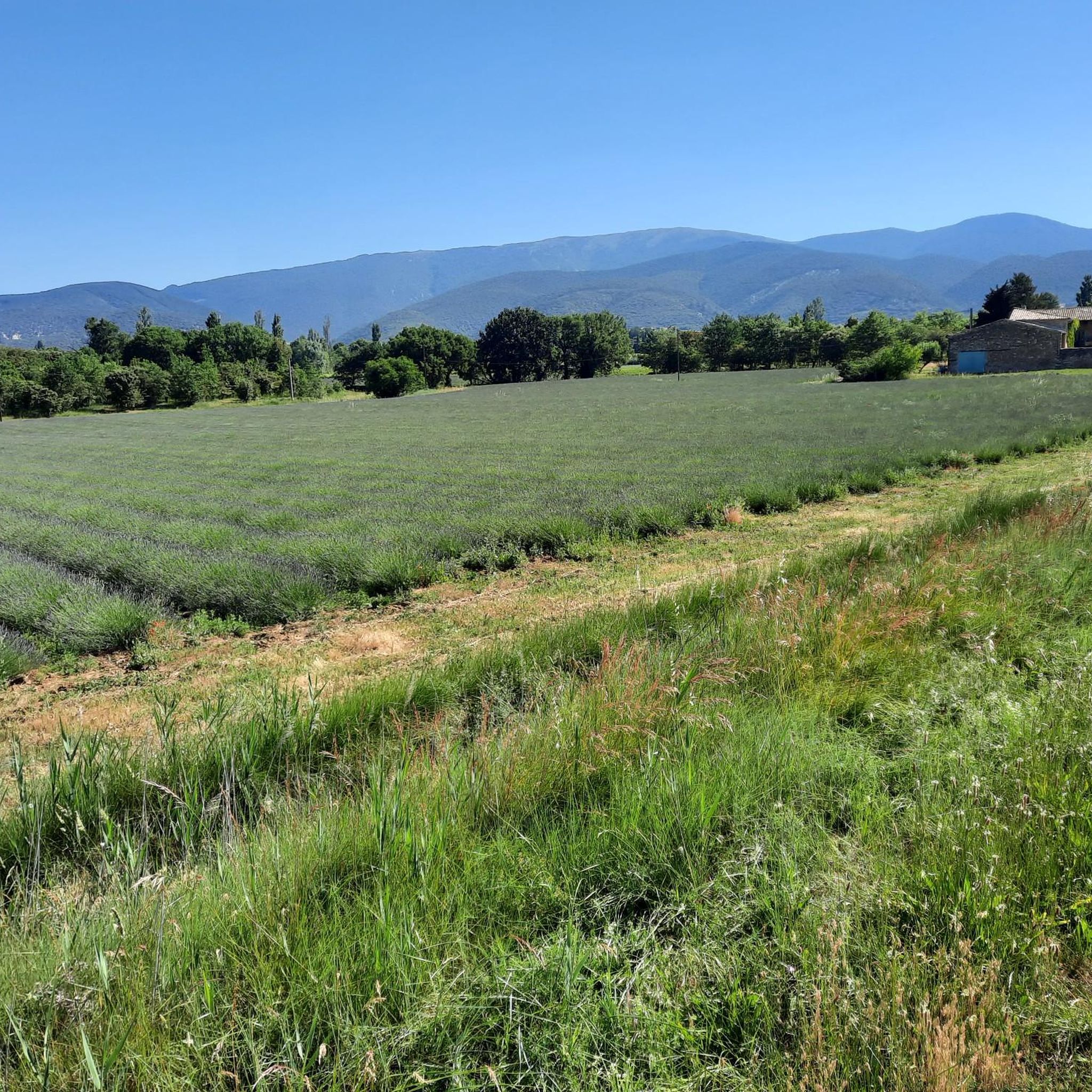
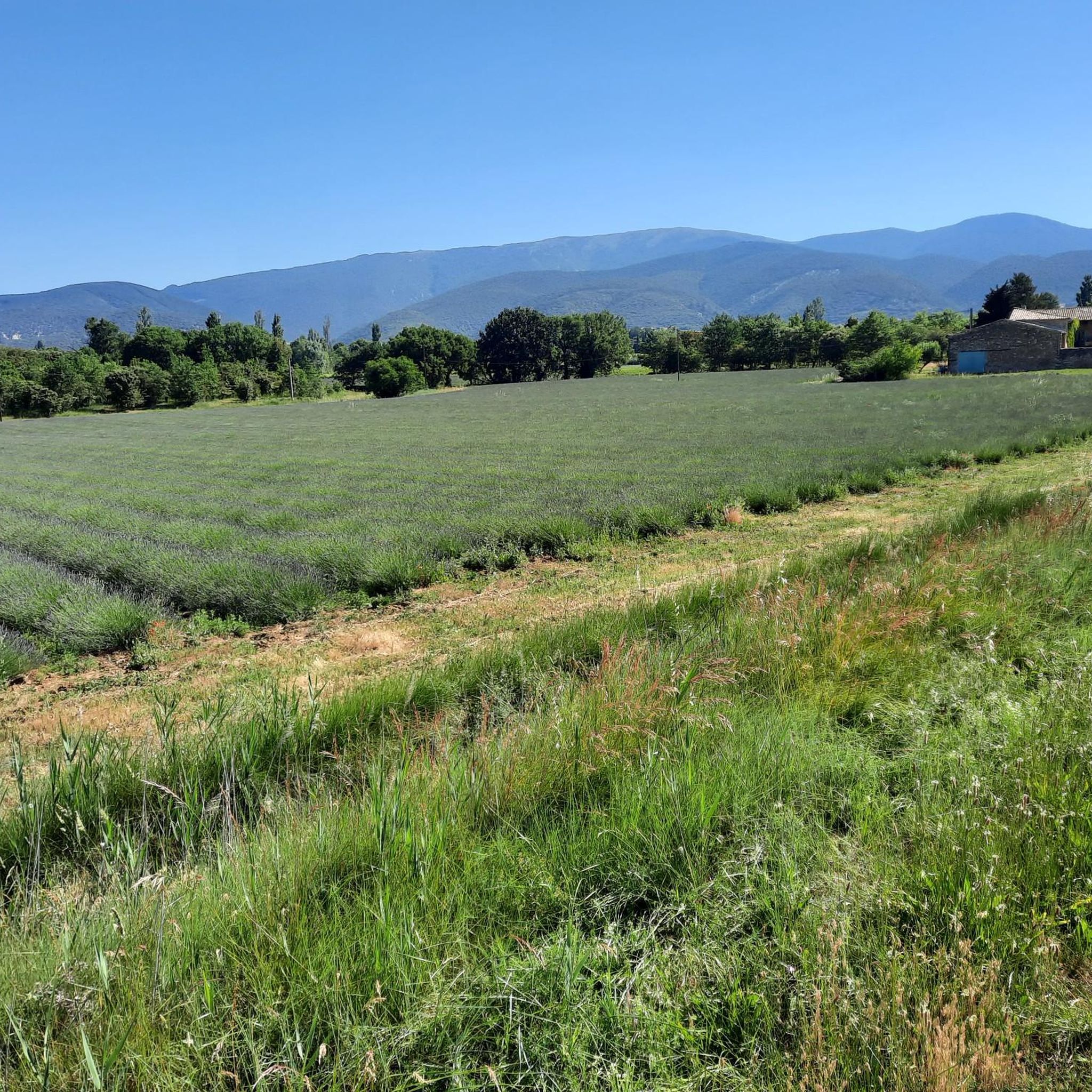
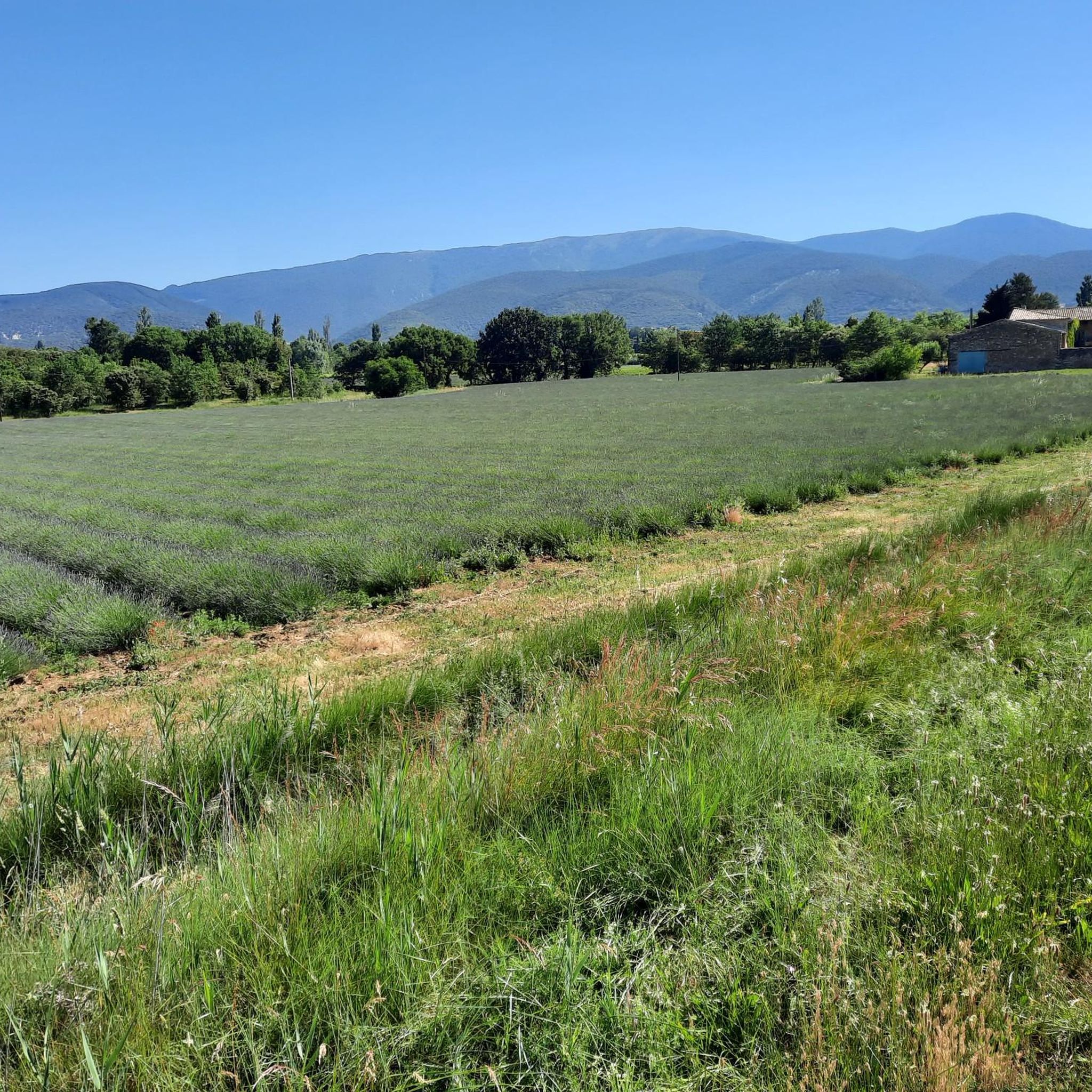
A visit to the château is highly recommended; beautiful castle in a beautiful location with a view of Mont Ventoux.
1
0

The raised castle complex in the middle of the small town can be seen from afar. The once medieval castle was transformed over time into a Renaissance palace.
1
0

The château is also very beautiful when viewed from the east!
2
0

Sightseeing attractions: - The Romanesque church of Notre-Dame-de-Nazareth was built - possibly in place of the old priory church - in the 12th century; However, it underwent several renovations and additions. Strangely, it has both a bell gable (clocher mur) and a bell tower (clocher). The portal, designed like a triumphal arch, is impressive. The church has been recognized as a monument historique since 1862. - The Tour du Tivoli is the last remnant of the otherwise destroyed medieval city fortifications. It has been recognized as a monument historique since 1932. - The Château de Simiane was built between 1639 and 1641. It has served as a town hall since the 19th century. It has been classified as a monument historique since 1913. - The Café de la Paix still has its original interior from 1904/05. It has been recognized as a monument historique since 1986. - The outwardly inconspicuous “Chapel of the White Penitents” (Chapelle des Pénitents blancs) was built in the 16th century. Inside it shows an impressive community hall from the 18th century. - The Protestant Church (Temple Protestant) dates from the early 20th century.
1
0
Frequently Asked Questions
Which castles around Rousset-Les-Vignes offer the best panoramic views?
For breathtaking panoramic views, visit the Ripert Tower (Keep of Ripert Castle). This 17-meter-high square tower provides a full 360-degree vista of the surrounding Drôme Provençale landscape.
Are there family-friendly castles to visit near Rousset-Les-Vignes?
Yes, the region offers historical sites that can be engaging for families. While not all castles are specifically designed for children, places like Château de Grignan, with its transformation from a medieval fortress to a Renaissance castle and notable gargoyles, can spark imagination. Exploring the Valréas Historic Center, including the Tour du Tivoli and Château de Simiane, also provides an educational walk through history.
What is the best time of year to visit the castles in the Drôme Provençale?
The Drôme Provençale is pleasant from spring through autumn. Spring (April-May) offers mild weather and blooming landscapes, while autumn (September-October) provides comfortable temperatures and beautiful fall colors. Summer (June-August) is also popular, but can be hot, so plan visits for mornings or late afternoons.
What outdoor activities can I combine with a castle visit near Rousset-Les-Vignes?
The area around Rousset-Les-Vignes is excellent for outdoor activities. You can find various routes for gravel biking, road cycling, and running. For example, explore the gravel biking routes or enjoy the road cycling routes that often pass through charming villages and scenic landscapes near historical sites. There are also running trails for those who prefer to explore on foot.
Are there less crowded castles or historical sites to visit?
While Château de Grignan is popular, you might find fewer crowds at the Ripert Tower (Keep of Ripert Castle), which offers historical significance and views without the extensive grounds of a larger château. The Valréas Historic Center, with its various monuments, also allows for a more spread-out exploration.
What should I wear when visiting castles in the region?
Comfortable walking shoes are highly recommended, as many castles and historic centers involve walking on uneven surfaces, cobblestones, or stairs. Layered clothing is also advisable, especially during spring and autumn, to adapt to changing temperatures. A hat and sunscreen are useful during warmer months.
Can I find cafes or restaurants near the castles?
Many castles and historical sites in the Drôme Provençale are located within or very close to villages. For instance, the Château de Grignan is situated in the heart of Grignan village, which has several dining options. Similarly, the Valréas Historic Center offers cafes and restaurants, including the historic Café de la Paix.
What historical insights do the castles around Rousset-Les-Vignes offer?
The castles and historical sites in this area provide a rich glimpse into the region's past, from medieval fortifications to Renaissance transformations. Château de Grignan showcases architectural evolution, while the Ripert Tower is a remnant of an ancient castle with a history dating back to the 12th century. The Valréas Historic Center features medieval city fortifications and a 17th-century château, reflecting centuries of local history.
How long does it typically take to tour a castle near Rousset-Les-Vignes?
The duration of a visit varies. A comprehensive tour of a larger site like Château de Grignan, including its interior and grounds, can take 1.5 to 2.5 hours. Smaller sites like the Ripert Tower might be explored in 30-60 minutes. If you're visiting a historic center like Valréas, allow a few hours to wander through the streets and see multiple monuments.
Is public transport available to reach the castles?
While some larger towns with castles might have limited bus services, public transport options directly to all castles in the rural Drôme Provençale are generally infrequent. It is often more convenient to reach these sites by car, especially for exploring multiple locations in a day. Check local transport schedules for specific routes if you plan to rely on public transport.
Are there any dog-friendly castle trails or areas?
While specific castle interiors may have restrictions, many outdoor areas and trails around historical sites in the Drôme Provençale are dog-friendly, provided dogs are kept on a leash. For example, exploring the exterior grounds of castles or walking through historic villages like the Historic centre of Grillon can be enjoyed with your dog. Always check specific site regulations before your visit.
What do visitors appreciate most about the castles in this region?
Visitors often highlight the blend of history and natural beauty. The transformation of structures like Château de Grignan from medieval fortresses to Renaissance castles is a key draw. The stunning 360-degree views from the Ripert Tower are also highly praised. The charming villages and the opportunity to explore ancient fortifications and alleys, such as those in the Historic centre of Grillon, add to the overall appeal.
Most popular routes around Rousset-Les-Vignes
Most popular attractions around Rousset-Les-Vignes

Get inspired with the komoot mobile app


Explore more
Looking for the best castles somewhere else? Discover other guides around Rousset-Les-Vignes:
