Top 9 Caves around Pompignan
Caves around Pompignan are a notable feature of the natural landscape in the Gard department of France, offering a range of subterranean geological formations. The region is characterized by its rich karst topography, which has led to the formation of numerous caves and sinkholes. These natural features provide opportunities for exploration and observation of unique underground environments. The area's geology supports a variety of cave types, from accessible rock shelters to more complex systems.
Best caves around Pompignan
- The most…
Last updated: May 9, 2026
grotte-abri du Lamalou n°2
Highlight • Cave
Be careful, I strongly advise people who are sensitive to vertigo, have difficulty moving, or have …
Translated by Google •
Tip by

Aven of Sauve
Highlight • Cave
I was able to go down there several times.
Be …
Translated by Google •
Tip by

Sign up now to discover places like this
Get recommendations on the best single tracks, peaks, & plenty of other exciting outdoor places.
Sign up for free
Baume de Rédier
Highlight • Cave
A small access allows one to progress a little more than a few meters only.
Translated by Google •
Tip by
Espit Cave (Walled Entrance)
Highlight • Cave
The Cave of the Spirit does indeed exist; I was able to find it relatively easily. It's located just uphill.
Two entrances. One small, almost impenetrable, and another much larger.
One chamber, with no concretions, or very few.
Translated by Google •
Tip by
Grotte Louis Martin
Highlight • Cave
Then a drop of about 3 meters is visible, followed by a shaft of about 20 meters!
For cavers only!
Translated by Google •
Tip by
Sign up for free to discover even more caves around Pompignan.
Sign up for free
Already have an account?
Start today with a free account
Your next adventure awaits.
Login or Signup

Tips from the Community

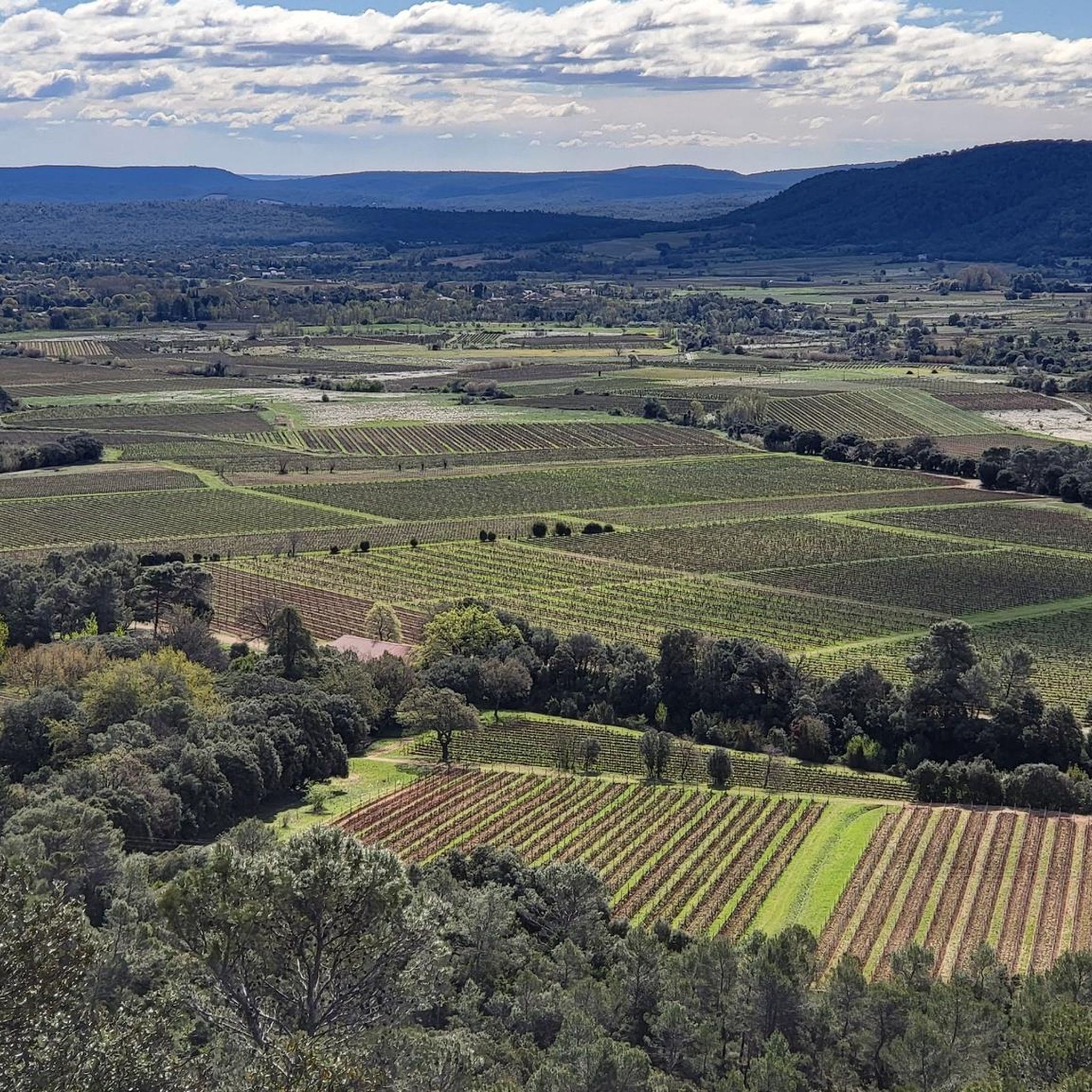
WARNING: This is not the Grotte des Demoiselles (Cave of the Maidens)! I requested that its REAL name be changed to "Grotte - Abri de Lamalou 2" (Lamalou Cave - Shelter 2). Some nice points of interest along the way! The path is sometimes challenging, so caution is advised. I also encountered a few people rock climbing. The ladder in the old "Hermite" cave is stable, but be careful nonetheless. Once at the top, it's easy to slip (it's on a slope). The visit is short, but there are a few tricky sections to explore a little further. Naturally, this makes it all the more dangerous! Not recommended for people with vertigo or who are not comfortable with heights.
0
0
Hello. The Cave of the Spirit does indeed exist; I was able to find it relatively easily. It's located just uphill. Two entrances. One small, almost impenetrable, and another much larger. One chamber, with no concretions, or very few.
1
0

We didn't find the grotto. It's possible that the entrances to the grotto were blocked with rubble.
0
0
Easy access for a maximum of 10-15 meters! Then a drop of about 3 meters is visible, followed by a shaft of about 20 meters! For cavers only! For the curious, there's a climb, followed by an awkward 30-meter ledge to bypass a lake, followed by a slide of about ten meters. At the bottom, this is practically the end of the tunnel. Some have dug a little, but nothing has yet been found.
0
0

Be careful of particularly slippery surroundings on rainy days or after rain.
1
0
A 40m deep and 90m circumference sinkhole is an attraction in the Sauve area, for tourists and also for potholers. I was able to go down there several times. Be careful, there is no barrier! Watch where you put your feet, children and animals! At the bottom is a cave that is not very big, with two parts. First lower part, which overlooks a well, then where you have to crawl quite a bit to end up on "nothing". On the other side, you fall quite quickly above a LAKE, with a height of about 15m. The water from this LAKE flows into the Sauve resurgence, located at the bottom of the village, after the stone bridge, towards the children's park. This one spits with all its power during the rains.
3
0

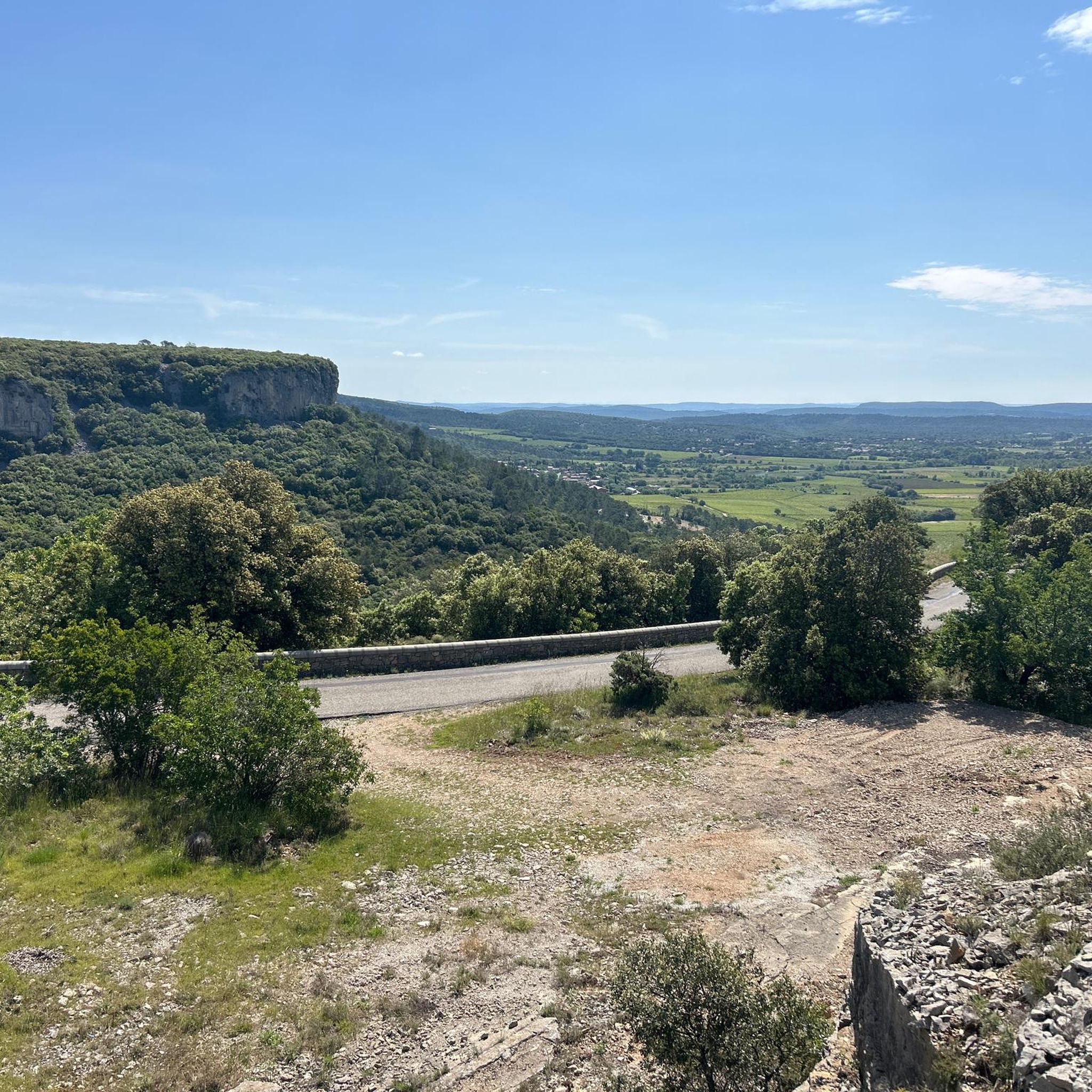
It is especially the path that leads to this place that will amaze you! Be careful, I strongly advise people who are sensitive to vertigo, have difficulty moving, or have young children not to take the path that leads to this place (in either direction).
0
0
A rock shelter of a few meters, where one can easily stand up. A small access allows one to progress a little more than a few meters only.
1
0
Frequently Asked Questions
What types of caves can I explore around Pompignan?
The Pompignan area, located in the Gard department, features a diverse range of subterranean formations due to its rich karst topography. You can find accessible rock shelters, challenging cave systems, sinkholes, and even caves with underground lakes. Notable examples include the deep Aven of Sauve and the rock shelter Baume de Rédier.
Are there any challenging caves for experienced explorers near Pompignan?
Yes, several challenging options exist. The grotte-abri du Lamalou n°2 is known for its challenging approach path, and the site itself offers tricky sections for further exploration. For experienced cavers, Grotte Louis Martin features a 3-meter drop and a 20-meter shaft, making it suitable only for those with proper equipment and expertise.
What natural features are prominent in the caves around Pompignan?
The region's caves showcase various natural features. The Aven of Sauve is a significant sinkhole, approximately 40 meters deep, with a cave at its base that contains an underground lake. Other caves in the area, such as the Pompignan (Foux de) system, are known for technical features like siphons, appealing to speleological divers.
Are there any family-friendly caves or shelters that are easy to access?
While many caves in the area require caution, the Baume de Rédier is a rock shelter that allows for easy standing and offers a small access point for progression, making it a more approachable option for families or those seeking a less strenuous experience. Always check specific access requirements and safety warnings before visiting.
What is the best time of year to visit the caves around Pompignan?
The best time to visit caves generally depends on the specific cave and your activity. For surface exploration or approaches to caves, spring and autumn offer pleasant temperatures for hiking. During rainy periods, some cave entrances or paths can become slippery or impassable, as noted for the Aven of Sauve. Always check local conditions before your visit.
What outdoor activities can I combine with a visit to the caves?
The area around Pompignan offers various outdoor activities. You can explore numerous hiking trails, such as those found in the Hiking around Pompignan guide, which includes routes like the 'Source de Gorniès – loop from Mas de Baumes'. Mountain biking and road cycling are also popular, with dedicated routes available in the MTB Trails around Pompignan and Road Cycling Routes around Pompignan guides.
Are there any caves suitable for speleological diving in the region?
Yes, the Pompignan (Foux de) cave system is particularly noted for its 'siphon d'initiation,' indicating it is a site of interest for speleological diving. This suggests the presence of underwater sections requiring specialized diving equipment and expertise.
What should I wear or bring when exploring caves in Pompignan?
When exploring caves, especially challenging ones, it's crucial to wear appropriate gear. This typically includes sturdy footwear with good grip, a helmet with a headlamp, and clothing that can get dirty and offers protection from cool, damp conditions. For more technical caves like Grotte Louis Martin, specialized caving equipment is essential.
Are permits required for caving in the Pompignan Gard area?
Access to certain caves, especially more technical or protected ones, may require permits or be restricted to organized groups. For instance, the Grotte Louis Martin is explicitly stated to be 'for cavers only' beyond the initial easy access. It is advisable to check with local speleology clubs or tourism offices for specific regulations regarding permits and access to particular cave systems.
What do visitors say about the caves around Pompignan?
Visitors appreciate the diverse range of subterranean features. The Aven of Sauve is a popular attraction for both tourists and potholers, though caution is advised due to its depth. The path to grotte-abri du Lamalou n°2 is often highlighted for its challenging and scenic nature, offering rewarding views.
Are there any hidden or less-known caves worth exploring?
Beyond the more prominent sites, the region is rich with numerous subterranean features. The Espit Cave (Walled Entrance), for example, has two entrances, one of which is almost impenetrable, suggesting a more secluded experience. The broader area includes caves like Grotte des Lauzières, Grotte du Grand Pech, and Aven Morgane, which might offer more off-the-beaten-path exploration for those with appropriate skills and knowledge.
Most popular routes around Pompignan
Most popular attractions around Pompignan

Get inspired with the komoot mobile app


Explore more
Extend your search for the best caves by checking out these guides of the top ones around Pompignan:
