The best gravel rides in Puerto Rico
5.0
(1)
40
riders
7
rides
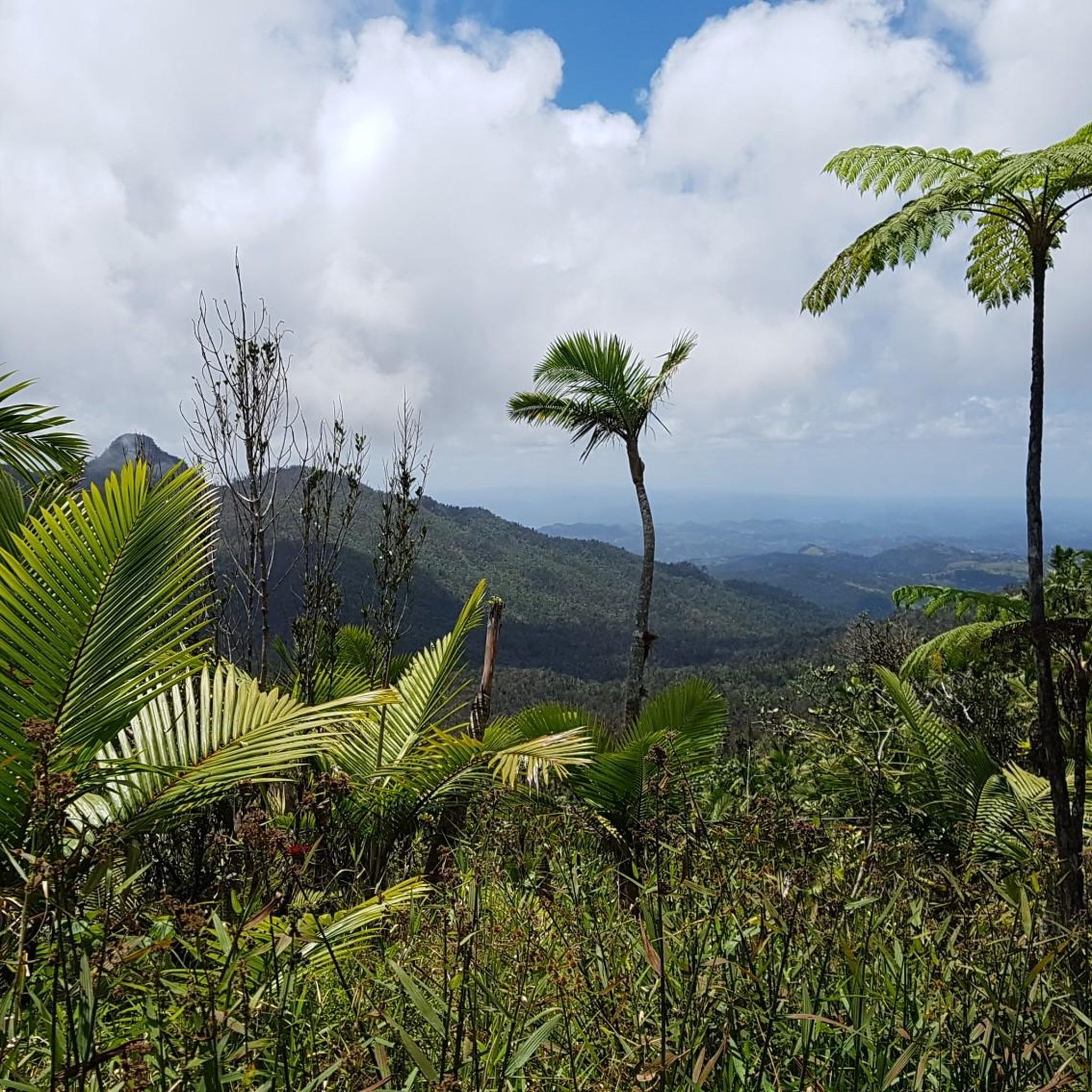
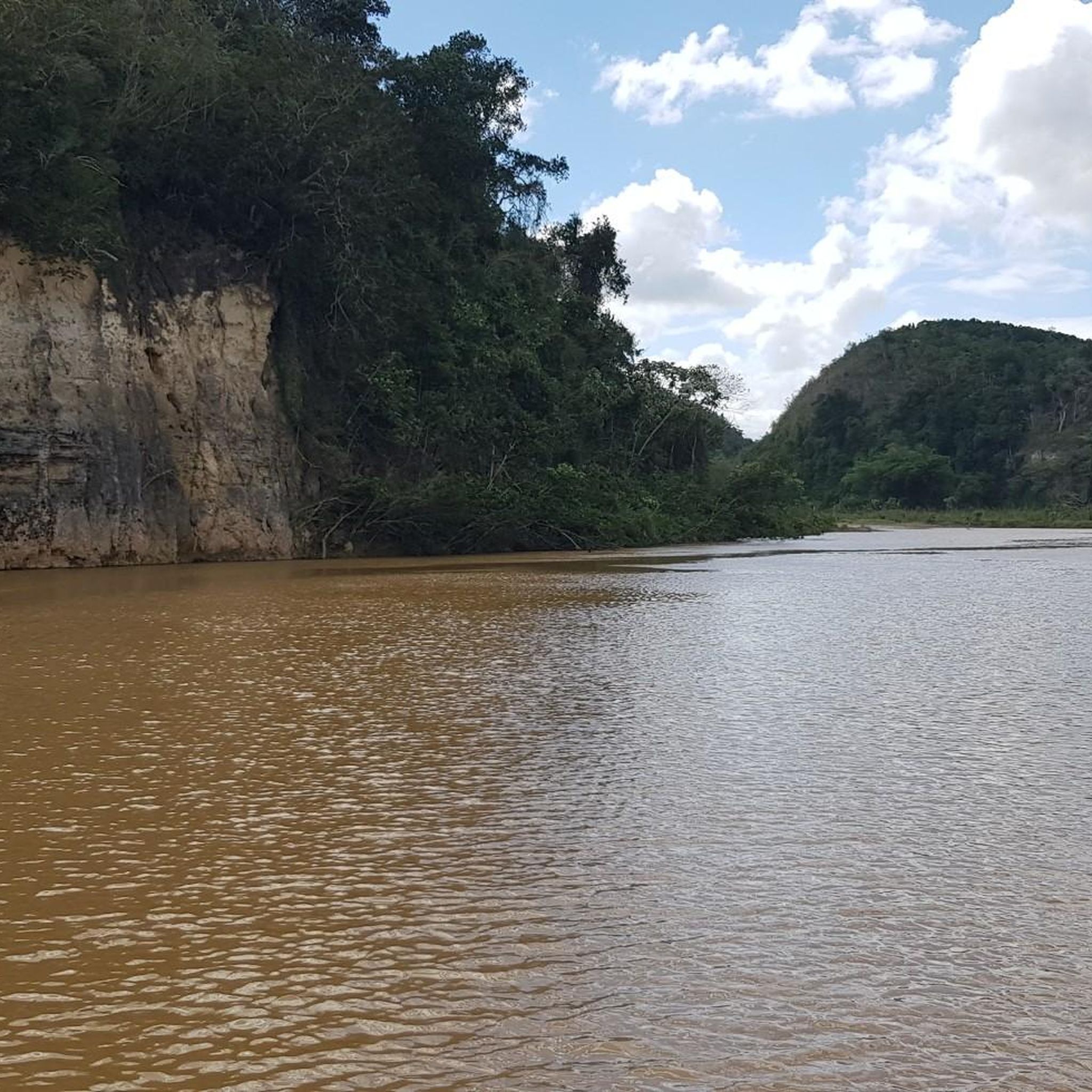
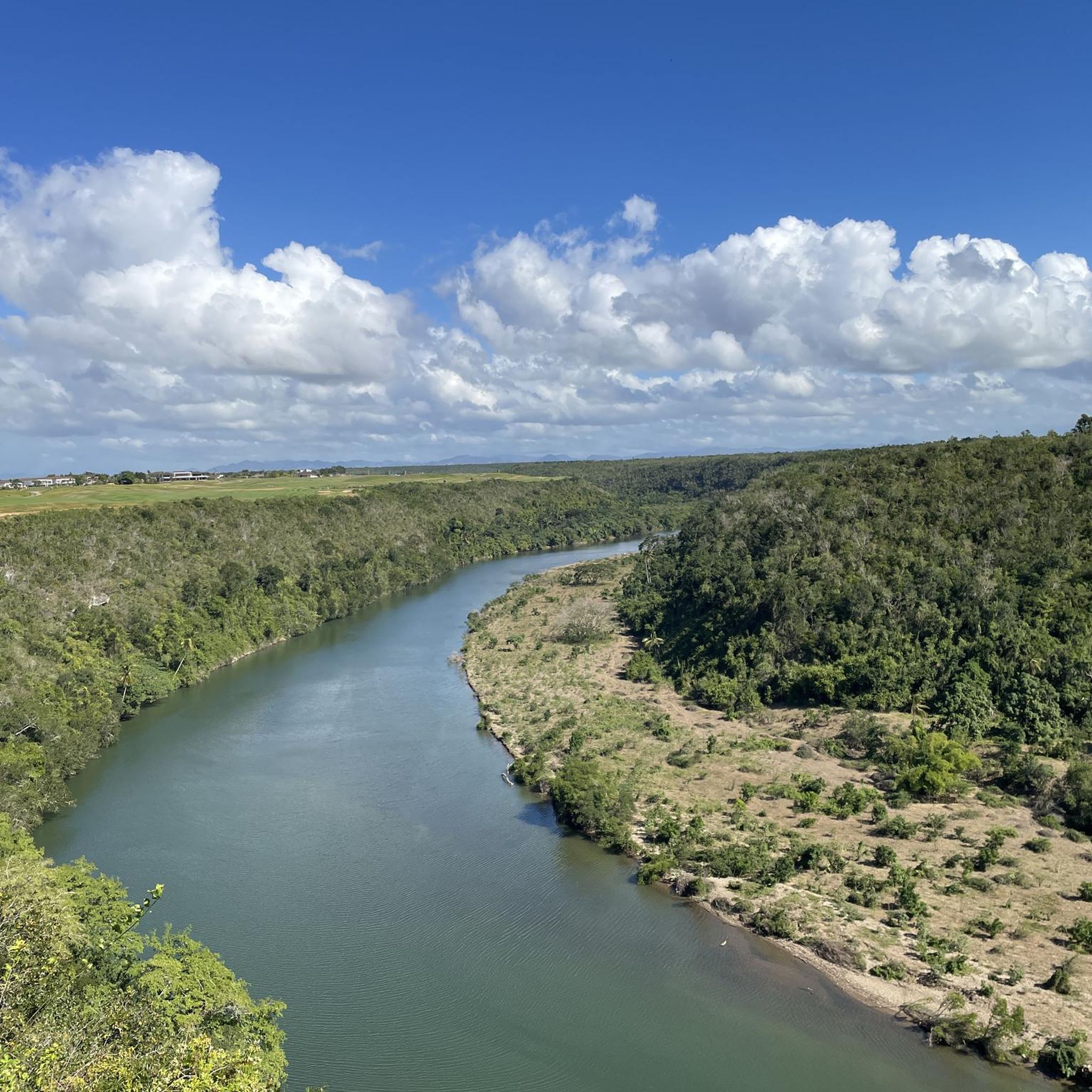
Gravel biking in Puerto Rico offers a diverse landscape, ranging from lush tropical rainforests to arid dry forests and extensive coastlines. The island's terrain includes challenging mountainous regions, winding roads through canyons, and varied coastal paths. This provides a rich backdrop for gravel biking, with routes traversing different ecosystems.
Best gravel bike trails in Puerto Rico
- The most popular gravel bike trail is Peñones de Melones loop from Refugio de Vida Silvestre de Boquerón, a 15.9 miles (25.7 km)…
Last updated: November 12, 2026
11
riders
Moderate gravel ride. Good fitness required. Mostly paved surfaces.
5.0
(1)
7
riders
Moderate gravel ride. Good fitness required. Mostly paved surfaces.

8
riders
92.5km
05:50
650m
650m
Hard gravel ride. Very good fitness required. Mostly paved surfaces.
5
riders
58.5km
04:04
400m
400m
Moderate gravel ride. Good fitness required. Mostly paved surfaces.
6
riders
54.6km
03:25
270m
270m
Moderate gravel ride. Good fitness required. Mostly paved surfaces.
Get access to more routes and recommendations from other explorers.
Already have an account?
Our route recommendations are based on thousands of hikes, rides, and runs completed by other people on komoot.
Start today with a free account
Your next adventure awaits.
Tips from the Community

enjoy it
0
0

There are miles of scenic bike trails in the reserve, many of which are grassy doubletrack. The hacienda is also an important historic site with an old sugar mill, steam engine, and tours. You can explore some of the ruins and old plantation lands on your own terms via bike.
0
0

The last route to get to the lighthouse is for minimal gravel cycling, but today, when it was sunny and the ground was dry, you can reach the top in a controlled way.
0
0

Perfect to start practicing the sport of MTB
0
0

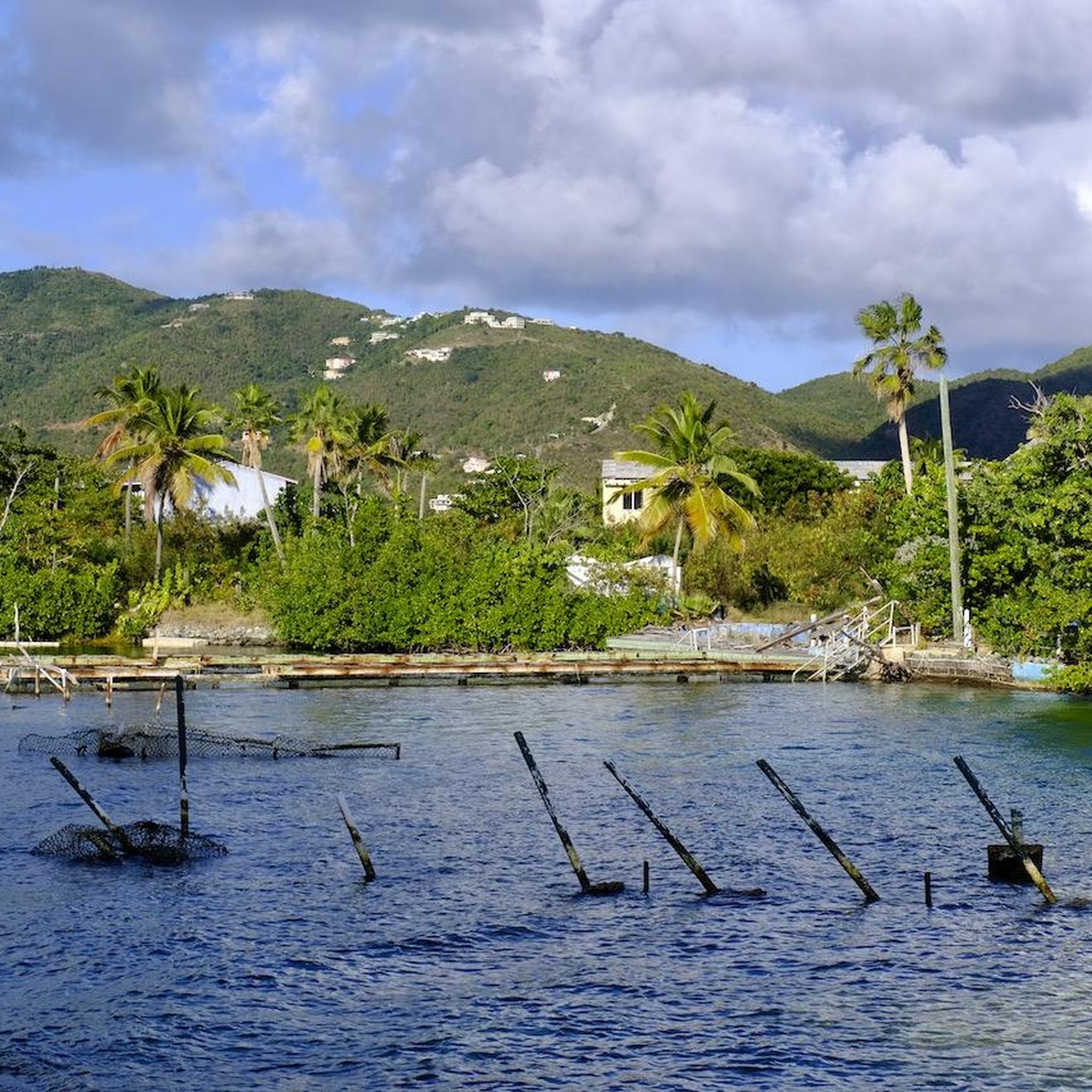
Great hideaway - mangroves with lots of small crabs
0
0
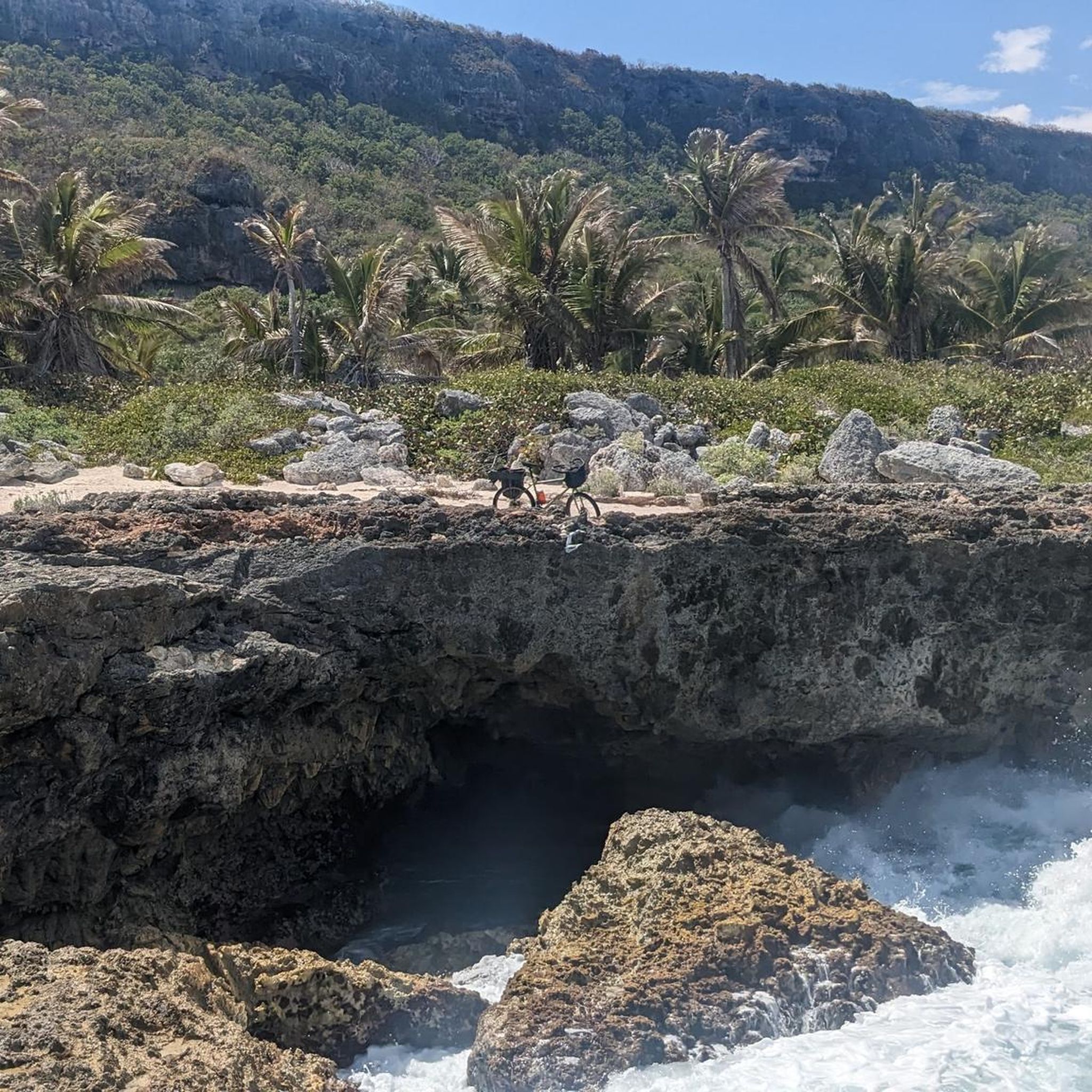
Pictures Stonecliff in the blue ocean
0
0

Area to practice recreational fishing, kayaking or MTB. It has gazebos for lunch, but they are pretty unworthy so use them at your own risk.
0
0

The Iris L. Alameda Martínez Wildlife Refuge (RVS Boquerón) is located about 96 km southwest of San Juan, approximately 8 km from the town of Cabo Rojo, between a mangrove forest and a salt meadow. In 1964, the Department of Agriculture of the United States together with that of Puerto Rico, designated 182 hectares as a protected area. Its purpose? The conservation of coastal and marine resources and a recreational space that includes hunting waterfowl, cycling, hiking, among other uses The Refuge has an impressive biodiversity; First, it was made up of a mangrove forest, with an extension of approximately 1.7 km. In it there are two types of wetlands mainly: The Estuary, affected by waves of low intensity and changes in the tides; and the Palustrino, which is mostly freshwater and depends on the ebb and flow of the tides. 50% of the Refuge is made up of three types of mangroves (red mangrove, white mangrove, and black mangrove) that grow within, between, and on the edge of three dikes (West Dike, North Dike, and East Dike) totaling 4km in length. . These support a reservoir that receives water from five sources: three main ones: Valle de Lajas, Laguna de Rincón and runoff from the southern section of the Refuge, and two secondary ones: runoff from the Valle de Lajas irrigation canals and the Boqueron creek.
0
0
Frequently Asked Questions
What kind of terrain can I expect on gravel bike trails in Puerto Rico?
Puerto Rico offers a highly diverse landscape for gravel biking. You'll find everything from lush tropical rainforests, like those surrounding El Yunque, to arid dry forests such as the Guánica Dry Forest. The island also features extensive coastlines with routes combining white sand stretches and natural springs, as well as challenging mountainous regions in the Central Mountains with winding roads and significant climbs.
Are there any easy gravel bike routes suitable for beginners in Puerto Rico?
Yes, there are routes suitable for beginners. For example, the Gravel loop from Algarrobo is an easy 11.8 km path with minimal elevation gain, perfect for a relaxed ride through local landscapes.
Where can I find challenging gravel bike routes in Puerto Rico?
For a more challenging experience, consider routes that venture into the central mountains or offer significant elevation changes. The Palmas del Mar loop from Buena Vista is rated as difficult, covering 37.2 km with substantial elevation gain. The Central Mountains, with their 'endless winding roads,' are known for offering demanding rides.
Are there any gravel bike trails that offer scenic views or pass by natural attractions?
Absolutely. Many routes in Puerto Rico offer stunning scenery. For instance, the Central Mountains provide breathtaking views of canyons, rivers, and dense greenery. You can also find routes that lead to natural attractions like Juan Diego Creek or Gozalandia Waterfalls. Coastal routes, such as those near Tortuguero National Reserve, often provide access to secret beaches and natural springs.
What is the best time of year for gravel biking in Puerto Rico?
Puerto Rico generally has a warm, tropical climate year-round. The dry season, typically from December to May, offers more predictable weather with less rain and slightly cooler temperatures, making it ideal for gravel biking. The wet season, from June to November, can bring more humidity and occasional heavy showers, but rides are still possible.
Are there any circular gravel bike routes available?
Yes, several routes are designed as loops, allowing you to start and end in the same location. Examples include the Peñones de Melones loop from Refugio de Vida Silvestre de Boquerón, the Gravel loop from Algarrobo, and the Monte Brujo loop from Servidumbre Escénica Montes Oscuros.
Can I find gravel routes near coastal areas or beaches?
Yes, Puerto Rico's coastline offers varied terrains suitable for gravel biking. Areas like Tortuguero National Reserve and Hacienda La Esperanza feature routes that combine white sand stretches and access to beaches. The Piñones State Forest also has the Paseo Tablado de Piñones, a mostly flat trail winding from ocean views through mangrove forests, suitable for non-motorized vehicles.
What are some notable landmarks or natural monuments I might encounter on gravel rides?
Beyond the stunning landscapes, you might encounter significant natural features. The nearby attractions include natural monuments like El Toro Summit and El Yunque Peak Tower. You could also find yourself near unique geological formations such as La Zanja.
Are there any gravel routes that pass through towns or offer amenities like cafes?
While specific cafe locations aren't detailed for every route, many mountain routes traverse picturesque towns like Ciales and Jayuya in the Central Mountains, or Utuado, where you can typically find local amenities. Coastal towns near routes like the Machuca Beach – La Esperanza loop from Vega Baja would also offer places to refuel.
How many gravel bike trails are available in Puerto Rico on komoot?
There are several gravel bike trails documented on komoot for Puerto Rico, offering a range of experiences from easy coastal rides to challenging mountain ascents. Currently, you can explore 5 distinct routes, with more being added as the gravel biking community grows on the island.
What is the general difficulty level of gravel biking in Puerto Rico?
Gravel biking in Puerto Rico caters to various skill levels. You can find easy routes with minimal elevation, moderate trails that offer a good challenge through varied terrain, and difficult routes with significant climbs, particularly in the central mountain ranges. The island's diverse topography ensures options for everyone.
Is it possible to find routes that combine different types of scenery, like mountains and coast?
Yes, Puerto Rico's compact size and varied geography make it possible to experience multiple landscapes on or near your rides. Some routes might start near the coast and venture inland towards foothills, or you can plan multi-day trips to explore distinct regions like the Central Mountains and then transition to coastal areas such as Hacienda La Esperanza, which features grass trails around wetlands and gravel paths leading to beaches.
Most popular routes in Puerto Rico
Most popular attractions in Puerto Rico

Get inspired with the komoot mobile app


Explore more
Browse the best Gravel rides in other regions.
