Top 5 Castles around La Serre
Best castles around La Serre offer historical sites situated in a region characterized by the confluence of the Tarn and Alrance rivers. The area features fortified villages and structures built from local materials, including red sandstone. These sites provide insights into the region's past, with some castles dating back to the 9th century. The landscape around La Serre includes valleys and natural geological formations.
Best castles around La Serre
- The most popular castles is Brousse-le-Château, a viewpoint and historical…
Last updated: July 9, 2026
Brousse-le-Château
Highlight • Viewpoint
Translated by Google •
Tip by

Coupiac
Highlight • Castle
Translated by Google •
Tip by

Sign up now to discover places like this
Get recommendations on the best single tracks, peaks, & plenty of other exciting outdoor places.
Sign up for free
Château de Saint-Izaire
Highlight • Castle
Translated by Google •
Tip by
Start today with a free account
Your next adventure awaits.
Login or Signup


Tips from the Community

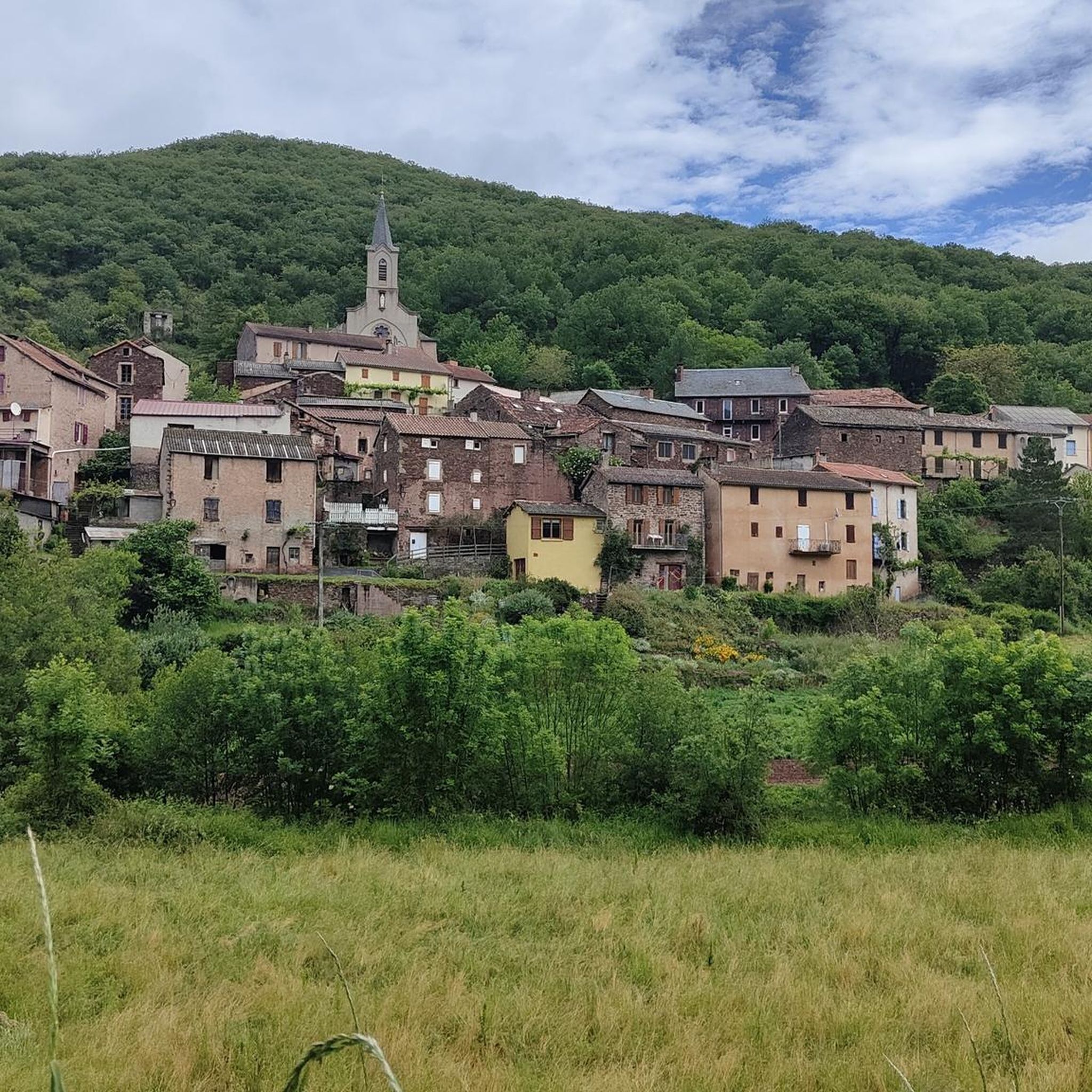
Former fortified residence of the bishops of Vabres, the castle of Saint-Izaire bears witness to the religious and political role that the village played for several centuries. Its towers and ramparts tell of a time when bishops were also lords capable of defending their lands.
0
0
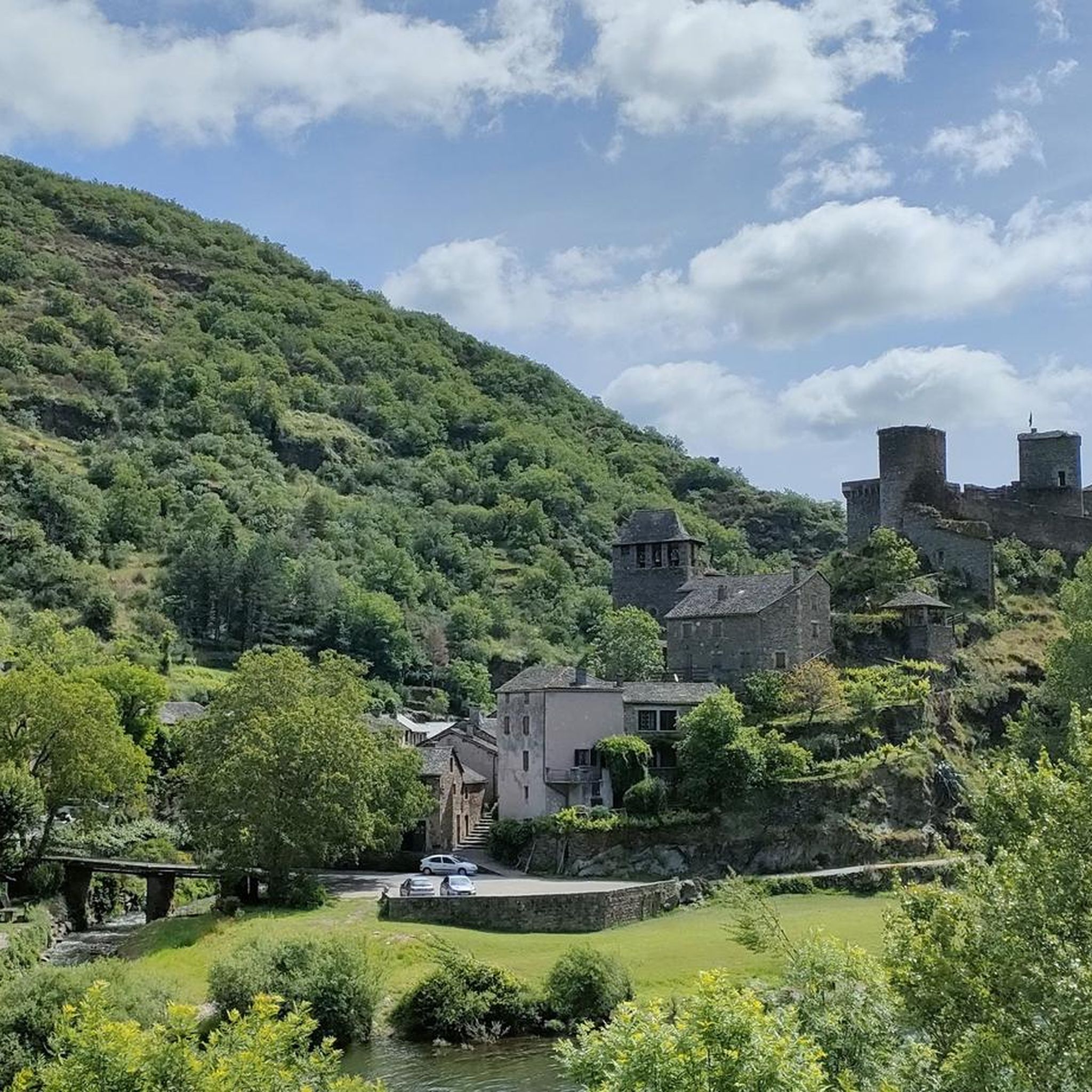
A favorite from this bike ride: Brousse-le-Château. A perfectly preserved medieval village, nestled on the banks of the Tarn. Between heritage, tranquility, and beautiful panoramas, it's the kind of place that reminds us why we love to travel by bike.
0
0

A magnificent village, medieval style, it's definitely worth the detour, a very nice discovery, I'll go back!
0
0

Pretty little perched village which is part of the association Les Plus Beaux Villages de France. Since 1960 the castle and the houses of the village have been restored.
0
0

Magnificent village classified among "The Most Beautiful Villages of France". The site, at the confluence of the Tarn and the Alrance, has been occupied since the Neolithic (presence of a statue-menhir) and the geology of the place has often led to the creation of a fortified village with a castle dating from the IXth century.
0
0

Imposing mass of red sandstone which reminds us of the proximity of the Rougiers de Camarès. It can be visited and is classified as a Historic Monument. A small path, just behind the castle, leads to the valley between the Gos and the Dourdou, with its many red earth paths.
1
0
Small village in Aveyron overlooked by an imposing 15th century castle. it is open to visitors between Easter and All Saints: http://chateaudecoupiac.com/
1
0

Frequently Asked Questions
Which castles around La Serre offer significant historical insights?
The region is rich in history. Brousse-le-Château, for instance, features a castle dating from the 9th century and is situated in a site occupied since the Neolithic period. Château de Saint-Izaire is classified as a Historic Monument, showcasing an imposing mass of red sandstone and offering a glimpse into the region's past.
Are there any lesser-known castles worth visiting near La Serre?
While the guide highlights popular choices, the region is dotted with many historical sites and fortified villages. Exploring the smaller villages around the Tarn and Alrance rivers can reveal less frequented but equally charming medieval structures and ruins, often built from local red sandstone.
What kind of architectural styles can I expect to see in the castles around La Serre?
The castles around La Serre showcase a variety of architectural styles, primarily medieval. You'll find fortified structures like the 9th-century castle at Brousse-le-Château and the 15th-century castle at Coupiac. Many are built with local materials, including distinctive red sandstone, reflecting the regional geology.
Are there guided tours available for the castles near La Serre?
Yes, some castles, like Coupiac, are open to visitors and often offer guided tours during their operating seasons. It's advisable to check the specific castle's website or contact them directly for current tour availability and schedules.
What are the typical opening seasons for castles in the La Serre region?
Many castles in the region, such as Coupiac, are typically open to visitors between Easter and All Saints' Day (early November). Opening hours and seasons can vary, so it's best to confirm with each specific castle before planning your visit, especially if visiting in winter.
Are there parking facilities available at the castles around La Serre?
Most castles and fortified villages in the region, especially those popular with visitors, provide designated parking areas nearby. Due to the medieval nature of some sites, parking might be a short walk from the main entrance. Always look for signs or check local information upon arrival.
Can I find cafes or restaurants near the castles in La Serre?
Yes, many of the fortified villages where castles are located, such as Brousse-le-Château, have small cafes, restaurants, or local shops where you can find refreshments and meals. Larger towns in the vicinity will offer more dining options.
Which castles around La Serre are family-friendly?
Brousse-le-Château is classified as family-friendly, offering an engaging historical experience within a picturesque village setting. Exploring the grounds and imagining medieval life can be a fun activity for children. Many castles also host events or exhibitions suitable for families during peak season.
Are there dog-friendly options for visiting castles or their grounds near La Serre?
While access to the interior of some castles might be restricted for dogs, many castle grounds and the surrounding fortified villages are generally dog-friendly, especially if your dog is on a leash. Always check specific site regulations beforehand. The natural areas and trails around the castles are excellent for walks with your dog.
Are any castles around La Serre wheelchair accessible?
Due to their historical nature and often rugged terrain, full wheelchair accessibility can be challenging for some castles. However, some sites may offer partial accessibility to grounds or specific areas. It's recommended to contact individual castles directly to inquire about their specific accessibility features.
Do any castles near La Serre feature notable gardens?
While the primary focus of the castles in this region is often their fortifications and historical architecture, some may feature smaller, historically-inspired gardens or courtyards. For extensive formal gardens, you might need to research specific sites or nearby châteaux that are known for their landscaping.
What outdoor activities can I do near the castles around La Serre?
The region around La Serre offers excellent opportunities for outdoor activities. You can find numerous hiking trails, including routes like the 'Combret Medieval Village loop'. There are also running trails and cycling routes that pass by or connect these historical sites, allowing you to combine history with nature.
Are there good viewpoints near the castles in La Serre?
Yes, many castles in the region are strategically located on hills or at river confluences, offering spectacular views. Brousse-le-Château is itself a classified viewpoint, providing magnificent vistas over the Tarn and Alrance rivers. The path behind Château de Saint-Izaire also leads to a valley with scenic views.
What do visitors particularly enjoy about the castles around La Serre?
Visitors frequently praise the picturesque settings of the castles, often nestled in 'The Most Beautiful Villages of France' like Brousse-le-Château. The historical significance, the well-preserved medieval architecture, and the opportunity to explore fortified villages built from distinctive red sandstone are also highly appreciated. The confluence of rivers and natural geological formations add to the charm.
Most popular attractions around La Serre

Get inspired with the komoot mobile app


Explore more
Looking for the best castles somewhere else? Discover other guides around La Serre:
