The best gravel rides around El Coronil
4.8
(4)
30
riders
5
rides
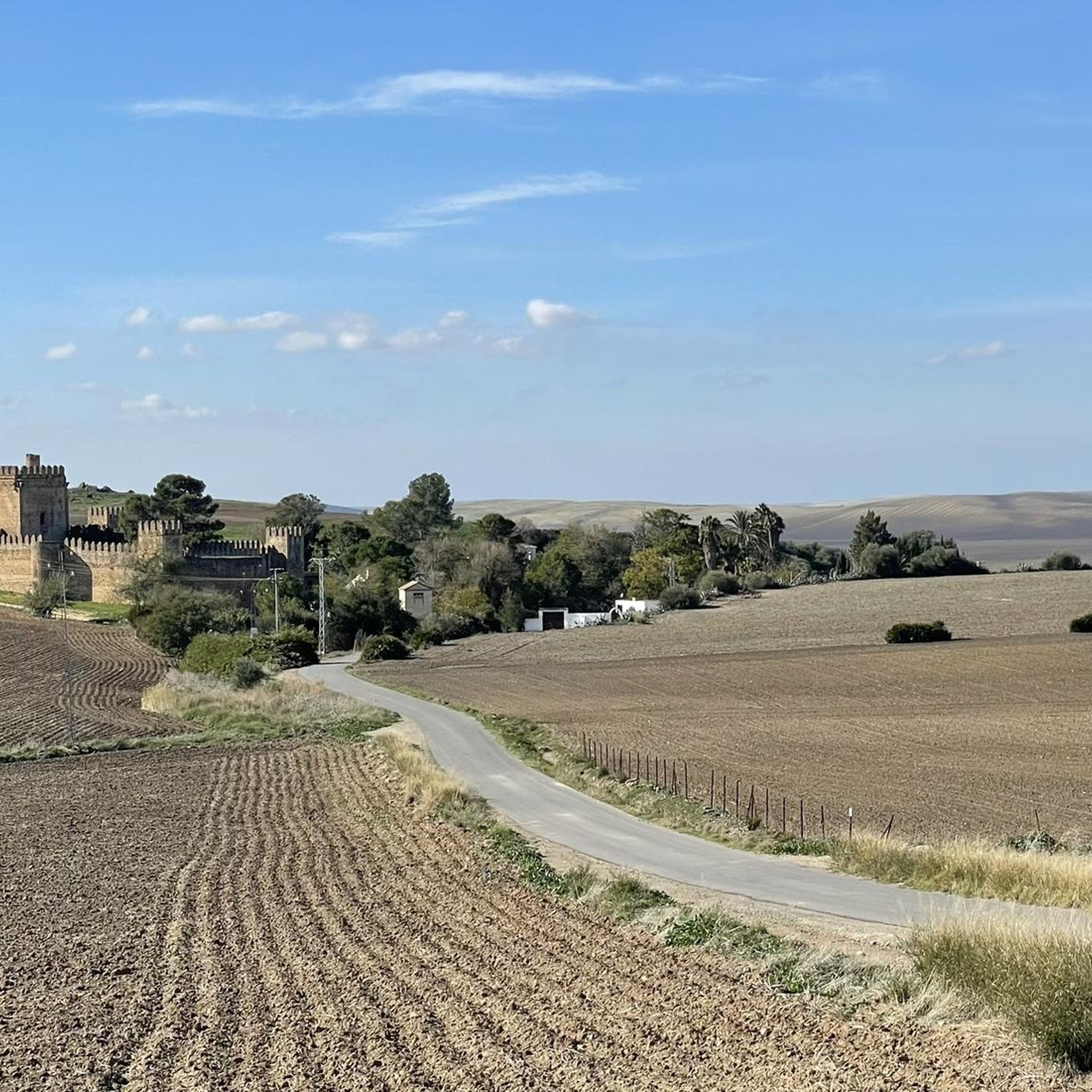
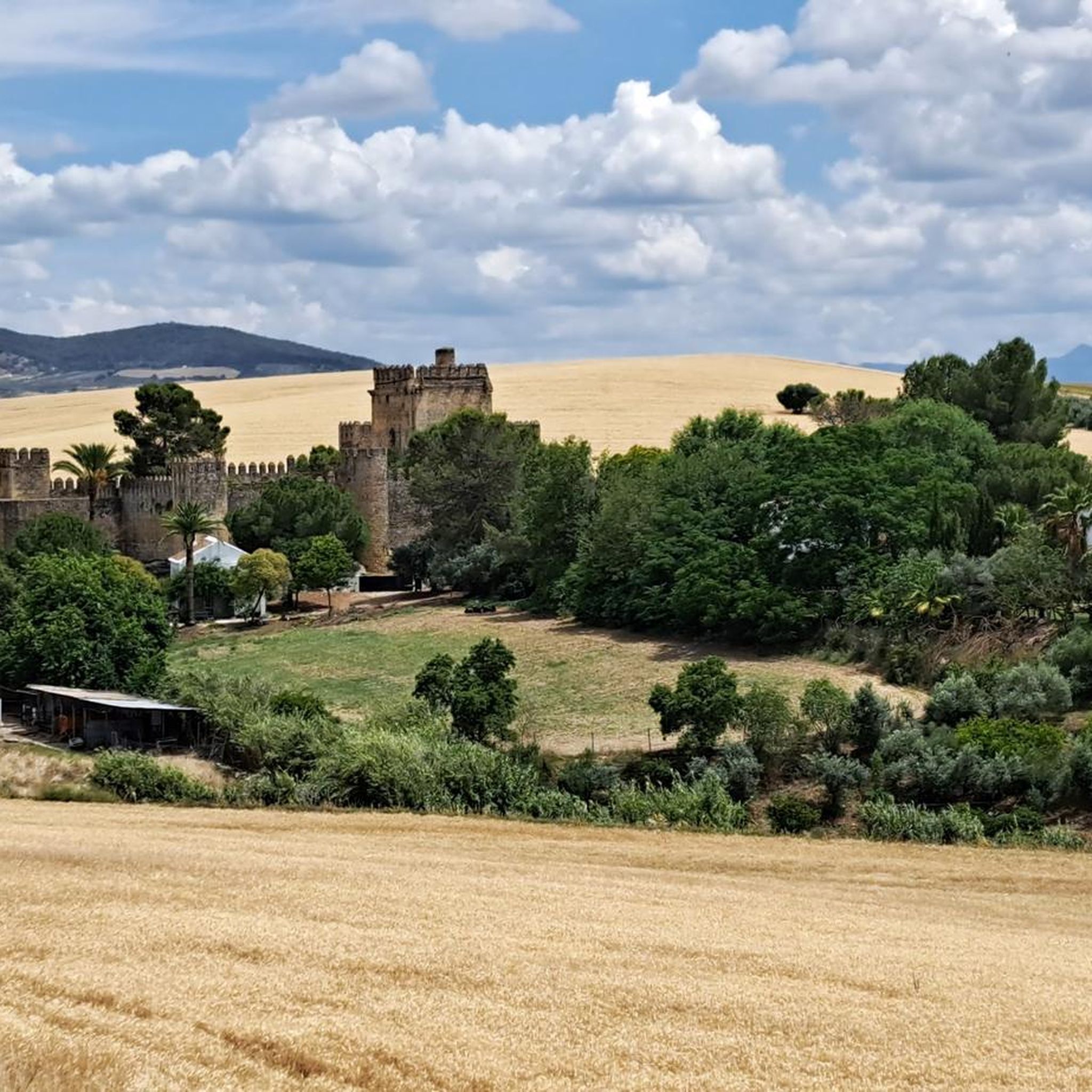
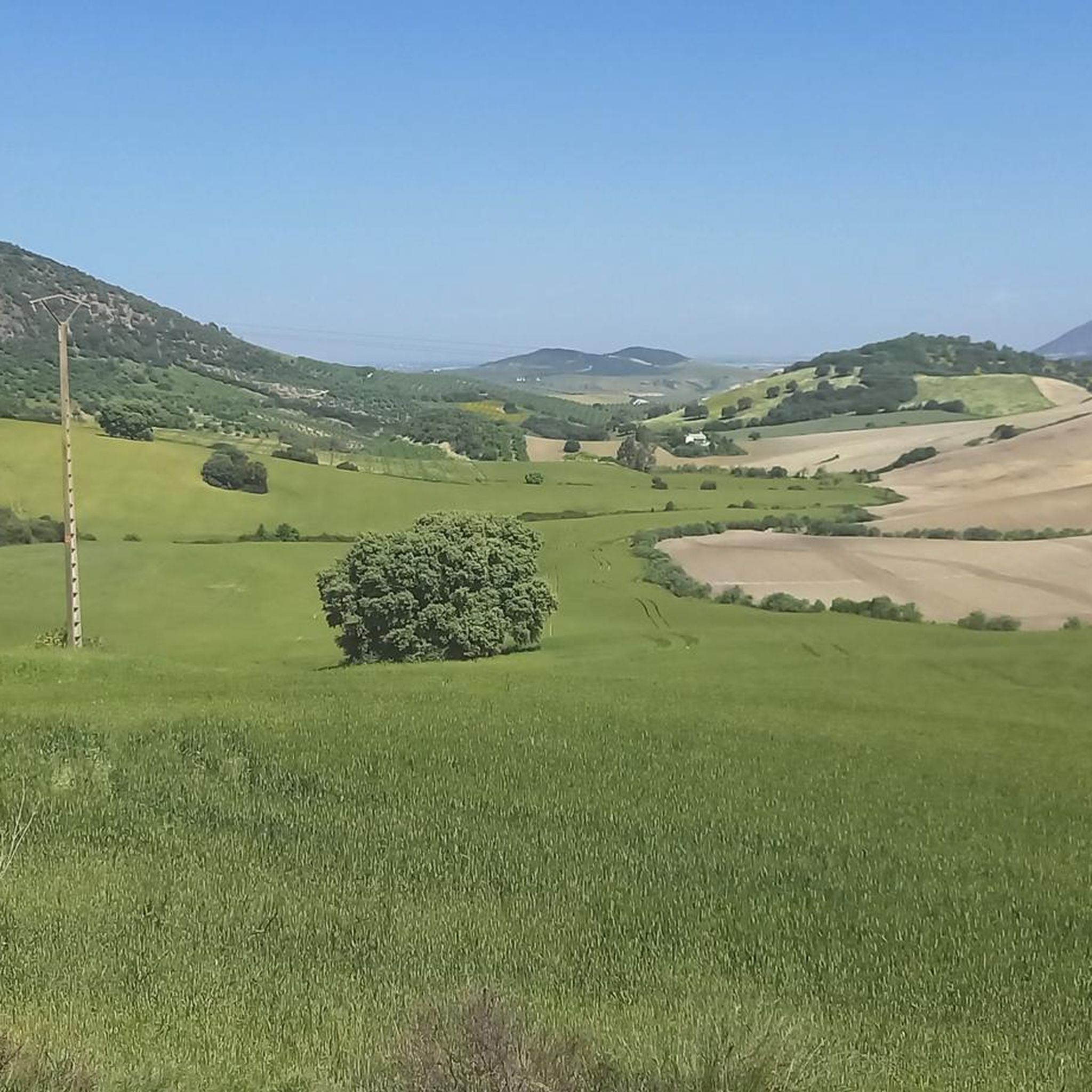
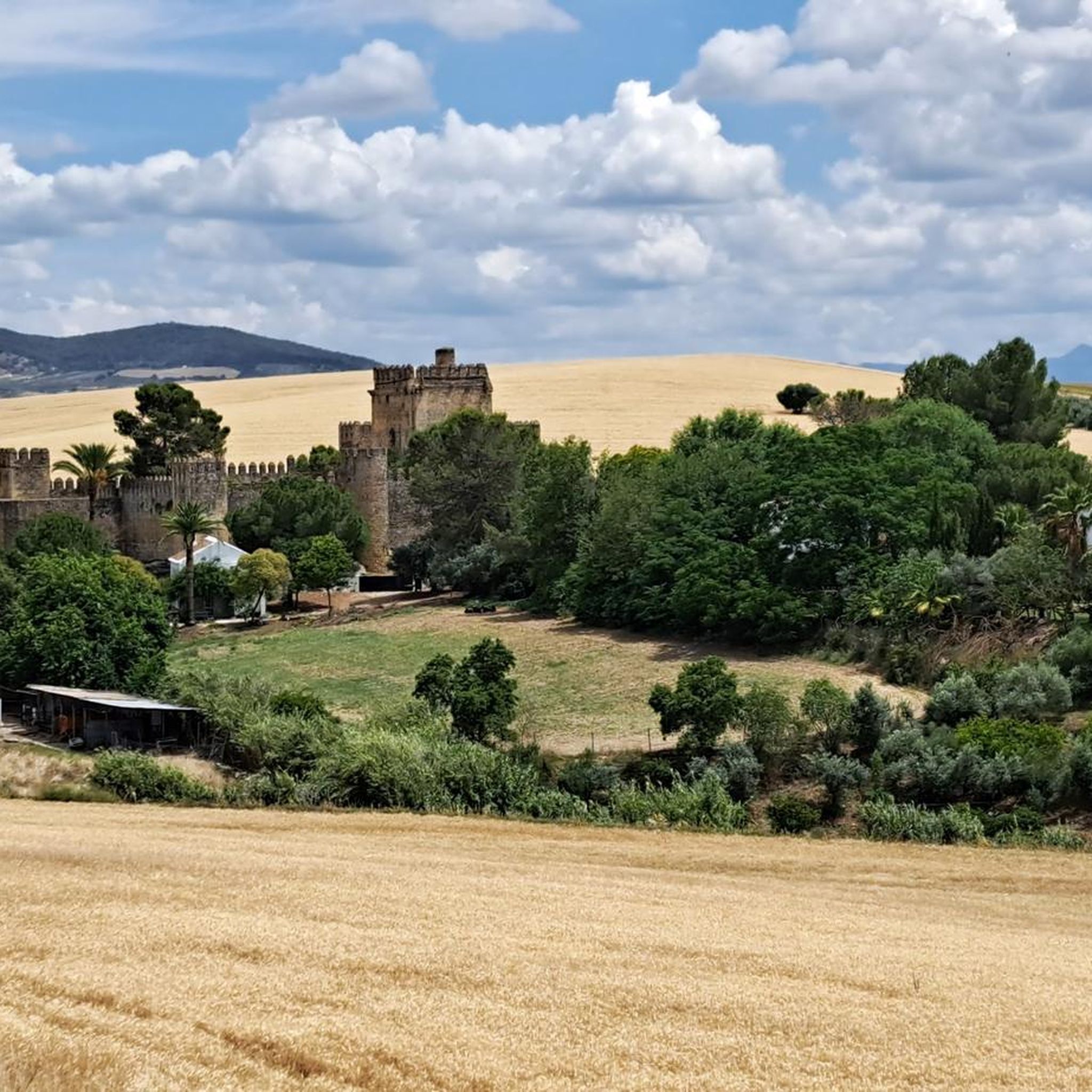
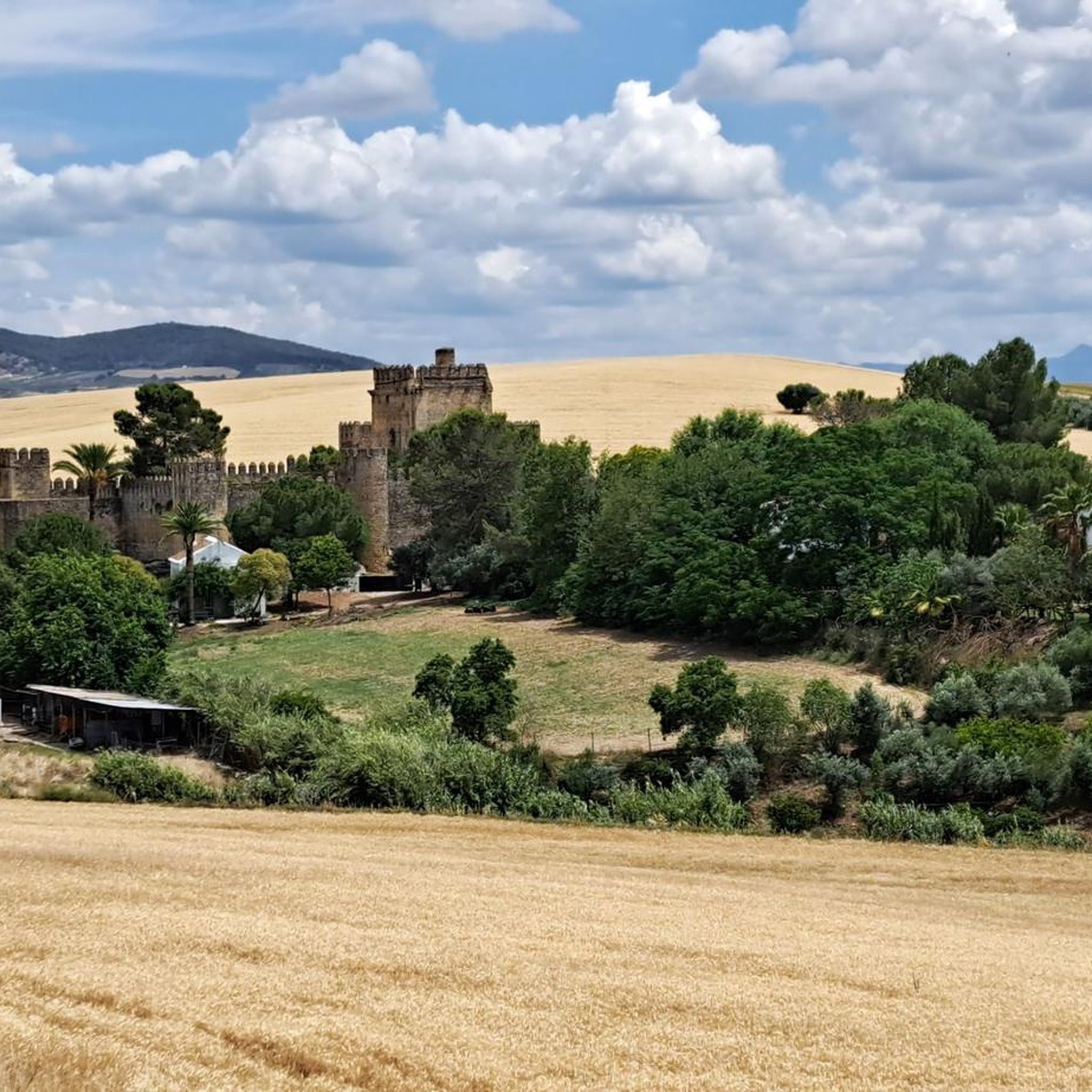
Gravel biking around El Coronil offers diverse terrain across the countryside of Seville, Andalusia. The region features rolling fields, extensive olive groves, and remnants of Mediterranean forest, providing varied surfaces for cycling. A significant highlight is the Vía Verde de la Sierra, a green route following a former railway line, with approximately 90% gravel surface. This area also includes the Dehesa de Pilares, characterized by ancient oak trees and natural park environments.
Best gravel bike trails around El Coronil
- The…
Last updated: May 6, 2026
4.8
(4)
14
riders
45.4km
02:45
580m
580m
Hard gravel ride. Very good fitness required. Mostly paved surfaces. Suitable for all skill levels.
6
riders
34.1km
02:05
400m
400m
Moderate gravel ride. Good fitness required. Mostly paved surfaces. Suitable for all skill levels.

Sign up for free
4
riders
45.2km
02:56
580m
580m
Hard gravel ride. Very good fitness required. Mostly paved surfaces. Suitable for all skill levels.
2
riders
77.9km
05:30
760m
750m
Hard gravel ride. Very good fitness required. Mostly paved surfaces. Suitable for all skill levels.
2
riders
15.2km
01:21
370m
370m
Moderate gravel ride. Good fitness required. Mostly paved surfaces. Suitable for all skill levels.
Our route recommendations are based on thousands of hikes, rides, and runs completed by other people on komoot.
Start today with a free account
Your next adventure awaits.
Login or Signup
Tips from the Community


A 135-meter-long viaduct, built using rectangular truncated pyramidal pilasters with mortared ashlars, is formed by the repetition of seven identical arches. It was built to span the Guadalporcún River crossing before it meets the Guadamanil River. The latter originates in the Sierra de la Lebrona mountain range in the municipality of Pruna (Seville) and flows into the Guadalporcún River just a few meters from the viaduct. The confluence of the rivers has created a wide floodplain. From this railway infrastructure, there is a privileged view of the Estrechón Canyon, a natural passage carved by the Guadalporcún River to traverse the foothills of the Zaframagón Rock. Just below, on the left bank of the Guadalporcún, we find the ruined building of what was once the Zaframagón mill. A little further west, other ruins can be seen. It is a small town built for workers on the railway line construction site.
8
0
Viaduct of 83 meters long, built by means of truncated pyramidal pilasters with a rectangular plan with mortared bluestones. Formed by the repetition of 5 equal openings. It was designed and built to save a deep ravine dug by a tributary of the Guadalporcún River.
8
0
Railway tunnel no. 23 of the Sierra Greenway Nature Trail. Located 923 meters from the previous tunnel, it is 125 meters long and has no artificial lighting, so a flashlight is recommended. This tunnel is excavated into the side of a clay hill.
8
0
Viaduct of 65 meters long, built by means of truncated-pyramidal pilasters with a rectangular plan with mortared bluestones. Formed by the repetition of 3 equal spans. Built to save the bed of the Azar stream. Less than 100 meters away there is a small rest area from where you have a good view of the Guadalete river at the exit of the Villalón meander, at the foot of the Cerro del Castellar.
7
0
The terminus of the Vía Verde de la Sierra between Olvera (Cádiz) and Puerto Serrano, built on the old railway infrastructure between Jerez de la Frontera and Almargen, built at the beginning of the twentieth century but never used due to a collective suicide of more than 20 inhabitants, which was created by a Masonic sect. The station is currently dedicated to rural tourism.
9
0

Beautiful expanse. But also invites the wind
0
0
Coripe Station, also known as Hostal Restaurante La Estación de Coripe, is a charming accommodation and restaurant in Coripe, Spain, located along the Via Verde de la Sierra. The building was originally intended as a train station, but now serves as a cozy place for travelers to rest and enjoy traditional Andalusian cuisine. The station offers comfortable rooms, a bar, a restaurant and a beautiful terrace with views of the surrounding nature.
9
0
Frequently Asked Questions
How many gravel bike trails are available around El Coronil?
There are 5 gravel bike trails available around El Coronil, offering a range of experiences from moderate to difficult. These routes are highly rated by the komoot community, with an average score of 5.0 stars.
What kind of terrain can I expect on gravel bike trails in El Coronil?
The terrain around El Coronil is diverse, featuring rolling fields, extensive olive groves, and remnants of Mediterranean forest. A significant portion of the trails, particularly the Vía Verde de la Sierra, consists of well-maintained gravel surfaces, making it ideal for gravel biking. You'll also encounter sections with varied agricultural landscapes.
Are there any family-friendly gravel routes in El Coronil?
While the listed routes range from moderate to difficult, the Vía Verde de la Sierra, which forms part of many trails, is generally a green route following a former railway line. Its relatively flat gradient and dedicated path can be suitable for families with some cycling experience. For a shorter, moderate option, consider the Fox Pass – Pancorbo Viewpoint loop from Montellano, which is 15.2 km long.
What are some notable natural features or landmarks I can see along the gravel routes?
Many routes incorporate the Vía Verde de la Sierra, which takes you through tunnels and over impressive viaducts like the Viaducto de Los Azares. The region also features the Dehesa de Pilares, characterized by ancient oak trees. You might also spot Griffon Vultures along the Vía Verde. The Puerto del Acebuche Viewpoint offers scenic views.
Are there any circular gravel bike routes starting near El Coronil?
Yes, several circular routes are popular. For example, the Vía Verde de la Sierra – Zaframagón Viaduct loop from Puerto Serrano is a challenging 45.2 km circular route. Another option is the moderate Castillo Tunnel loop from Puerto Serrano, covering 32.4 km.
What is the best time of year for gravel biking in El Coronil?
El Coronil, located in Andalusia, generally offers pleasant cycling conditions outside of the peak summer months. Spring (March to May) and Autumn (September to November) are typically ideal, with milder temperatures and comfortable weather for exploring the rolling fields and olive groves. Winters are generally mild, making it possible to ride year-round, though some days might be cooler.
What do other gravel bikers enjoy most about the trails in El Coronil?
The area is highly rated by the komoot community, with an average score of 5.0 stars. Reviewers often praise the unique experience of cycling along the Vía Verde de la Sierra, passing through tunnels and over viaducts, as well as the picturesque landscapes of olive groves and Mediterranean forests that define the region.
Are there any historical sites or castles accessible by gravel bike?
Yes, the region is rich in history. El Coronil itself is known for its historical castles, including the Castillo de las Aguzaderas and the Castillo de El Coronil. While not directly on all gravel routes, the Camino de Santiago Vía Serrana, which passes by the Castillo de las Aguzaderas, suggests established paths that could be explored by cyclists, offering a blend of history and outdoor activity.
What are the difficulty levels of the gravel bike trails around El Coronil?
The gravel bike trails around El Coronil cater to moderate to difficult ability levels. Out of the 5 available routes, 2 are classified as moderate and 3 as difficult. This ensures a good challenge for experienced gravel bikers while still offering accessible options for those looking for a solid ride.
Can I find accommodation or places to eat near the gravel biking areas?
El Coronil and nearby towns like Puerto Serrano and Montellano, which serve as starting points for some routes, offer various amenities. You can expect to find local cafes, pubs, and restaurants to refuel after your ride, as well as accommodation options ranging from guesthouses to hotels, catering to visitors exploring the Andalusian countryside.
Are there any long-distance gravel routes for experienced riders?
For experienced riders looking for a longer challenge, the Venta Diego – Castle of Los Molares loop from Montellano is a difficult route spanning 77.9 km, typically taking over 5 hours to complete. This route offers extensive exploration of the varied terrain around El Coronil.
Most popular routes around El Coronil
Most popular attractions around El Coronil

Get inspired with the komoot mobile app


Explore more
Browse the best Gravel rides in other regions.
