The best gravel rides around Villanueva De Córdoba
3.0
(1)
42
riders
5
rides
Gravel biking around Villanueva De Córdoba offers routes through the Dehesa de Los Pedroches, characterized by rolling hills and extensive oak forests. The region's terrain includes a mix of open pastures and more secluded paths, often connecting historic hermitages and sanctuaries. Riders can expect varied surfaces, from compacted dirt roads to gravel tracks, with significant elevation changes on many routes. This landscape provides a challenging yet rewarding experience for gravel cyclists.
Best gravel bike trails around Villanueva De Córdoba
- The…
Last updated: May 6, 2026
14
riders
98.9km
08:27
1,540m
1,540m
Hard gravel ride. Very good fitness required. You may need to push your bike for some segments of this route.
5
riders
Hard gravel ride. Very good fitness required. Mostly paved surfaces. Suitable for all skill levels.

Sign up for free
3.0
(1)
6
riders
84.4km
06:41
1,230m
1,230m
Hard gravel ride. Very good fitness required. Mostly paved surfaces. Suitable for all skill levels.
2
riders
Hard gravel ride. Very good fitness required. Mostly paved surfaces. Suitable for all skill levels.
5
riders
Moderate gravel ride. Good fitness required. Mostly paved surfaces. Suitable for all skill levels.
Our route recommendations are based on thousands of hikes, rides, and runs completed by other people on komoot.
Start today with a free account
Your next adventure awaits.
Login or Signup
Other adventures around Villanueva De Córdoba

Tips from the Community

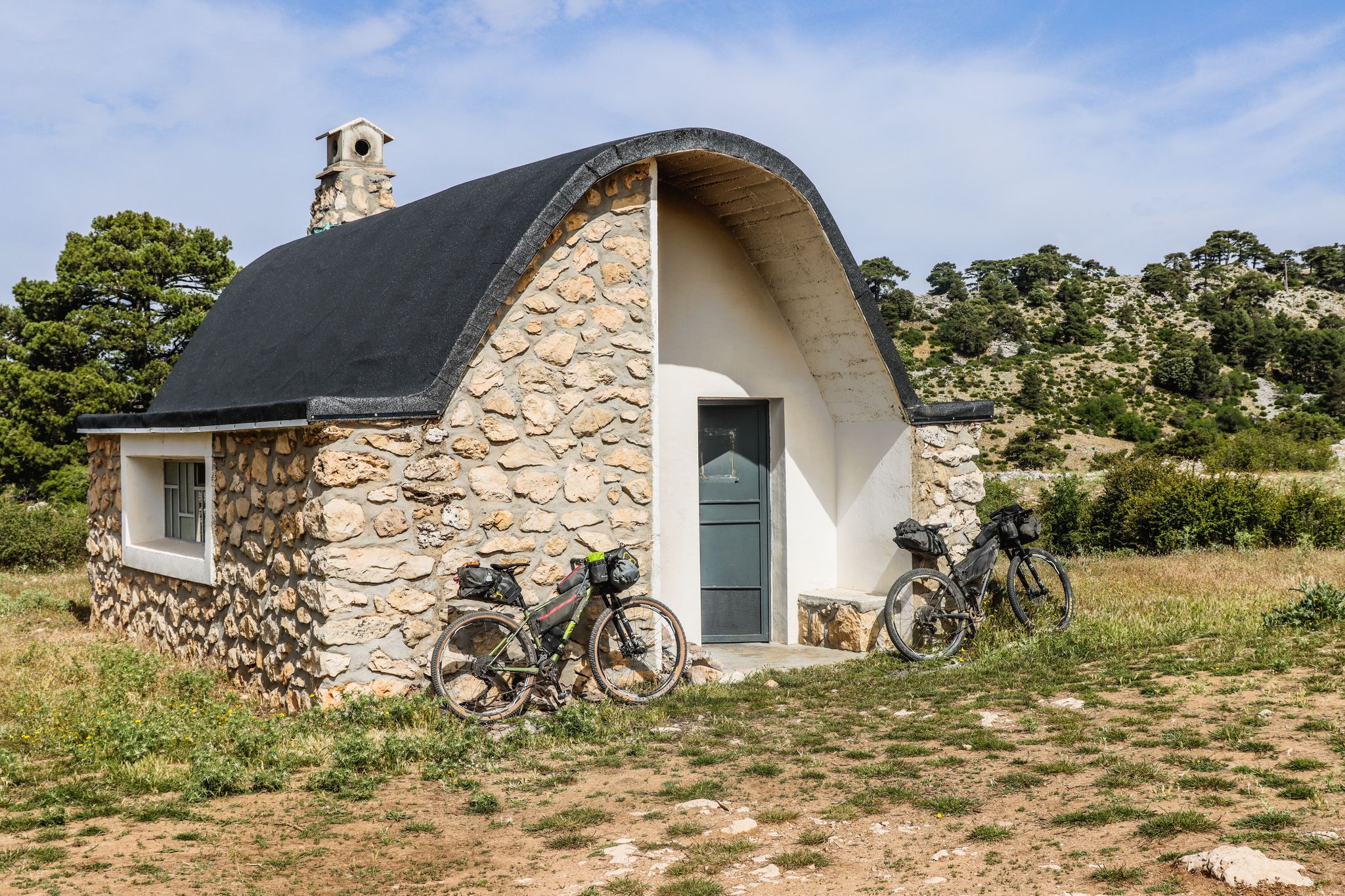
Although the exact date of its construction is unknown, tradition indicates that it was built in the mid-15th century, possibly thanks to a woman from Los Pedroches who promoted the construction of the first hermitage. According to legend, the image of the Virgin was found by a shepherd from Pedroche in a holm oak near the sanctuary at the beginning of the 15th century.
2
0
The Sanctuary of Our Lady of Luna is one of the most emblematic sites in the Los Pedroches Valley, deeply linked to the religious and cultural traditions of Pozoblanco and Villanueva de Córdoba. The sanctuary is located in the Dehesa de la Jara, in the municipality of Navarredonda, a natural holm oak grove characteristic of Los Pedroches. It is situated 15 km from Pozoblanco and 10 km from Villanueva de Córdoba.
2
0
Although the exact date of its construction is unknown, tradition indicates that it was built in the mid-15th century, possibly thanks to a woman from Los Pedroches who promoted the construction of the first hermitage. According to legend, the image of the Virgin was found by a shepherd from Pedroche in a holm oak near the sanctuary at the beginning of the 15th century.
2
0
The Sanctuary of Our Lady of Luna is one of the most emblematic sites in the Los Pedroches Valley, deeply linked to the religious and cultural traditions of Pozoblanco and Villanueva de Córdoba. The sanctuary is located in the Dehesa de la Jara, in the municipality of Navarredonda, a natural holm oak grove characteristic of Los Pedroches. It is situated 15 km from Pozoblanco and 10 km from Villanueva de Córdoba.
2
0

Cardeña is a town in the north of the province of Córdoba with a population of just over 1,400 inhabitants, at an altitude of 821 meters above sea level. The municipality of this beautiful town includes the small towns of La Venta del Charco and Azuel. The population trend, as in most towns in Spain, has been declining, with a loss of almost 500 inhabitants since 1979. It's worth stopping by its bakeries selling bread and typical local pastries, as well as traditional cured meats, and of course, enjoying a few beers while enjoying its gastronomy.
0
0

Cardeña is a small but historically and naturally important municipality in the region. It is located in the northeast of the province of Córdoba and is part of the Parque Natural Sierra de Cardeña y Montoro, a protected natural area. Cardeña is an ideal place for a break by bike, good food and nature worth seeing. Perfect for a bike tour with a culinary break in picturesque surroundings! The region was sparsely populated for a long time and was strategically used as a border area between Christian and Muslim dominions in the Middle Ages. During the reign of Charles III (1759-1788), Spain encouraged the settlement of remote areas. As a result of this colonization policy, several small villages were created in the Sierra Morena, including Cardeña.
2
0

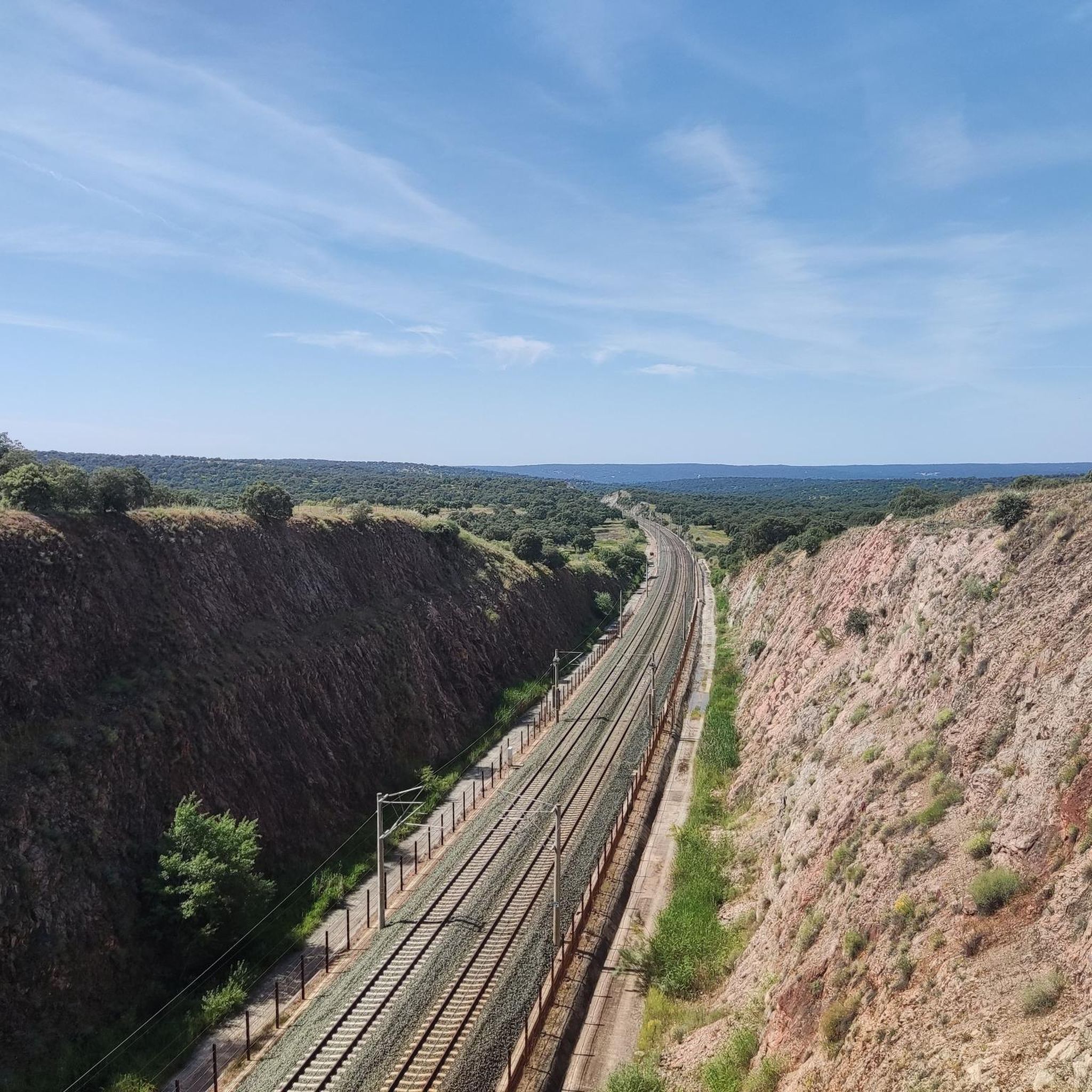
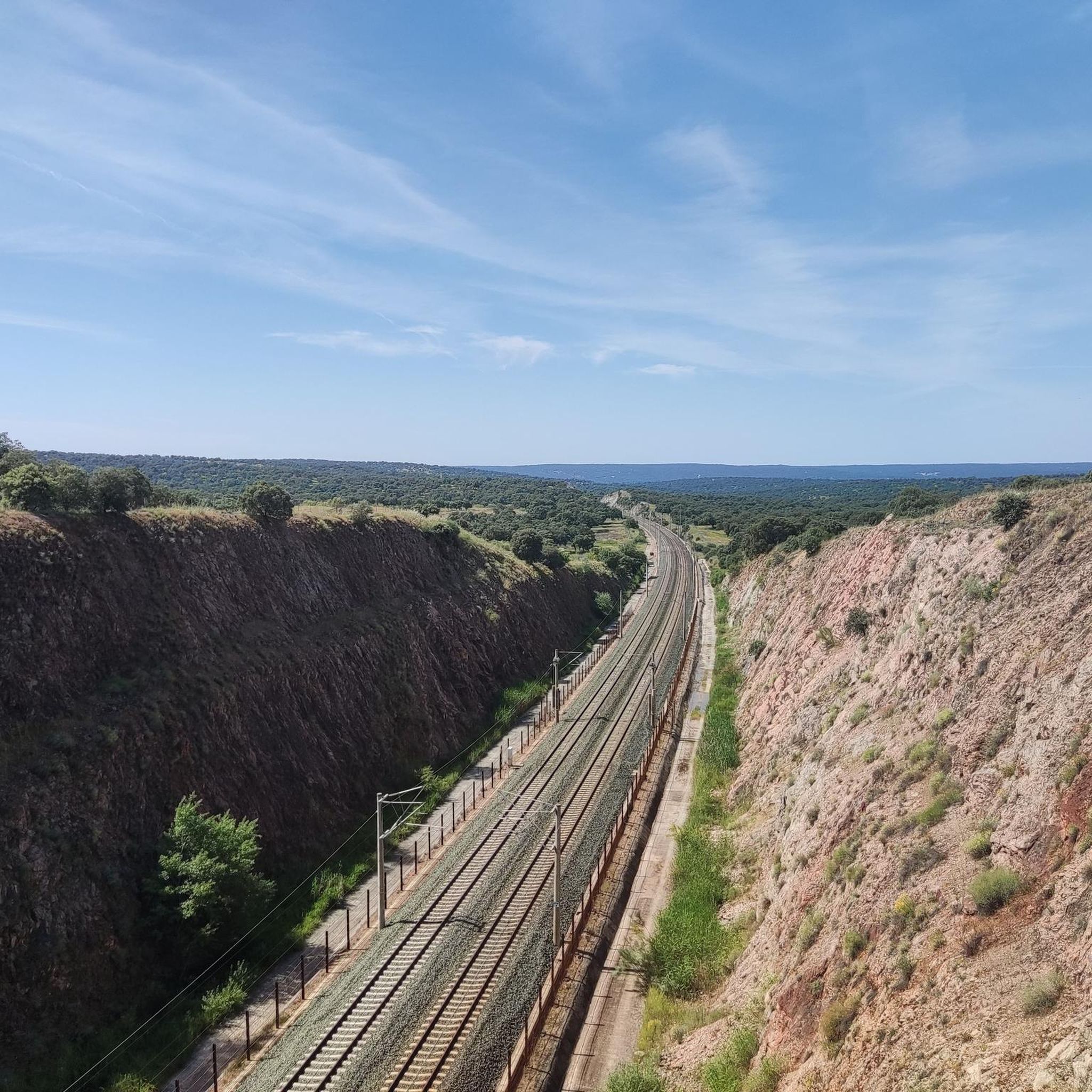
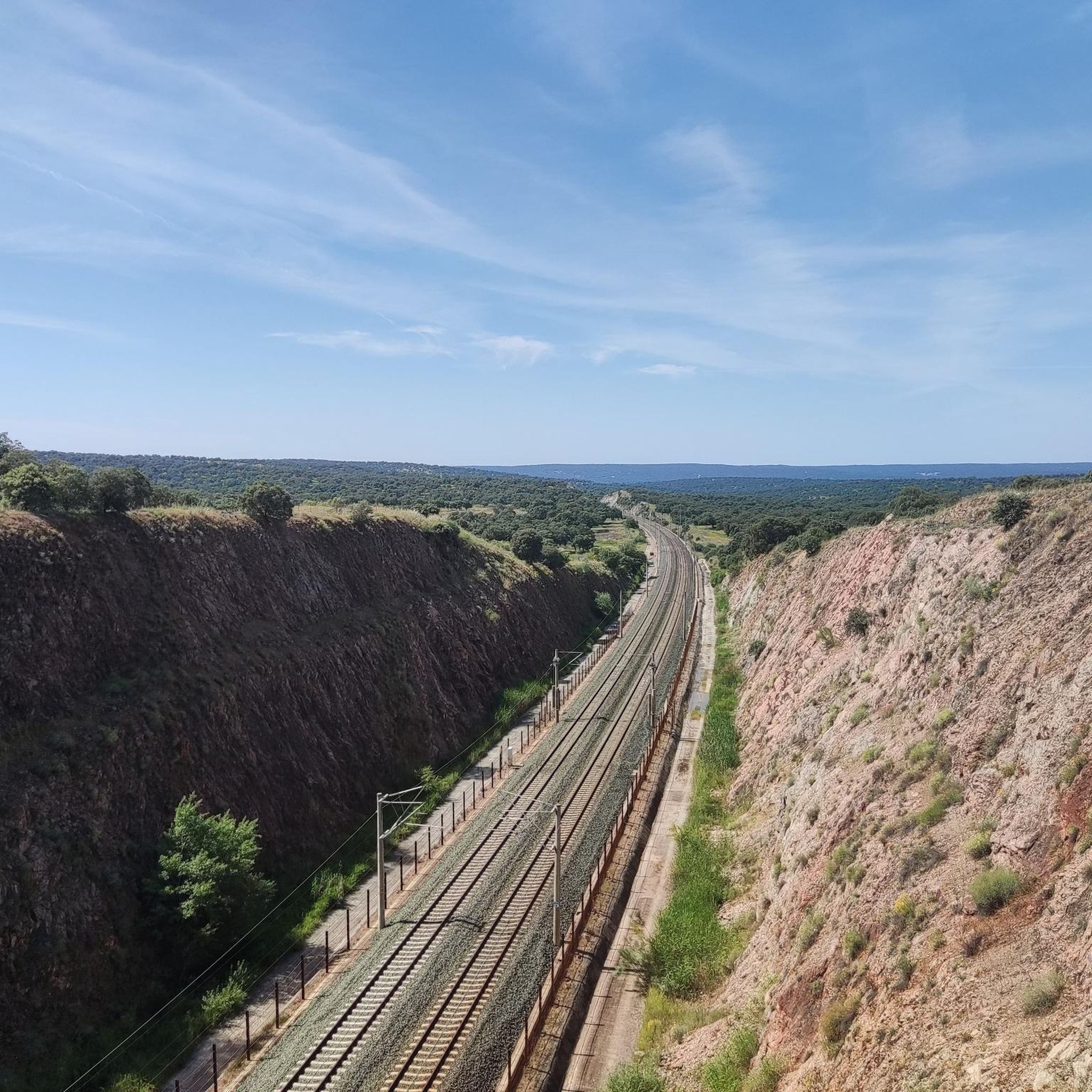
This track is in very good condition and runs through a beautiful landscape of pastures and oak forests. In the higher areas, a charming view spreads over the foliage. If you are lucky you will see herds of Iberian pigs in search of acorns.
0
0

This district belongs to the municipality of Almodóvar del Campo (Ciudad Real). Between the end of the 19th century and the middle of the 20th, this population center served to house the workers of the silver mine that was 600 meters deep. At its peak, the Minas del Horcajo had 4,500 inhabitants. Today there is only a half-ruined church, remains of old facilities, and some rural and holiday houses that continue to serve. The route that connects this small town with the town of Conquista is more than interesting, the first to appear when crossing the border with Andalusia, through the province of Los Pedroches, being one of the 17 towns in the Comarca de Los Pedroches, period pass of the Al-Ballut cycling route. In the same way, this town is the protagonist of the Kilometer Zero route, on its journey from Madrid to Tarifa, connecting Castilla La Mancha with Andalusia. Along the way, you cross a private farm, but the track is totally public, and its passage is allowed as announced by the signs. It is usual that the guards of this farm want to escort you, to make sure that you do not get lost or that you do not leave the marked path. They are generally friendly. But this time I found a car with 3 women inside who tried to dissuade me from cycling on the track by saying "You shouldn't go this way, blablabla...". It is probably a slogan of those who try to put gates to the field and bother those who visit the mountain. The estate in question is owned by the Duke of Westminster, perhaps that is where the suspicion comes from. Royalty and its royal things...
2
0
Frequently Asked Questions
What is the overall difficulty level of gravel biking in Villanueva De Córdoba?
Gravel biking around Villanueva De Córdoba offers a range of routes, with most featuring significant climbs. While there is one easy route, the majority of the six available tours are classified as difficult, and one is moderate. This suggests a challenging yet rewarding experience for gravel cyclists.
Are there any easy or beginner-friendly gravel bike routes in the area?
Yes, there is one route specifically classified as easy: Hermitage of the Virgen de Luna – Dehesa de Los Pedroches loop from Villanueva de Córdoba. This 61.4-mile (98.9 km) trail traverses the open dehesa landscape and is a good option for those seeking a less strenuous ride, though it is still a long distance.
What kind of terrain can I expect on the gravel bike trails around Villanueva De Córdoba?
The terrain is characterized by rolling hills and extensive oak forests within the Dehesa de Los Pedroches. You'll encounter a mix of open pastures and more secluded paths, often connecting historic hermitages and sanctuaries. Surfaces vary from compacted dirt roads to gravel tracks, with notable elevation changes throughout.
Are there any long-distance gravel routes for experienced riders?
Absolutely. Many routes in the region are long and challenging. For instance, the Sanctuary of the Virgin – Hermitage of the Virgen de Luna loop from Villanueva de Córdoba-Los Pedroches is a difficult 70.5-mile (113.5 km) path that connects significant local landmarks through varied terrain, ideal for advanced cyclists looking for an endurance ride.
What is the best season for gravel biking in Villanueva De Córdoba?
Given the region's climate, spring and autumn generally offer the most pleasant conditions for gravel biking, with milder temperatures. Summers can be very hot, making early morning or late afternoon rides preferable. Winters are typically mild, but it's always wise to check local weather forecasts for rain.
Are there any circular gravel bike routes available?
Yes, all the routes listed in this guide are circular, allowing you to start and finish at the same point. For example, the Hermitage of the Virgen de Luna – Sanctuary of the Virgin loop from Guadamora Alta is a 29.4-mile (47.3 km) circular trail through the region's characteristic rolling hills.
What interesting landmarks or attractions can I see along the gravel bike trails?
Many routes connect significant local landmarks. You can encounter sites like the Hermitage of the Virgen de Luna and the Sanctuary of the Virgin. Some trails also offer views of the Guadalmellato Reservoir and Dam.
Is it possible to find cafes or places to stop for refreshments along the routes?
While the routes traverse extensive natural landscapes like the Dehesa de Los Pedroches, which can be quite remote, some routes may pass through or near small villages where you might find local cafes or shops. It's always recommended to carry sufficient water and snacks, especially on longer rides, and check the route map for potential stops beforehand.
What kind of wildlife might I encounter while gravel biking in Villanueva De Córdoba?
The Dehesa de Los Pedroches is known for its rich biodiversity. You might spot various bird species, including raptors, and it's also home to Iberian pigs, which are a characteristic sight in the oak groves. Keep an eye out for other local fauna as you ride through the natural landscape.
Are there any family-friendly gravel biking options?
While many routes feature significant climbs and are quite long, the Hermitage of the Virgen de Luna – Dehesa de Los Pedroches loop from Villanueva de Córdoba is classified as easy. For families with older children or those accustomed to longer rides, this could be a suitable option, but always consider the distance and elevation for your family's capabilities.
Where can I park my car when starting a gravel bike tour?
Many routes start from Villanueva de Córdoba itself or nearby villages. Parking availability will vary, but generally, you can find public parking in these towns. For specific starting points like Guadamora Alta or La Ruda, look for designated parking areas or suitable roadside spots, always ensuring you park responsibly and legally.
What do other gravel bikers enjoy most about the trails in Villanueva De Córdoba?
The komoot community rates the area highly, with an average score of 3.0 stars. Riders often praise the unique experience of traversing the open dehesa landscape, the challenging ascents, and the opportunity to connect with historic sites and natural beauty.
Most popular routes around Villanueva De Córdoba
Most popular attractions around Villanueva De Córdoba

Get inspired with the komoot mobile app


Explore more
Browse the best Gravel rides in other regions.
