The best running trails around Mascaraque
33
runners
9
runs
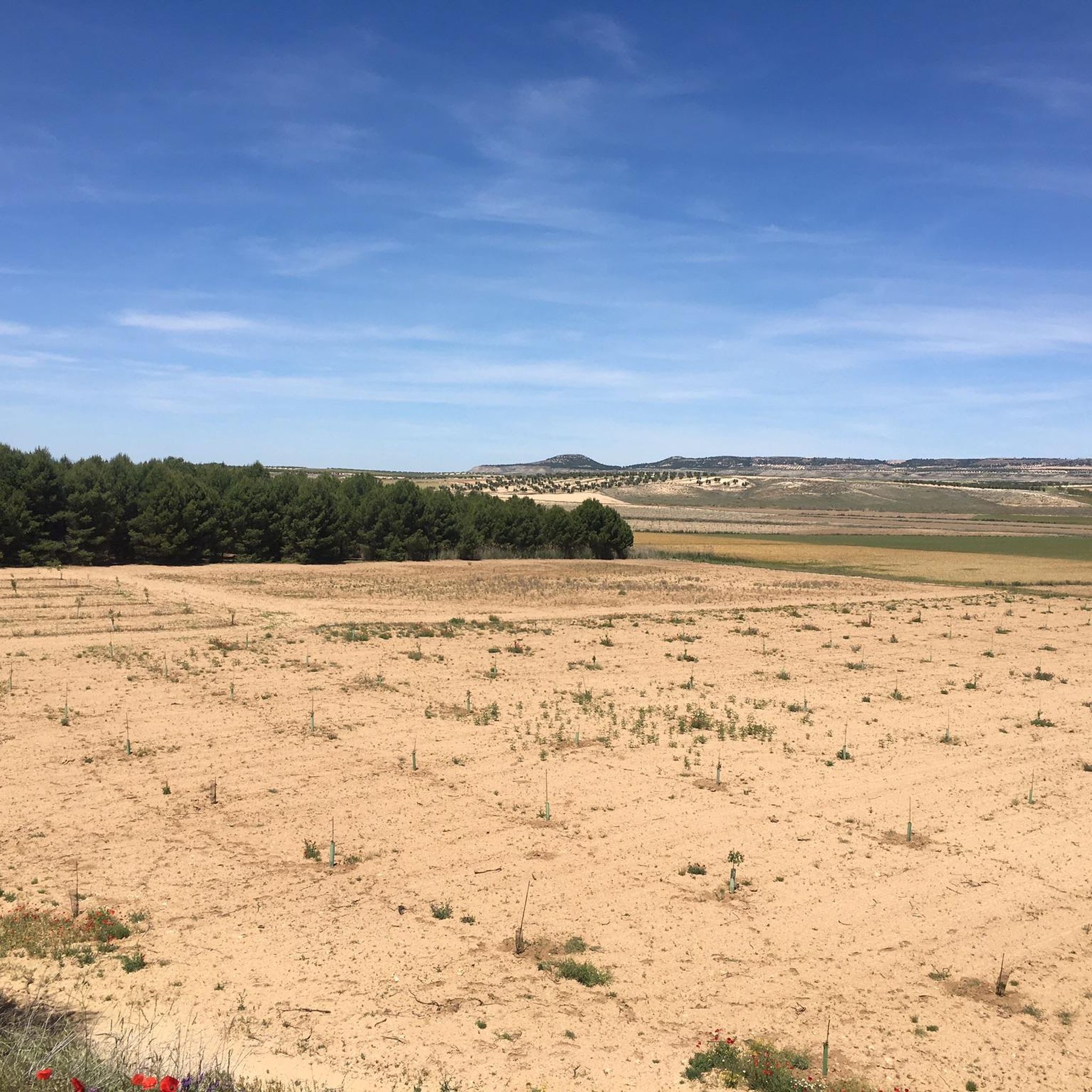
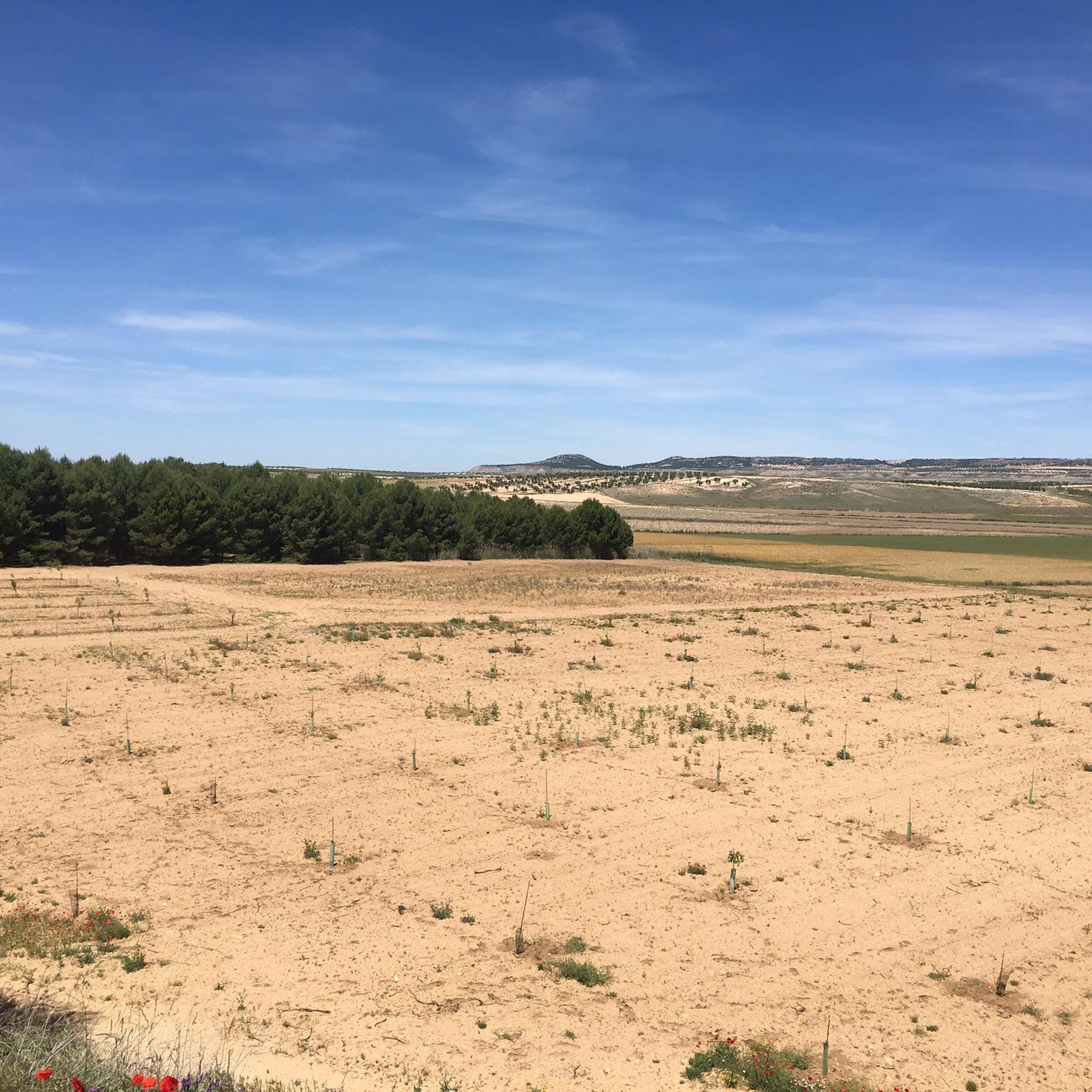
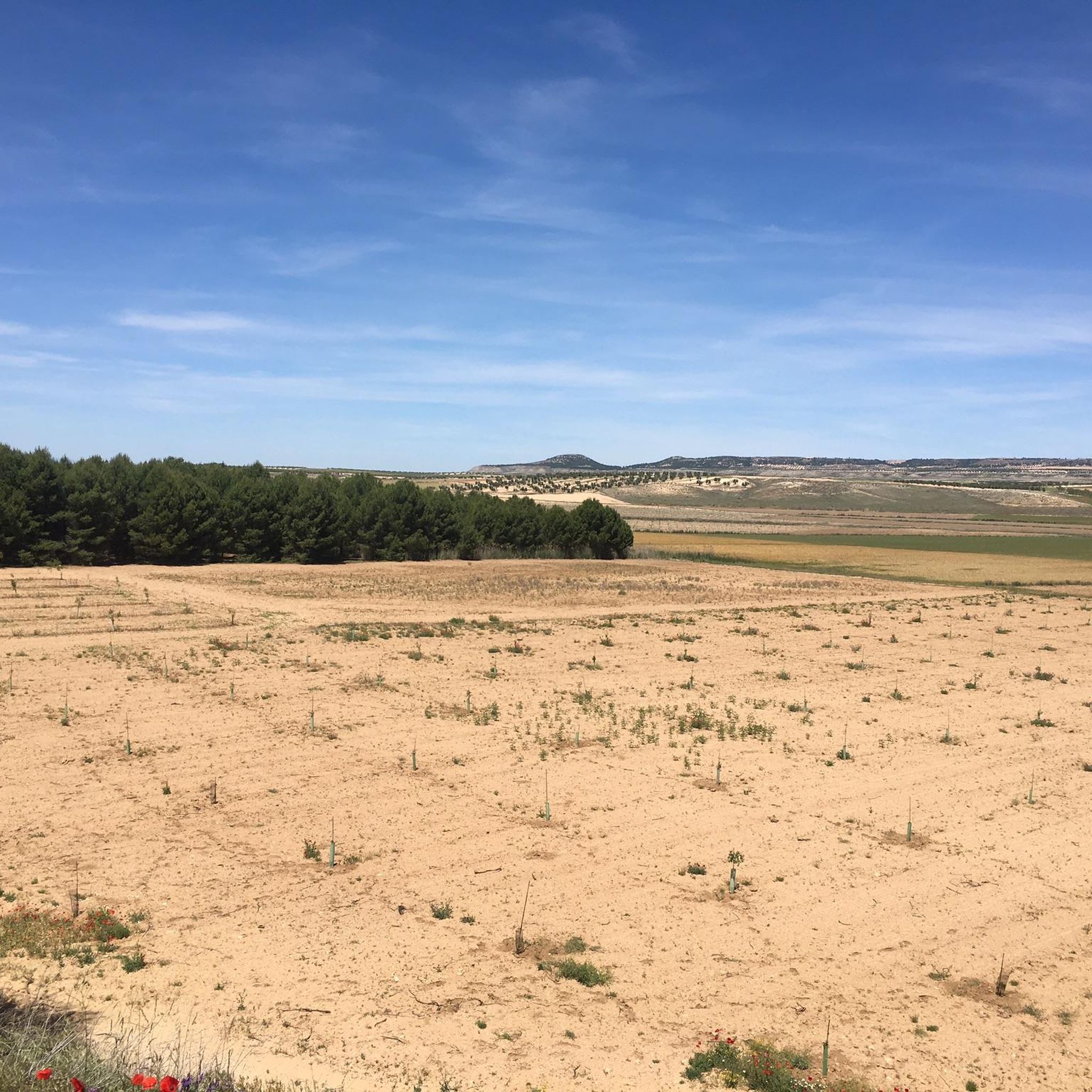
Mascaraque jogging routes traverse a rural setting within the province of Toledo, Castile-La Mancha, Spain. The region is characterized by plains, agricultural lands, and forests of holm oaks, pines, or cork trees. This natural environment provides a serene backdrop for running, with paths often winding through the Castilian landscape. Historical features, such as the Mascaraque Castle, also contribute to the visual appeal of the area's running trails.
Best jogging routes around Mascaraque
- The most popular jogging route is Running loop…
Last updated: July 4, 2026
4
runners
6.95km
00:49
50m
50m
Moderate run. Good fitness required. Mostly paved surfaces. Suitable for all skill levels.
7
runners
5.34km
00:39
130m
130m
Moderate run. Good fitness required. Mostly paved surfaces. Suitable for all skill levels.
4
runners
11.8km
01:19
30m
30m
Moderate run. Good fitness required. Mostly paved surfaces. Suitable for all skill levels.
Get access to more routes and recommendations from other explorers.
Sign up for free
Already have an account?
Our route recommendations are based on thousands of hikes, rides, and runs completed by other people on komoot.
Start today with a free account
Your next adventure awaits.
Login or Signup
Tips from the Community

Currently, it is not possible to climb to the castle because a tower has collapsed.
0
1

Located in the Plaza de la Constitución, in the historic Town Hall in the Neo-Mudéjar style, designed by Ezequiel Martín Martín and built between 1927–1928, with a striking brick facade, masonry panels, horseshoe arches and ceramic decorations, culminating in a circular tower topped with a bulbous dome (tiled, from 1930).
3
0
The Town Hall is perhaps the most unique building in the municipality, representing a beautiful metaphor with its name and use. Its architect was Ezequiel Martín Martín, and its construction began in 1927 and was completed practically a year later in 1928. The tile-clad tower was completed in 1930.
9
0

The Almonacid Castle in Toledo is a Muslim building that was donated by Alfonso VI to the Toledo Cathedral. Its current configuration is due to the reforms carried out by Archbishop D. Pedro Tenorio in the 14th century and later it served as a prison for D. Alfonso de Gijón y Noreña, bastard son of Enrique II. In the 16th century, D. Pedro Gumiel commented that the fortress needed urgent repairs. In the 18th century it passed into the hands of the counts of Mora and during the War of Independence, in the 19th century (1809), it was a refuge for the troops of General Venegas, with the Battle of Almonacid taking place at its feet, which ended with the capture of the castle by the French. In 1839 the mayor of Almonacid allowed the residents of the town to use the material from which it was made for private use, further accentuating its ruin. Today the castle is property of the City Council and access is free.
1
0
From any point that we approach Almonacid de Toledo and from tens of kilometers away, raised on a promontory, as if it still defended the road to La Mancha, the figure of the castle can be seen. It is a good example of a 14th century castle, intended as a permanent residence for troops and to constitute a military population for surveillance and defense.
18
0

Mora, how could it be otherwise, owes its name to its ancient Islamic settlers. It is famous for its production of olive oil, which you should not miss. It also hides an architectural jewel that is the headquarters of its Town Hall, a Neo-Mudéjar building designed by Ezequiel Martín from 1927.
2
1

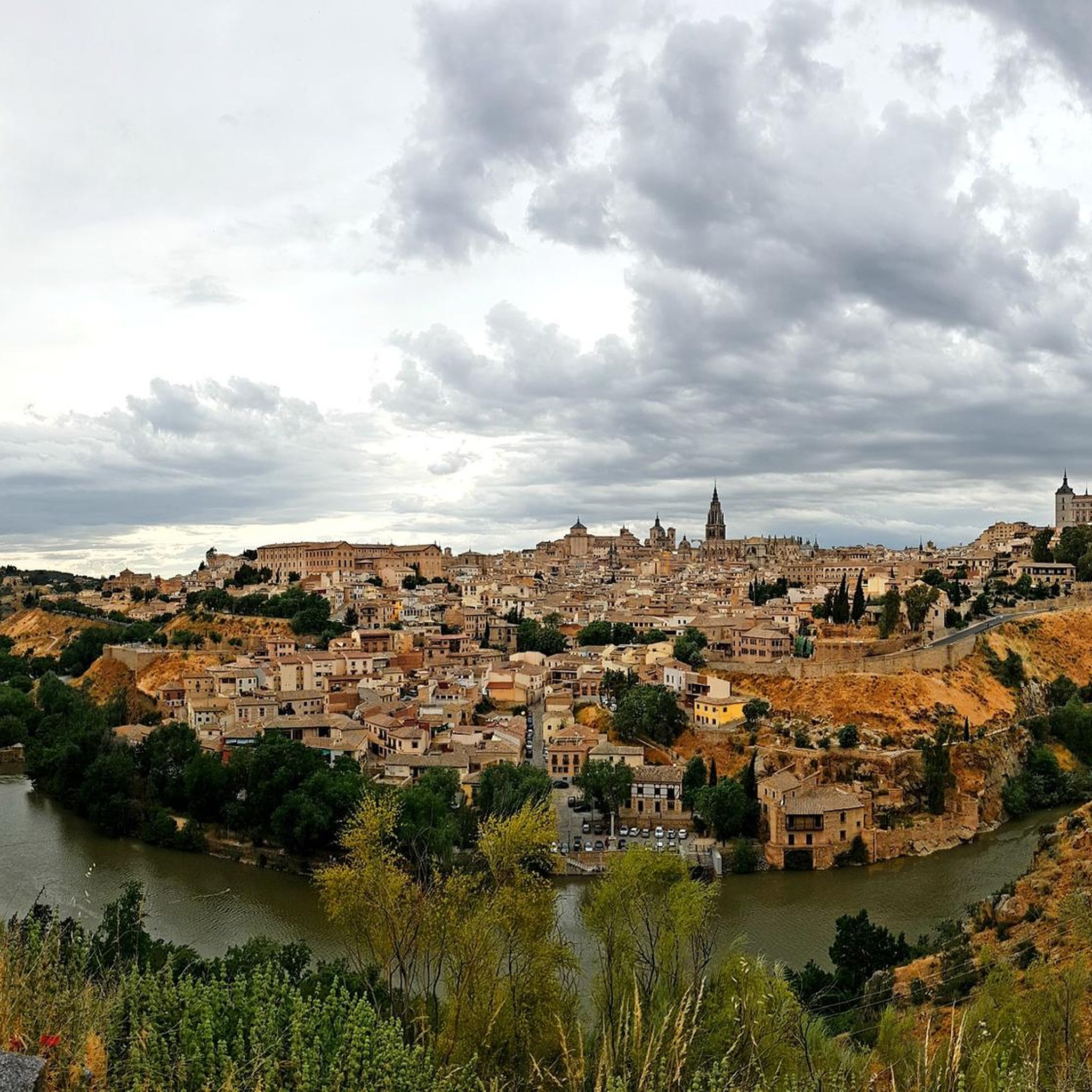
Impossible not to see it even from kilometers away, the ruins of the Almonacid castle rise imposingly on top of the hill at the foot of which the town is located. There are records of the castle dating from the year 848 and it is believed to be of Muslim origin. Surrounded by a deep moat next to its wall, the castle is made up of an interior enclosure and a central tower. In the 11th century it passed into the hands of King Alfonso VI, centuries later it used to be a prison and its most recent function dates back to the beginning of the 19th century as a fortress during the War of Independence. Without a doubt, it is worth visiting since it will also give you the best views in all directions towards this beautiful area of Toledo.
4
0
Built in 1928 after the end of the First World War, it is an icon of the boom in the export of products produced in Mora, such as its renowned olive oil, which brought a lot of wealth to the town. The architect Ezequiel Martin Martin, in charge of its construction, knew how to perfectly capture the Neo-Mudejar style, resulting in a building that does not go unnoticed and is visited by many tourists to appreciate its beauty.
4
0
Frequently Asked Questions
How many running routes are available around Mascaraque?
There are 4 dedicated jogging routes available around Mascaraque, all offering a moderate challenge. These routes allow you to explore the region's rural landscapes and historical features.
What kind of terrain can I expect on Mascaraque's running trails?
The running trails in Mascaraque primarily traverse rural paths, agricultural lands, and areas with olive groves and vineyards. You'll find unpaved tracks offering a softer surface, winding through the Castilian landscape, often with views of holm oaks, pines, or cork trees.
Are there any easy or beginner-friendly jogging routes in Mascaraque?
All the currently listed jogging routes in Mascaraque are rated as moderate. While there are no routes specifically designated as 'easy', the moderate trails are generally accessible and offer a good experience for those with some running experience. For example, the Running loop from Mora is a 4.3-mile route that takes about 49 minutes to complete.
Can I find circular running trails in Mascaraque?
Yes, several of the routes around Mascaraque are circular, offering convenient starting and ending points. Examples include the Running loop from Mora and the Mora Town Hall loop from Mora, which is a longer option at 7.3 miles.
What historical landmarks can I see while jogging in Mascaraque?
Mascaraque's running routes often pass by significant historical sites. You can encounter the well-preserved 14th-century Mascaraque Castle, 18th-century churches, and various hermitages. The Church ruins – Almonacid Castle loop from Almonacid de Toledo specifically passes historical landmarks, including the impressive Almonacid Castle.
Are there any viewpoints or panoramic vistas along the running routes?
Yes, from elevated points within and around Mascaraque, you can enjoy panoramic vistas of the surrounding rural landscape. The Cerro Gordo de la Oliva, a peak reaching 901 meters, offers extensive views of the region, including Mascaraque itself, and some routes may offer glimpses of this broader scenery.
What is the best time of year for running in Mascaraque?
The mild temperatures throughout much of the year, particularly in spring and autumn, make Mascaraque an appealing destination for outdoor pursuits like running. These seasons offer comfortable conditions to enjoy the rural setting.
Are there longer distance running routes available?
For those looking for longer runs, the Peñas Negras Castle loop from Mora is the longest route listed, covering nearly 8.6 miles (13.9 km) with significant elevation gain, making it a good option for a more extended workout.
Is parking available near the jogging routes in Mascaraque?
Given Mascaraque's tranquil rural setting, parking is generally available in or near the towns where these routes begin, such as Mora or Almonacid de Toledo. You can typically find roadside parking or designated areas within these smaller communities.
What do other runners enjoy most about jogging in Mascaraque?
Runners often praise the serene and picturesque rural surroundings, the peaceful sounds of the countryside, and the opportunity to combine physical activity with cultural immersion by passing historical landmarks. The quiet streets of Mascaraque itself also offer a pleasant experience.
Are the running trails in Mascaraque suitable for families?
While all listed routes are moderate, the tranquil rural paths and relatively low traffic make them generally suitable for active families. The shorter routes, like the Running loop from Mora, could be a good option for families looking for an outdoor activity together, allowing them to enjoy the natural beauty and historical sights.
Most popular attractions around Mascaraque

Get inspired with the komoot mobile app


Explore more
Browse the best Running Trails & Routes in other regions.
