Top 2 Castles around Rocafort
Best castles around Rocafort offer a glimpse into the region's historical significance and architectural heritage. The area features a mix of ancient fortifications, reconstructed castles, and historical settlements, often set within agricultural landscapes. Visitors can explore structures with Islamic origins and significant Gothic architecture, providing diverse historical contexts. These sites are often integrated into local towns, offering a combination of cultural and historical exploration.
Best castles around Rocafort
- The most popular castles is Serranos Towers, a historical site that…
Last updated: July 2, 2026
Serranos Towers
Highlight • Historical Site
Translated by Google •
Tip by

Through the middle of orange groves
Highlight (Segment) • Settlement
Translated by Google •
Tip by

Sign up now to discover places like this
Get recommendations on the best single tracks, peaks, & plenty of other exciting outdoor places.
Sign up for free
Bétera Castle, Palace of the Boïl
Highlight • Castle
Translated by Google •
Tip by

Bétera
Highlight • Settlement
Showing Translation
Tip by
Start today with a free account
Your next adventure awaits.
Login or Signup

Tips from the Community

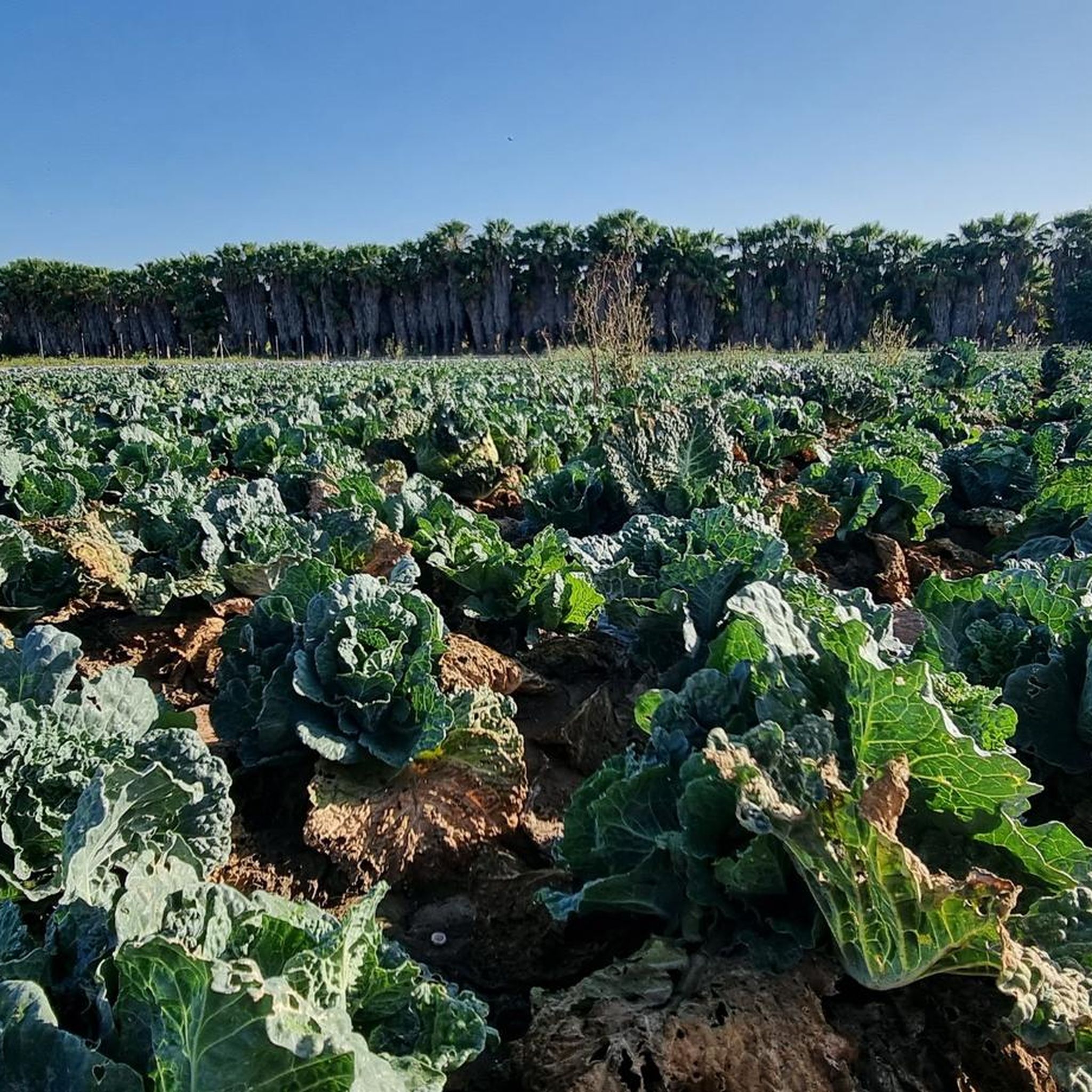
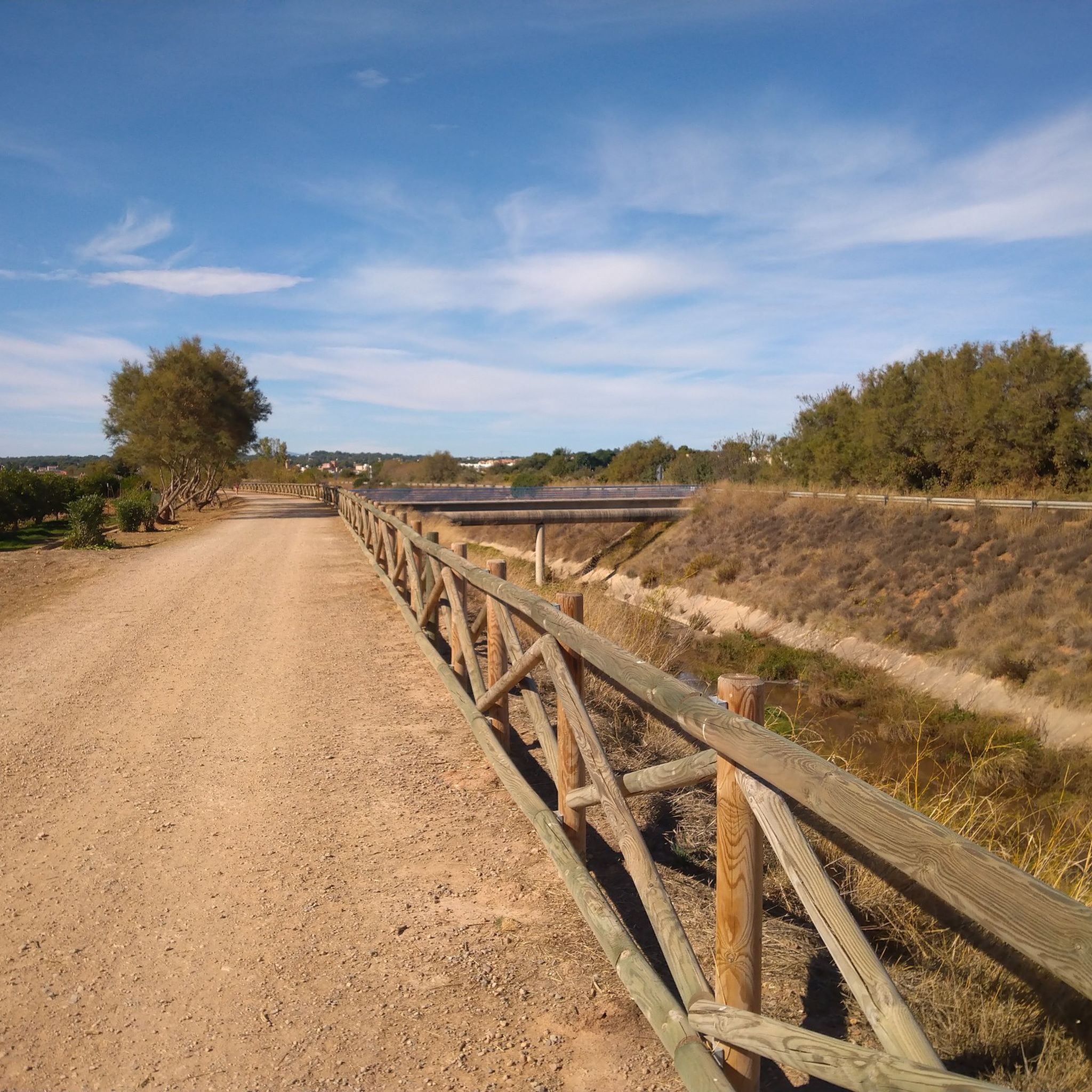
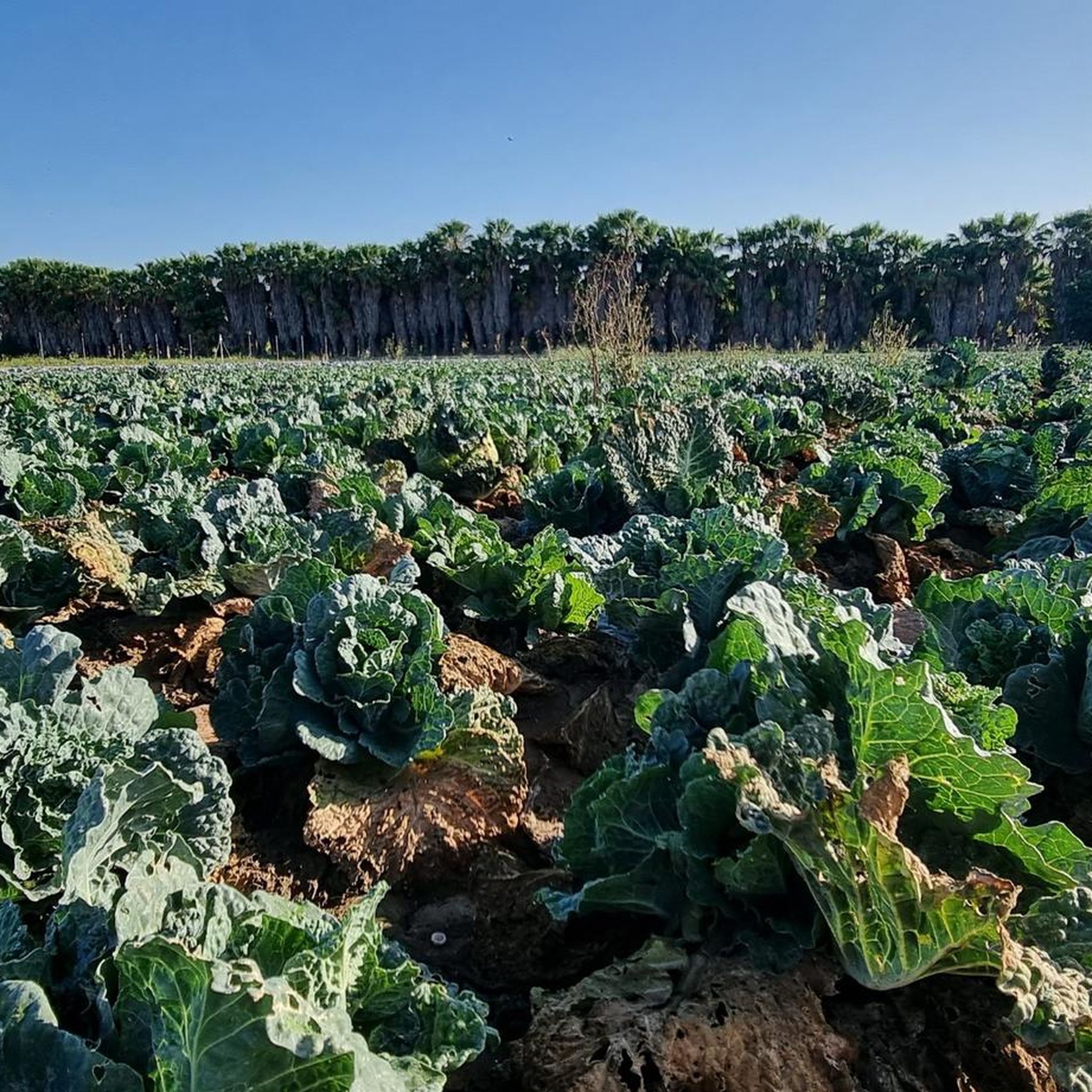
Bétera stands out from the agricultural landscape with its castle and church tower. It is an ideal passing point on cycling routes through the quiet surrounding roads, making it ideal for a snack stop.
0
0

The town hall square of El Puig is an ideal place to take a break. From there you can visit the castle ruins and the monastery.
1
0

Under the supervision of Pere Balaguer, construction began in 1392. The towers were designed to be defensive structures at one of the busiest city gates. They were saved from demolition when the city walls were knocked down in 1865 and used as a prison for the nobility between 1586 and 1887. The back of the towers have been opened so that the pointed arches and the vaulted domes can now be seen from the Plaza de los Fueros. The Towers represent an excellent example of gothic architecture. The Serranos Towers were used both as a defensive feature of the city and also as a triumphal arch. Currently, the most outstanding event that takes place at the feet of the towers is the Crida, when on the last Sunday in February the Fallas Queen of Valencia welcomes all Valencians and visitors to the Fallas and calls on them to begin the festivities. The choice of this emblematic place is to symbolise the arrival of outsiders to Valencia centuries ago along the Serranos trail. (https://www.visitvalencia.com/en/what-to-do-valencia/valencian-culture/monuments-in-valencia/serranos-towers)
6
0

Great impressions and views, entry costs 2 euros. It is essential to bring sure-footedness with you, as there are no railings installed in most places and the steps are sometimes very high.
5
0

The former city gate Torres de Serranos is the best-known landmark of Valencia. It provided access to the city from the north-west, i.e. on the roads from Barcelona and Zaragoza, and was inserted into the city wall, which no longer exists. Immediately in front of the gate, the river Turia had to be crossed on a bridge about 100 meters long. The building was erected between 1392 and 1398. The towers are a good 30 meters high. The back wall was removed in the 19th century so the building is now open at the back. For a time it served as a prison. The gate is the only remaining city gate next to the similarly imposing "Torres de Quart".
5
0

Super impressive building. Definitely worth seeing!
5
0
The Serranos towers are, together with the Quart portal, the only old entrances to the wall of Valencia that remain standing. The opulence of its architecture shows more of a symbolic character than a defensive one. Built in the 14th century, they were intended to show everyone who entered the city how important Valencia was in the Middle Ages.
4
0

Frequently Asked Questions
What is the historical significance of castles in the Rocafort area?
The castles in the Rocafort area boast a rich history, reflecting centuries of strategic importance. The **Castle of Rocafort de Queralt**, for instance, though a modern reconstruction, stands on foundations dating back to at least 1178 and was central to the barony of Rocafort. You can still see preserved medieval gates from the ancient village wall. Further afield, the Serranos Towers in Valencia, built in the 14th century, served as a grand entrance to the city, showcasing its medieval importance. Bétera Castle, Palace of the Boïl, has Islamic origins and was a strategic fortress protecting surrounding Muslim farmhouses.
Are there family-friendly castles or historical sites to visit near Rocafort?
Yes, several sites are suitable for families. The Serranos Towers are a great option, offering a glimpse into Valencia's defensive past. The area around Through the middle of orange groves also features castle ruins and a monastery that can be explored. Bétera Castle, Palace of the Boïl is another family-friendly historical site, where you can explore its ancient structure.
Can I visit the historic Castle of Rocafort de Queralt?
The **Castle of Rocafort de Queralt** is a modern reconstruction on ancient foundations and is privately owned. While the interior is not publicly accessible, you can still appreciate its historical context and the preserved medieval gates from the ancient village wall, such as the 'Sarral' and 'Conesa' gates, which offer a tangible link to the town's past. The castle itself is declared a cultural asset of national interest.
What outdoor activities can I combine with a visit to the castles around Rocafort?
The region around Rocafort is excellent for outdoor activities. You can explore various cycling routes, including gravel biking and traffic-free options. For example, consider a 'Morería Pass – Cartuja de Porta Coeli loop' or a 'Turia River Weir – Serranos Towers loop' for gravel biking. If you prefer traffic-free rides, there are routes like the 'Orchards – Patacona Beach loop'. You can find more details on these routes in the Gravel biking around Rocafort and Traffic-free bike rides around Rocafort guides.
Are there any viewpoints or scenic spots near the castles?
Yes, the Serranos Towers offer excellent views, being a prominent landmark and viewpoint in Valencia. The **Castle of Rocafort de Queralt**, situated in the highest part of its town, also provides good views of the surrounding area. Additionally, the nearby Santuario del Tallat, a Gothic-style religious building, offers panoramic views of the region.
What are some unique architectural features of the castles in this region?
The castles in the Rocafort area showcase diverse architectural styles. The Serranos Towers are a magnificent example of 14th-century Valencian Gothic architecture. Bétera Castle, Palace of the Boïl, has distinctive Islamic origins. Even the reconstructed **Castle of Rocafort de Queralt** incorporates historical elements like battlements and two towers, and the town preserves two medieval gates with semicircular and lowered arches.
Are there cafes or restaurants near the castles for a break?
Yes, you'll find places to refresh yourself. The town hall square of El Puig, near the castle ruins mentioned in Through the middle of orange groves, is an ideal spot for a break. Bétera, with its castle and church tower, is also an ideal passing point on cycling routes for a snack stop. The wider Rocafort area, including the town of Rocafort de Queralt itself, offers local cafes and restaurants.
What other cultural attractions are near the castles in Rocafort de Queralt?
Beyond the castle, Rocafort de Queralt is home to a Modernista cooperative winery built by Cèsar Martinell, which is worth exploring. The town also features steep old streets and is located near vineyards in the Conca de Barberà region, offering an authentic cultural and historical experience. The Santuario del Tallat, a Gothic-style religious building, is also nearby.
What do visitors enjoy most about the historical sites in the Rocafort area?
Visitors frequently appreciate the historical depth and architectural beauty. For example, the Serranos Towers are praised for their intactness and Gothic architecture, making them one of the most photographed points in Valencia. The strategic location and historical significance of sites like Bétera Castle, Palace of the Boïl, with its Islamic origins, also captivate visitors.
Are there any challenging hikes or bike rides that incorporate castle views?
Yes, for those seeking a challenge, there are several difficult gravel biking and traffic-free bike routes in the area. For instance, the 'Morería Pass – Cartuja de Porta Coeli loop' is a difficult gravel biking route. Another challenging option is the 'Recreation area – Torres Torres Castle loop' for traffic-free biking. These routes often pass through scenic landscapes, offering glimpses of historical sites and natural features. You can find more details in the Gravel biking around Rocafort and Traffic-free bike rides around Rocafort guides.
Most popular routes around Rocafort
Most popular attractions around Rocafort

Get inspired with the komoot mobile app


Explore more
Looking for the best castles somewhere else? Discover other guides around Rocafort:
