Attractions and Places To See around Figueiró Da Granja - Top 6
Best attractions and places to see around Figueiró Da Granja include a mix of historical sites, cultural landmarks, and natural features. This village, located in the municipality of Fornos de Algodres, offers insights into ancient heritage and views of the Serra da Estrela. Visitors can explore significant historical structures and religious sites, reflecting the region's long history. The area also provides access to natural landscapes near the Mondego River.
Best attractions and places to see around Figueiró Da Granja
- The…
Last updated: July 2, 2026
Aldeia Histórica de Linhares da Beira
Highlight • Settlement
Translated by Google •
Tip by

Linhares Roman Road
Highlight (Segment) • Historical Site
Translated by Google •
Tip by
Sign up now to discover places like this
Get recommendations on the best single tracks, peaks, & plenty of other exciting outdoor places.
Sign up for free
Along the Ribeira da Muxagata
Highlight (Segment) • River
Translated by Google •
Tip by
Freixo da Serra
Highlight • Settlement
Translated by Google •
Tip by

Weir on the Mondego
Highlight • River
Translated by Google •
Tip by
Sign up for free to discover even more attractions around Figueiró Da Granja.
Sign up for free
Already have an account?
Start today with a free account
Your next adventure awaits.
Login or Signup
Popular around Figueiró Da Granja

Tips from the Community

A historic village of undeniable beauty. Thank you for sharing the photos.👍🥾🚲
0
0

Linhares da Beira is steeped in centuries of history. Founded, apparently, in the 6th century BC by the Turduli, it saw the passage of the Lusitanians, Romans, and Visigoths, who made it the seat of their diocese. It was the scene of Moorish legends, recovered by the kings of León and later by Afonso Henriques, who granted it a charter in 1169 and integrated it into the region's defensive line. Over time, it welcomed Jews, resisted invasions, and lost its municipality in 1842, but never its soul. Today, it is proud to be one of the 12 Historic Villages of Portugal, where every stone tells a piece of the past.
3
0
Between time-worn granite blocks, the Estrada dos Almocreves winds its way to Linhares da Beira. This section, a legacy of the Via da Estrela (the ancient Roman route that connected Mérida to Braga), connected Mangualde to Linhares and continued to Videmonte. It's over a kilometer of almost uninterrupted pavement, gently descending until it reaches the waters of the Ribeira de Linhares.
2
0
The Mondego, the largest river with a wholly Portuguese soul, offers a crossing here: a dam that serves as a natural bridge. Tread carefully, but don't forget to look up, because the view from the heart of the river is unique. The crossing is usually easy in any season, but if the rains are heavy, it's best to turn around and let the current take its course.
2
0
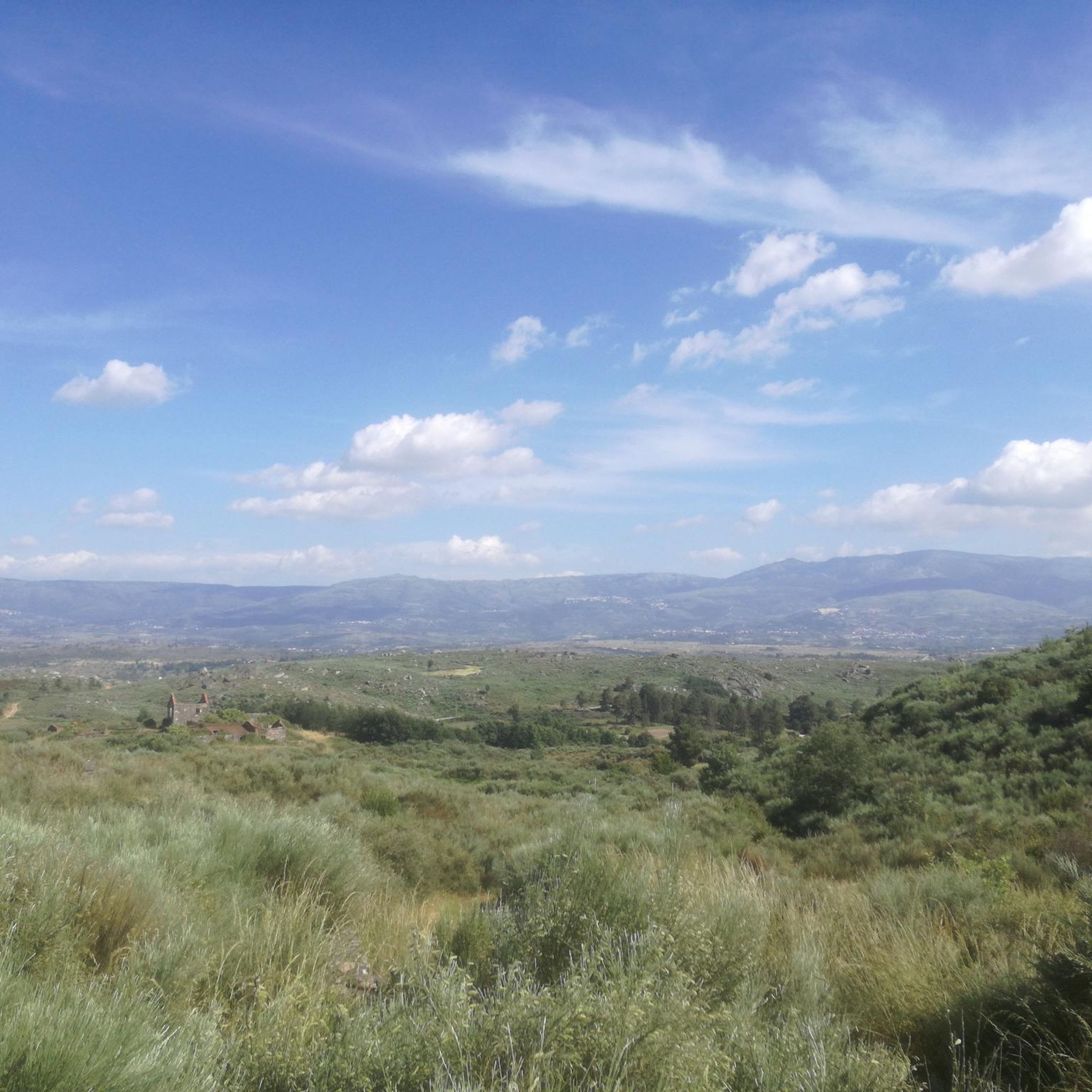
The Muxagata stream meanders for about 20 kilometers southwest until it meets the Mondego River. At the bottom of a gentle valley, nestled between rocky slopes, the water has shaped the terrain with alluvium that fertilizes banks that were once forested, now transformed into meadows where goats and sheep graze peacefully. Among dense alders, wildlife thrives as in a deciduous forest, while the neighboring slopes boast broom and rare oaks, a vivid portrait of the long dance between nature and humankind.
1
0

Characterized by a serene and rural atmosphere, Freixo da Serra offers a taste of traditional Portuguese mountain life. Its stone houses, narrow streets and surrounding environment of cultivated fields and forests make it an ideal place for those seeking peace and contact with nature. Its strategic location allows easy access to some of the trails and points of interest of Serra da Estrela, while maintaining the tranquility of a less touristy settlement.
0
0

Frequently Asked Questions
What historical sites can I explore around Figueiró da Granja?
Figueiró da Granja is rich in history. You can visit the ancient hillfort of Castro de Santiago, which offers expansive views and features Copper Age fortified enclosures. The village also boasts a traditional Portuguese Pelourinho (pillory) from its time as a council seat, and a historic Cruzeiro (stone cross). For a deeper dive into regional history, explore Aldeia Histórica de Linhares da Beira, one of Portugal's 12 Historic Villages, or walk a section of the Linhares Roman Road, a legacy of an ancient route connecting Mérida to Braga.
Are there any cultural or religious landmarks to visit in Figueiró da Granja?
Yes, the village has several significant cultural and religious sites. The main church is the Igreja Matriz de Figueiró da Granja / Igreja de Nossa Senora da Graça, known for its magnificent gilded carvings. You can also explore the Museu Paroquial de Arte Sacra, housed in the old rectory, which displays a collection of sacred art including sculptures and liturgical vestments. Additionally, there are several historic chapels such as Capela de Nossa Senhora de Copacabana, Capela de S. Pedro, Capela do Mártir ou de S. Sebastião, and Capela de S. Silvestre.
What natural features and viewpoints are there near Figueiró da Granja?
From the elevated position of Castro de Santiago, you can enjoy stunning, unobstructed views stretching towards the foothills of the Serra da Estrela mountain range. The area is also close to the right bank of the Mondego River, offering scenic rural landscapes with agricultural land, forests, and native oaks. A unique natural feature is the Weir on the Mondego, which acts as a natural bridge and provides a distinct view from the heart of the river.
What kind of outdoor activities can I do around Figueiró da Granja?
The region offers various outdoor activities, particularly running and road cycling. You can find several routes that allow you to explore the natural beauty and historical sites. For running, consider routes like the 'Linhares Roman Road loop' or the 'Epígrafe de Infias loop'. If you prefer road cycling, options include the 'Weir on the Mondego loop' or routes exploring nearby villages. You can find more details and specific routes on the Running Trails around Figueiró Da Granja and Road Cycling Routes around Figueiró Da Granja guide pages.
Are there family-friendly attractions or activities in the area?
While specific family-friendly attractions are not detailed, the serene and rural atmosphere of settlements like Freixo da Serra, with its stone houses and surrounding forests, offers a peaceful environment for families to enjoy nature. Exploring the historical villages and gentle trails can be suitable for families looking for a relaxed outdoor experience. The Weir on the Mondego provides an easy crossing and a unique view that can be interesting for all ages.
What is the best time to visit Figueiró da Granja for outdoor activities?
The region benefits from a temperate microclimate, making it pleasant for outdoor activities for much of the year. For hiking and exploring, spring and autumn generally offer comfortable temperatures and beautiful scenery. While the Weir on the Mondego is usually easy to cross in any season, it's advisable to check local conditions during heavy rains.
Can I find places to eat or stay in Figueiró da Granja?
The village of Figueiró da Granja, being a traditional Portuguese settlement, offers a glimpse into local life. While specific cafes, pubs, or accommodations are not detailed in the provided information, smaller villages in Portugal typically have local eateries and guesthouses. For more options, nearby larger towns like Fornos de Algodres would likely offer a wider selection of services.
What is the significance of the Castro de Santiago?
Castro de Santiago is the highest point in Figueiró da Granja, standing at 612 meters above sea level. It's significant not only for its expansive views of the Serra da Estrela but also for its archaeological importance. The site features two granite boulders that were transformed into fortified enclosures during the Copper Age, around 3000 years BC, highlighting the region's ancient human presence and defensive history.
Are there any unique natural spots or 'hidden gems' around Figueiró da Granja?
Beyond the well-known attractions, the area offers serene natural beauty. The stream Along the Ribeira da Muxagata meanders through a gentle valley, where the water has shaped the terrain, creating meadows and supporting diverse wildlife among dense alders and rare oaks. This spot provides a vivid portrait of the interplay between nature and human activity, offering a peaceful escape.
How can I learn more about the history of Linhares da Beira?
To delve deeper into the history of Linhares da Beira, you can visit Aldeia Histórica de Linhares da Beira itself. This historic village, founded in the 6th century BC, has witnessed the passage of Lusitanians, Romans, and Visigoths. It was a seat of a diocese, a scene of Moorish legends, and played a role in Portugal's defensive line. Every stone in this village tells a piece of its rich past, making it a living museum of regional history.
What is the difficulty level of hiking or running trails in the area?
The trails around Figueiró da Granja vary in difficulty. For running, you can find routes categorized as 'moderate', such as the 'Linhares Roman Road loop' (7.3 km) or the 'Dólmen de Matança loop' (13.7 km). There are also more 'difficult' running options like a 17 km loop from Fornos de Algodres. For road cycling, routes range from 'easy' (e.g., 'Praia Fluvial do Cadoiço loop', 22.4 km) to 'difficult' (e.g., 'Pelourinho de Aguiar da Beira – Citânia da Raposeira loop', 94.1 km). It's always recommended to check the specific route details on komoot for elevation and terrain information before heading out.
Most popular routes around Figueiró Da Granja

Get inspired with the komoot mobile app


Explore more
Still not found the Highlight you’re looking for? See guides of the top attractions in other regions:
