The 4 Most Amazing Peaks around Králický Sněžník
Best mountain peaks around Králický Sněžník are found in a massif straddling the border of the Czech Republic and Poland. This range is known for its natural beauty, unique hydrological features, and panoramic vistas. Králický Sněžník is a significant hydrological point, often referred to as a "triple watershed point" where water flows to three different seas. The area is characterized by spruce forests and a wild character, preserving its natural state.
Best mountain peaks around Králický Sněžník
- The most popular…
Last updated: June 29, 2026
Králický Sněžník Summit
Highlight • Summit
Translated by Google •
Tip by

Śnieżnik Viewing Tower
Highlight • Viewpoint
Translated by Google •
Tip by

Sign up now to discover places like this
Get recommendations on the best single tracks, peaks, & plenty of other exciting outdoor places.
Sign up for free
Śnieżnik – 1,425 m above sea level
Highlight • Summit
Translated by Google •
Tip by

Sušina Peak
Highlight • Summit
Translated by Google •
Tip by

Mountain views from Śnieżnik
Highlight • Viewpoint
Translated by Google •
Tip by

Start today with a free account
Your next adventure awaits.
Login or Signup

Tips from the Community

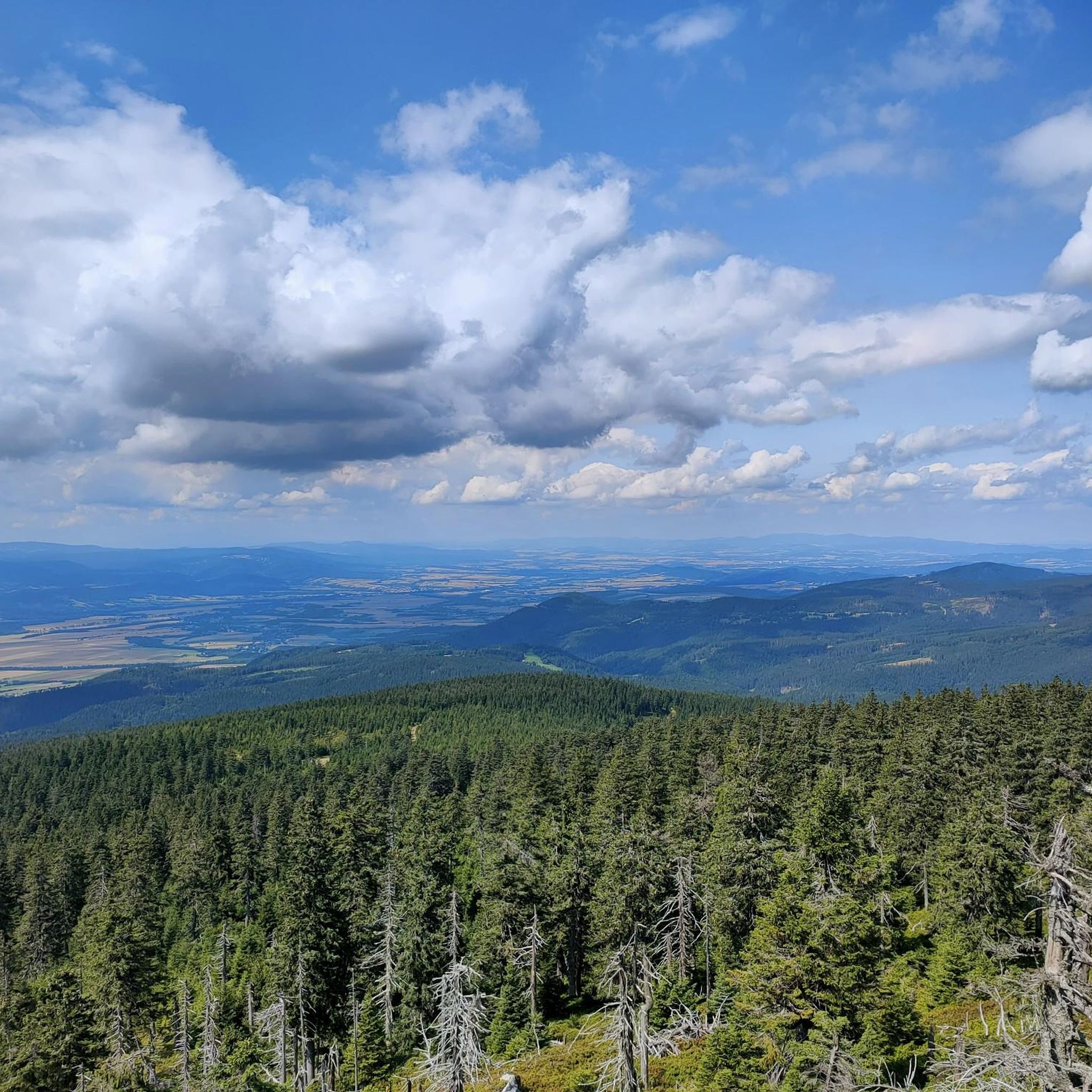
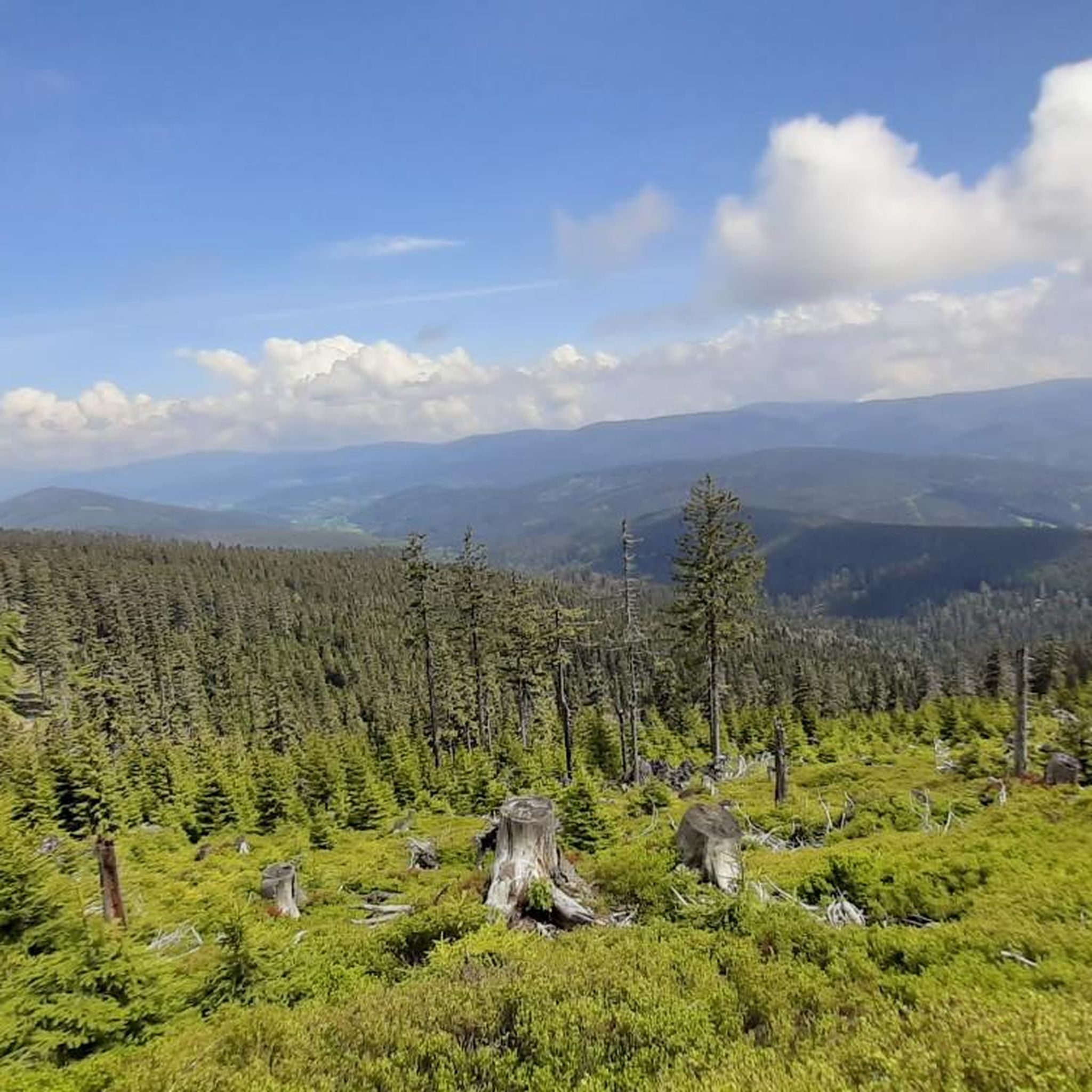
Śnieżnik is the highest peak of the Śnieżnik Massif, the second-highest range in the Polish Sudetes. It belongs to the Crown of Polish Mountains and lies in the Western Sudetes. The Polish-Czech border runs through the summit, where the borders of the historical regions of Silesia, Bohemia, and Moravia meet. In September 2022, a new observation tower was officially opened at the summit, offering views of Śnieżka in the Karkonosze Mountains, the Orlické, Bialskie, Złote, Bystrzyckie, and Opawskie Mountains. Trails lead to Śnieżnik from both the Polish and Czech sides. The most popular trails are from Międzygórze and Kletno, leading through the PTTK "Na Śnieżniku" mountain hut. The longer trail, running along the border, begins in the Czech Republic at Pod Klepáčem and passes through Trójmorski Wierch, Puchacz, and Mały Śnieżnik.
0
1

The climb is not easy, but the view makes up for it.
7
0
Far-sightedness guaranteed in good weather, only the dirt of the other visitors trickles down on your head🤭
7
0

Śnieżnik is a mountain on the Polish-Czech border. Its wide summit offers views of both the Polish and Czech sides. It offers plenty of space. A mountain hut with full infrastructure is about 30 minutes from the summit.
0
0

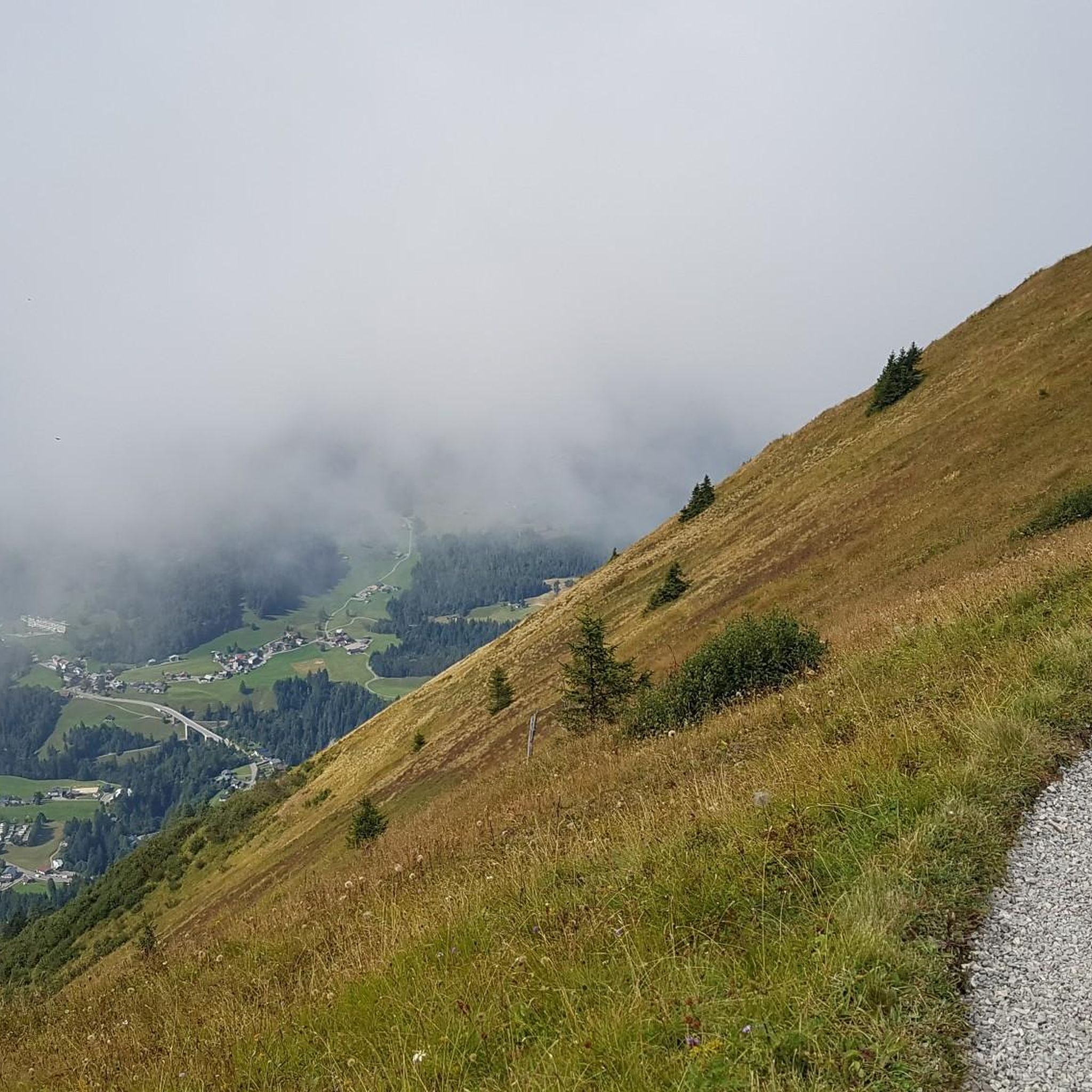
It's worth bringing good shoes, as the approach is sometimes steep and rocky. One section of the trail features a steep, rocky ascent, with a crevasse through the middle caused by a river that once flowed there.
0
0

A big blender in the background
1
0

The highest peak (1425m) in the Eastern Sudetes and the Śnieżnik Massif - is located on the Polish-Czech border. Králický Sněžník is of course the Czech equivalent of "Śnieżnik". Great views in every direction - there is also a great observation tower at the top, which is worth climbing (if you haven't had enough of climbing yet...)
3
0

TIP: In the following book, the hikes in the Adersbach-Weckelsdorfer Felsenstadt, Braunauer Ländchen, Adlergebirge & Altvatergebirge and the entire region are described in detail: Adersbach-Weckelsdorfer Felsenstadt - Adlergebirge & Altvatergebirge A travel guide for Bohemia & Moravia with travel & hiking section for: Adersbach-Weckelsdorfer Felsenstadt & Braunauer WändeHeuscheuergebirge National Park - with the Wild Caves (Błędne Skały)Adlergebirge, Altvatergebirge with the Glatzer Schneeberg and with 43 route hikes from Trutnov on the edge of the Giant Mountains to Ostrava in Moravia-Silesia and from Olomouc to Hradec Králové & Pardubice ISBN: 978-3-9816577-3-9 Info about the book & possibility to order: www.reise-karhu.de/reisebuecher/adersbacher-felsen-adlergebirge.html
1
0
Frequently Asked Questions
What are the most prominent mountain peaks in the Králický Sněžník region?
The undisputed highlight is Králický Sněžník itself, also known as Śnieżnik, which is the highest mountain in the range at 1,423 meters. Other notable peaks contributing to the region's rugged landscape include Mały Śnieżnik, Sušina, Hraniční skály, Podbělka, Černá kupa, Stříbrnická, Babuše, Uhlisko, and Slamník. Each offers unique perspectives of the mountainous terrain.
What unique natural features can I discover on Králický Sněžník?
Králický Sněžník is renowned for its unique hydrological features. It's often called the 'Roof of Europe' or a 'triple watershed point' because water flowing from its slopes eventually reaches the Black Sea, the North Sea, and the Baltic Sea. You can also visit the source of the Morava River just below the summit. The peak and much of the massif are part of the Králický Sněžník National Nature Reserve, protecting alpine sticks, diverse plant and animal species, and karst formations.
Are there good viewpoints on the mountain peaks around Králický Sněžník?
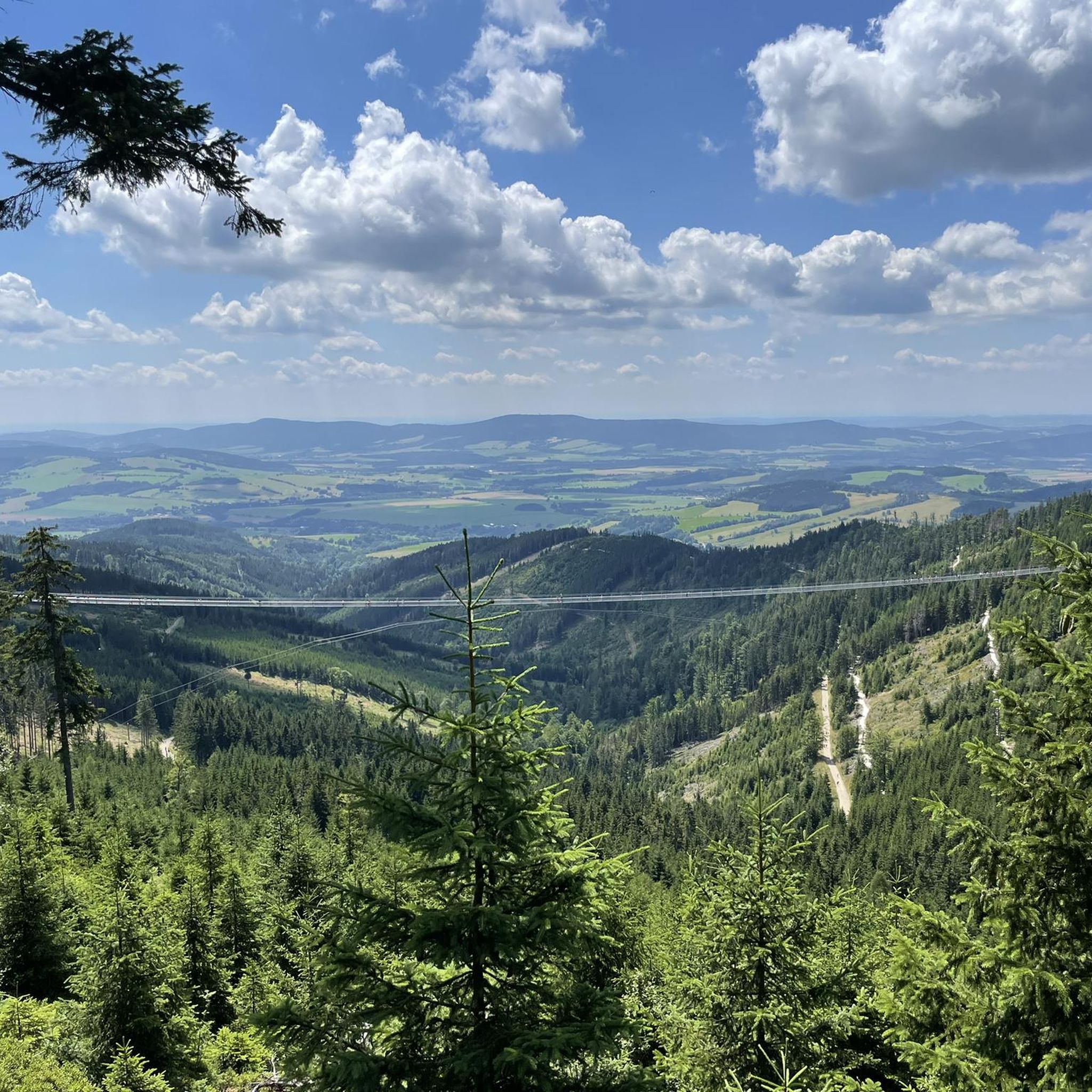
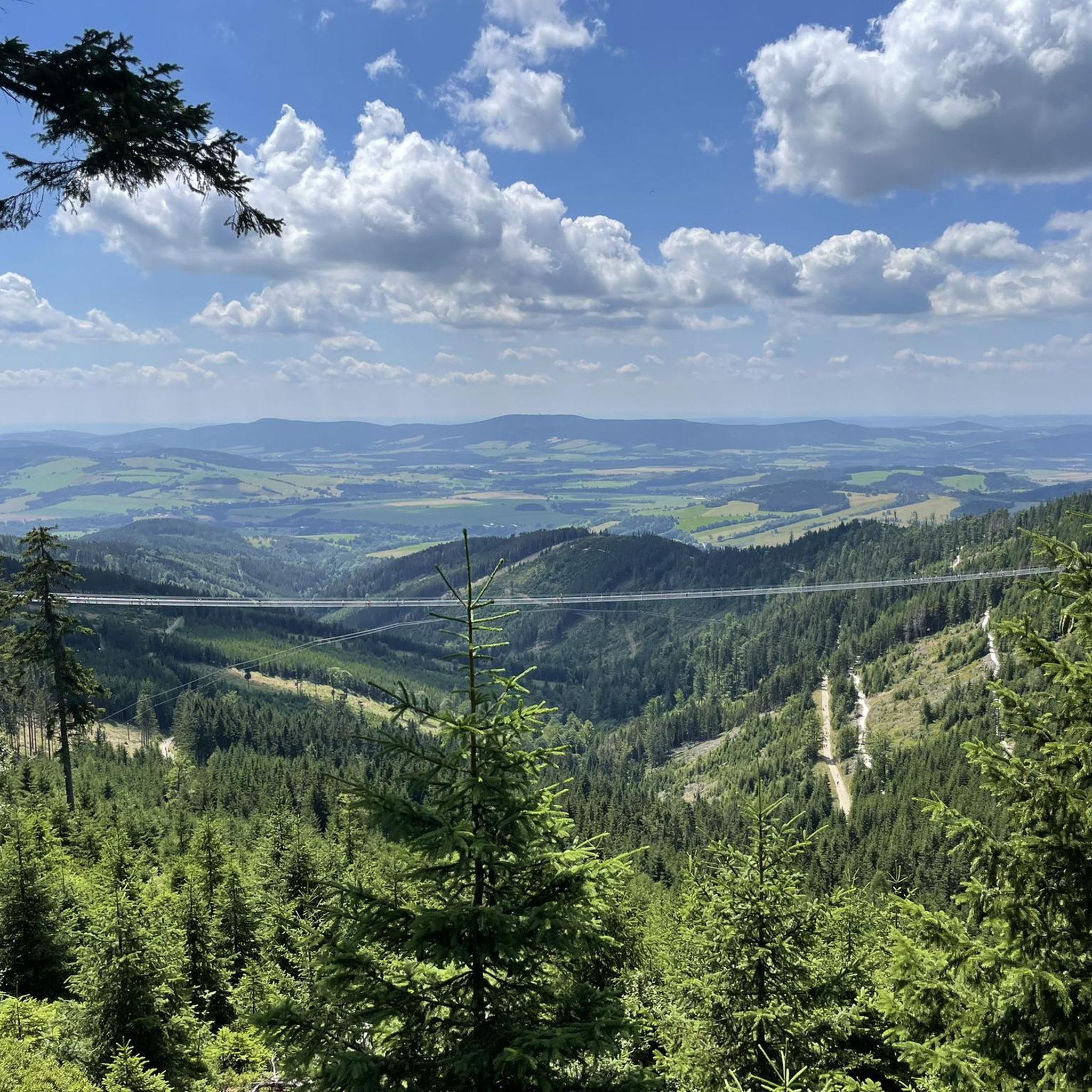
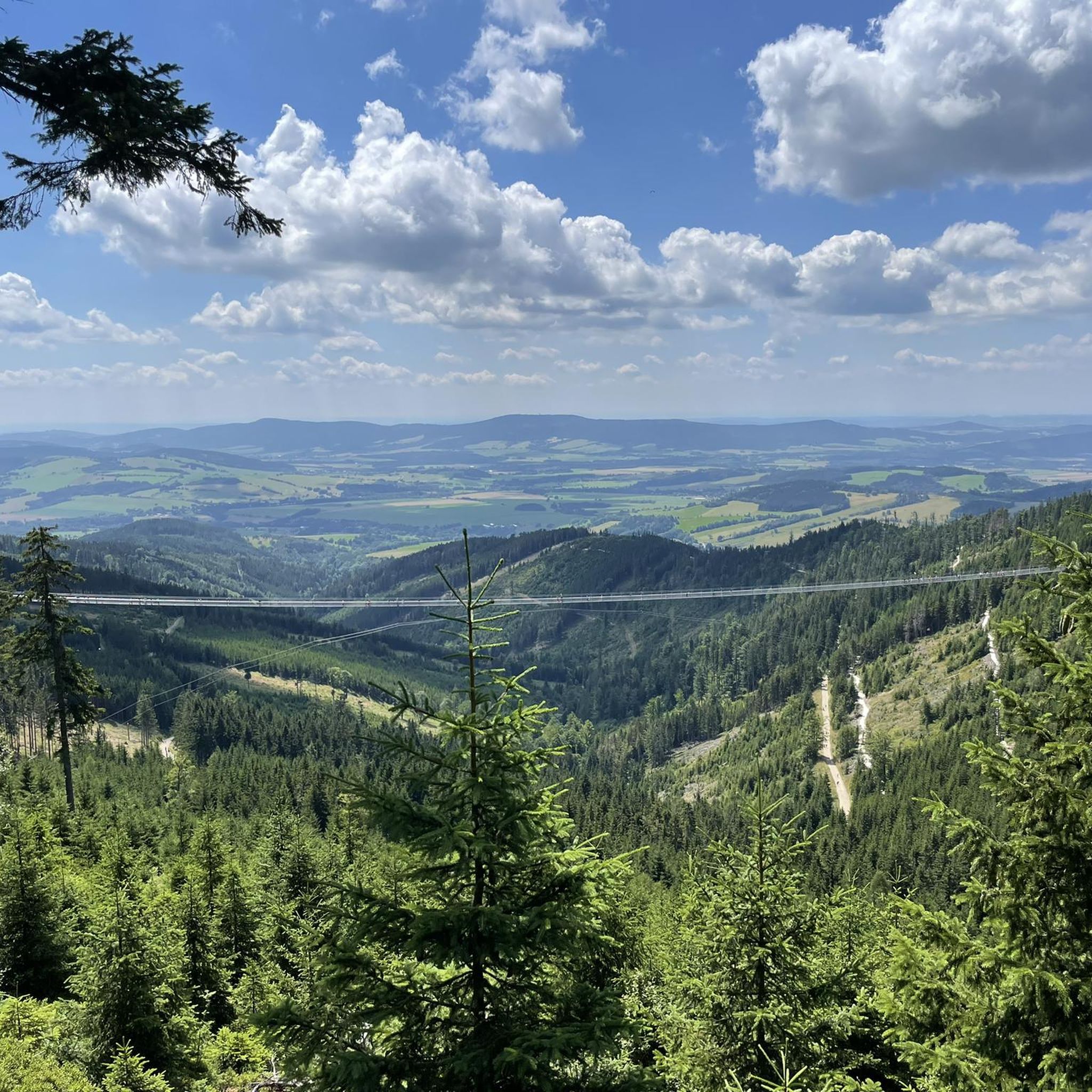
Yes, the region offers several excellent viewpoints. The summit of Králický Sněžník Summit provides expansive panoramic views of the surrounding landscape, including the Jeseníky and Orlické Mountains. On a clear day, you might even spot Sněžka and Praděd. A new observation tower at Śnieżnik – 1,425 m above sea level also offers wide vistas of various mountain ranges.
What kind of terrain can I expect when hiking in the Králický Sněžník Mountains?
The terrain in the Králický Sněžník Mountains can be varied. While some sections are moderate, the ascent to peaks like Králický Sněžník is considered moderate to hard, requiring good fitness. You should expect paths that are sometimes steep and rocky, especially on approaches to summits. The region is characterized by spruce forests, with some beech and fir trees, and generally lacks significant settlements, preserving its wild character.
What historical landmarks can be found on Králický Sněžník?
On the summit of Králický Sněžník, you'll find a natural-looking pile of stones, which is a remnant of a stone lookout tower that stood there from 1899 until its demolition in 1973. Additionally, a unique symbol of the mountain is a statue of a young elephant.
What outdoor activities are available near the Králický Sněžník peaks?
The area around Králický Sněžník is excellent for various outdoor activities. You can find numerous routes for hiking, running, and even specific waterfall hikes. For example, there are routes like the 'Sky Bridge 721 Dolní Morava loop' for hiking and 'Králický Sněžník Summit loop' for running. You can explore more options on the Hiking around Králický Sněžník, Running Trails around Králický Sněžník, and Waterfall hikes around Králický Sněžník guide pages.
Are there any mountain huts or facilities near the summits?
Yes, near the summit of Śnieżnik, there is a mountain hut with full infrastructure, typically about a 30-minute walk from the peak. This can be a convenient stop for hikers.
What is the best time to visit the Králický Sněžník Mountains for hiking?
While the region is beautiful year-round, the ascent to Králický Sněžník is a rewarding experience, with several marked trails. The climb is considered moderate to hard, requiring good fitness. The views are well worth the effort, especially on a clear day. For specific weather conditions and trail accessibility, it's always advisable to check local forecasts before your visit.
What do visitors enjoy most about Králický Sněžník?
Visitors frequently praise the expansive and beautiful views from the summits, especially from Králický Sněžník Summit and Mountain views from Śnieżnik. The challenging yet rewarding climbs, the unique hydrological features like the source of the Morava River, and the overall wild, preserved character of the National Nature Reserve are also highly appreciated.
Are there any circular hiking routes available in the Králický Sněžník area?
Yes, there are several circular hiking routes available. For example, you can find routes like the 'Sky Bridge 721 Dolní Morava loop from Masyw Śnieżnika' or the 'Slamník loop from Velká Morava'. These loops offer diverse experiences and allow you to return to your starting point. More details can be found on the Hiking around Králický Sněžník guide page.
How long does it typically take to hike Králický Sněžník?
Ascents to Králický Sněžník typically involve trails around 12 km long from the Czech side, starting from areas like Horní Morava or Dolní Morava ski-summer resort. The duration depends on your fitness level and chosen route, but it's generally considered a full-day hike due to its moderate to hard difficulty.
What other peaks are worth exploring besides Králický Sněžník?
Beyond Králický Sněžník, Sušina Peak is another notable summit, offering its own unique views and contributing to the extensive network of trails in the range. Other high mountains like Mały Śnieżnik, Hraniční skály, and Podbělka are also integral to the range's appeal for hikers and nature enthusiasts, providing diverse perspectives of the mountainous landscape.
Most popular routes around Králický Sněžník
Most popular attractions around Králický Sněžník

Get inspired with the komoot mobile app


